


Ancient Civilizations
50 Minute
Armenian Quarters of Istanbul: Tracing a Community Across the City

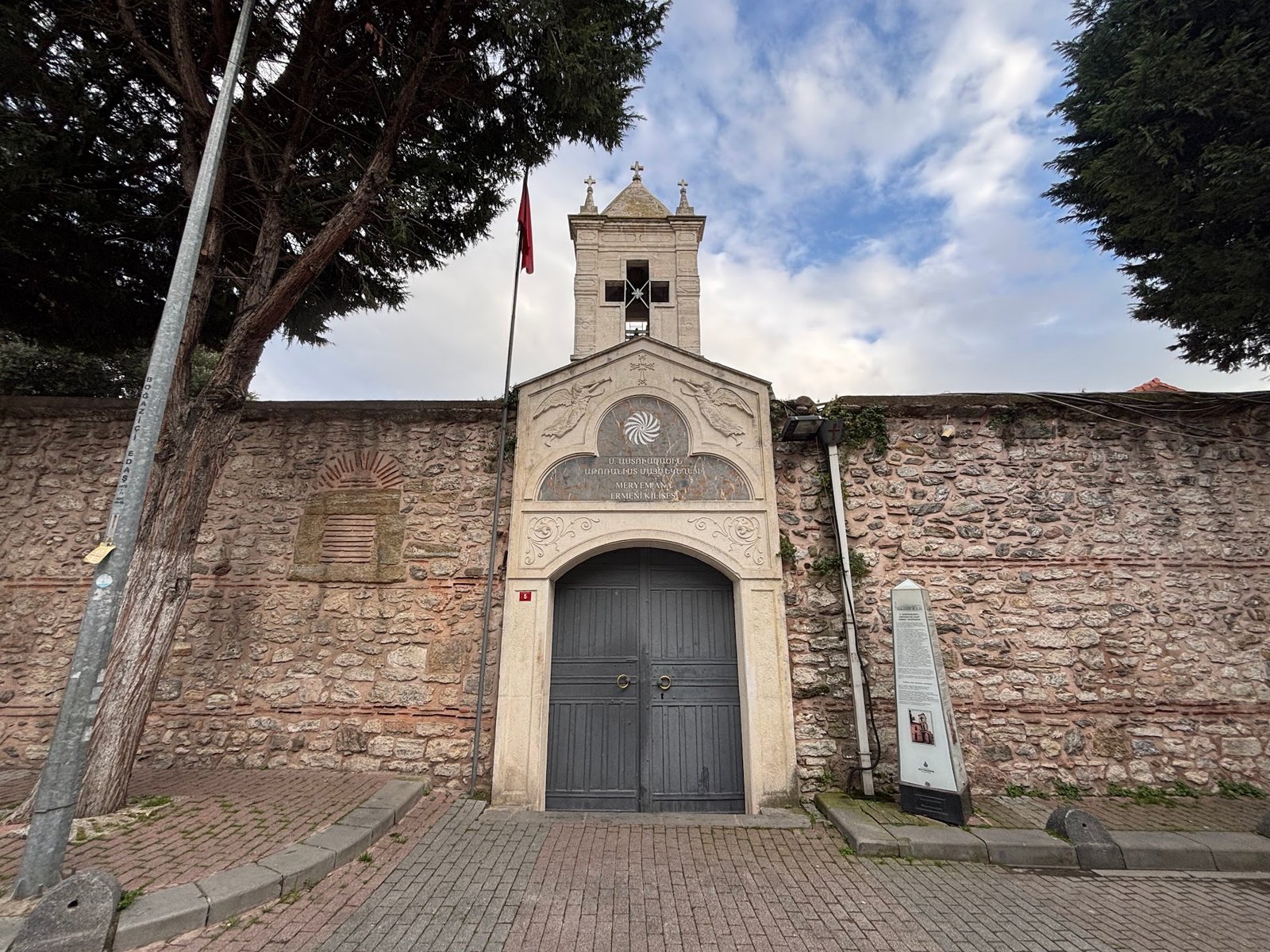
Istanbul does not have one Armenian quarter.
It has many.
For centuries, Armenian life developed across a network of neighborhoods stretching from the old city beside the Marmara Sea to Galata, Pera, Şişli, the Asian side, and the Princes’ Islands.
Churches formed important anchors within these communities, but Armenian Istanbul was never defined by churches alone. Schools, workshops, printing houses, charitable foundations, businesses, hospitals, theaters, newspapers, family homes, and commercial networks all helped create a distinctive Armenian geography within the city.
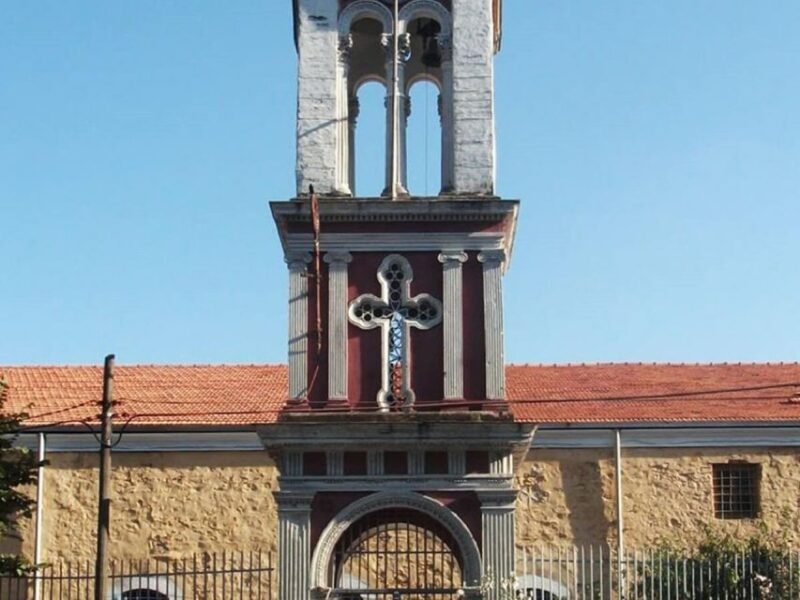
One of the best ways to understand this history is to follow a route through the neighborhoods themselves:
Samatya → Kumkapı → Gedikpaşa → Galata → Pera/Beyoğlu
From there, the story expands toward Balat, Şişli, Üsküdar, Kadıköy, and Kınalıada.
Following this map reveals not only the story of Istanbul’s Armenian community, but also the transformation of Constantinople into the enormous modern metropolis we know today.
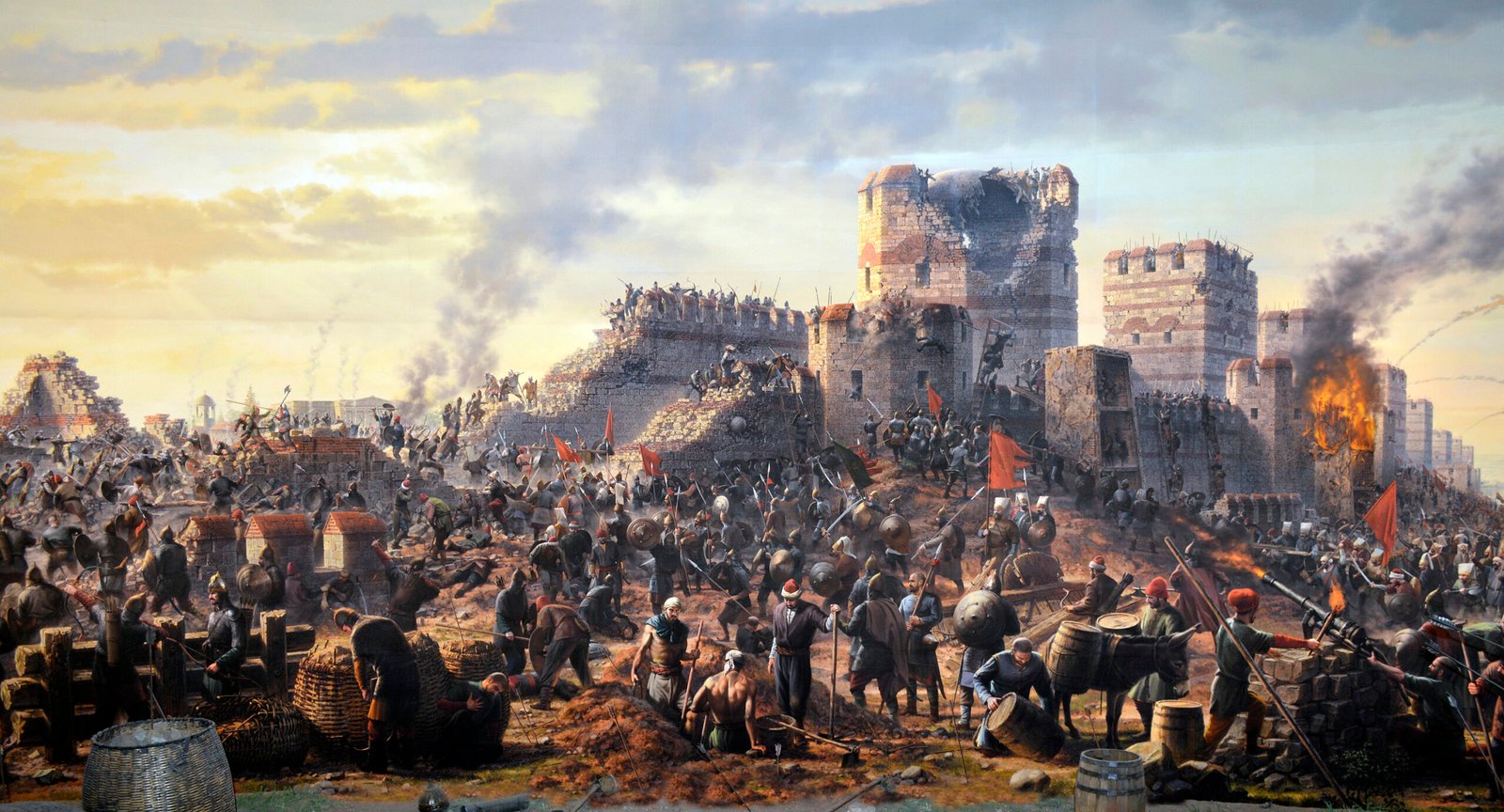
Armenians in Constantinople Before 1453
Armenian history in Istanbul did not begin with the Ottoman conquest.
Armenians had been connected with Constantinople throughout the Byzantine period as soldiers, merchants, craftsmen, churchmen, administrators, and members of the imperial elite.
People of Armenian background could rise remarkably high within Byzantine society, and several emperors and powerful military families had Armenian ancestry or connections.
The city also stood at the center of routes connecting Anatolia, the Caucasus, the Black Sea, and the Mediterranean, bringing Armenian merchants and travelers into contact with Constantinople long before 1453.
That earlier history becomes particularly important when looking at places such as Galata, whose Armenian presence cannot simply be explained as an extension of Ottoman-era settlement in the Historic Peninsula.
But after the Ottoman conquest, the scale and organization of Armenian life in the capital changed dramatically.
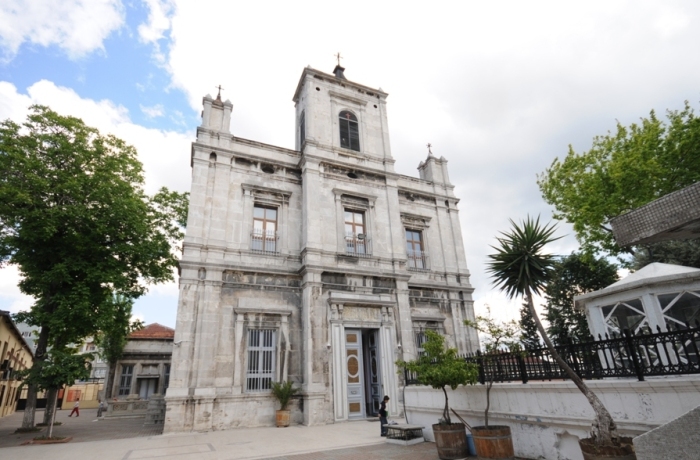
Samatya: One of the Oldest Armenian Centers of Ottoman Istanbul
A journey through Armenian Istanbul can begin in Samatya, known today officially as Kocamustafapaşa.
Located close to the Marmara coast inside the old city walls, Samatya became one of the most important centers of Armenian communal life following the Ottoman conquest of Constantinople in 1453.
Mehmed II sought to repopulate his new capital by bringing communities from different parts of the empire into the city. Armenian families were among those resettled in Constantinople from Anatolian towns and cities.
Samatya developed into one of their principal neighborhoods.
At the heart of this history stands Surp Kevork Armenian Apostolic Church, sometimes known historically as the Church of Sulu Manastır.
The church became closely associated with the early institutional history of the Armenian Patriarchate of Constantinople.
The traditional establishment of the Patriarchate under Ottoman rule provided Armenian Apostolic Christians in the imperial capital with an organized religious and communal structure.
But Samatya was much more than the location of a church.
Around its religious institutions developed schools, charities, workshops, businesses, and generations of family life.
Walking through Samatya today therefore provides one of the best starting points for understanding how Armenian communities became woven into the social fabric of Ottoman Constantinople.
Kumkapı: The Institutional Heart of Armenian Istanbul
Continue east along the Historic Peninsula and the next major chapter appears in Kumkapı.
For centuries, Kumkapı became one of the most recognizable centers of Armenian life in Istanbul.
Most importantly, it became the home of the Armenian Patriarchate of Constantinople, which remains an active institution today.
This makes Kumkapı particularly significant.
Armenian heritage in Istanbul should not be approached as though it belongs exclusively to a vanished historical community. Churches, foundations, schools, and religious institutions continue to form part of the life of Istanbul’s Armenian citizens.
The Patriarchate is perhaps the clearest example.
Historically, the surrounding streets were also filled with Armenian families, craftsmen, merchants, churches, schools, and charitable organizations.
Its location was ideal.
Kumkapı stood close to the commercial heart of the old city, with easy access to the Grand Bazaar, the Marmara ports, administrative districts, and major markets.
This relationship between neighborhood, church, business, and family is fundamental to understanding Armenian Istanbul.
A church was rarely an isolated monument.
It often stood within an entire communal ecosystem.
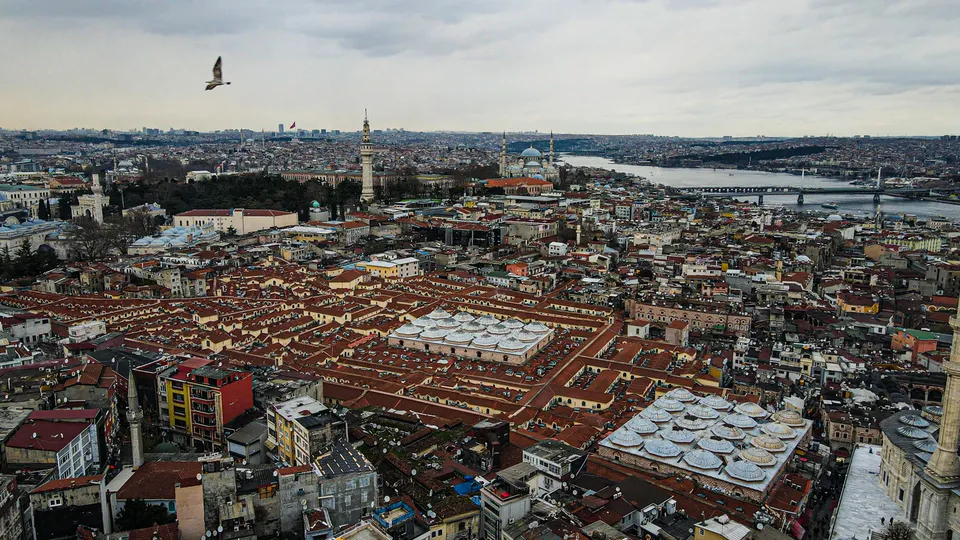
Gedikpaşa: Workshops, Commerce, and Religious Diversity
From Kumkapı, the story continues toward Gedikpaşa.
Located between the old residential quarters and the enormous commercial world surrounding the Grand Bazaar, Gedikpaşa became another important center of Armenian urban life.
Armenian craftsmen and merchants were deeply involved in the commercial economy of Ottoman Istanbul.
Tailors, jewelers, metalworkers, printers, shoemakers, merchants, and other trades were part of the densely interconnected neighborhoods surrounding the bazaar.
Gedikpaşa also helps reveal something that is sometimes overlooked when discussing Ottoman Armenian history:
The Armenian community was not religiously uniform.
While the Armenian Apostolic Church remained the largest denomination, Armenian Catholic and Protestant communities also became increasingly important, particularly during the nineteenth century.
Schools, religious institutions, newspapers, publishing houses, and intellectual circles multiplied during this period.
Armenian Istanbul was becoming not only larger and more prosperous but also increasingly diverse.
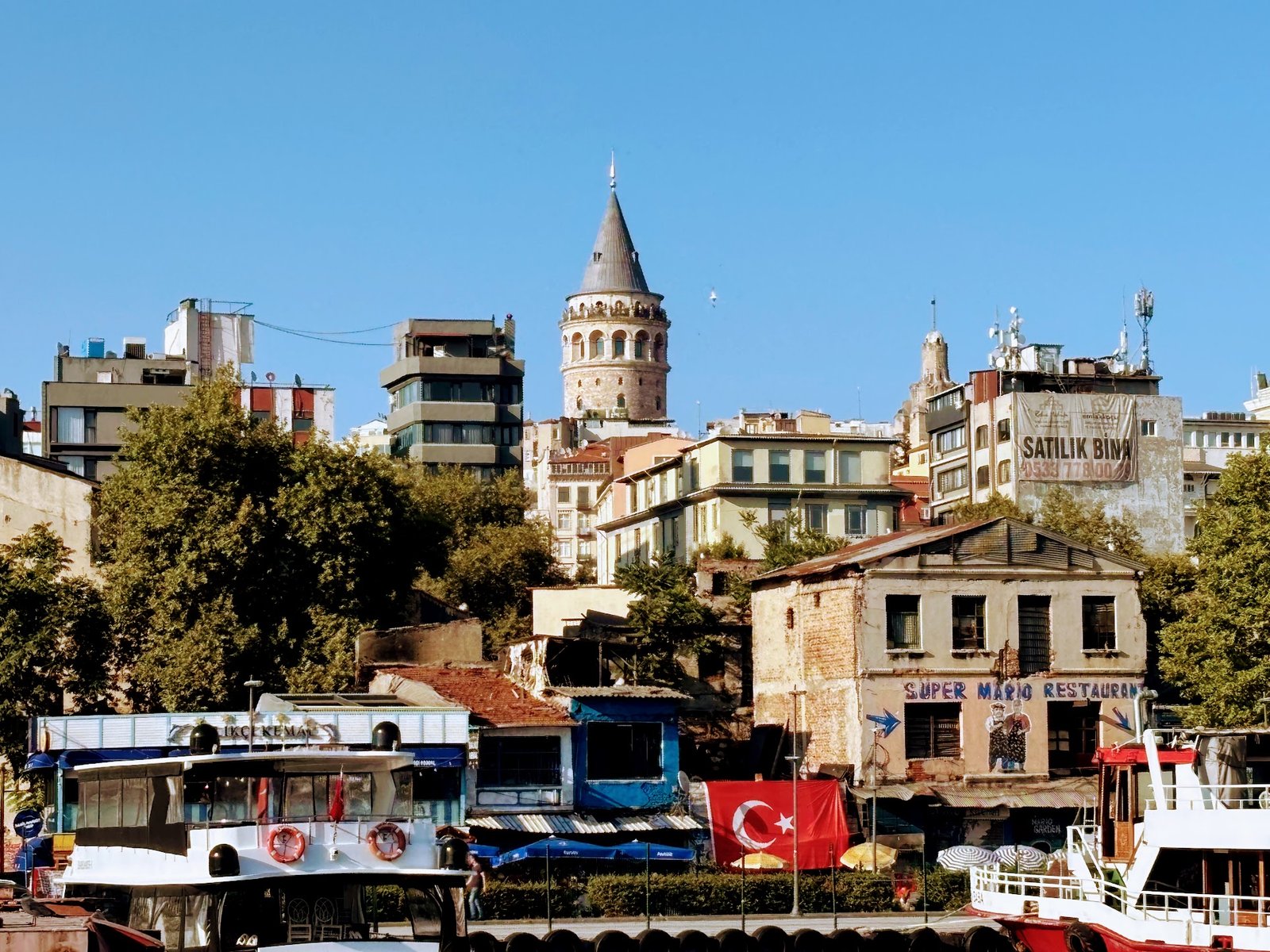
Galata, Pera and Beyoğlu: Trade, Culture and Modern Armenian Istanbul
Crossing the Golden Horn into Galata introduces a different Armenian world.
Unlike Samatya or Kumkapı, Galata already had a strong commercial identity before 1453. During the Byzantine and Genoese periods it became one of the eastern Mediterranean’s major trading centers.
Armenian merchants and craftsmen participated in networks connecting Constantinople with Anatolia, the Caucasus, the Black Sea, and the Mediterranean.
After the Ottoman conquest, Galata remained a remarkably cosmopolitan district. Muslims, Greeks, Armenians, Jews, Europeans, and Levantines lived and worked within the same commercial environment.
By the eighteenth and nineteenth centuries, Armenian merchants, financiers, jewelers, architects, craftsmen, and professionals had become increasingly prominent.
As Istanbul expanded, this commercial world gradually moved uphill toward Pera.
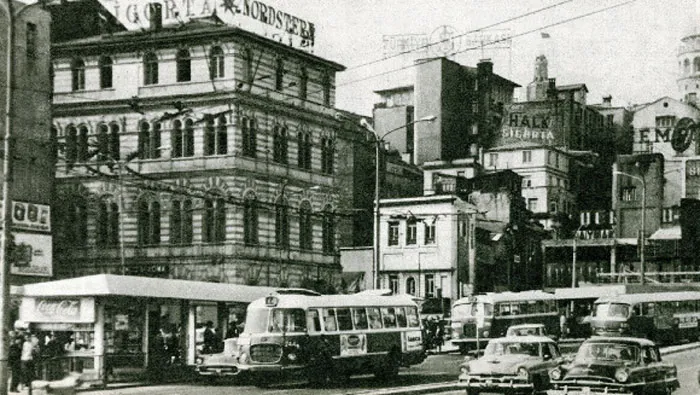
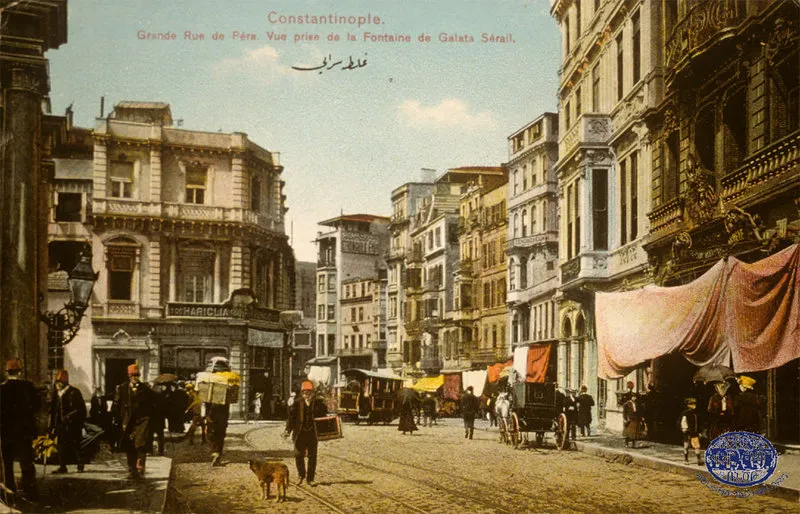
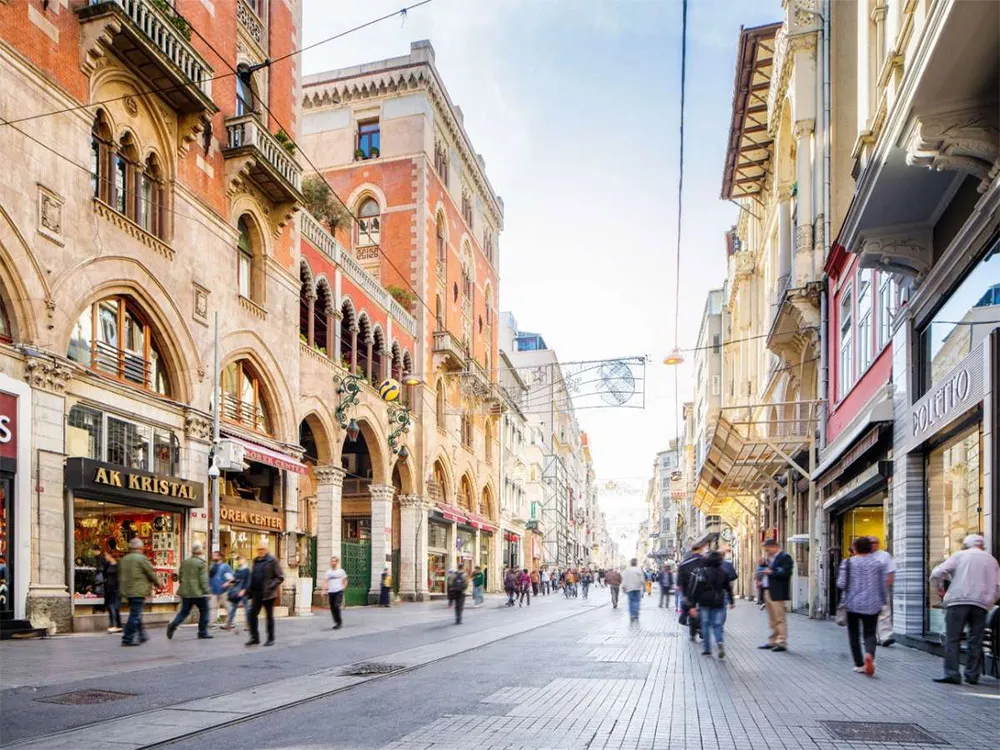
Pera became one of the great centers of nineteenth-century Ottoman modernity.
Embassies, hotels, theaters, cafés, schools, churches, newspapers, photographic studios, shops, and European-style apartment buildings transformed the district.
Armenian doctors, merchants, architects, musicians, actors, journalists, teachers, publishers, civil servants, and entrepreneurs became deeply involved in this new urban culture.
What we call Beyoğlu today contains much of this historical world.
Armenian life here was less concentrated around a single traditional neighborhood and instead spread across churches, businesses, schools, residences, publishing houses, theaters, and professional networks.
The Armenian Architects Who Helped Build Ottoman Istanbul
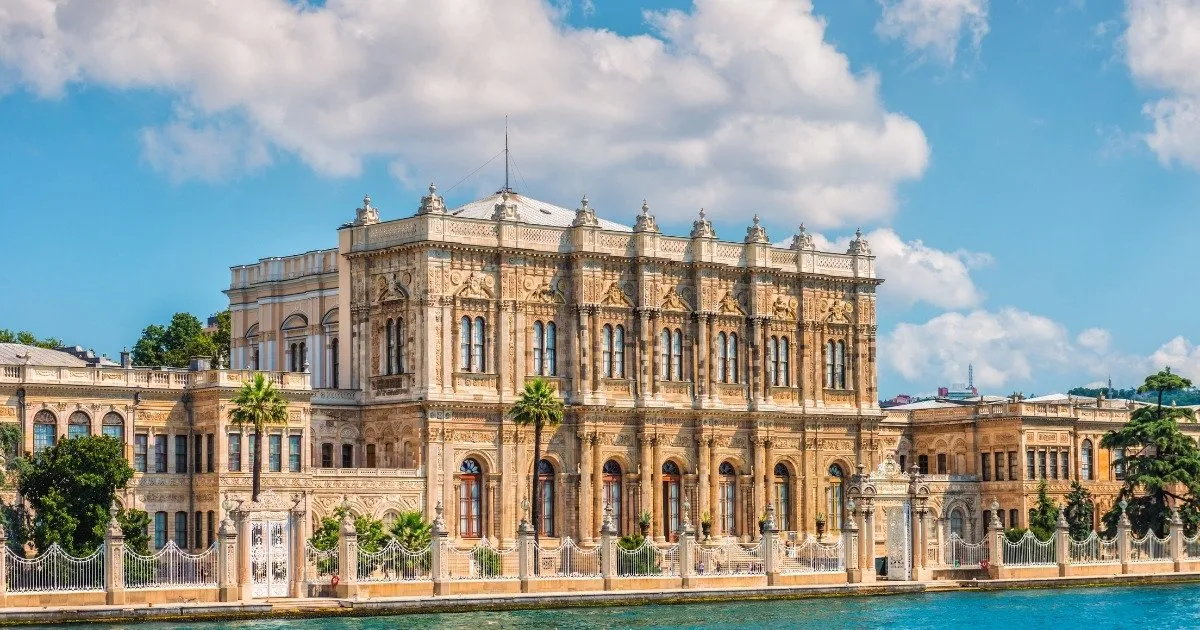
The Armenian contribution to Istanbul is perhaps nowhere more visible than in its architecture.
The most famous example is the Balyan family.
Generations of Balyan architects worked for the Ottoman court and participated in the construction of some of the most recognizable buildings of nineteenth-century Istanbul.
Their architectural legacy became intertwined with that of the Ottoman dynasty itself.
This leads to an important point.
Armenian heritage in Istanbul is not found only inside Armenian churches or former Armenian neighborhoods.
It is embedded within the wider architectural identity of the city.
Many buildings ordinarily described simply as examples of late Ottoman architecture were created through collaboration among Armenian, Greek, Muslim, Levantine, and European architects, craftsmen, decorators, engineers, and patrons.
Istanbul’s history cannot easily be separated into isolated communal stories.
They constantly overlap.
Balat: A Shared Ottoman Neighborhood
Another layer of this history can be found in Balat.
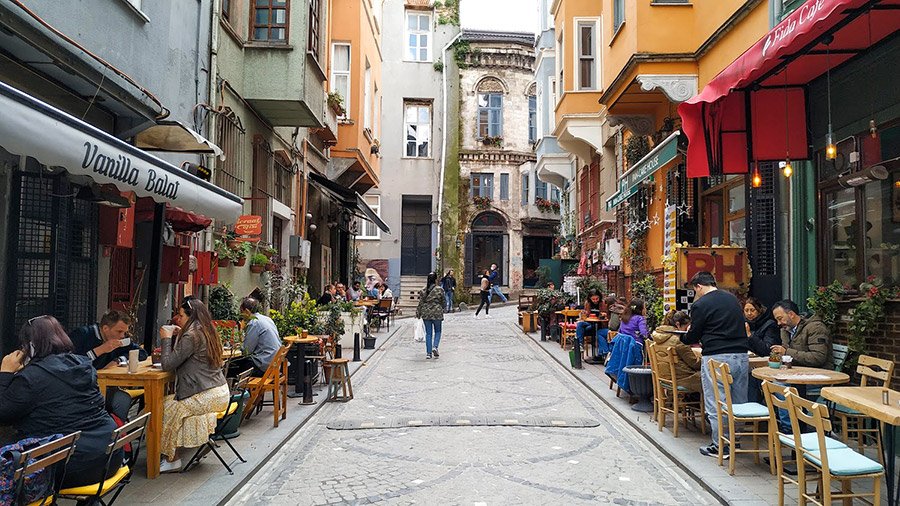
Today the neighborhood is particularly associated with its Greek Orthodox and Jewish heritage, but Armenian families were also part of its complex social landscape.
Ottoman neighborhoods were rarely the neatly separated ethnic enclaves imagined in modern maps.
Communities often organized themselves around particular churches, synagogues, mosques, schools, or foundations, yet they shared streets, markets, fountains, workshops, ports, and commercial spaces with their neighbors.
Balat illustrates this world particularly well.
Greeks, Armenians, Jews, Muslims, migrants from Anatolia, merchants, dockworkers, and craftsmen lived within overlapping urban networks around the Golden Horn.
The neighborhood therefore reminds us to be careful with the term “Armenian quarter.”
These were usually not closed districts.
They were living parts of a much larger city.
Şişli: A Community Moves North
By the late nineteenth and twentieth centuries, Istanbul was expanding rapidly beyond its traditional center.
So was the Armenian community.
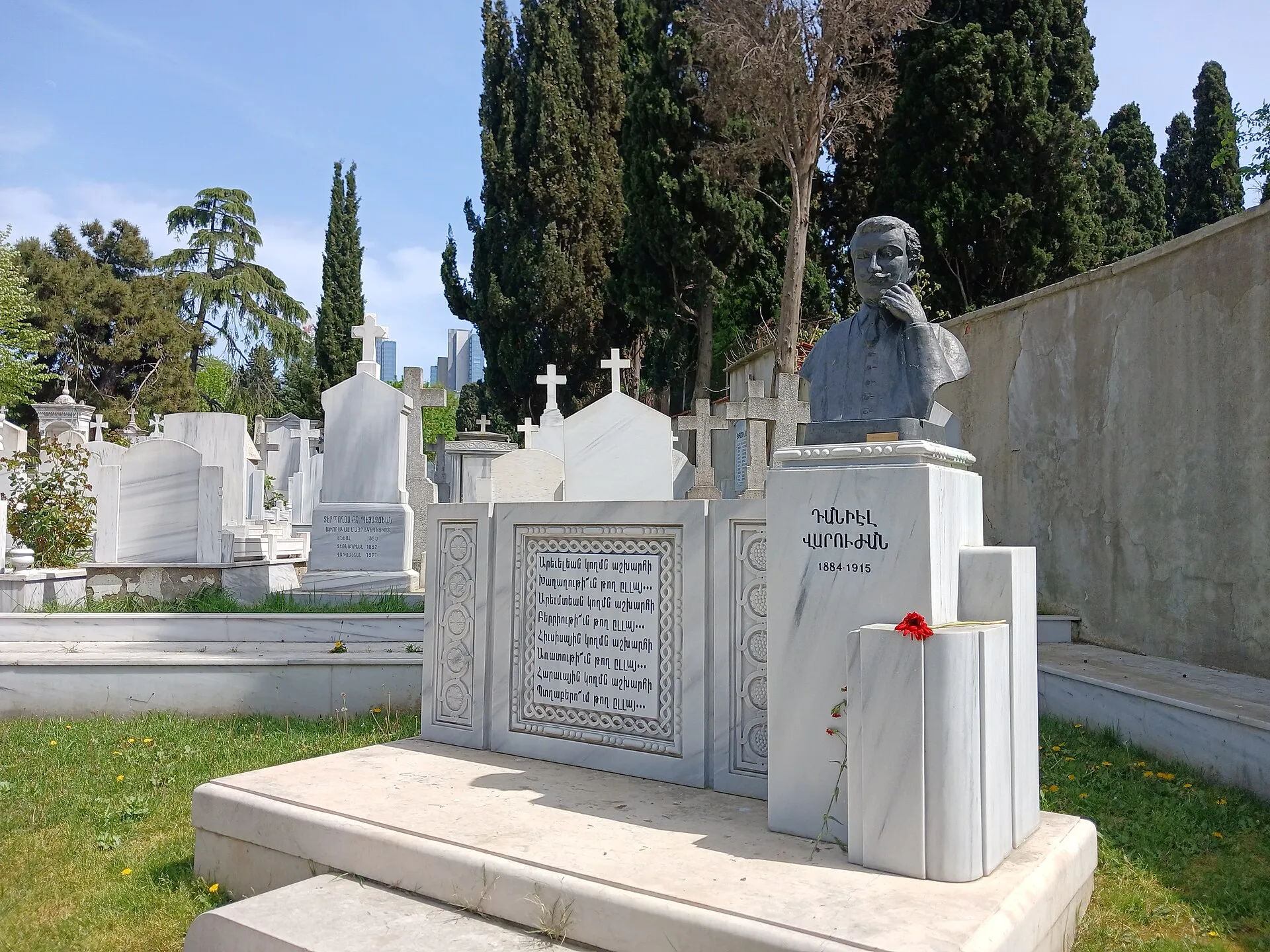
Şişli became one of the most important centers of modern Armenian life in Istanbul.
This movement reflected a broader transformation occurring across the city.
Families who had lived for generations around the Historic Peninsula, Galata, or Pera increasingly moved toward newly developing northern neighborhoods.
Apartment buildings replaced many traditional wooden houses.
New transportation systems made it possible to live farther from the historic commercial center.
Schools, churches, businesses, cemeteries, hospitals, and community institutions followed the population northward.
The Armenian map of Istanbul was changing again.
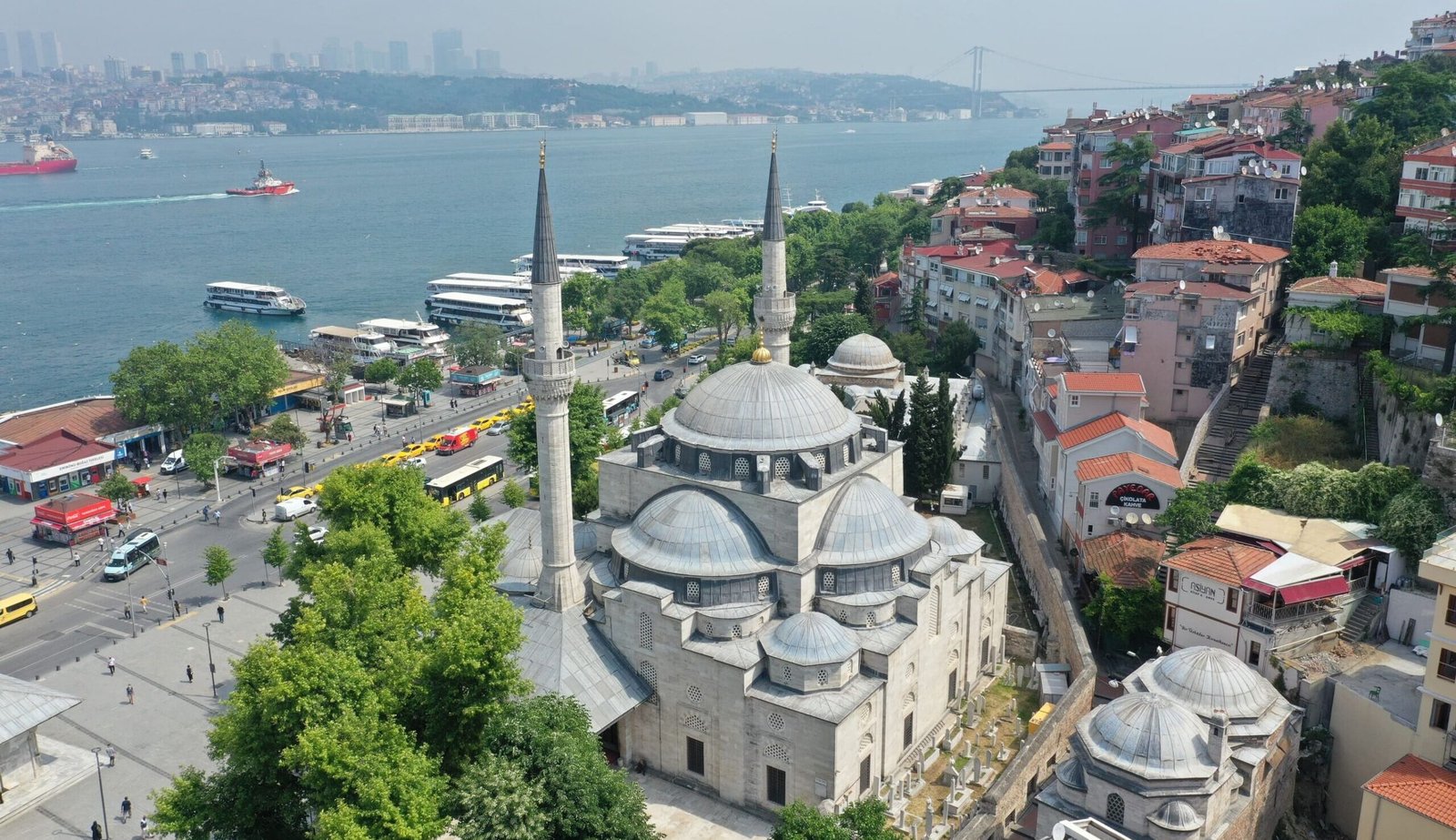
Üsküdar: The Armenian Connection with Anatolia
Armenian Istanbul was never limited to Europe.
Across the Bosphorus, Üsküdar had long served as one of the principal gateways between Constantinople and Anatolia.
Caravans, merchants, pilgrims, soldiers, officials, and travelers passed through the district before continuing east.
Armenians became part of this urban environment as well.
Üsküdar is particularly interesting because it connects the story of Istanbul’s Armenian population with a much broader Armenian geography stretching through Anatolia.
Families arrived in the imperial capital from cities and towns including Bursa, İzmit, Ankara, Kayseri, Sivas, Erzurum, Van, and many other places.
Some stayed.
Others conducted business in the capital while maintaining connections with their hometowns.
The Armenian history of Istanbul was therefore always connected to the larger history of Anatolia.
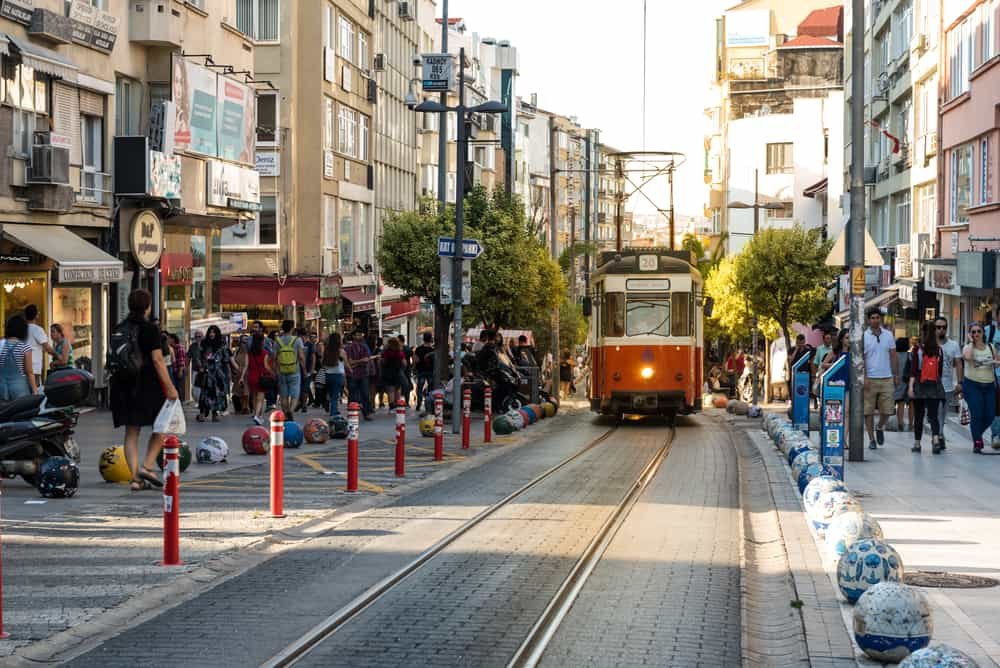
Kadıköy: Armenian Life on the Asian Side
Further south, Kadıköy became another important Armenian residential center.
Known in antiquity as Chalcedon, Kadıköy grew especially rapidly during the late Ottoman period.
Improved ferry connections transformed the district.
It became increasingly possible to live on the Asian shore while working in Galata, Pera, or the Historic Peninsula.
Armenian families joined Greeks, Jews, Muslims, Levantines, and other communities moving into the expanding neighborhood.
Churches, schools, businesses, and family residences developed around this new urban environment.
Kadıköy represents another stage in the transformation of Armenian Istanbul from a collection of historic quarters into a genuinely metropolitan community.
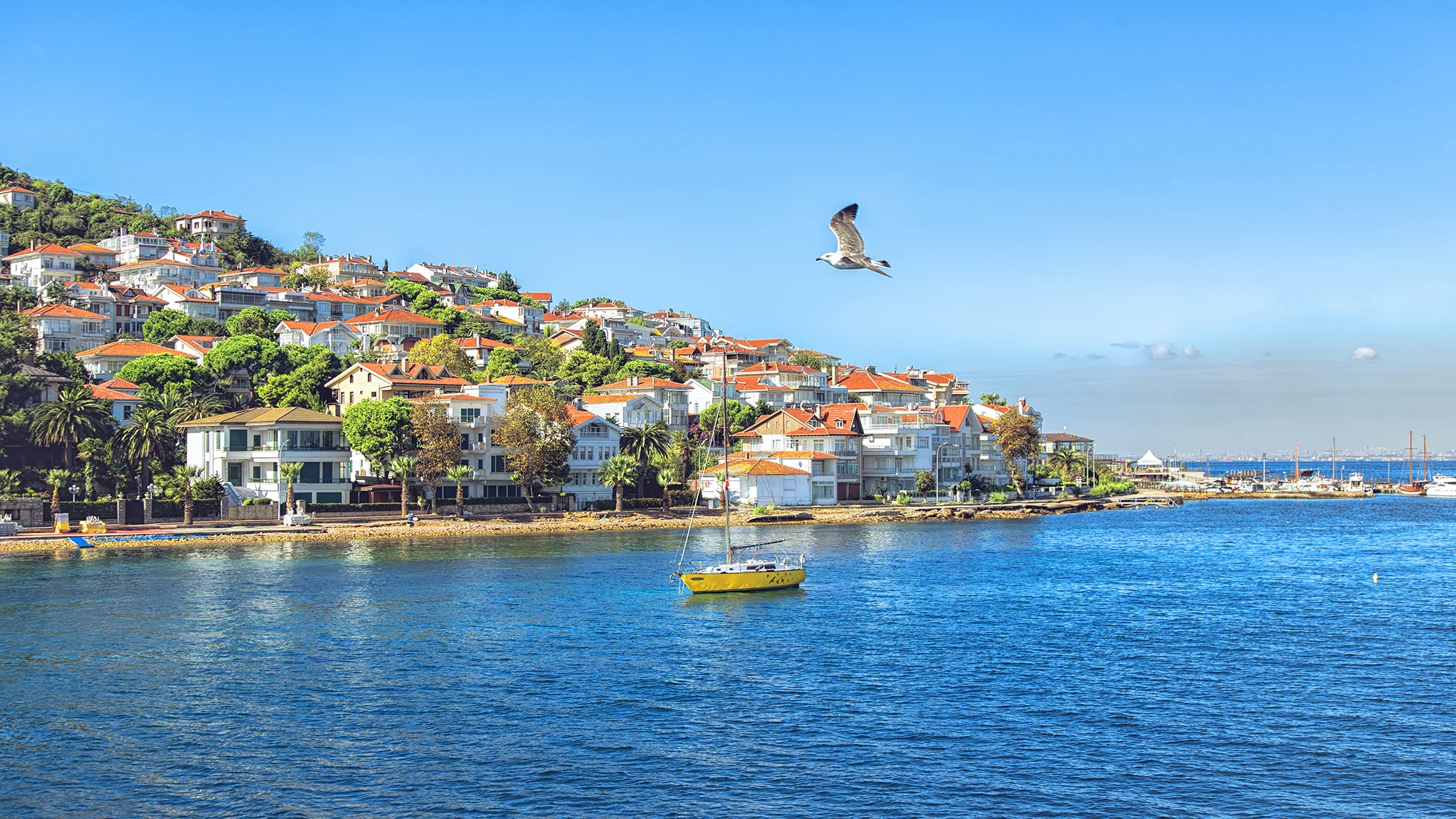
Kınalıada: The Armenian Island of Istanbul
Perhaps the most distinctive Armenian environment outside the urban center developed on Kınalıada.
One of Istanbul’s Princes’ Islands, Kınalıada became particularly popular among Armenian families during the nineteenth and twentieth centuries.
Summer houses, churches, community gatherings, restaurants, family visits, and seasonal migration created an atmosphere quite different from that of Kumkapı or Şişli.
For many families, the island became an extension of city life.
Someone might spend much of the year in Şişli, Pangaltı, Kurtuluş, or Beyoğlu, while moving to Kınalıada during the summer.
Community geography therefore changed with the seasons.
Kınalıada remains strongly associated with Istanbul’s Armenian community today and provides one of the clearest examples of the continuity of Armenian life within the modern city.
Armenian Istanbul Was More Than Its Churches
Churches provide some of the most visible surviving landmarks of Armenian Istanbul.
But they tell only part of the story.
Armenian life was also built around:
- schools
- printing houses
- newspapers
- hospitals
- charitable foundations
- workshops
- banks
- theaters
- architectural firms
- cemeteries
- markets
- shops
- restaurants
- apartment buildings
- family businesses
These institutions connected neighborhoods together.
An Armenian merchant might live in Samatya, maintain a business in Galata, visit institutions in Kumkapı, attend a performance in Pera, and have relatives elsewhere in the city.
Later generations might move to Şişli or Kadıköy and spend summers on Kınalıada.
Seen this way, Armenian Istanbul was not a collection of isolated quarters.
It was a network.
Fire, Earthquake, and a Constantly Changing City
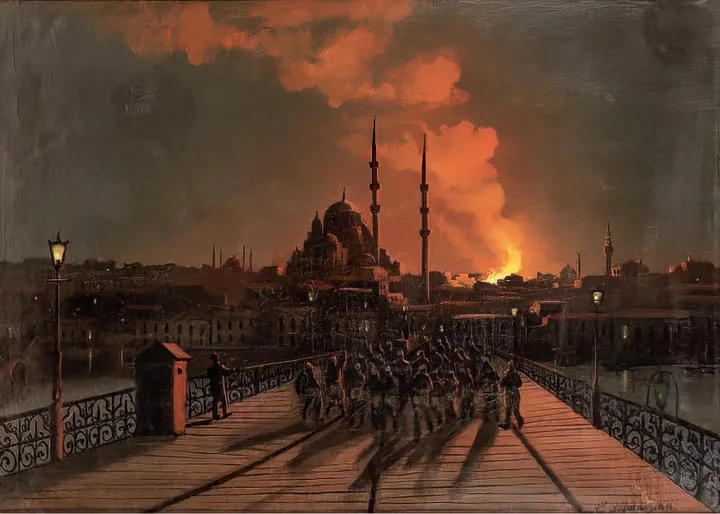
There is another reason why the historical geography of Armenian Istanbul can be difficult to reconstruct.
Istanbul constantly rebuilt itself.
Large fires regularly swept through the densely packed wooden neighborhoods of the Ottoman capital.
Earthquakes damaged churches, houses, city walls, workshops, and public buildings.
Entire neighborhoods could change within a generation.
Churches were rebuilt.
Congregations moved.
Families relocated.
Street plans changed.
A neighborhood that had once contained a large Armenian population might eventually retain only a church or school as evidence of its earlier history.
The city visible today is therefore only the latest layer of a much older urban landscape.
The Twentieth Century and a Changing Community
The final decades of the Ottoman Empire and the twentieth century brought enormous demographic change to Istanbul and Anatolia.
War, deportations, forced displacement, episodes of mass violence, nationalism, political upheaval, economic pressures, and migration transformed many of the communities that had formed the social fabric of the Ottoman capital.
Istanbul’s Armenian population declined considerably compared with the late Ottoman period, and many historically Armenian neighborhoods gradually lost much of their former population.
Further waves of migration during the twentieth century continued to reshape the community.
But Armenian Istanbul did not disappear.
The Armenian Patriarchate of Constantinople continues its work.
Churches remain active.
Schools continue to educate new generations.
Newspapers and cultural organizations remain part of community life.
Families still gather on Kınalıada.
Businesses, foundations, hospitals, and community organizations continue operating throughout the city.
That distinction matters.
Armenian Istanbul should not be described purely as a lost world.
It is also a living one.
There Was Never Just One Armenian Quarter
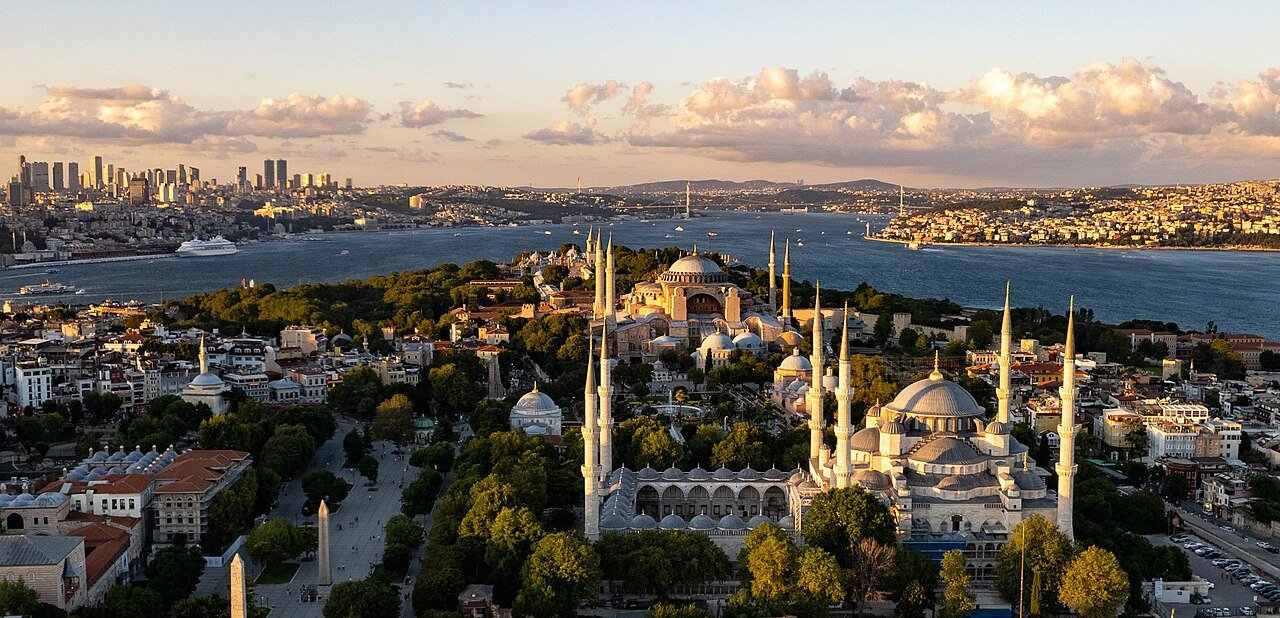
Walking through the Armenian neighborhoods of Istanbul reveals something larger than the story of a single community.
It reveals how Istanbul itself developed.
Samatya introduces the early organization of Armenian life in Ottoman Constantinople.
Kumkapı became its institutional and religious center.
Gedikpaşa reveals craftsmanship, commerce, and denominational diversity.
Crossing the Golden Horn to Galata takes us into an older world of Mediterranean commerce and Armenian connections that stretch back before 1453.
Pera and Beyoğlu reveal the intellectual, artistic, architectural, and professional world of nineteenth-century Armenian Istanbul.
Balat reminds us that Ottoman neighborhoods were usually shared spaces rather than sealed ethnic enclaves.
Şişli represents the movement into the modern expanding city.
Üsküdar and Kadıköy take the story across the Bosphorus.
And Kınalıada demonstrates how Armenian community life eventually stretched beyond the dense city and into the seasonal world of the Princes’ Islands.
There was never just one Armenian quarter of Istanbul.
There were many Armenian Istanbuls.
They changed with the city, connected with one another, and left their imprint far beyond the boundaries of individual Armenian neighborhoods.
To follow those traces today is to see Istanbul differently: not simply as a succession of Byzantine and Ottoman monuments, but as a city created through centuries of interaction between communities, cultures, families, craftsmen, merchants, architects, and travelers.
And many of those stories are still alive in the streets of Istanbul today.
Explore Armenian Istanbul with Gate to Türkiye
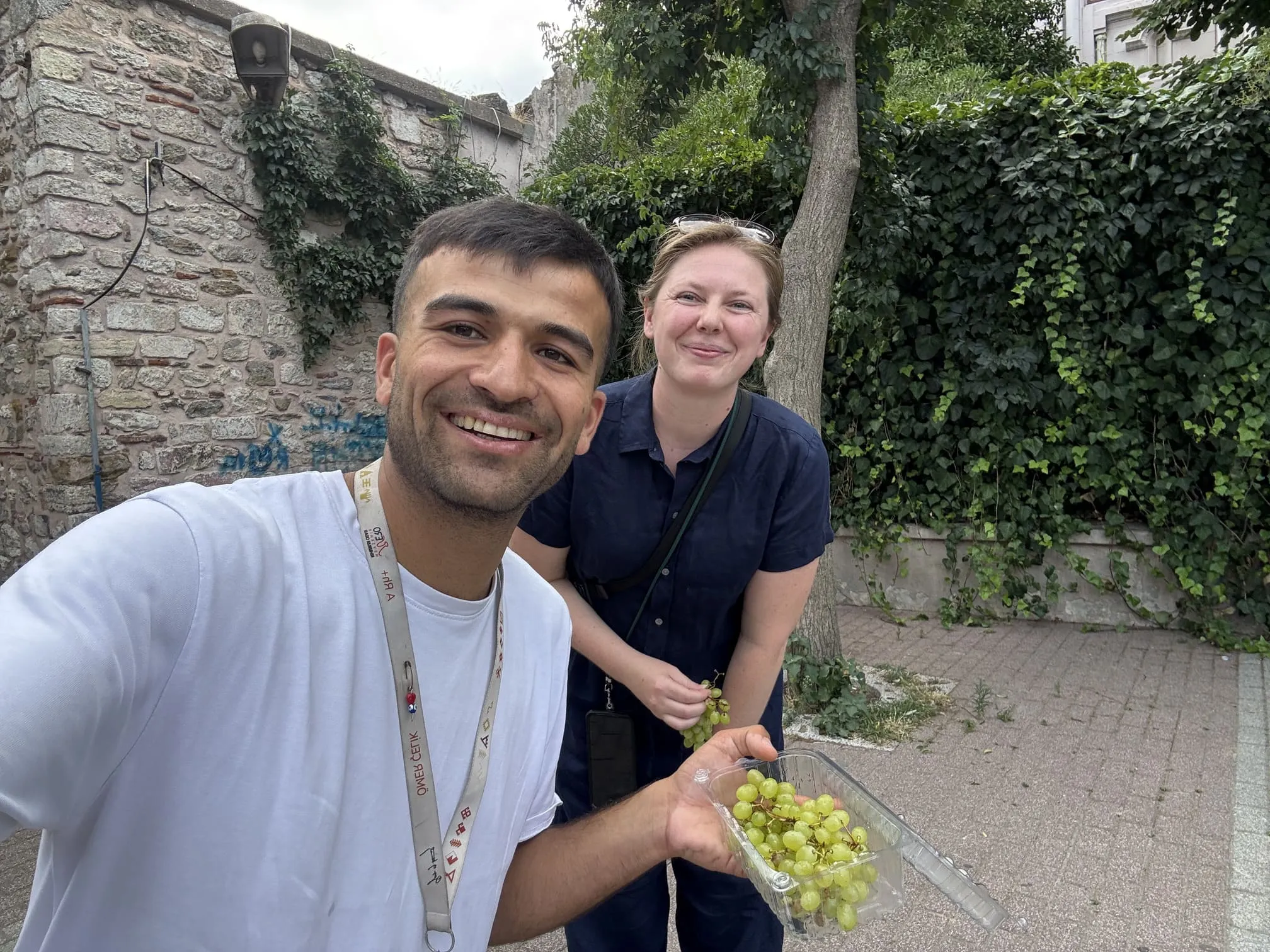
The Armenian heritage of Istanbul is best understood on the streets where this history actually unfolded.
A private Armenian Heritage of Istanbul tour can connect places such as Samatya, Kumkapı, Gedikpaşa, Galata, and Beyoğlu, while adapting the route according to the churches, neighborhoods, architecture, and historical periods that interest you most.
Rather than treating each church or neighborhood as an isolated stop, we follow the connections between them and place Armenian Istanbul within the wider history of Constantinople, the Ottoman Empire, and modern Türkiye.
Interested in exploring Istanbul’s Armenian heritage? Get in touch with Gate to Türkiye and we can build the route around your interests.