


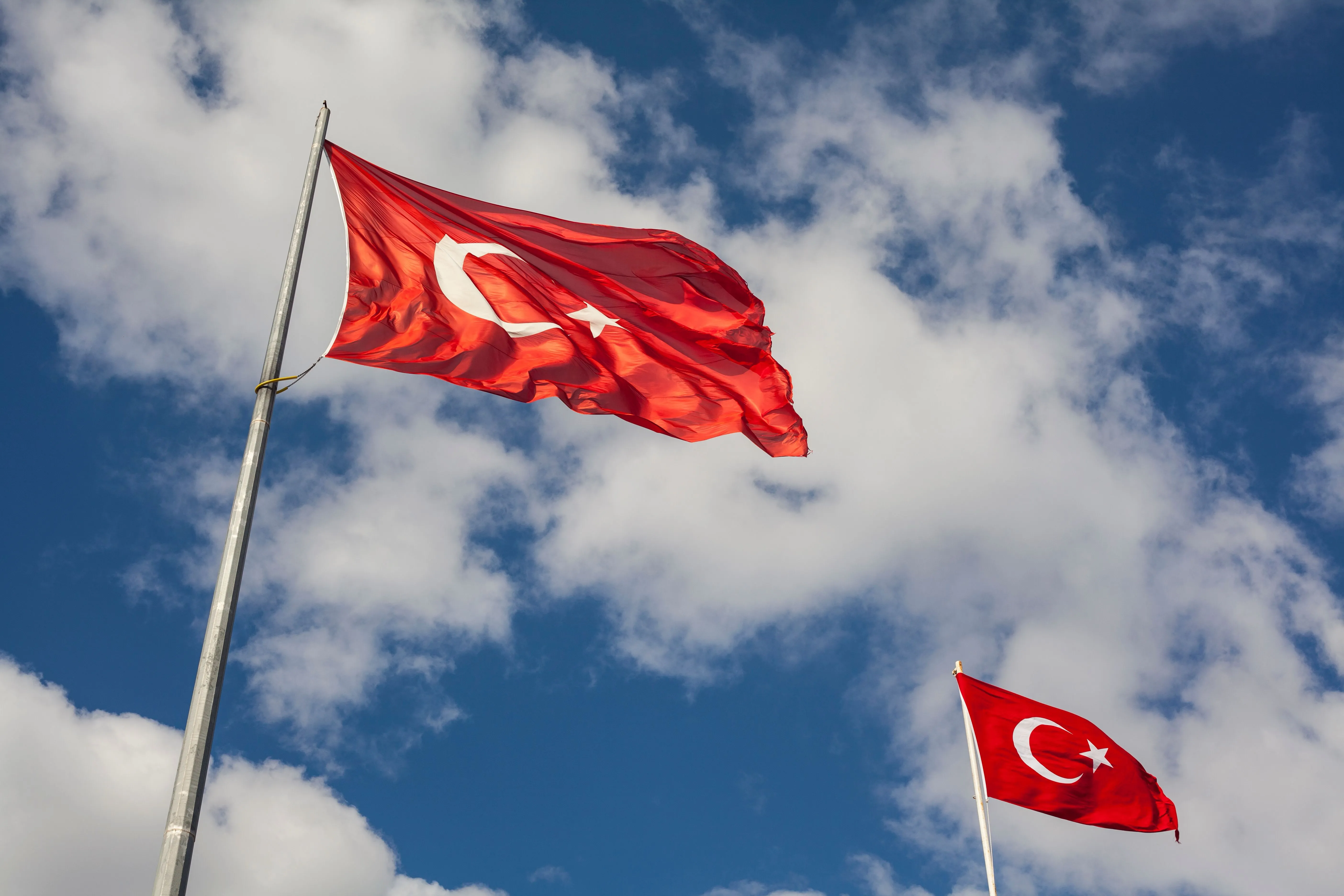
Every year on August 30th, Türkiye marks one of its most significant national holidays: Zafer Bayramı, or Victory Day. Beyond the flags and ceremonies, the day commemorates a hard-fought struggle that shaped the modern Turkish nation. Here's the full story behind it.
What Is Victory Day (Zafer Bayramı)?
Victory Day commemorates the decisive Battle of Dumlupınar, fought on August 30, 1922, in Kütahya province in western Türkiye. This battle marked the turning point of the Turkish War of Independence, as forces led by Mustafa Kemal Atatürk defeated the invading Greek army, paving the way for the eventual founding of the Republic of Turkey in 1923.
The day is a public holiday across the country and is also known as Turkish Armed Forces Day, honoring the military and the sacrifices made during the war.
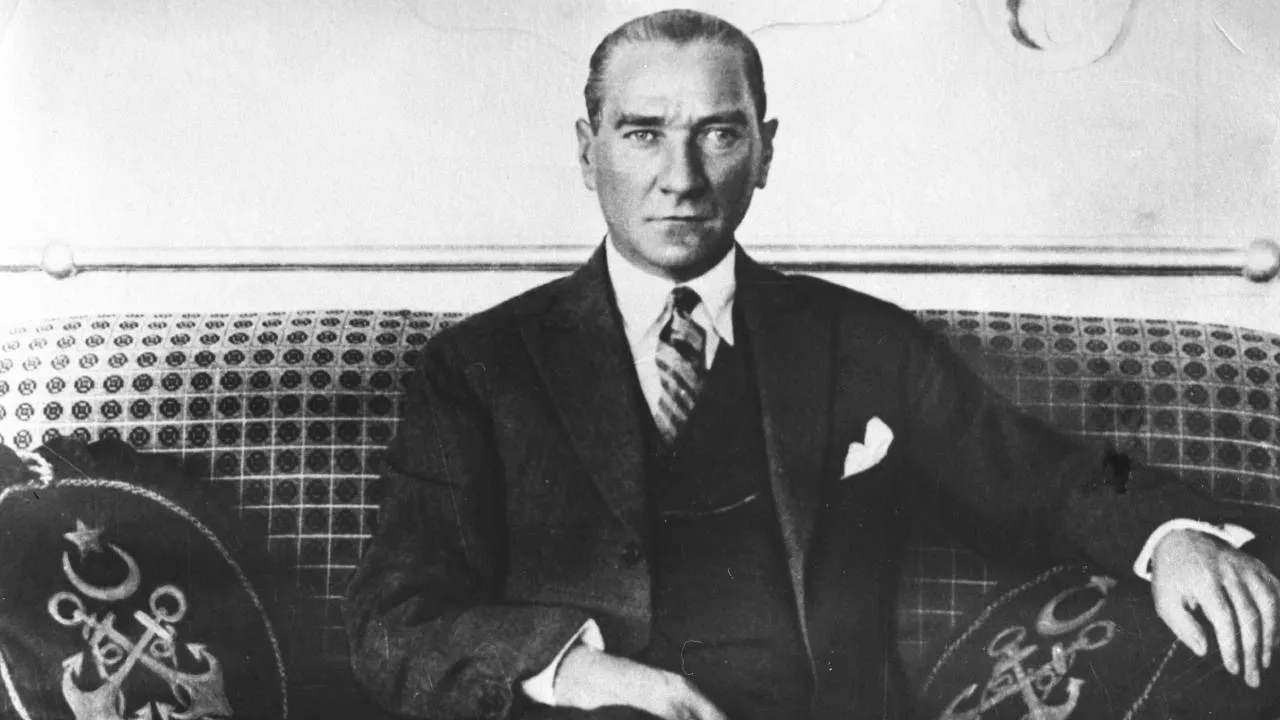
The Struggle Behind the Victory: A Nation Fighting for Its Survival
To understand why August 30th means so much to Türkiye, it helps to look back at the years that led up to it — a period the Turkish people call the İstiklal Savaşı, the War of Independence.
A Country on the Brink
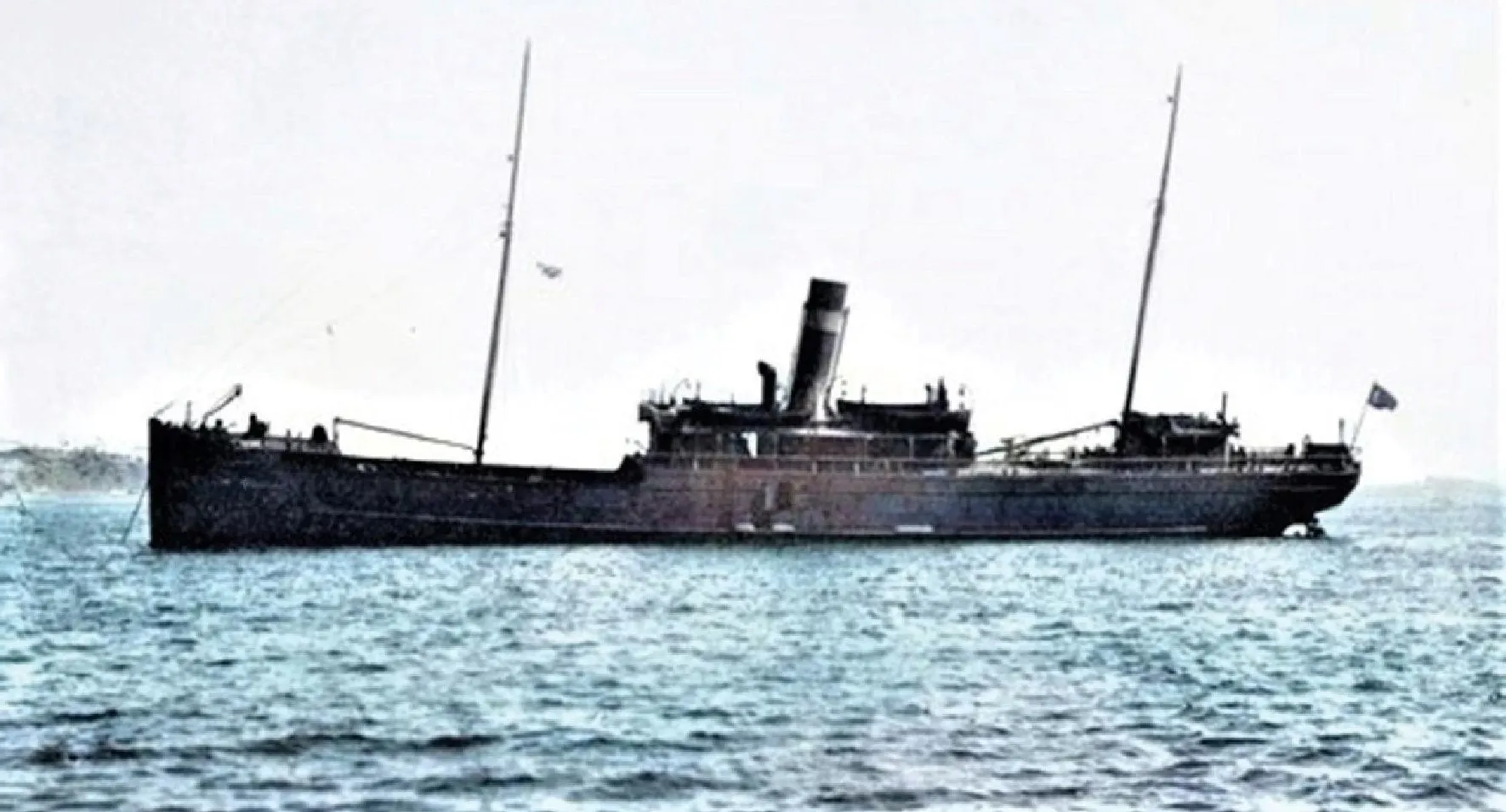
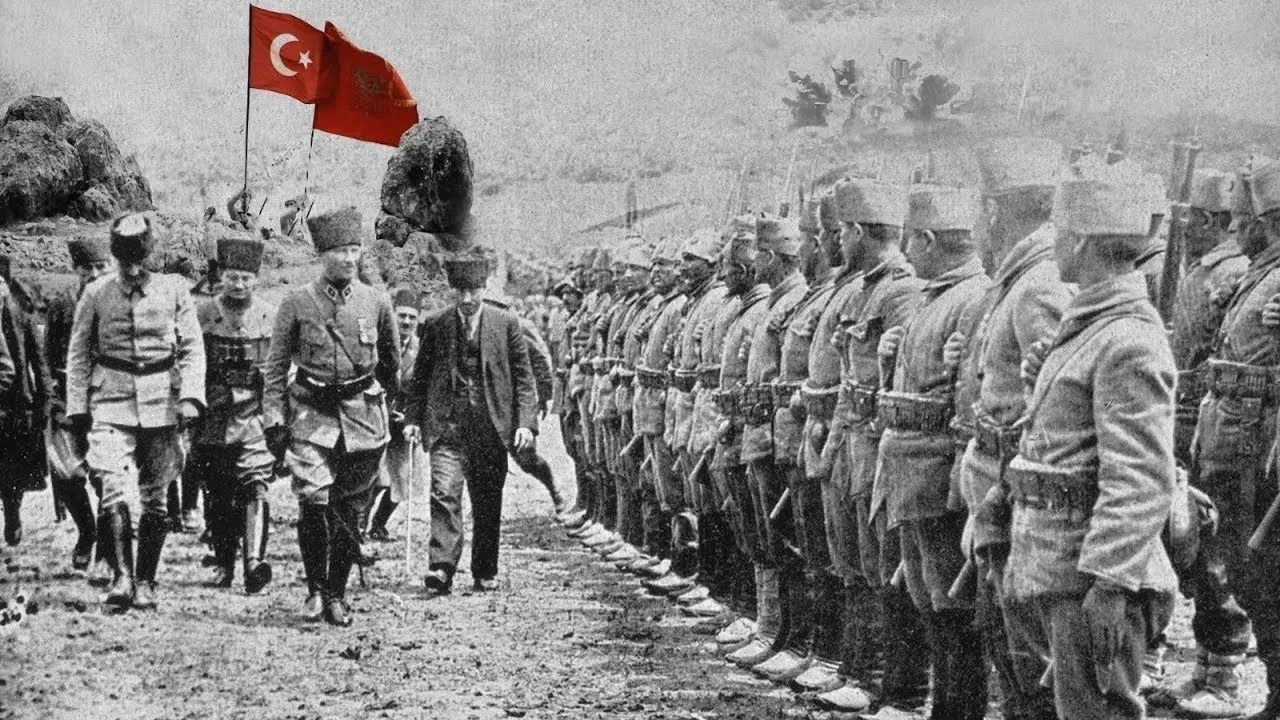
After the defeat of the Ottoman Empire at the end of World War I, the 1918 Armistice of Mudros left much of Anatolia exposed to foreign occupation. Allied powers began carving up what remained of Ottoman territory, and in May 1919, Greek forces landed in İzmir and began advancing inland. For the Turkish people, it felt like the homeland itself was being taken away piece by piece, with foreign troops in major cities and the future of the nation hanging in the balance.In response, Mustafa Kemal Atatürk — then a respected Ottoman general — traveled to Samsun on the Black Sea coast in May 1919 to organize a national resistance movement. What followed was a grassroots struggle: local militias, exhausted soldiers, and ordinary villagers banding together with limited weapons and supplies, determined not to let their homeland disappear from the map. A new government was formed in Ankara, separate from the powerless Ottoman court in occupied Istanbul, and it became the political heart of the resistance.
The Officers' Battle: Sakarya
By the summer of 1921, the Greek army had pushed deep into Anatolia, coming within striking distance of Ankara itself. What followed was the Battle of Sakarya, fought over three grueling weeks in August and September 1921. Turkish forces, personally commanded by Mustafa Kemal, held their ground on dry, unforgiving hilltops against a numerically superior Greek force.
The cost was staggering. Turkish officers suffered casualty rates as high as 70–80%, earning the battle its grim nickname among Turks: the "Officers' Battle." Atatürk himself later called it Melhame-i Kübra— a term evoking Armageddon — reflecting just how close and costly the fight had been. Yet the Turkish lines held. The Greek advance was stopped for good, and the momentum of the war began to shift.
The Great Offensive and the Battle of Dumlupınar
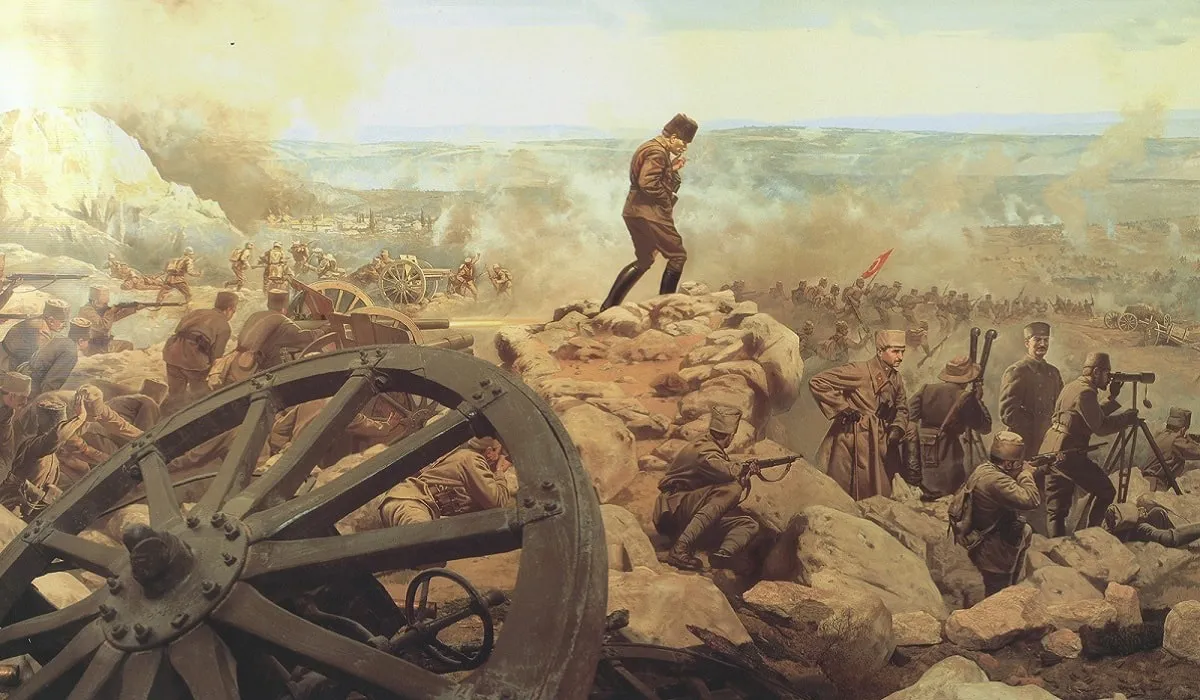
After Sakarya, both sides settled into an uneasy standoff for nearly a year while Turkish forces rebuilt their strength. Then, at dawn on August 26, 1922, near Kocatepe in Afyonkarahisar, the Turkish army launched the Great Offensive — a coordinated, all-out assault built on a year of careful preparation.
The Greek defensive lines broke under the pressure. Within days, the two armies clashed in what became the war's largest and most decisive engagement: the Battle of Dumlupınar, fought from August 26 to 30, 1922. Around 115,000 Turkish soldiers pressed forward against a Greek force of roughly 130,000–140,000 men. Turkish artillery proved devastatingly effective, and Atatürk's tactics concentrated overwhelming force at critical points in the Greek lines. By August 30, the Greek army in the field had been effectively destroyed as a fighting force, with tens of thousands killed, wounded, or taken prisoner.
It's this final, crushing victory at Dumlupınar — achieved after years of occupation, loss, and sacrifice — that Türkiye commemorates every August 30th.
Liberation and the Birth of a New Nation
The victory at Dumlupınar triggered a rapid collapse of the remaining Greek positions in Anatolia. Turkish forces pursued the retreating army westward, and on September 9, 1922, İzmir was liberated, effectively ending the war. By September 18, the whole of western Anatolia was free of foreign occupation for the first time in four years.
The military victory paved the way for the Armistice of Mudanya and, ultimately, the Treaty of Lausanne, which secured international recognition of Turkish sovereignty. A little over a year later, on October 29, 1923, the Republic of Turkey was formally declared, with Mustafa Kemal — later given the surname Atatürk, "Father of the Turks" — as its first president.
August 30th was quickly enshrined as a national holiday, not just to celebrate a single battle, but to honor everything that struggle represented: a people who refused to accept the loss of their homeland, and who — through years of hardship, staggering casualties, and unshakeable resolve — secured the right to determine their own future.
The İzmir March (İzmir Marşı) is one of Türkiye's most cherished patriotic songs, its lyrics honoring the mountains of İzmir, the retreat of the invading army, and the leadership of Mustafa Kemal Pasha in the final days of the War of Independence. Composed in the years following the liberation, it has become a lasting tribute to September 9, 1922 — the day İzmir was freed and the war came to its end. Passed down through generations, the march is still sung with pride today as a symbol of the sacrifice and determination behind Türkiye's independence. This version is performed by Volkan Konak, a respected folk singer from the Black Sea region known for bringing traditional Turkish music to a new generation.
How Is Victory Day Marked Today?
Victory Day is observed nationwide as a public holiday. Traditional elements of the day include:
- Military parades in Ankara, Istanbul, and other major cities
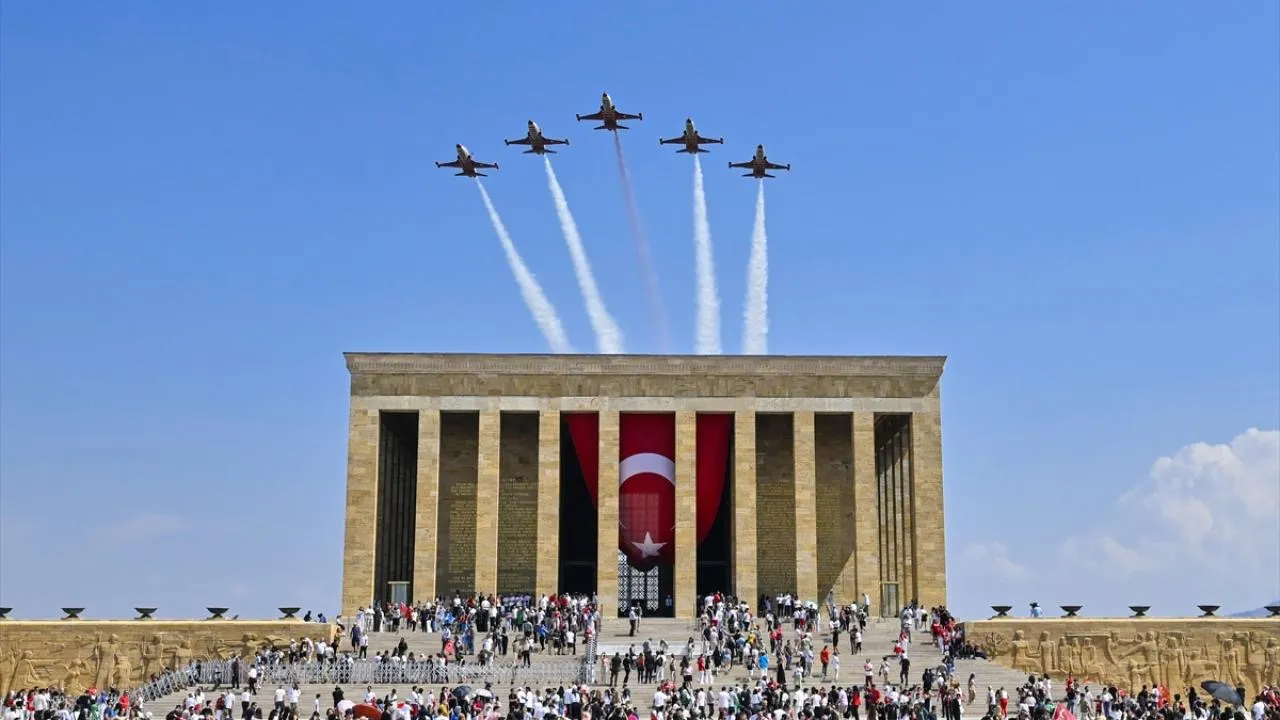
- Aerobatic displays by the Turkish Stars (Türk Yıldızları) and SOLOTÜRK jet teams
- Ceremonies at Atatürk monuments, including wreath-laying at Anıtkabir, Atatürk's mausoleum in Ankara
- The Turkish flag displayed widely on buildings, bridges, and public spaces
- Speeches and official commemorations honoring the armed forces and war veterans
A Defining Moment in Turkish History
Victory Day stands as a symbol of national resilience — a reminder of a period when the Turkish people faced occupation and near-collapse, yet fought their way to independence through years of sacrifice. It remains one of the most solemn and proud dates on the Turkish calendar, central to the country's national identity to this day.
Beyond the history, Türkiye's landscape is dotted with sites connected to this era — from Anıtkabir in Ankara to the battlefields and monuments across Anatolia where the War of Independence was fought. For travelers interested in combining history with their trip, we design tours that go beyond the typical sightseeing route, weaving in the stories, museums, and monuments that bring this chapter of Turkish history to life.
Get in touch with us to explore our historical and cultural tours across Türkiye, or browse our blog for more deep dives into the country's past.
Tagged with :