
Hello There!
Welcome to Gate to Türkiye.


Welcome to Gate to Türkiye.
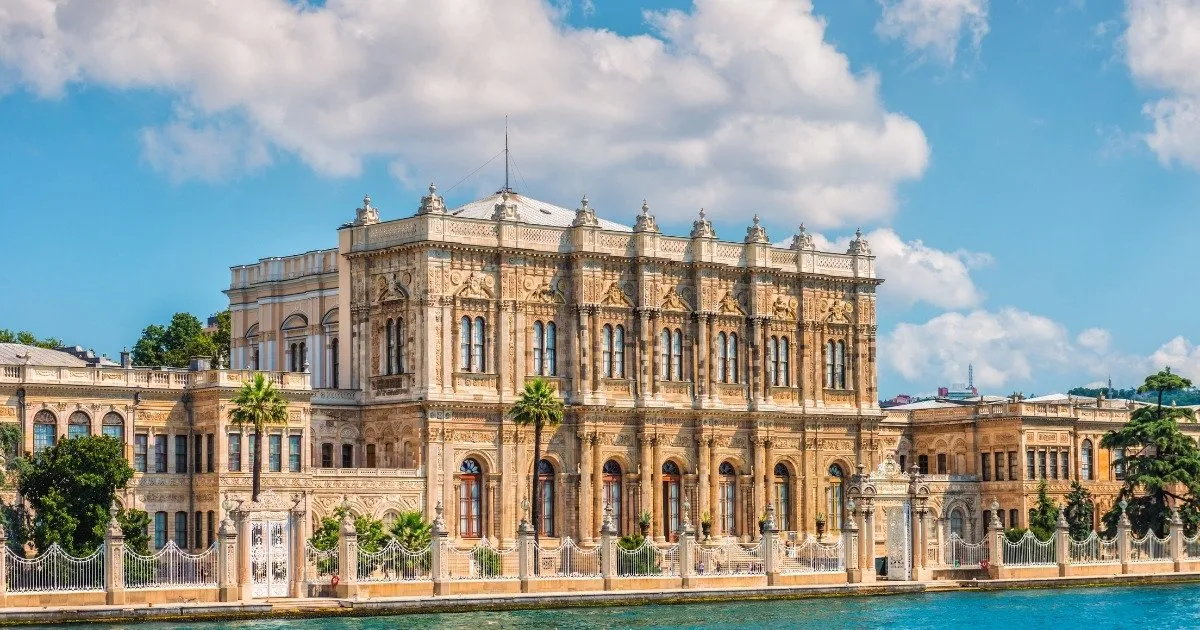
On the European shore of the Bosphorus, where Ottoman warships once dropped anchor in a quiet bay, stands a palace so lavish it helped push an empire toward financial ruin — and so historically charged that Turkey still stops the clocks in its honor every November. This is Dolmabahçe Palace, and its story is really two stories in one: the death of Ottoman tradition and the birth of modern Turkey, told through 285 rooms, a 4.5-ton crystal chandelier, and enough gold leaf to make a sultan blush.
Whether you’re planning a trip to Istanbul or simply curious about one of the most fascinating palaces in the world, here’s the full, accurate story of Dolmabahçe — how it came to be, why it looks the way it does, and why one of its bedrooms is frozen at exactly 9:05 in the morning.
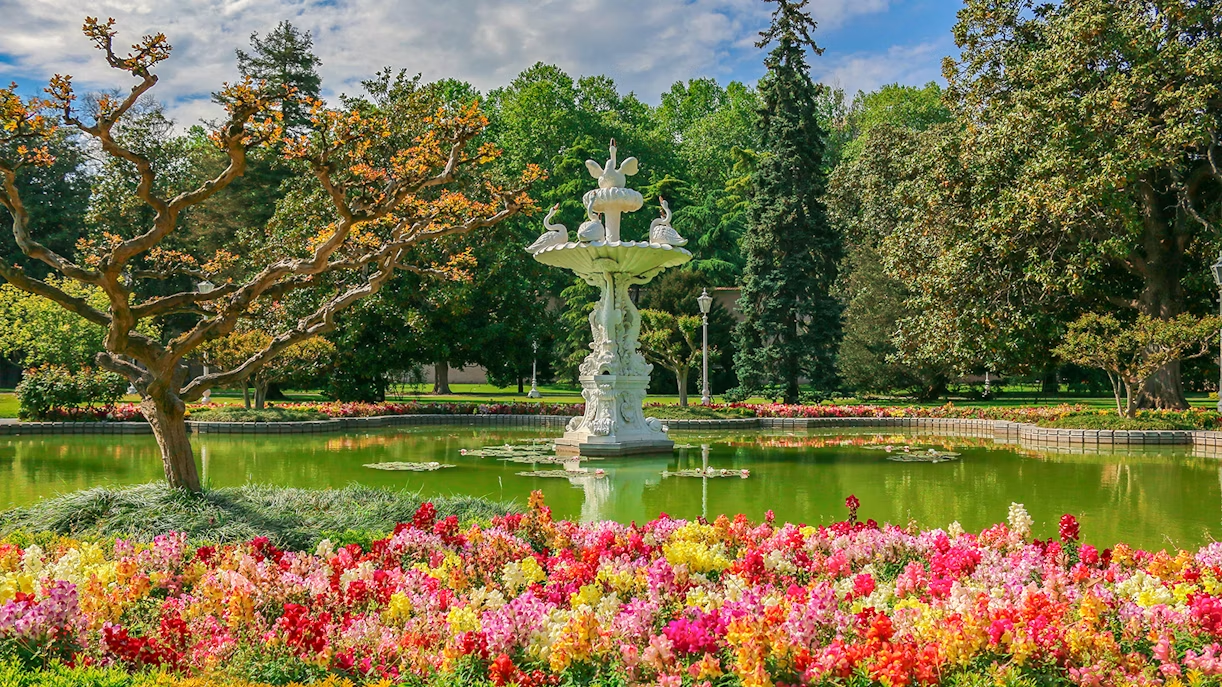
The name is a compound of two Turkish words: dolma (“filled”) and bahçe (“garden”). It’s a literal description of the land itself. The site was originally a shallow bay on the Bosphorus used to moor vessels of the Ottoman navy. Over time, the bay was filled in and turned into imperial gardens, and a scatter of waterfront villas and pavilions — collectively known as the Beşiktaş Sahil (Coastal) Palace — grew up on the reclaimed land through the 18th and early 19th centuries.
By the mid-1800s, that older complex no longer suited the empire’s ambitions, and it was demolished to make way for something far grander.
For nearly 400 years, Ottoman sultans had lived at Topkapı Palace, a sprawling but architecturally medieval complex overlooking the Golden Horn. By the 19th century, Topkapı felt out of step with the times — especially compared to the palaces of European monarchs the Ottomans were increasingly measuring themselves against.
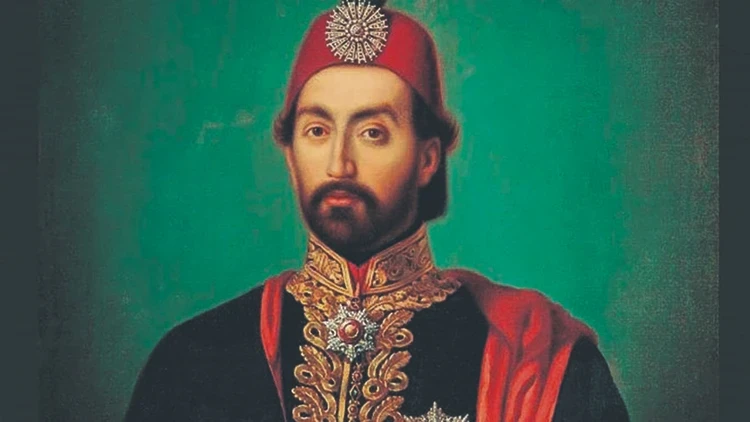
Sultan Abdülmecid I, the empire’s 31st ruler, decided to change that. In 1843, he ordered the old Beşiktaş palace torn down and commissioned a new, thoroughly modern royal residence on the same waterfront site. Construction began that June and the palace officially opened on June 7, 1856 — 13 years of building, at a moment when the Ottoman Empire was already grappling with military decline and mounting debt.
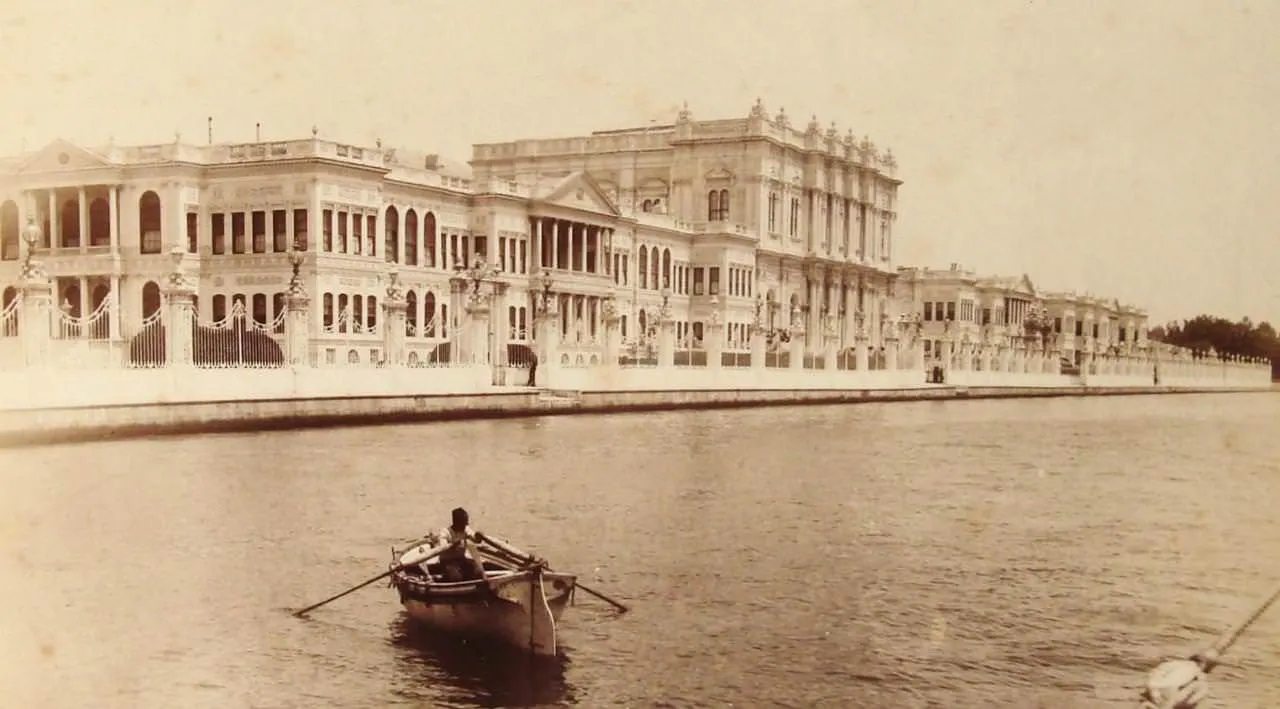
That contradiction is the key to understanding Dolmabahçe: it was built, in large part, to project strength and modernity precisely because the empire behind it was weakening. The palace was meant to dazzle foreign dignitaries and reassure the world — and perhaps the sultan himself — that Ottoman power remained undiminished.
It didn’t come cheap. Estimates put the construction cost at around five million Ottoman gold lira, and the spending didn’t stop once the doors opened. The empire’s addiction to lavish building projects, Dolmabahçe among them, is widely cited by historians as one of the pressures that contributed to the Ottoman government’s eventual default on its public debt in 1875 — a genuine case of a palace helping to bankrupt a state.
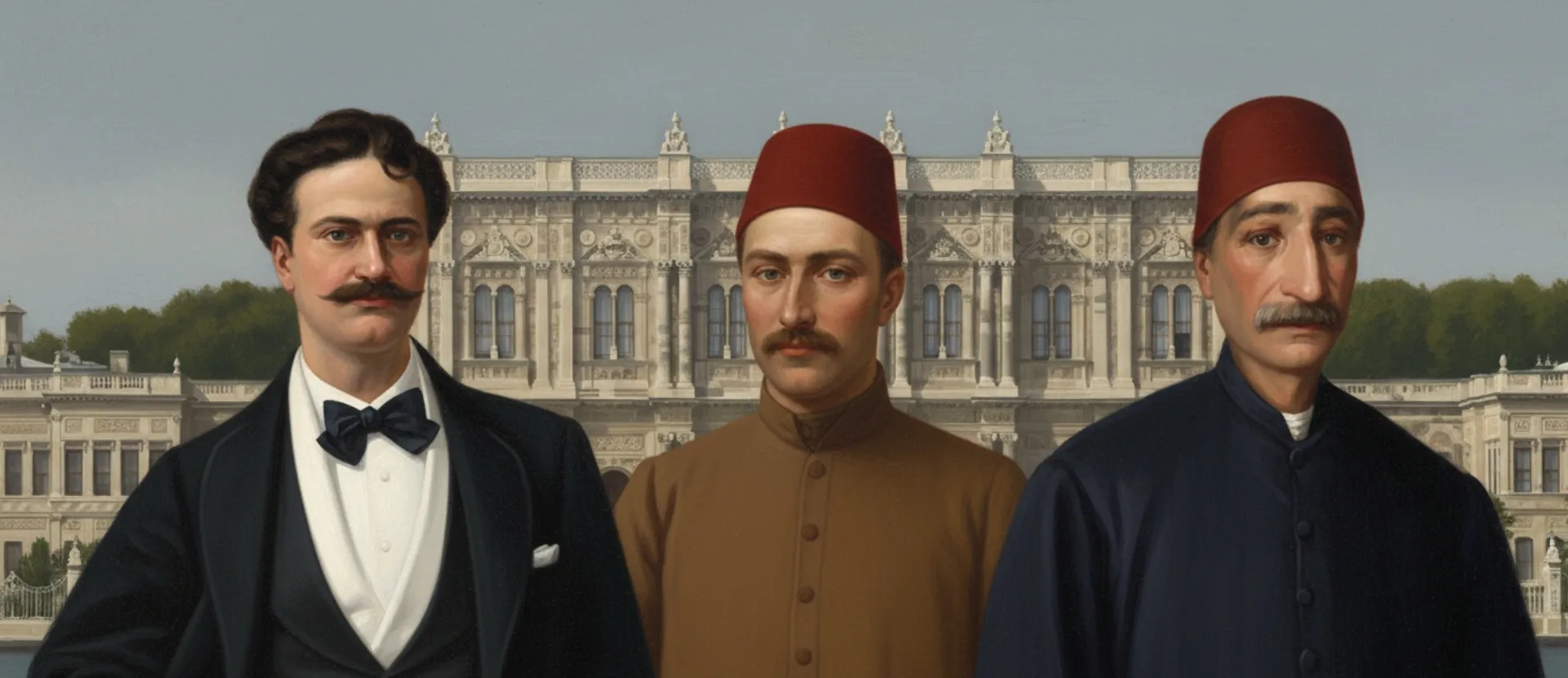
Dolmabahçe was designed by members of the Balyan family, Ottoman Armenian architects who served for generations as court architects to the sultans. The principal figures were Garabet Balyan and his son, Nigoğayos Balyan, working alongside fellow craftsman Evanis Kalfa. The British-born architect William James Smith also contributed to the project, and construction was overseen on the ground by Hacı Said Ağa.
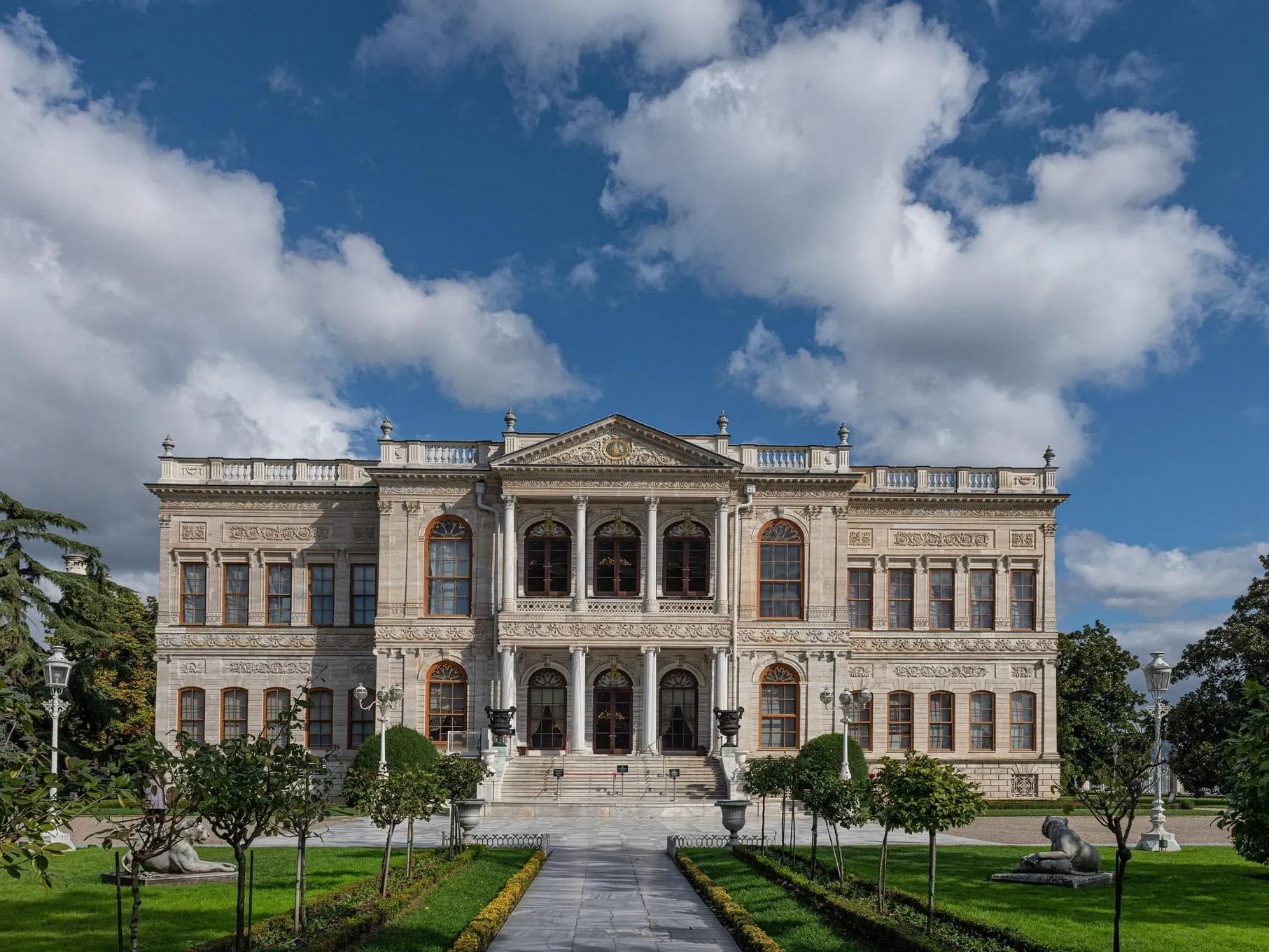
The result wasn’t a single imported European style but a deliberate fusion: Baroque flourishes, Rococo ornamentation, and Neoclassical symmetry layered over an Ottoman spatial logic. European visitors would have recognized the columns, domes, and grand staircases; Ottoman courtiers would have recognized the underlying division of space that had governed palace life for centuries.
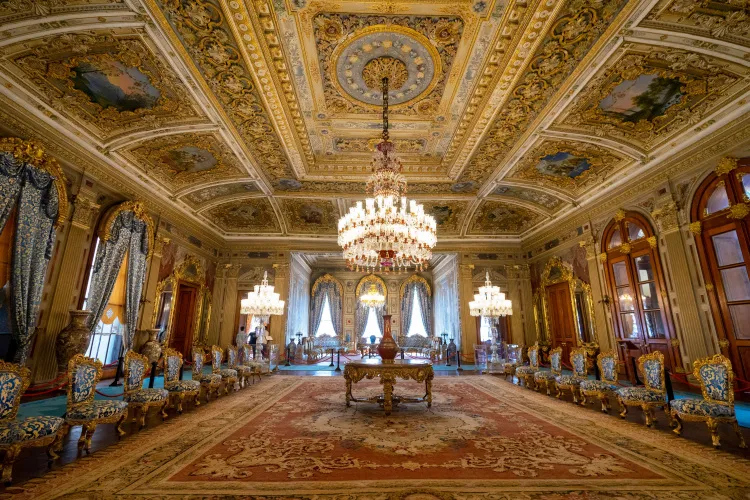
Covering roughly 45,000 square meters of grounds, Dolmabahçe is built around three functional sections that mirror the traditional structure of Ottoman court life, even while dressed in European finery:
Together these sections contain an almost absurd amount of space and detail: by most counts, 285 rooms, 44 grand halls, six baths (hammams), and 68 toilets, connected by corridors lined with hand-painted murals, gilded ceilings, and marble columns imported from around the Mediterranean.
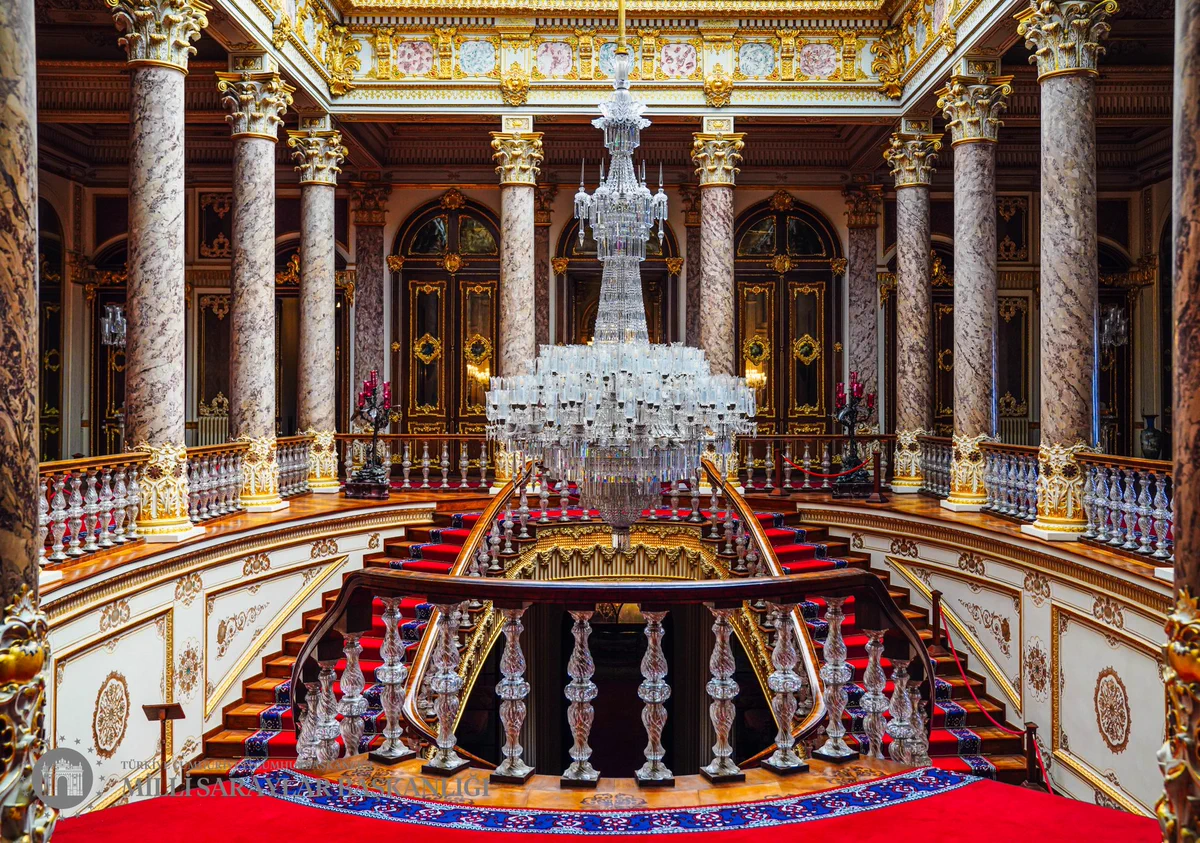
One of the first showstoppers visitors encounter is the Crystal Staircase, its balusters made of Baccarat crystal, its brass banisters curving up from the entrance hall in a double horseshoe. It set the tone for a palace where even the handrails were meant to impress.
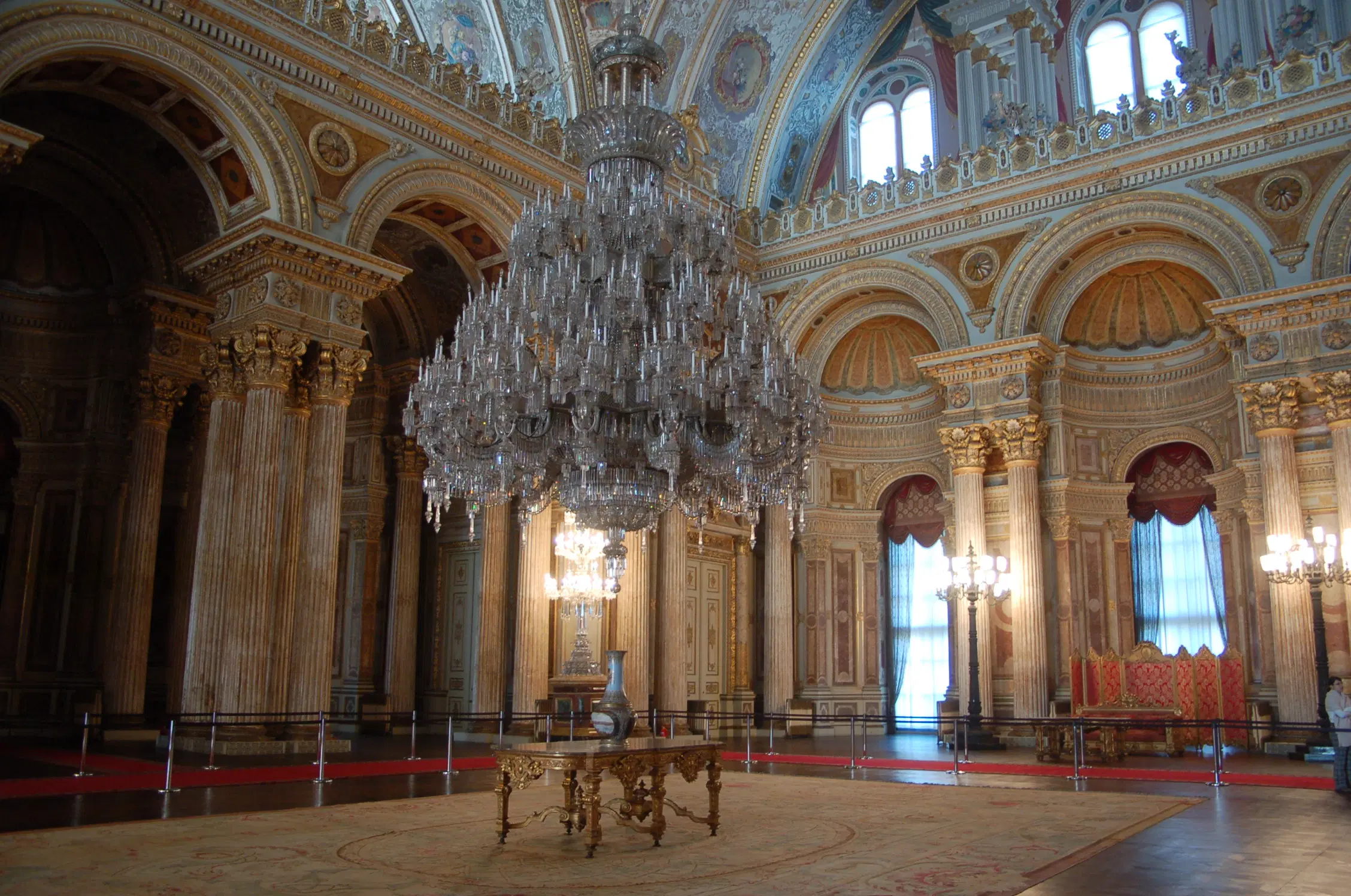
The Muayede Salonu is the palace’s single most jaw-dropping space — a hall roughly 44 meters (about 141 feet) high beneath a massive dome, ringed by 56 columns. Suspended from its center hangs the palace’s most famous single object: a chandelier weighing around 4.5 tons and holding roughly 750 lamps, reportedly a gift from Britain’s Queen Victoria. It remains one of the largest chandeliers in the world and a favorite subject for every camera that passes beneath it.
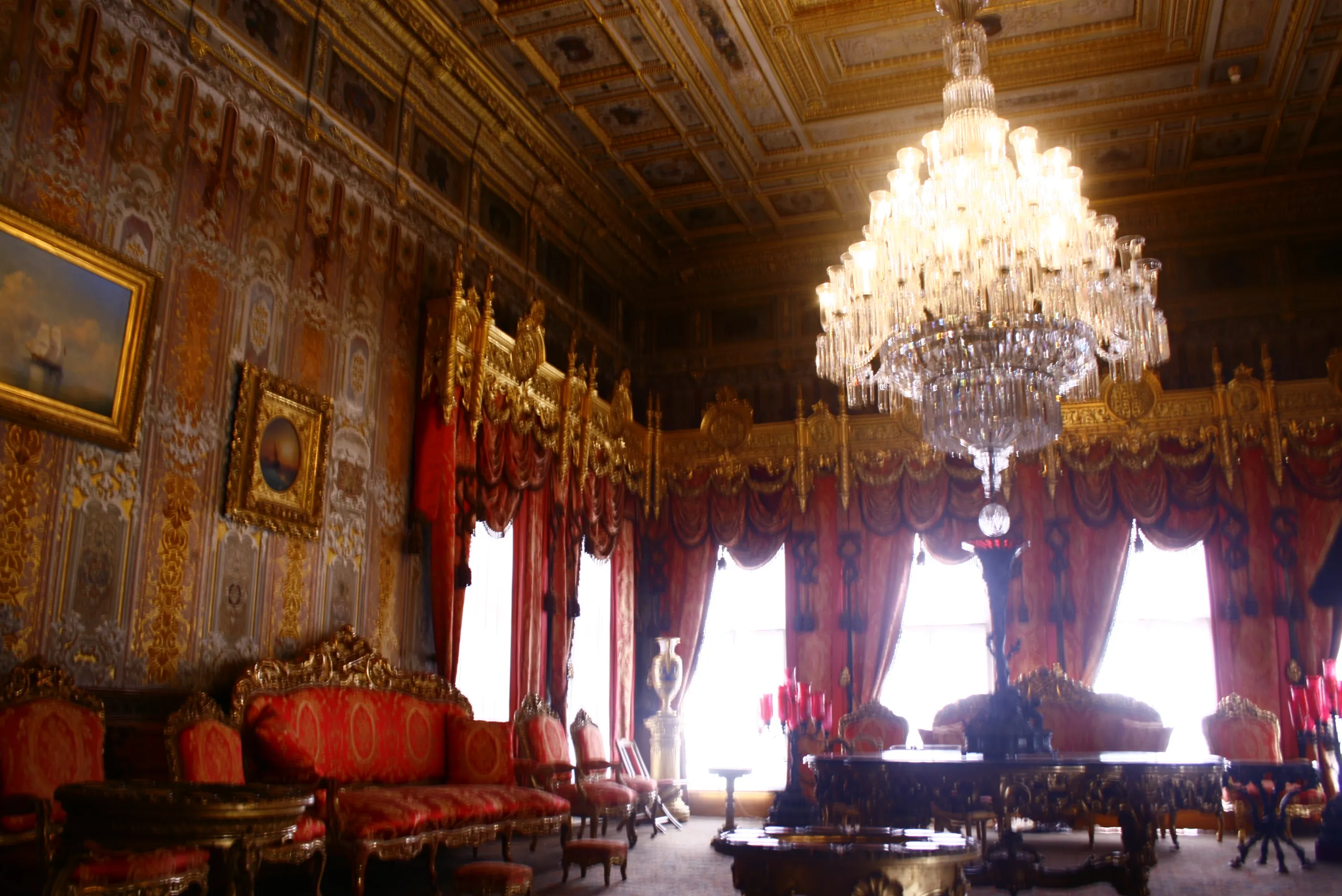
Elsewhere, the Ambassadors’ Hall (Süfera Salonu) once received foreign envoys amid silk carpets and gilt furniture, while room after room throughout the Selamlık and Harem showcase Bohemian crystal, Hereke silk carpets woven specifically for the palace, and ceilings painted to resemble the sky. Little of it was accidental — every surface was designed to communicate imperial wealth and taste to anyone granted an audience.
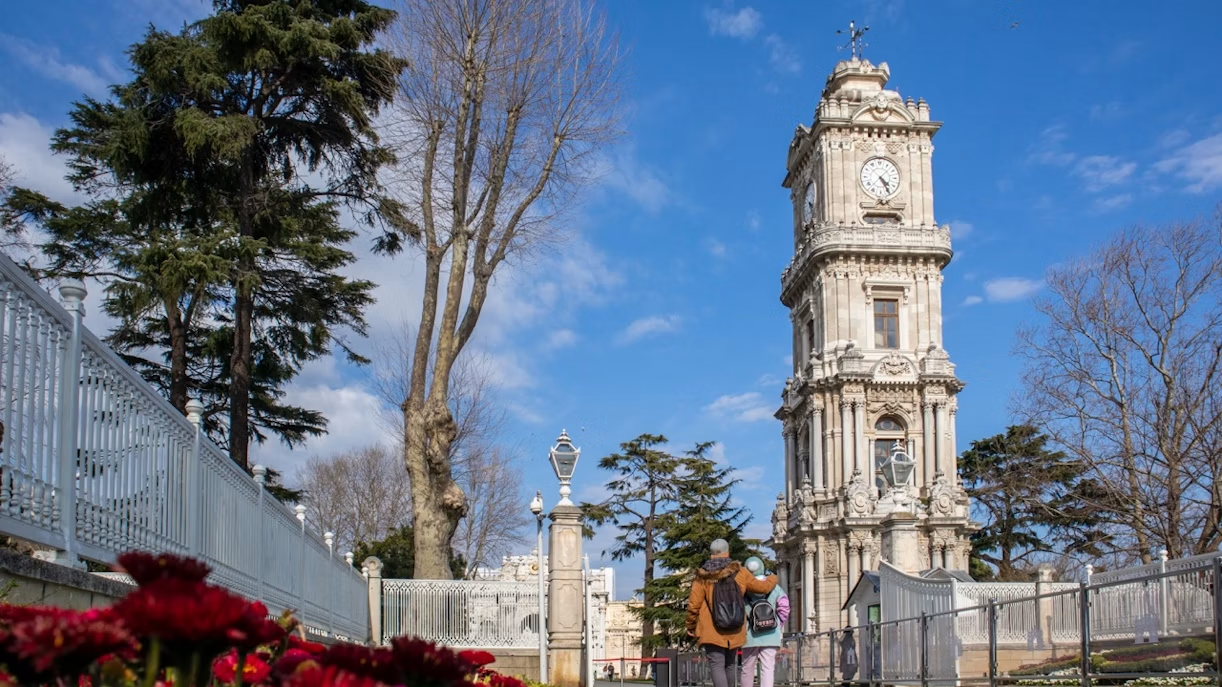
Just outside the palace walls stands a 27-meter clock tower, added later than the palace itself. It was commissioned by Sultan Abdülhamid II and built between 1890 and 1895 by architect Sarkis Balyan, a member of the same Balyan dynasty responsible for the main palace. Its clock mechanism, installed by court clockmaker Johann Meyer, came from the workshop of the French clockmaking house of Jean-Paul Garnier, and its face uses Eastern Arabic numerals — a small but telling detail of the palace’s blend of European technology and Ottoman identity.
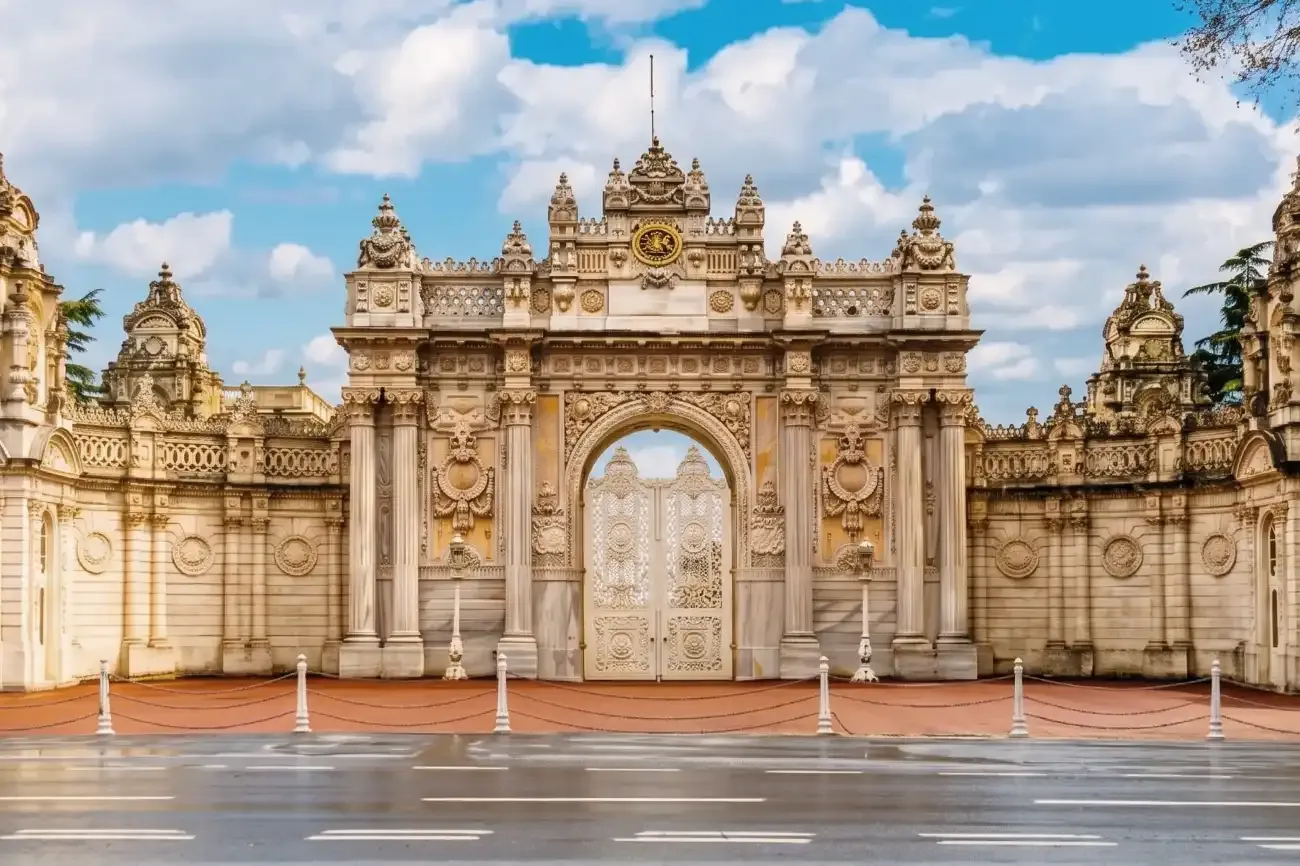
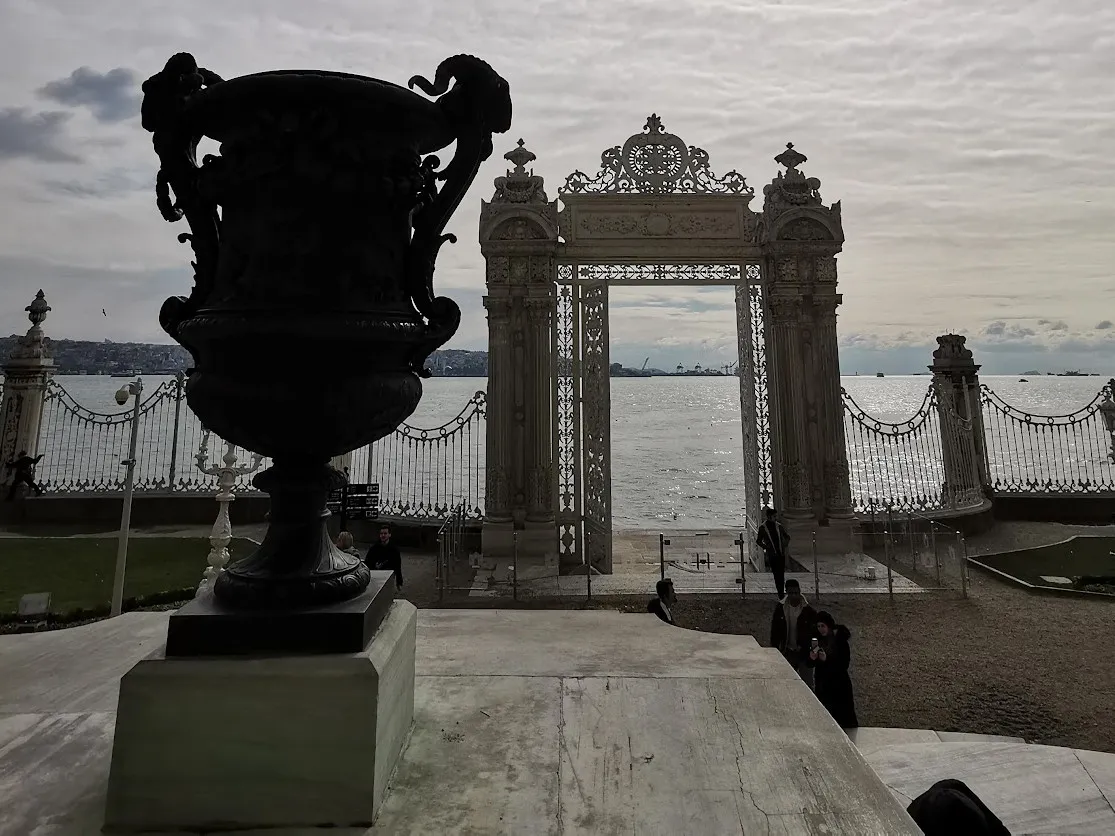
Visitors today typically enter through the ornate Treasury Gate (Hazine Kapısı), whose arched iron doors are topped with the monogram of Sultan Abdülmecid I, the man who started it all.
Dolmabahçe became the main seat of Ottoman power soon after it opened, and it stayed at the center of imperial life — with one interruption — until the empire itself ended. Six sultans and caliphs called it home between the mid-1800s and the 1920s: Abdülmecid I, Abdülaziz, Murad V, Abdülhamid II, Mehmed V (Reşat), Mehmed VI (Vahdeddin), and finally Caliph Abdülmecid II, who held no political power but occupied the palace as the last vestige of the Ottoman dynasty until the Caliphate was abolished in March 1924.
The palace served as the empire’s administrative headquarters from 1856 to 1887, and again from 1909 until the sultanate itself was dissolved in 1922 — bookending one of the most turbulent periods in Ottoman history, including the Tanzimat reform era and the empire’s slow slide toward collapse.
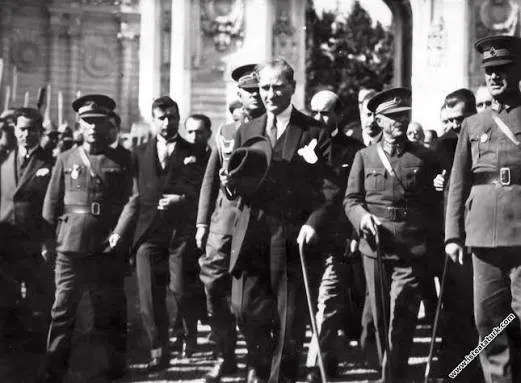
When the Republic of Turkey was founded in 1923, Dolmabahçe’s fate could easily have been to sit abandoned as a relic of a discredited monarchy. Instead, it became something more unexpected: a working residence for the man who had ended that monarchy.
Mustafa Kemal Atatürk, the republic’s founding president, began staying at Dolmabahçe from the late 1920s, using it as an Istanbul base during the summer months. He held major meetings there, hosted foreign dignitaries, and — in a detail that captures the strange symbolism of the place — presided over the 1928 Alphabet Conference within the same walls that had once hosted sultans discussing matters of empire.
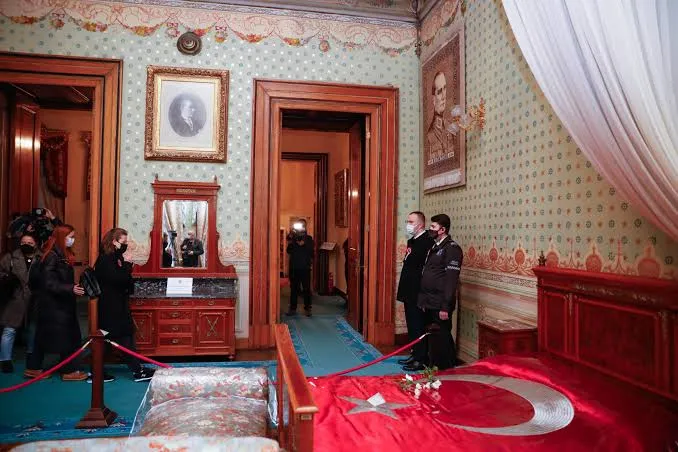
Atatürk’s health declined through 1938, and in his final weeks he was moved to a bedroom in the palace’s former Harem section. He died there at 9:05 a.m. on November 10, 1938, at the age of 57, from complications of cirrhosis of the liver. In the immediate aftermath, every clock in the palace was stopped and reset to 9:05 — a gesture of mourning that has never been reversed. Outside his bedroom, the clocks now keep normal time, but inside the room itself, one clock still points permanently to the minute he died, beside his flag-draped bed and personal belongings.
That moment is commemorated nationally every year: at 9:05 a.m. on November 10th, sirens sound across Turkey and daily life pauses for a minute of silence, with crowds gathering outside Dolmabahçe itself to mark the anniversary.
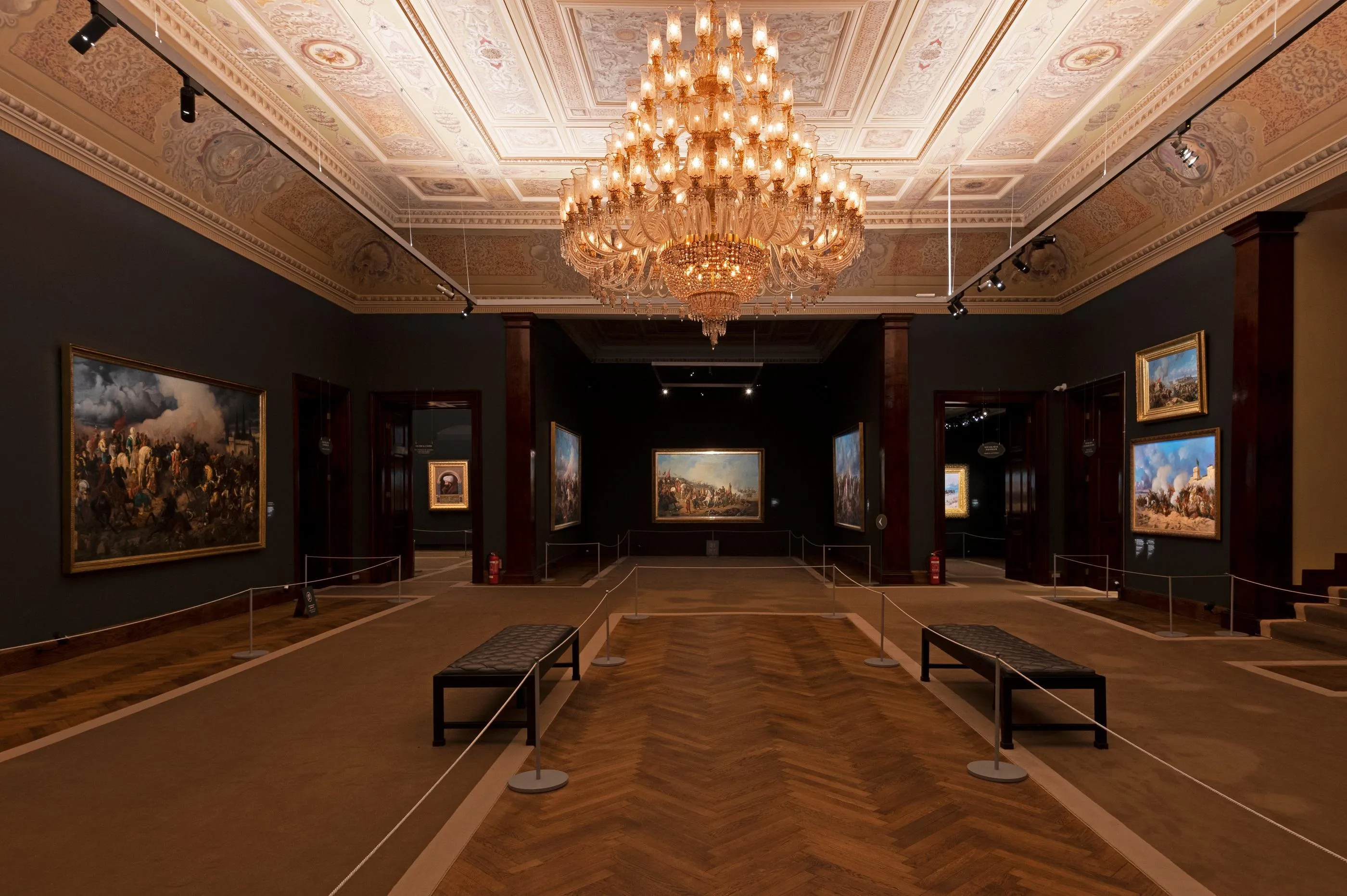
Dolmabahçe remained in limited official use for years afterward before formally becoming a museum in 1984, placed under the Directorate of National Palaces (Milli Saraylar), which still manages it today on behalf of the Turkish Grand National Assembly. It’s now one of Istanbul’s most visited sites, drawing travelers who come for the Bosphorus views, the Ottoman history, and — for many Turkish visitors especially — the deeply emotional experience of standing in the room where Atatürk died.
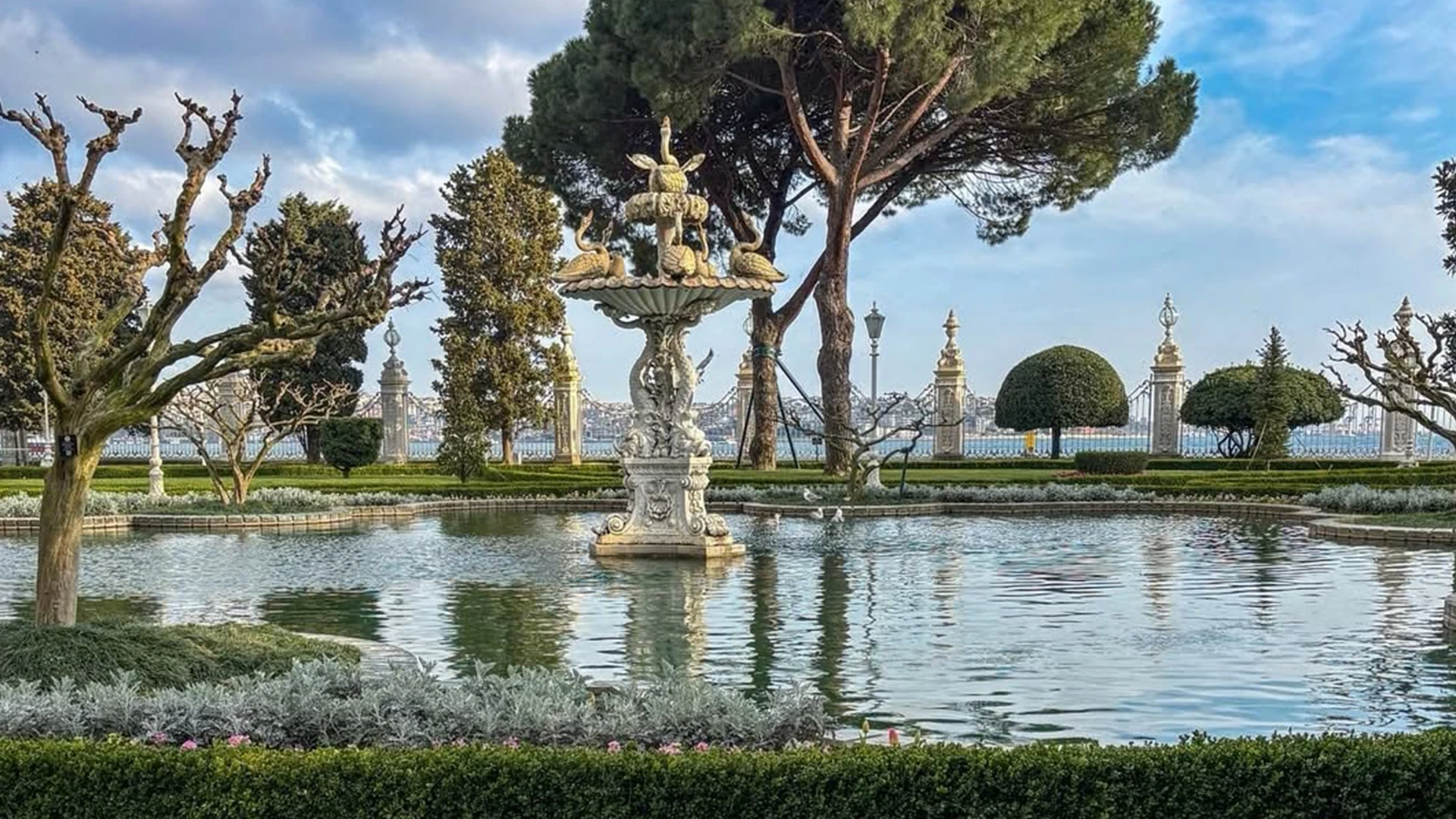
A few practical notes for anyone planning a visit:
Why is it called Dolmabahçe Palace? The name means “filled garden” in Turkish, referring to the site’s origin as a Bosphorus bay that was gradually filled in and turned into palace gardens before the current building was constructed.
Who built Dolmabahçe Palace? Sultan Abdülmecid I commissioned it in 1843. It was designed by Ottoman Armenian court architects Garabet Balyan and his son Nigoğayos Balyan, with contributions from Evanis Kalfa and William James Smith.
How long did it take to build? About 13 years, from 1843 to 1856.
Why did Atatürk die at Dolmabahçe Palace? Atatürk used Dolmabahçe as his Istanbul residence in his later years. As his health declined through 1938, he remained there under medical care and died in a bedroom in the former Harem section on November 10, 1938.
Is Dolmabahçe Palace bigger than Topkapı Palace? Dolmabahçe is often described as Turkey’s largest single-block (“mono-block”) palace by floor area, though Topkapı’s sprawling courtyard complex covers more total ground. The two palaces are built on fundamentally different plans, which makes direct comparison tricky — Topkapı grew organically over centuries, while Dolmabahçe was built as one unified structure.
What makes Dolmabahçe worth visiting isn’t just the crystal and gold leaf — it’s what the palace represents at two very different moments in history. It was built as a desperate, dazzling assertion of Ottoman relevance in a world moving on without the empire, and decades later it became the place where the man who buried that empire spent his final days. Few buildings anywhere hold both endings in the same rooms.
Words and photos can only take you so far with a place like Dolmabahçe — the scale of the Ceremonial Hall and the weight of standing in Atatürk’s room are things you really have to feel in person. If this story has you dreaming of Istanbul, we’d love to show you around ourselves.
Our Dolmabahçe Palace tours are led by guides who know the history behind every hall, not just the highlights — from the politics that shaped the Selamlık to the quieter, more personal side of the Harem. We take care of the tickets, the timing, and the route, so you can just take it all in.
Get in touch with us to check upcoming dates, or ask us about pairing your palace visit with a Bosphorus cruise for the full waterfront experience. We’d genuinely love to have you join us.