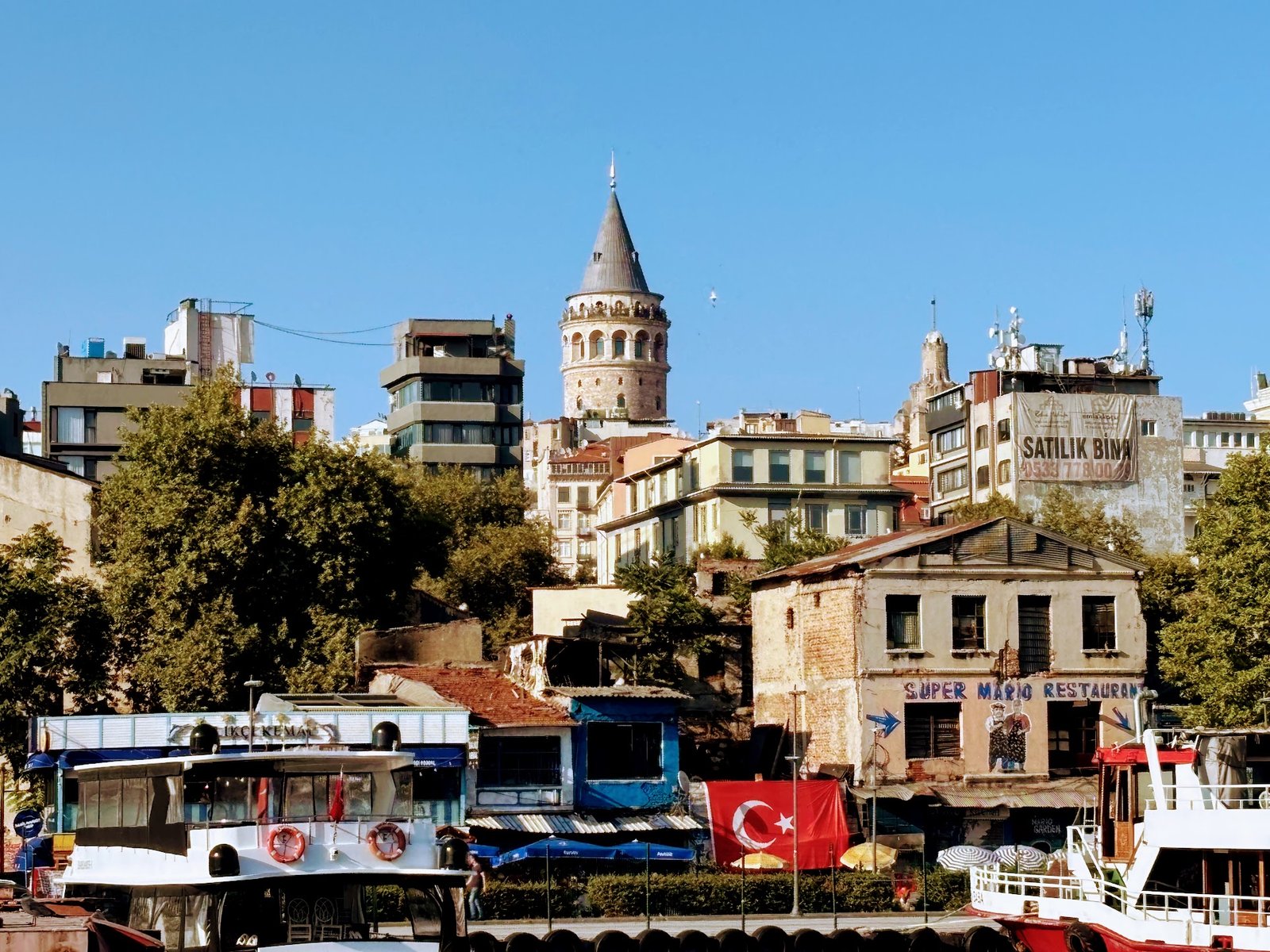
Few stories have stood the test of time quite like the tale of Odysseus. For nearly 3,000 years, his adventures have inspired readers, artists, and travelers around the world. Told in The Odyssey, one of the two great epic poems traditionally attributed to Homer, his journey begins with the Trojan War a legendary conflict centered around the ancient city of Troy, located in modern-day Türkiye. Together, The Iliad and The Odyssey not only shaped Greek mythology but also became the foundation of Western literature.
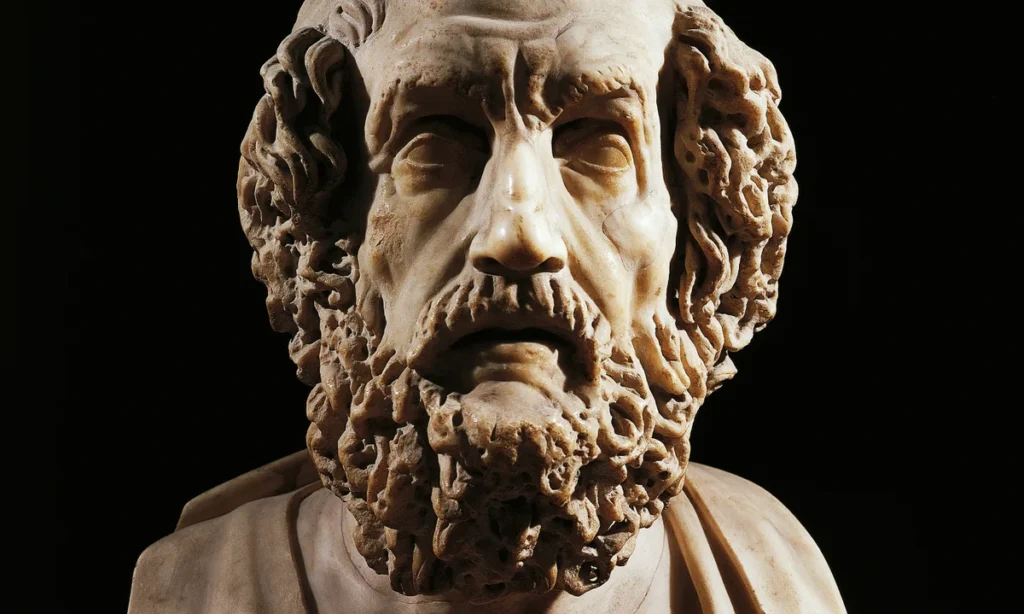
Who Was Homer?
Although Homer is one of history’s most famous authors, very little is known about him. Most scholars believe he lived during the 8th century BC, while others argue that “Homer” may represent generations of oral poets whose stories were eventually written down. He is traditionally credited with writing The Iliad and The Odyssey, two epic poems that have influenced literature for thousands of years. Interestingly, many scholars associate Homer with the western coast of Anatolia, making modern-day Türkiye not only the setting of his stories but possibly the homeland of their creator.
The Trojan War: Legend and Reality
According to Greek mythology, the Trojan War began when Paris, prince of Troy, brought Helen, the wife of King Menelaus of Sparta, to the wealthy city of Troy. In response, the Greek kingdoms united under King Agamemnon and launched a massive expedition across the Aegean Sea. The siege lasted ten years and featured legendary heroes such as Achilles, Ajax, Nestor, Diomedes, and Odysseus, while the Trojans were led by Hector and King Priam.
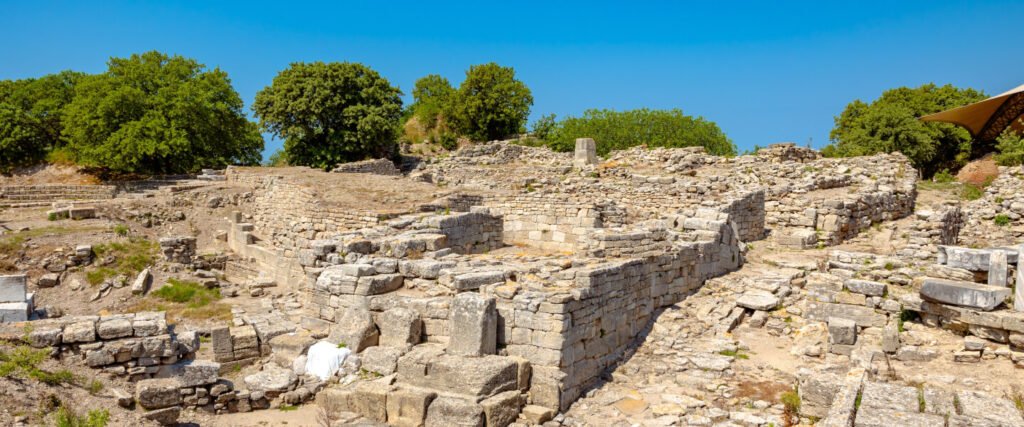
While the story is filled with gods and mythical heroes, archaeology has shown that Troy was indeed a real city. Excavations at Hisarlık in northwestern Türkiye, near Çanakkale, have uncovered the remains of several ancient settlements built over thousands of years, proving that a prosperous Bronze Age city once stood where Homer placed his epic.
The Iliad
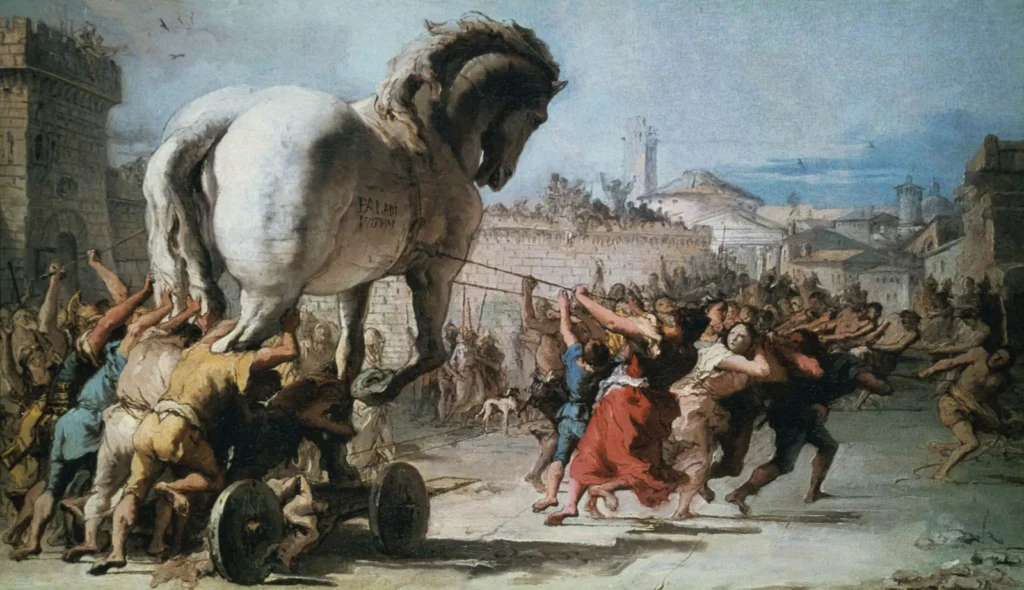
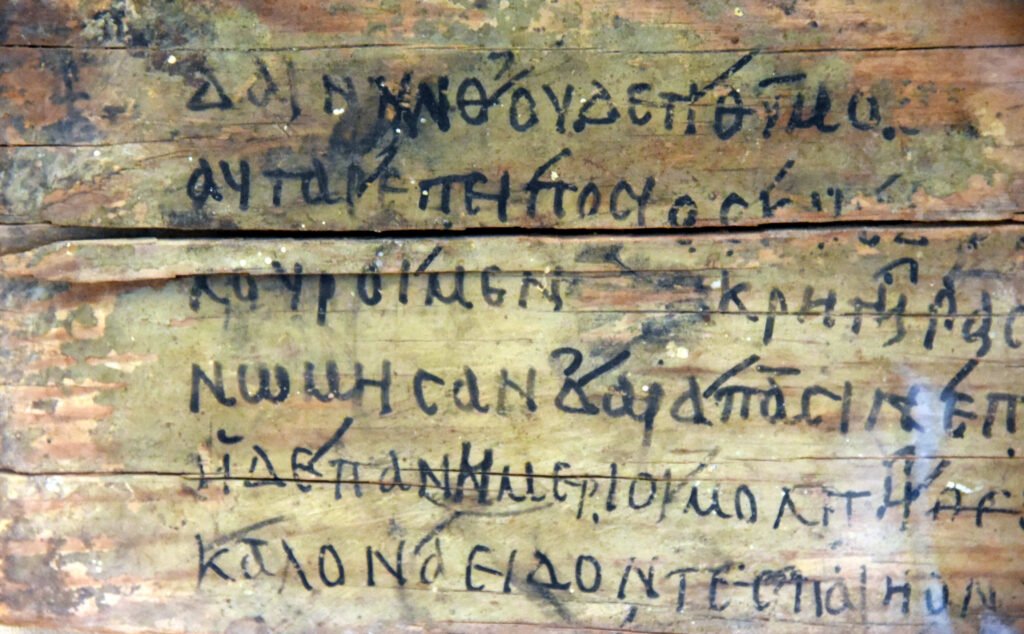
Many people believe The Iliad tells the entire story of the Trojan War, but that is a common misconception. Instead, the poem focuses on only a few weeks during the final year of the conflict, centering on the anger of Achilles, the death of Patroclus, the duel between Achilles and Hector, and King Priam’s emotional plea for his son’s body. Interestingly, the famous Trojan Horse does not appear in The Iliad but in later traditions and is briefly mentioned in The Odyssey.
Who Was Odysseus?
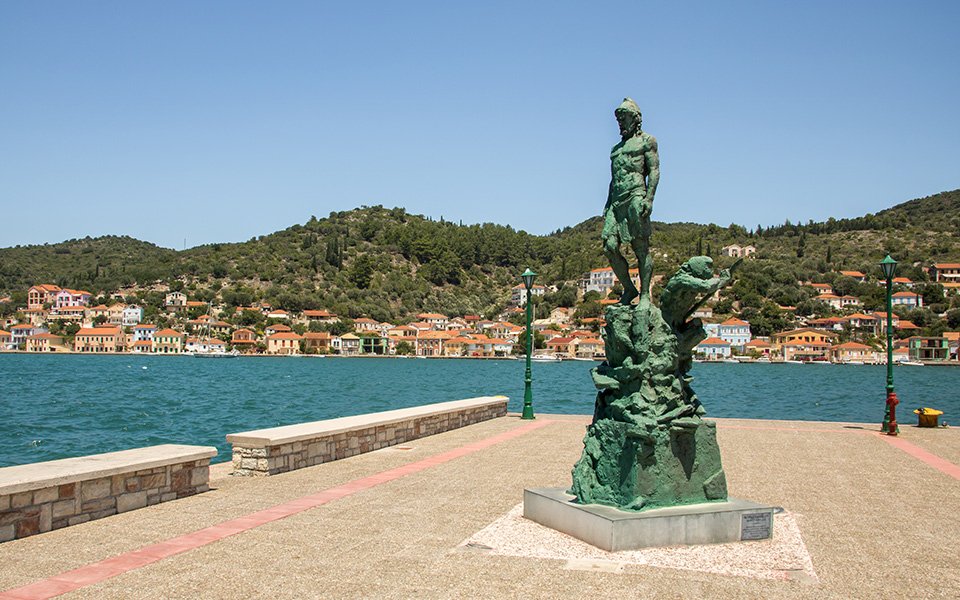
Among all the Greek heroes, Odysseus stood apart. While Achilles was renowned for his unmatched strength and bravery, Odysseus became famous for his intelligence, wit, and ability to solve seemingly impossible problems. As the King of Ithaca, husband of Penelope, and father of Telemachus, he was respected not only as a warrior but also as a skilled leader, diplomat, and strategist.
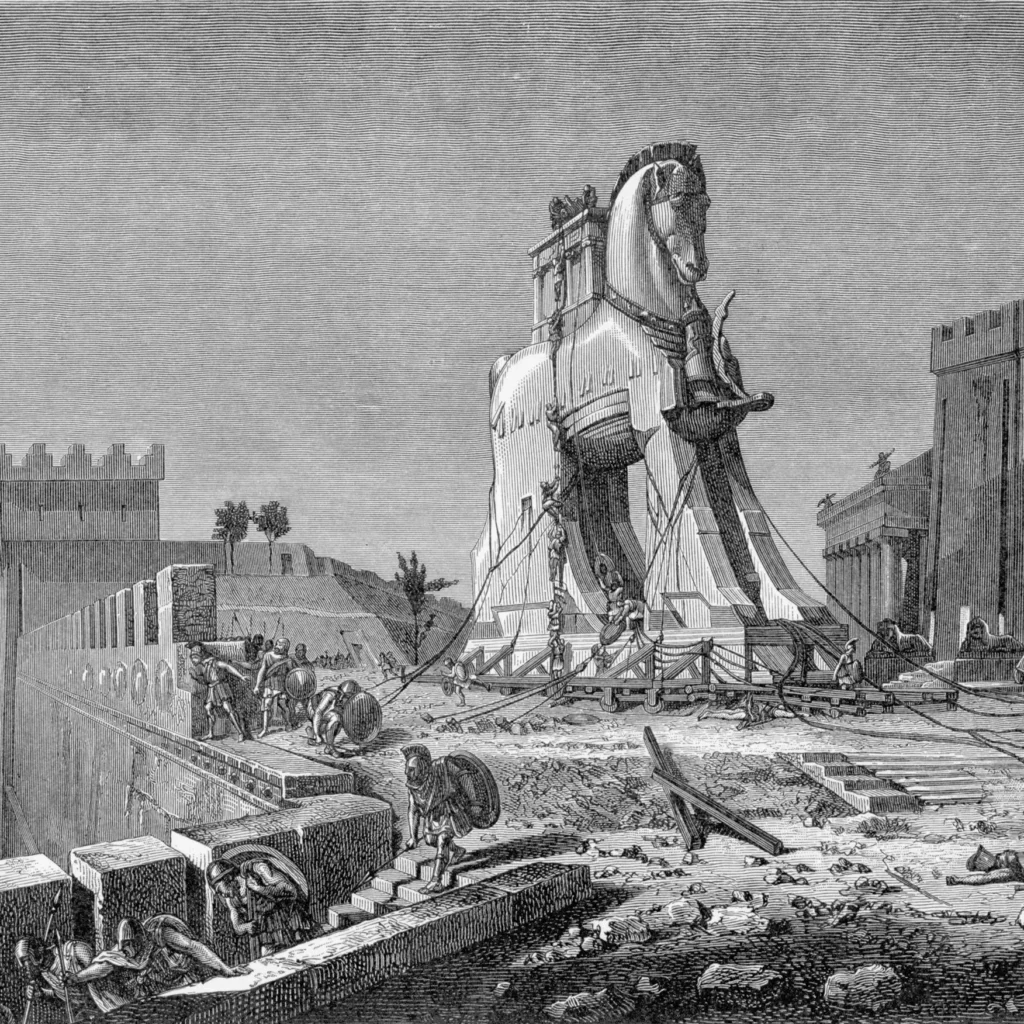
Odysseus embodied the Greek ideal of metis—a combination of wisdom, cunning, and practical intelligence. Throughout the Trojan War, he played a crucial role in advising the Greek commanders and finding solutions when force alone was not enough. He is best remembered as the mastermind behind the legendary Trojan Horse, the ingenious plan that finally brought the ten-year war to an end.
However, Odysseus’ greatest story began only after Troy had fallen. While most of the Greek kings returned home, his voyage back to Ithaca lasted another ten years. Battling storms, monsters, gods, and his own mistakes, Odysseus became a symbol of perseverance and resilience.
The Odyssey: Odysseus’ Journey Home
After the fall of Troy, Odysseus set sail for Ithaca, expecting to return home within weeks. Instead, his journey lasted another ten years, becoming one of the greatest adventure stories ever told.
His troubles began when he and his men raided the city of the Cicones before arriving at the land of the Lotus-Eaters, whose magical fruit caused anyone who ate it to forget their desire to return home.
The most famous episode followed on the island of the Cyclops. Trapped inside the cave of Polyphemus, the one-eyed giant and son of Poseidon, Odysseus cleverly introduced himself as “Nobody.” After blinding Polyphemus and escaping beneath a flock of sheep, he could not resist revealing his real name while sailing away. This act of pride angered Poseidon, who vowed that Odysseus would suffer for the rest of his journey.
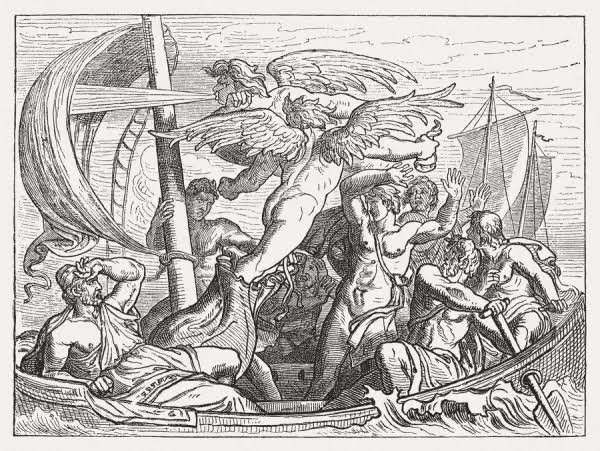
His adventures continued with Aeolus, keeper of the winds, whose magical bag was mistakenly opened by Odysseus’curious crew just as Ithaca came into sight. The released winds carried them back across the sea. Soon afterward, the giant Laestrygonians destroyed nearly his entire fleet, and the enchantress Circe transformed many of his men into pigs before eventually helping them continue their voyage.
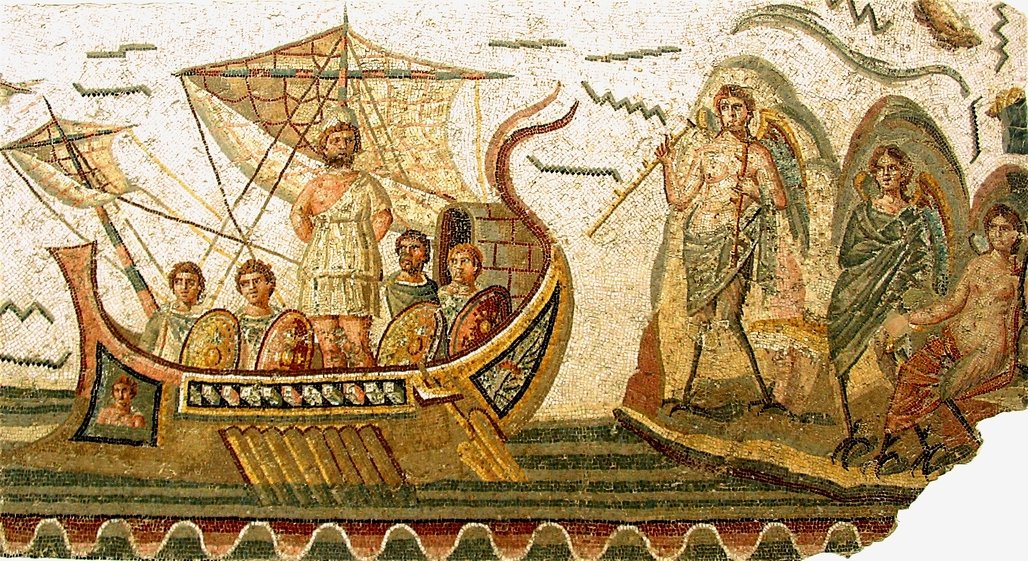
Seeking guidance, Odysseus traveled to the Underworld, where the prophet Tiresias warned him of the dangers ahead. He later encountered the enchanting Sirens, escaped the deadly monsters Scylla and Charybdis, and watched helplessly as Zeus destroyed his ship after his men slaughtered the sacred cattle of Helios. Alone, Odysseus drifted to the island of the nymph Calypso, who kept him there for seven years and even offered him immortality. Despite the temptation, he longed only for home.
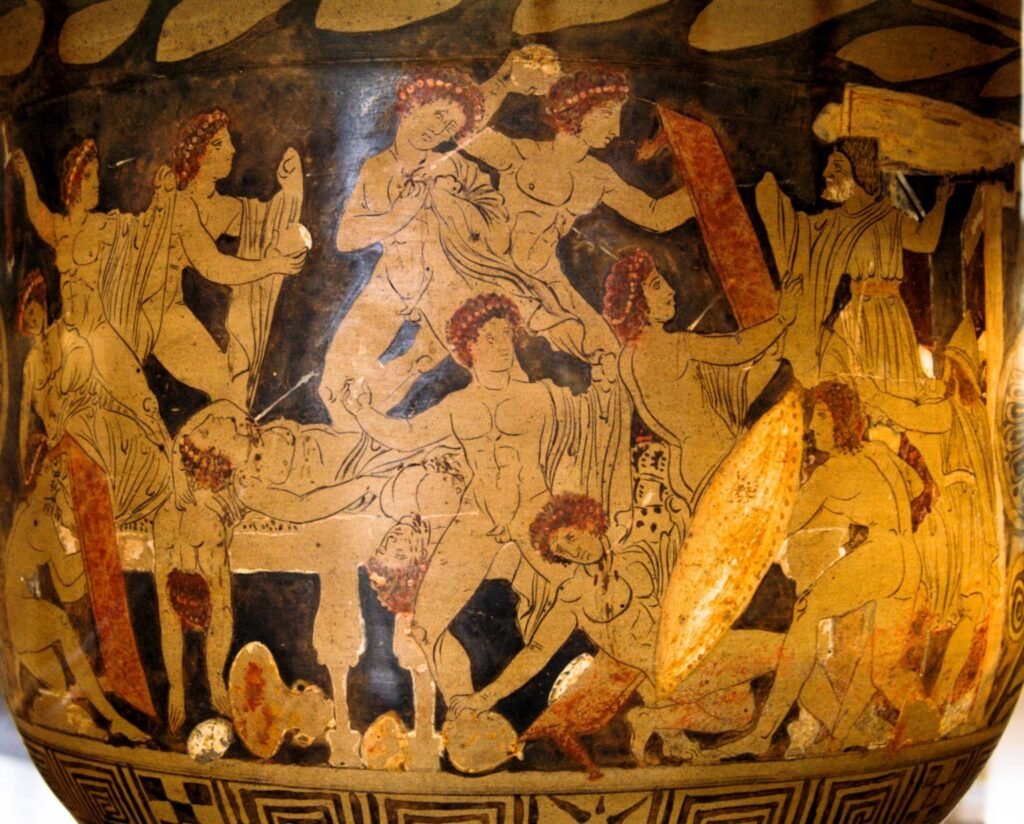
Eventually, the Phaeacians carried him safely back to Ithaca. Disguised as a beggar, Odysseus found his palace occupied by suitors hoping to marry Penelope. Revealing his identity by stringing his famous bow, Odysseus and his son Telemachus defeated the suitors and finally reclaimed their home after twenty years.
The Legacy of Odysseus
Unlike Achilles, whose fame came through strength and battlefield glory, Odysseus became a hero because of his intelligence, resilience, and determination. His story is not simply one of monsters and gods but of overcoming hardship, learning from mistakes, and never losing hope. For nearly three millennia, The Odyssey has remained one of humanity’s greatest tales of adventure and perseverance.
Visit the Legendary City of Troy
Today, travelers can walk through the ancient city that inspired these timeless stories. Located at Hisarlık near Çanakkale, Troy is one of Türkiye’s most remarkable archaeological sites and a UNESCO World Heritage Site. As you explore its ancient walls, gates, and excavation areas, you’ll discover the layers of civilizations that gave rise to one of the world’s greatest legends.
Whether you’re fascinated by Greek mythology, ancient history, or archaeology, visiting Troy offers the unique opportunity to stand where myth and history meet.
If you’d like to experience Troy beyond the guidebooks, Gate to Türkiye offers private guided tours that bring Homer’sworld to life. Together we’ll explore the archaeological site, separate myth from historical fact, and uncover the fascinating stories hidden within one of Türkiye’s most iconic destinations.