


Fener is not just a neighborhood in Istanbul. It is a layered historical landscape where Roman, Byzantine, and Ottoman civilizations still shape everyday life. Located along the Golden Horn on the historic peninsula, Fener sits inside the district of Fatih and directly beside the colorful streets of Balat.
Introduction: Where History Walks Beside You
When you walk through Fener’s steep streets, you do not simply see old buildings. You experience centuries of religion, education, diplomacy, and multicultural coexistence. Patriarchs lived here, scholars studied here, and merchants once connected Istanbul to Europe and the Mediterranean from these very streets.
Today, Fener has become one of the most photographed and culturally important districts in Istanbul, yet its true value lies far deeper than colorful houses and cafes. To understand Fener, you must follow its story from the Roman period to the present day.
Fener in the Roman and Byzantine Period
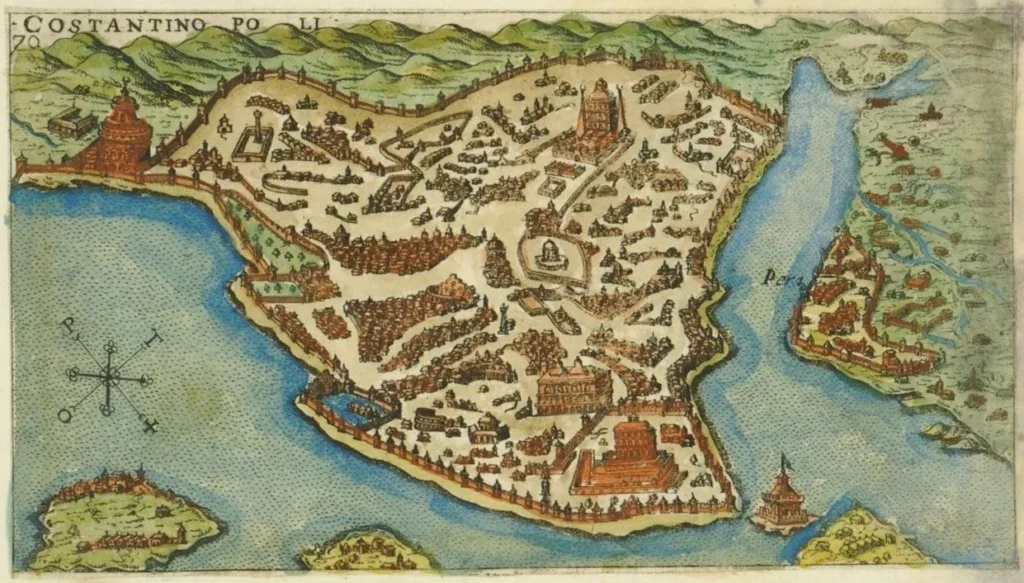
Long before the Ottomans arrived in 1453, this area formed part of Constantinople, the capital of the Eastern Roman (Byzantine) Empire. The Golden Horn served as the empire’s protected harbor, and neighborhoods along its shore became important maritime and administrative zones.
The name Fener comes from the Greek word Phanarion, meaning “lighthouse.” A large lighthouse once stood here to guide ships entering the Golden Horn. Because of its strategic coastal position, the area developed as a religious and residential quarter connected to imperial and church authorities.
A Religious Center of Constantinople
During the Byzantine period, Fener became closely tied to the Orthodox Christian Church. Monasteries, chapels, and small churches spread across the hills overlooking the water. Clergy, scribes, and educated elites settled here, forming an intellectual and spiritual neighborhood rather than a commercial one.
After the Fourth Crusade in 1204, Latin Crusaders occupied Constantinople and many churches were damaged or converted. However, when Byzantine rule returned in 1261, religious life revived and Fener again became a major Orthodox center.
The area also gained importance because it stood safely away from the imperial palace zone. Religious leaders could live and work here with relative independence while remaining close to the city’s political heart.
Fener During the Ottoman Period
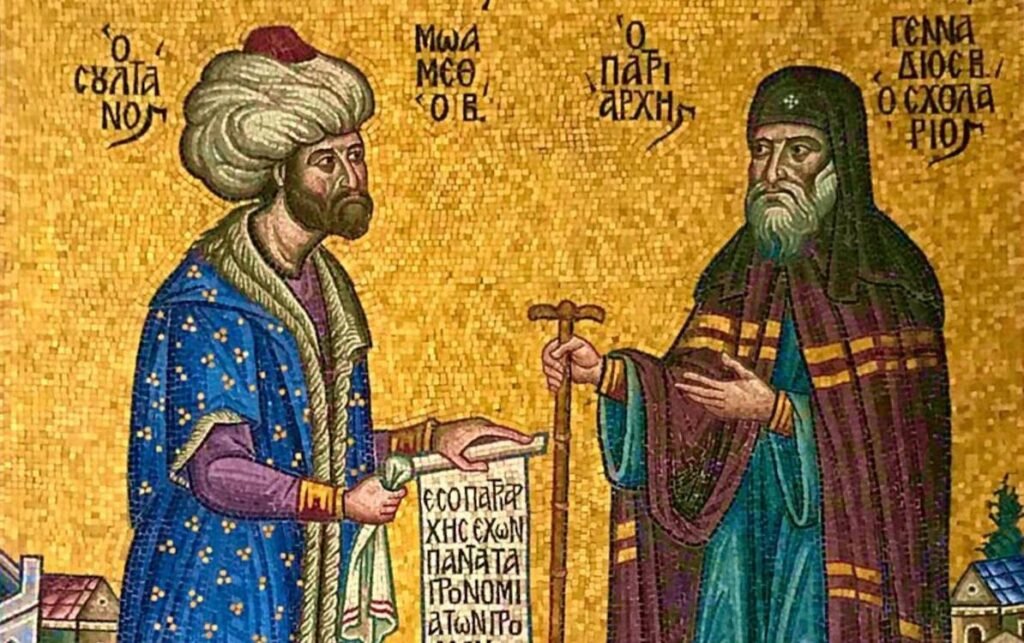
The Ottoman conquest of Constantinople in 1453 transformed the city but did not erase Fener’s importance. Instead, the Ottomans integrated the Orthodox Christian community into their administrative system.
The Greek Orthodox Patriarchate
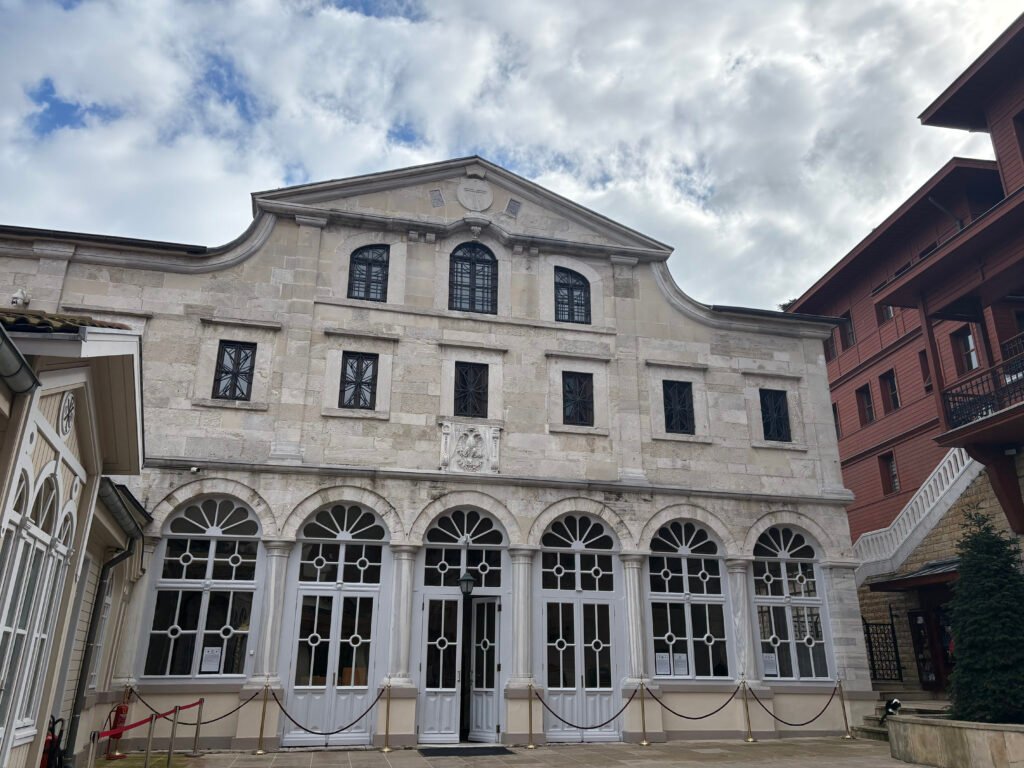
Sultan Mehmed II allowed the Orthodox Church to continue functioning and granted authority to the Ecumenical Patriarch. Soon after the conquest, the Patriarchate settled permanently in Fener. This decision turned the neighborhood into the official religious headquarters of Orthodox Christians living throughout the Ottoman Empire.
From the 15th century onward, Fener became the heart of the Rum (Greek Orthodox) Millet, the officially recognized Christian community under Ottoman rule. Patriarchs governed religious matters, education, marriage, and community organization from this district.
The Rise of the Phanariots
Fener also gave its name to a powerful elite class: the Phanariots. These were wealthy Greek families who became diplomats, translators, and high-ranking officials within the Ottoman government. Because they knew multiple languages and European politics, the Ottomans relied on them for foreign relations.
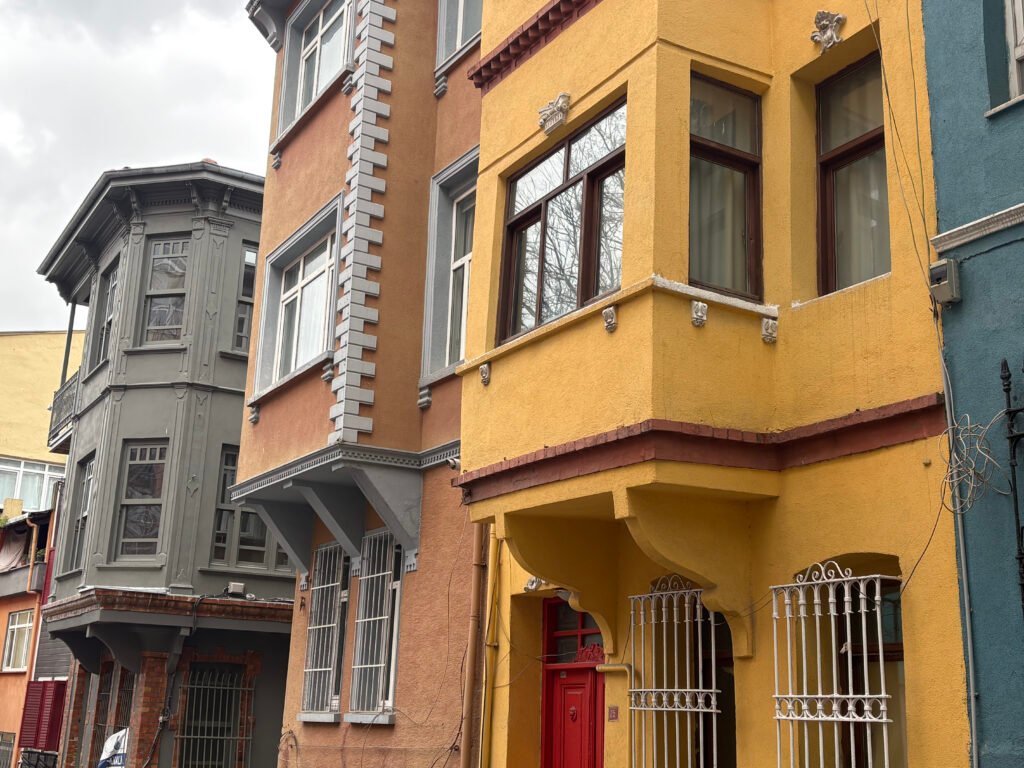
Phanariot families built elegant mansions in the neighborhood. They funded schools, libraries, and churches, turning Fener into one of the most educated and internationally connected quarters of Istanbul.
Churches of Fener
Fener’s identity has always revolved around its religious buildings. Several important churches still stand today and continue to function.
Patriarchal Church of Saint George
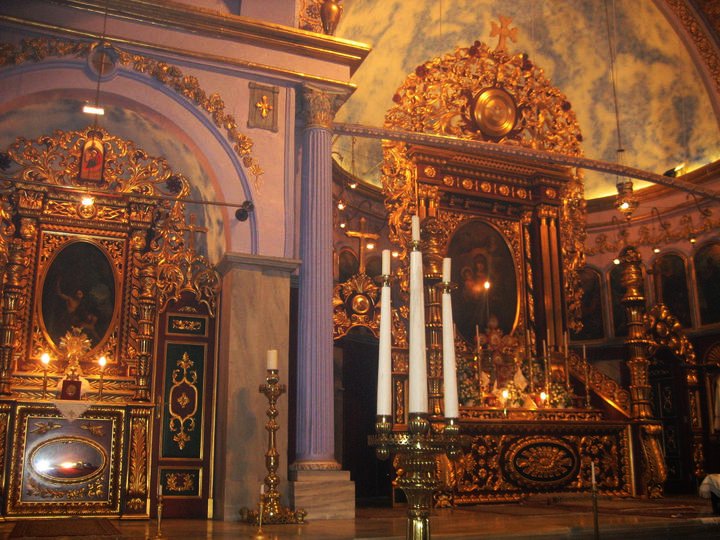
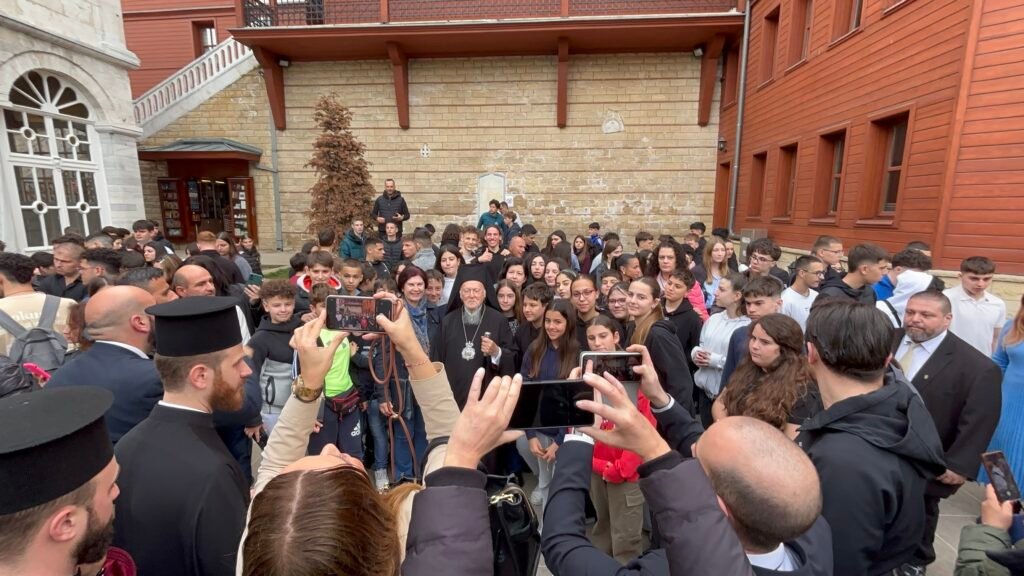
This church serves as the seat of the Ecumenical Patriarch of Constantinople. Although modest from the outside, the interior contains significant relics, icons, and a marble column believed to be connected to early Christian martyrs. It remains one of the most important Orthodox churches in the world.
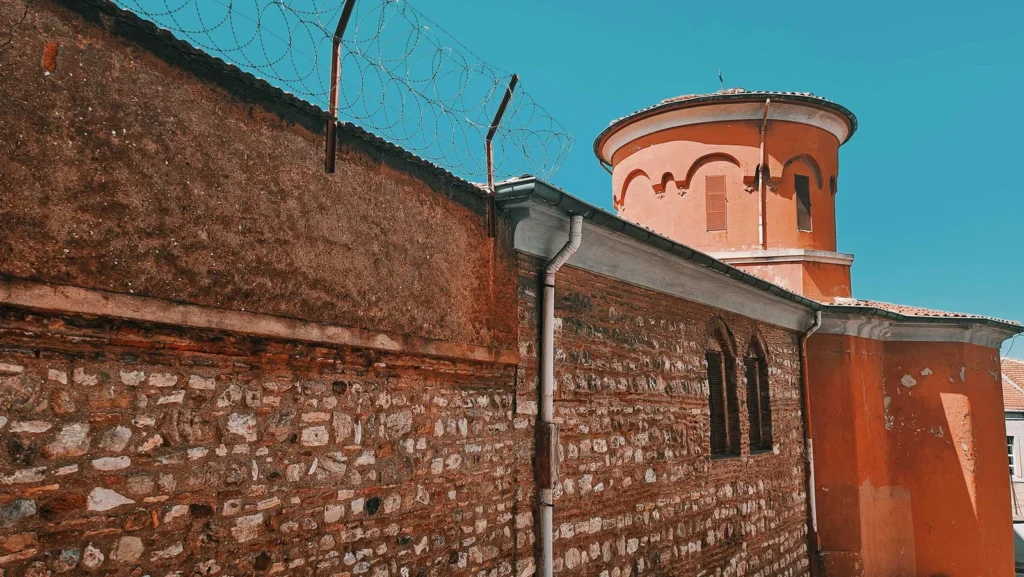
Church of Saint Mary of the Mongols
This is the only Byzantine church in Istanbul that never became a mosque after the Ottoman conquest. It survived because an Ottoman decree protected it. The church preserves original Byzantine architectural elements and represents continuity between Byzantium and the Ottoman era.
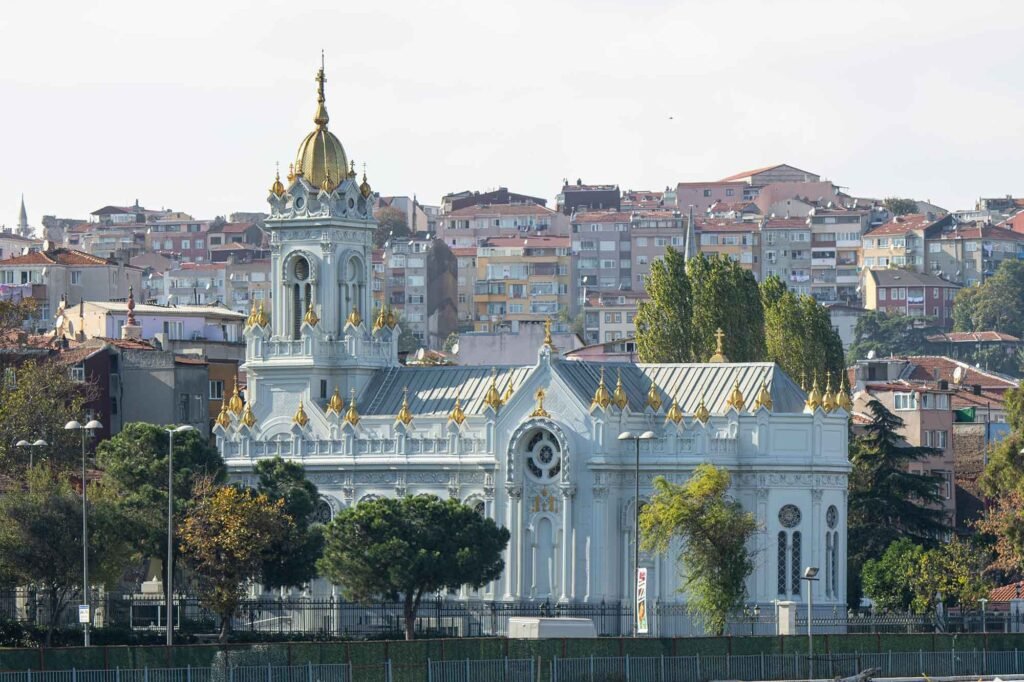
Bulgarian Saint Stephen Church (The Iron Church)
Built in the 19th century from prefabricated cast iron parts shipped along the Danube and the Black Sea, this unique structure reflects the diversity of Ottoman Istanbul. Bulgarians constructed it when they sought ecclesiastical independence from the Greek Patriarchate. Its bright white facade on the waterfront is one of the most recognizable landmarks of the Golden Horn.
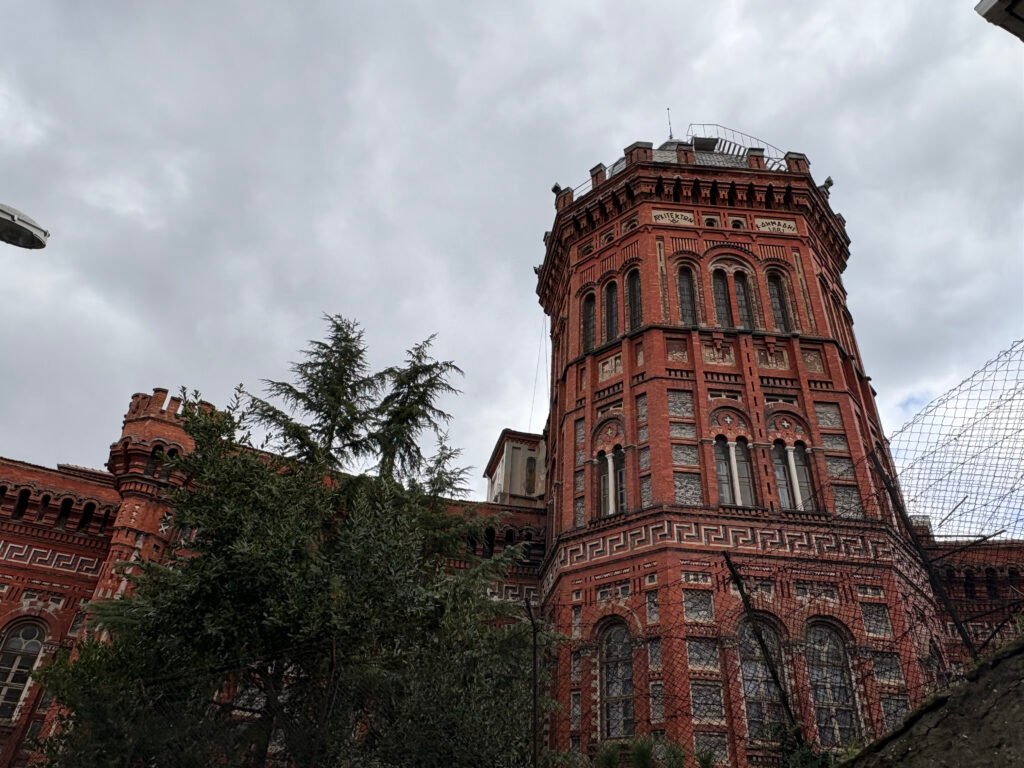
Education and the Famous Red School
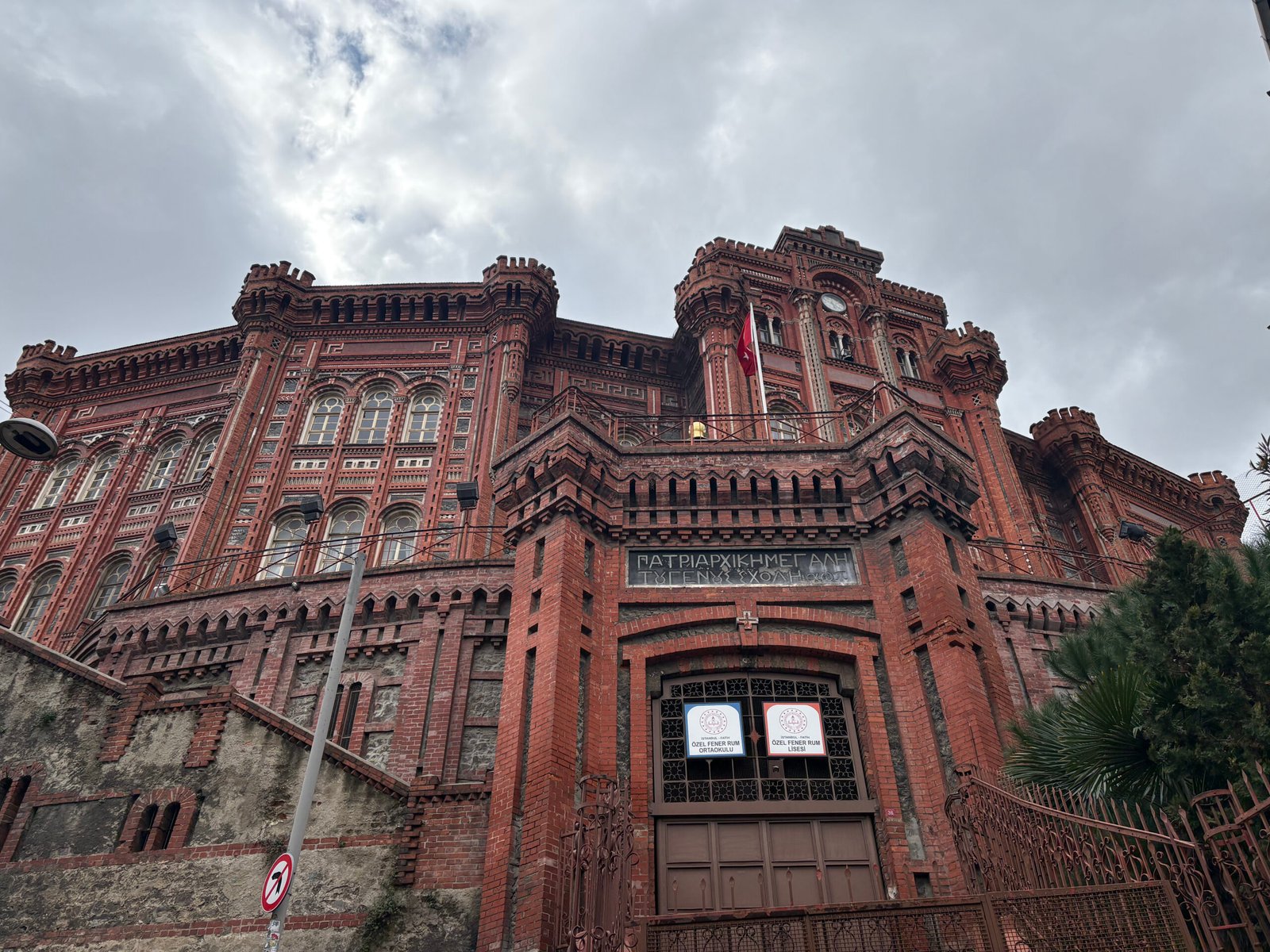
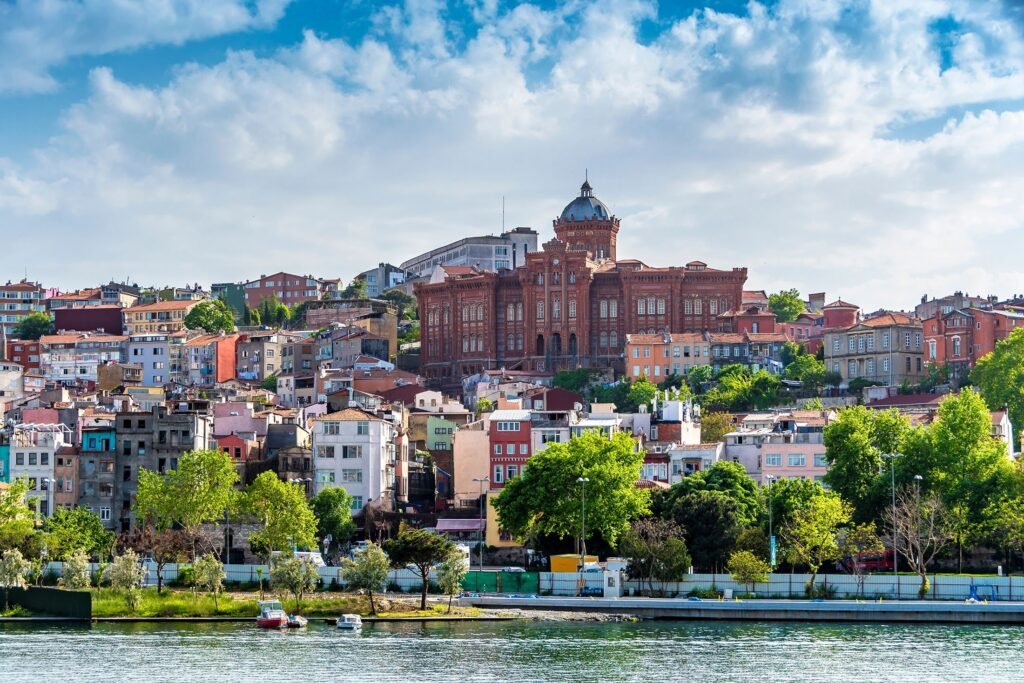
Perhaps the most iconic building in Fener is the Phanar Greek Orthodox College, often called the Red School or “Red Castle” because of its fortress-like red brick architecture.
Established in the 15th century and rebuilt in the late 19th century, it functioned as the most prestigious Greek Orthodox educational institution in the Ottoman Empire. The school trained clergy, scholars, translators, and administrators. Many graduates later served as diplomats, patriarchs, and intellectuals across southeastern Europe.
Its hilltop position symbolizes Fener’s identity as a center of learning rather than trade. Even today, the building dominates the skyline of the Golden Horn.
Fener in the Modern Era
1960–2000: Deindustrialization and Migration
From the 1960s onward, the character of Fener and nearby Balat changed dramatically. The shores of the Golden Horn had long hosted shipyards, small workshops, tanneries, and warehouses, but industrial activity gradually moved to newer districts on the outskirts of Istanbul. As factories and maritime trades left the Haliç, employment disappeared and many long‑established families relocated.
At the same time, the remaining Greek Orthodox population declined sharply due to political tensions, emigration, and the 1960s expulsion policies affecting foreign Greek residents. Empty houses were subdivided into smaller units and rented cheaply. The neighborhood began to receive internal migrants from the Black Sea region and rural Anatolia, as well as Roma communities seeking affordable housing close to the historic city center.
Restoration and Cultural Revival
In the early 2000s, restoration projects supported by local authorities and international heritage organizations began to repair buildings and infrastructure. Fener and nearby Balat were later recognized as part of the historic areas of Istanbul protected under cultural heritage programs.
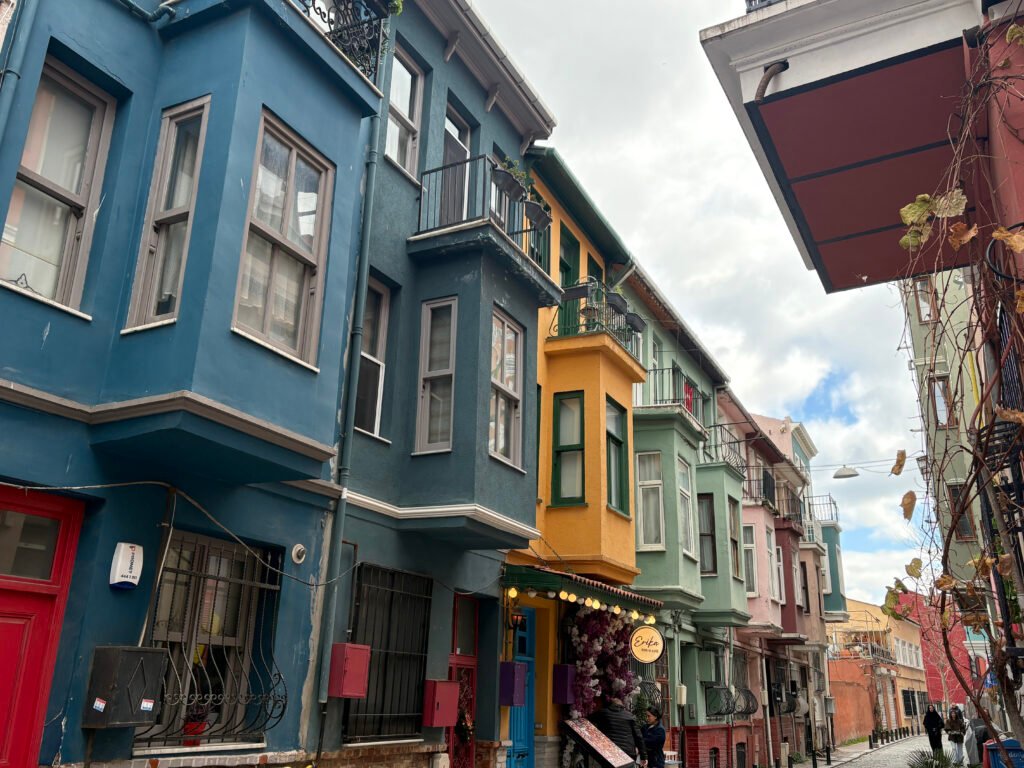
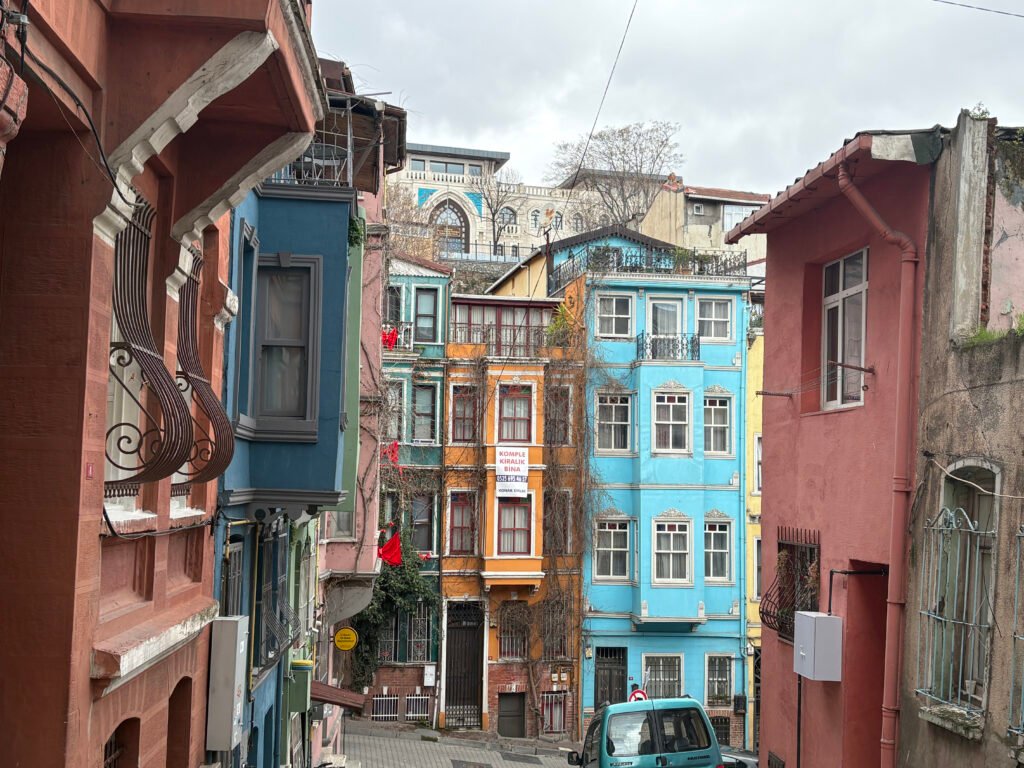
Today the neighborhood has transformed into one of the most attractive cultural districts in the city. Artists, photographers, students, and travelers now visit daily.
You can now find:
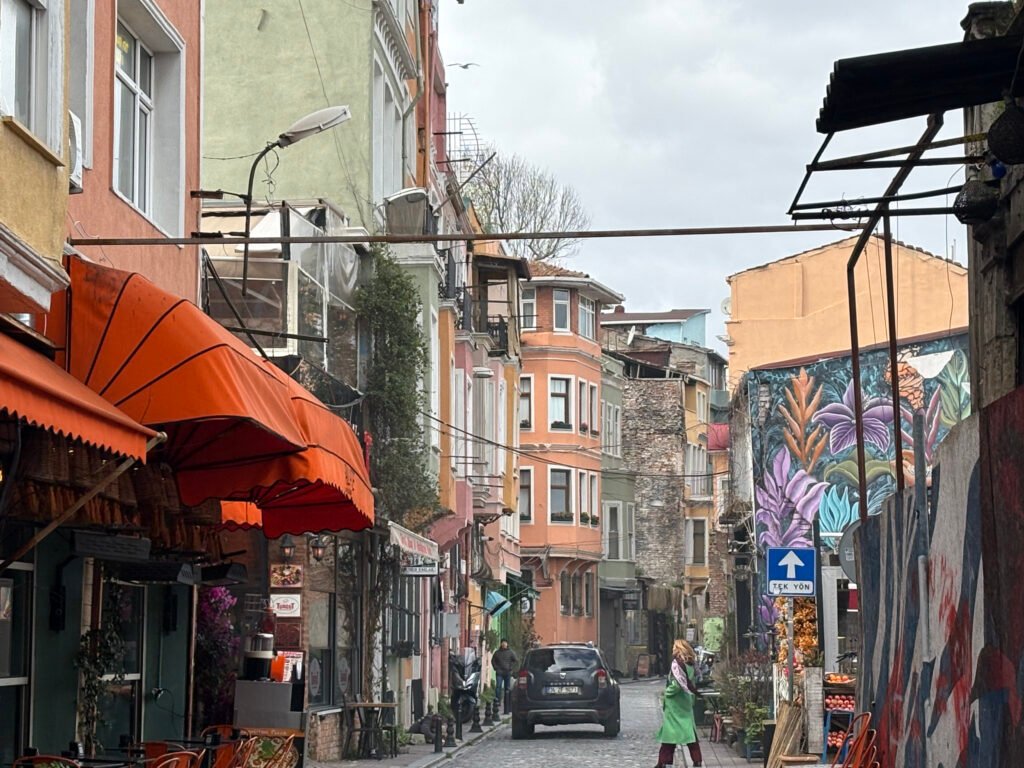
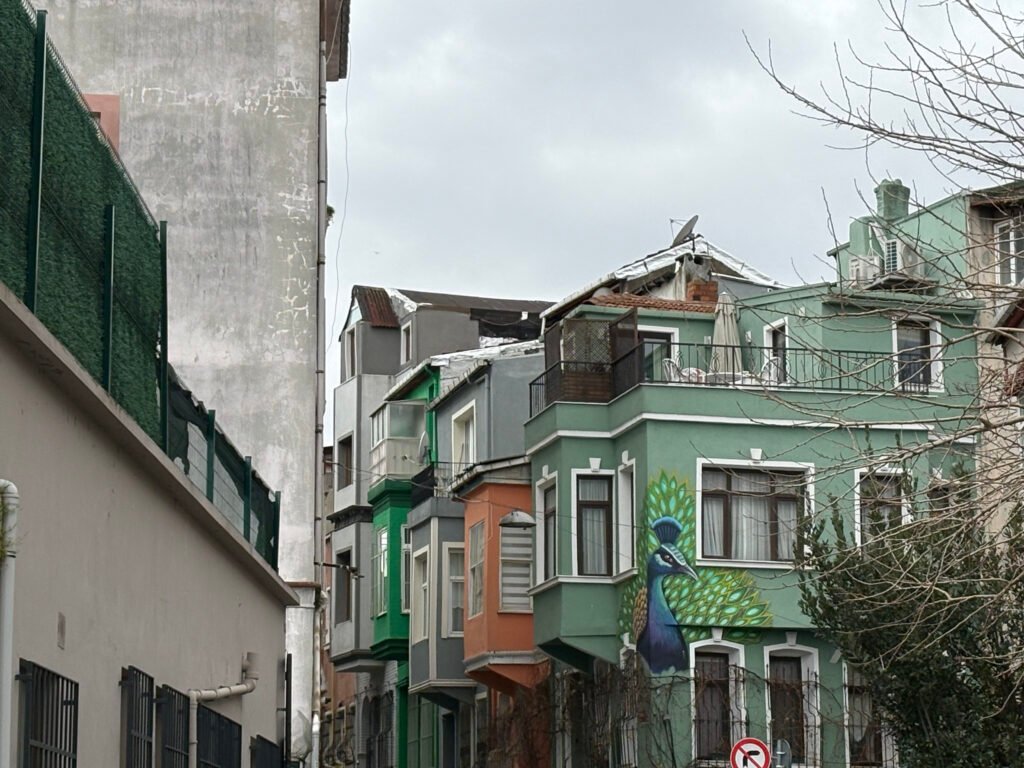
- Restored Ottoman houses painted in bright colors
- Small art studios and design workshops
- Coffee houses inside historic buildings
- Local bakeries and family restaurants
- Cultural walking tours and photography routes
Despite this revival, Fener still functions as a living residential community. Elderly residents sit outside their homes, children play on steep streets, and religious ceremonies continue inside centuries-old churches.
What to Experience in Fener Today
Fener offers a rare experience in Istanbul: you can explore a neighborhood rather than just a monument. Within a short walking distance, visitors encounter Byzantine religion, Ottoman multiculturalism, and contemporary urban life.
Things you should not miss:
- Walking along the Golden Horn waterfront
- Visiting the Patriarchate courtyard
- Photographing the colorful stair streets
- Seeing the Red School from the hilltop viewpoint
- Exploring the Iron Church on the shore
- Combining a Fener and Balat walking route
The best time to visit is morning or late afternoon, when sunlight highlights the historic facades and daily life becomes most visible.
Why Fener Matters
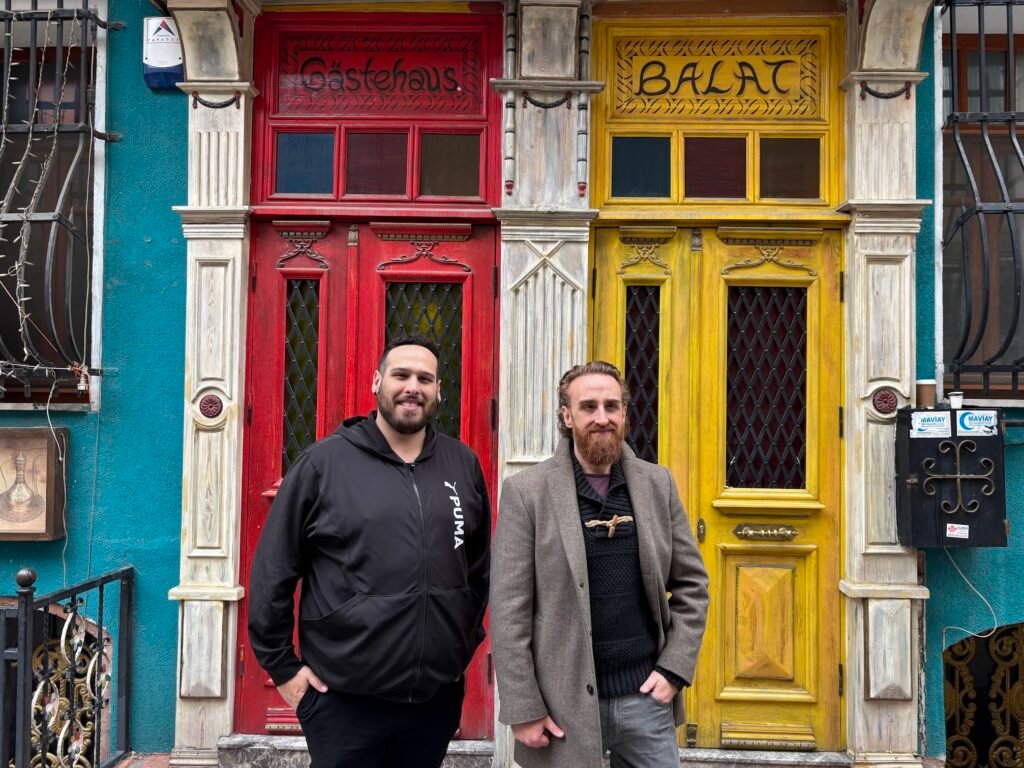
Fener represents continuity. Very few places in the world allow visitors to observe uninterrupted religious leadership from late antiquity to the modern day in the same neighborhood. Even fewer neighborhoods still contain working churches, a historic school, Ottoman houses, and a living community together.
In Fener, history is not preserved behind museum glass. It lives in architecture, rituals, and daily routines. The call to prayer from nearby mosques mixes with church bells, and modern cafes operate beside centuries-old patriarchal institutions.
For travelers who want to understand Istanbul beyond palaces and monuments, Fener offers the city’s true story: coexistence, transformation, and resilience across 1,600 years.
Visit Fener with Us
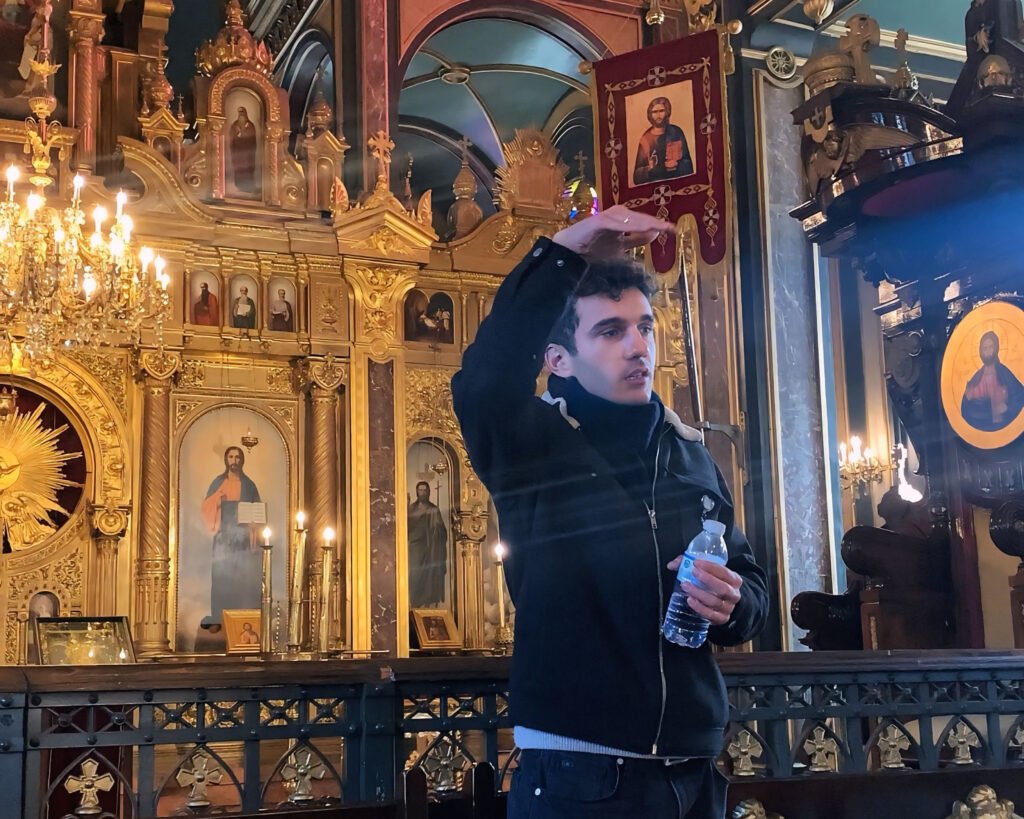
Walk these historic streets with a licensed local guide and experience the stories behind every doorway. Our small‑group Fener & Balat walking tour brings together Byzantine heritage, Ottoman culture, and today’s neighborhood life in one immersive route along the Golden Horn.
Tagged with :