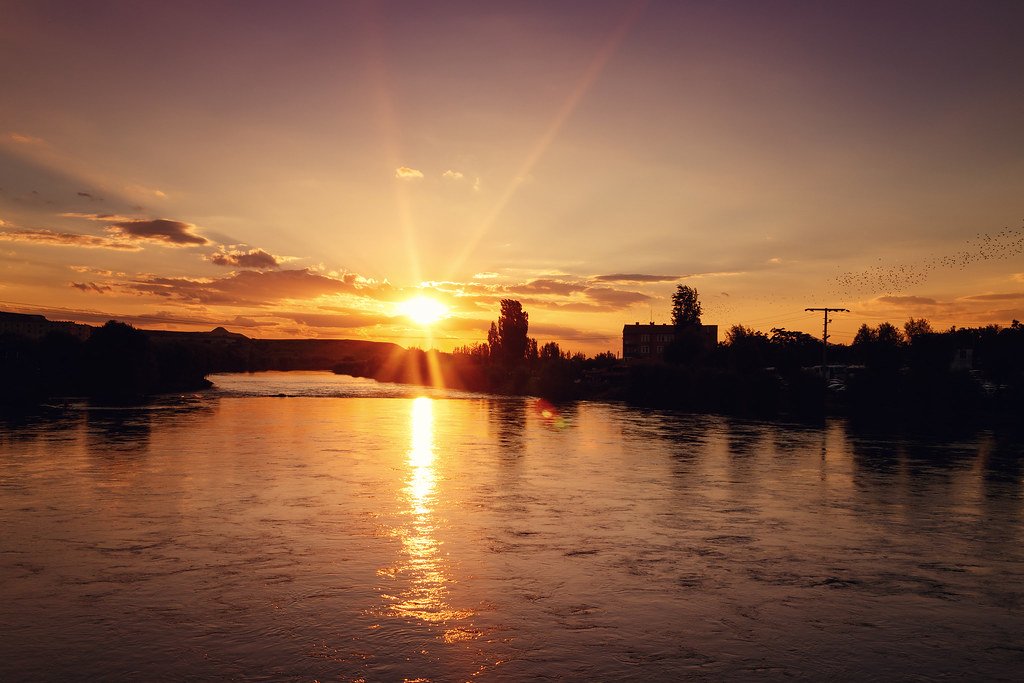



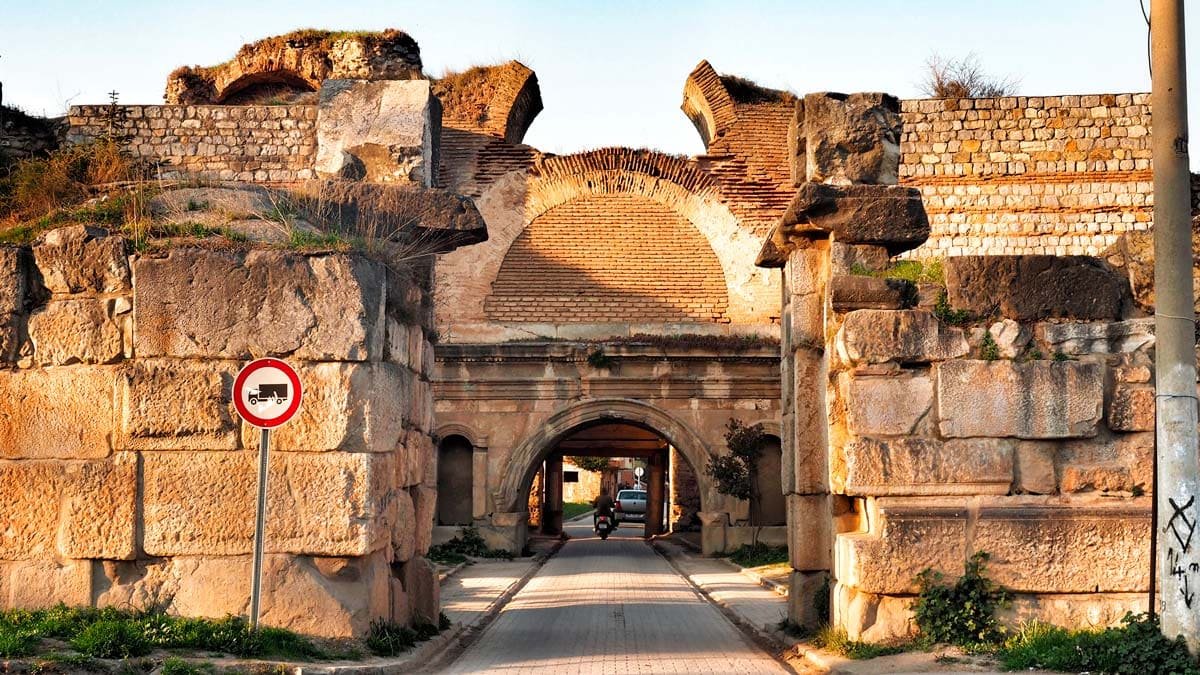
Few cities can boast a history as layered and dramatic as Nicaea. Today, the modern Turkish town of İznik is a quiet, picturesque place on the eastern shore of Lake Ascanius. But beneath its serene orchards and ancient walls lies the beating heart of world history.
This was a city where Roman emperors forged Christian doctrine, where crusaders battled Turkish sultans, and where a “Byzantine Empire in exile” kept the flame of Rome alive. Most remarkably, in November 2025, this ancient city witnessed history again as Pope Leo XIV visited to mark the 1,700th anniversary of the First Council of Nicaea.
Before Nicaea: The Founding and the First Rename
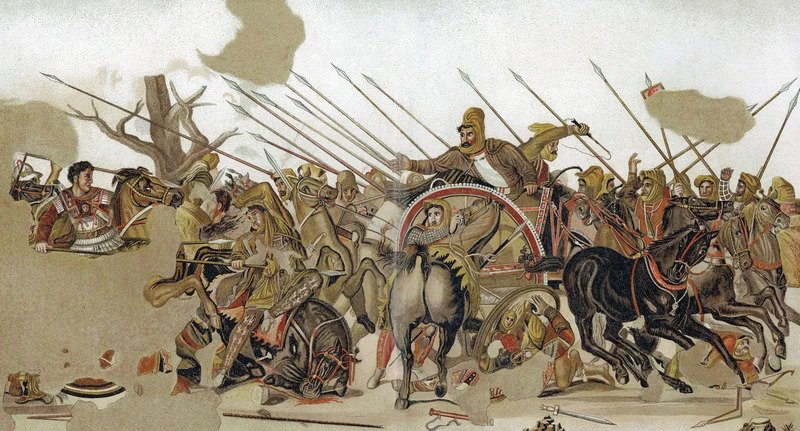
Long before it was a Christian hub, the site was an ancient settlement known as Helicore or Ankore, with habitation dating back to 2500 BC. However, the city’s “official” story begins in the chaos following the death of Alexander the Great.
In 316 BC, the Diadochi (the rival generals dividing Alexander’s empire), Antigonus I Monophthalmus founded a city on this strategic lakeside spot. He did what most conquerors do: he named it after himself. Thus, the city was first known as Antigoneia.
But Antigonus didn’t last long. He was defeated at the Battle of Ipsus in 301 BC, and the victorious general Lysimachus took control. Lysimachus decided the city needed a fresh start and a new name. He renamed it Nicaea in honor of his wife, Nikaia, the daughter of the powerful regent Antipater. It is a romantic twist of fate that the name “Nicaea” (Victory) would stick for the next two thousand years.
The Roman Inheritance
For a while, Nicaea was part of the Kingdom of Bithynia, but the tides of power shifted quickly. In 74 BC, the last king of Bithynia, Nicomedes IV, died without an heir. In a savvy political move (or a desperate plea for protection against the Black Sea kingdom of Pontus), he bequeathed his entire kingdom to the Roman Republic.
Overnight, Nicaea became a wealthy Roman provincial capital. It competed fiercely with its neighbor Nicomedia for the title of “first city” of the province. Emperors lavished attention on it. Augustus rebuilt it, Hadrian fortified it, and by the time of Pliny the Younger, it was a bustling metropolis of grand public buildings.
The Two Councils: Defining Christianity
Nicaea’s most famous role in history came not through war, but through words.
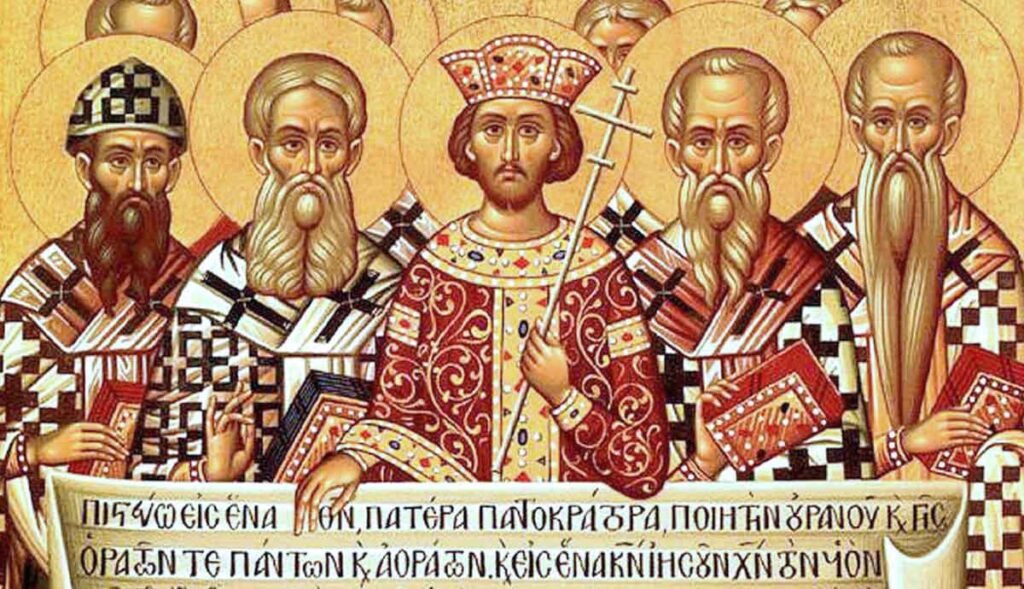
In 325 AD, Emperor Constantine the Great faced a Church tearing itself apart over the nature of Christ. Was Jesus of the same substance as God the Father (homoousios), or a similar, lesser creation (Arianism)? To solve the crisis, Constantine summoned bishops from across the Roman Empire to his lakeside palace in Nicaea.
The result was the First Council of Nicaea. The council produced the original Nicene Creed, a statement of faith that remains central to most Christian denominations today. It condemned Arianism and established a unified theological foundation for Christendom.
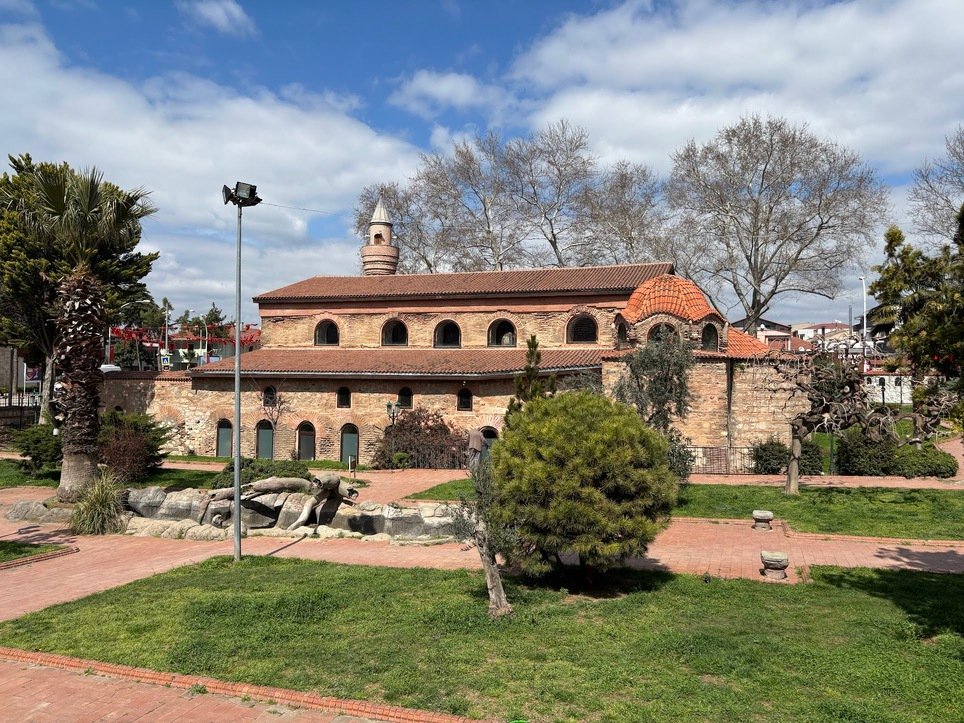
Almost 500 years later, in 787 AD, the city hosted the Second Council of Nicaea. This time, the debate was about Icons. Were religious images idols to be smashed (Iconoclasm), or windows into the divine? The Council ruled decisively for the restoration of the veneration of icons, ending the first wave of Byzantine iconoclasm.
The Turkish Conquest and the Crusader Response
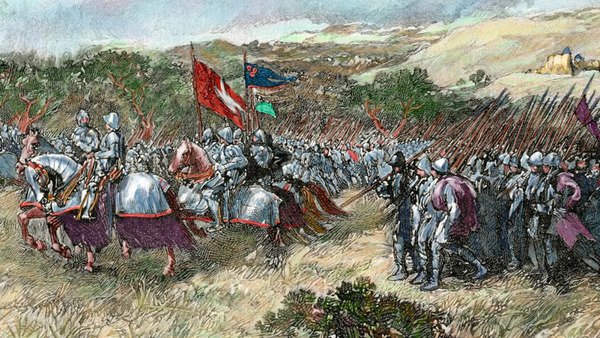
For centuries, Nicaea remained a jewel in the Byzantine crown. But after the disastrous Byzantine defeat at Manzikert in 1071, the Seljuk Turks swept into Anatolia. By 1081, they had captured Nicaea. The Turks did not just occupy it; they made it the capital of the Sultanate of Rûm. It was from here that the Sultan Kilij Arslan I planned his conquests.
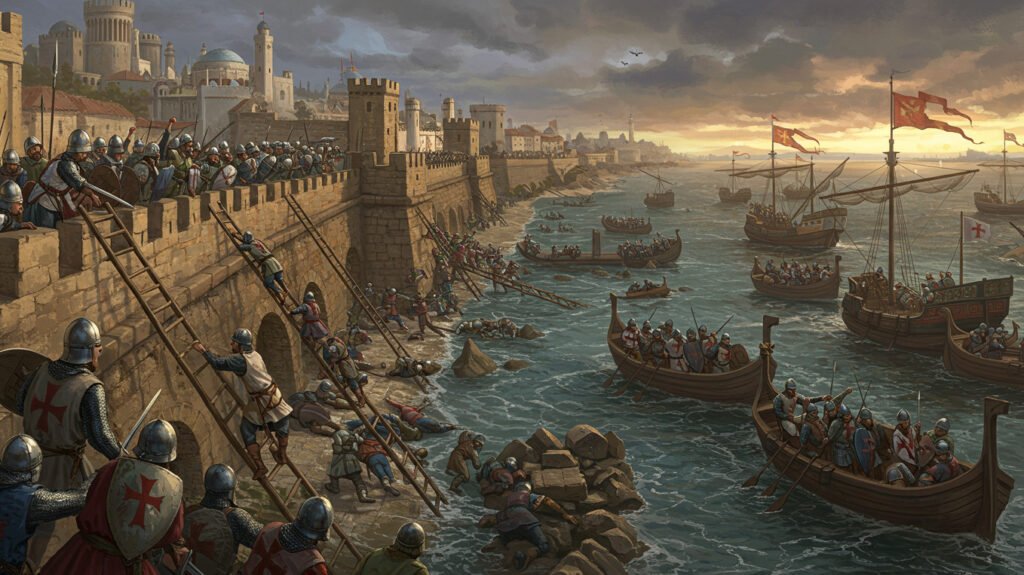
This occupation was the catalyst for the First Crusade. In 1097, the Crusader armies arrived at the walls of Nicaea. They besieged the city for weeks. However, the Byzantine Emperor Alexios I Komnenos was playing a double game.
Rather than let the Crusaders sack the city (which they had promised to return to him), Alexios secretly negotiated a surrender with the Turkish defenders. On June 19, 1097, the Crusaders woke up to see the Byzantine flag flying over the towers. The city was handed back to the Romans (Byzantines) without the Crusaders getting their promised plunder. They were furious, but the strategic victory was won: Nicaea was Christian once more.
The Capital in Exile: The Empire of Nicaea
The return to Byzantine rule was not permanent. In 1204, disaster struck. The Fourth Crusade famously veered off course, sacking Constantinople itself. The Byzantine Empire seemed to have died in the flames of the Latin Crusader occupation.
But not quite. A Byzantine noble named Theodore I Laskaris fled the carnage in Constantinople and set up a “government in exile” at Nicaea.
For the next 57 years (1204–1261), the Empire of Nicaea was the de facto continuation of the Roman Empire. It was here, not in Latin-occupied Constantinople, that the Orthodox Patriarch resided. From this base, the Laskarid emperors plotted their revenge.
In 1261, Emperor Michael VIII Palaiologos finally succeeded. His general recaptured Constantinople, and the Latin Empire collapsed. The “Empire of Nicaea” moved its capital back to the Bosphorus, restoring the Byzantine Empire for another two centuries.
The Ottoman Silence
While Nicaea was a bastion of Christianity for centuries, its geography in Anatolia made it vulnerable. The rising power of the Ottoman Turks eventually surrounded the city. After a series of sieges, Nicaea fell permanently to the Ottomans in 1331.
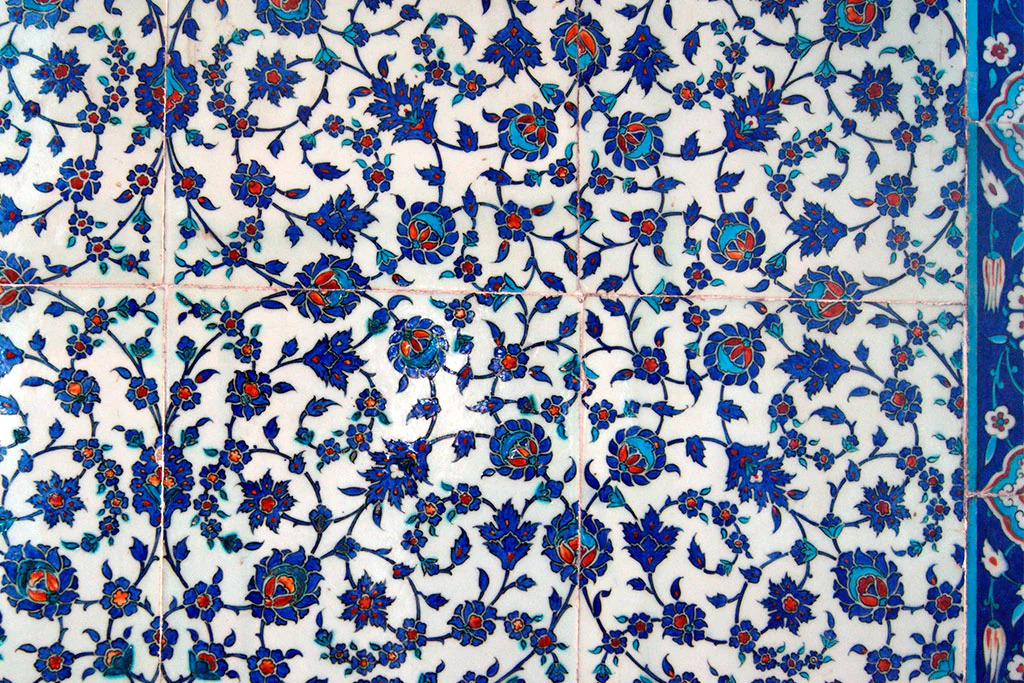
Under Ottoman rule, the city (now İznik) faded from geopolitical prominence. It transformed from an imperial capital into a quiet provincial town famous for something else entirely: pottery. The Ottomans turned İznik into a world-renowned center for ceramic tiles, decorating the mosques of Istanbul with the famous blue and turquoise “İznik Tiles.”
Modern Pilgrimage: Pope Leo XIV in 2025
For centuries, Nicaea remained a footnote in history books, a sleepy town of tile factories and ruins. But in November 2025, the world turned its eyes back to the lake.
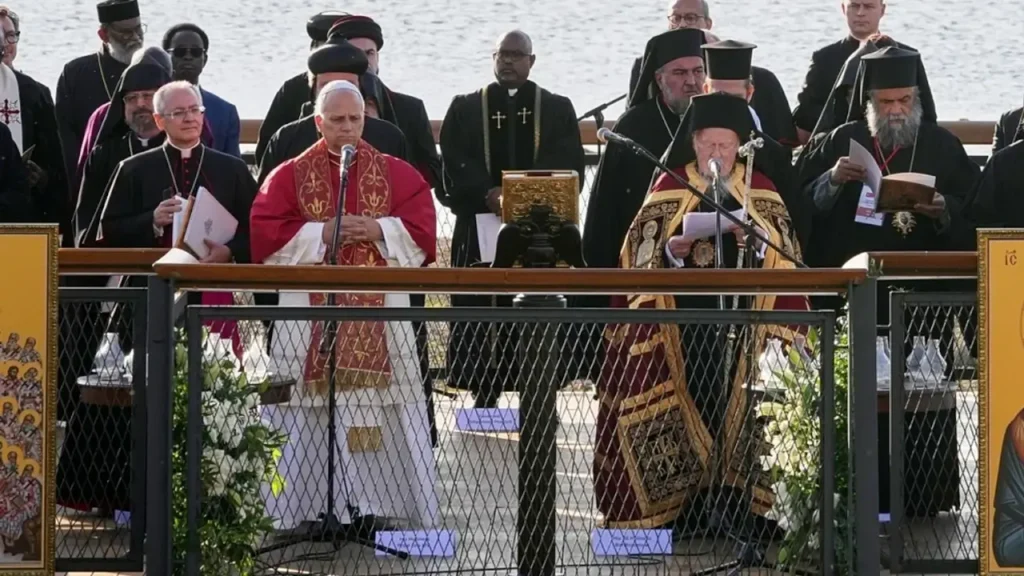
Pope Leo XIV (the first American pope) made his first foreign trip to Turkey, specifically to visit İznik. The purpose was monumental: to commemorate the 1,700th anniversary of the First Council of Nicaea.
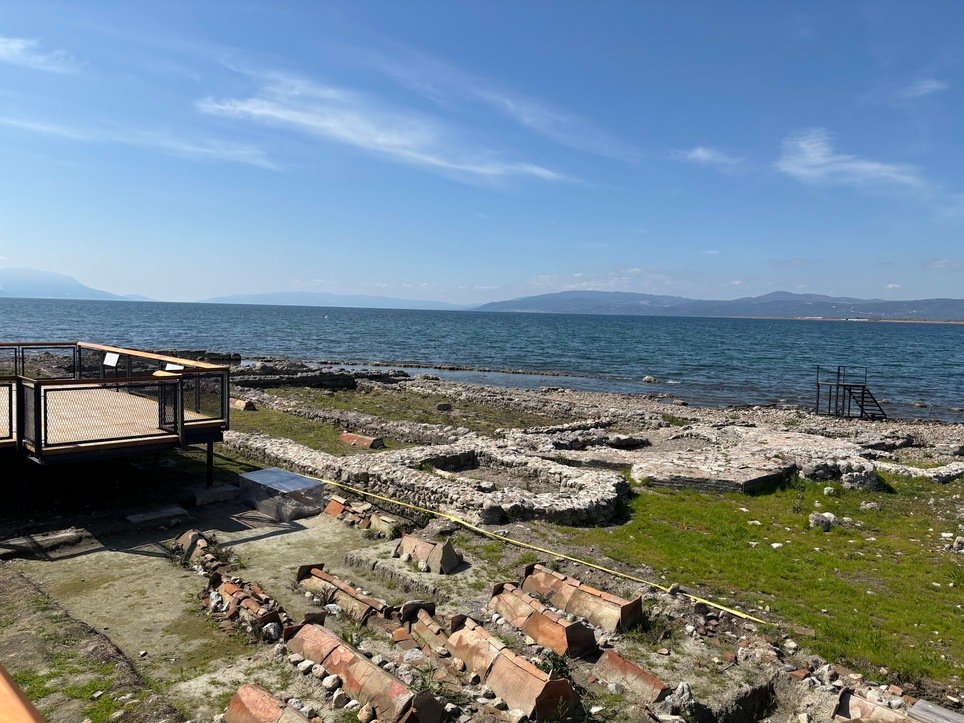
Joined by Ecumenical Patriarch Bartholomew, the Pope held an ecumenical prayer meeting near the ruins of the ancient basilica of St. Neophytos—the very ground where the Nicene Creed was first spoken. In his address, Pope Leo XIV noted that the anniversary was a “precious opportunity to ask ourselves who Jesus Christ is in the lives of women and men today.”
It was a moment of deep reconciliation: the Bishop of Rome and the Patriarch of Constantinople praying together in the city where their unified Church first defined its core beliefs.
Visiting Nicaea Today
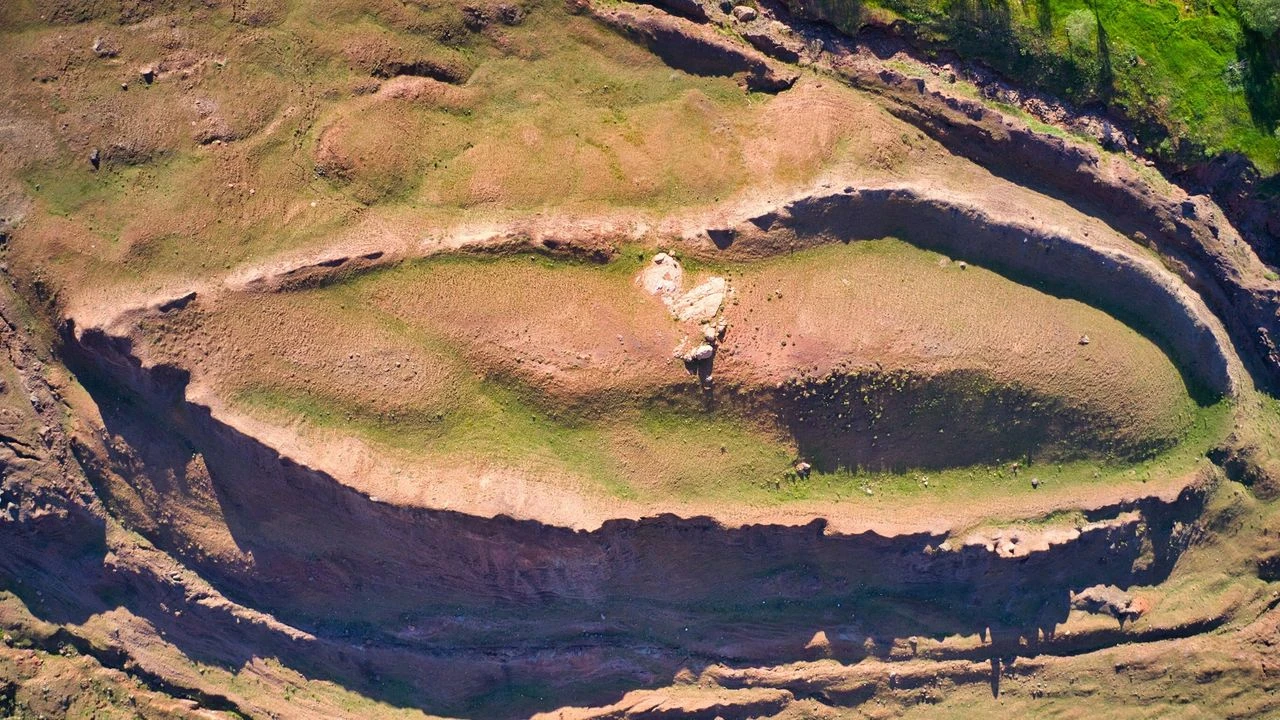
Today, visitors to İznik can walk along the massive Roman and Byzantine walls that repelled the Crusaders and the Seljuks. You can dive in the lake to see the submerged Basilica of St. Neophytos (where the Pope prayed), or visit the Hagia Sophia of İznik (the Aya Sofya Mosque), a former church where the Second Council likely ratified its decrees.
Planning to explore Nicaea? Check out our detailed guide: A Daily Tour of Nicaea: Following the Footsteps of Councils and Crusaders – a perfect one-day itinerary covering the walls, the submerged basilica, the İznik Museum, and the famous tile workshops.
Nicaea is no longer a capital. But as Pope Leo XIV just reminded the world, it remains a cornerstone of our shared civilization.