There are countries you visit for landscapes.
Others for monuments.
Some for cuisine.
And then there is Turkey a country that does not offer a single story, but an entire civilizational archive. Positioned between Europe and Asia, bordered by three seas, and layered with over ten millennia of continuous settlement, Turkey is not simply a destination. It is accumulated human ambition — imperial, spiritual, commercial, and architectural preserved in stone, water, and memory.
You do not just see Turkey.
You move through time inside it.
A Geography That Commands History
Turkey is not located at a crossroads.
It is the crossroads.
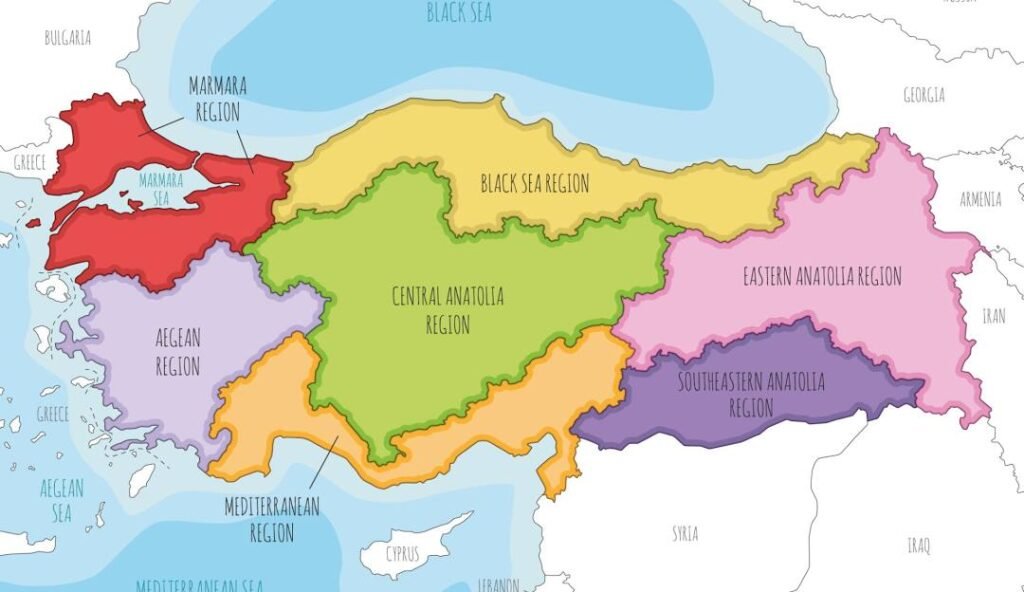
The landmass of Anatolia forms a continental hinge — Europe presses from the west, Asia extends from the east. Migration was inevitable. Trade was inevitable. Conflict was inevitable.
The Bosporus and Dardanelles are not just narrow waterways; they are strategic valves controlling maritime access between the Black Sea and the Mediterranean. Whoever governed them influenced global trade routes.
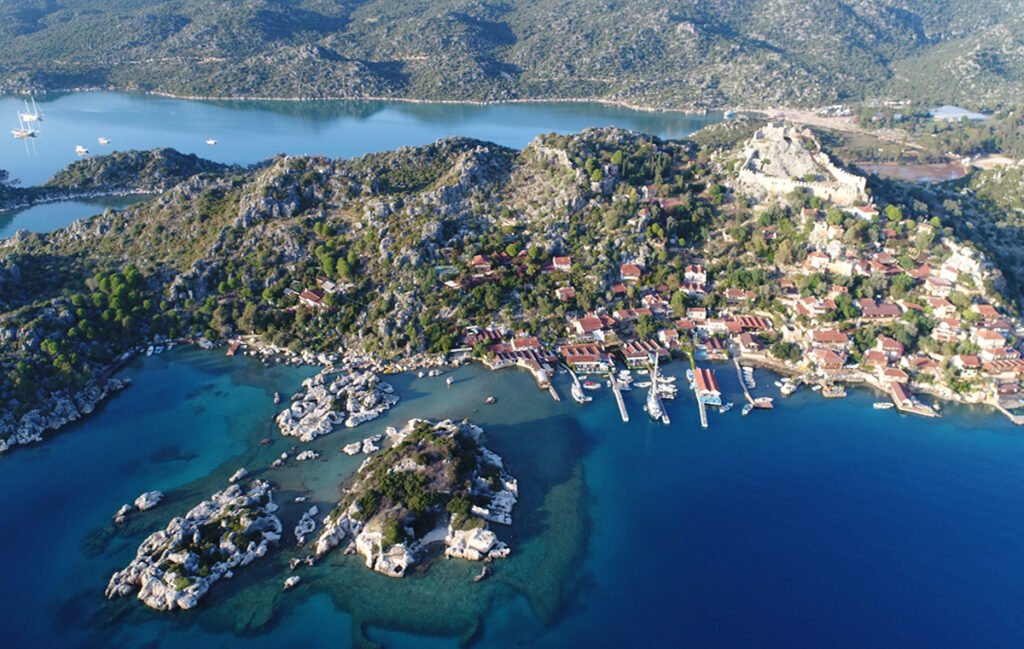
Bordered by the Black Sea, the Aegean Sea, and the Mediterranean Sea, the country’s coastline shifts character dramatically — storm-driven northern waters, olive-covered western hills, sun-drenched southern coves.
Geography did not merely influence history here.
It structured it.
Civilizations That Accumulate, Not Disappear
In many regions, one era erases another.
In Turkey, layers remain visible.
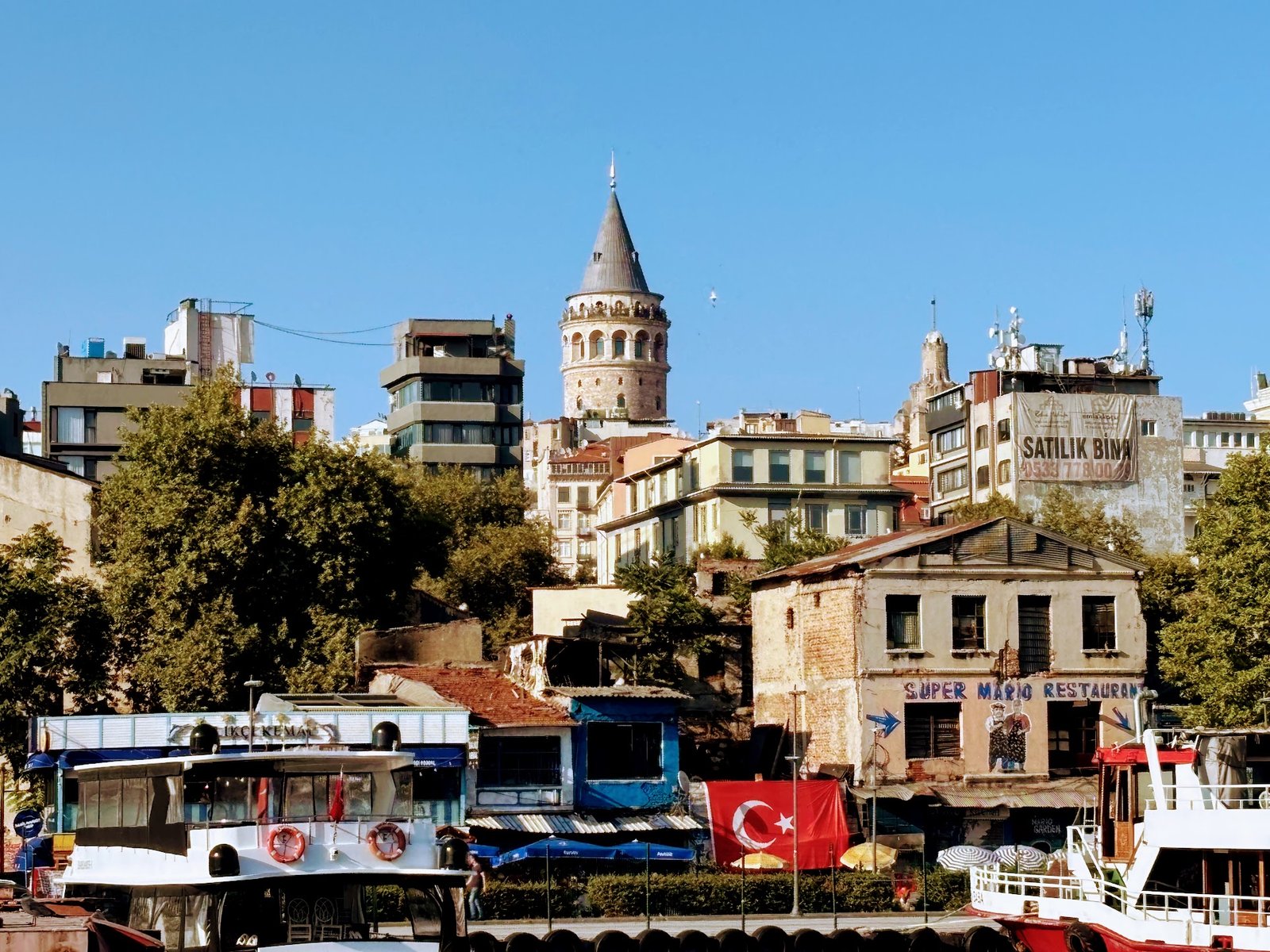
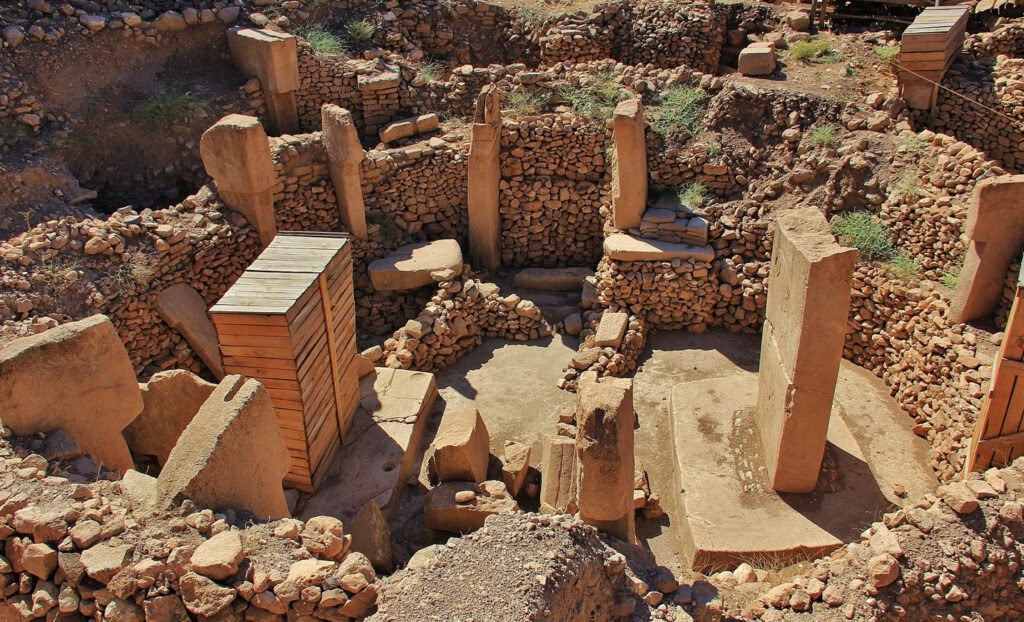
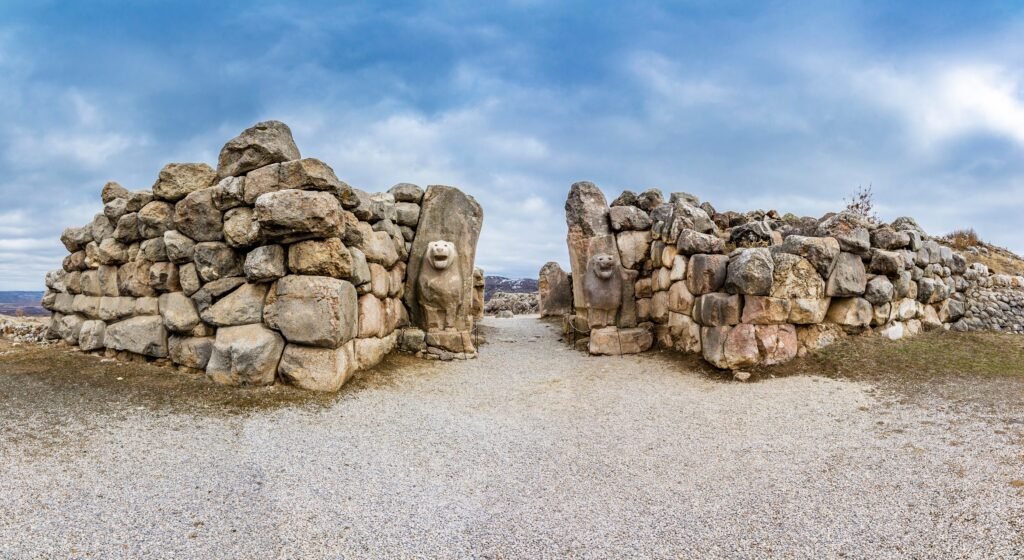
At Göbekli Tepe, monumental pillars were raised nearly 12,000 years ago — before pottery, before metallurgy, before cities — challenging conventional narratives about the origins of organized religion and social hierarchy. At Çatalhöyük, early urban density reshaped collective life, with shared walls and rooftops functioning as streets. In Ephesus, Roman infrastructure still dominates the terrain through marble avenues, monumental libraries, and vast theaters engineered for permanence. And then there is Istanbul — once Byzantium, later Constantinople, then the Ottoman imperial capital — a city that has shifted political identities while preserving its strategic gravity. Turkey does not present ruins as decorative remnants of a vanished past; it presents them as visible continuity.
The Imperial Pivot
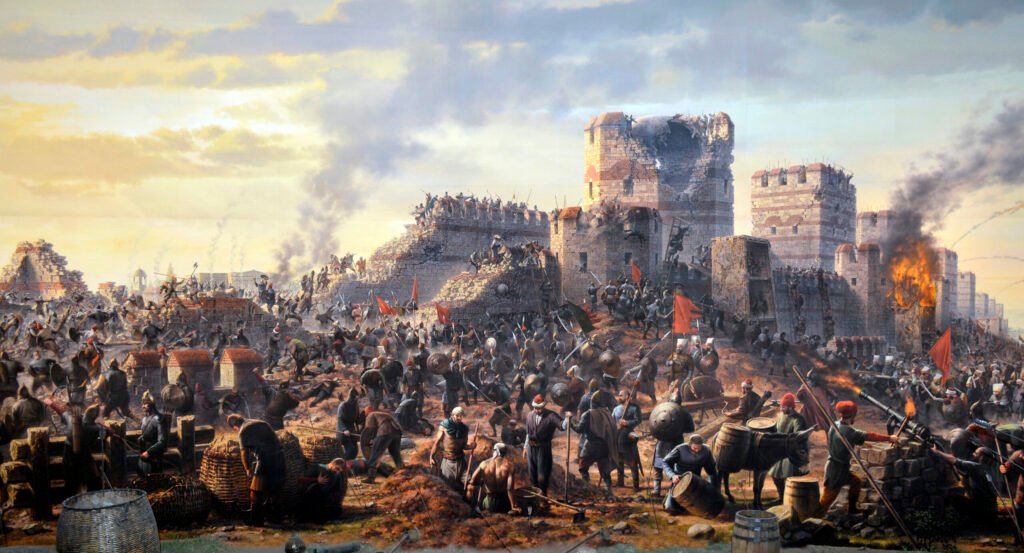
In 1453, the balance of power in the known world shifted decisively.
When Mehmed II conquered Constantinople, it altered trade patterns, accelerated European maritime exploration, and redefined imperial legitimacy. The Ottoman Empire would go on to govern vast territories across Southeast Europe, Western Asia, and North Africa — administering diverse populations through sophisticated legal and bureaucratic systems.
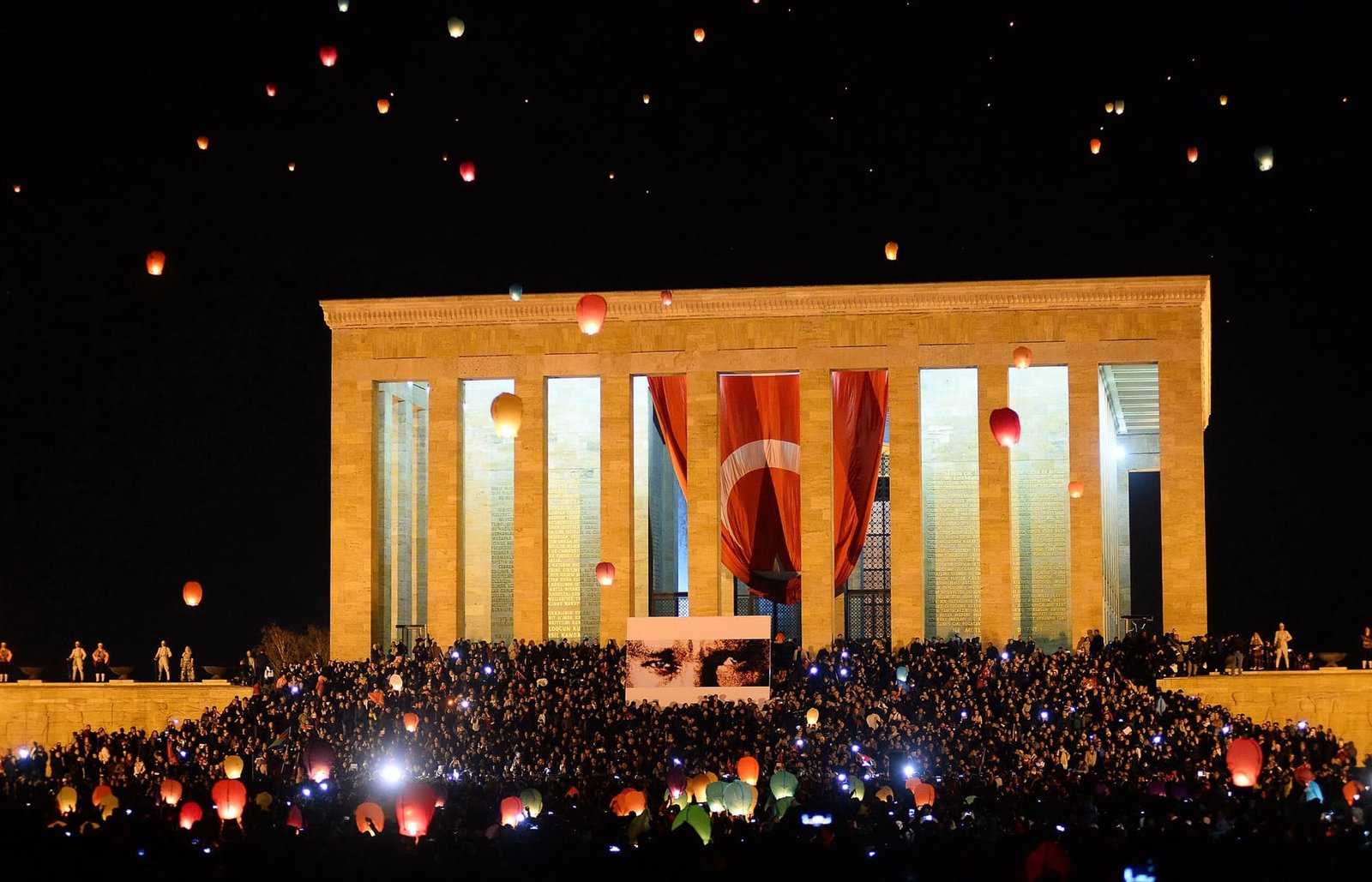
In 1923, Mustafa Kemal Atatürk established the Republic of Turkey. The transformation was systemic: legal reforms, alphabet reform, secular governance, industrial modernization.
Modern Turkey is not a relic of empire.
It is the product of reinvention.
Landscapes That Defy Logic
Turkey does not ease you into its geography.
It confronts you.
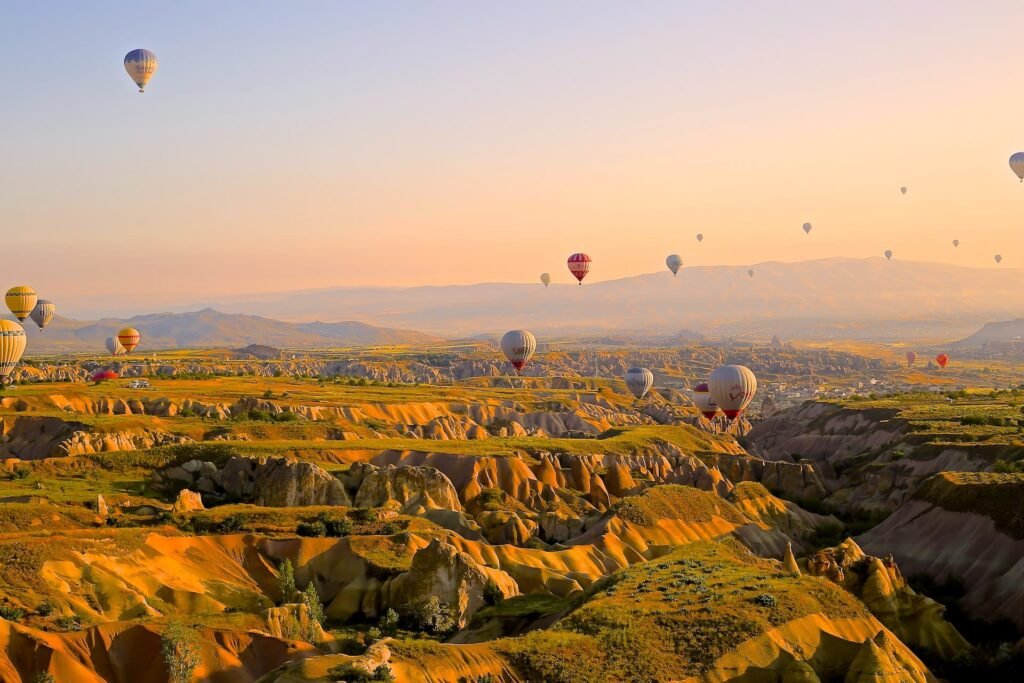
In Cappadocia, volcanic eruptions sculpted soft tuff into cones and fractured valleys. Humans later carved churches, dwellings, and entire underground cities into the stone. Geology and survival fused into architecture.
In Pamukkale, mineral-rich thermal waters cascade down a hillside, forming white travertine terraces that appear almost artificial. For over two millennia, people built sanctuaries and healing complexes above them.
And in the east, Mount Ararat rises at 5,137 meters — a solitary volcanic giant long associated with sacred narratives.
Here, nature is not scenery.
It is an active historical force.
Culture: Dynamic and Layered
Turkey integrates apparent opposites with ease.
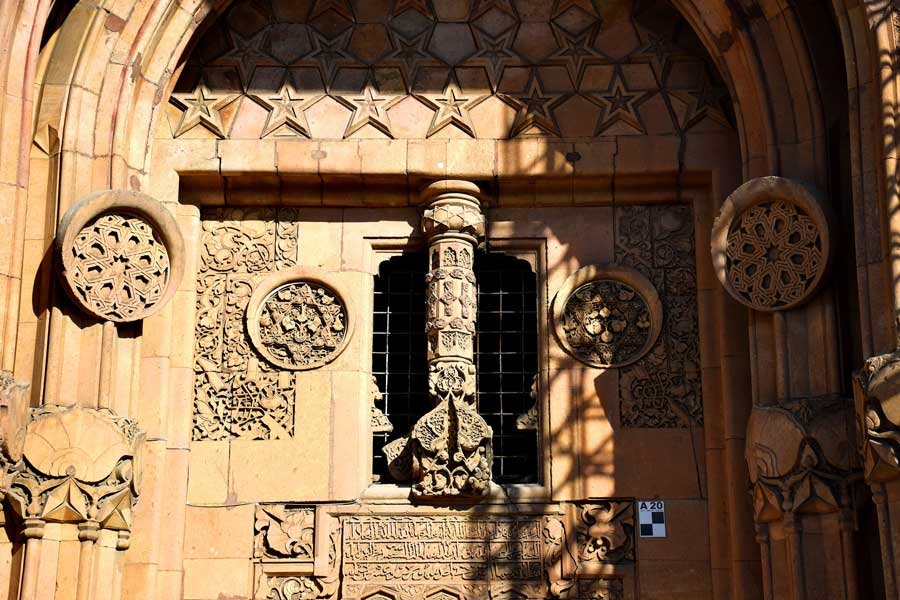
Sacred architecture shaped by Byzantine engineering stands beside Ottoman minarets. Secular institutions operate within a society conscious of its religious heritage. Traditional tea culture thrives alongside hyper-modern urban districts.
The mahalle — the neighborhood — remains a living social unit. Markets are not staged for visitors; they are economic ecosystems. Hospitality is not branding; it is embedded practice.
Contradiction is not tension here.
It is equilibrium.
Cuisine as Historical Evidence
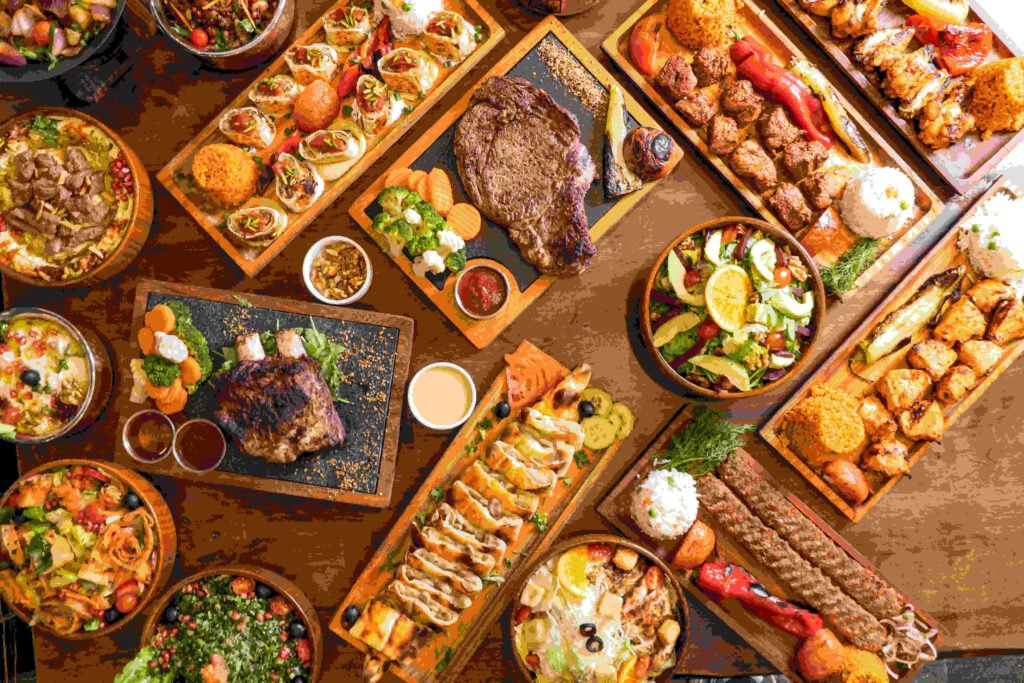
Turkish cuisine is not singular.
It is regional, adaptive, and deeply historical.
Southeastern Anatolia carries spice traditions rooted in Mesopotamian trade routes. The Aegean emphasizes olive oil agriculture and herb-based cooking. The Black Sea region relies on anchovy cycles and highland dairy culture.
Even language reveals influence: the word “yogurt” derives from the Turkish yoğurt, now globally adopted.
To eat in Turkey is to consume centuries of migration, commerce, and adaptation.
Three Facts That Usually Surprise People
Turkey does not just contain history — it anchors some of the world’s most familiar narratives.
• Santa Claus was born in Demre, ancient Myra. The historical Saint Nicholas served as a 4th-century bishop on Anatolia’s Mediterranean coast.
• The world’s oldest known shipwreck — dating to the Late Bronze Age — was discovered off Uluburun. Its cargo revealed a complex international trade network operating more than 3,000 years ago.
• The legend of the Trojan War is rooted in Troy, where archaeology continues to refine our understanding of Bronze Age conflict.
These are not peripheral anecdotes.
They are foundational narratives — and they begin here.
A Country That Still Matters
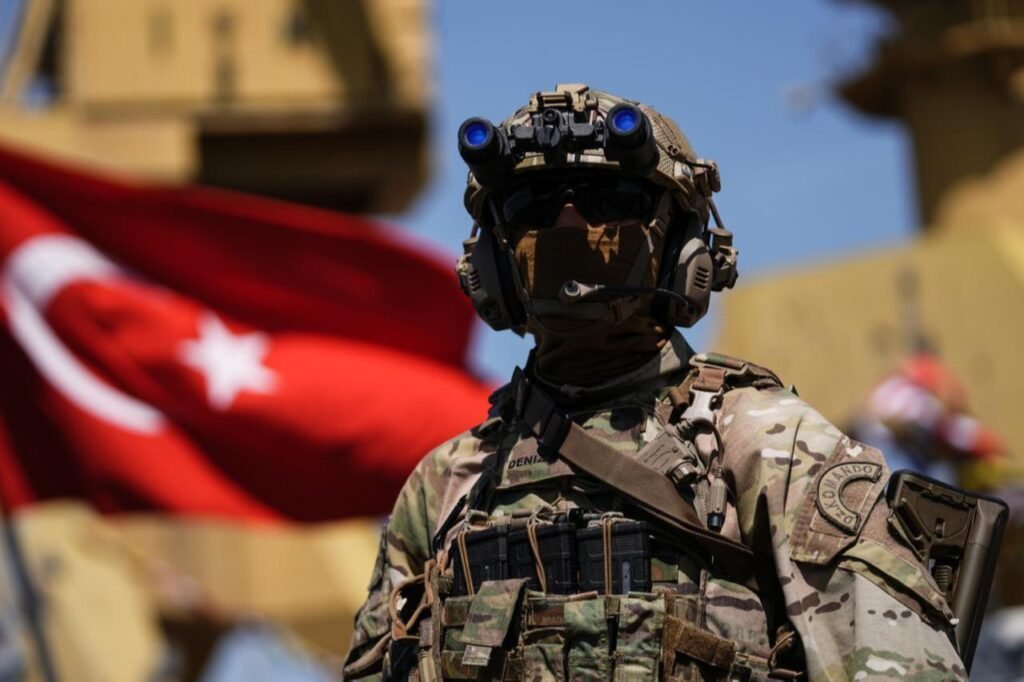
With a population exceeding 85 million and a strategic position bridging Europe, the Caucasus, and the Middle East, Turkey remains geopolitically central. It is a NATO member. It regulates maritime access between seas. It sits along major energy and migration corridors.
Turkey is not only historically significant.
It is actively consequential.
Not a Destination — A Continuum
Empires rose here because geography demanded it.
Civilizations layered here because trade required it.
Modern reforms occurred here because survival depended on it.
Stand on the Bosporus and you are not simply looking at water dividing two continents. You are looking at a corridor that has carried armies, merchants, pilgrims, and ideas for millennia.
Turkey is not a chapter in world history.
It is one of its central volumes.