


Christian History
37 Minute
Greek Orthodox Patriarchate of Istanbul: The Spiritual Heart of Eastern Christianity

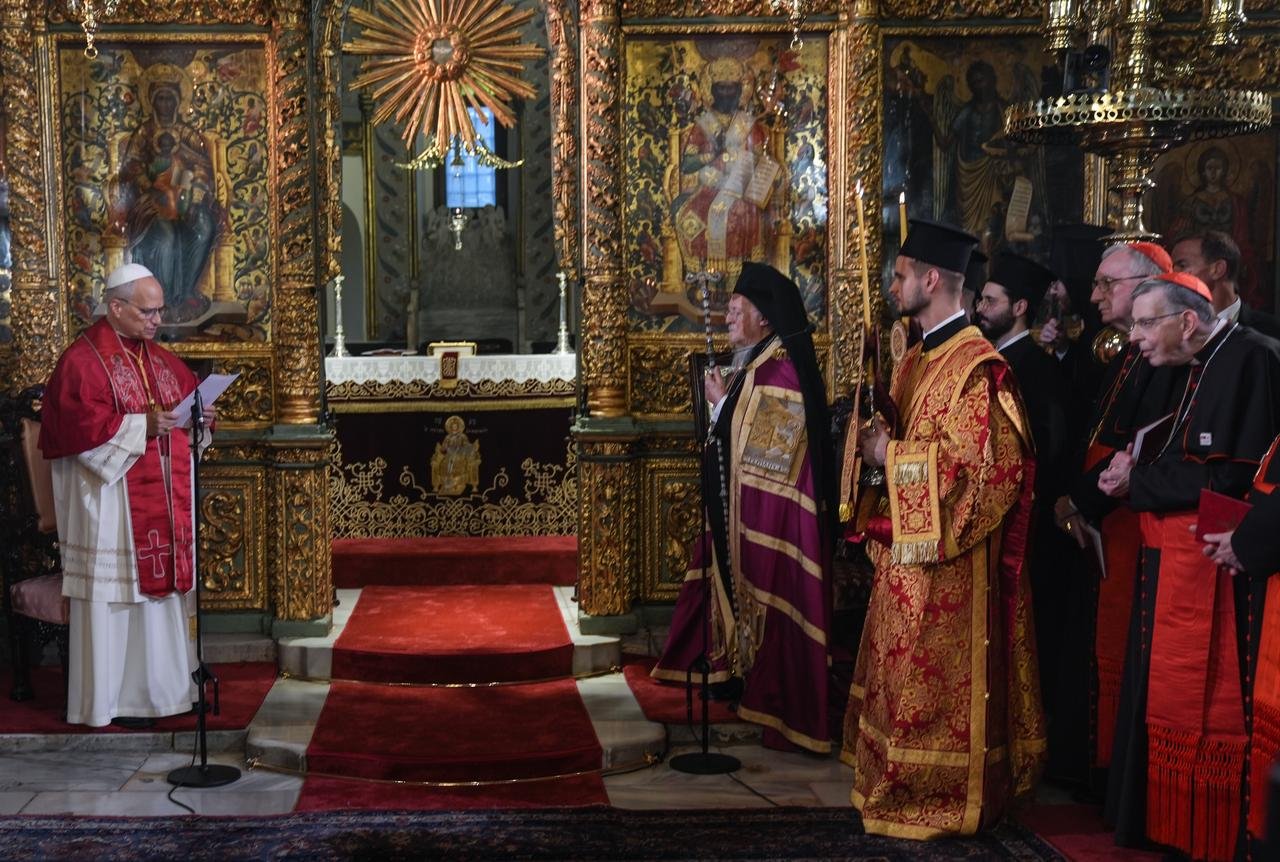
Nestled in the historic Fener district along the Golden Horn, the Ecumenical Patriarchate of Constantinople stands as one of Istanbul’s most profound spiritual and cultural treasures. For centuries, this sacred institution has served as the center of the Eastern Orthodox Christian world — a living symbol of faith, resilience, and heritage in the heart of Türkiye.
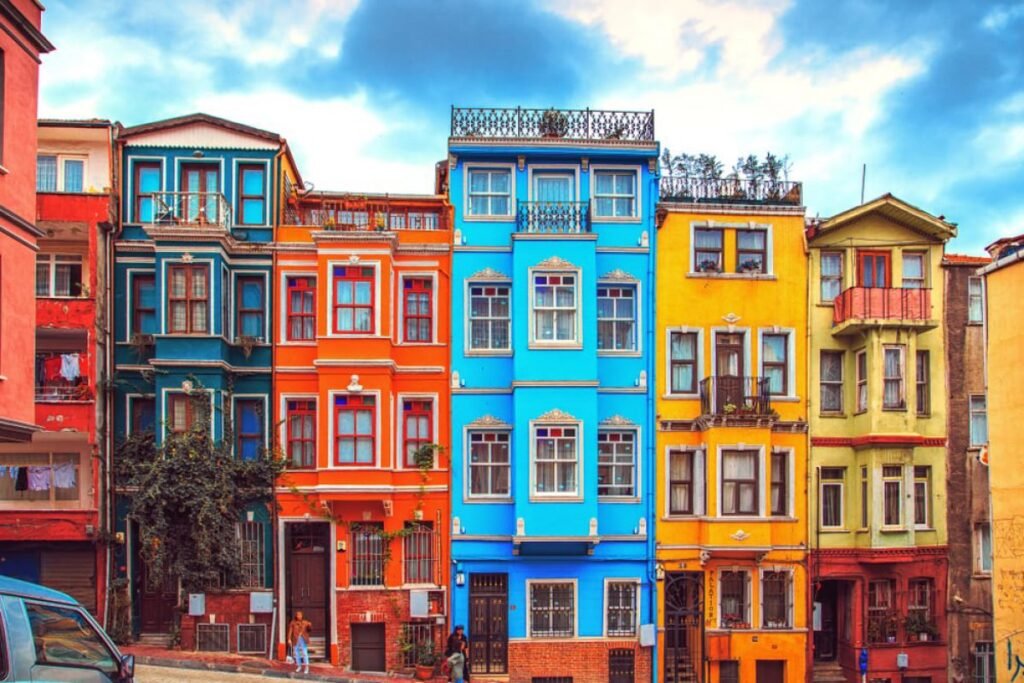
Exploring Fener: A Journey Through Living History
A visit to the Patriarchate is best combined with a walk through the atmospheric streets of Fener. This historic neighborhood is known for:
- Colorful Ottoman-era houses
- Greek Orthodox schools, including the striking red-brick Phanar Greek Orthodox College
- Small cafés and artisan shops
- A peaceful, authentic Istanbul ambiance away from the usual tourist routes
Fener reflects the city’s layered identity — Byzantine, Ottoman, and modern Turkish — all coexisting in one captivating district.
A Legacy Rooted in Byzantium
The origins of the Patriarchate date back to the 4th century, when Constantinople (modern-day Istanbul) became the capital of the Roman Empire. In 381 AD, the bishop of Constantinople was granted special authority, and over time, the Patriarch of Constantinople came to be recognized as the “Ecumenical Patriarch” — the spiritual leader of the world’s Eastern Orthodox Christians.
Even after the Ottoman conquest of the city in 1453, the Patriarchate remained active, playing a crucial role in preserving Orthodox faith and Greek cultural identity within the empire. Today, it continues its mission from its headquarters in Fener, maintaining centuries-old traditions in a modern global context.
The Church of St. George: A Hidden Spiritual Gem
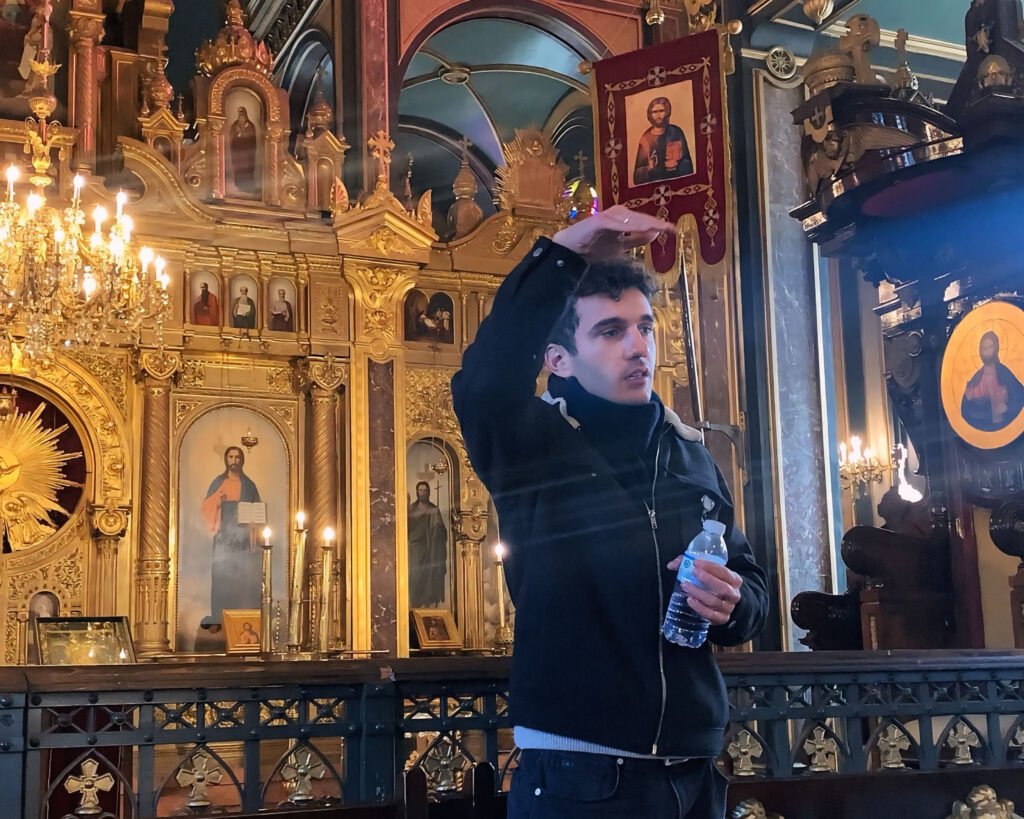
At the heart of the Patriarchate complex stands the Church of St. George, a modest yet spiritually powerful cathedral that serves as the Patriarchal Church.
Inside, visitors can admire:
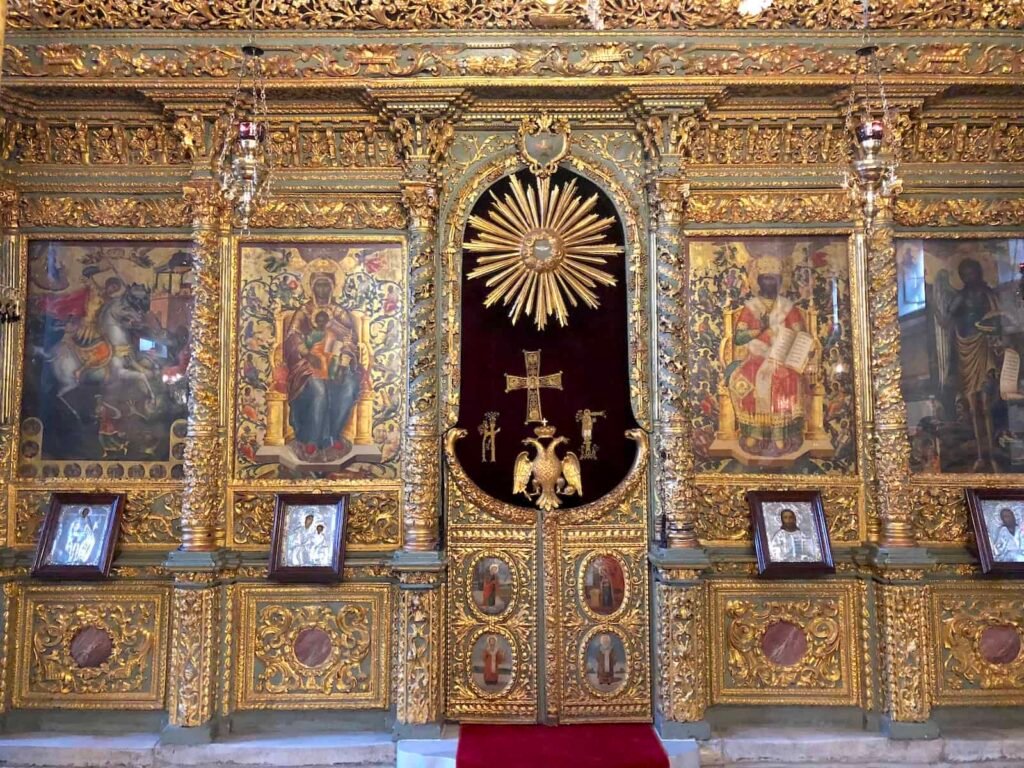
- Magnificent Byzantine icons
- A richly carved wooden iconostasis
- Sacred relics, including those attributed to early Church Fathers
- The Patriarchal Throne, symbolizing centuries of ecclesiastical authority
Despite its relatively simple exterior, the church radiates solemn beauty and spiritual depth. It remains an active place of worship, so visitors are encouraged to dress modestly and maintain respectful silence.
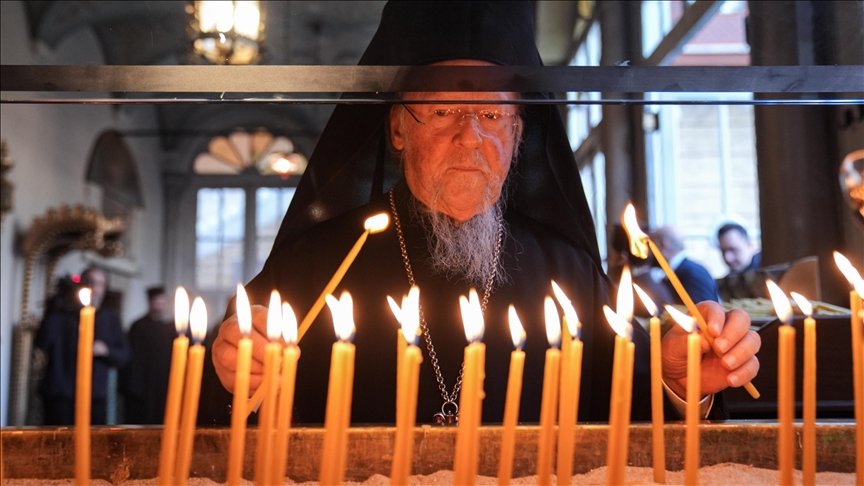
The Role of the Ecumenical Patriarch Today
The current Ecumenical Patriarch, Bartholomew I of Constantinople, has held the position since 1991. Widely respected for his leadership and advocacy of interfaith dialogue and environmental awareness, he has become a global religious figure, often referred to as the “Green Patriarch” for his work on ecological issues.
Although the Patriarchate’s local congregation in Istanbul is small today, its spiritual influence extends worldwide, guiding millions of Orthodox Christians across Europe, the Americas, and beyond.
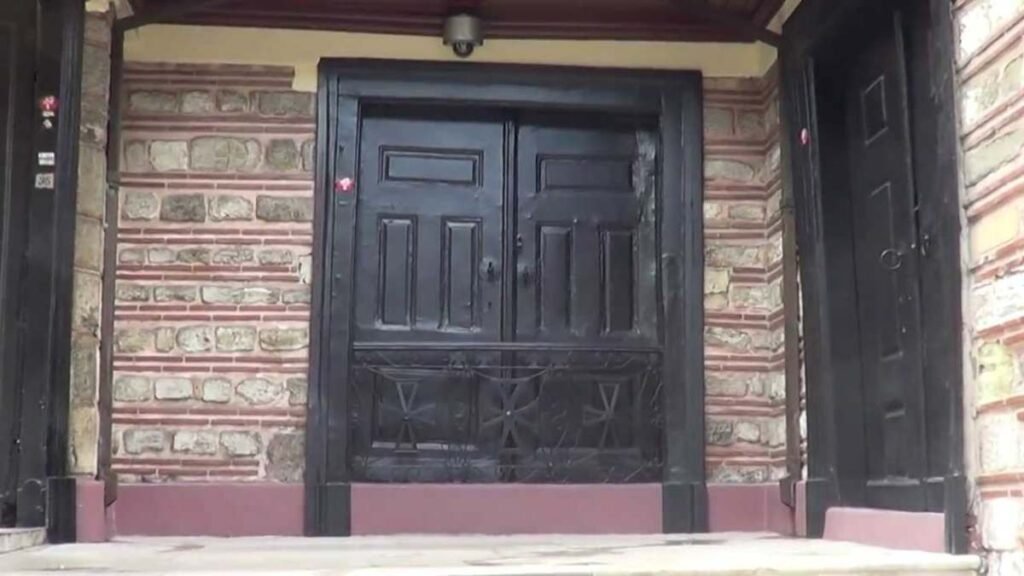
The Mysterious Closed Gate of the Patriarchate
Among the most striking and symbolic features of the Ecumenical Patriarchate of Constantinople in Fener is a large wooden gate that has remained closed for centuries. Known simply as the “Closed Gate” (Orta Kapı), it stands as a powerful reminder of one of the most dramatic moments in the institution’s history.
For visitors, this sealed entrance is not just an architectural detail — it is a silent witness to history.
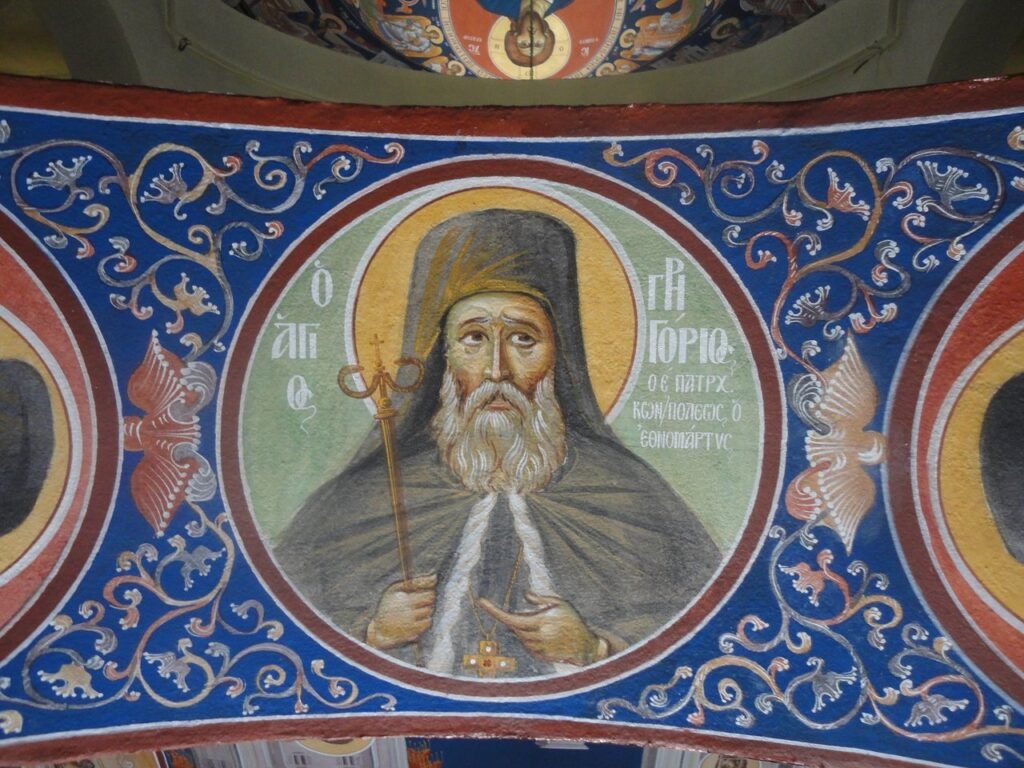
What Happened at the Gate?
The gate’s story is closely connected to Gregory V of Constantinople, who served as Ecumenical Patriarch during a turbulent period in the early 19th century.
In 1821, as the Greek War of Independence began against the Ottoman Empire, tensions rose dramatically. Although Patriarch Gregory V publicly condemned the uprising in an attempt to protect Orthodox Christians in Istanbul, he was accused of supporting the revolt.
On April 10, 1821 (Easter Sunday), he was arrested and executed by hanging at the central gate of the Patriarchate. His body was left displayed there for several days before being removed.
This tragic event deeply marked the Orthodox world. Gregory V was later canonized as a saint and martyr by the Church.
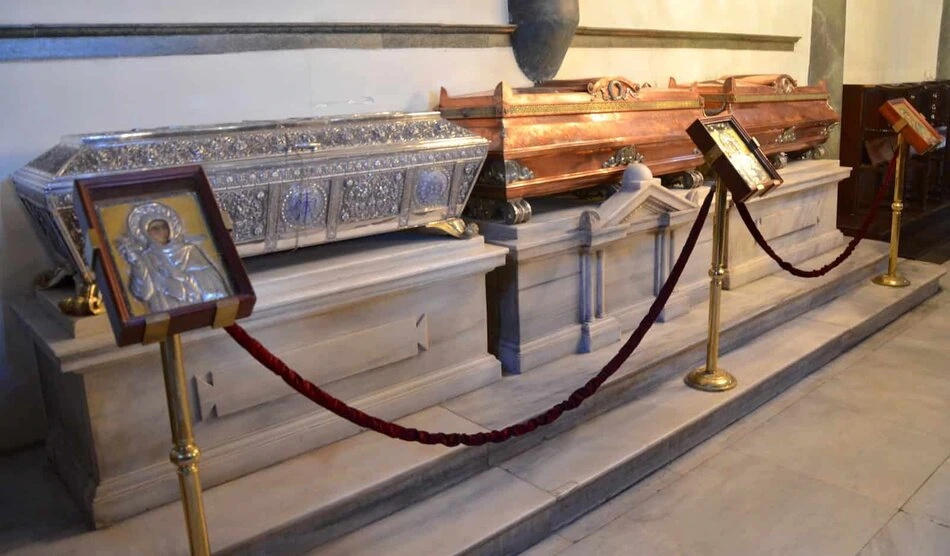
The Sacred Relics and Coffins Inside the Patriarchal Church
When visitors step inside the Church of St. George — the main church of the Ecumenical Patriarchate of Constantinople — one of the most unexpected sights is a series of ancient marble coffins and reliquaries.
They are not decorative tombs. They contain some of the most revered relics in all of Eastern Christianity.
Many travelers are surprised to learn that, in this relatively modest church tucked into a quiet neighborhood of Istanbul, lie the remains of some of the greatest theologians of the early Christian world.
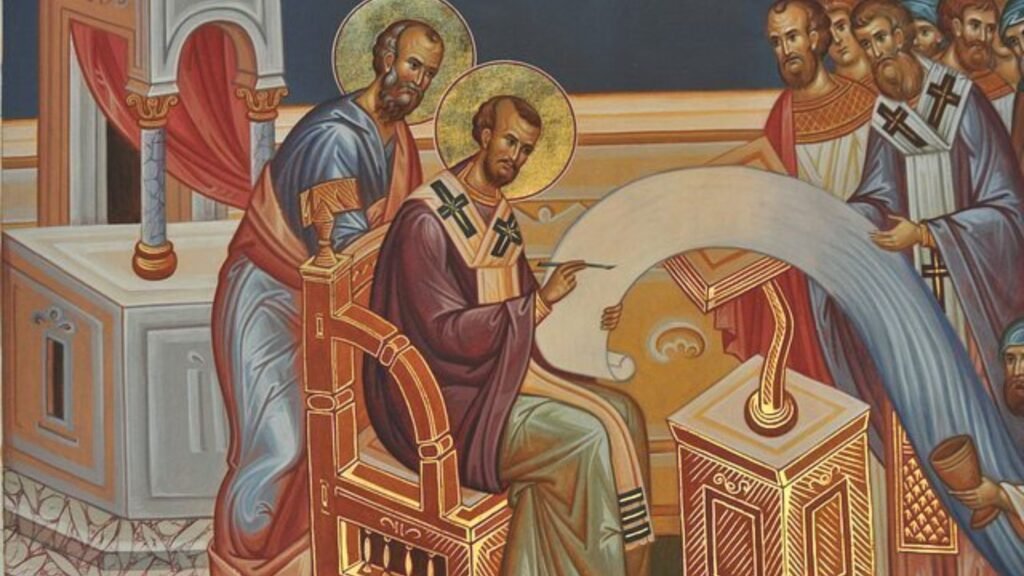
St. John Chrysostom
The church houses relics attributed to John Chrysostom, the 4th-century Archbishop of Constantinople and one of the most important preachers in Christian history.
His name Chrysostom means “Golden-Mouthed,” referring to his extraordinary sermons.
He was exiled and died in 407 AD, but centuries later his relics were brought back to Constantinople. Today, a portion of them is preserved in a silver reliquary inside the church, where Orthodox pilgrims quietly approach to pray.
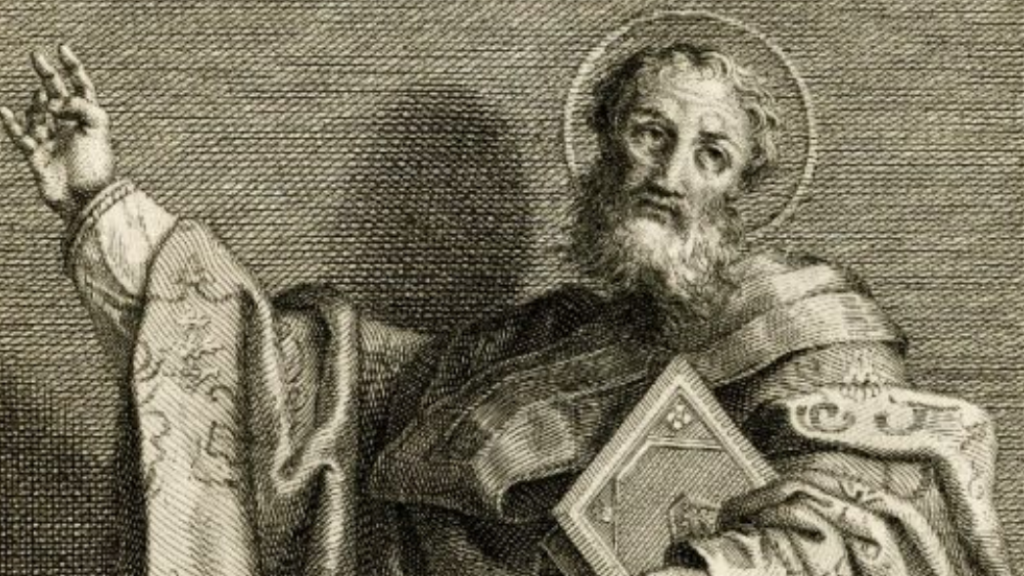
St. Gregory the Theologian
Another relic belongs to Gregory of Nazianzus, known in Orthodoxy as Gregory the Theologian.
He served briefly as Archbishop of Constantinople in the 4th century and helped shape early Christian doctrine, especially teachings about the Trinity.
His remains also rest within the church, making the Patriarchate one of the few places in the world where visitors stand just meters away from figures who lived over 1,600 years ago.
The Women Saints of Fener: The Coffins of St. Euphemia and the Holy Martyrs
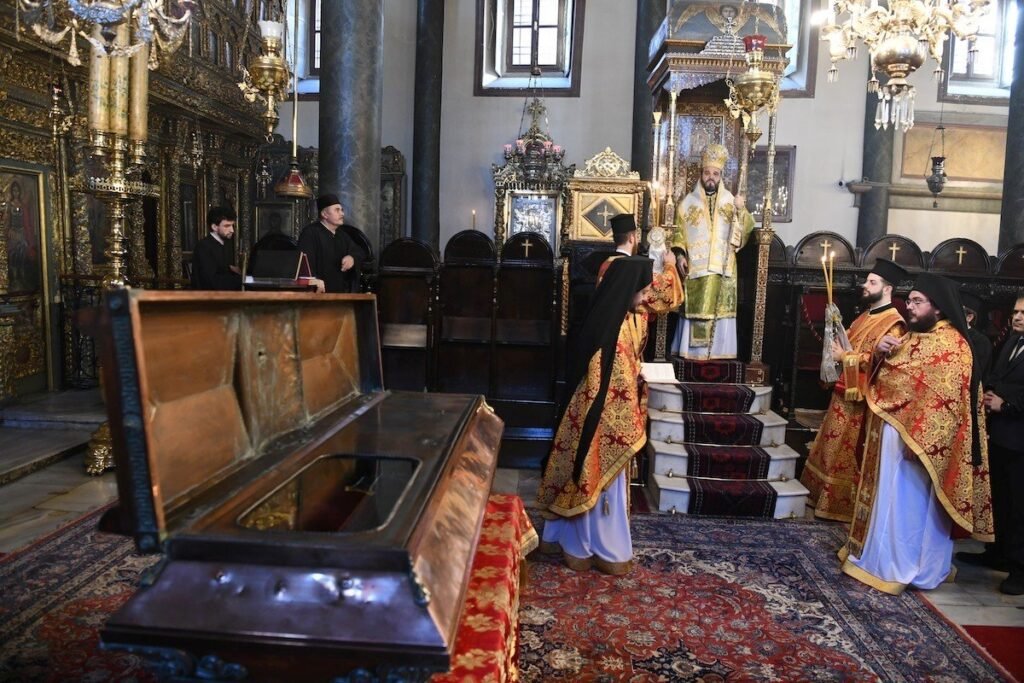
Inside the Church of St. George, visitors often notice several smaller marble and silver-covered coffins placed along the walls. These are not tombs in the usual sense — they are reliquaries containing the remains of early Christian martyrs, including the particularly revered Euphemia of Chalcedon and a group of female saints remembered by the Orthodox Church.
Many travelers expect emperors or patriarchs to be buried here. Instead, they encounter something more intimate: the preserved memory of believers — especially women — who became central figures of early Christian devotion.
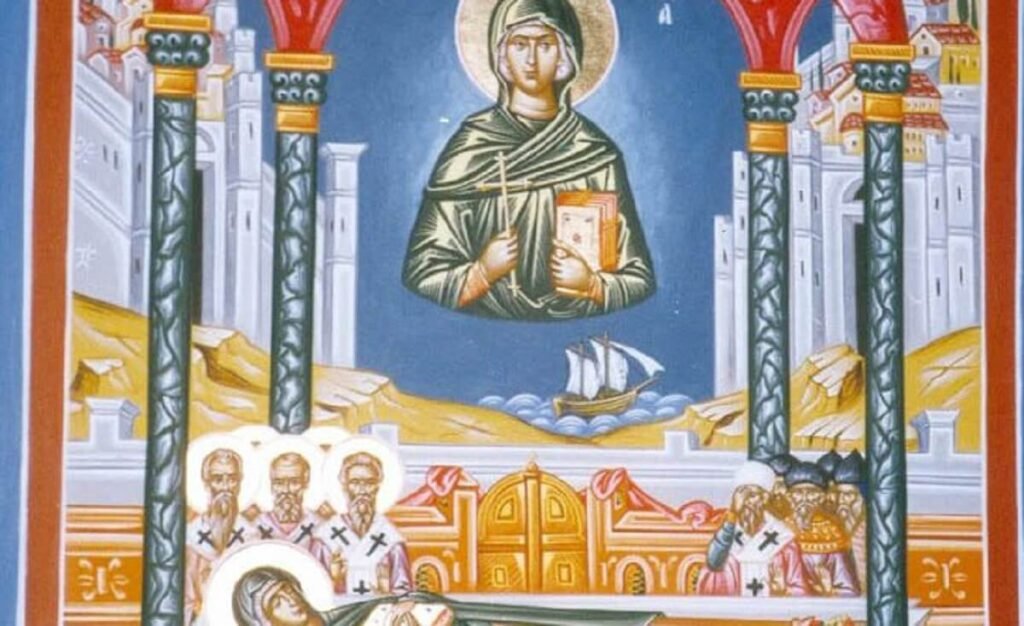
Saint Euphemia: The Most Important Relic in the Church
Saint Euphemia lived in the late 3rd century in Chalcedon (today’s Kadıköy, just across the Bosphorus from Fener). During Roman persecutions of Christians, she refused to renounce her faith and was executed around the year 303 AD.
According to tradition, her death made a deep impression on the early Christian community, and her tomb soon became a pilgrimage site. But her importance grew even greater in 451 AD during the famous Council of Chalcedon.
Church tradition holds that during the council — one of the most important theological gatherings in Christian history — the bishops placed doctrinal statements inside her coffin. The version affirming Christ’s dual nature was said to be miraculously found resting on her body, while the opposing document lay at her feet. Whether understood as miracle, symbolism, or legend, the story permanently linked Euphemia with Orthodox theology.
Today, part of her relics rests in the Patriarchal Church in Fener. Pilgrims approach her reliquary quietly, often lighting candles and praying for healing and protection.
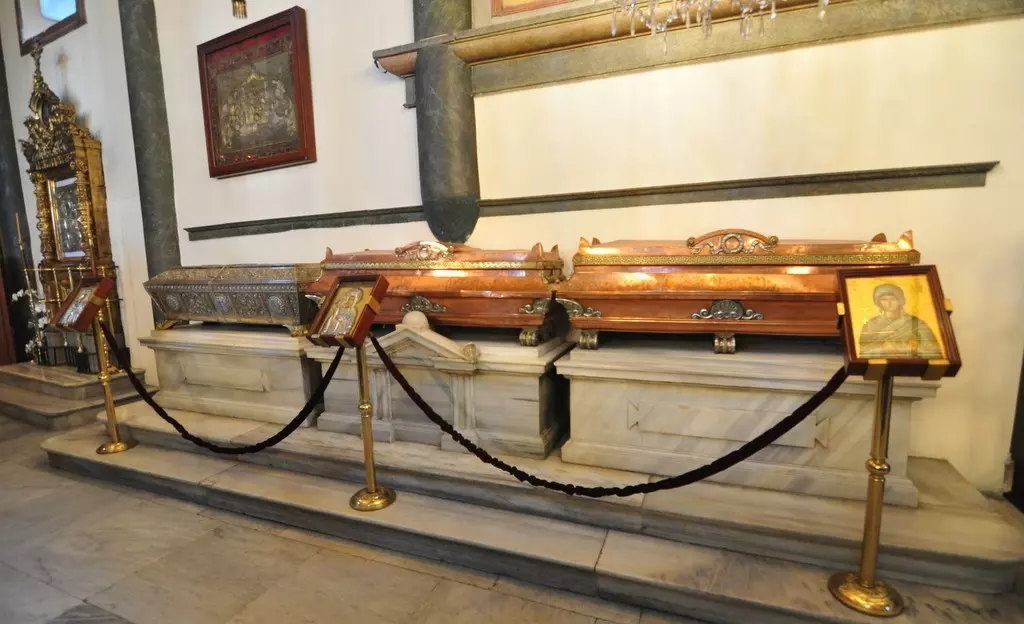
Saint Salome: A Forgotten Early Christian Witness
Salome (often called Saint Solomone in Orthodox tradition) belongs to the earliest centuries of Christianity. Historical records about her life are scarce — which is actually typical for many early martyrs. What the Church remembers is not political influence, but faithfulness.
She is believed to have lived during the Roman persecutions (3rd–4th century). According to Church tradition, she was executed for refusing to renounce Christianity. Her story spread among Christian communities of Asia Minor and Constantinople, and her relics were eventually brought to the imperial capital.
Unlike major theological figures, Salome represents the ordinary believer — someone without power, education, or status, yet remembered for courage. This is why pilgrims often feel a personal connection to her reliquary. She symbolizes everyday faith rather than authority.
Empress Theophano: Holiness in the Imperial Palace
Very different is the story of Empress Theophano, who lived in the 10th century and was the wife of Emperor Leo VI the Wise of the Byzantine Empire. Unlike many rulers of her time, she became known for charity, humility, and deep religious devotion.
Sources describe her as:
- personally caring for the poor and sick
- founding charitable institutions
- living an ascetic life despite palace luxury
After her death in 893, she was venerated as a saint. In Byzantine spirituality, sainthood was not limited to martyrs — a righteous life itself could be considered a form of witness. Her relics were eventually preserved in the Patriarchal Church, placing an empress and ordinary martyrs side by side.
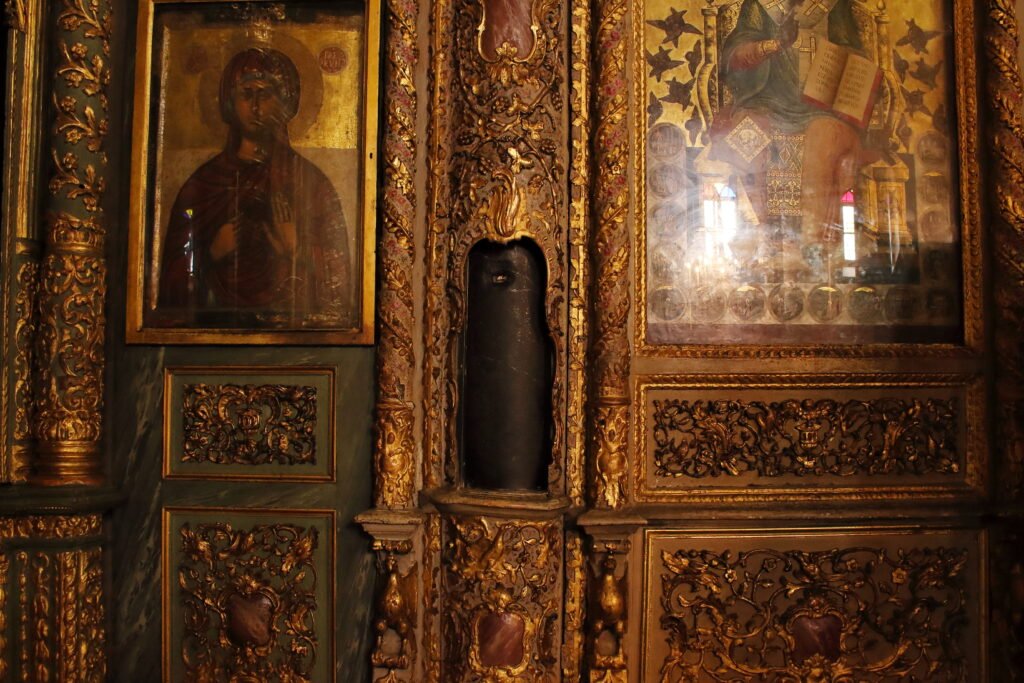
The Scourging Pillar: One of the Most Sacred Objects in the Patriarchal Church
While many visitors come to the Church of St. George to see the icons and reliquaries, one object quietly draws particular reverence: a worn, dark stone column set inside a protective frame.
This is known as the Scourging Pillar — traditionally believed to be connected with the suffering of Jesus Christ before the Crucifixion.
What Is the Pillar?
According to Christian tradition, before the crucifixion Jesus was tied to a column and flogged by Roman soldiers — an event remembered as the Scourging at the Pillar (or the Flagellation). The Patriarchate preserves a fragment of a column long venerated as part of that very pillar.
The relic reached Constantinople during the Byzantine period, when emperors collected important Christian relics from across the Holy Land and brought them to the imperial capital. For centuries, the city was considered the main guardian of sacred objects associated with early Christianity.
After the Fall of Constantinople, many relics were lost or taken to Western Europe — but this one remained. Today it stands inside the church in Fener, still part of active worship rather than a museum exhibit.
A Church of Global Importance Today
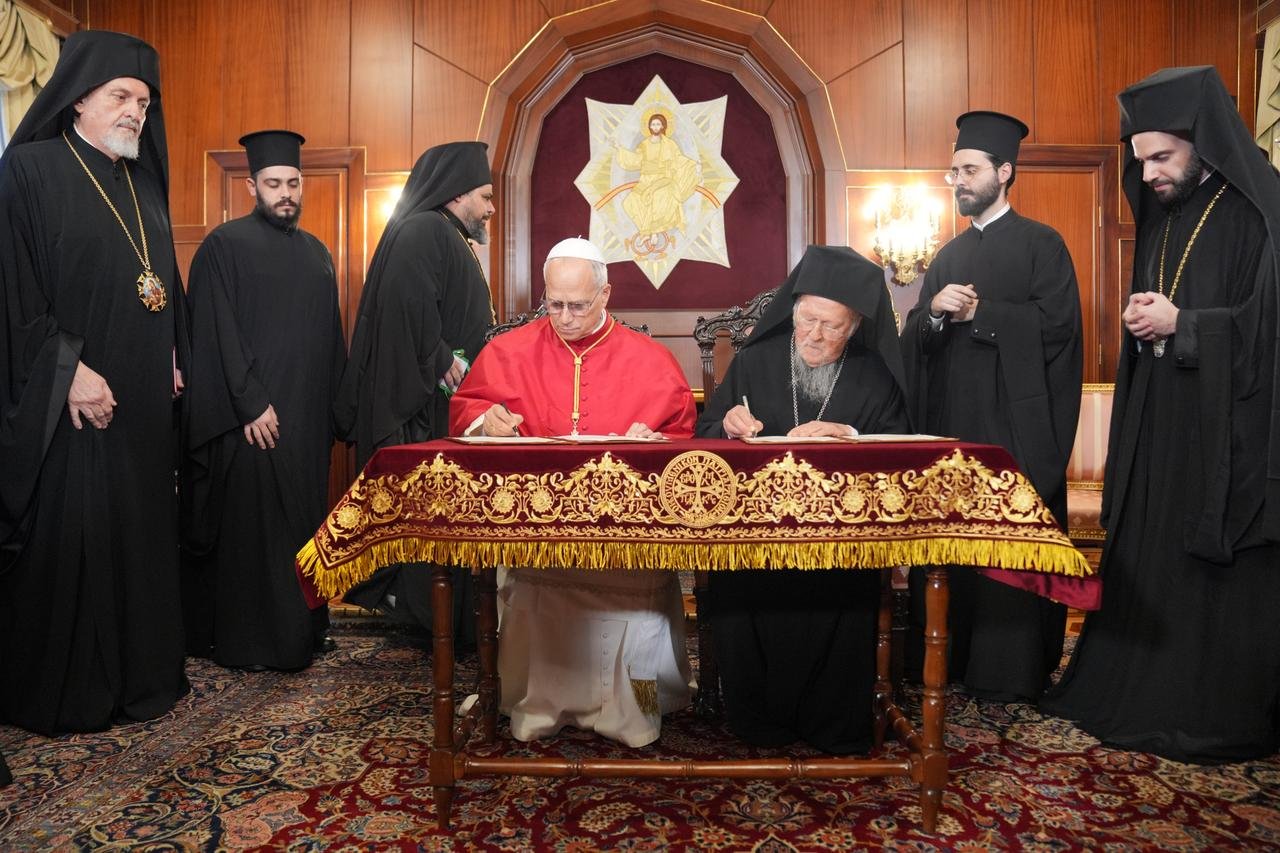
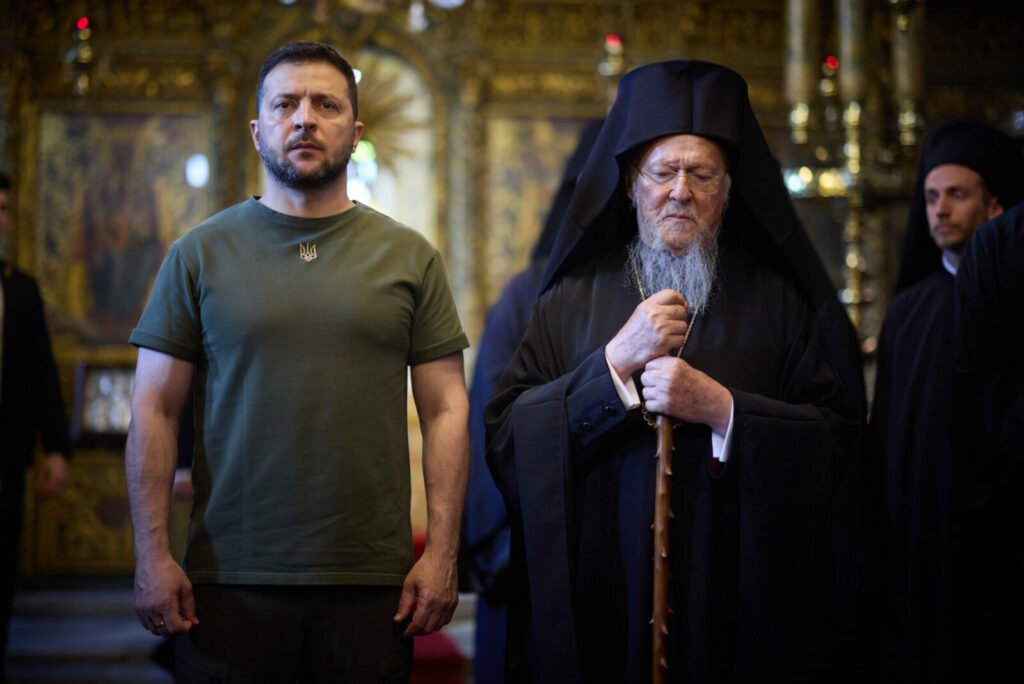
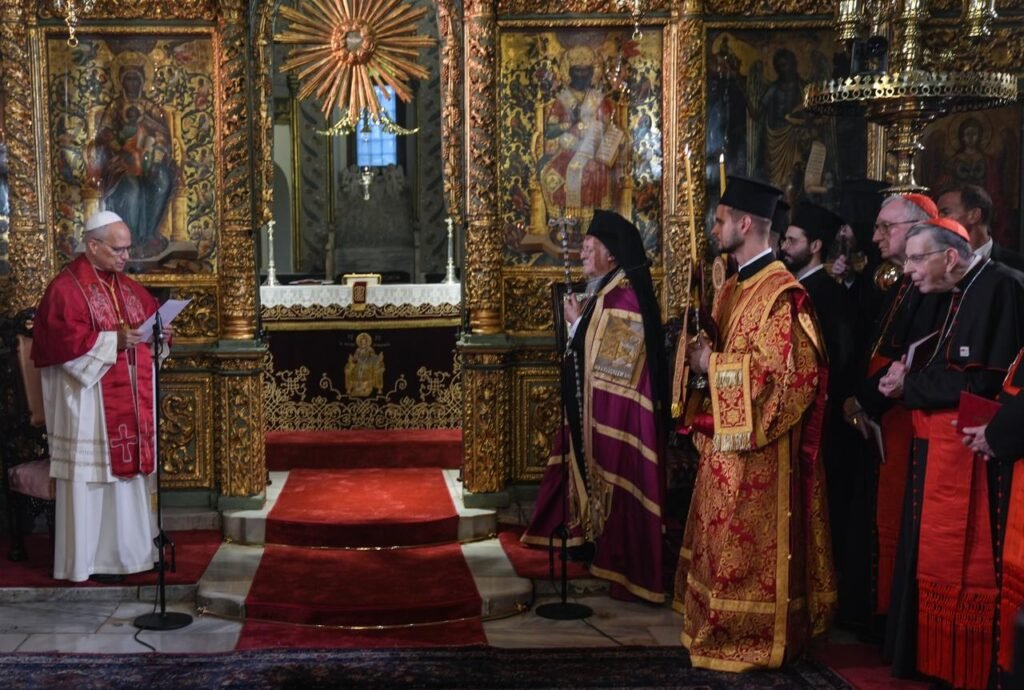
The Church of St. George is not only a place of ancient relics and memories — it also remains an active center of international religious dialogue. In recent years, it has welcomed both Ukrainian President Volodymyr Zelenskyy and Pope Leo XIV, who visited the Ecumenical Patriarchate of Constantinople to meet Bartholomew I of Constantinople and pray inside the patriarchal church. Their presence showed that this modest complex in Fener still plays a global role: a spiritual meeting point where questions of faith, unity, and peace are discussed. For visitors, it is remarkable to realize that the same church preserving saints, relics, and centuries-old traditions continues to host world leaders and shape contemporary religious history.
Why It Matters for Visitors
When you walk into the courtyard of the Patriarchate, it feels quiet and almost hidden — more like a neighborhood church than an international landmark. Yet modern history is still unfolding here.
The same building that preserves ancient relics, a closed gate from the 19th century, and saints from late antiquity also hosts meetings between the heads of major Christian traditions. This contrast is what makes the Patriarchate unique in Istanbul: it is simultaneously a Byzantine memory, an Ottoman survivor, and a living center of contemporary religious diplomacy.
Standing inside the Church of St. George, visitors are not only seeing the past — they are witnessing a place where global religious history is still being written.
Visit With Us
Visit with us and experience this extraordinary site firsthand. Walk through the historic streets of Fener, stand before the sealed gate, see the sacred relics, and feel the living atmosphere of one of the most important centers of Eastern Orthodox Christianity. Let us guide you through a journey where faith, history, and modern diplomacy meet in the heart of Istanbul.
Tagged with :