

Hello There!
Welcome to Gate to Türkiye.


Anatolia — the great peninsula between the Black Sea, the Aegean Sea, and the Mediterranean Sea — is not simply a geographic expression. It is one of the most continuously inhabited and historically layered regions on Earth. For more than twelve millennia, human societies in this landscape experimented with religion, state formation, law, trade, urbanism, imperial governance, and identity.
Empires rose here not because of coincidence, but because Anatolia’s geography demanded strategic control. Communities disappeared, migrated, or were absorbed — yet few vanished without leaving structural, linguistic, architectural, or cultural residue.
Modern Turkey occupies this terrain, but beneath its cities lie Bronze Age treaties, Hellenistic theaters, Roman road systems, Byzantine fortifications, Seljuk caravan routes, and Ottoman urban complexes.
Anatolia is not the edge of civilizations. It is their meeting ground.
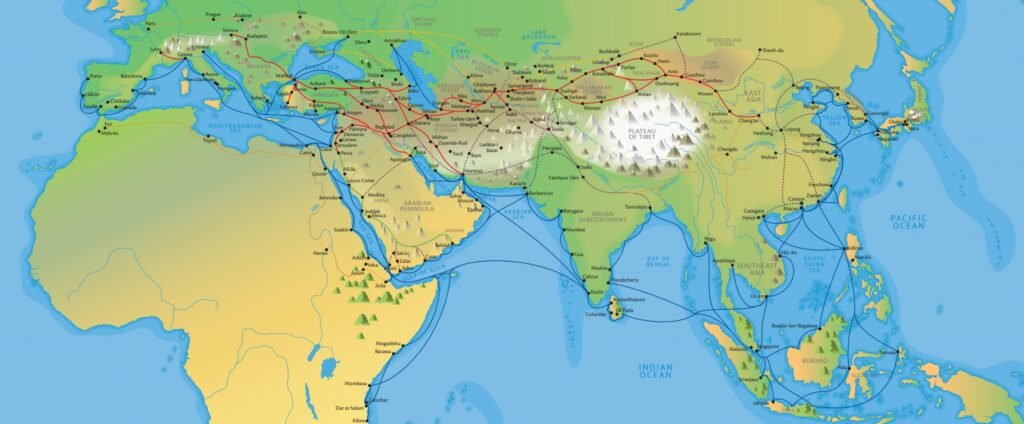
Anatolia’s geopolitical importance is structural.
It connects:
Mountain ranges such as the Taurus Mountains and Pontic Mountains create natural defensive corridors. River valleys like the Sakarya River, Kızılırmak River, and Euphrates River enable agriculture and internal connectivity. Control of the Bosporus and Dardanelles — anchored today by Istanbul — regulates maritime trade between continents.
Every empire that sought stability between East and West eventually confronted Anatolia.
Geography made it unavoidable.
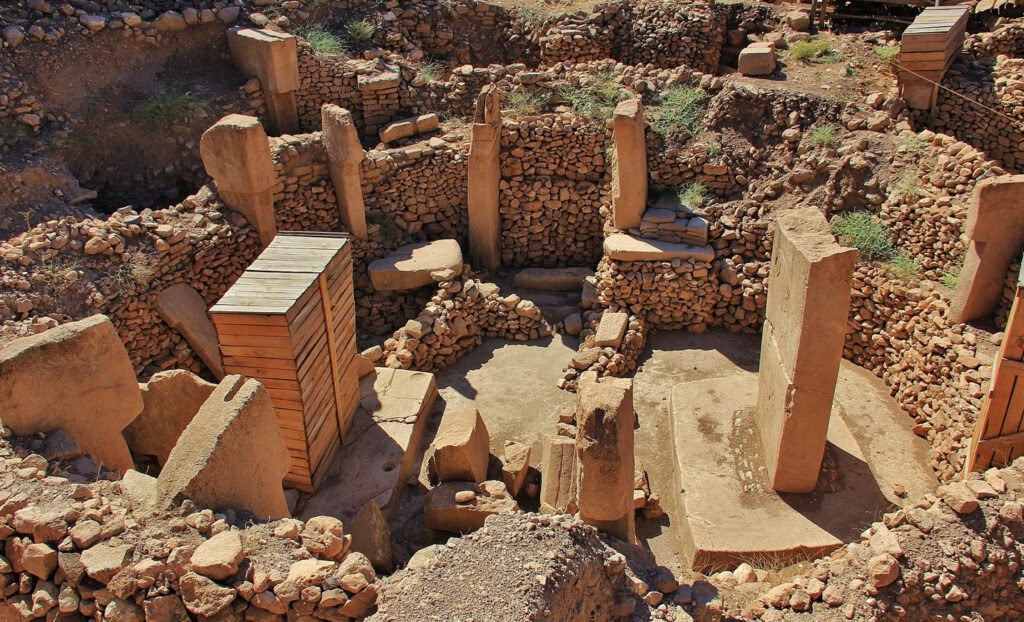
Long before kings and bureaucracies, Anatolia hosted revolutionary developments in human social organization.
Located in southeastern Anatolia, Göbekli Tepe is currently the earliest known monumental ritual complex in human history. Massive T-shaped limestone pillars carved with animal reliefs were erected by hunter-gatherer communities.
A proto-urban settlement in central Anatolia, Çatalhöyük reveals dense housing clusters, ritual burials, wall paintings, and early agricultural economy.
Anatolia was not peripheral in the Neolithic Revolution — it was central.
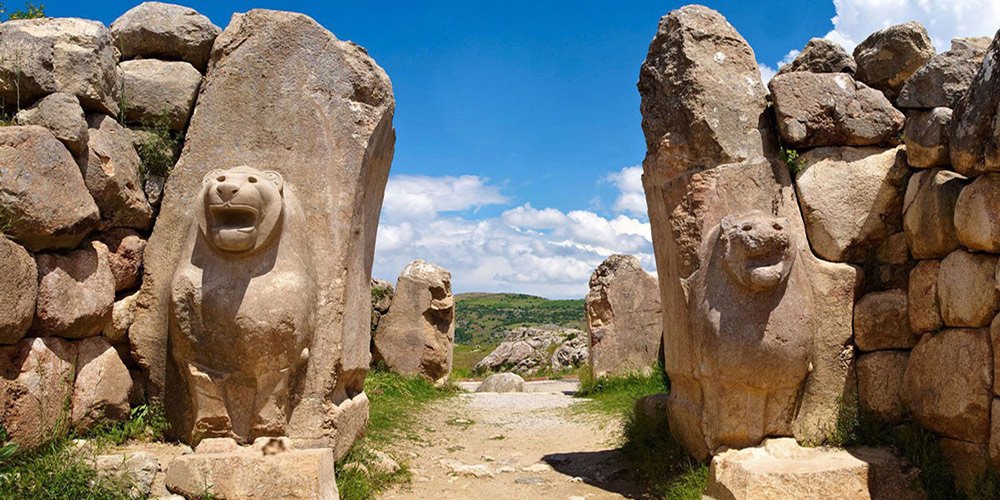
By the second millennium BCE, Anatolia produced one of the Near East’s great powers.
The Hittites established a centralized monarchy, complex bureaucracy, and international diplomacy network. Their conflict with Egypt culminated in the Battle of Kadesh and the subsequent peace treaty — the earliest surviving written international agreement.
The collapse of the Hittite Empire around 1200 BCE was part of the wider Bronze Age Collapse across the Eastern Mediterranean.
Yet Neo-Hittite polities survived in southeastern Anatolia for centuries.
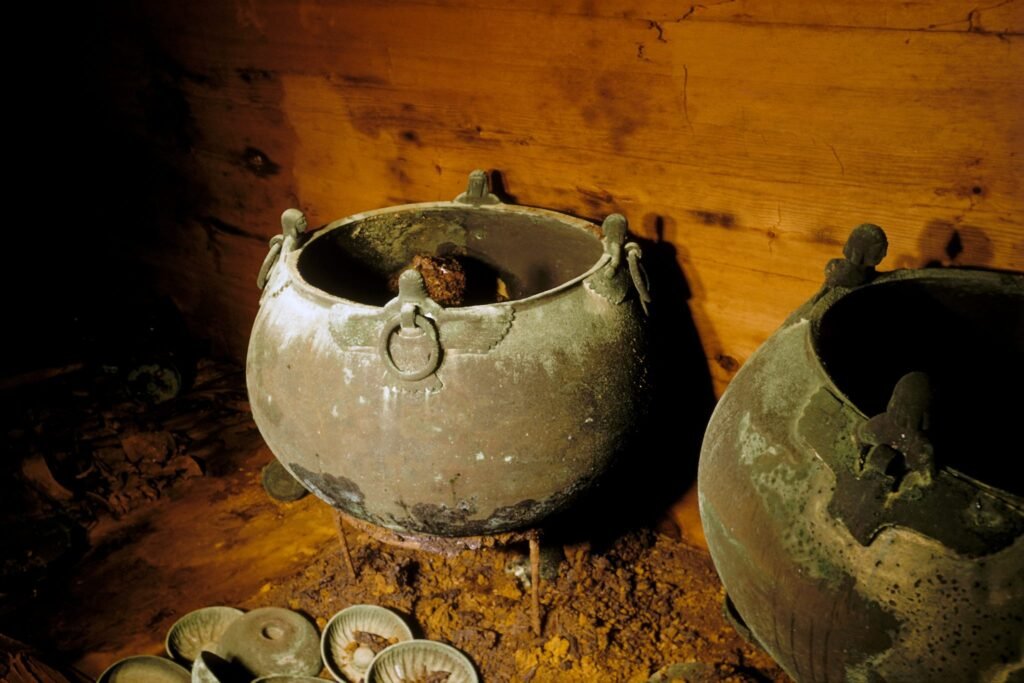
Following imperial collapse, Anatolia became a mosaic of regional states.
Associated with the legendary King Midas. Developed monumental rock-cut architecture.
Centered around Lake Van. Known for fortified citadels and hydraulic engineering.
Capital at Sardis. Introduced standardized coinage in the 7th century BCE — transforming Mediterranean economic exchange.
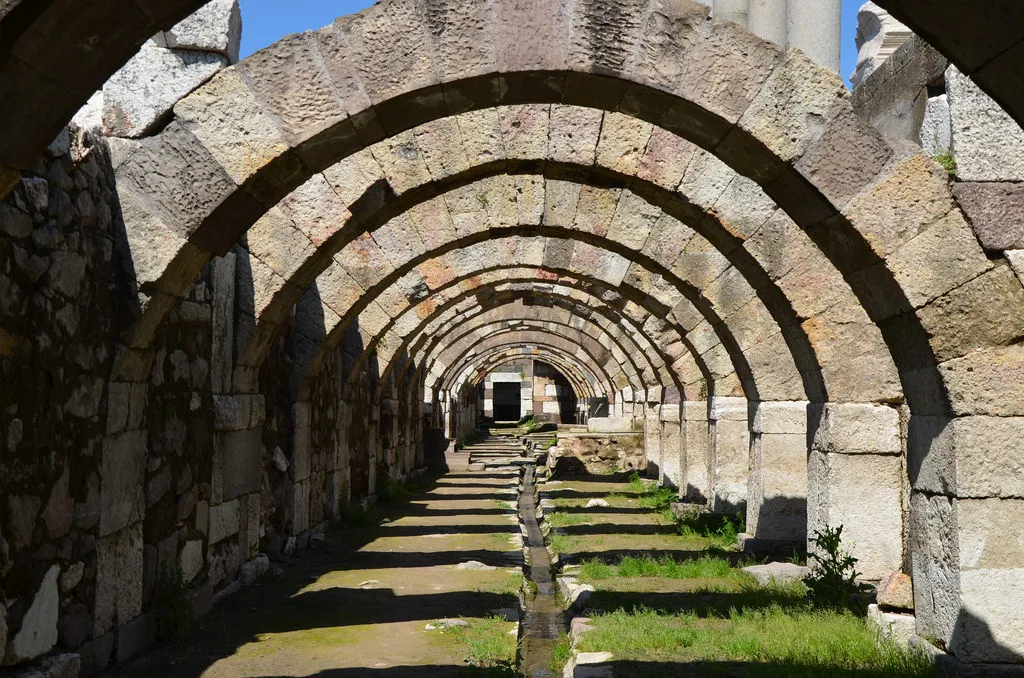
In the 6th century BCE, Anatolia fell under Achaemenid Persian control. Satrapal governance integrated local elites into imperial administration.
Western Anatolia, however, remained culturally Hellenic.
Cities such as:
became centers of philosophy, mathematics, medicine, and urban planning.
When Alexander the Great defeated Persia, Anatolia entered the Hellenistic world, blending Greek, Persian, and local Anatolian traditions.
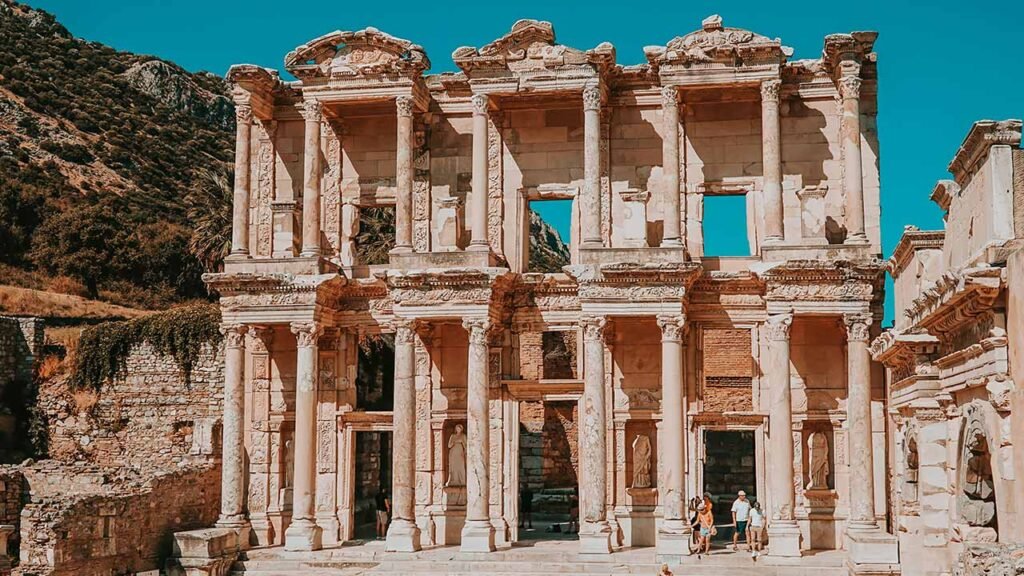
Rome absorbed Anatolia gradually, transforming it into one of the Roman Empire’s wealthiest provinces.
A major commercial and administrative center of Roman Asia Minor.
Crucially, Anatolia became a foundational landscape for early Christianity. Apostolic journeys and theological councils shaped doctrinal development here.
The region was not a fringe — it was a doctrinal engine of the Roman Empire.
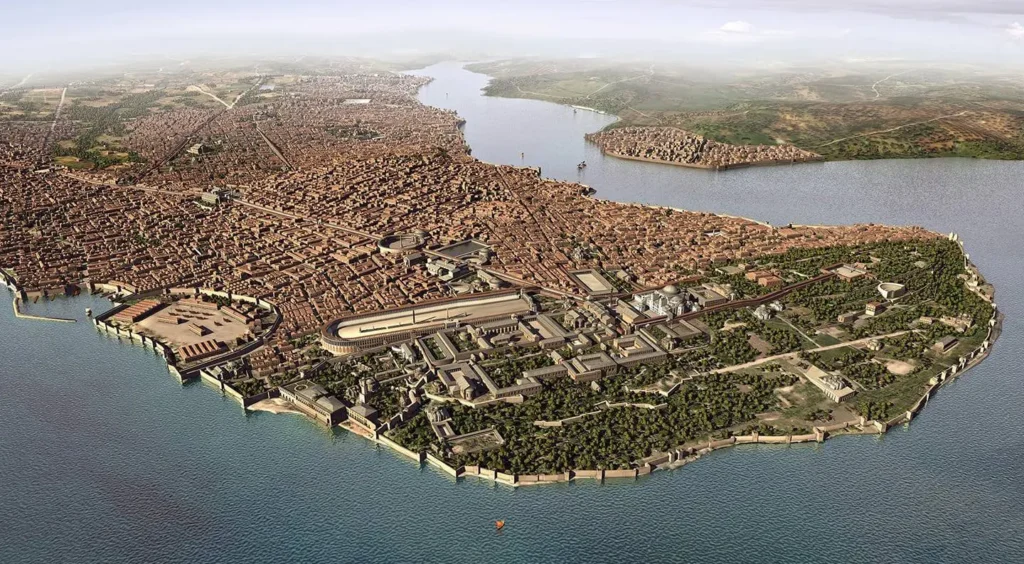
After the Western Roman Empire collapsed, Anatolia became the military and demographic backbone of the Eastern Roman Empire.
Centered in Istanbul (historically Constantinople), Byzantine administration reorganized Anatolia into military provinces known as “themes.”
Monastic landscapes flourished in Cappadocia.
Anatolia sustained Roman state continuity for nearly a millennium after Rome’s fall in Italy.
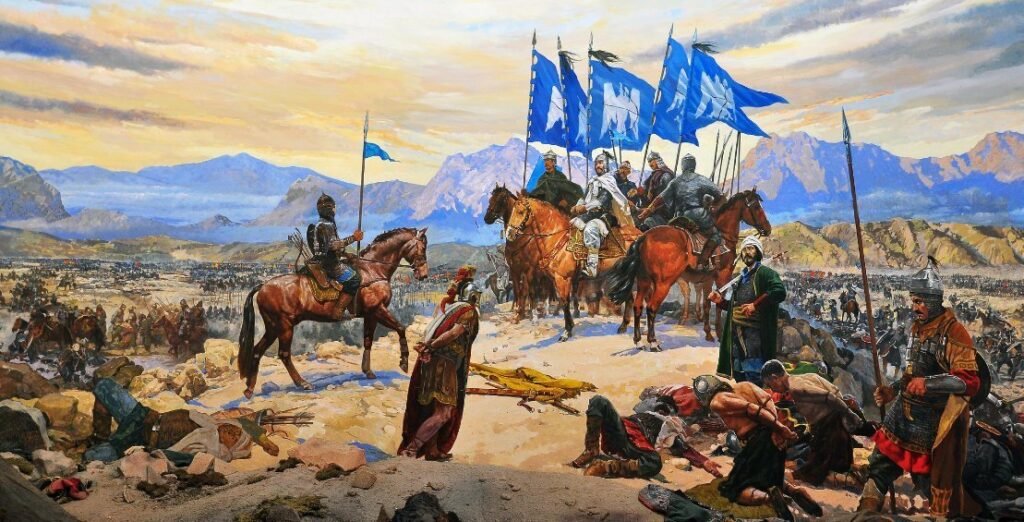
The Battle of Manzikert (1071) initiated gradual Turkic settlement across Anatolia.
The Seljuk Sultanate of Rum established its capital in Konya and developed caravanserais and madrasas.
Greek-speaking Christians, Armenians, and other communities persisted for centuries.
Anatolia shifted — it did not reset.
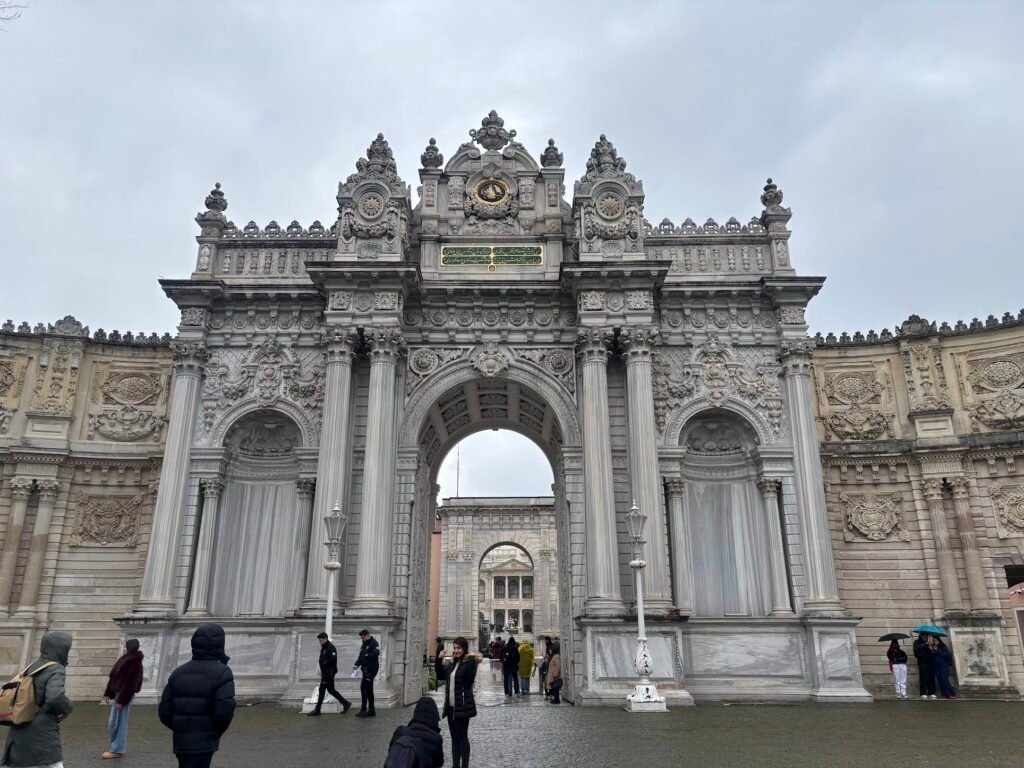
Emerging from northwestern Anatolia, the Ottoman Empire expanded into southeastern Europe, the Middle East, and North Africa.
Anatolia served as:
It remained multi-ethnic:
Urban landscapes reflected pluralism under the Ottoman Empire.
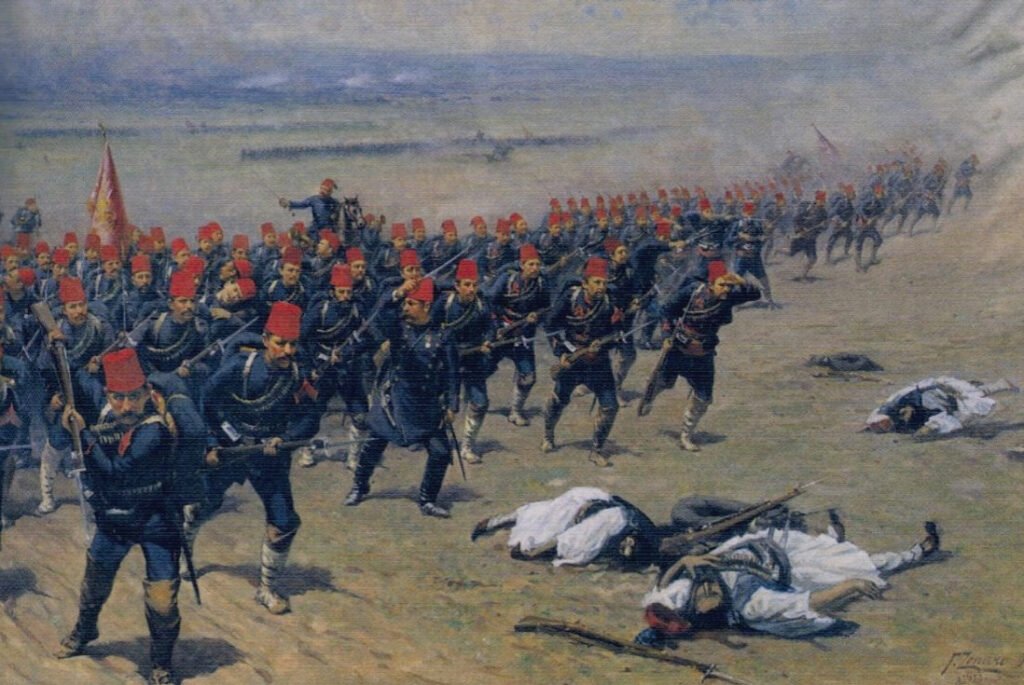
The 19th and early 20th centuries witnessed transformation within Anatolia.
Communities such as Anatolian Greeks and Armenians were drastically reduced through war, displacement, and political upheaval.
Yet their legacy remains visible in architecture, cuisine, craftsmanship, and linguistic influence.
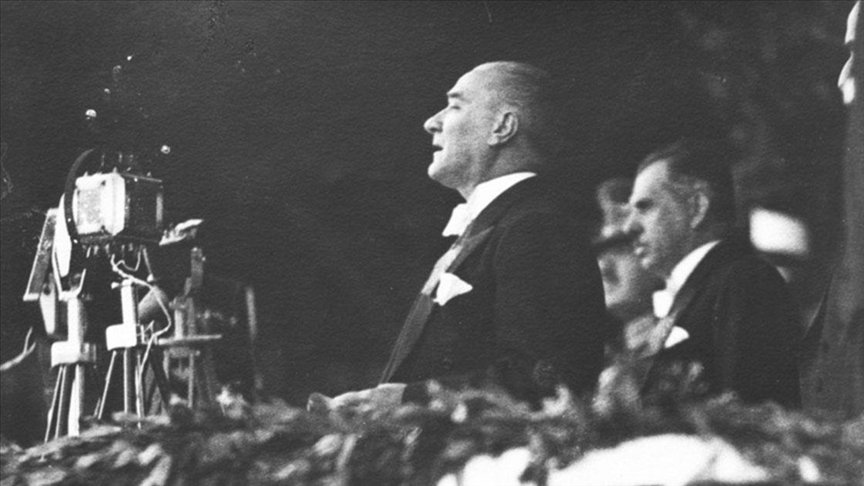
Founded in 1923, the Republic of Türkiye redefined Anatolia as the core of a secular nation-state.
Reforms included:
Anatolia transitioned from imperial province to national homeland.
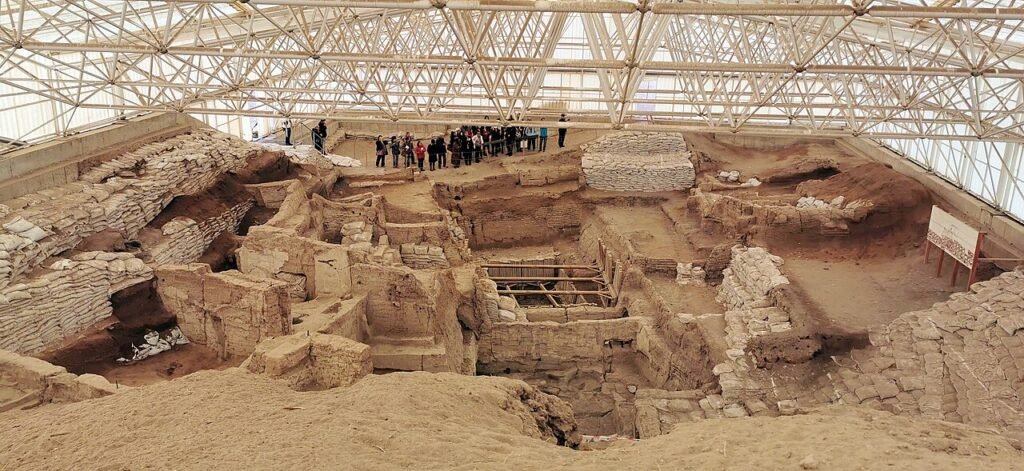
Modern excavations across Anatolia continue to reshape global historical narratives.
Sites reveal:
Few regions provide such uninterrupted archaeological stratification.

Anatolia is not a borderland. It is a crossroads where religious systems formed, empires negotiated, coins were invented, laws were codified, and global trade routes converged.
From the ritual pillars of Göbekli Tepe to the imperial skyline of Istanbul, Anatolia demonstrates that geography shapes civilization — and civilization reshapes geography.
To understand Türkiye, one must first understand Anatolia.
And to understand Anatolia is to study the long continuity of human ambition, belief, conflict, and adaptation across twelve thousand years.