

Hello There!
Welcome to Gate to Türkiye.


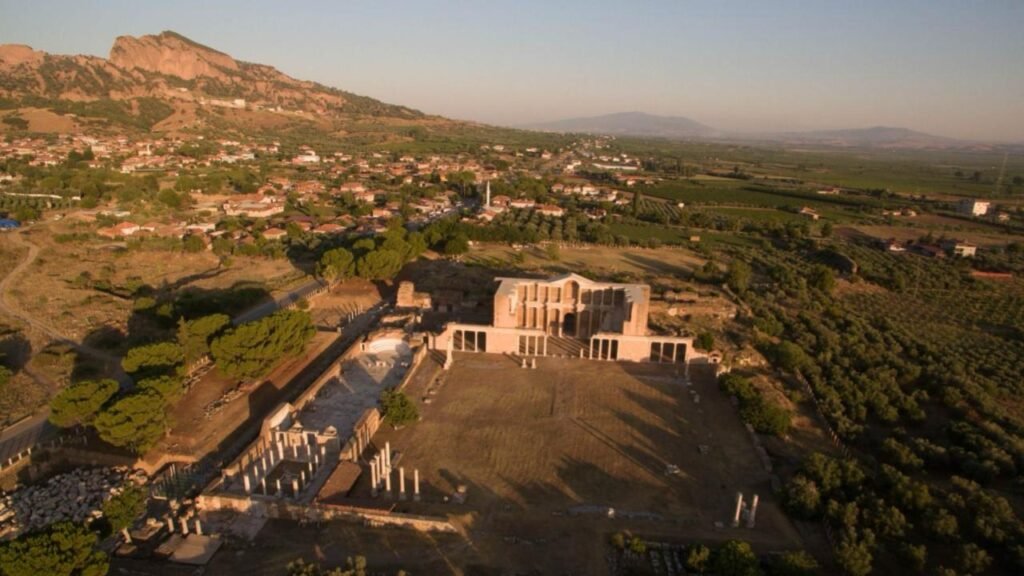
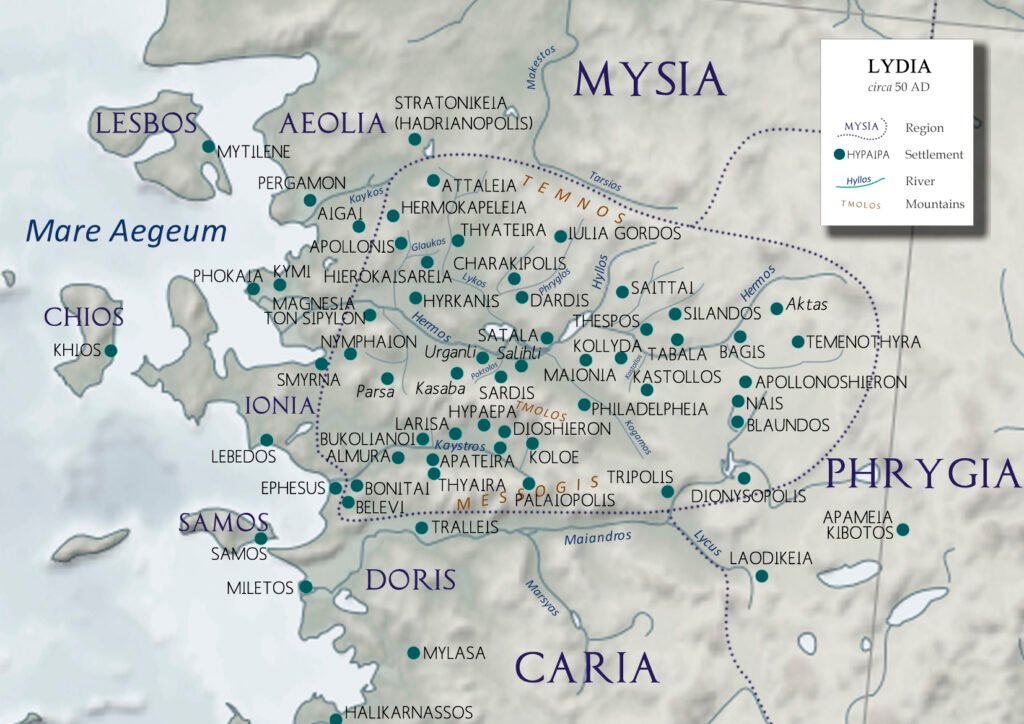
Located near the modern town of Salihli in western Türkiye, the ancient city of Sardes was once the glittering capital of the powerful Lydian Kingdom. Situated at the foot of the Mount Tmolus (modern Bozdağlar) and overlooking the fertile valley of the Gediz River, Sardes occupied a strategic location connecting the Aegean coast with the interior of Anatolia. This advantageous position helped the city flourish as a center of trade, culture, and political power for centuries.
Today, Sardes stands as one of the most fascinating archaeological sites in Türkiye, where layers of Lydian, Persian, Hellenistic, Roman, and Byzantine history can still be traced among its ruins.
The Lydian Kingdom emerged in western Anatolia around the 7th century BCE, inheriting parts of the cultural landscape left behind by earlier Anatolian civilizations. Their capital, Sardes, quickly grew into a wealthy and influential city.
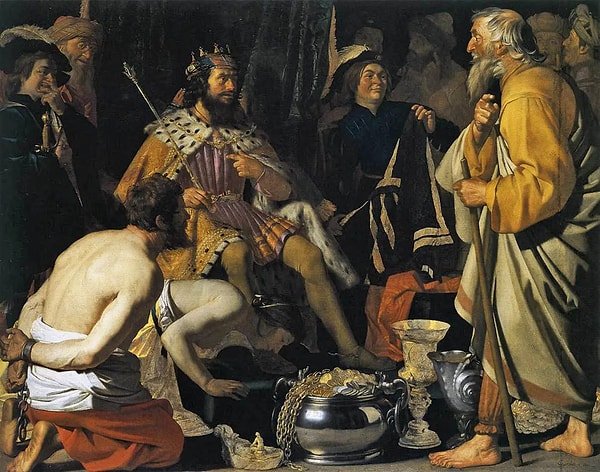
Lydia reached the height of its power under the famous king Croesus (r. 560–546 BCE), whose immense wealth became legendary throughout the ancient world. Even today, the phrase “rich as Croesus” is used to describe extraordinary fortune. Sardes at that time was not only a royal capital but also one of the most prosperous economic centers of the Mediterranean world.
The wealth of the Lydians was largely derived from the natural resources of the region, especially gold deposits found in the nearby Pactolus River. According to ancient sources, the river carried gold-bearing sands washed down from the mountains, providing the kingdom with remarkable riches.
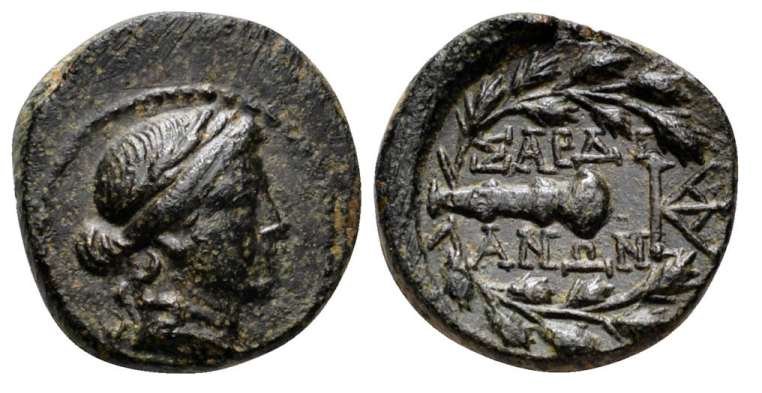
Perhaps the most significant contribution of the Lydians to world history was the invention of coinage.
Around the late 7th century BCE, the Lydians began producing the first standardized metal coins made from electrum, a naturally occurring alloy of gold and silver. These early coins were stamped with official symbols that guaranteed their value, transforming trade and economic exchange across the Mediterranean.
Under King Croesus, the system evolved further. Sardes became the place where the first pure gold and silver coins were minted separately, creating a more reliable and sophisticated monetary system. This innovation spread rapidly throughout the Greek world and later influenced the Persian and Roman economies.
Because of this development, Sardes is often considered the birthplace of modern money.
The prosperity of Lydia eventually attracted the attention of the expanding Achaemenid Persian Empire. In 546 BCE, the Persian king Cyrus the Great defeated Croesus and incorporated Lydia into his empire.
Despite the conquest, Sardes continued to flourish. The city became the western administrative center of the Persian Empire and an important starting point of the famous Royal Road, a vast communication network connecting Sardes to Susa in modern-day Iran. This road allowed messages, officials, and goods to travel efficiently across thousands of kilometers of imperial territory.
After the campaigns of Alexander the Great in the 4th century BCE, Sardes entered the Hellenistic period, followed later by Roman rule. During the Roman era, the city experienced a new wave of prosperity and monumental construction.
Among the most impressive remains visible today are the massive Gymnasium of Sardes and the adjoining Sardes Synagogue, one of the largest ancient synagogues discovered in the Mediterranean. The presence of this synagogue reveals the existence of a large and influential Jewish community in Roman Sardes, highlighting the city’s multicultural character.
The site also preserves the remains of the Temple of Artemis at Sardes, a monumental sanctuary that once rivaled the great temples of the ancient world.
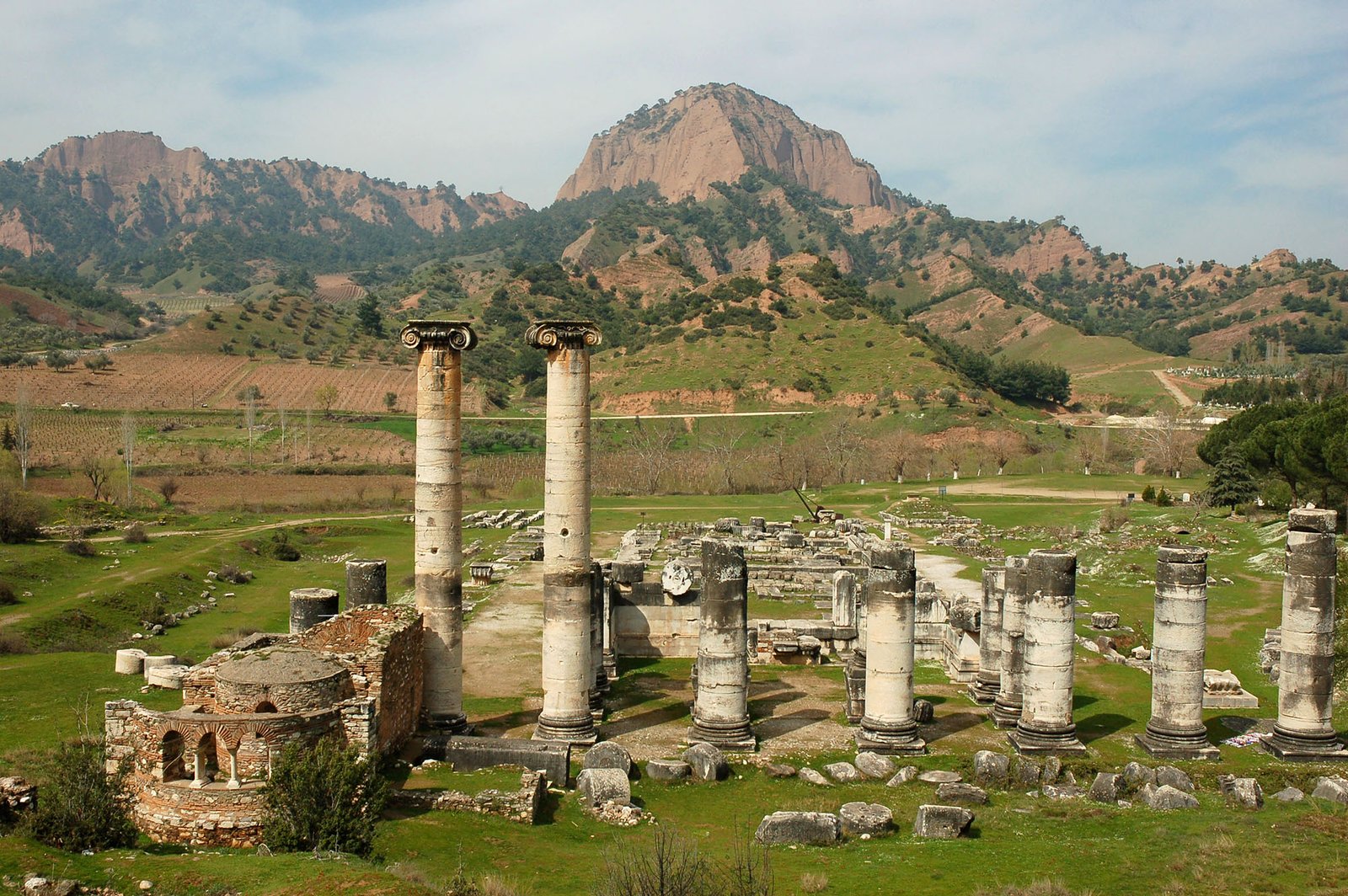
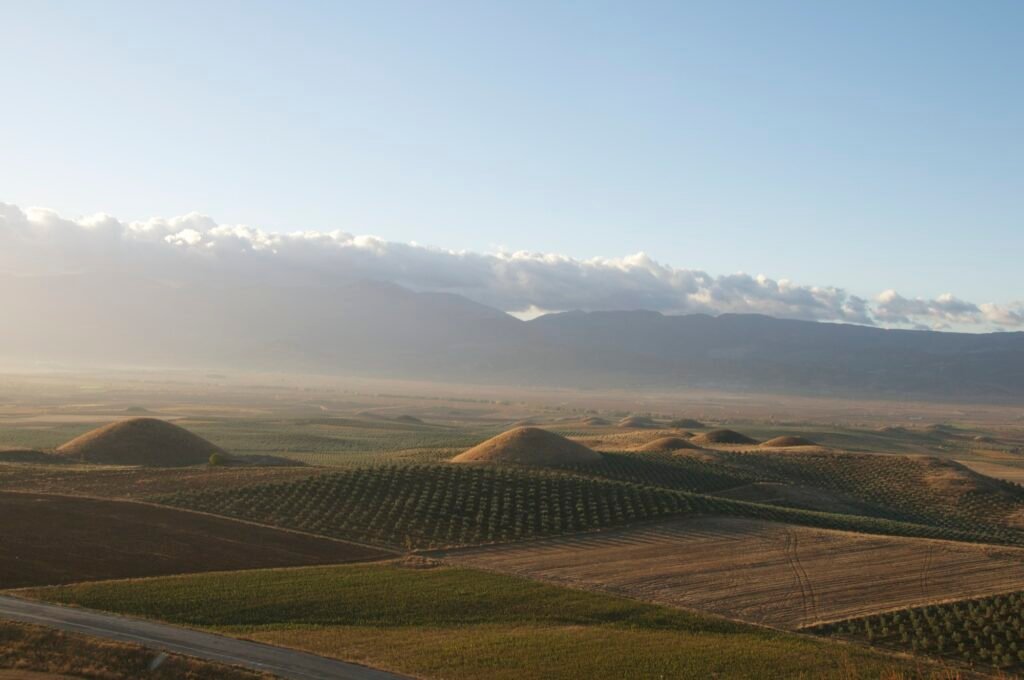
In recent years, the global significance of Sardes has been formally recognized. In July 2025, the site was officially inscribed on the UNESCO World Heritage List together with the nearby burial landscape known as the Lydian Tumuli of Bin Tepe. The decision was announced during the 47th Session of the World Heritage Committee in Paris, marking an important milestone for the preservation of Lydian heritage.
This inscription acknowledges the extraordinary historical value of the ancient capital of the Lydian Kingdom and the monumental royal tombs scattered across the plains north of the city. The Bin Tepe necropolis contains more than one hundred tumulus burial mounds, including the massive tomb of King Alyattes, father of the famous king Croesus. Some of these burial monuments are among the largest tumuli ever constructed in the ancient world.
UNESCO recognized the site under Criterion III, which highlights places that bear exceptional testimony to a vanished civilization. Sardes represents the political, cultural, and economic center of the Lydians, whose innovations—most notably the invention of coinage—had a lasting impact on world history.
With this inscription, the archaeological landscape of Sardes and Bin Tepe is now protected as part of the shared cultural heritage of humanity. Today, visitors walking through the ruins are not only exploring the capital of an ancient kingdom, but also a site that continues to shape our understanding of early urban planning, economic systems, and Anatolian civilization.
Although earthquakes and shifting trade routes eventually led to the decline of the city during the Byzantine period, Sardes left an enduring legacy.
The Lydians introduced innovations that fundamentally shaped economic life in the ancient world. Their invention of coinage revolutionized commerce, allowing for standardized trade and economic growth across vast regions.
Beyond economics, Sardes also stood at the crossroads of cultures. Over the centuries it was home to Lydians, Persians, Greeks, Romans, and Jewish communities, making it one of the most culturally diverse cities of ancient Anatolia.
Today, the ruins of Sardes continue to offer visitors a remarkable glimpse into a city where wealth, innovation, and cultural exchange once shaped the course of history.
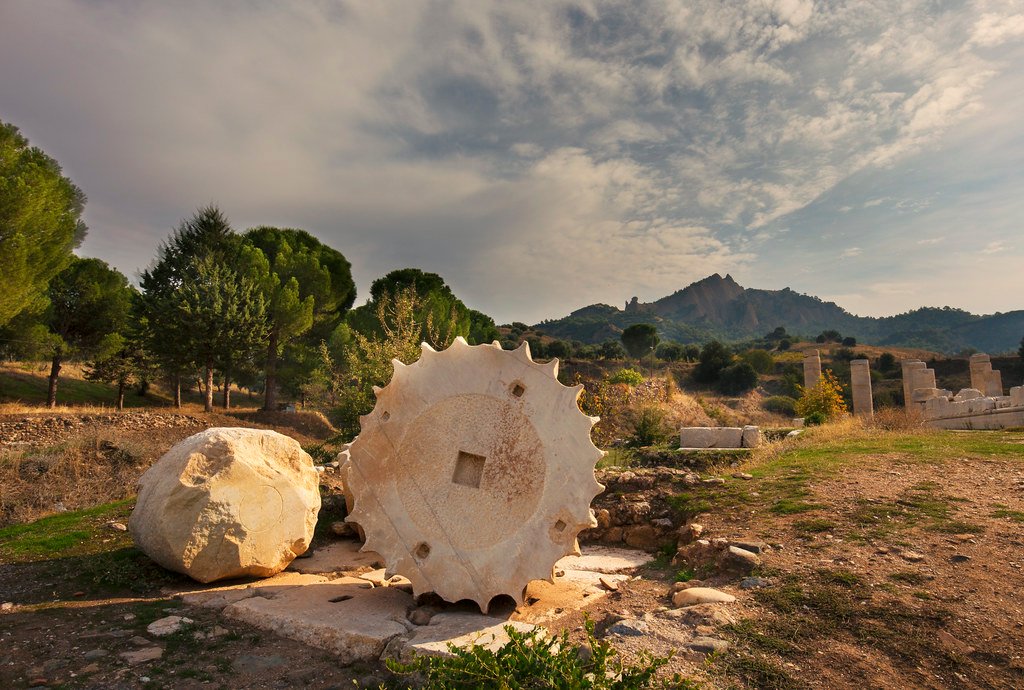
History truly comes alive when it is experienced on site. Walking through the streets of Sardis, standing beside the monumental Temple of Artemis at Sardis, or exploring the impressive remains of the Gymnasium of Sardis allows visitors to connect directly with the legacy of the Lydian Kingdom and the world-changing innovations that began here.
If you would like to explore Sardis and the surrounding historical landscapes with an expert guide, our team would be delighted to help you plan your visit. We offer private and small-group tours designed to bring the history of ancient Anatolia to life, providing deeper insight into the cultures, legends, and archaeological discoveries that shaped this remarkable region.
Feel free to contact us for more information about our guided tours, itineraries, and customized travel experiences across western Türkiye. We look forward to helping you discover the fascinating story of Sardis and the Lydian world.