


Long before the rise of classical Greece, the Persian Empire, or the expansion of Rome, Anatolia was home to one of the great powers of the Bronze Age: the Hittite Empire.
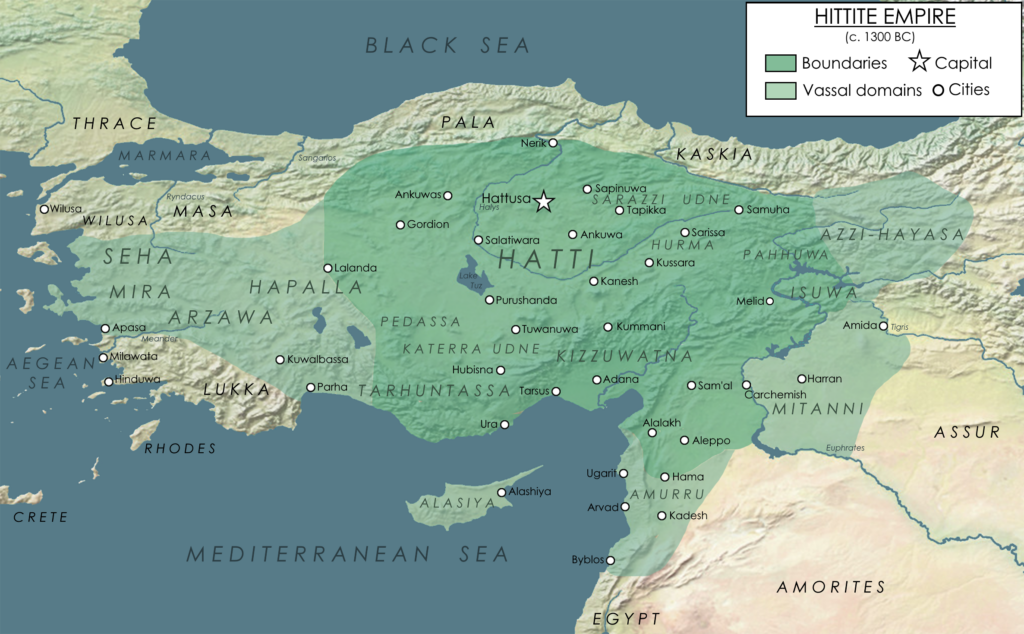
Emerging in central Anatolia nearly four thousand years ago, the Hittites built a powerful state with advanced laws, monumental architecture, and sophisticated diplomacy. At their height they controlled vast territories across much of modern Türkiye and northern Syria, competing directly with Egypt, Assyria, and Babylon.
Today, archaeological discoveries across Anatolia continue to reveal the remarkable legacy of this once-forgotten civilization.
Origins of the Hittites
The Hittites appeared in Anatolia during the early 2nd millennium BCE, though the cultural foundations of their civilization were built upon earlier Anatolian societies.
Before the Hittites arrived, central Anatolia was inhabited by the Hattians, an indigenous population with their own religious traditions and language. Indo-European speaking groups gradually migrated into the region, eventually merging with local populations and adopting many elements of Hattian culture.
Even the name “Hittite” comes from these earlier inhabitants. The Hittites themselves called their language Nesili, after the city of Nesa, one of their early political and commercial centers.
By around 1650 BCE, the Hittites had formed a centralized kingdom that would soon grow into one of the most powerful states of the ancient Near East.
The Rise of the Hittite Kingdom
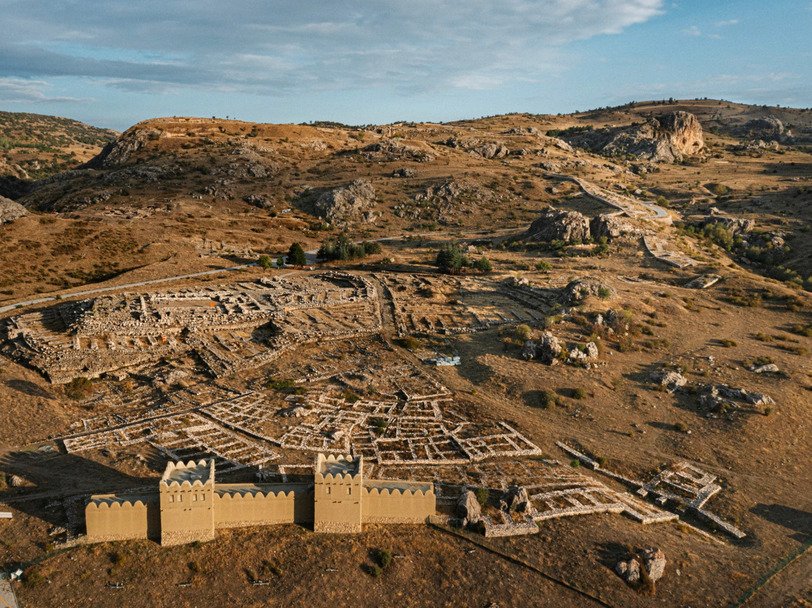
The early expansion of the Hittite state began under the rule of Hattusili I, who established the royal capital at Hattusa in central Anatolia. From this fortified city the Hittite kings launched campaigns across Anatolia and northern Syria.
One of the most dramatic moments in early Hittite history occurred when Mursili I marched south and captured the great Mesopotamian city of Babylon around 1595 BCE. This astonishing campaign demonstrated that the Hittites had become a major force in the political landscape of the ancient Near East.
However, internal rivalries and dynastic struggles weakened the kingdom for a period before a new phase of imperial expansion began.
The Hittite Empire
The true imperial era began around 1400 BCE, when powerful rulers such as Suppiluliuma I dramatically expanded Hittite influence.
At its height, the Hittite Empire controlled most of Anatolia and large parts of northern Syria. The imperial capital remained Hattusa, but the empire relied on a network of regional cities that served as military bases, religious centers, and administrative hubs.
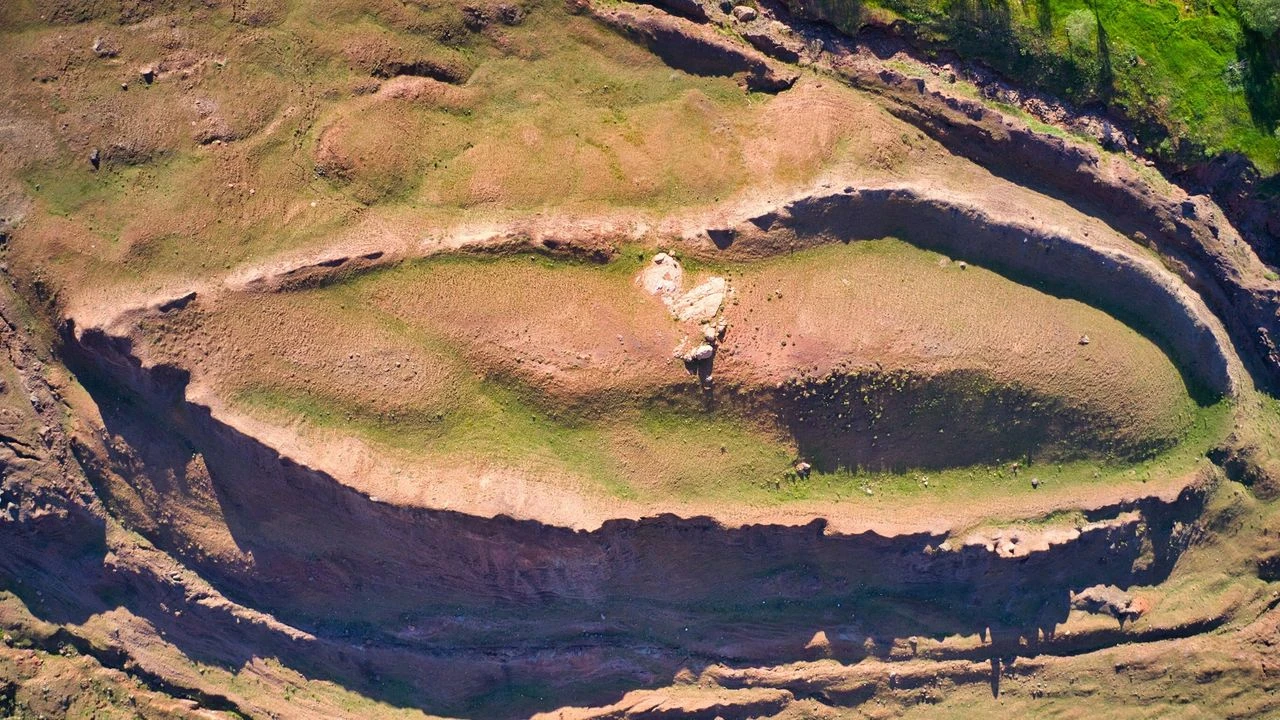
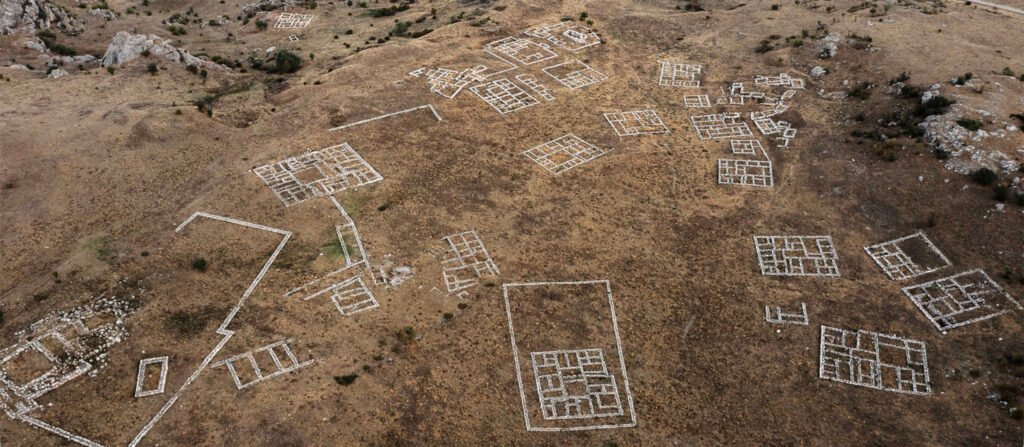
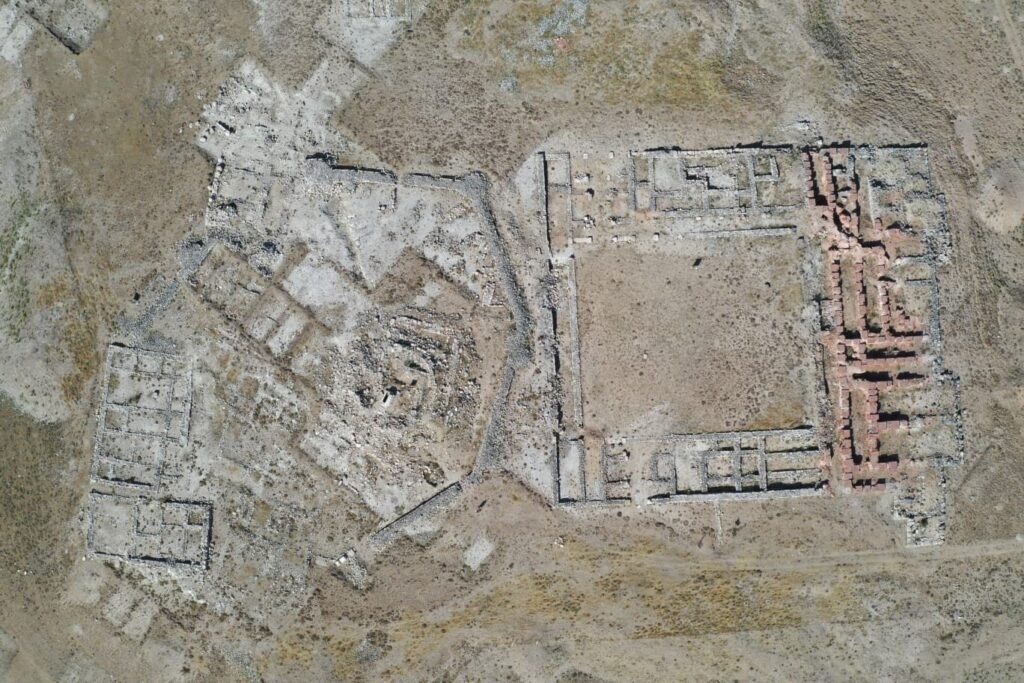
Among these important Anatolian cities were Sarissa and Samuha. Sarissa, identified with Kuşaklı Höyük, was a carefully planned Hittite city with defensive walls and temples dedicated to the Storm God. Samuha—likely located near Kayalıpınar—served as an important religious and administrative center and at times even hosted the royal court during periods of political instability.
Other major cities included Carchemish and Aleppo, both crucial for controlling trade routes and maintaining Hittite influence in Syria.
The Battle of Kadesh
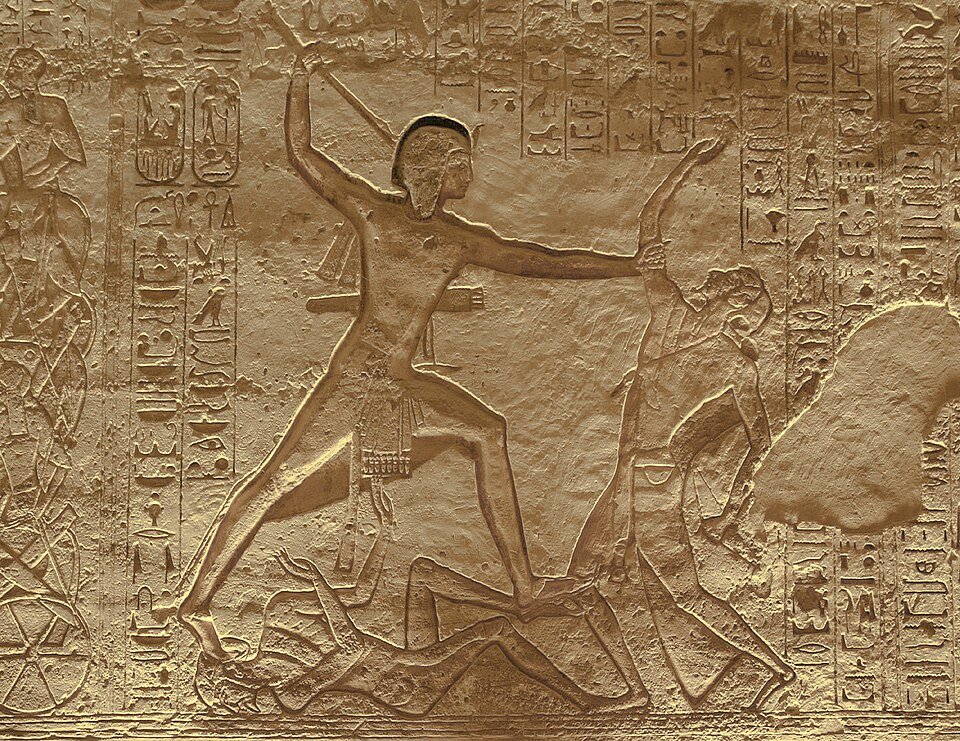
One of the most famous conflicts of the ancient world took place between the Hittites and Egypt at the Battle of Kadesh.
The battle was fought near the Syrian city of Kadesh between the Hittite army led by Muwatalli II and the Egyptian forces of Ramesses II. Although both sides claimed victory, the battle ultimately ended in a stalemate. Years later, the two great powers signed the Egyptian–Hittite Peace Treaty, widely considered the first known international peace treaty in history.
A copy of this treaty is displayed today at the headquarters of the United Nations.
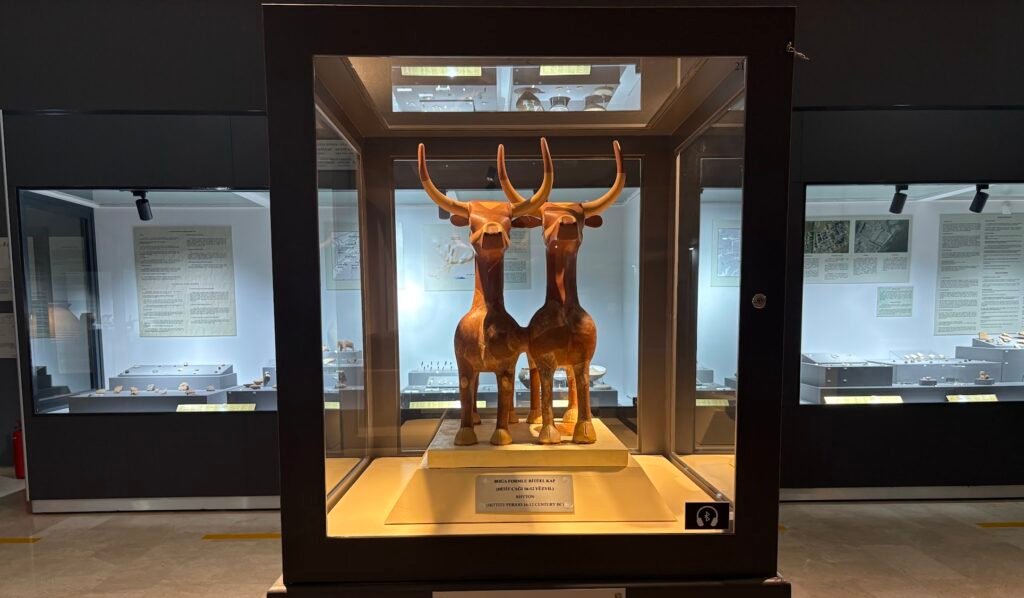
Religion: The Land of a Thousand Gods
Hittite religion was complex and highly inclusive. As the empire expanded, the Hittites incorporated deities from many regions and cultures into their religious system.
Because of this diversity, their land was often described as the “Land of a Thousand Gods.”
Among the most important deities were the storm god Tarhunt, the sun goddess Arinna, and the fertility god Telepinu.
Religious rituals were central to state life, and Hittite kings often served as high priests responsible for maintaining harmony between the gods and their kingdom.
Language, Law, and Society
The Hittites spoke one of the earliest known Indo-European languages, making their texts extremely valuable for linguists studying the development of ancient languages.
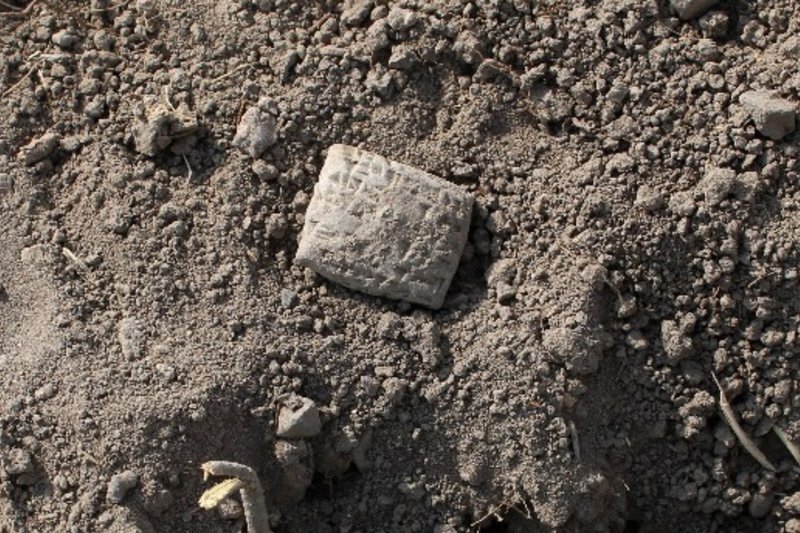
Their records were written using cuneiform script on clay tablets. Thousands of these tablets have been discovered in Hattusa, preserving diplomatic treaties, myths, legal codes, and administrative documents.
Hittite law was also relatively progressive for its time. Rather than relying heavily on executions, many crimes were punished through fines or compensation. This system suggests a society that valued restitution and social stability.
Military Power
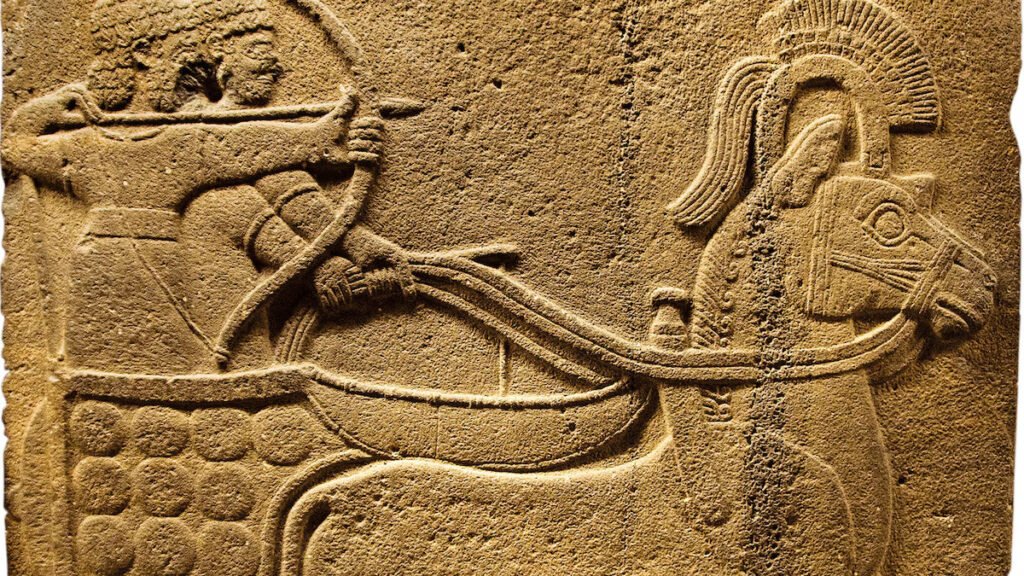
The Hittites were renowned for their military organization and their use of war chariots.
Hittite chariots were heavier than many of their rivals and often carried three warriors, allowing them to strike with greater force in battle. Combined with large infantry armies and allied vassal troops, this military system allowed the Hittites to dominate large parts of Anatolia and Syria for centuries.
The Collapse of the Empire
Around 1200 BCE, the Hittite Empire suddenly collapsed as part of the wider Late Bronze Age Collapse, a turbulent period that saw the fall of many ancient civilizations across the eastern Mediterranean.
Several factors may have contributed, including internal conflicts, economic disruption, drought, and attacks from groups known as the Sea Peoples.
By around 1180 BCE, the great capital Hattusa had been abandoned.
Yet the Hittite legacy did not disappear entirely. Smaller Neo-Hittite kingdoms continued to exist in parts of southern Anatolia and northern Syria for several centuries.
Rediscovery of the Hittites
For thousands of years the Hittites were largely forgotten by history. Their existence was known mainly through Egyptian and biblical references until archaeologists began excavating Hattusa in the early twentieth century.
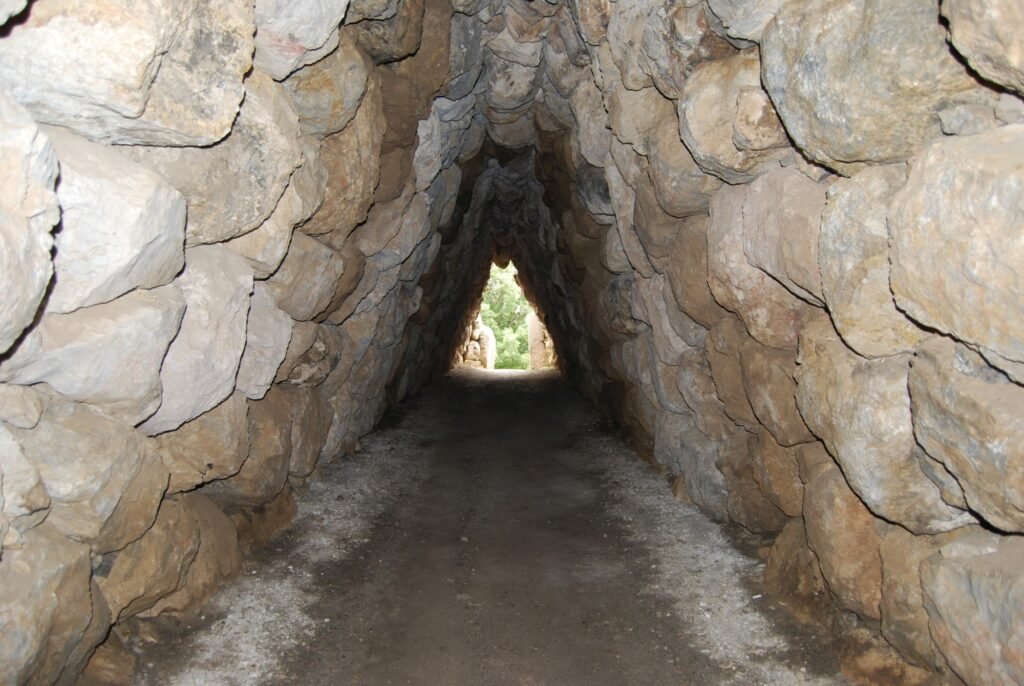
These excavations uncovered massive city walls, temples, royal archives, and thousands of clay tablets that revealed the scale and sophistication of the Hittite state.
Today the site is protected as a World Heritage site by UNESCO.
The Hittites Today
Although their empire disappeared more than three thousand years ago, the Hittites left behind an extraordinary archaeological legacy across Türkiye.
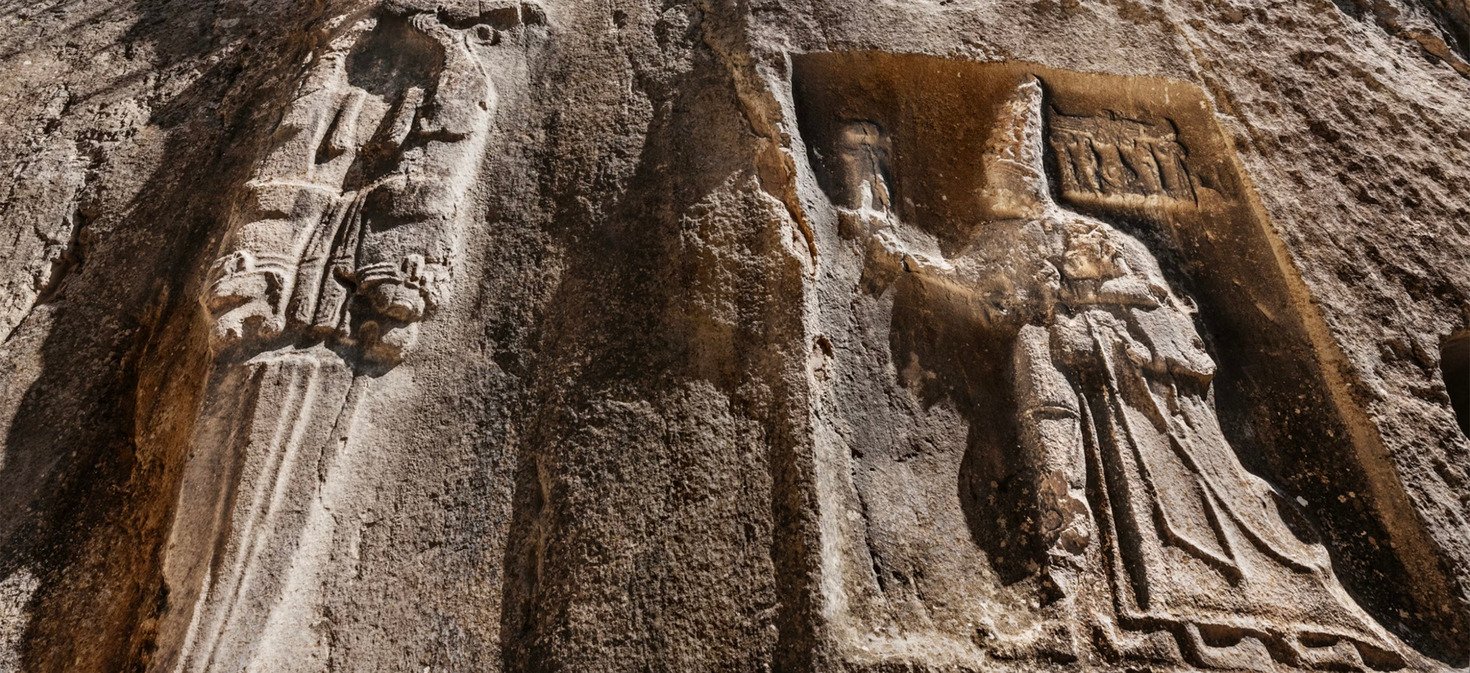
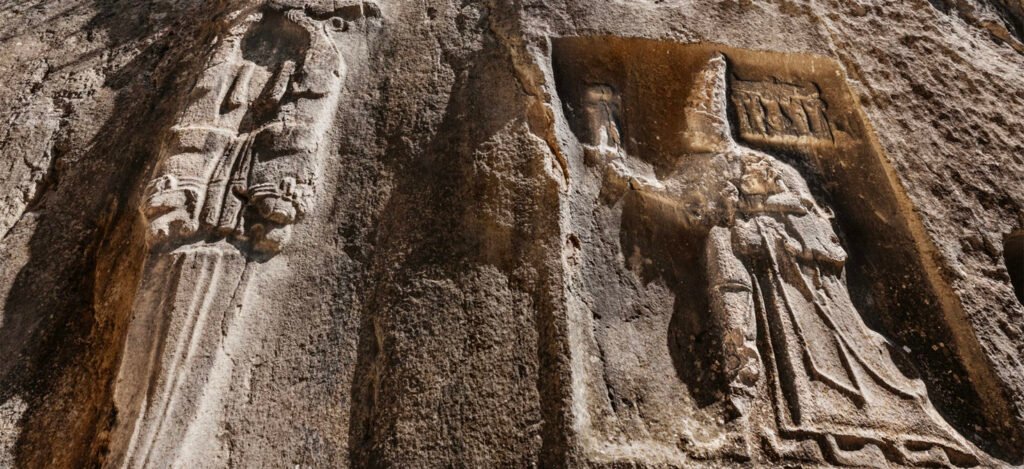
Important sites connected to their civilization include Hattusa, the sacred rock sanctuary of Yazılıkaya, the ancient settlement of Alacahöyük, and the cities of Sarissa and Samuha.
Together, these sites reveal the story of one of the earliest great empires of the ancient world — a civilization that once stood at the heart of Anatolia and helped shape the history of the Near East.
Get In Touch
Tagged with :