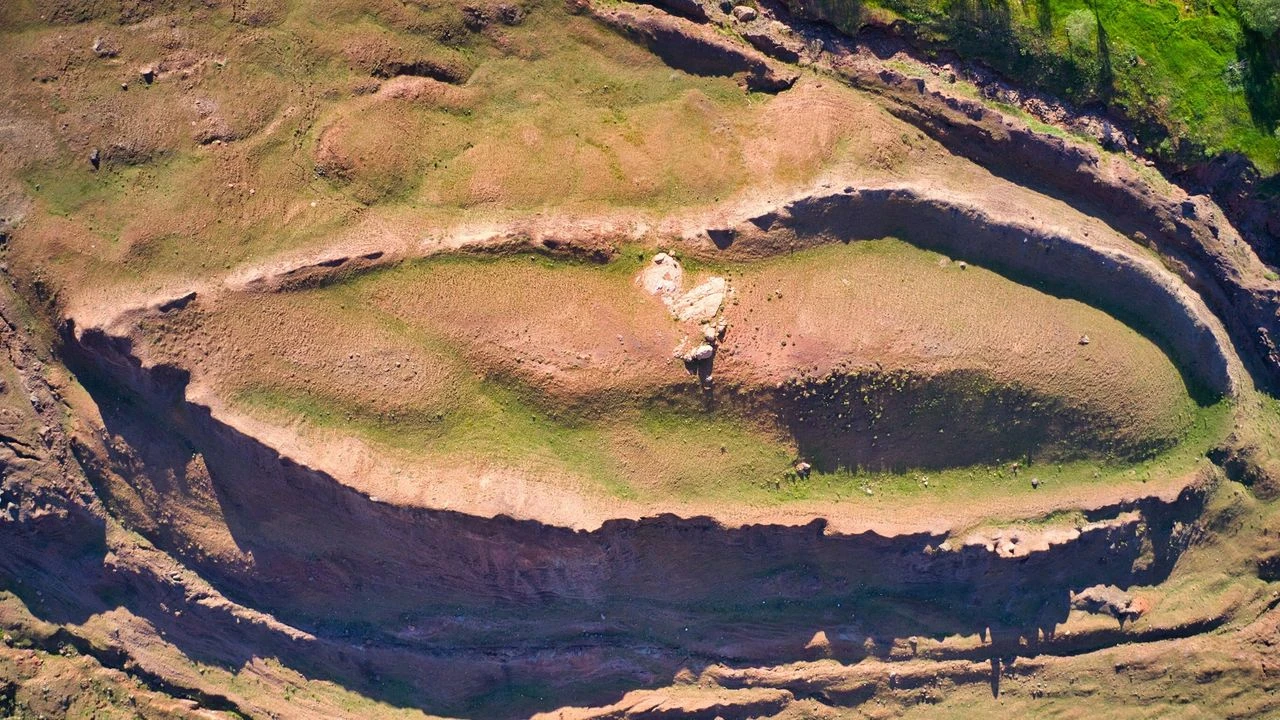



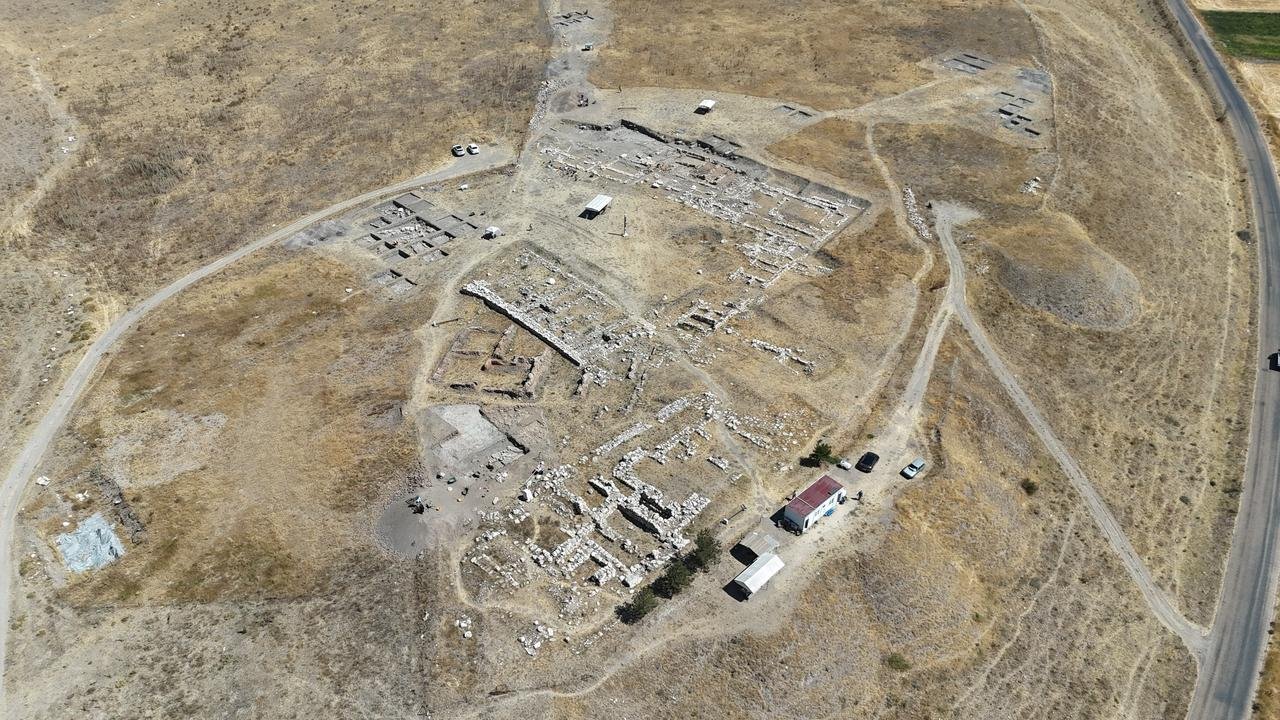
Hidden in the wide steppe landscapes near Sivas, an archaeological mound known today as Kayalıpınar preserves the remains of one of the most important cities of the Hittite Empire. In antiquity this city was called Samuha, and for centuries it played a crucial role as a religious center, administrative hub, and even a temporary capital during one of the most turbulent periods in Hittite history.
Although far less famous than Hattusa, Samuha was one of the key cities that sustained the power and cultural life of the Hittite world.
A Strategic City on the Kızılırmak River
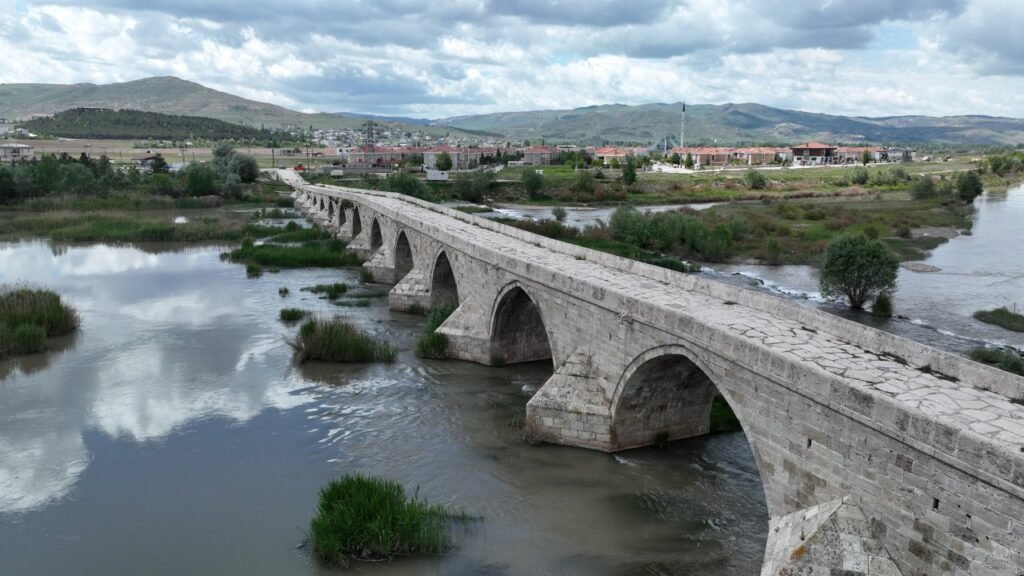
Samuha was built along the northern bank of the Kızılırmak, the longest river in modern Türkiye. In antiquity the Hittites called it the Marassantiya River, and it served as a natural artery linking the heart of Anatolia with its eastern territories.
This strategic location allowed Samuha to control trade routes connecting central Anatolia to the eastern highlands. The region also marked the frontier of the Hittite “Upper Land,” a politically sensitive zone where imperial authority met independent tribes and rival powers.
Because of this geography, Samuha was not just a provincial settlement—it became a vital node in the political and military landscape of the Hittite state.
Settlement Before the Hittites
Archaeological research has revealed that the site of Kayalıpınar was inhabited long before the rise of the Hittites. Evidence suggests that human settlement here began as early as the 5th millennium BCE, indicating that the region had been attractive for communities for thousands of years.
During the Early and Middle Bronze Age, the settlement expanded into a regional center. By the early second millennium BCE, it was already integrated into the commercial network of the Kanesh, where Assyrian merchants established trading colonies across Anatolia. At this time Samuha functioned as a secondary trading station facilitating the movement of valuable goods such as tin, textiles, and precious metals.
These trade networks laid the economic foundations that later supported the emergence of the Hittite state.
Samuha in the Hittite World
When the Hittite Kingdom rose to power around the seventeenth century BCE, Samuha became one of its major cities. Unlike Hattusa, which served primarily as the political capital, Samuha gained prominence as a religious center and administrative hub.
The city was particularly associated with the worship of the Hurrian goddess Šauška, a powerful deity closely related to the Mesopotamian goddess Ishtar. This association demonstrates the multicultural nature of Hittite religion, which incorporated deities from Anatolian, Hurrian, and Mesopotamian traditions.
Temple rituals, priestly ceremonies, and religious festivals made Samuha one of the spiritual centers of the Hittite realm.
When Samuha Became the Capital
One of the most dramatic moments in the city’s history occurred in the fourteenth century BCE. During the reign of Tudhaliya III, the Hittite capital Hattusa was devastated by attacks from the Kaska, fierce mountain tribes who repeatedly threatened the northern borders of the empire.
As a result, the royal court abandoned Hattusa and relocated to Samuha. For a time the city effectively served as the military and administrative headquarters of the Hittite state.
It was from Samuha that the future king Suppiluliuma I reorganized the Hittite army and launched campaigns that eventually restored the empire and turned it into one of the great powers of the Late Bronze Age.
Archives and Ritual Tablets
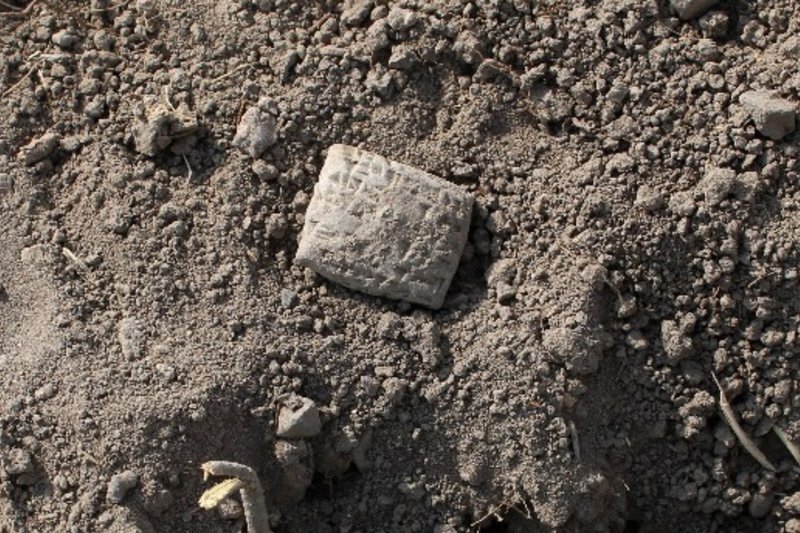
Excavations at Kayalıpınar have uncovered more than a hundred cuneiform tablets, offering valuable insights into the administrative and religious life of the city. These texts were written in several languages, including Hittite, Hurrian, and Luwian, reflecting the diverse cultural environment of the region.
Many tablets contain ritual instructions, oracle consultations, and religious ceremonies. One particularly intriguing discovery is a tablet describing bird divination rituals, where priests interpreted the flight patterns of birds as messages from the gods.
These findings demonstrate that Samuha functioned not only as a city of political importance but also as a center of specialized religious knowledge.
Archaeological Discoveries
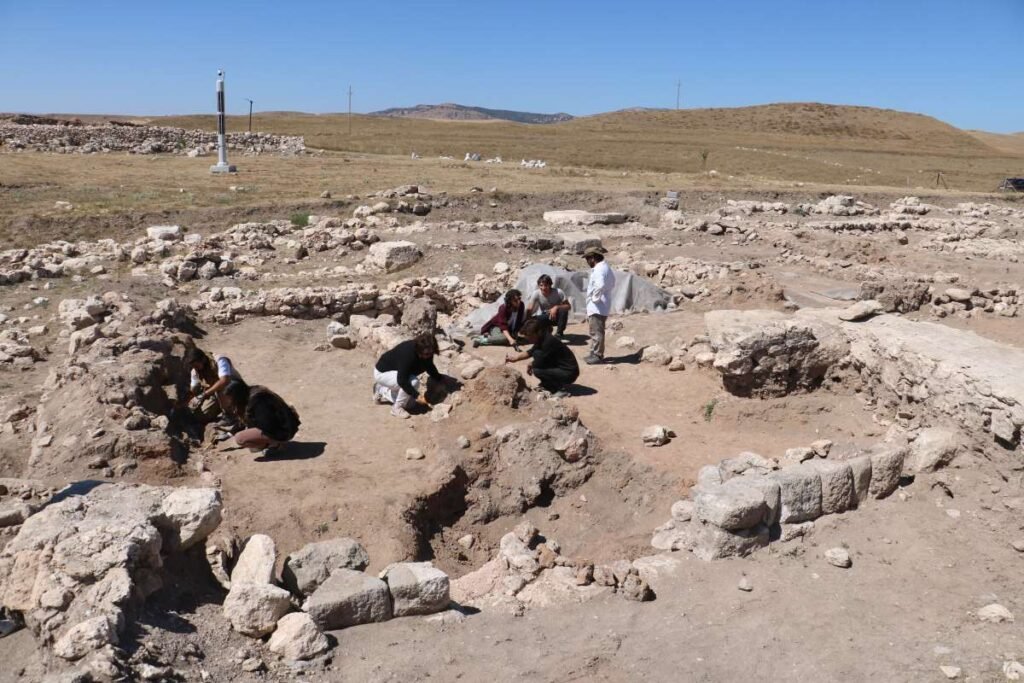
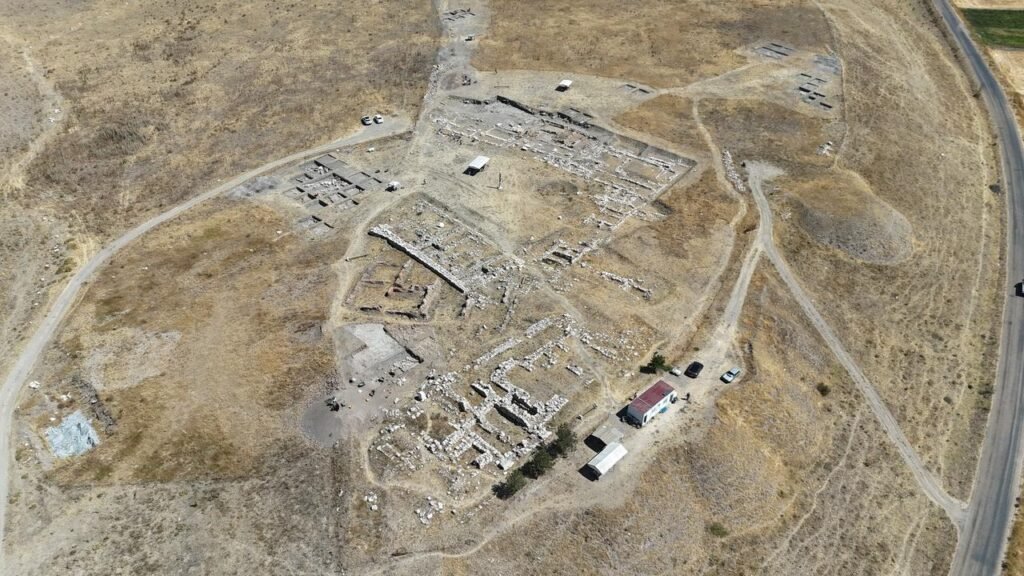
Excavations at Kayalıpınar have been ongoing since the early 2000s and have revealed a wide range of structures and artifacts.
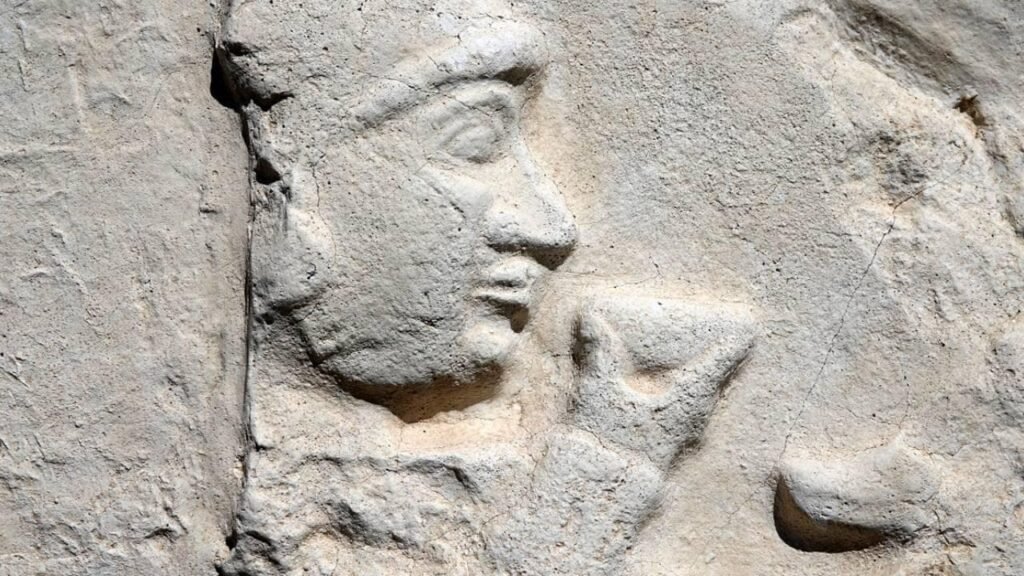
Among the most remarkable discoveries is a limestone relief depicting a seated deity, believed to date to the thirteenth century BCE. The figure sits on a throne with lion-paw legs and holds ritual objects, reflecting the artistic traditions of the Hittite world.
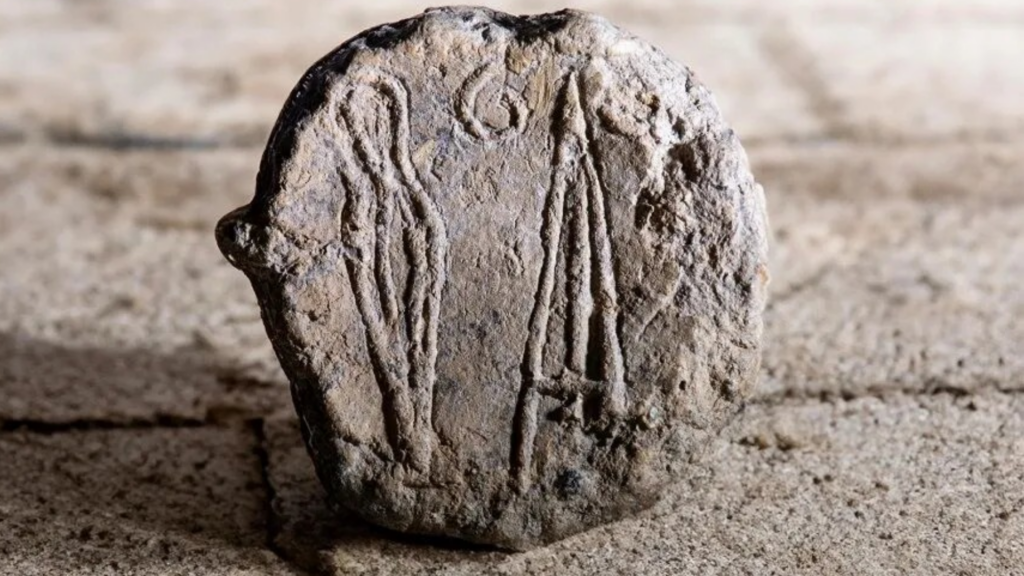
Seal impressions belonging to royal officials and members of the Hittite elite have also been uncovered, suggesting that the city housed important administrative institutions.
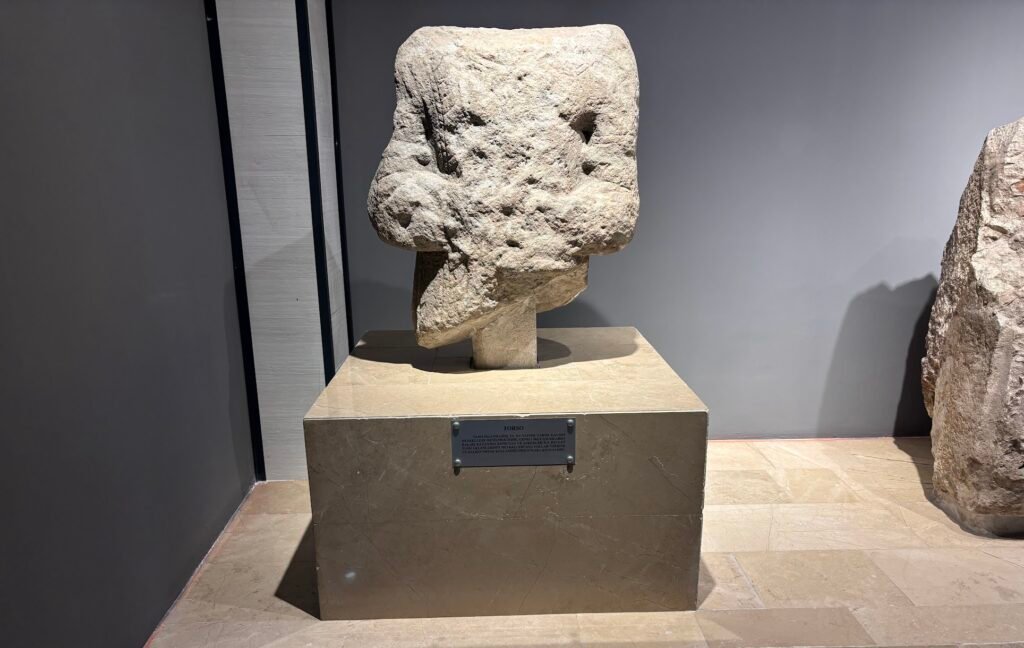
Today many of these finds are displayed in the Sivas Archaeology Museum.
After the Collapse of the Hittite Empire
Around 1200 BCE the Hittite Empire collapsed as part of the wider upheavals that affected the eastern Mediterranean during the Late Bronze Age Collapse. Like many Hittite cities, Samuha declined, but the site was never completely abandoned.
Later archaeological layers reveal occupation during the Roman and Byzantine periods, showing that the strategic location of the settlement continued to attract communities for centuries.
Samuha Today
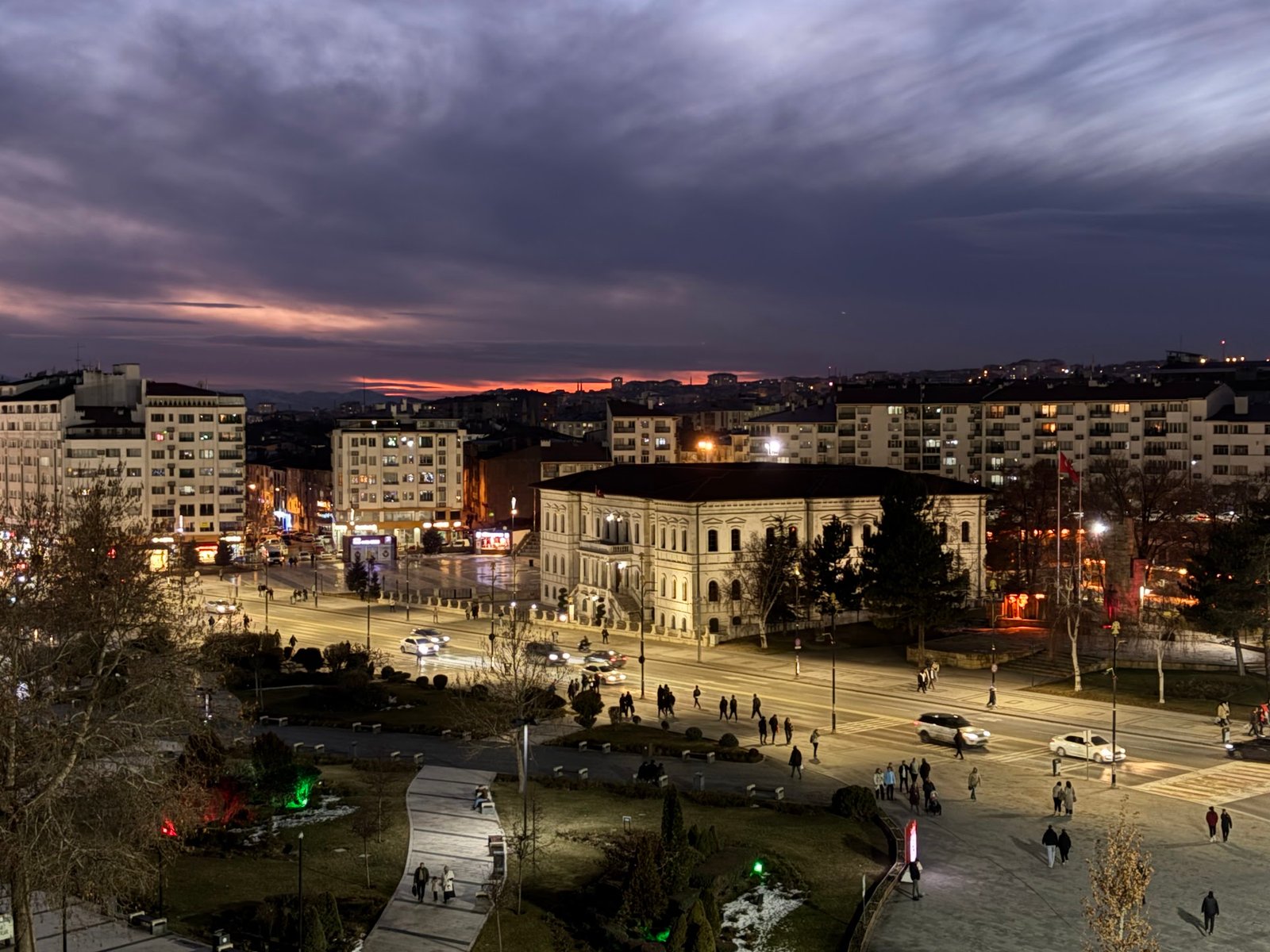
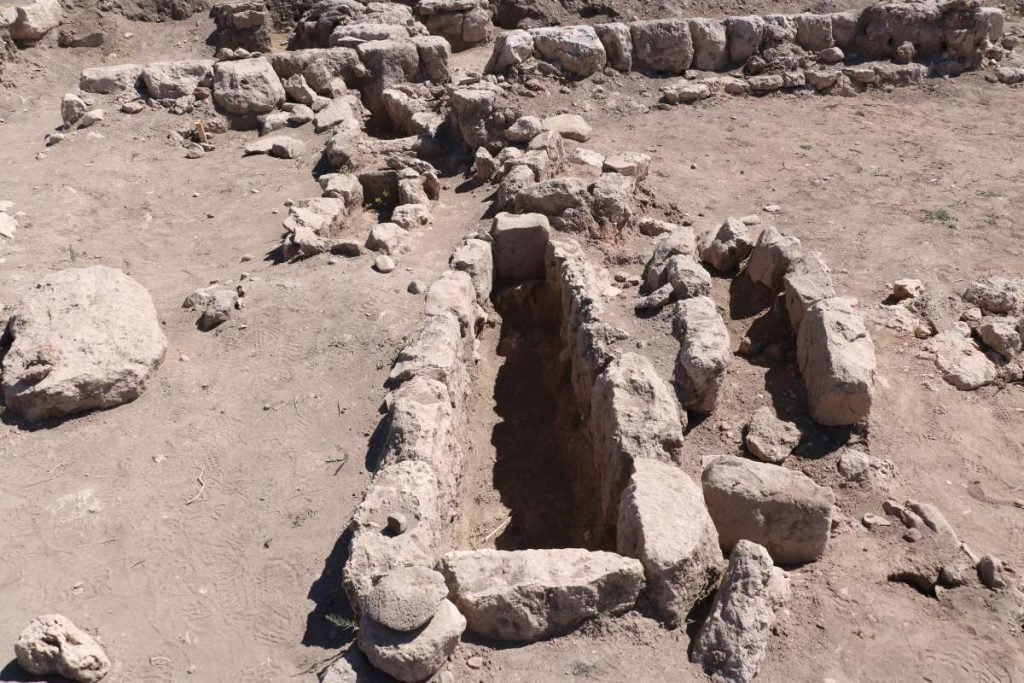
Today the ruins of Samuha remain largely hidden beneath the mound of Kayalıpınar, an active archaeological excavation site in the countryside west of Sivas. While it is not yet a major tourist destination, ongoing research continues to reveal new information about the city and its role in Hittite Empire civilization.
For those interested in Anatolian history, Samuha is a powerful reminder that the region around Sivas once stood at the heart of one of the most influential empires of the ancient world.
Interested in exploring this hidden Hittite site? Get in touch for private tour information.
Tagged with :