


Ancient Civilizations
23 Minute
Hagia Sophia: From Byzantine Cathedral to Ottoman Mosque and Modern Icon of Istanbul

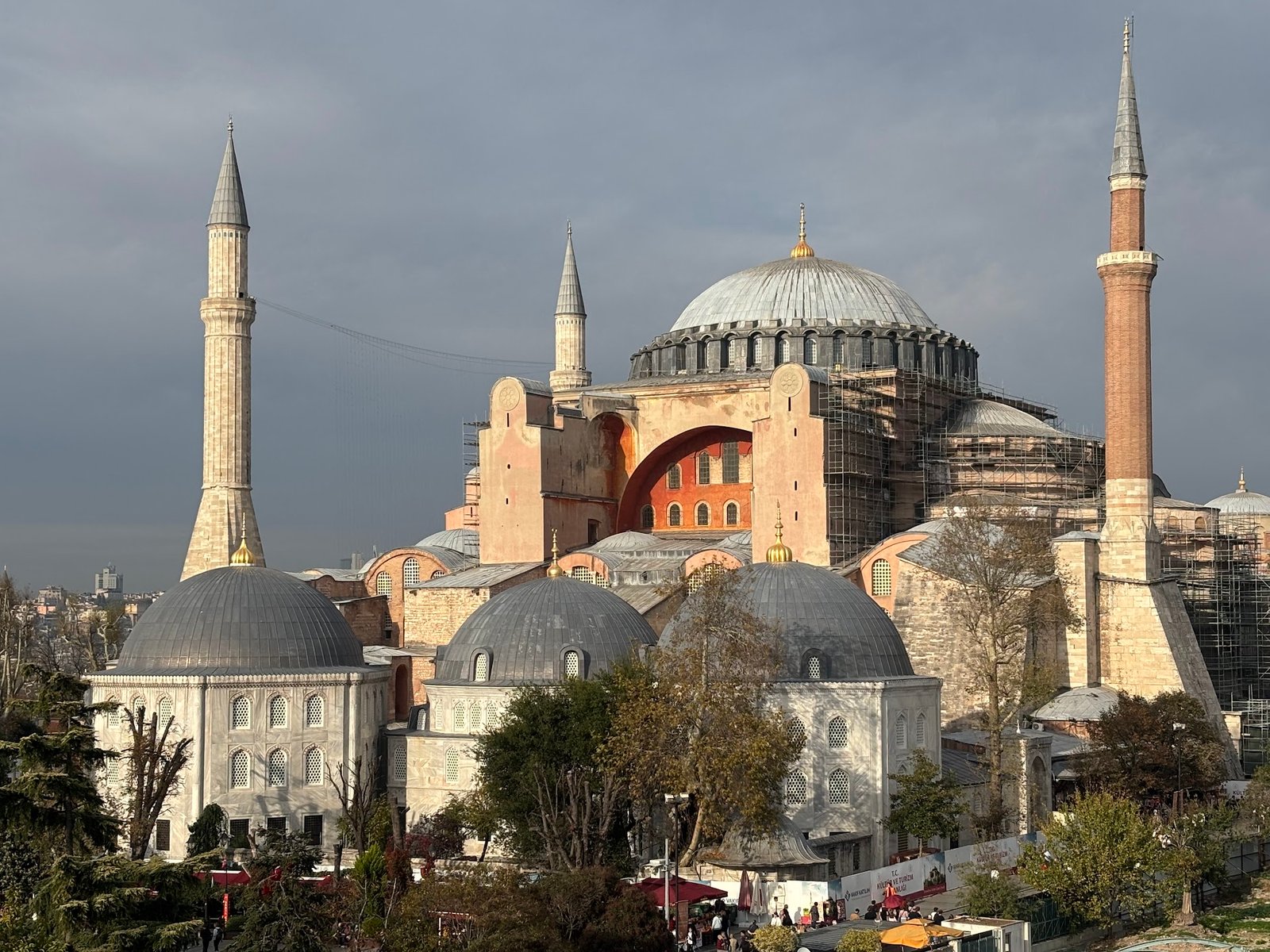
Hagia Sophia does not belong to one culture or one religion. It tells the story of empires rising, collapsing, and transforming around it.
A Short Timeline
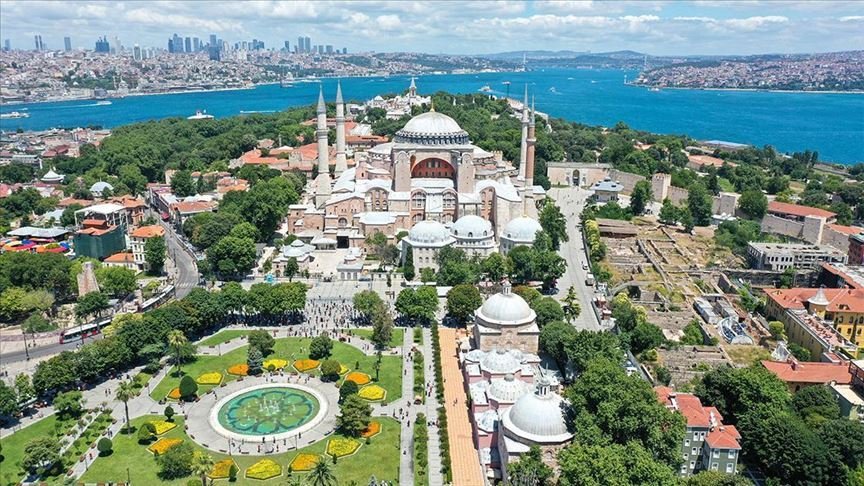
The building we see today is actually the third Hagia Sophia on the site. The first church, built in 360 AD under Emperor Constantius II, burned down during riots in 404. Emperor Theodosius II constructed a second, larger basilica in 415, but the Nika Riots destroyed it in 532. After the devastation, Justinian I ordered an entirely new structure — not a repair, but a complete reinvention. Builders completed the current Hagia Sophia in 537. The Ottomans converted it into a mosque in 1453, the Republic of Turkey turned it into a museum in 1935, and authorities reconverted it into a mosque again in 2020.
Justinian, Theodora, and the Nika Riots
Emperor Justinian I ruled the Byzantine Empire from 527 to 565. He aimed to restore the Roman Empire’s former glory, reform law, and strengthen Christianity. Early in his reign, however, he almost lost his throne.
In 532, political factions in Constantinople started what became the Nika Riots. Protesters filled the city, burned major buildings, and even destroyed the second Hagia Sophia. Justinian considered fleeing the capital.
His wife, Empress Theodora, changed history. She refused to escape and reportedly declared that royal purple made a fine burial shroud. Her resolve convinced Justinian to stay and fight. Imperial troops crushed the rebellion, killing tens of thousands of rioters.
After the smoke cleared, Justinian began rebuilding the capital. Hagia Sophia became the centerpiece of his victory and a symbol of restored imperial power.
The Birth of a Monument (537 AD)
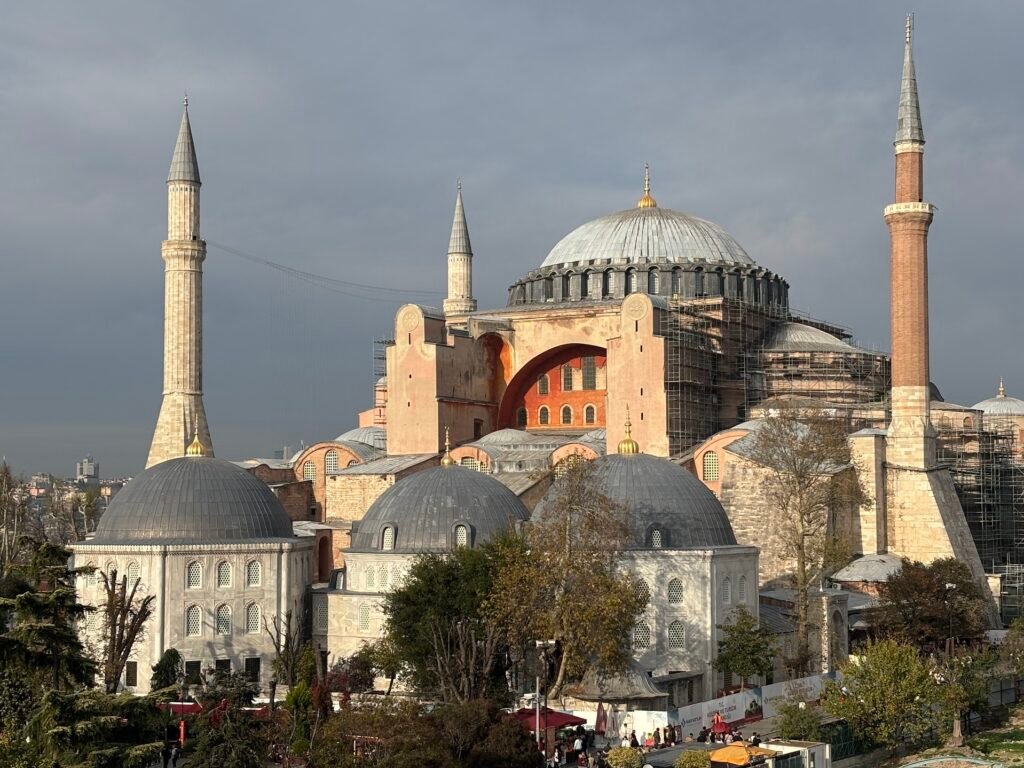
In 537 AD, Justinian ordered the construction of the new Hagia Sophia in Constantinople (modern Istanbul). He wanted the greatest church the world had ever seen.
Instead of traditional architects, he chose two brilliant scholars: Anthemius of Tralles and Isidore of Miletus. Their mathematical knowledge shaped the design and changed architecture forever.
Workers completed the enormous building in about five years — astonishingly fast. At the inauguration, Justinian reportedly proclaimed:
“Solomon, I have surpassed thee!”
At that moment, few could disagree.
The Architectural Revolution: The Floating Dome
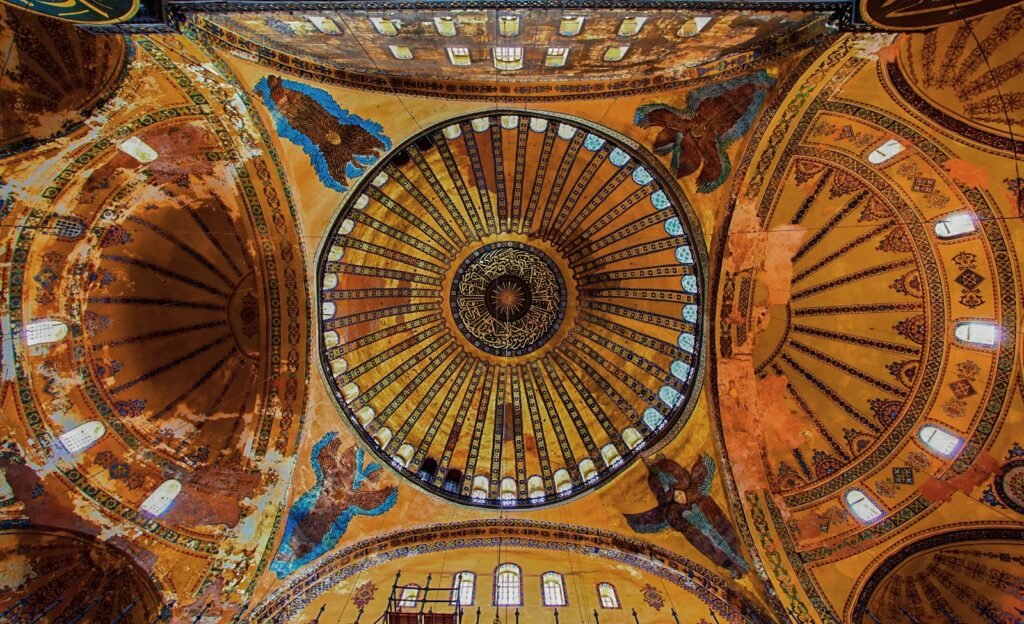
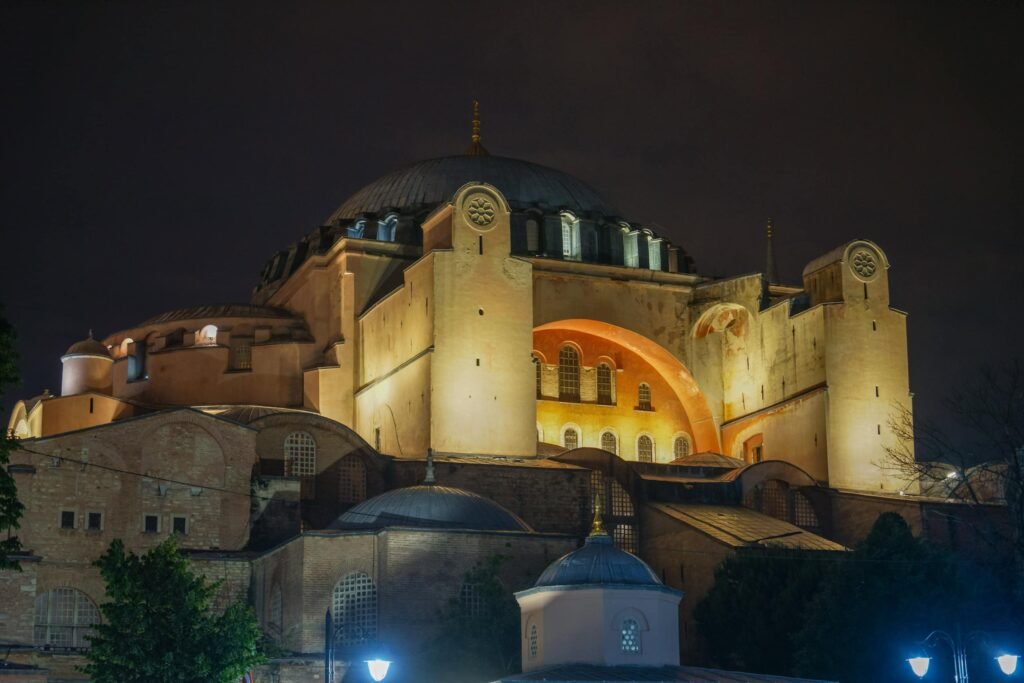
Hagia Sophia’s most famous feature is its central dome, about 31 meters (102 feet) wide and 55 meters (180 feet) high.
The builders created the illusion that the dome floated above the building. They achieved this by using pendentives, curved triangular sections that transfer the dome’s weight onto four massive piers. Forty windows at its base flood the interior with light, making the ceiling glow.
For almost 1,000 years, Hagia Sophia remained the largest enclosed building on Earth.
The Dome Collapses and the Engineers Who Saved It
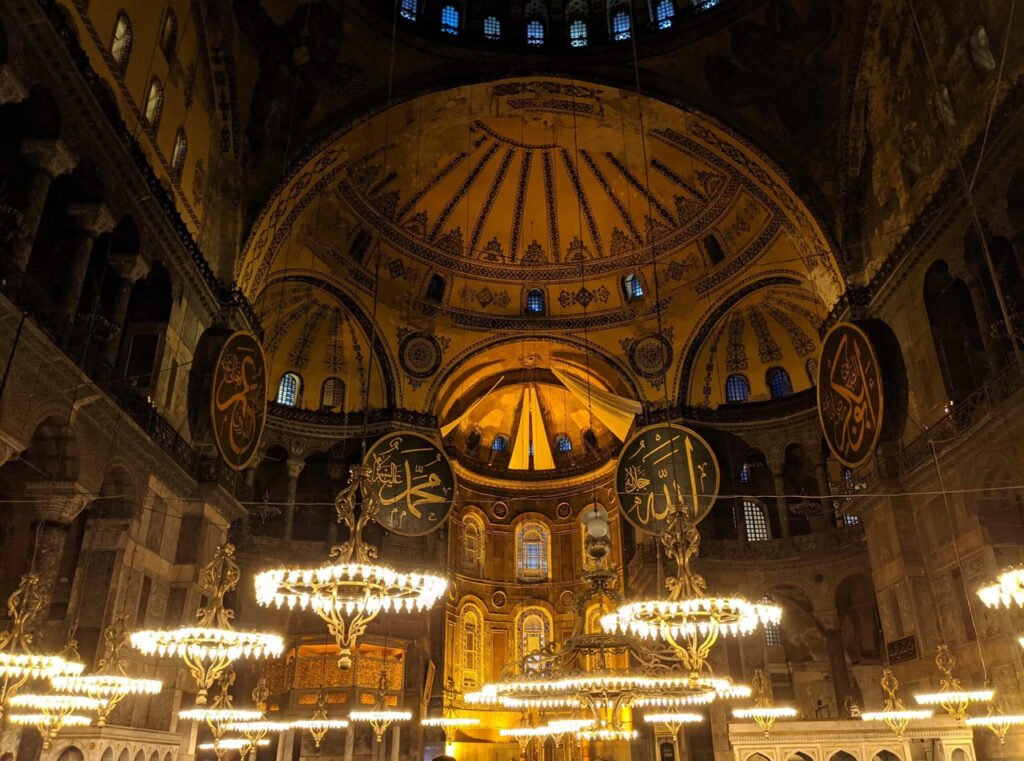
The dome did not stand perfectly from the start. Earthquakes repeatedly damaged it.
In 558, a major quake caused the original dome to collapse. Isidore the Younger, nephew of Isidore of Miletus, redesigned it. He raised the dome’s height and steepened its curve, which reduced sideways pressure and stabilized the structure. Builders reopened the church in 562.
Later earthquakes in 989 and 1346 caused further collapses and cracks. Byzantine authorities brought the Armenian architect Trdat (famous for building the cathedral of Ani) to repair the damage in the 10th century. His reconstruction strengthened the dome and preserved the monument.
The dome we see today therefore represents centuries of engineering corrections rather than a single construction project.
The Center of Byzantine Christianity
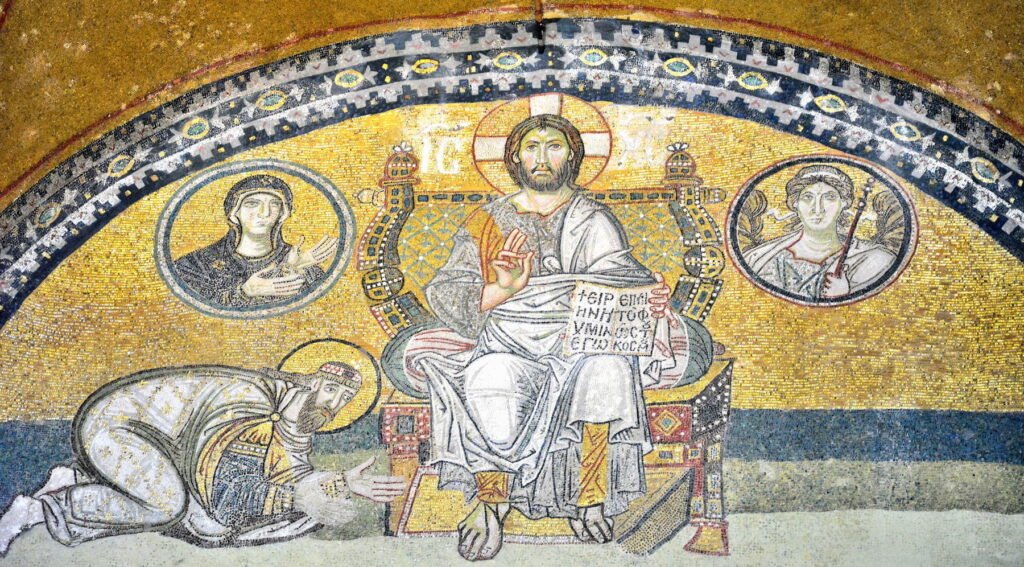
For nearly a millennium, Hagia Sophia served as the main cathedral of Eastern Orthodox Christianity. Inside, clergy crowned emperors, patriarchs led worship, and major ceremonies shaped the empire’s religious life.
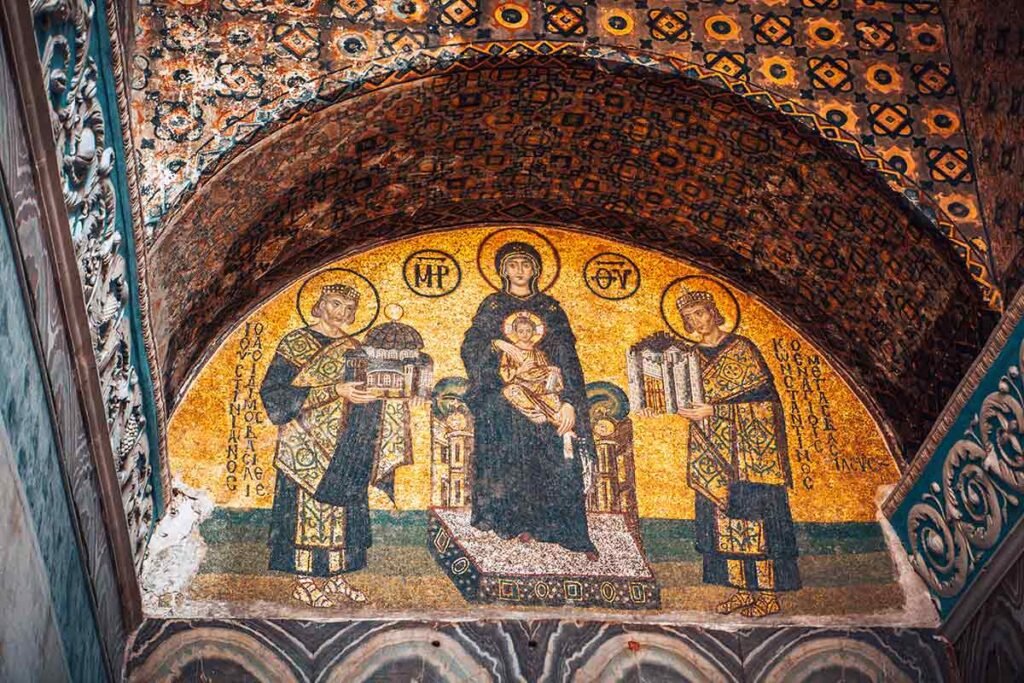
Artists covered the interior with marble panels and gold mosaics showing Christ, the Virgin Mary, angels, saints, and emperors. The building expressed both spiritual authority and imperial power.
The Fourth Crusade and the Sack of Constantinople (1204)
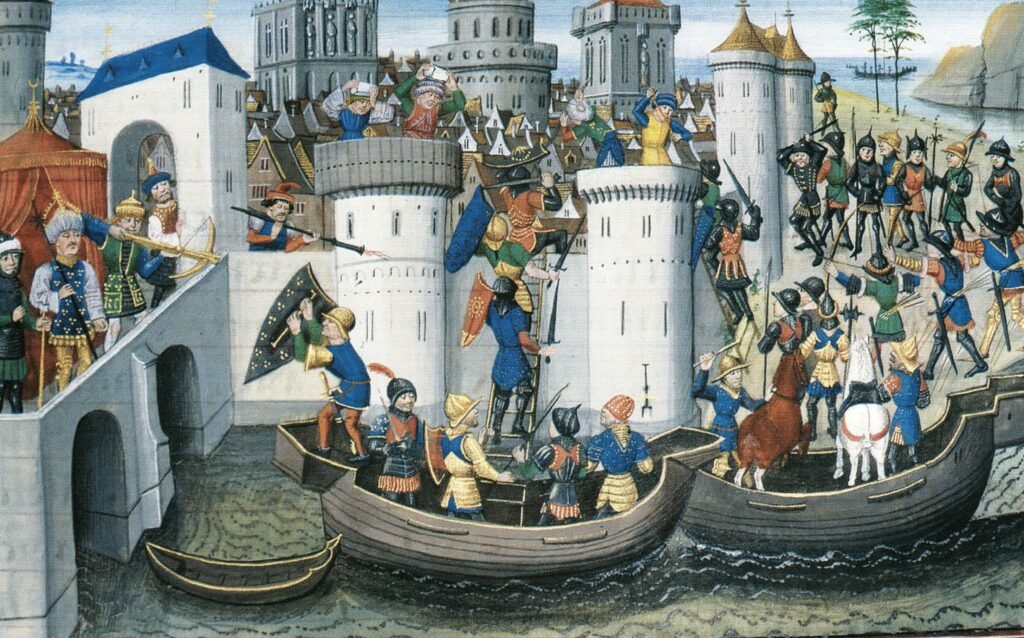
In 1204, the Fourth Crusade took a shocking turn. Instead of fighting Muslims in the Holy Land, Crusaders attacked Constantinople, a Christian city.
They broke into Hagia Sophia, looted sacred treasures, melted liturgical objects, and carried relics back to Western Europe. They even placed a Latin Catholic clergy inside the cathedral and turned it into a Roman Catholic church.
The sack devastated the Byzantine Empire and permanently deepened the split between Eastern Orthodox and Western Catholic Christianity. Many historians consider this one of the most damaging events in medieval Christian history.
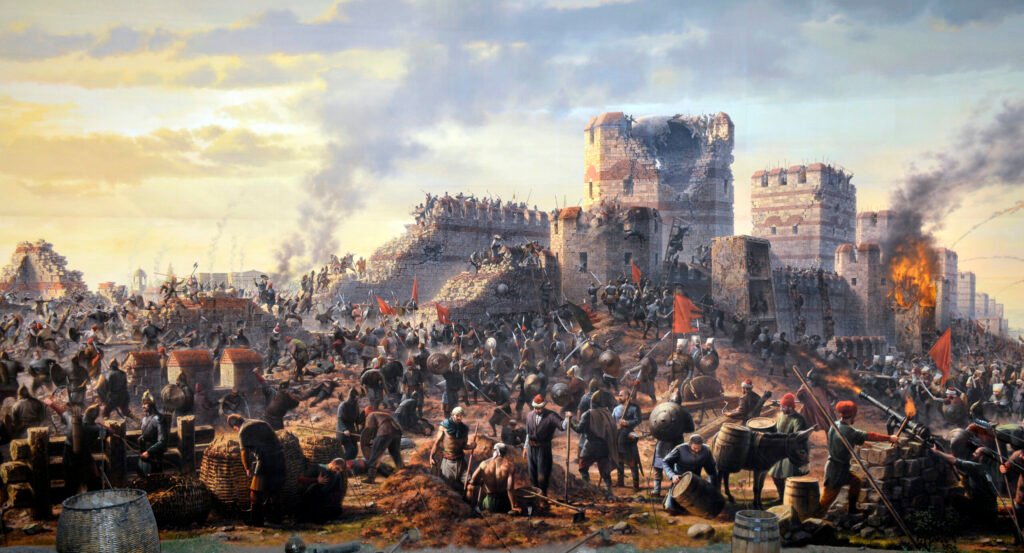
1453: Ottoman Conquest and Conversion into a Mosque
In 1453, Sultan Mehmed II conquered Constantinople. He protected Hagia Sophia and converted it into a mosque, ensuring its survival.
Ottoman builders added a mihrab facing Mecca, a minbar, minarets, and massive calligraphic panels. They covered many mosaics with plaster instead of destroying them, which accidentally preserved them for future generations.
Ottoman architects later modeled imperial mosques, including the Blue Mosque, directly on Hagia Sophia’s design.
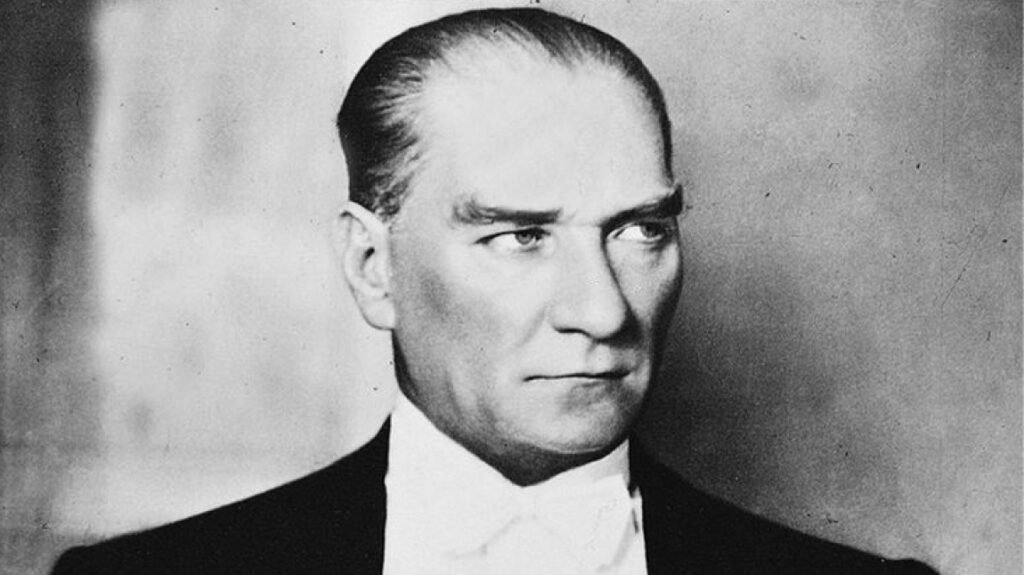
1935 and 2020: Museum and Mosque Again
In 1935, Mustafa Kemal Atatürk transformed Hagia Sophia into a museum to emphasize shared global heritage. Conservators uncovered the Byzantine mosaics while keeping Ottoman features intact.
In 2020, Turkey reconverted the building into a functioning mosque. Visitors may still enter outside prayer hours. And again in 2024 the second floor got converted back into a museum but the first floor is still a mosque.
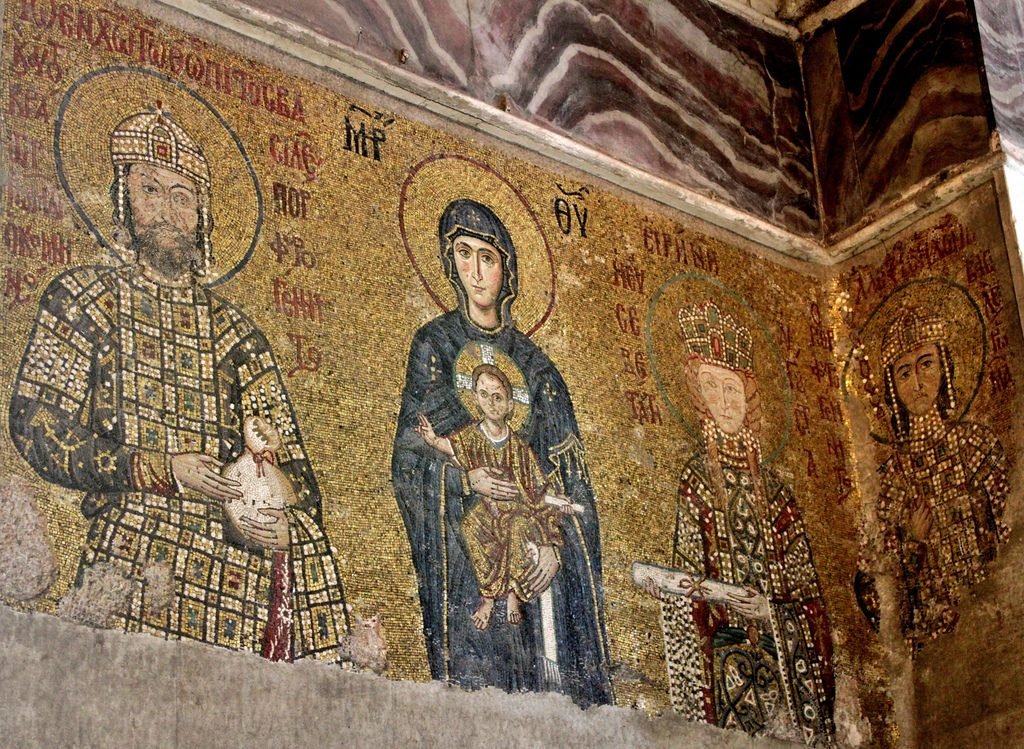
Art, Mosaics, and Symbolism
Hagia Sophia contains some of the finest surviving Byzantine artworks: the Virgin Mary and Christ in the apse, Christ Pantocrator images, and the famous Deesis mosaic.
Artists used gold backgrounds to represent heaven. Candlelight once made the interior shimmer like a divine realm.
Ottoman calligraphers later installed enormous medallions naming Allah, the Prophet Muhammad, and early caliphs. The building now layers Christian imagery and Islamic calligraphy within the same space.
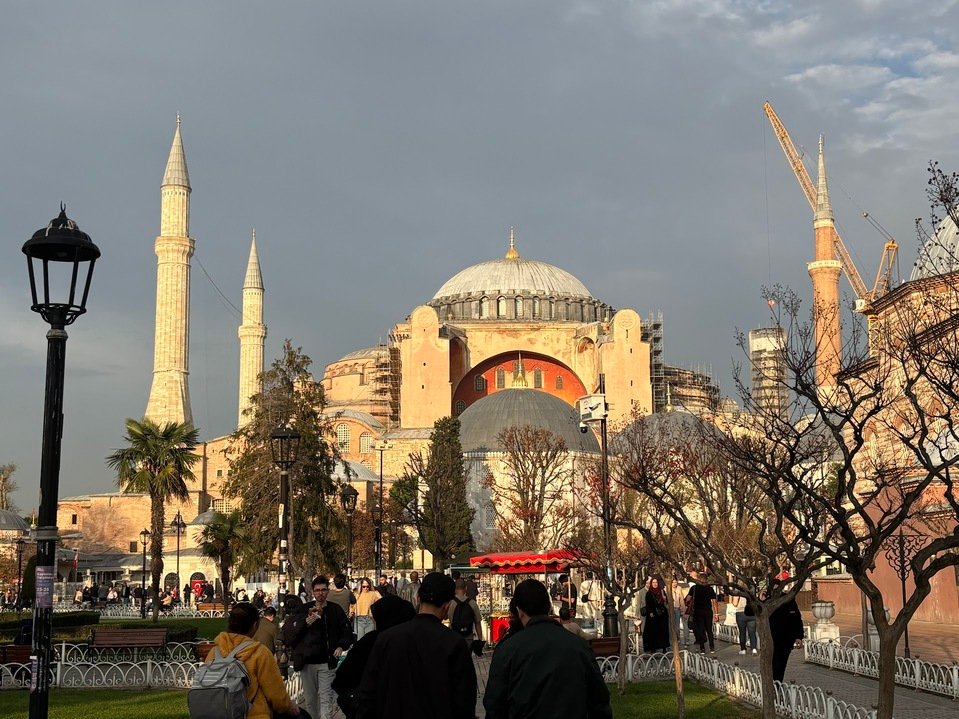
Why Hagia Sophia Is Controversial
Hagia Sophia remains controversial because it symbolizes religion, politics, and national identity at the same time.
Christians view it as the greatest cathedral of the Byzantine world. Muslims view it as a historic imperial mosque. Secular historians see a universal monument belonging to humanity.
Each status change — church, mosque, museum, mosque again — reflects political decisions as much as religious ones. For this reason, debates about Hagia Sophia often extend far beyond architecture into diplomacy, heritage preservation, and global cultural memory.
Conclusion
Hagia Sophia does more than survive history — it contains history.
Empires rose and disappeared around it, yet the structure still dominates the skyline of Istanbul after nearly 15 centuries. Every column, mosaic, and inscription tells a story of faith, power, conflict, and coexistence.
When you stand beneath its dome, you are not just visiting a monument.
You are standing inside world history.
Visit Hagia Sophia With Gate to Türkiye
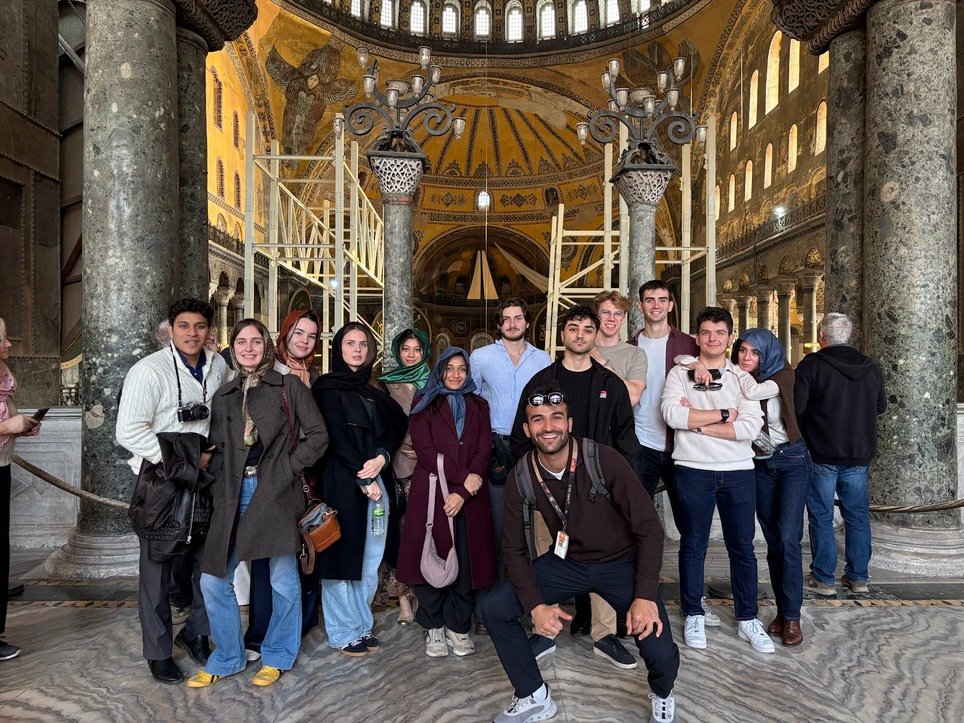
Step into living history with Gate to Türkiye. Join our guided experience and explore Hagia Sophia beyond what you see in photos. Our expert guides will walk you through its hidden details — from Byzantine mosaics to Ottoman calligraphy — and explain the stories of emperors, sultans, and travelers who stood beneath its dome. We handle the planning, timing, and cultural insights so you can simply enjoy the moment. If you want to truly understand Istanbul rather than just see it, visit Hagia Sophia with us and discover why this monument still amazes the world.
Tagged with :