

Hello There!
Welcome to Gate to Türkiye.


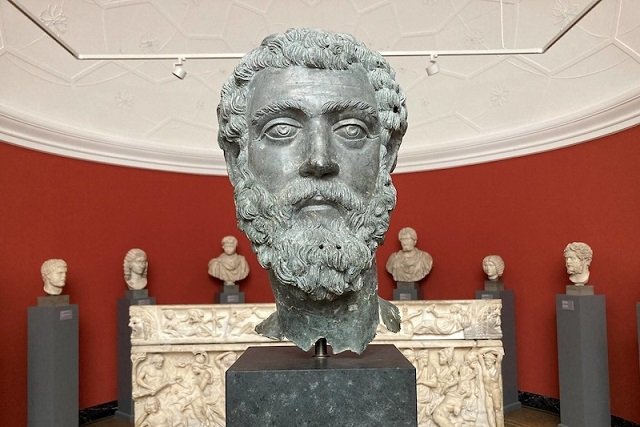
The Hippodrome of Constantinople once formed the political and social heart of Byzantine Constantinople. Roman emperor Septimius Severus began its construction in the early 3rd century, and Constantine the Great expanded it in the 4th century after declaring the city his capital. Modeled on Rome’s Circus Maximus, the Hippodrome stretched approximately 450 meters long and 130 meters wide, accommodating tens of thousands of spectators. From a private imperial box connected to the Great Palace, emperors addressed the crowd and displayed their authority.
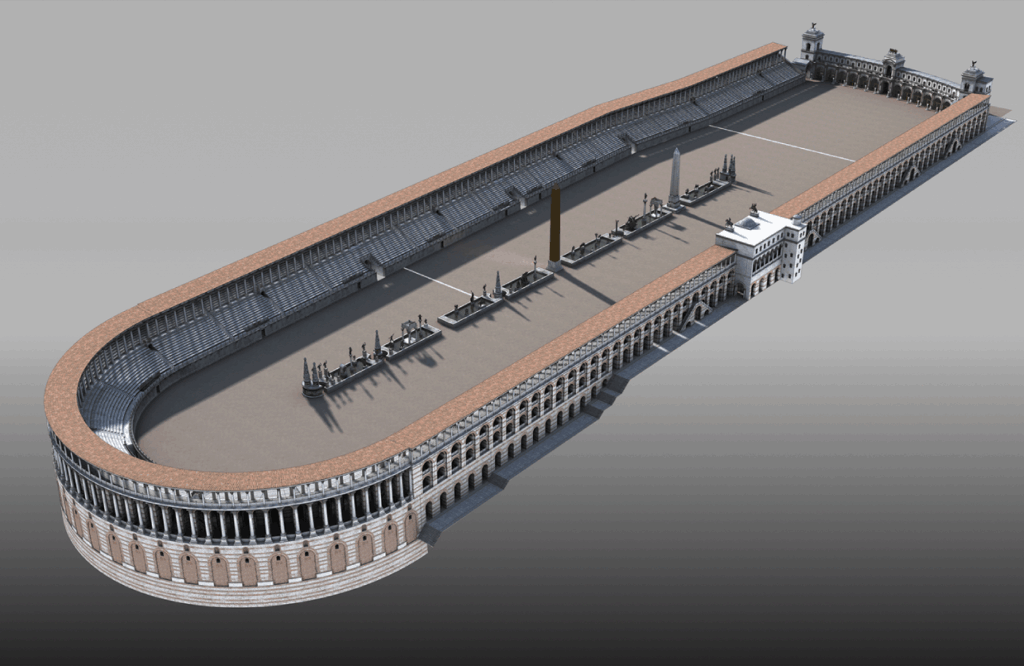
Chariot racing dominated life in the Hippodrome, but the arena also served as a platform for politics and public opinion. Rival factions—the Blues and the Greens—commanded fierce loyalty and often clashed violently. This tension reached its peak during the Nika Riots of 532, when massive unrest erupted inside the Hippodrome and spread across the city. Emperor Justinian narrowly avoided overthrow and ultimately suppressed the revolt with force, marking one of the most dramatic episodes in Byzantine history.
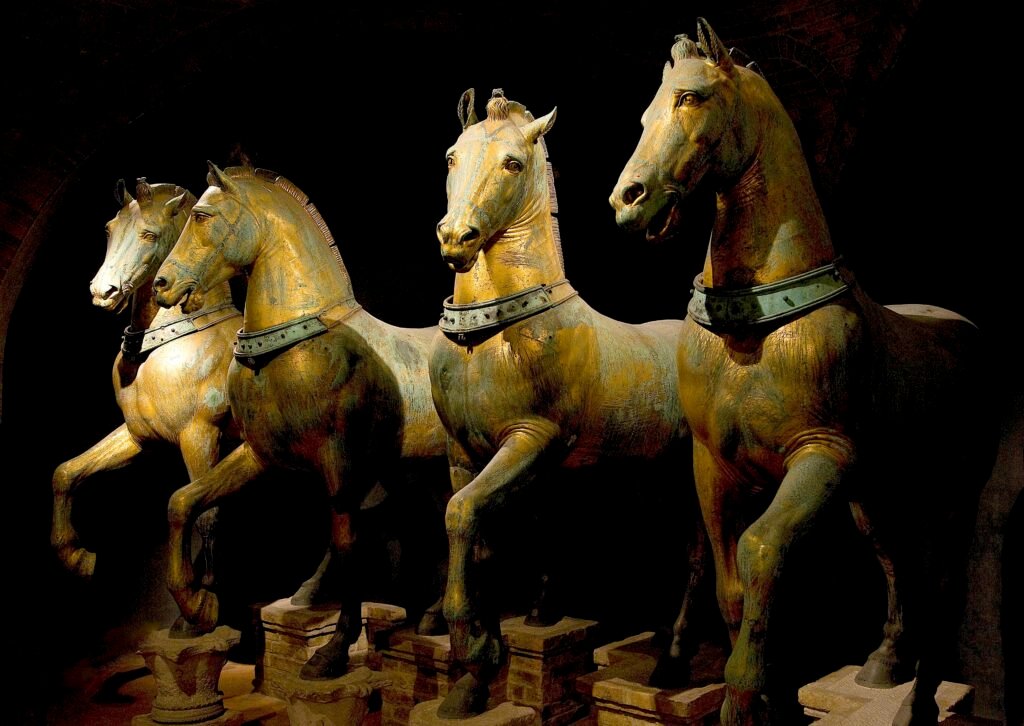
The Hippodrome’s central spine once displayed monuments gathered from across the empire. Emperors installed the Obelisk of Theodosius, carved in ancient Egypt; the Serpent Column, brought from Delphi; and the Walled Obelisk, once covered in gilded bronze. Bronze statues of gods, emperors, and victorious athletes filled the arena, along with the famous Horses of Saint Mark, later taken to Venice during the Fourth Crusade. These decorations transformed the Hippodrome into an open-air museum of imperial power.
The Serpent Column in Sultanahmet Square, Istanbul, is a 2,500-year-old monument originally erected in 479 BCE at the Temple of Apollo at Delphi to celebrate the Greek victory over Persia at the Battle of Plataea. It was later brought to Constantinople by Constantine the Great in the 4th century and placed in the Hippodrome (today’s square). The column once had three serpent heads holding a golden tripod, but most of it was lost over time. Even in its damaged state, it remains one of the oldest surviving monuments in Istanbul and a rare link between Ancient Greece, the Byzantine Empire, and the Ottoman period.
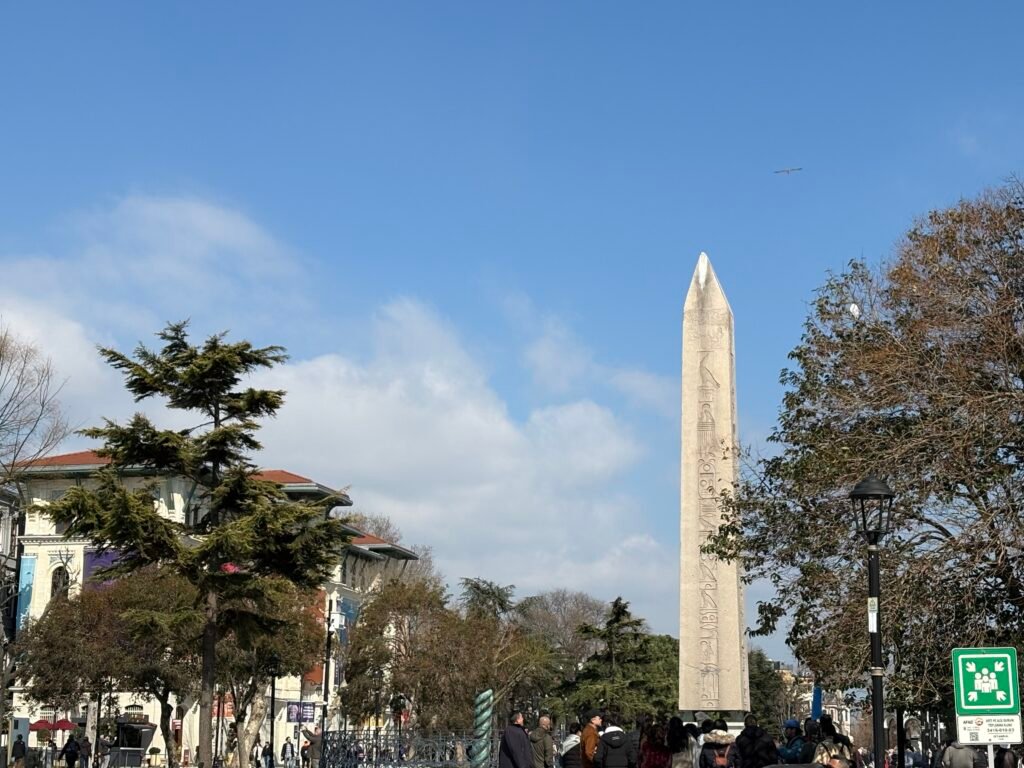
The Egyptian Obelisk in Sultanahmet Square, also known as the Obelisk of Theodosius, was originally erected in the 15th century BCE by the Egyptian pharaoh Thutmose III at the Temple of Karnak in Luxor. Made of pink granite, the obelisk is covered with hieroglyphs celebrating the pharaoh’s military victories and devotion to the god Amun. In 390 CE, the Roman emperor Theodosius I ordered it transported to Constantinople, where it was placed in the Hippodrome as a symbol of imperial power.
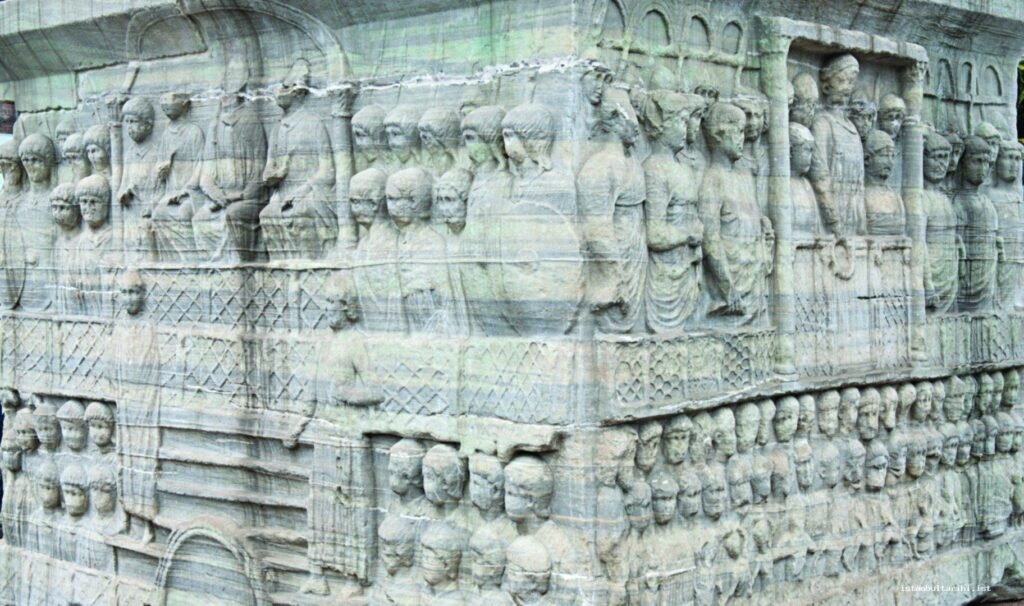
While the obelisk itself was carved in ancient Egypt for the pharaoh Thutmose III in the 15th century BCE, the decorated pedestal was added much later in the 4th century CE when the Roman emperor Theodosius I had it re-erected in Constantinople’s Hippodrome.
The base is important because it shows detailed relief sculptures of imperial life. The carvings depict Theodosius seated in the imperial box watching chariot races, receiving foreign envoys, and presiding over ceremonies in the Hippodrome. Inscriptions in both Greek and Latin explain how engineers successfully raised the heavy obelisk into position. These reliefs provide rare visual evidence of court rituals, clothing, musicians, and spectators in late Roman (Byzantine) Constantinople, making the pedestal not just a support structure but also a historical record of public life in the ancient city.
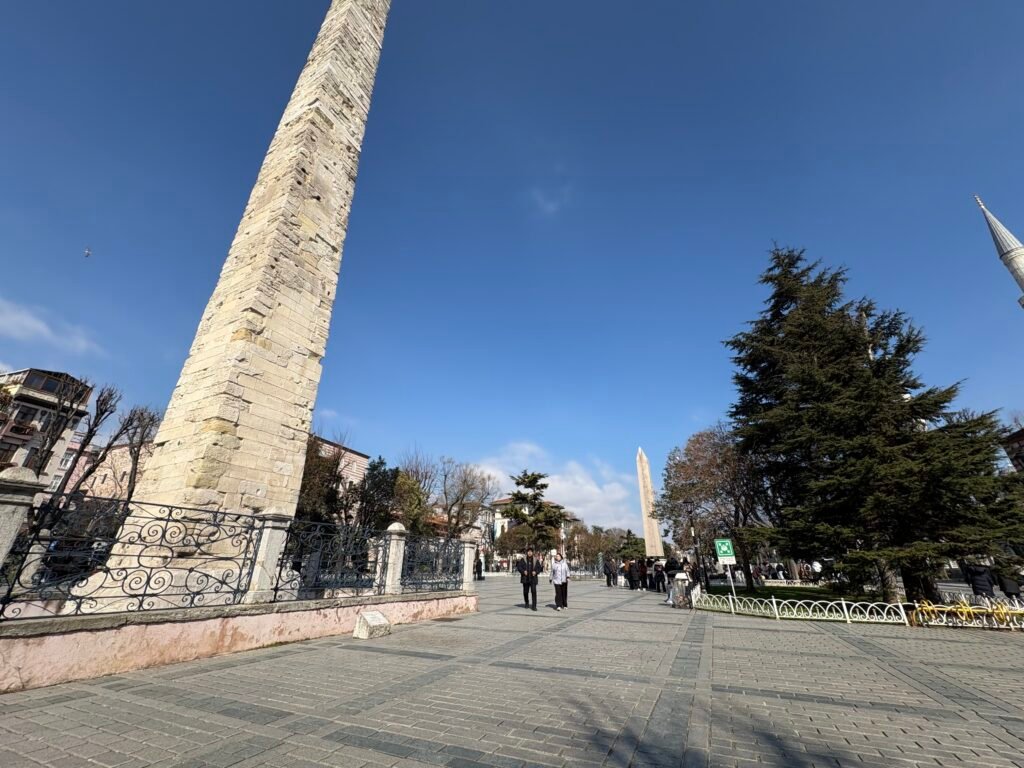
The Column of Constantine Porphyrogenitus, commonly called the Walled Obelisk, stands in Sultanahmet Square and dates to the 10th century. It was restored and commemorated by the Byzantine emperor Constantine VII Porphyrogenitus, whose name became associated with the monument. Built from carefully fitted limestone blocks rather than a single stone, it once had bronze plates covering its surface that reflected sunlight and made it appear like a shining metal tower.
Originally erected in the Hippodrome of Constantinople as a decorative monument for chariot-race ceremonies and imperial celebrations, the bronze covering was later removed—probably during the Fourth Crusade in 1204, when many metal objects in the city were melted down. Today the rough stone core remains, making it the simplest-looking of the Hippodrome monuments but still an important reminder of Byzantine engineering and the ceremonial life of the ancient square.
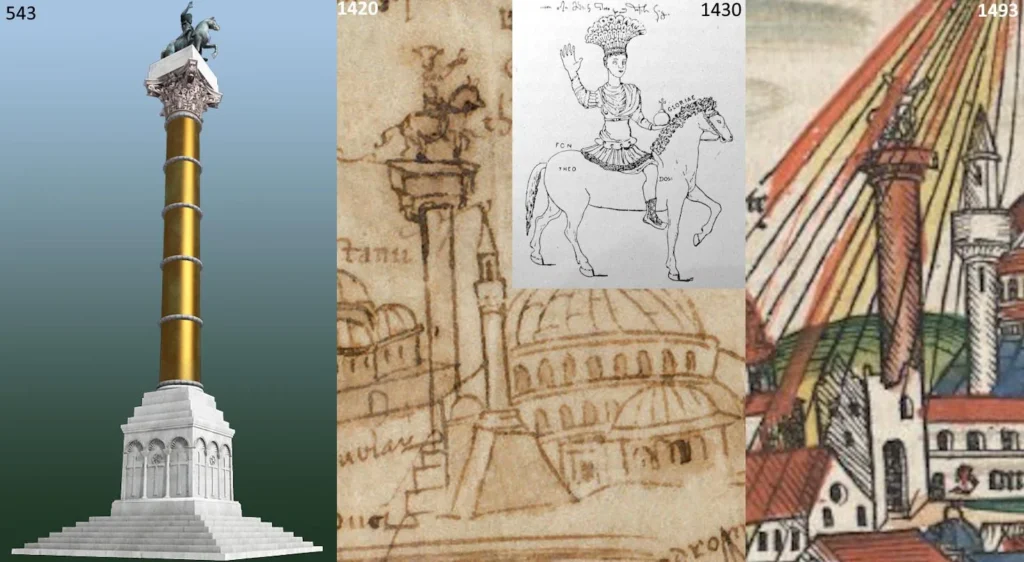
Many impressive monuments that once stood in the Hippodrome of Constantinople (today’s Sultanahmet Square) have disappeared. The most famous are the bronze Horses of Saint Mark, now displayed at St. Mark’s Basilica in Venice after being taken during the Fourth Crusade in 1204. The Hippodrome also featured statues of emperors such as Justinian I, monuments to victorious charioteers, pagan gods from the Greek and Roman world, and large bronze quadriga (four-horse chariot) sculptures. Many of these artworks were looted, destroyed, or melted down over the centuries. Although only a few monuments survive today, historical sources describe the Hippodrome as once being richly decorated with treasures gathered from across the empire.
The famous Nika Riots began in the Hippodrome of Constantinople (today Sultanahmet Square) in 532 CE during the reign of the Byzantine emperor Justinian I. The Hippodrome was not only a stadium for chariot races but also a political gathering place where rival fan groups — the Blues and the Greens — expressed public opinion. After tensions with the government, both factions united and began shouting “Nika!” (“Victory”), turning a sporting rivalry into a massive rebellion against imperial authority.
The riots spread across the city for nearly a week, leading to fires and destruction, including the earlier church on the site of today’s Hagia Sophia. Justinian at first considered fleeing, but according to historical sources his wife Theodora (wife of Justinian I) persuaded him to stay and fight. Imperial troops eventually trapped the rebels inside the Hippodrome and suppressed the uprising, killing tens of thousands of people. After the revolt, Justinian rebuilt the city on a grand scale, including the construction of the present Hagia Sophia, making the riots a turning point in Byzantine history.
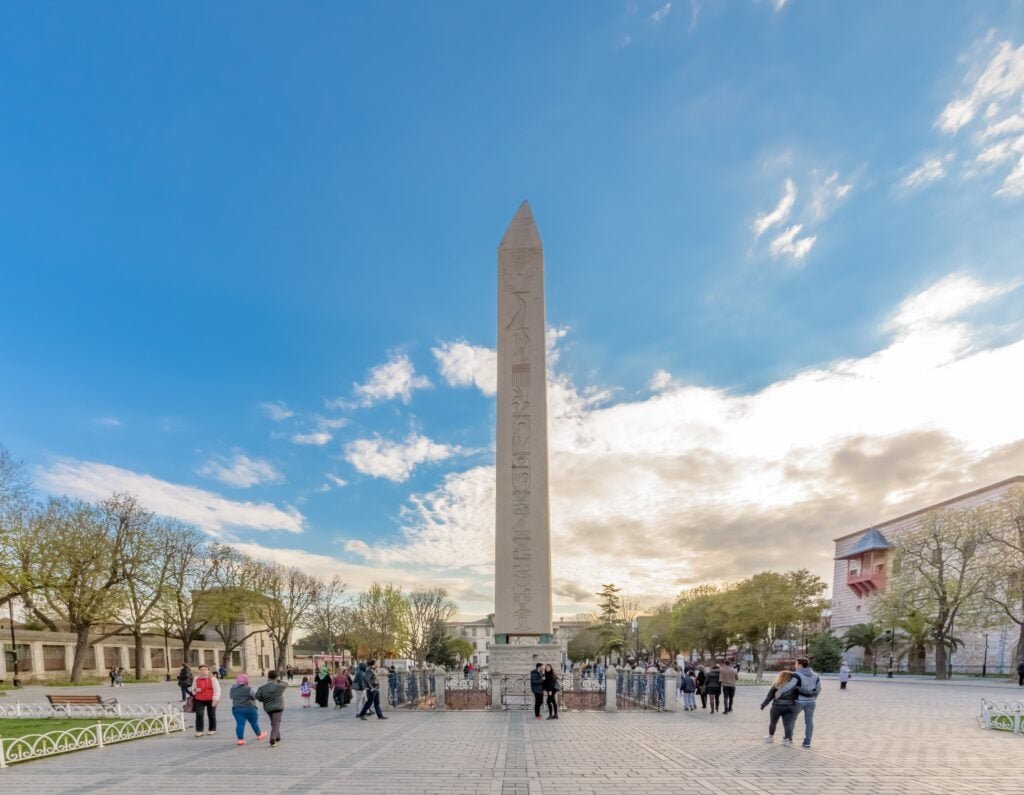
Today, the Hippodrome survives as Sultanahmet Square, one of Istanbul’s most important historic spaces. While the stadium seating has disappeared, the ancient track remains legible. Visitors can still see the Obelisk of Theodosius, the Serpent Column, and the Walled Obelisk standing along the original racecourse. Pavement outlines trace the Hippodrome’s footprint, allowing travelers to stand exactly where chariots once thundered past cheering crowds.

Explore the Hippodrome of Constantinople with Gate to Türkiye and experience one of Istanbul’s most powerful historical sites. Walk the ancient racecourse, uncover the stories behind its surviving monuments, and learn how emperors, crowds, and rival factions shaped history here. With Gate to Türkiye, Sultanahmet Square becomes more than a stop on your itinerary—it becomes a journey into the political, cultural, and sporting life of ancient Constantinople.