


Christian History
16 Minute
Balat: Golden Horn Quarter Where Religions Shared the Same Streets

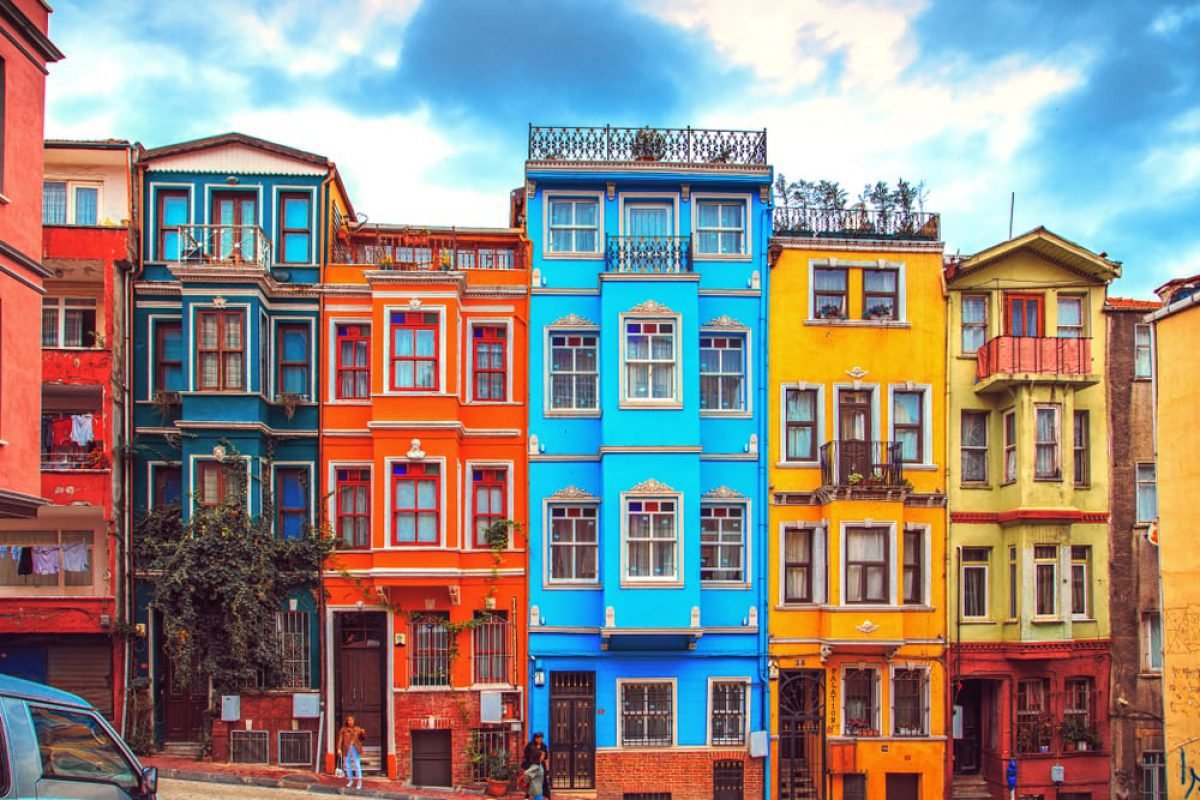
Tucked along the shores of the Golden Horn, Balat is one of Istanbul’s most fascinating historic neighborhoods — a place where Armenian churches, centuries-old synagogues, mosques, and Ottoman wooden houses stand side by side.
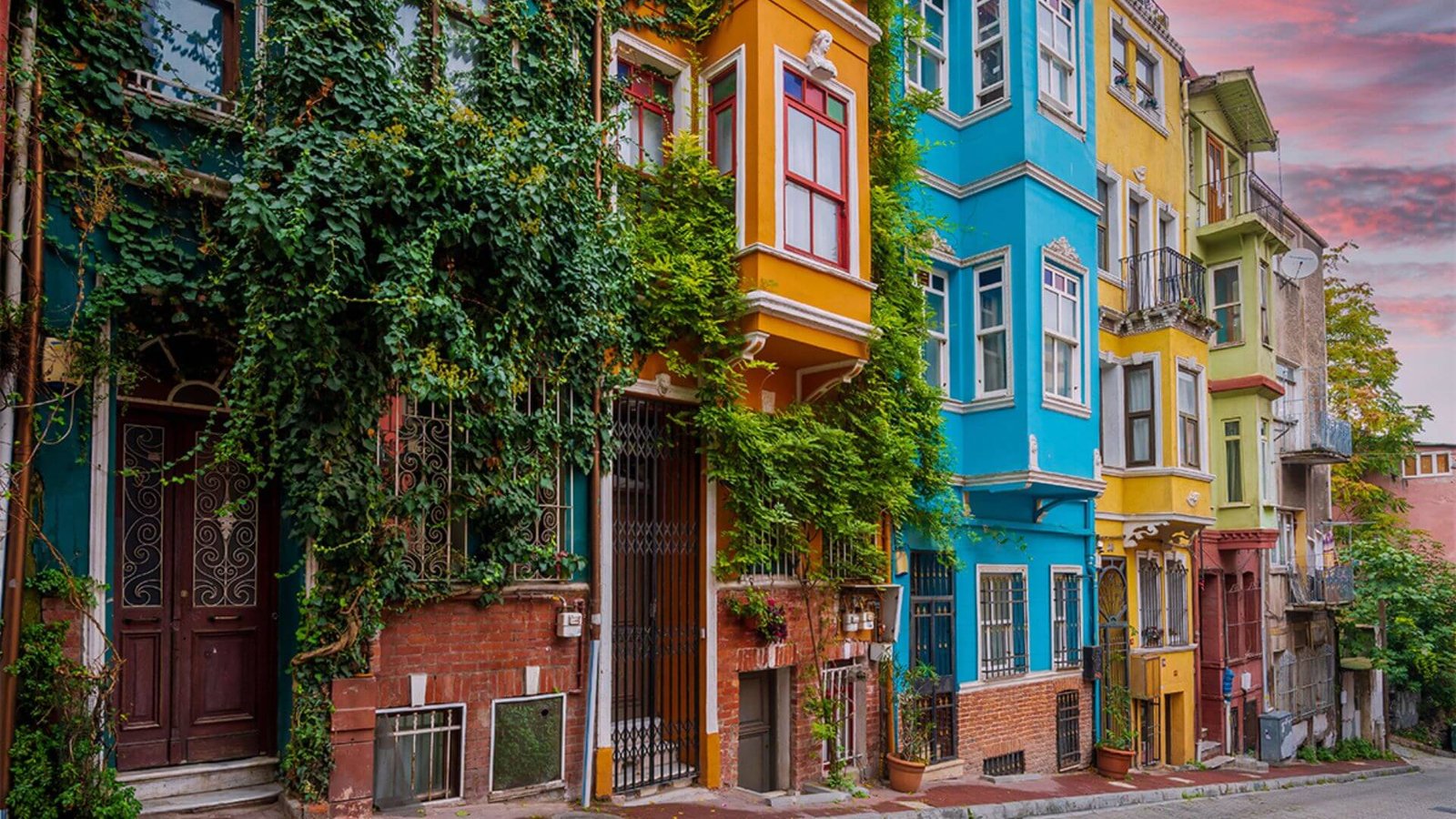
A Neighborhood Built on Diversity
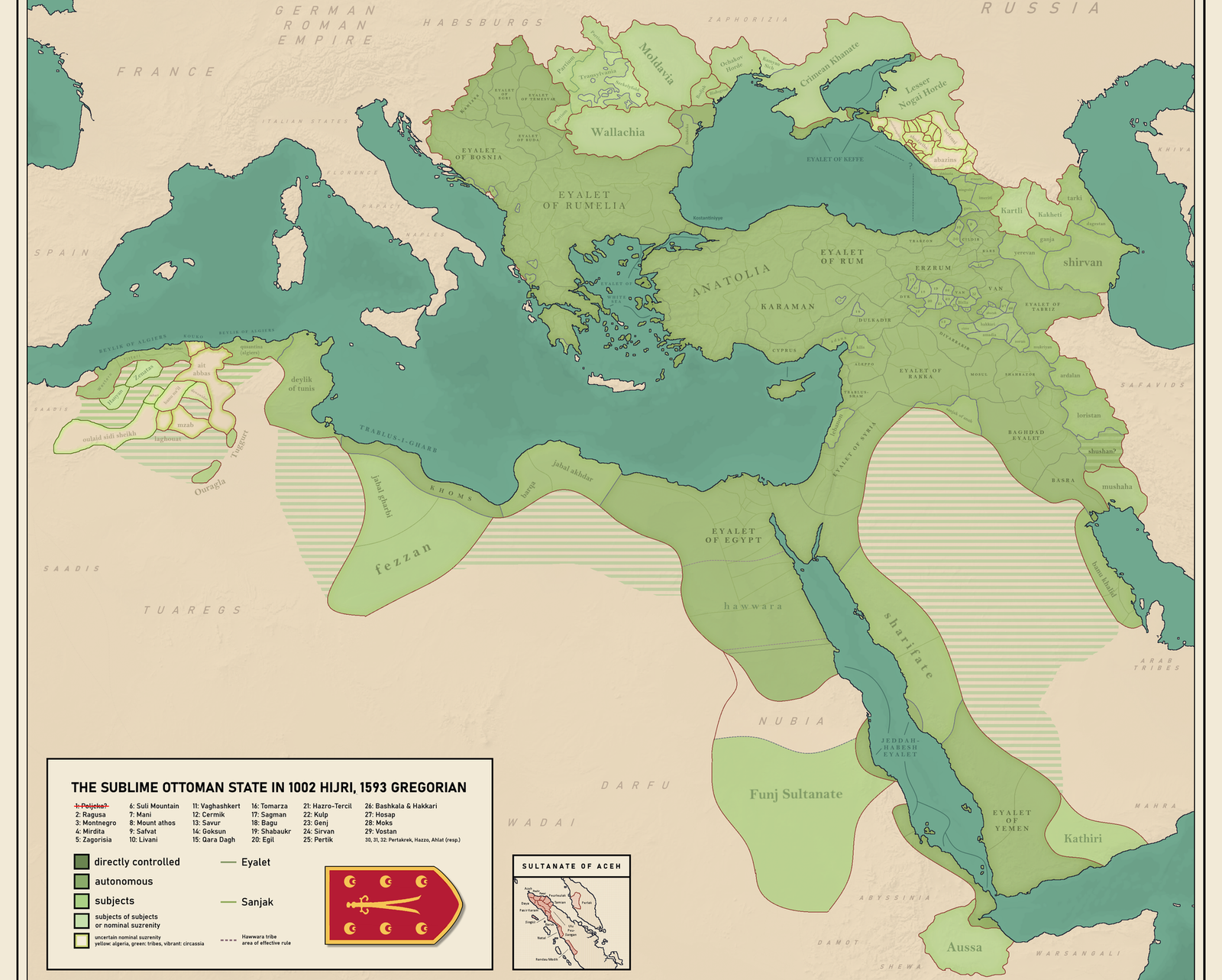
After the Ottoman conquest of Constantinople in 1453, the city was repopulated with diverse communities. The Ottomans did not aim to create a religiously uniform capital. Instead, they intentionally resettled different faith groups across neighborhoods.
Balat, located on the western shore of the Golden Horn in today’s Fatih district, gradually became:
- The main Jewish quarter of Istanbul
- Home to Armenian families and craftsmen
- Neighbor to the Greek Orthodox center of Fener
By the 16th century, Balat had developed into one of the empire’s most dynamic multi-faith districts. Religious buildings were not hidden — they were visible, functional parts of everyday life.
The Jewish Heart of Ottoman Istanbul
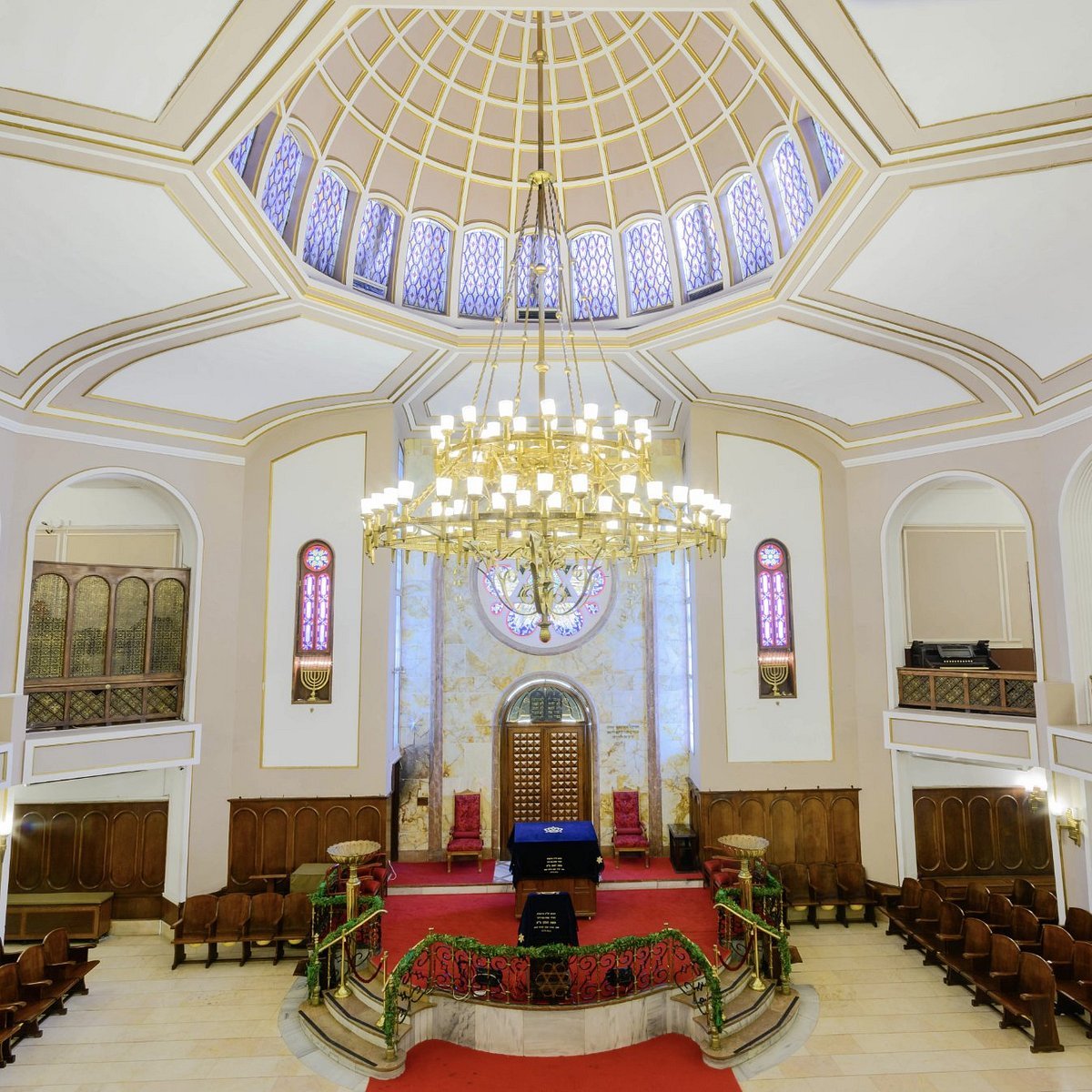
Balat’s transformation accelerated in 1492, when Sultan Bayezid II welcomed Jews expelled from Spain during the Spanish Inquisition. Thousands of Sephardic Jews settled in Ottoman lands, and many made Balat their home.
At its peak, the neighborhood contained around 18 synagogues, each often associated with a specific community of origin.
Ahrida Synagogue
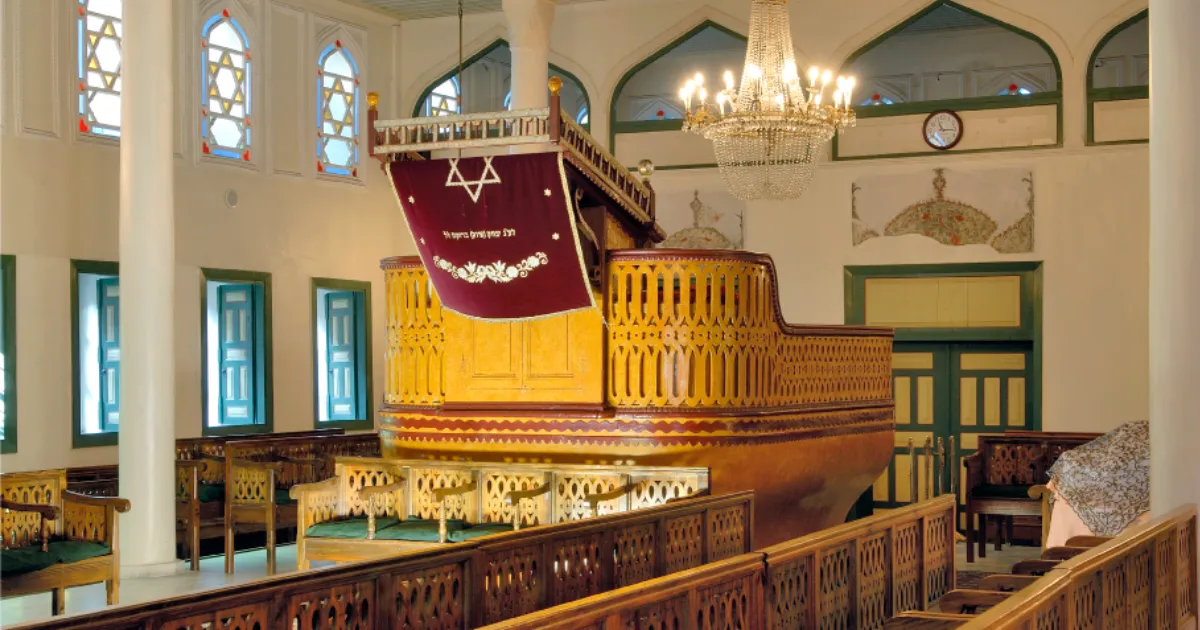
One of the most remarkable is the Ahrida Synagogue, founded in the 15th century by Romaniote Jews (Greek-speaking Jews of the Byzantine world).
Its most famous feature is the boat-shaped bimah (reading platform), symbolizing either Noah’s Ark or the ships that carried Sephardic Jews safely to Ottoman lands.
These synagogues were not only places of worship. They functioned as:
- Community centers
- Educational institutions
- Social welfare hubs
Balat became a center of Jewish intellectual life, commerce, and craftsmanship for centuries.
Armenian Churches and Community Life
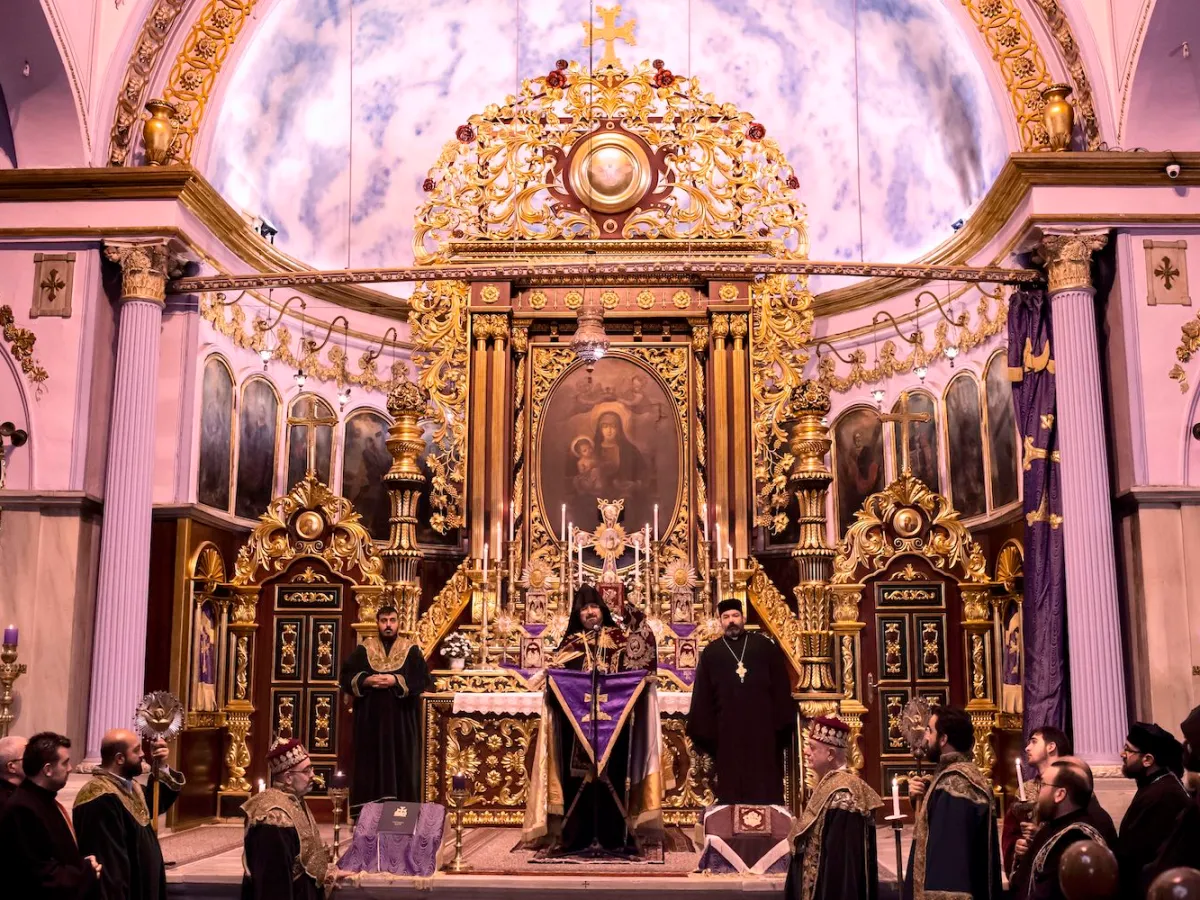
While Balat is often associated with Jewish history, Armenian families also lived and worked in the district and surrounding Golden Horn neighborhoods.
Armenians were among the most influential communities in Ottoman Istanbul — active as:
- Architects
- Bankers
- Artisans
- Administrators
Armenian churches in and around the area, such as Surp Hresdagabet Armenian Church, served as spiritual and social anchors. Like synagogues, these churches were closely tied to schools and charitable foundations.
Another structure reflecting the area’s layered past is the Kefeli Mosque, originally a Byzantine church, later used by different Christian communities before its conversion into a mosque in the Ottoman period. Its story reflects the architectural continuity and transformation typical of Istanbul.
Understanding the Ottoman Millet System
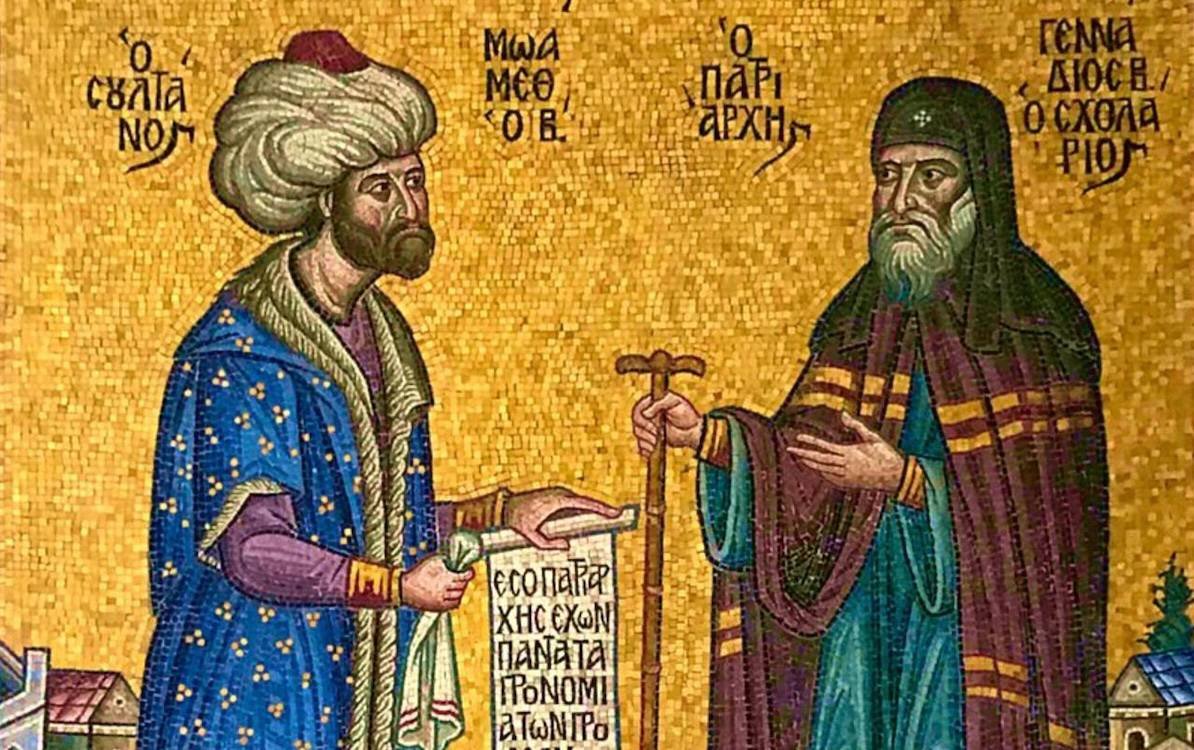
To fully understand Balat, one must understand the millet system of the Ottoman Empire.
The Ottoman state governed its non-Muslim populations through officially recognized religious communities known as millets. The three main non-Muslim millets were:
- Greek Orthodox (Rum)
- Armenian
- Jewish
Rather than forcing religious assimilation, the empire organized society according to faith identity.
What Did This Mean in Practice?
Each millet had:
- Its own religious leader (Patriarch or Chief Rabbi)
- Authority over marriage, divorce, and inheritance
- Control over schools and religious institutions
- Responsibility for collecting certain taxes
This system granted significant internal autonomy while maintaining overall imperial authority.
Balat was not a “ghetto” in the European sense. It was a communal quarter shaped by administrative logic, economic networks, and shared religious institutions. Muslims, Jews, and Christians interacted daily through trade and urban life.
The neighborhood thus became a physical expression of Ottoman pluralism.
Decline and Transformation in the 20th Century
By the late 19th and early 20th centuries, fires, modernization, migration, and political changes transformed the district.
- Many Jewish families moved to Galata and later to other parts of Istanbul.
- Population exchanges and nationalist movements reduced Christian populations.
- Economic shifts altered the character of the Golden Horn.
Balat entered a quieter period — until recent decades, when restoration projects and UNESCO recognition revived interest in its heritage.
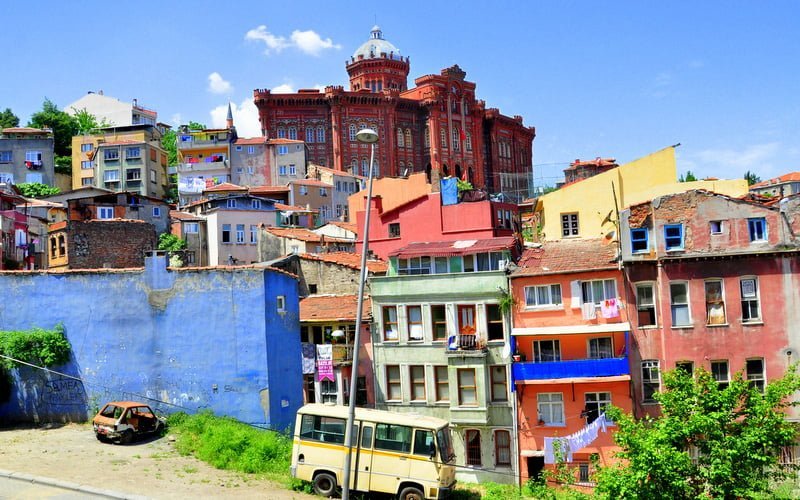
Today, its wooden Ottoman houses and religious monuments are protected as part of Istanbul’s historic peninsula.
Visiting Balat Today: A Living Archive
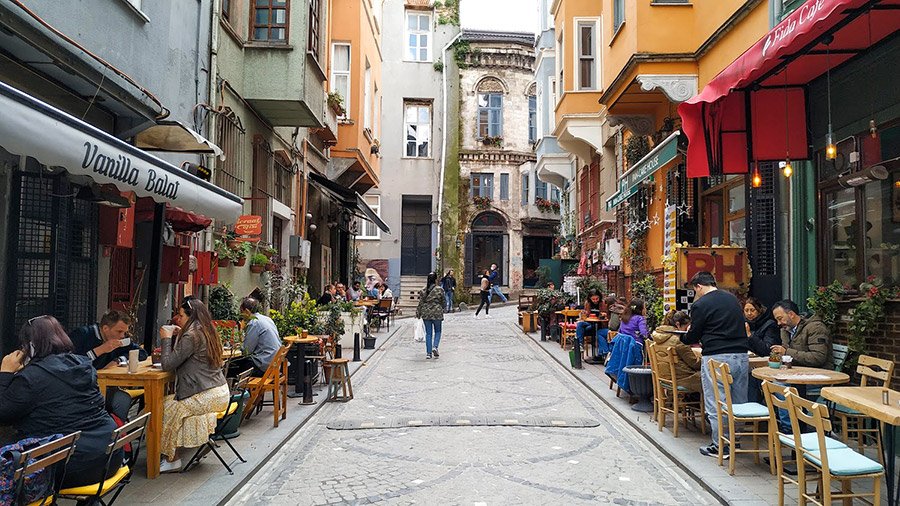
Walking through Balat today means walking through centuries of coexistence.
You might:
- See a synagogue behind a modest façade
- Hear church bells echo near a mosque
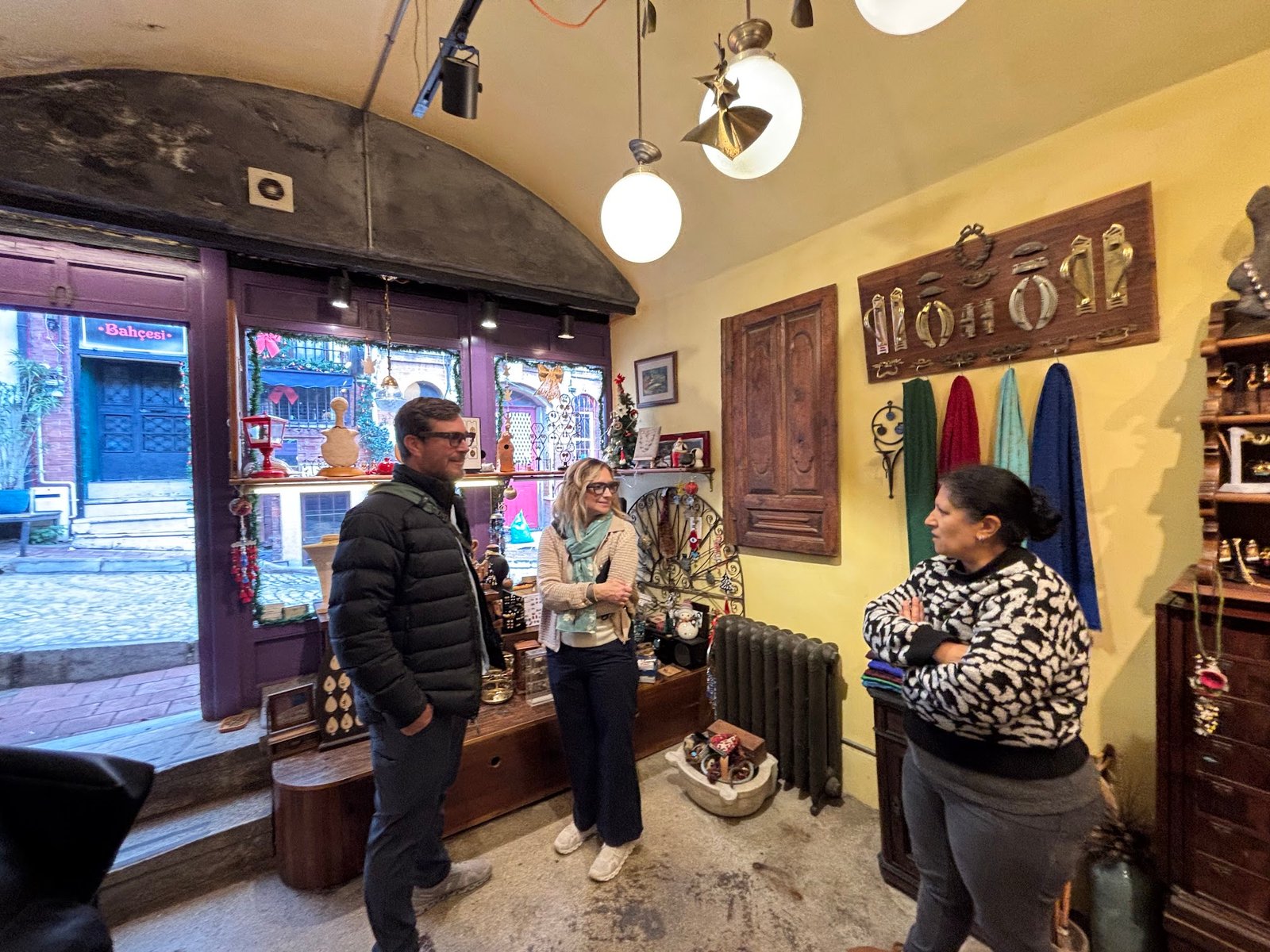
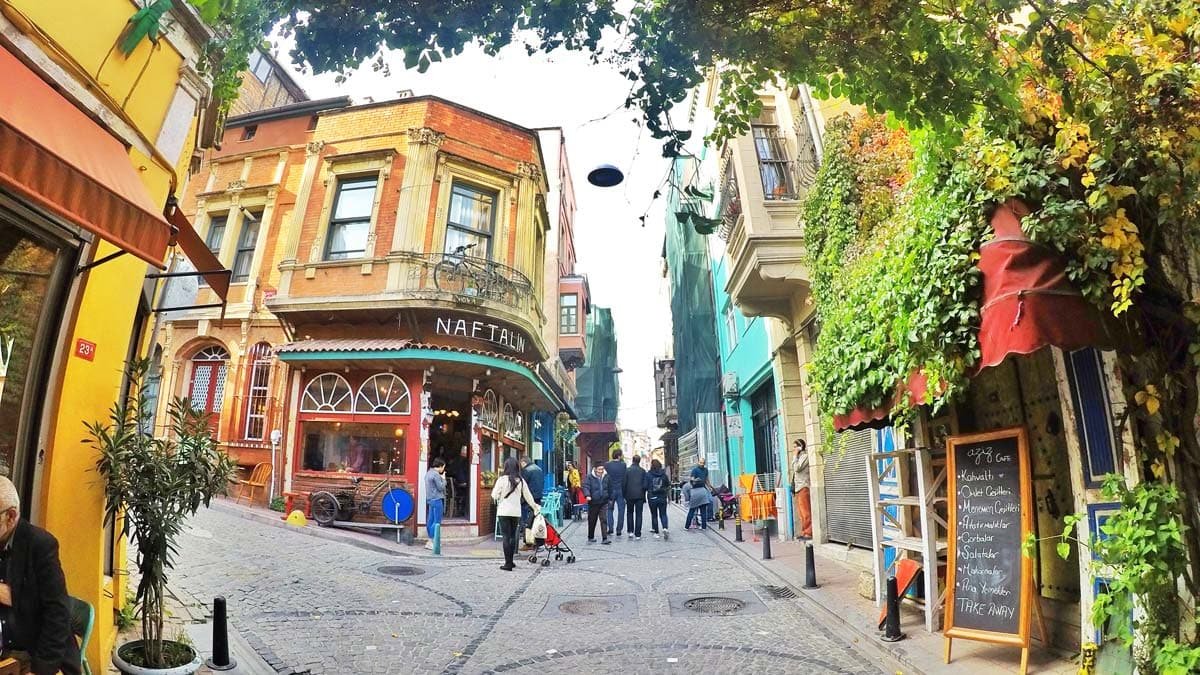
- Pass restored 19th-century houses painted in bright pastels
Balat is not an open-air museum. It is still a living neighborhood — layered, complex, and continuously evolving.
For cultural travelers, it offers something rare:
not just architecture, but a story of how different faiths once lived side by side under a unique imperial system.
Why Balat Matters for Cultural Tourism
Balat represents:
- The Sephardic Jewish refuge story after 1492
- The Armenian presence in Ottoman urban life
- The administrative innovation of the millet system
- The multicultural foundations of Istanbul
In a world often defined by division, Balat reminds visitors that coexistence — though imperfect — shaped one of history’s greatest cities.
Discover More with Gate to Türkiye
If you’re planning to explore Istanbul beyond the iconic landmarks, include Balat in your itinerary.
It is here, along the Golden Horn, that the layers of Byzantine, Ottoman, Jewish, Armenian, and modern Turkish history intersect in the most human way possible.
Because in Balat, history is not only remembered — it is still standing.
Get In Touch
Tagged with :