


Hidden Gems
19 Minute
All in One Istanbul Tour– Two Continents, One City

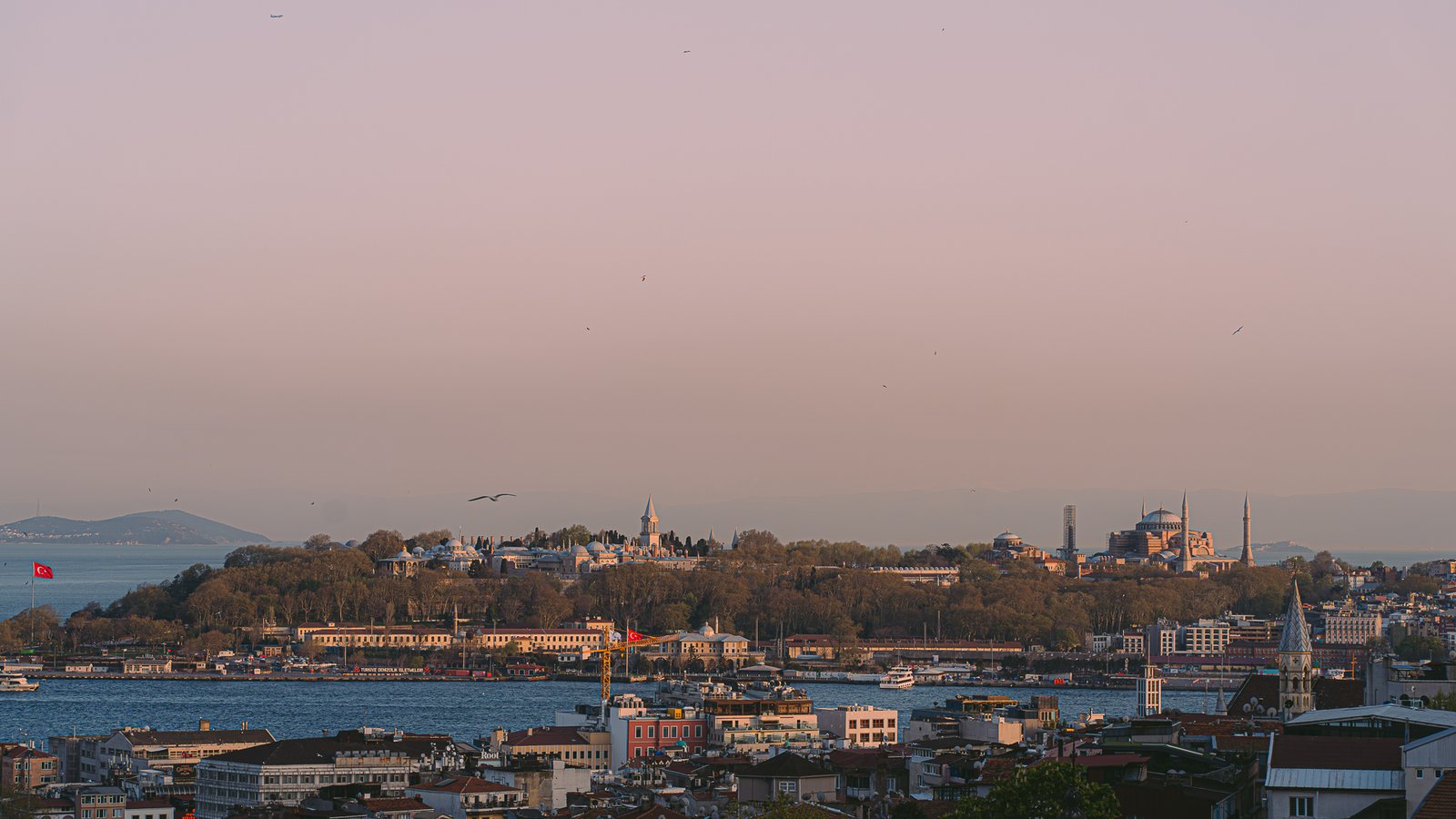
Istanbul is not just a city of monuments — it is a city of layers. Empires, faiths, cultures, and modern life coexist across two continents.
All in One Istanbul – Two Continents, One City connects the imperial Old City, the living neighborhoods of Fener and Balat, the contemporary energy of Kadıköy, and the cosmopolitan legacy of Beyoğlu in one seamless journey.
Itinerary
Old City: Where Empires Ruled
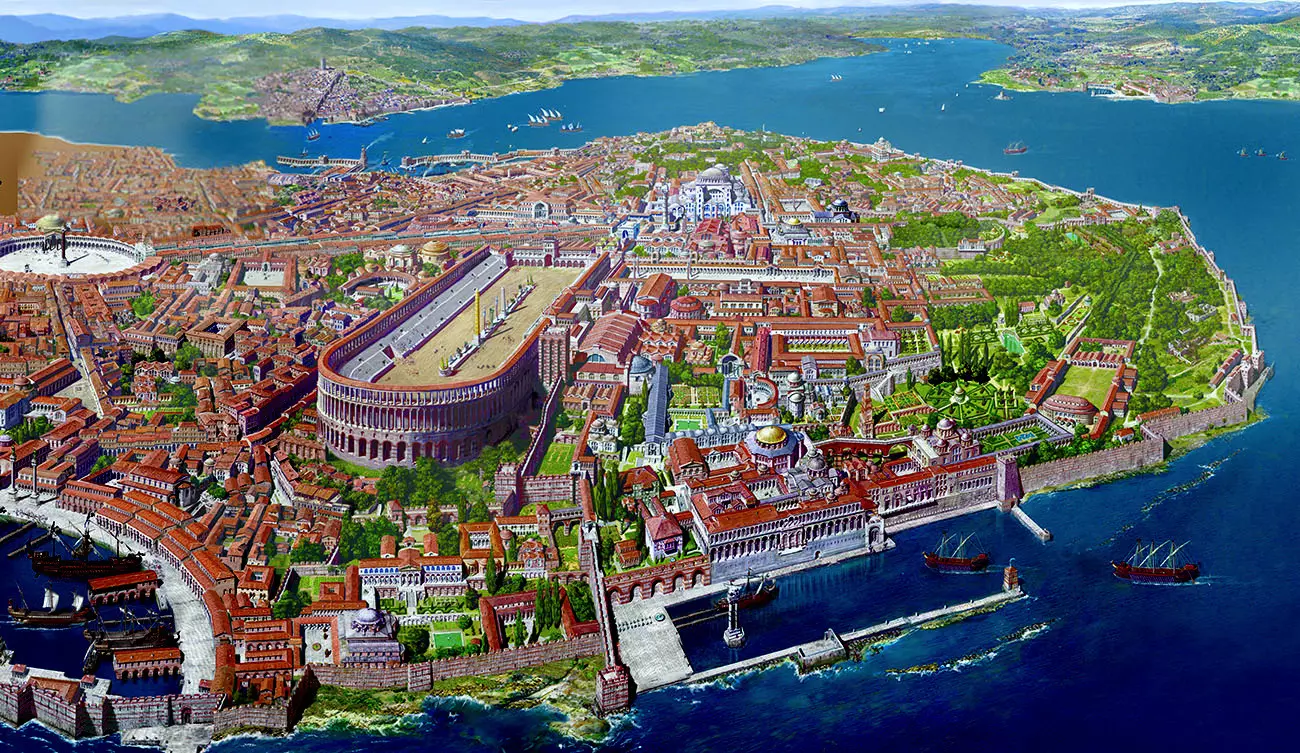
We begin in Sultanahmet Square, the ancient Hippodrome of Constantinople — once the political and social center of the Byzantine Empire.
Hippodrome of Constantinople
Explore the political and social center of the Byzantine Empire. We will examine the Obelisk of Theodosius, the Serpent Column, and the German Fountain while discussing chariot races, imperial ceremonies, and urban life in Late Antiquity.
Blue Mosque
Discover the architectural brilliance of the 17th century Ottoman classical period. We’ll explore its symbolism, İznik tiles, imperial patronage, and the religious importance of the mosque.
Hagia Sophia
A masterpiece of world architecture. Built as a church in 537 AD, converted into a mosque, later a museum, and again a mosque — Hagia Sophia embodies Istanbul’s layered identity. We will analyze its dome engineering, mosaics, Islamic calligraphy, and political significance through centuries.

Fener & Balat: Colors, Faith & Communities
From imperial grandeur, we move into living neighborhoods.
Fener – Greek Orthodox Patriarchate
Visit the Ecumenical Patriarchate of Constantinople, spiritual center of Eastern Orthodoxy. Learn about the Ottoman millet system, religious minorities, and the complex history of Istanbul’s Greek community.
Balat Neighborhood
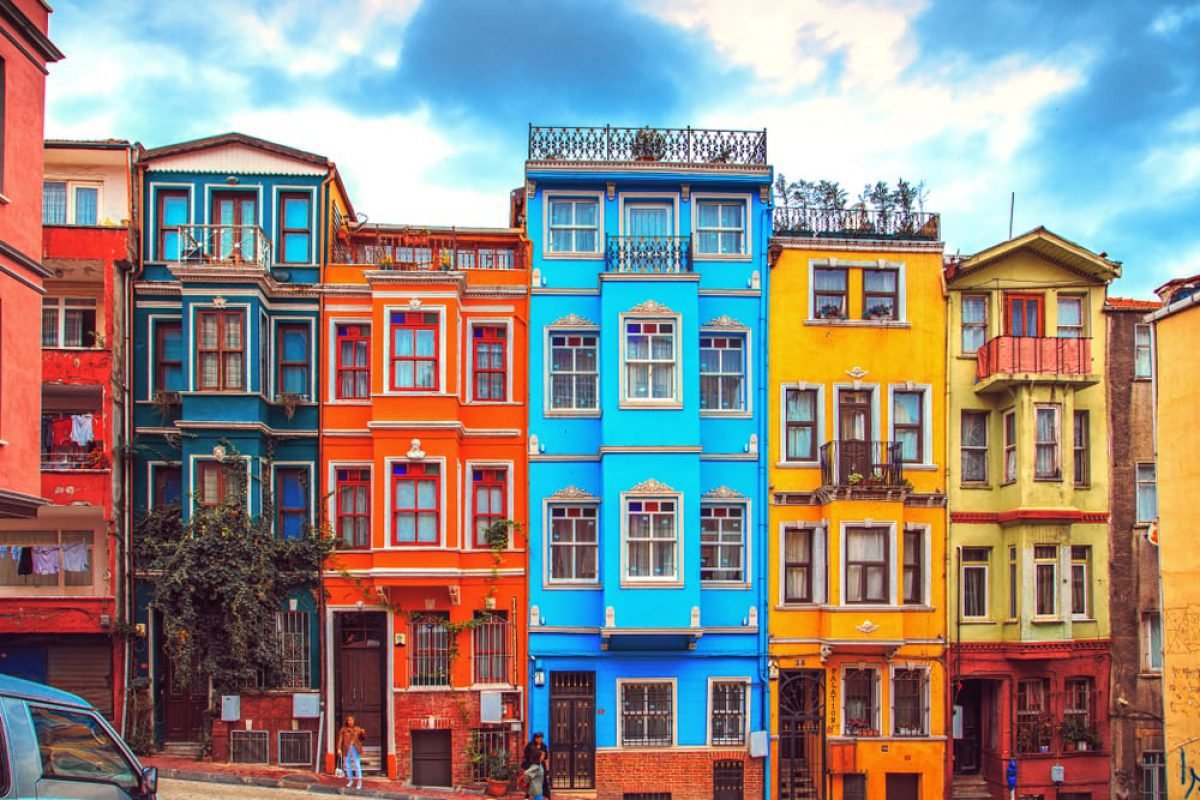
Wander through narrow streets filled with vibrant houses, artisan cafés, and historical synagogues. We’ll discuss the Jewish heritage of the district and its transformation over time.
Bulgarian Iron Church (St. Stephen Church)
A unique 19th-century prefabricated cast-iron church, shipped piece by piece from Vienna. Its story reflects nationalism, identity, and diplomacy within the Ottoman Empire.
Kadıköy: The Soul of the Asian Side
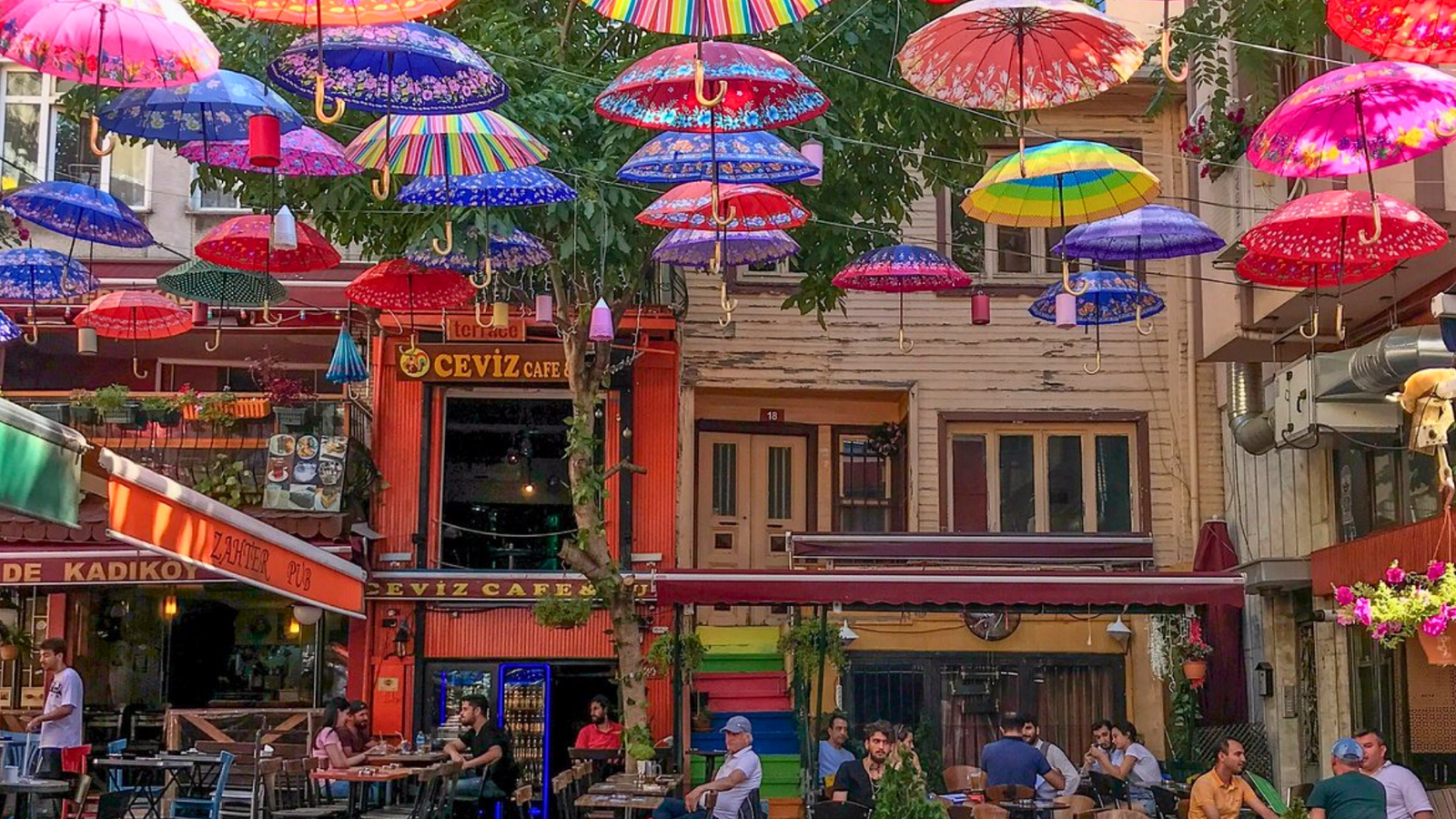
After crossing the Bosphorus, we step into a different rhythm of Istanbul. Kadıköy represents the city’s contemporary pulse — less imperial, more intimate; less monumental, more lived-in.
Kadıköy Market & Food Culture
We walk through the historic Kadıköy Çarşı, a vibrant market district where fishmongers, spice vendors, pickle shops, and third-generation delicatessens coexist with modern coffee roasters and craft bakeries. This area reflects Istanbul’s culinary continuity — from Ottoman meze traditions to modern Turkish gastronomy.
Here we discuss:
- The evolution of Istanbul’s food culture
- Anatolian migration and its influence on urban cuisine
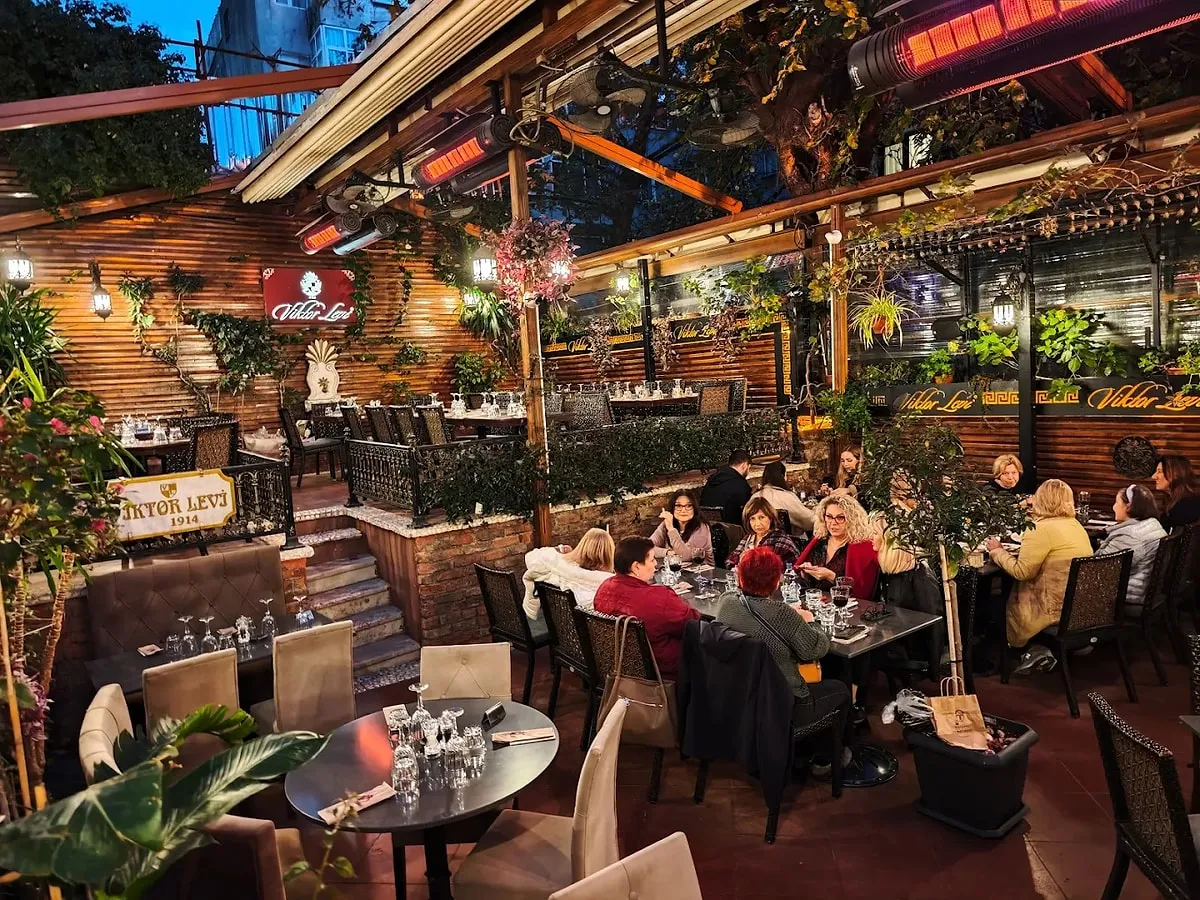
- Rakı culture and meyhane traditions
- The role of neighborhood markets in daily Turkish life
Street Art & Independent Spirit
Kadıköy, especially the Yeldeğirmeni area, has become a canvas for large-scale murals and contemporary street art. This artistic transformation mirrors the district’s youthful, progressive atmosphere.
Boutique bookstores, vinyl shops, design ateliers, and independent fashion stores illustrate a side of Istanbul shaped by students, artists, and intellectual communities.
Everyday Istanbul Beyond the Monuments
Unlike Sultanahmet or Galata, Kadıköy is not built around imperial symbolism. It is built around daily life.
We observe:
- Tea houses filled with retirees playing backgammon
- Young professionals working remotely in cafés
- Fish restaurants preparing for evening service
- Local ferry commuters moving between continents
This is Istanbul without spectacle — authentic, dynamic, and deeply human.
Cultural & Political Contrasts
Kadıköy is often perceived as more secular and socially liberal compared to many districts on the European side. This allows us to discuss:
- The socio-political geography of Istanbul
- Urban voting patterns and identity
- The symbolic divide — and unity — between Europe and Asia
Kadıköy offers a contemporary lens through which to understand modern Türkiye.
Back to Europe: Beyoğlu & Rooftop Finale
Returning by ferry to Kabataş, we move from the local rhythm of Asia into the historic cosmopolitanism of Beyoğlu — formerly known as Pera.
If Sultanahmet represents imperial power, Beyoğlu represents diplomacy, finance, art, and Westernization.
Grande Rue de Pera (Istiklal Street)
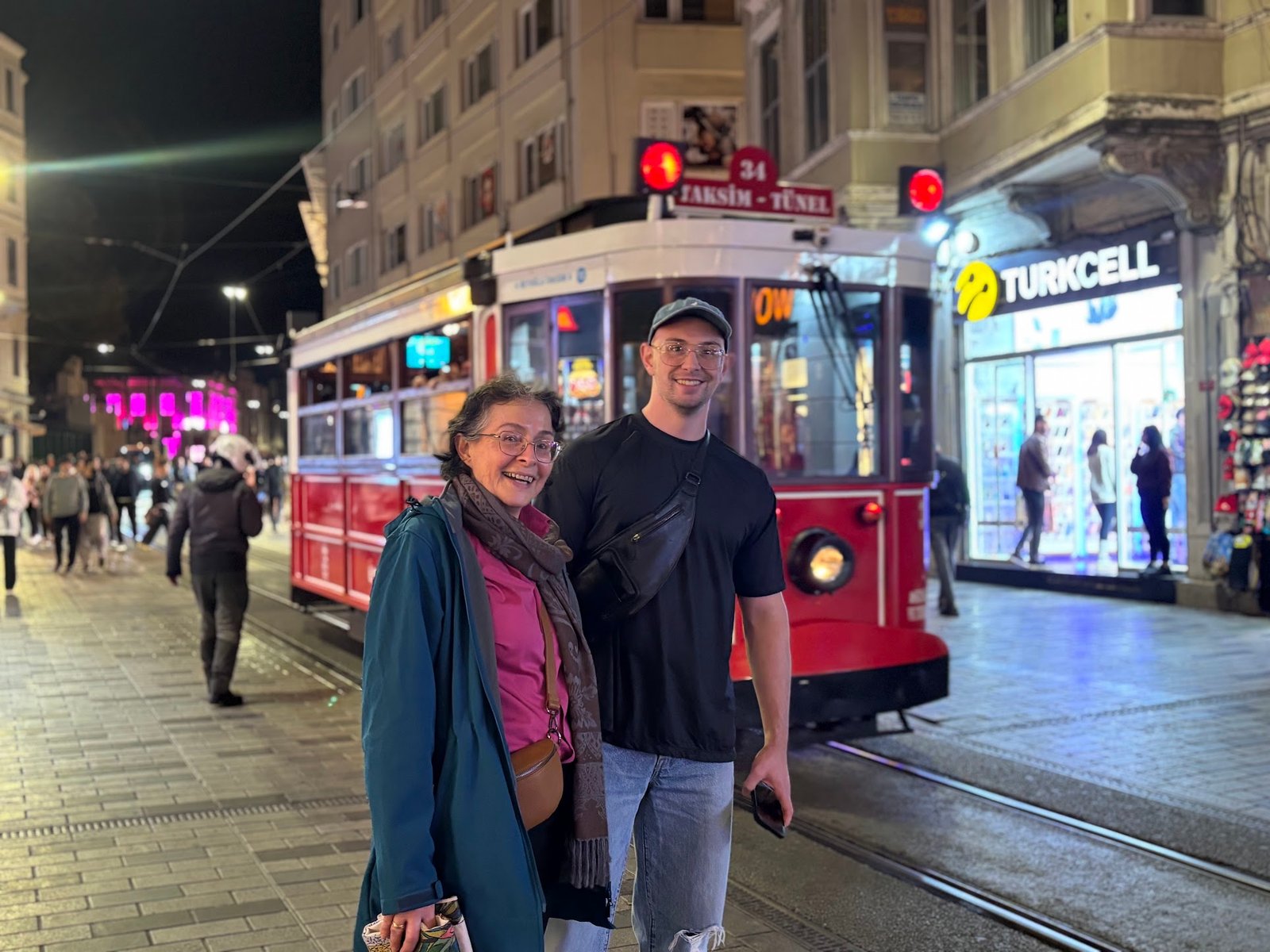
We walk along what was once the most European avenue of the Ottoman Empire. In the 19th century, this boulevard hosted embassies, theaters, luxury boutiques, and cafés frequented by diplomats, bankers, and intellectuals.
Here we explore:
- The Tanzimat reforms and Western influence
- The rise of Ottoman banking institutions
- The introduction of trams, cinemas, and modern entertainment
European Embassies & Levantine Culture
Beyoğlu was home to Levantines — Latin Catholic families of Italian and French descent who played major roles in trade and finance.
We discuss:
- Capitulations and foreign privileges
- The Galata bankers and Ottoman debt administration
- Cultural hybridity in architecture and lifestyle
This district reflects an Istanbul that was deeply integrated into European economic and cultural networks.
Galata Tower Area
Around Galata Tower, we revisit Genoese Constantinople and the medieval commercial colony that predated the Ottomans. The tower becomes a reference point to discuss maritime trade, fortifications, and the transformation of the skyline.
Stories of Modernization & Minorities
Beyoğlu tells stories of:
- Armenian and Greek entrepreneurs
- Jewish financiers
- European artists and writers
- The transformation of identity during the late Ottoman and early Republican periods
It is a district of reinvention — one that has experienced prosperity, decline, and revival.
Rooftop Conclusion: A City in Layers
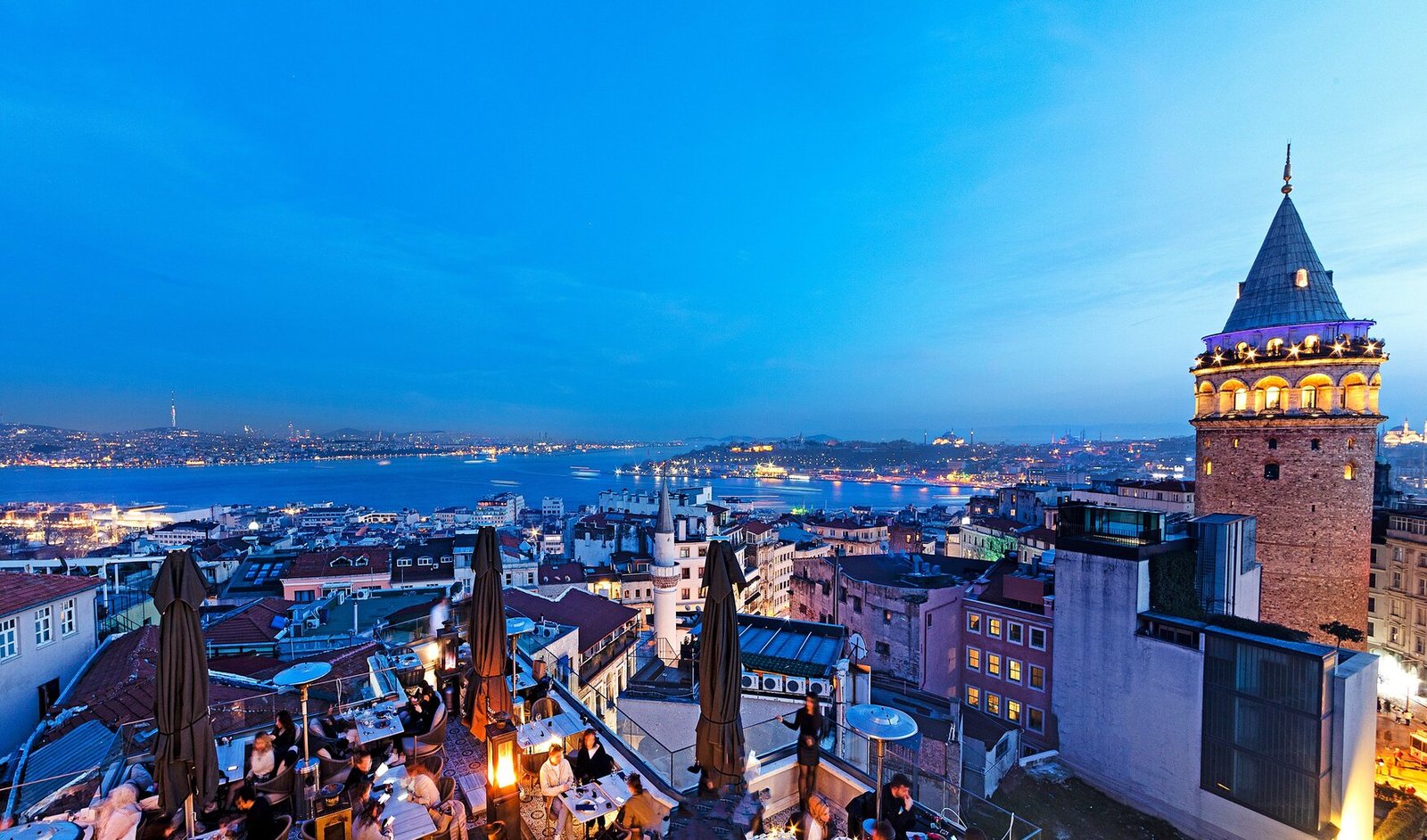
We end the tour at a carefully selected rooftop bar overlooking the Bosphorus and the Golden Horn. From above, the geography becomes clear:
- The Historic Peninsula
- The Bosphorus as lifeline
- The Asian hills
- The European skyline
This final moment allows us to synthesize the day:
Byzantine Constantinople.
Ottoman Istanbul.
Republican Türkiye.
Modern global metropolis.
Two continents.
Multiple faiths.
Countless identities.
One city.
Get In Touch
Ready to explore Istanbul across two continents in one unforgettable day?
Whether you’re visiting for the first time or returning with curiosity for deeper insight, this tour can be tailored to your interests, pace, and expectations.