


A 2,000-Year Story of Faith, Refuge, and Resilience
İstanbul is often described as a bridge between continents — but it is also a bridge between civilizations and faiths. Among the many communities that shaped the city’s identity, the Jewish community holds a unique and deeply rooted place in its history.
For nearly two millennia, Jews have lived in this city — under Roman rule, through the Byzantine era, across the Ottoman Empire, and into modern Turkey. Their story is one of adaptation, scholarship, commerce, exile, refuge, and cultural continuity.
Understanding Jewish culture in İstanbul means understanding the city itself.
The Jews of Roman and Byzantine Constantinople
Jewish presence in İstanbul dates back to Roman times. Long before the Ottoman conquest in 1453, Jewish communities were established in what was then called Byzantium and later Constantinople.
These early Jews, known as Romaniote Jews, spoke Greek and followed religious traditions distinct from later Sephardic communities. Under Byzantine rule, their status fluctuated between tolerance and restriction, but they remained a visible part of the city’s social and economic fabric.
By the time the Ottomans entered Constantinople, Jewish life was already centuries old.
The Ottoman Conquest and a New Era
When Sultan Mehmed II conquered the city in 1453, he sought to repopulate and revitalize it. Jews, along with Christians and Muslims, were encouraged to settle and contribute to the rebuilding of the capital.
Under the Ottoman millet system, Jews were recognized as a protected religious community. While they paid a special tax and did not enjoy full equality with Muslims, they were granted:
- Freedom of worship
- Community self-governance
- Religious courts
- Educational institutions
Compared to much of medieval Europe, the Ottoman Empire offered relative stability and security.
1492: The Sephardic Arrival
One of the most defining moments in Jewish İstanbul occurred in 1492.
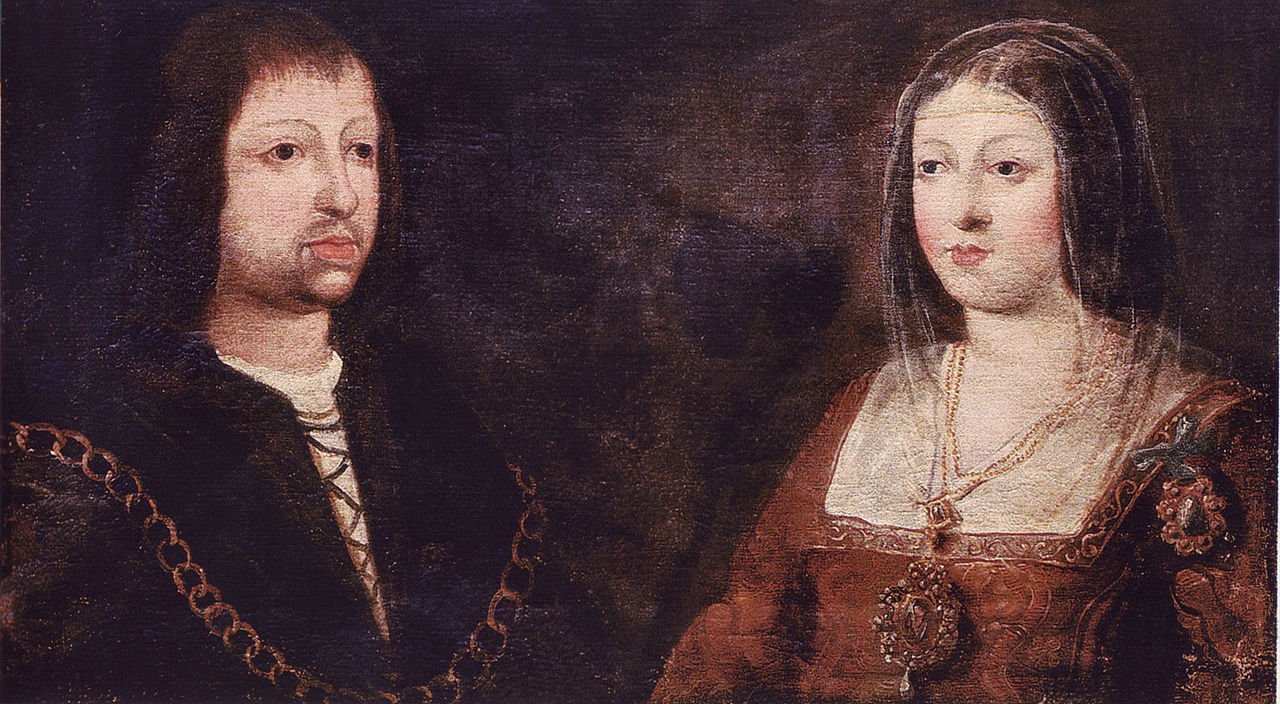
Following the Alhambra Decree issued by Ferdinand and Isabella of Spain, Jews were forced to convert or leave the country. Sultan Bayezid II welcomed these Sephardic Jews into Ottoman lands, reportedly sending ships to transport them safely.
Thousands settled in İstanbul, Salonica, and other Ottoman cities.
They brought with them:
- The Ladino language (Judeo-Spanish)
- Advanced knowledge of trade and finance
- Printing technology
- Medical expertise
- Strong Mediterranean trade networks
Their arrival transformed Jewish life in İstanbul and strengthened the empire’s economic and cultural life.
Jewish Neighborhoods of İstanbul
Over the centuries, Jewish communities settled in several districts of the city.
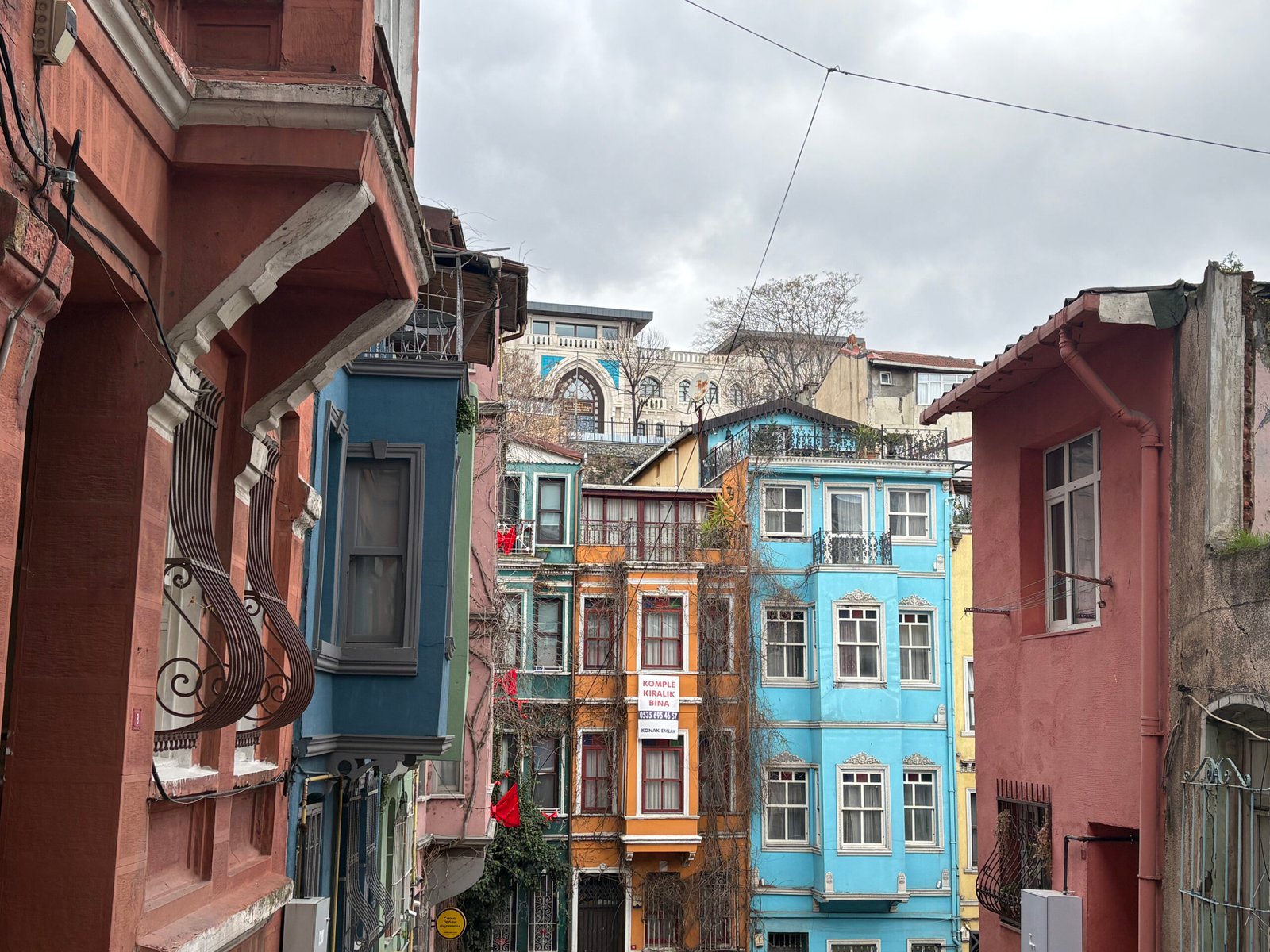
Balat
Located along the Golden Horn, Balat became one of the most important Jewish quarters. Narrow streets, colorful houses, and historic synagogues still reflect its layered past.
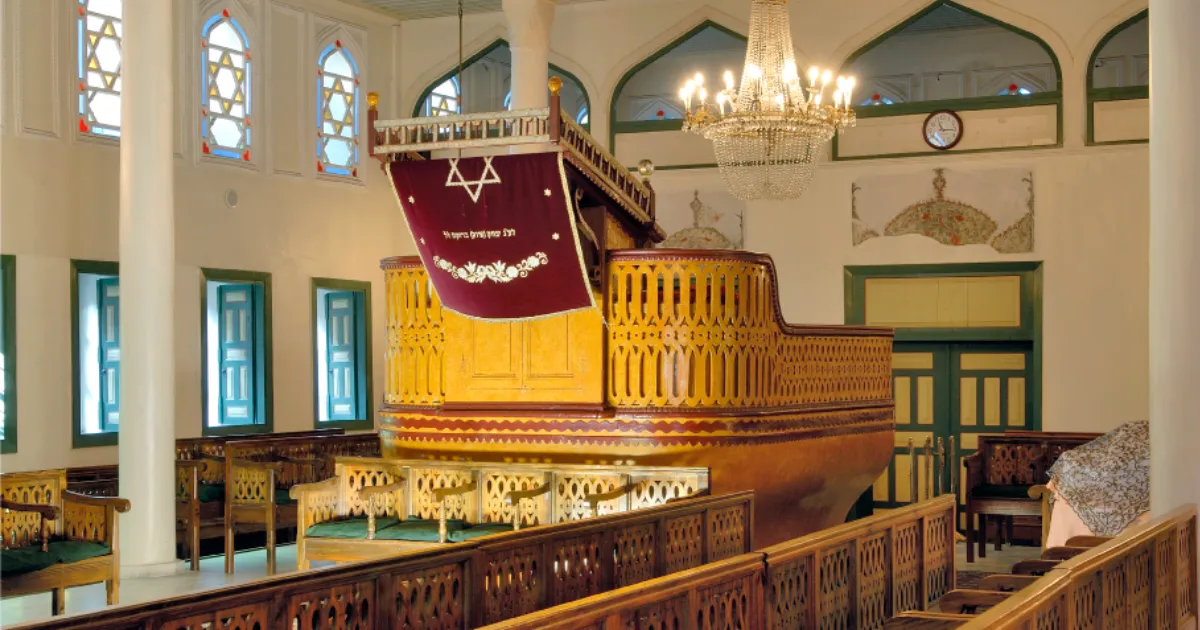
The Ahrida Synagogue, dating back to the 15th century, remains one of the city’s most significant Jewish landmarks.
Galata & Beyoğlu
As commerce expanded in the 19th century, many Jewish families moved to Galata, a financial and diplomatic center. Influential Jewish banking families such as the Camondos played a role in Ottoman modernization.
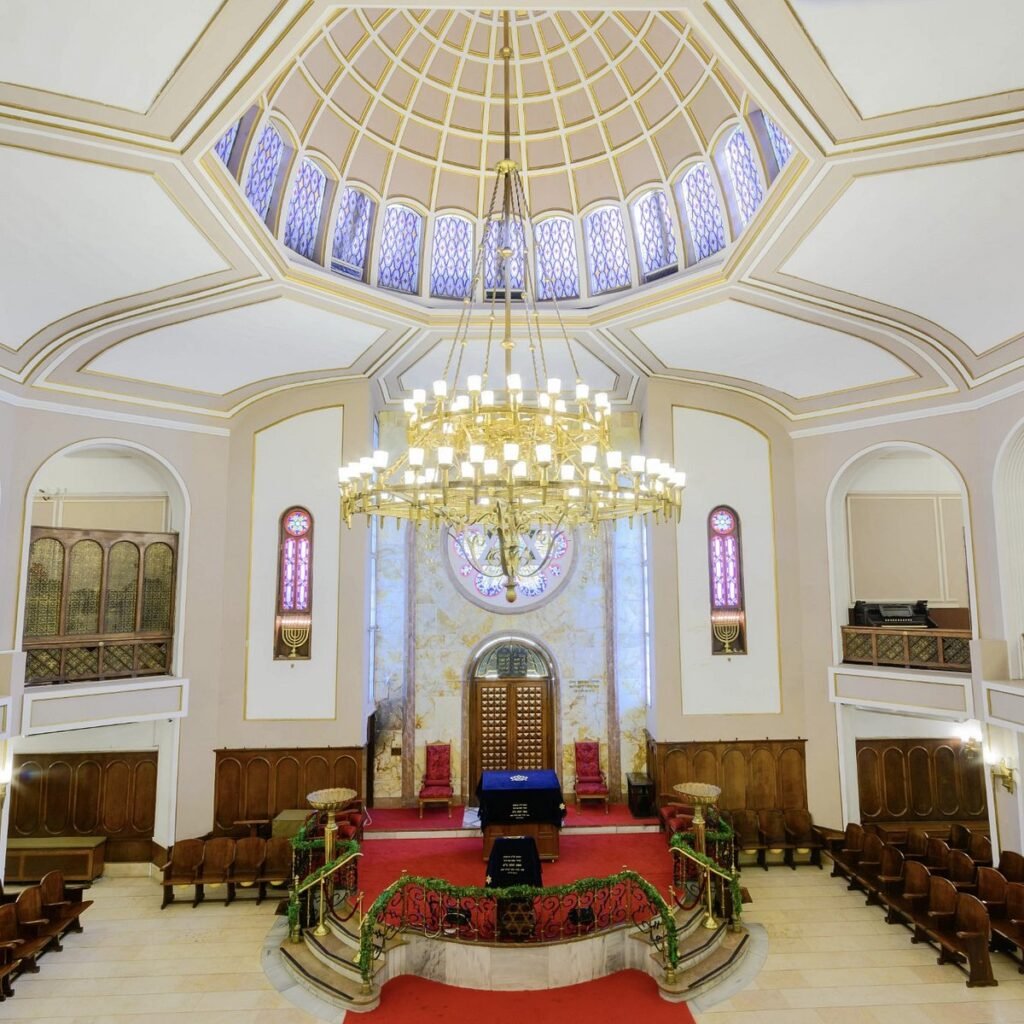
The Neve Shalom Synagogue, built in 1951, stands today as the largest active synagogue in Turkey and symbolizes the continuity of Jewish life in modern İstanbul.
Ortaköy
Along the Bosphorus, Ortaköy became home to a vibrant Jewish community during the Ottoman period. The Etz Ahayim Synagogue reflects the prosperity and integration of Jewish families in this district.
Kuzguncuk
On the Asian side of İstanbul, Kuzguncuk is known for its peaceful coexistence of religious communities. Once a predominantly Jewish neighborhood, it is home to the Bet Yaakov and Bet Nissim Synagogues, representing 19th-century Bosphorus Jewish life.
Language, Traditions, and Daily Life
Jewish culture in İstanbul is not defined only by architecture. It is expressed through:
- The Ladino language, preserved for centuries after 1492
- Sephardic music and oral traditions
- Culinary heritage such as borekas and traditional Sabbath dishes
- Religious festivals and synagogue life
For generations, Jewish families balanced integration into Ottoman and later Turkish society while maintaining strong communal identity.
Safety and Status in the Ottoman Empire
While Jews in the Ottoman Empire were not equal to Muslims under Islamic law, they were legally recognized and protected. Compared to the expulsions, pogroms, and forced conversions common in parts of medieval Europe, Ottoman lands often provided a more secure environment.
Jewish communities flourished in trade, medicine, diplomacy, and craftsmanship. Many served as physicians to sultans, translators in foreign affairs, and key figures in international commerce.
The Ottoman approach was pragmatic: diversity strengthened the empire.
Jewish Life in Modern İstanbul
In the 20th century, migration and global political changes reduced the size of İstanbul’s Jewish population. Many families emigrated, particularly after the establishment of Israel in 1948.
Yet Jewish life continues in İstanbul today. Active synagogues, schools, and cultural institutions remain part of the city’s social landscape.
The Jewish story in İstanbul is not only about the past — it is a living heritage.
A Cultural Legacy Within the City of Empires
Jewish culture in İstanbul reflects resilience and adaptation. From Roman Constantinople to the Ottoman capital and modern Turkey, Jewish communities contributed to the city’s intellectual, commercial, and cultural vitality.
Their history is interwoven with the broader narrative of İstanbul — a city shaped not by one civilization, but by many.
To explore Jewish İstanbul is to discover a deeper, more nuanced understanding of the city itself.
Tagged with :