


Istanbul Tours
15 Minute
Asian Side Tour in Istanbul: Empire, Faith & Modern Life

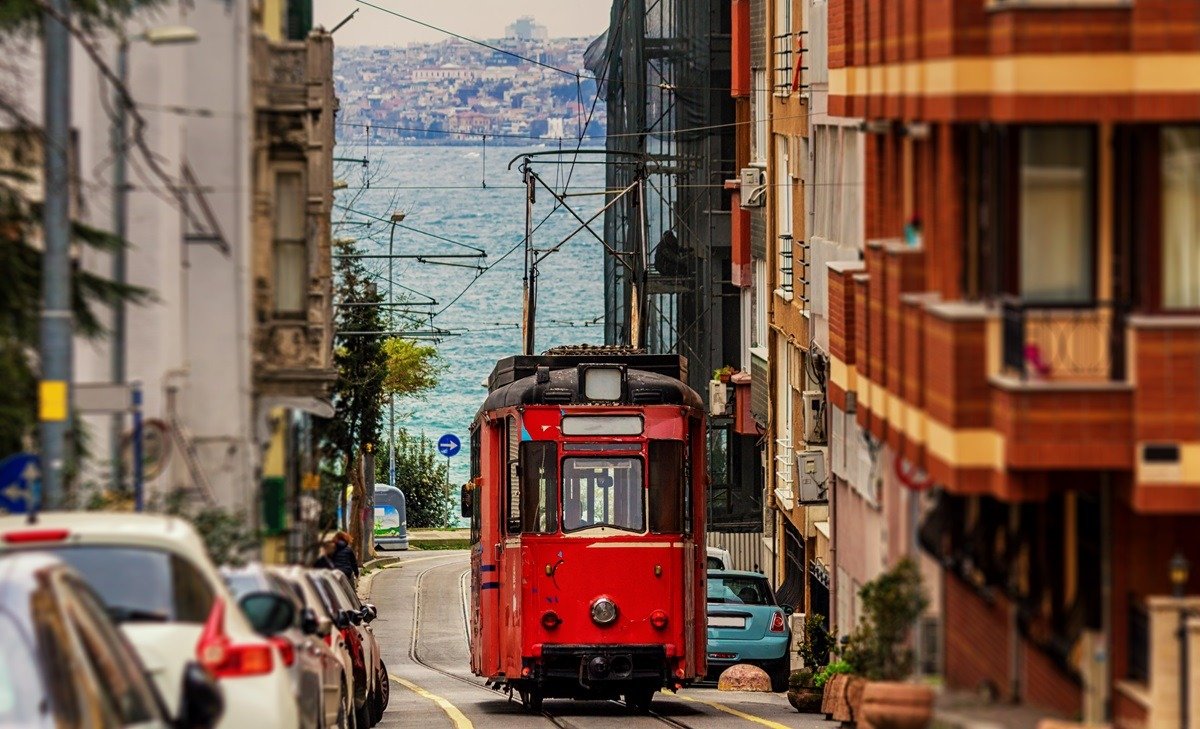
Istanbul’s Asian side is often treated as an appendix to the Historic Peninsula. In reality, it is a decisive stage where imperial power struggles, theological debates, Ottoman urban policy, and contemporary culture intersect along one continuous shoreline. This full-day tour follows that layered narrative step by step — geographically coherent, historically grounded, and socially contextualized.
Itinerary
Hotel Pick-Up & Transfer to Kabataş
We begin by meeting guests at their hotel and transferring to Kabataş Pier. From here, the Bosphorus opens toward Üsküdar, offering a clear visual axis between Europe and Asia. Before boarding, we establish the geopolitical frame: control of this strait has always meant control of the city.
Ferry to Üsküdar — The Battle That Changed the Empire
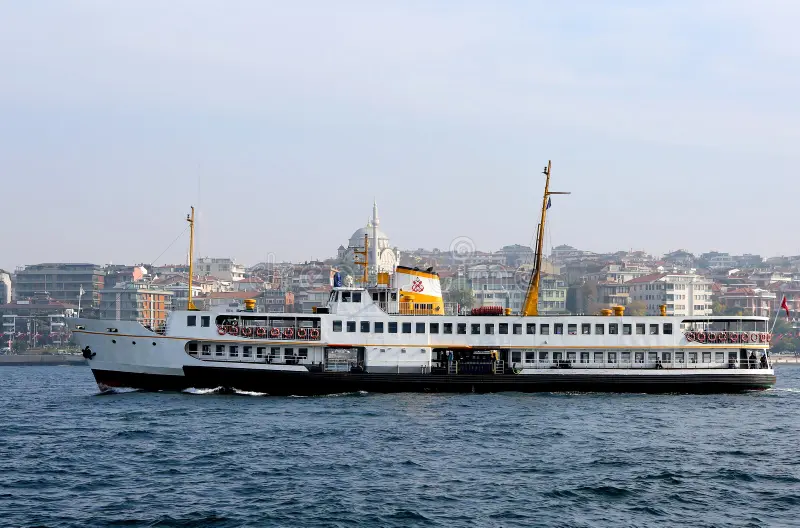
During the ferry crossing to Üsküdar, we revisit the Battle of Chrysopolis (324 CE), fought between Constantine the Great and Licinius. This shoreline was not peripheral — it was decisive. Constantine’s victory here consolidated his rule and paved the way for the refoundation of Byzantium as Constantinople. The Asian coast becomes intelligible not as suburb, but as battlefield and turning point.
Kuzguncuk — Coexistence in Practice
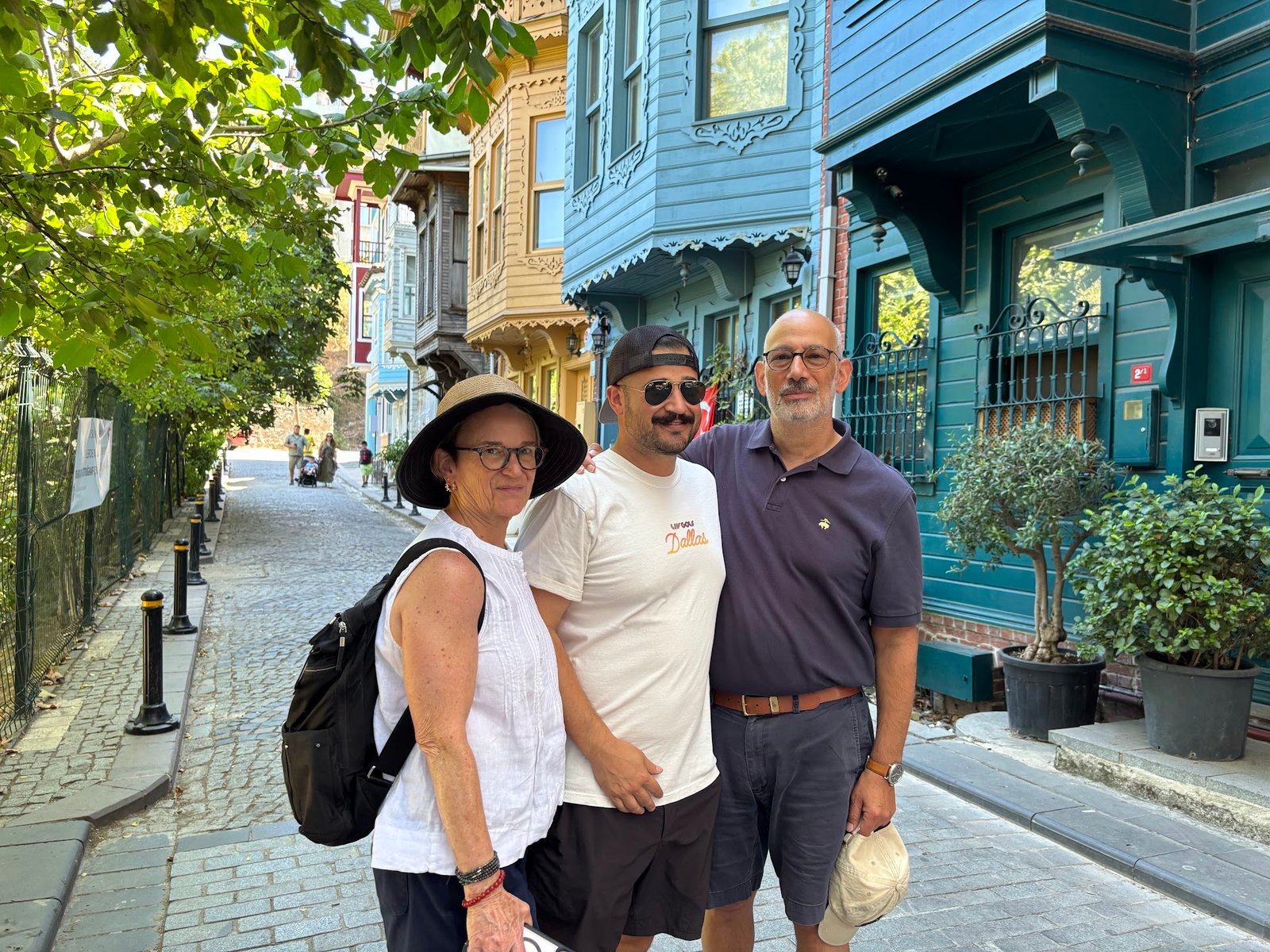
From Üsküdar, we continue to Kuzguncuk, one of the city’s most intimate and historically layered neighborhoods. Ottoman wooden houses line the streets, while churches and synagogues stand within meters of one another.
We enter the neighborhood’s Armenian church to contextualize the Ottoman millet system — not as abstraction, but as lived administrative reality. Here we discuss how religious communities organized education, taxation, and legal matters under imperial oversight. A brief pause at the Kuzguncuk Community Garden allows us to observe how shared civic space continues to function in the present.
Üsküdar Waterfront — Imperial Architecture
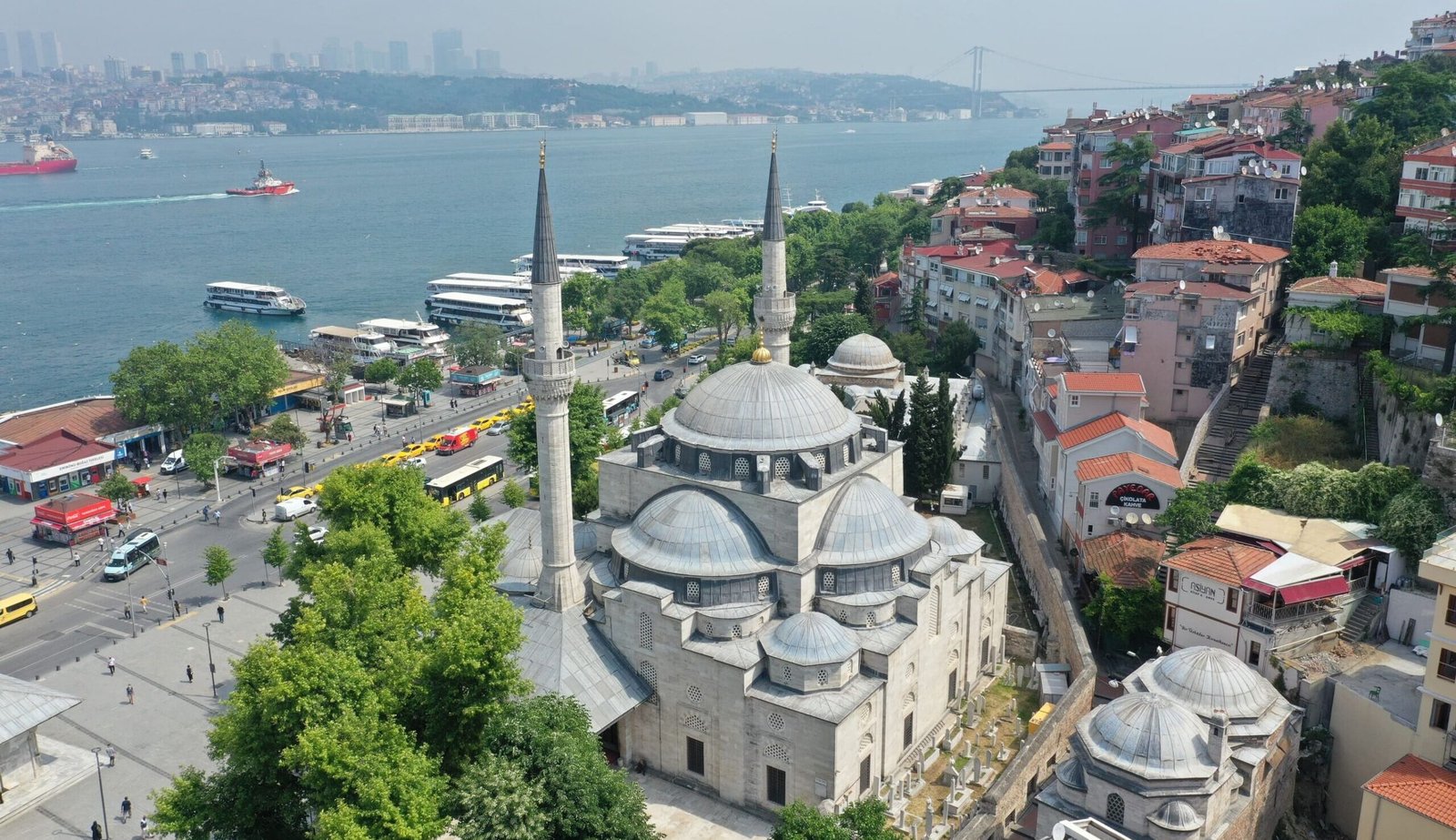
Returning to Üsküdar by dolmuş (shared minivan), we walk along the waterfront and visit the Mihrimah Sultan Mosque, designed by Mimar Sinan. The mosque complex illustrates sixteenth-century Ottoman patronage and urban planning on the Asian shore.
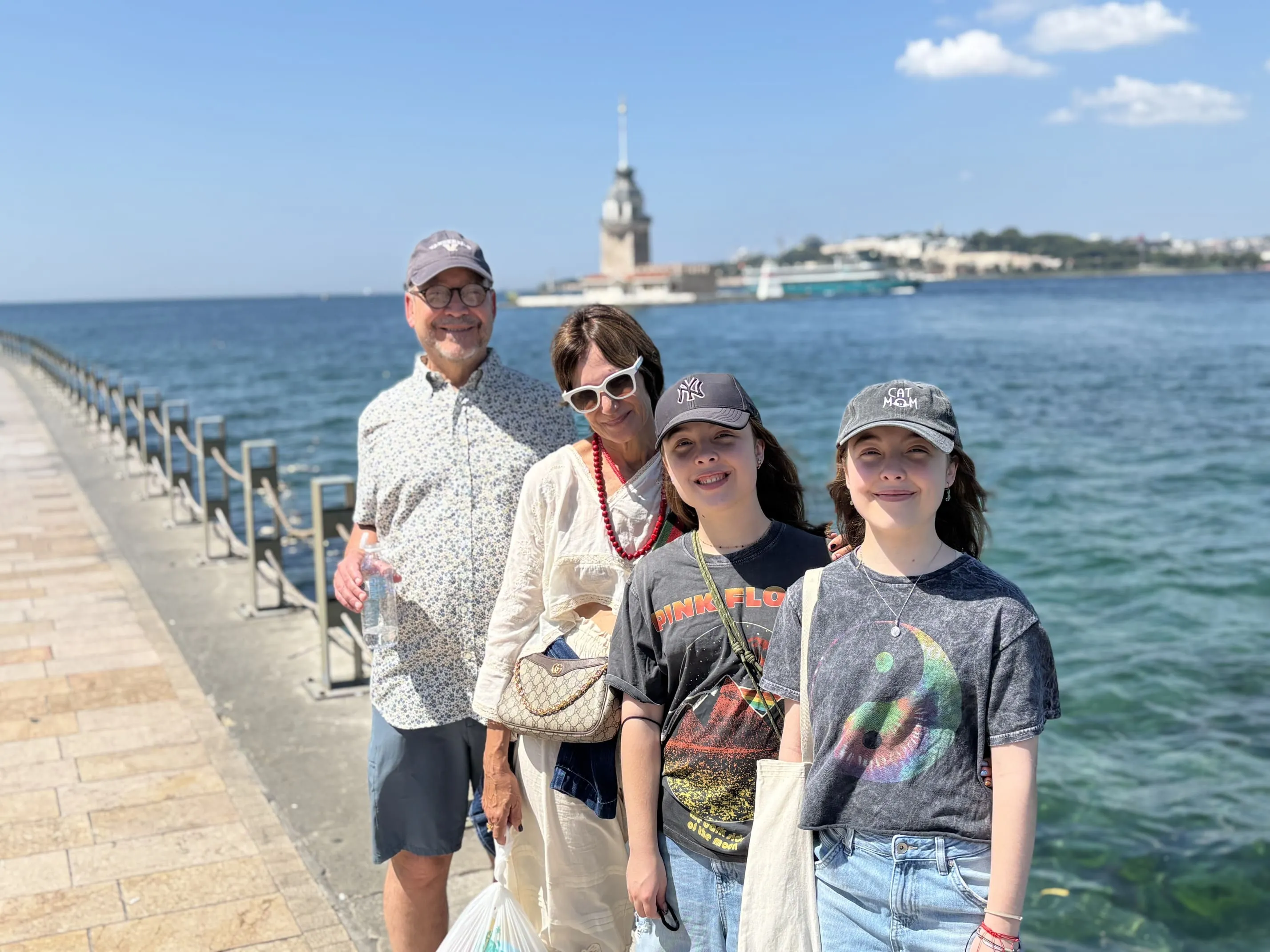
From the coast, we view the Maiden’s Tower, a structure layered with Byzantine defensive function and later Ottoman symbolism. The Bosphorus here becomes both maritime corridor and ceremonial stage.
Crossing to Kadıköy — The “Land of the Blind”
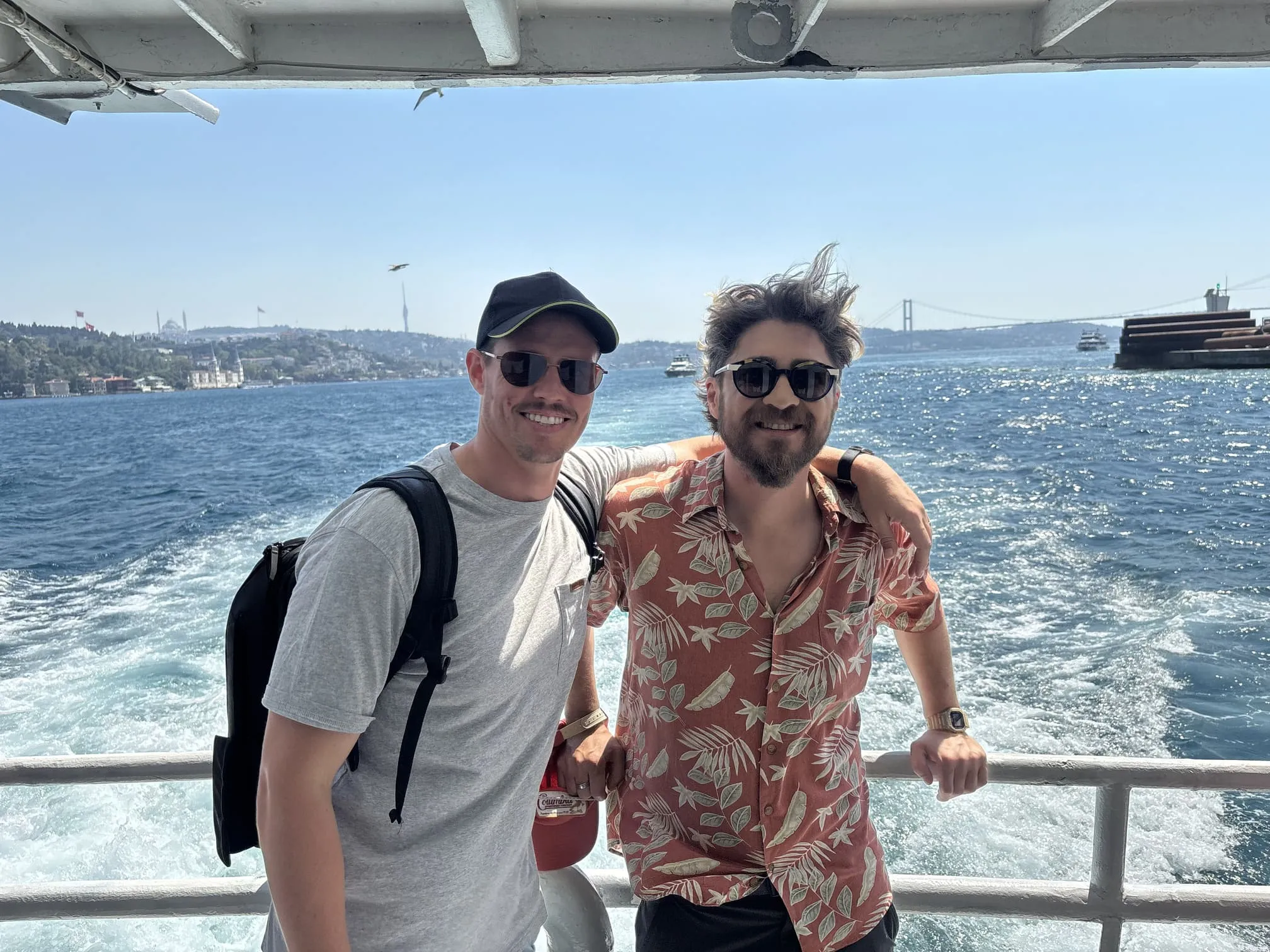
We take a boat to Kadıköy, ancient Chalcedon. During the crossing, we explore why the settlement was called “the land of the blind” — a reference to its founders’ failure (according to legend) to recognize the superior strategic location across the strait. More importantly, we examine the Council of Chalcedon (451 CE), a defining theological assembly that shaped Christological doctrine within Eastern Christianity and continues to influence global Christian traditions.
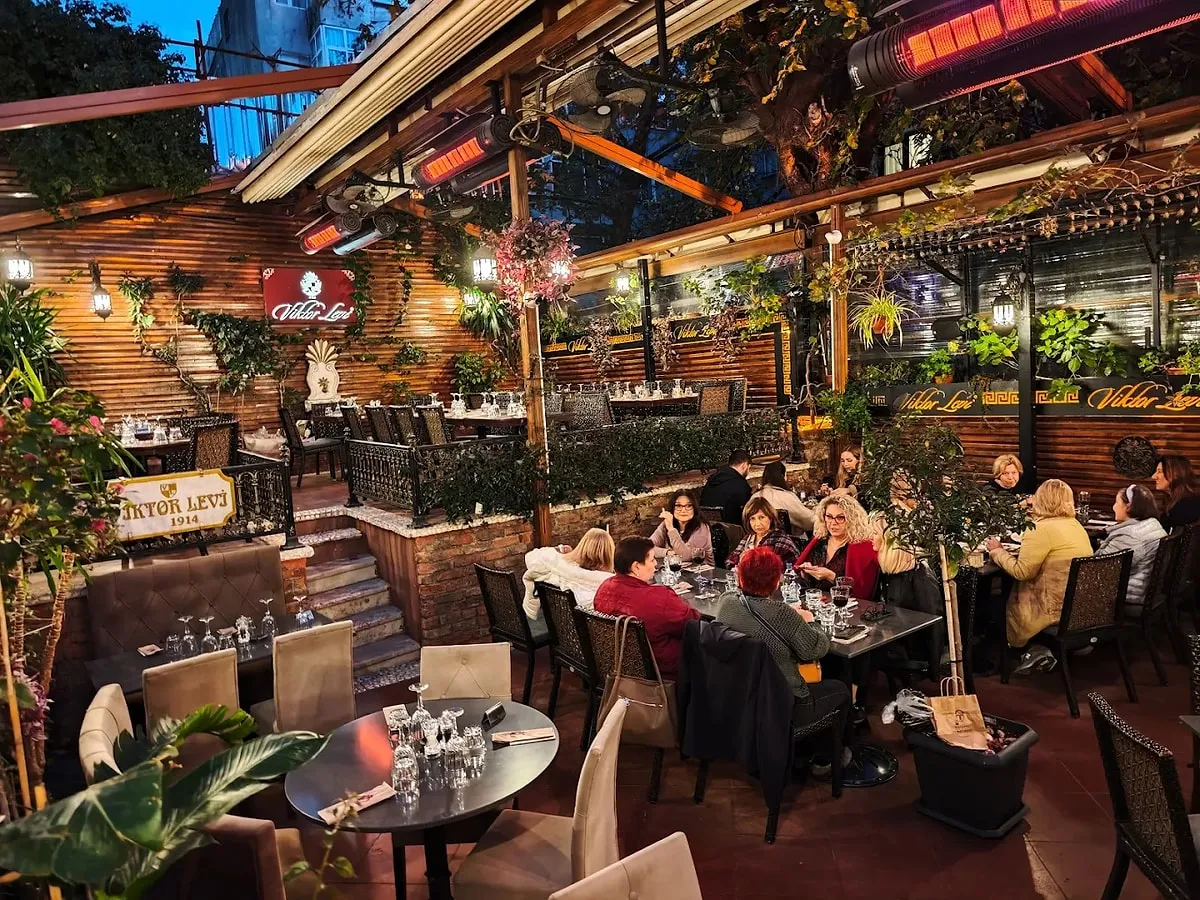
In Kadıköy, we pause for lunch at a carefully selected local restaurant. Afterward, we walk along Moda Street toward Moda Park.
Urban Culture in Moda
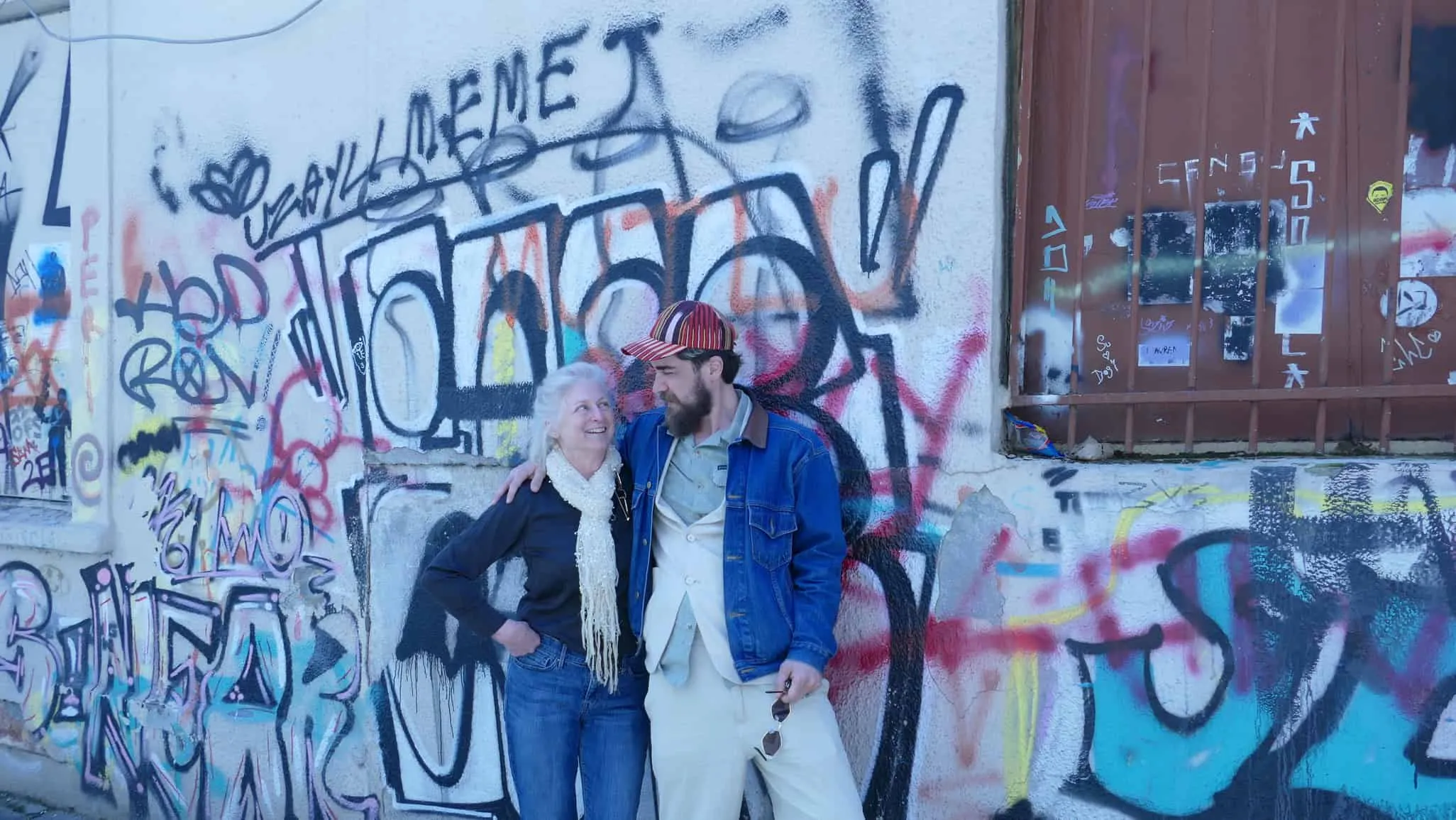
This section of the tour shifts from imperial and theological history to contemporary sociology. We examine bar culture, independent businesses, street art, and the neighborhood’s evolving social identity. There is flexibility here — we may pause for a drink while discussing how Kadıköy functions today as one of Istanbul’s primary cultural hubs.
Before entering the park, we briefly stop at the historic Saint Catherine’s Holy Spring (Aya Ekaterini Ayazması)Chapel, a small yet meaningful reminder of the district’s layered religious past.
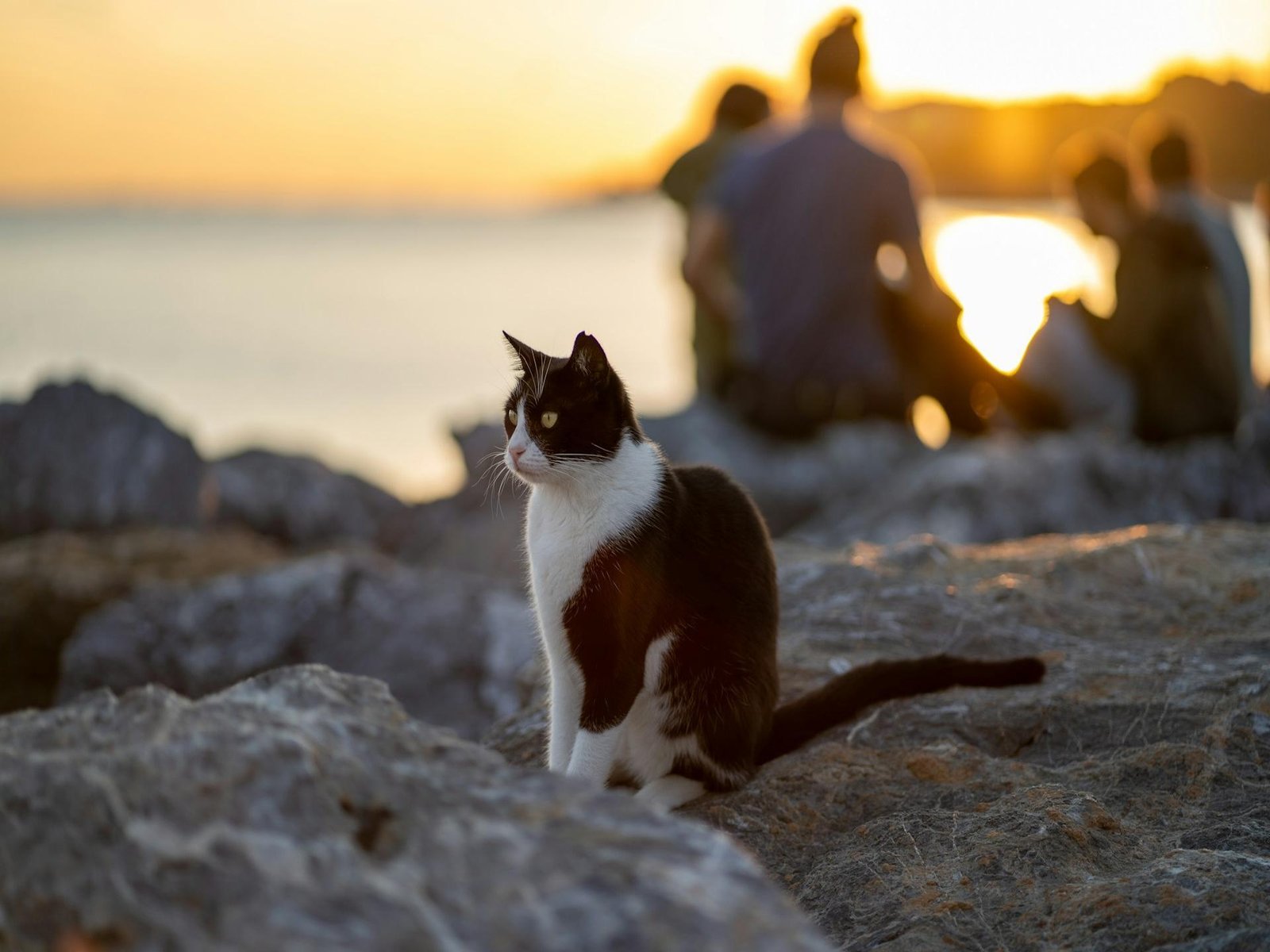
At Moda Park, we walk along the Sea of Marmara shoreline and watch the sunset. The skyline of the Historic Peninsula appears in the distance — a visual closure to a day that began on the opposite shore.
Return to Europe
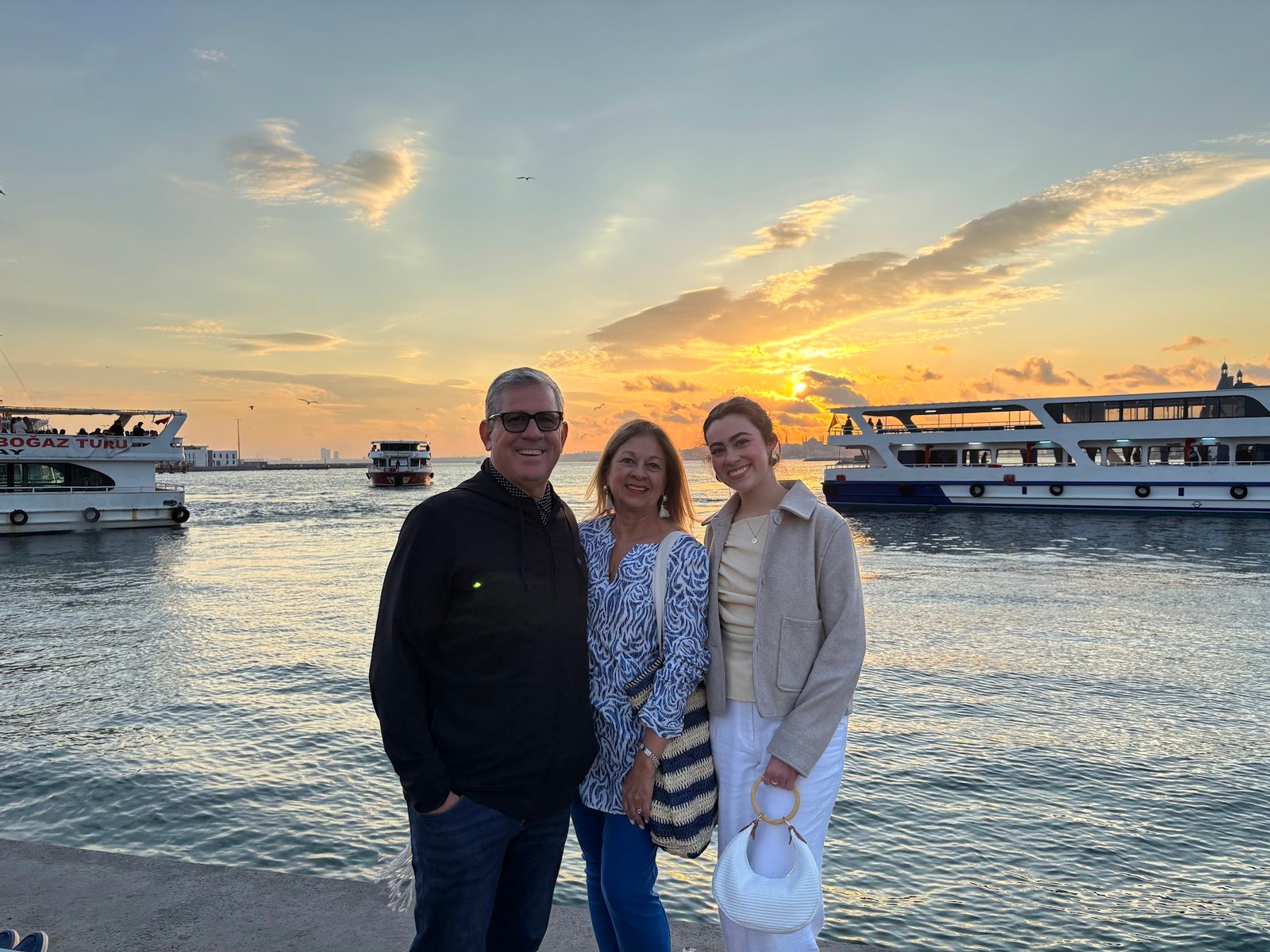
At the appropriate time, we board a ferry from Kadıköy and cross the Bosphorus back to the European side of Istanbul. As the skyline of the Historic Peninsula gradually reappears, the journey comes full circle — from Roman civil war and Byzantine theology to Ottoman urban life and contemporary Kadıköy culture. The return crossing is not simply transportation; it reinforces the central theme of the day: Istanbul is best understood not from one shore, but from the dialogue between two continents.
What Is Included
- Licensed professional guiding service throughout the day
- Historical and cultural interpretation at every stop
- Curated route and neighborhood exploration
Not Included
- Public transportation (ferries, dolmuş, etc.)
- Lunch, drinks, or any personal food expenses
- Personal purchases and optional stops
Guests are responsible for covering their own transportation costs and personal expenses during the tour.
Get in touch
If you would like to join this Asian Side Tour in Istanbul or request a private experience, feel free to contact us directly. We are happy to tailor the itinerary according to your interests, pace, and schedule.
For a Asian Side Tour quote, tell us your preferred dates, group size and interests in the contact form.
Tagged with :