


Hidden beneath the busy streets of Sultanahmet lies one of Istanbul’s most fascinating and atmospheric landmarks: the Basilica Cistern. Known in Turkish as Yerebatan Sarnıcı, meaning “the sunken palace,” this ancient underground water reservoir is one of the most impressive surviving structures from the Byzantine Empire.
Today, it stands as a must-see attraction for visitors who want to explore a different side of Istanbul—one that blends engineering, mythology, and centuries of history.
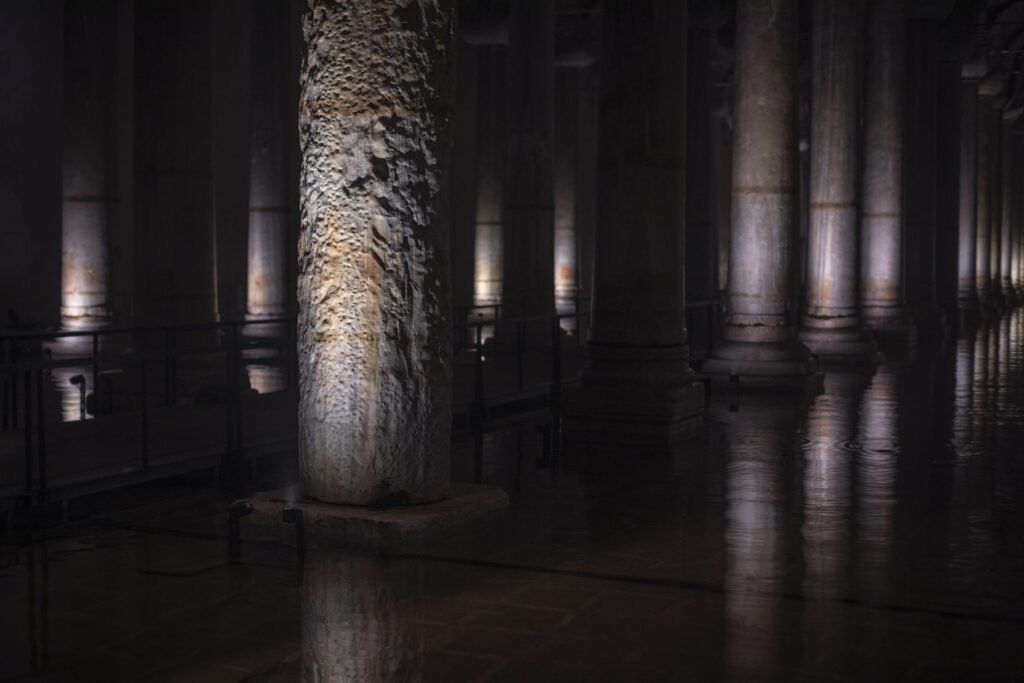
What Is the Basilica Cistern?
The Basilica Cistern is a massive underground water storage system built during the 6th century under the rule of Byzantine Emperor Justinian I (527–565 AD). It was constructed to supply water to the Great Palace of Constantinople and nearby buildings, especially during sieges.
The cistern gets its name from the Stoa Basilica, a large public square that once stood above it. Over time, the structure was forgotten and eventually rediscovered during the Ottoman period.
A Masterpiece of Byzantine Engineering
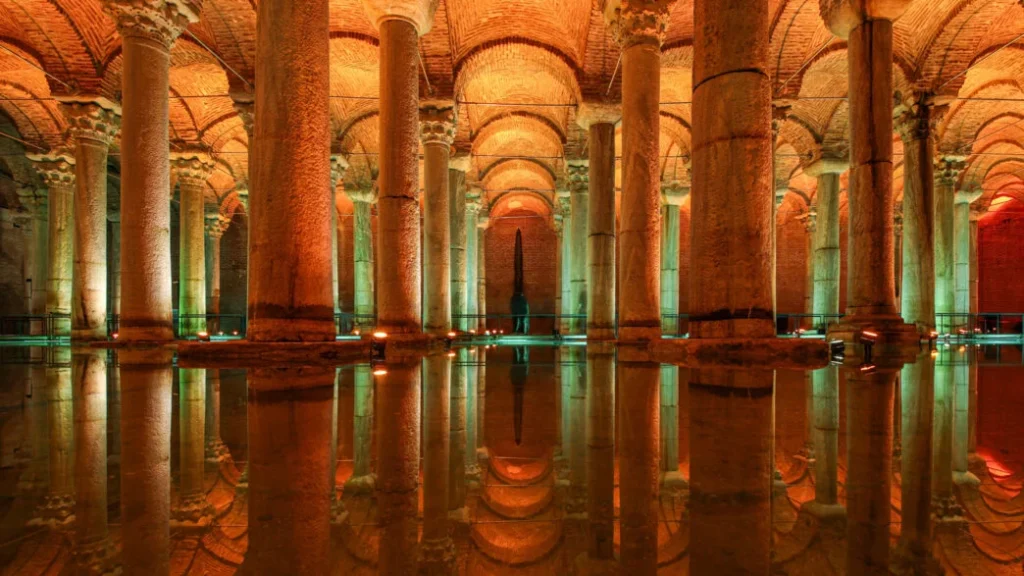
The Basilica Cistern is an extraordinary example of ancient engineering. It covers an area of approximately 9,800 square meters and can hold up to 80,000 cubic meters of water.
Key architectural features include:
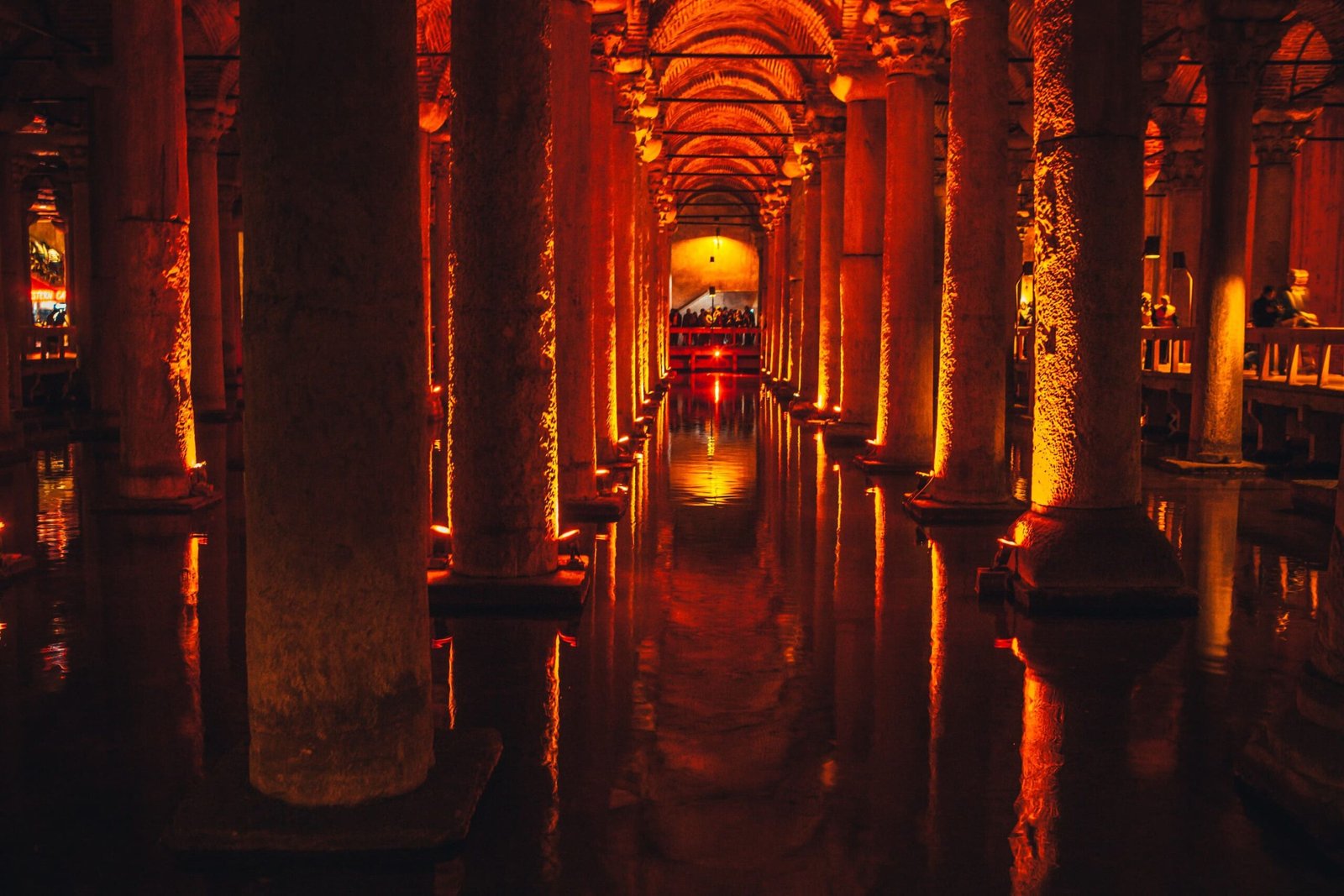
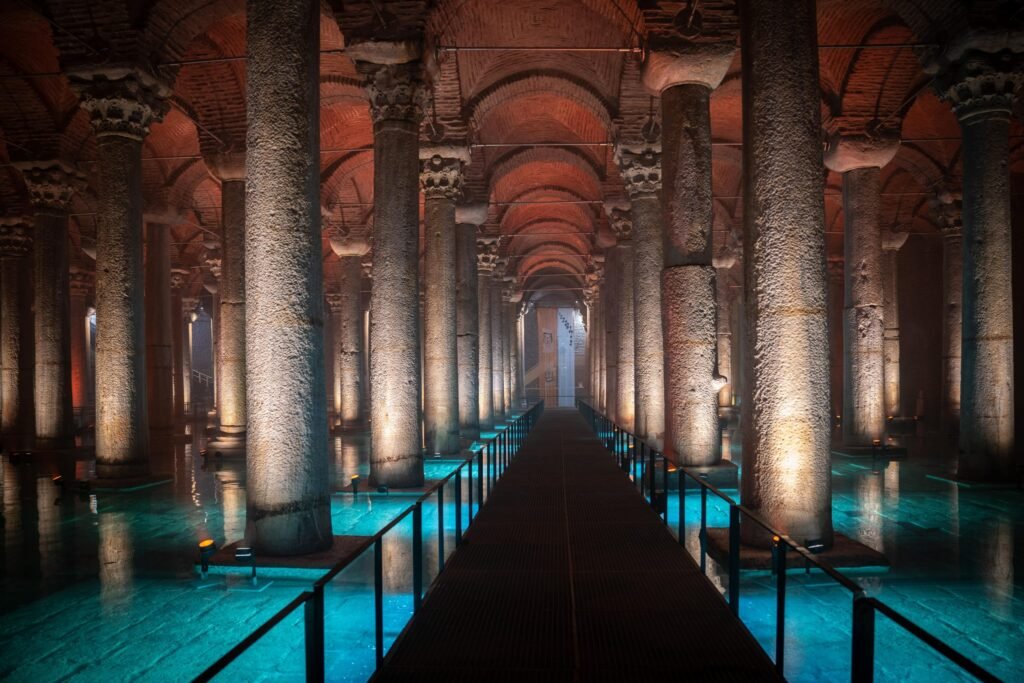
- 336 marble columns arranged in 12 rows
- Each column stands about 9 meters high
- Many columns were reused from earlier Roman structures, showing different styles and carvings
- A brick-vaulted ceiling supported by arches
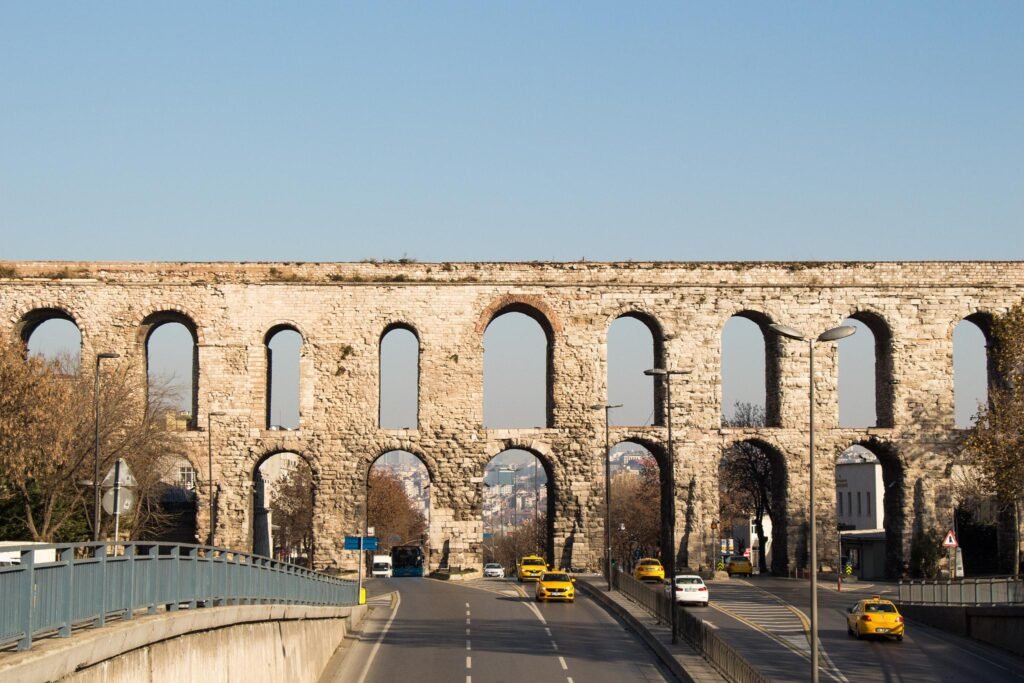
The cistern was supplied with water through aqueducts, most notably the Valens Aqueduct, which carried water from sources located over 20 kilometers away from the city.
The Famous Medusa Heads
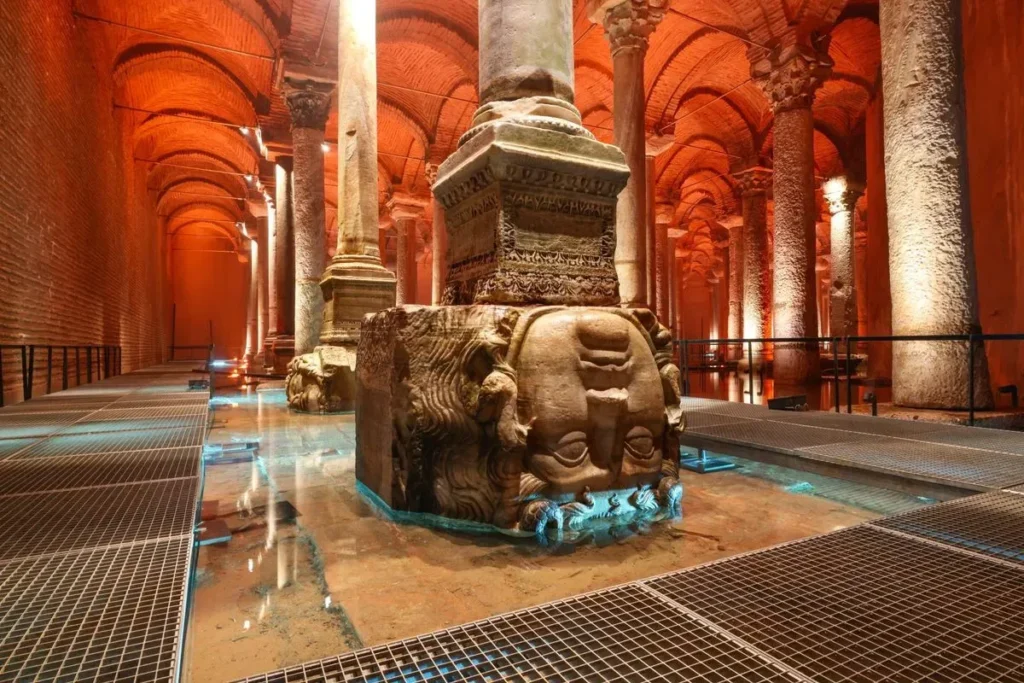
One of the most intriguing elements of the Basilica Cistern is the presence of two large Medusa head sculptures used as column bases.
- One Medusa head is placed sideways
- The other is placed upside down
The exact reason for this unusual placement remains unknown. Some historians believe it was done to neutralize the mythical power of Medusa’s gaze, while others think the stones were simply reused from older structures without much concern for their original orientation.
Today, these mysterious sculptures are among the most photographed features of the cistern.
Rediscovery During the Ottoman Era
After the Ottoman conquest of Constantinople in 1453, the Basilica Cistern gradually fell out of use. The Ottomans preferred running water systems instead of large underground reservoirs.
The cistern was rediscovered in the 16th century by the French traveler Petrus Gyllius, who noticed locals drawing water—and even catching fish—through holes in their basement floors. His exploration brought the structure back into historical awareness.
Restoration and Modern Experience
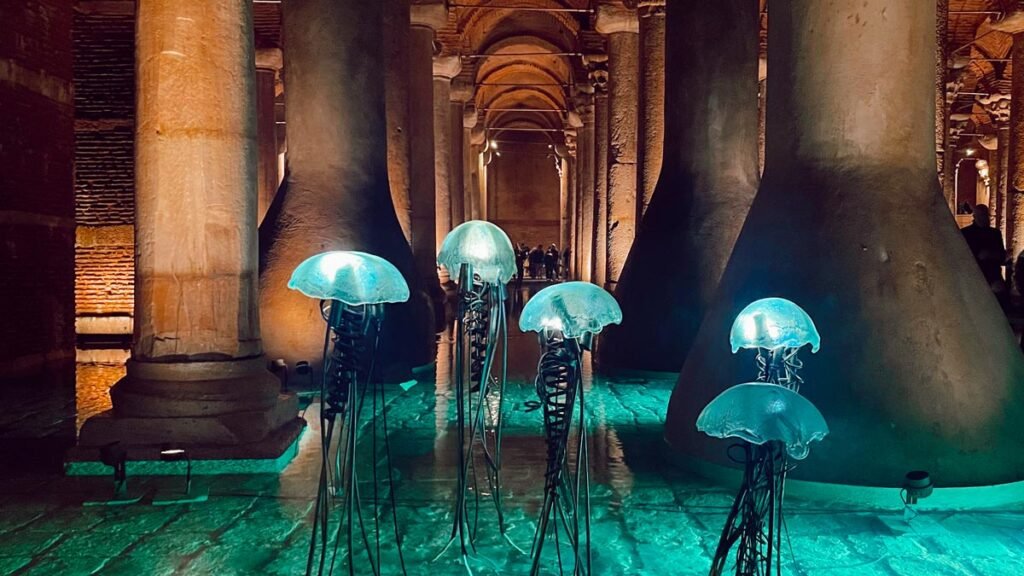
The Basilica Cistern has undergone several restorations over the centuries. The most recent major restoration was completed in the 2020s, improving lighting, walkways, and structural safety while preserving the historical atmosphere.
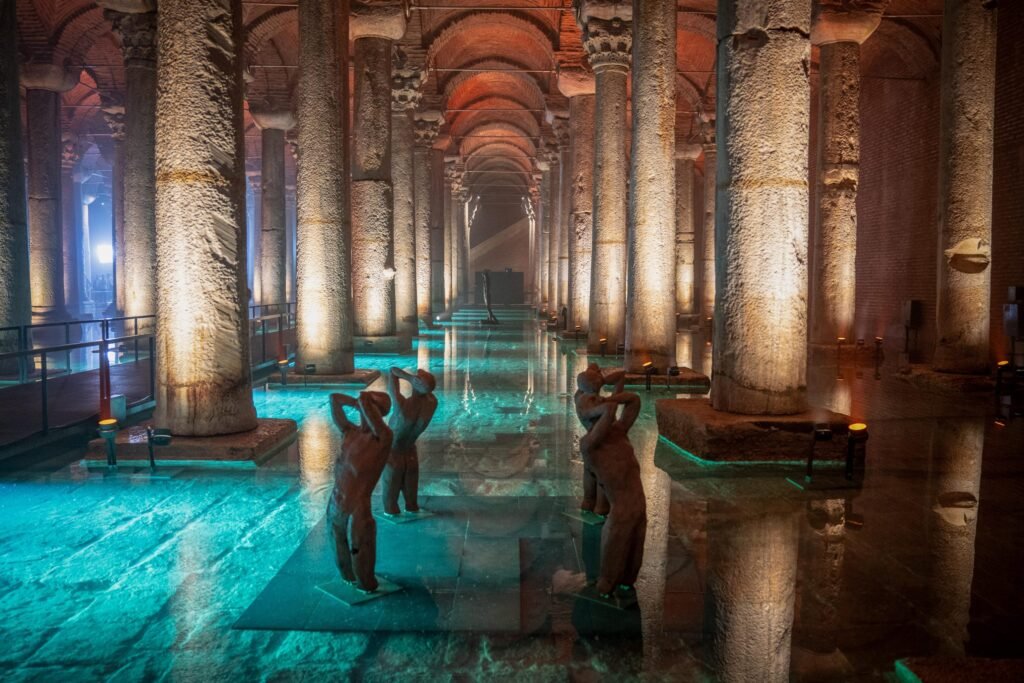
Today, visitors can walk along elevated platforms above the shallow water, surrounded by softly lit columns and the gentle sound of dripping water. The setting creates a mysterious, almost cinematic experience—no surprise that it has appeared in films and novels.
Why Visit the Basilica Cistern?
The Basilica Cistern is one of the most unique places to visit in Istanbul because it offers:
- A cool, quiet escape from the busy streets above
- A rare look at Byzantine engineering
- Atmospheric lighting and reflections
- Iconic features like the Medusa heads
- A location within walking distance of major landmarks like Hagia Sophia and the Blue Mosque
Plan Your Visit to the Basilica Cistern
Located in the heart of Sultanahmet, the Basilica Cistern is easy to include in any Istanbul itinerary. Most visitors explore it together with nearby historical sites.
If you want to discover the hidden stories, architectural details, and legends of this underground palace, a guided experience can make your visit far more meaningful.
Contact our team to plan your Istanbul itinerary or book a guided tour that includes the Basilica Cistern and the city’s most iconic landmarks.
Tagged with :