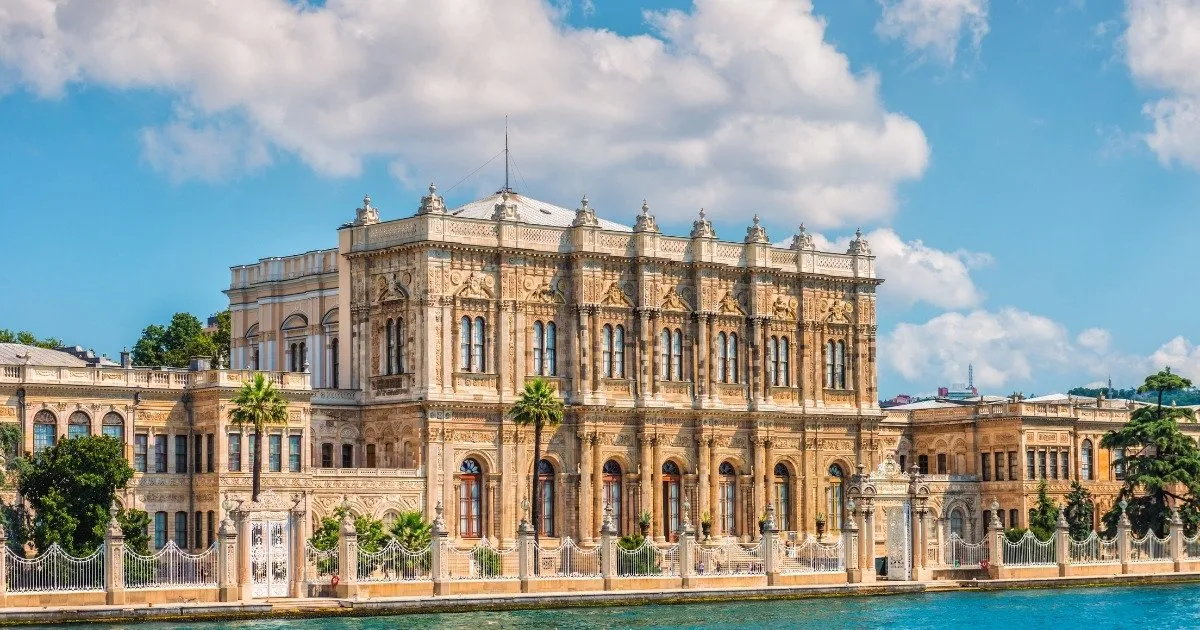



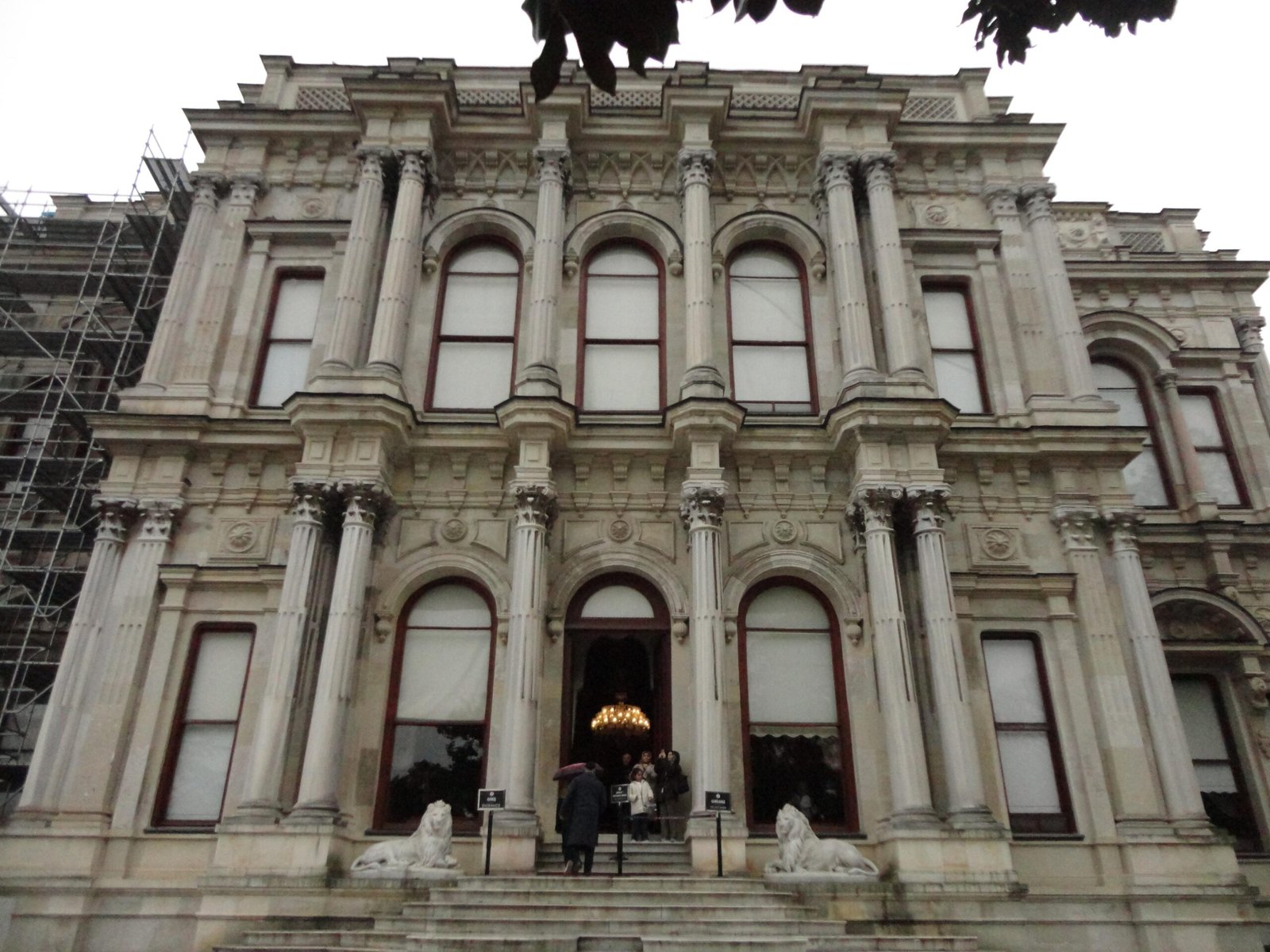
Set gracefully along the Asian shores of the Bosphorus, Beylerbeyi Palace offers one of Istanbul’s most refined imperial experiences. Unlike the grand spectacle of Dolmabahçe or the monumental scale of Topkapı, Beylerbeyi reveals a more intimate dimension of Ottoman court life — elegant, diplomatic, and quietly sophisticated.
Built in 1865 for Sultan Abdülaziz, this waterfront palace served as the Ottoman Empire’s prestigious summer residence and official state guesthouse. Today, it remains one of the city’s most atmospheric and architecturally harmonious royal landmarks.
A Palace Designed for Diplomacy and Comfort
Commissioned during a transformative period of Ottoman modernization, Beylerbeyi reflects the empire’s 19th-century engagement with Europe. Designed by the distinguished Balyan family of architects, the palace blends Ottoman tradition with subtle French Second Empire and Neoclassical influences.
Yet what distinguishes Beylerbeyi is not opulence alone — it is balance.
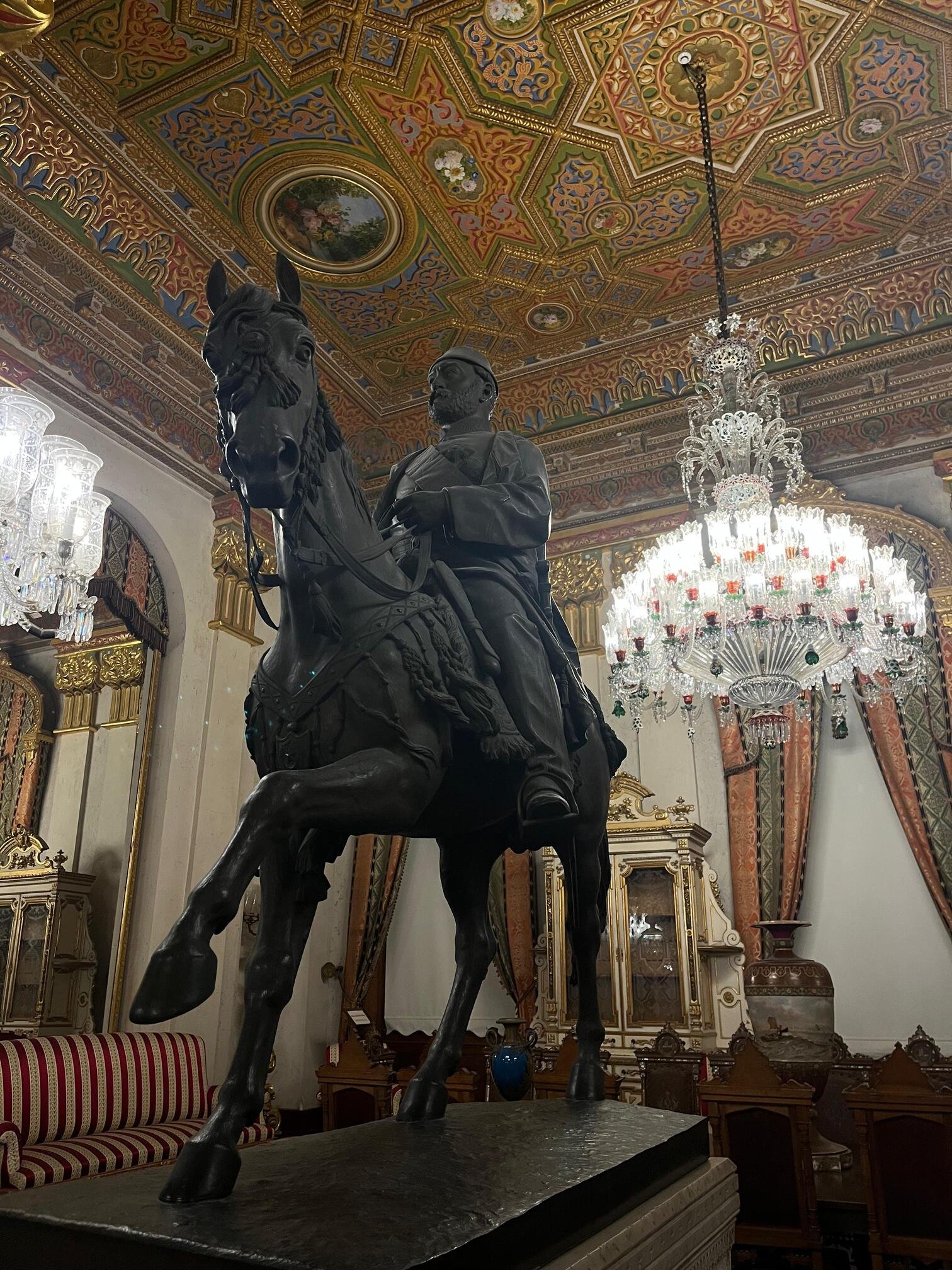
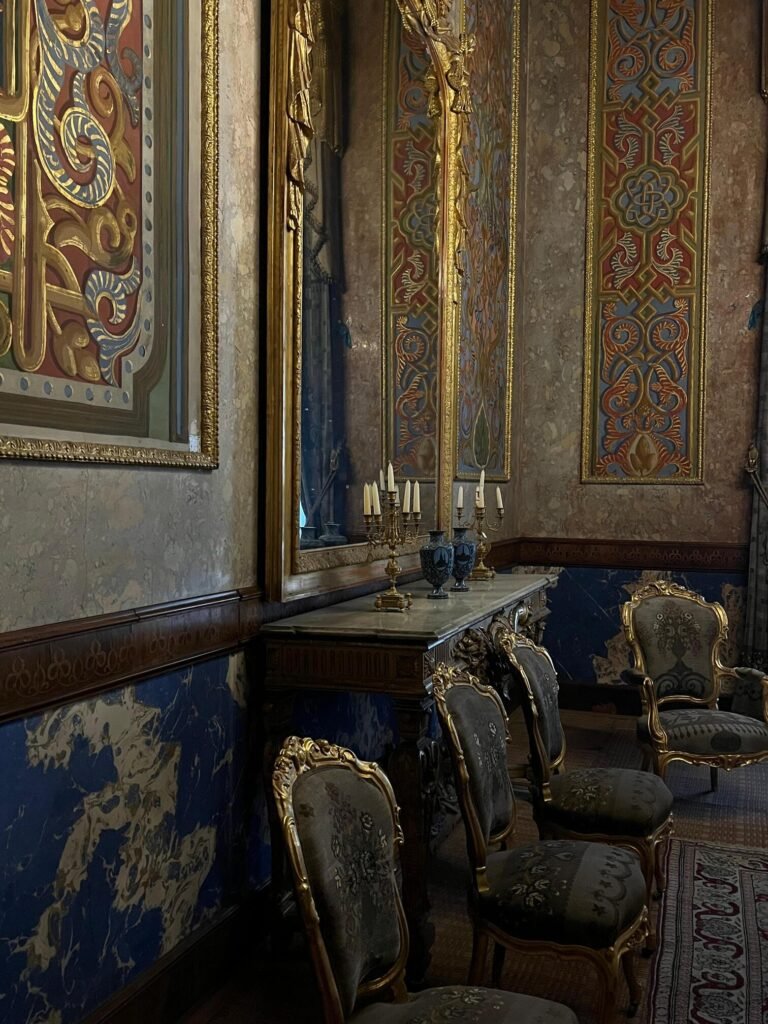
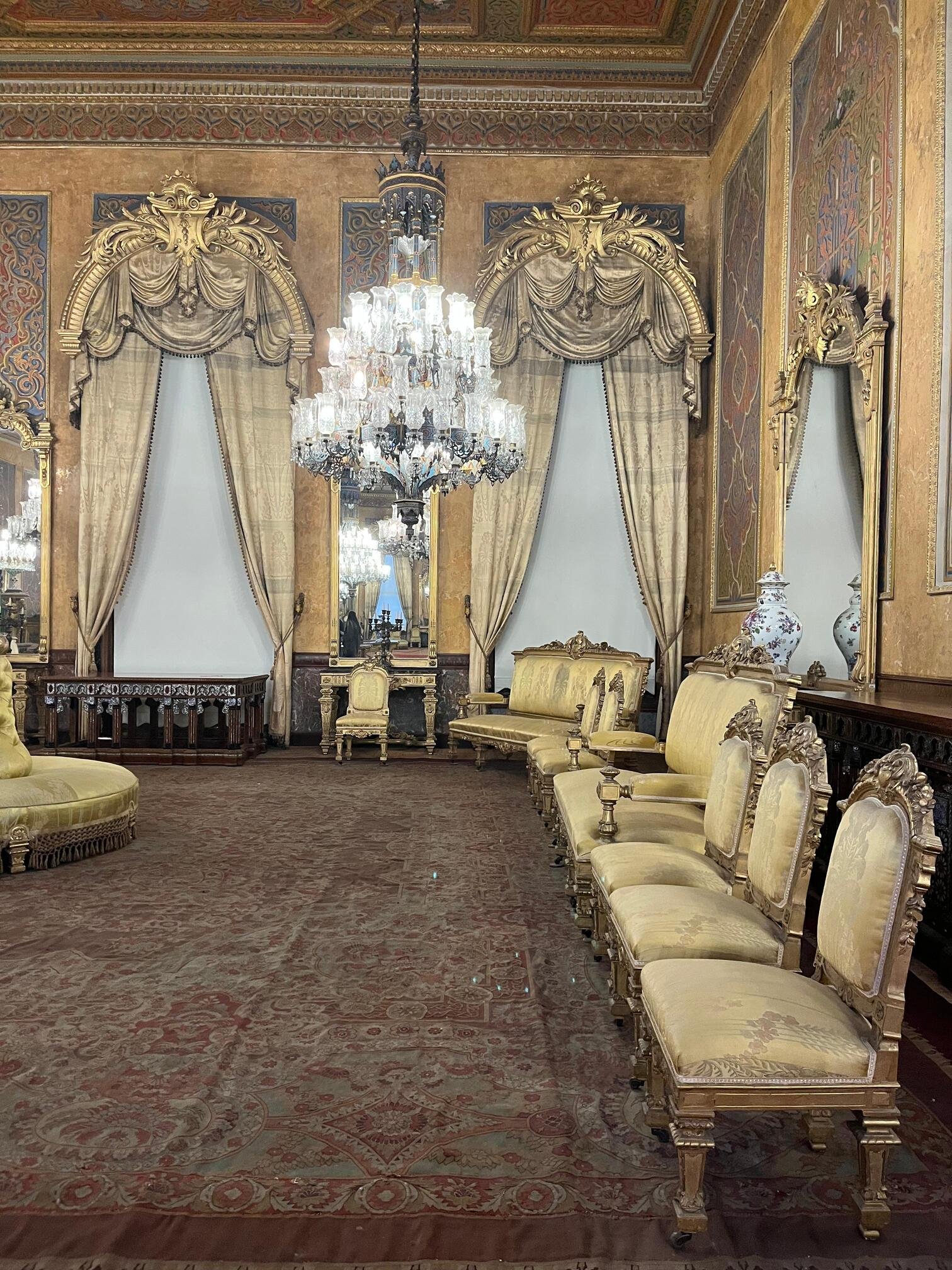
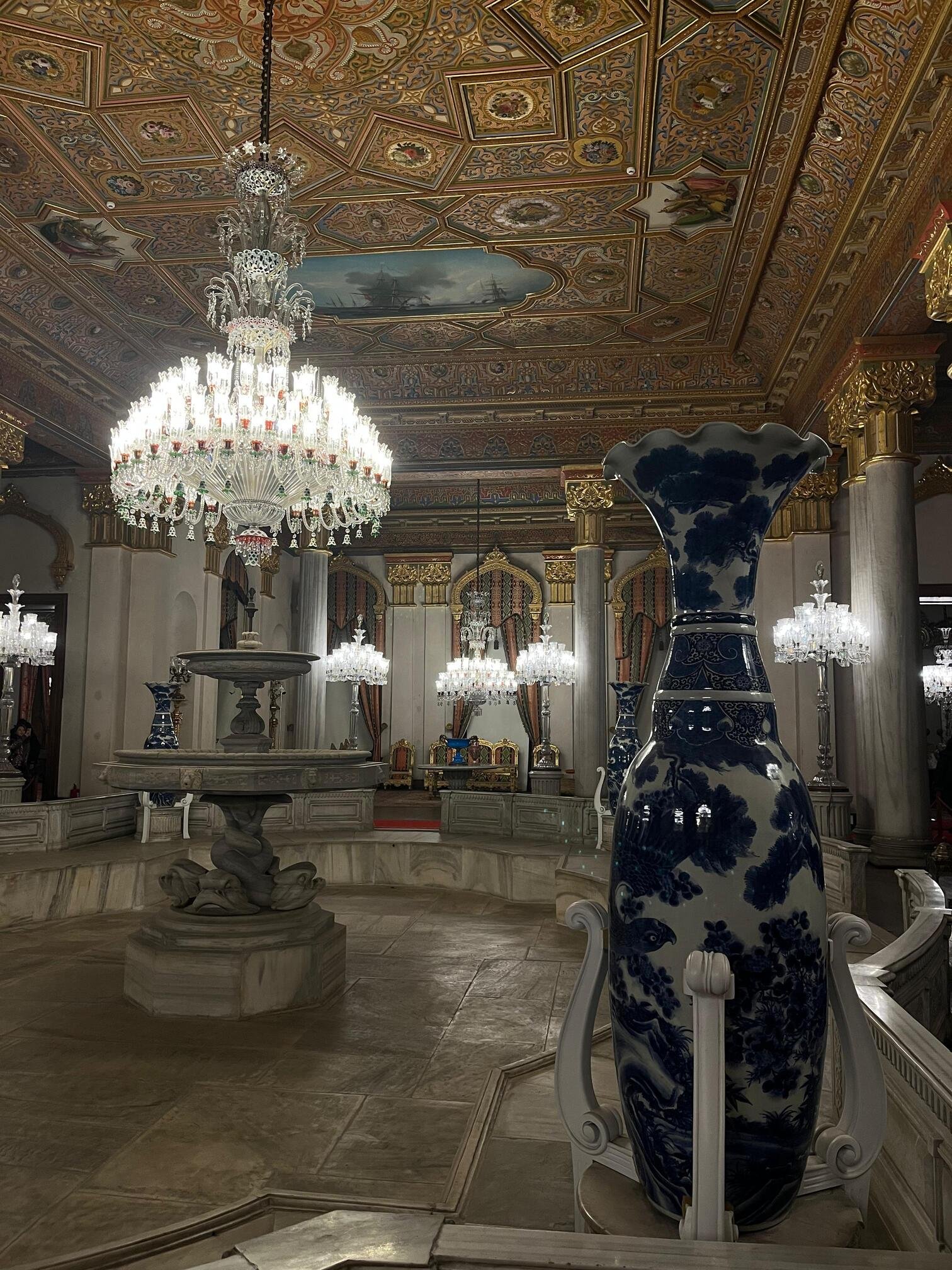
The structure feels residential rather than overwhelming. Sunlight filters through tall windows onto polished floors. Crystal chandeliers reflect softly against carved wooden ceilings. Hereke carpets soften each ceremonial hall. Even practical details, such as reed insulation beneath the flooring to regulate summer humidity, reveal thoughtful architectural intelligence.
This was a palace meant not only to impress — but to host, to converse, and to cultivate diplomacy.
Hosting the World on the Bosphorus
Beylerbeyi Palace functioned as the Ottoman Empire’s elite state guest residence.
Among those received here:
- Empress Eugénie of France
- Emperor Franz Joseph of Austria-Hungary
- The Shah of Persia
- Balkan royalty and European dignitaries
These visits were more than ceremonial. They symbolized an empire carefully positioning itself within a rapidly shifting global order.
Standing in the reception halls today, one can almost imagine the diplomatic exchanges, multilingual conversations, and carefully choreographed protocol that unfolded within these rooms.
Gardens, Light, and the Bosphorus
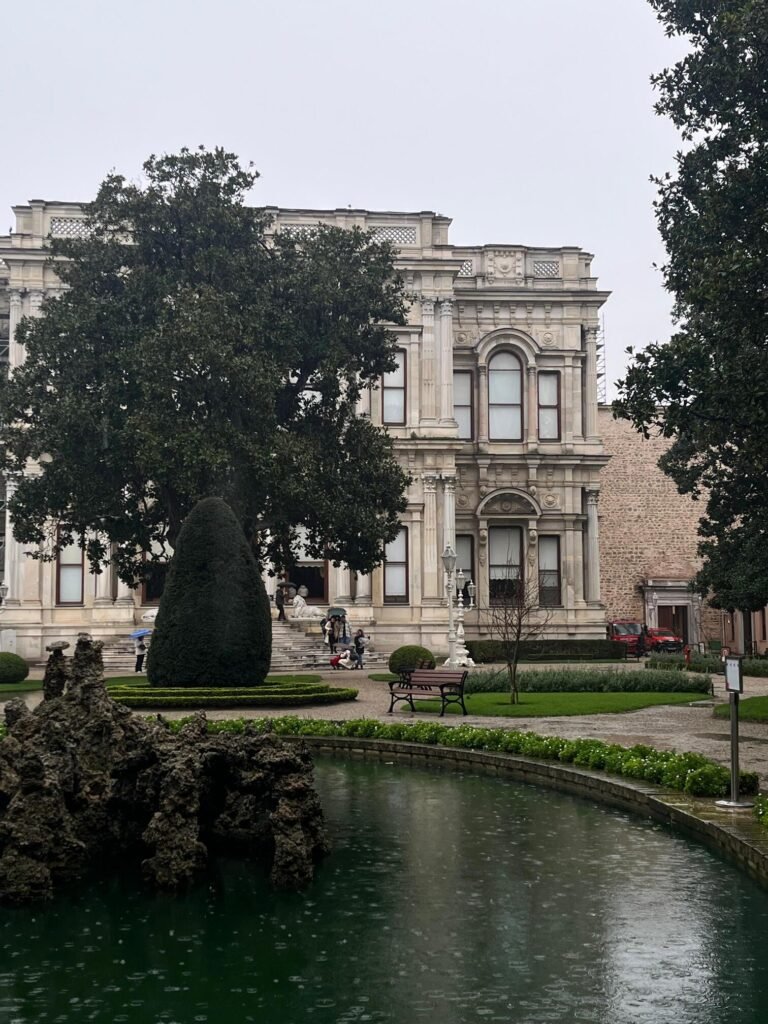
Perhaps Beylerbeyi’s greatest luxury is its setting.
Terraced gardens rise behind the palace, while its façade opens directly onto the waters of the Bosphorus. Ships glide past just meters away. The interplay of sea breeze, filtered light, and magnolia-lined paths creates an atmosphere that feels almost suspended in time.
Unlike more crowded monuments, Beylerbeyi offers space to pause — to observe architectural details, to appreciate symmetry, to absorb silence.
It is a palace experienced as much through mood as through history.
Why Beylerbeyi Appeals to the Cultural Connoisseur
Beylerbeyi Palace resonates particularly with travelers who seek nuance over spectacle.
It offers:
- Architectural refinement without excess
- A human-scale understanding of imperial life
- Insight into late Ottoman diplomacy
- A tranquil Bosphorus setting
- A deeper narrative beyond standard sightseeing routes
For those exploring Istanbul through the lens of culture, art, and political transformation, Beylerbeyi provides a sophisticated and contemplative experience.
A Curated Visit
When explored with historical context, Beylerbeyi becomes far more than a 19th-century residence. It reveals:
- The Tanzimat reform era
- The aesthetic dialogue between East and West
- The final decades of the Ottoman dynasty
- The art of imperial hospitality
It is not merely a palace — it is a lens into a world balancing tradition and modernity on the edge of change.
Tagged with :