


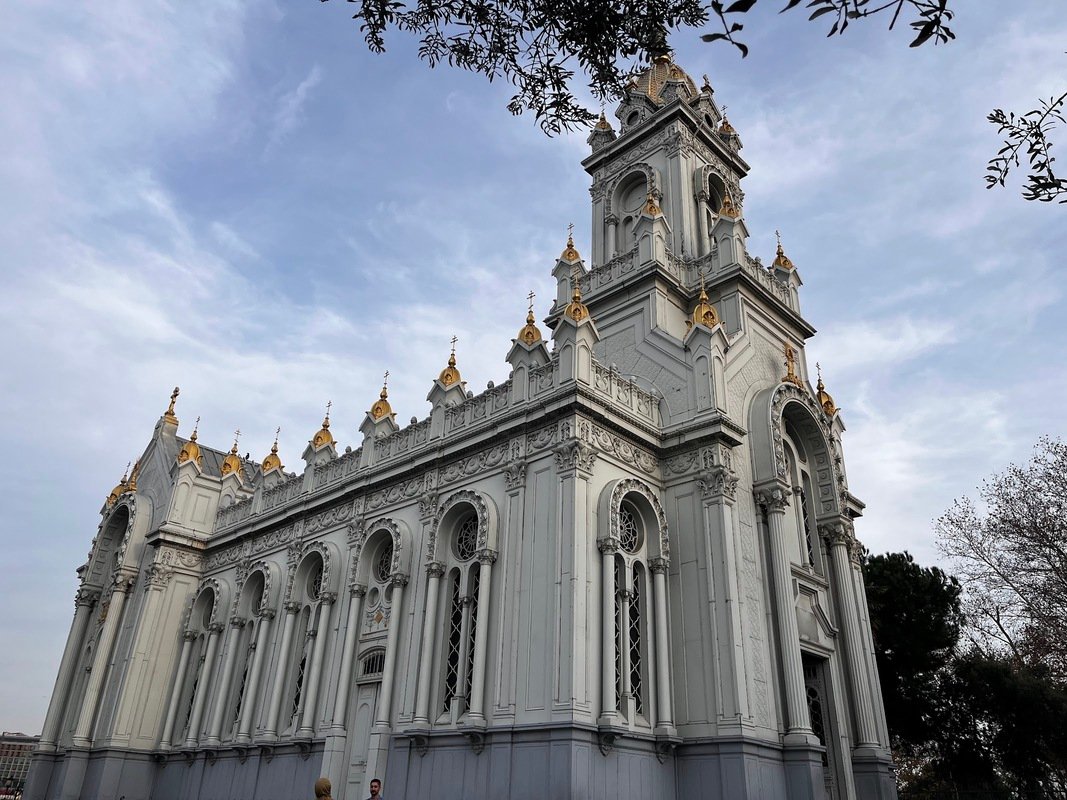
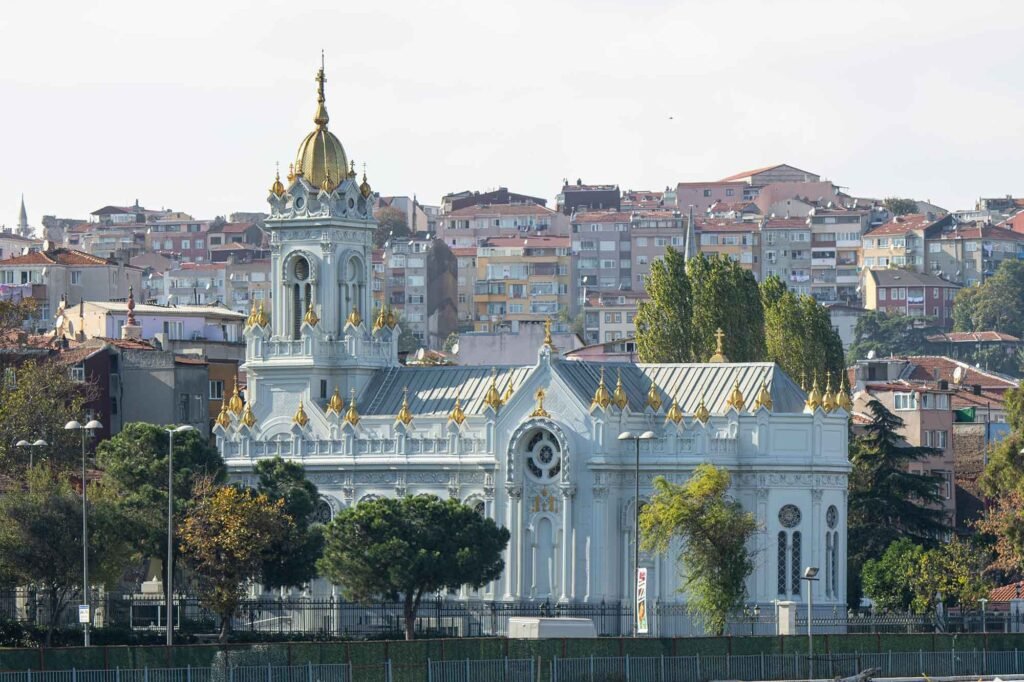
On the shores of the Golden Horn, in the historic districts of Fener and Balat, stands one of Istanbul’s most unusual landmarks: the St. Stephen Bulgarian Church — known simply as the Iron Church.
Unlike the city’s grand Byzantine basilicas or Ottoman imperial mosques, this church was not carved from stone. It was cast in iron, manufactured in Vienna, shipped across Europe, and assembled in Istanbul like an enormous architectural puzzle.
But this is not only a story of architecture.
It is a story of identity, diplomacy, and a community determined to be heard.
Who Were the Bulgarians of Istanbul?
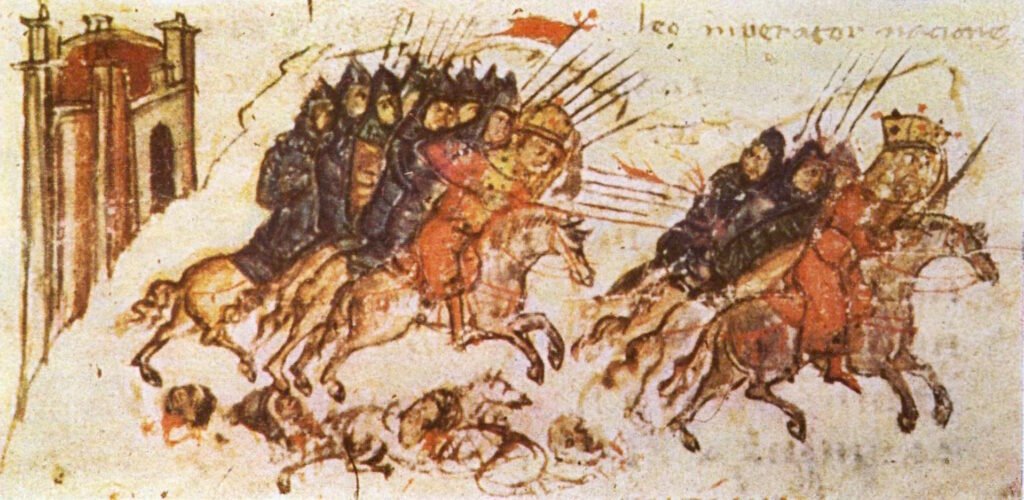
The medieval Bulgarian state emerged in 681 CE and became one of Byzantium’s principal rivals. Under rulers such as Simeon I of Bulgaria, Bulgarians repeatedly challenged Constantinople itself.
Centuries later, under Ottoman rule, a Bulgarian community settled in Istanbul. They were merchants, craftsmen, intellectuals, and bureaucrats. Yet spiritually, they remained under the authority of the Greek-led Ecumenical Patriarchate of Constantinople.
In the Ottoman millet system, religion defined legal and political identity. Controlling your church meant controlling your future.
By the 19th century, as nationalism spread across the Balkans, the Bulgarian community in Istanbul sought something simple but powerful:
- Worship in their own language
- Clergy from their own people
- Schools teaching Bulgarian
This quiet demand would reshape Balkan history.
The Statesman Behind the Church
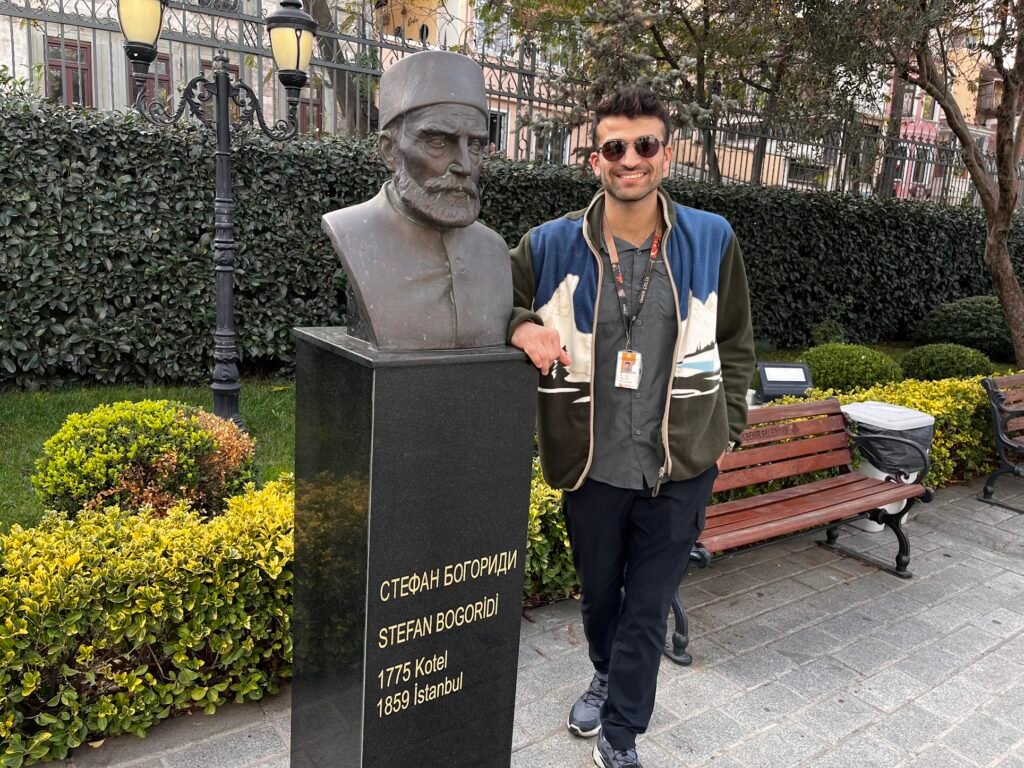
The turning point came through an Ottoman insider: Stefan Bogoridi.
A high-ranking Ottoman official serving during the reign of Abdulmejid I, Bogoridi donated his waterfront mansion in Balat to the Bulgarian community in 1849. With imperial approval, the property was transformed into a chapel. This gesture was more than philanthropy — it was political strategy. Soon after, a modest wooden church replaced the mansion. Though fragile, it became the intellectual center of the Bulgarian National Revival in Istanbul.
The Bulgarian Exarchate: A Legal Identity
In 1870, an imperial decree established the Bulgarian Exarchate.
This decree officially recognized Bulgarians as a separate Orthodox millet within the Ottoman Empire, independent from the Ecumenical Patriarchate.
It was not merely a religious reform.
It was national identity formalized.
The small wooden church in Balat had played a crucial role in that achievement. But time and moisture weakened the structure. The community needed something more durable — and more symbolic.
They chose iron.
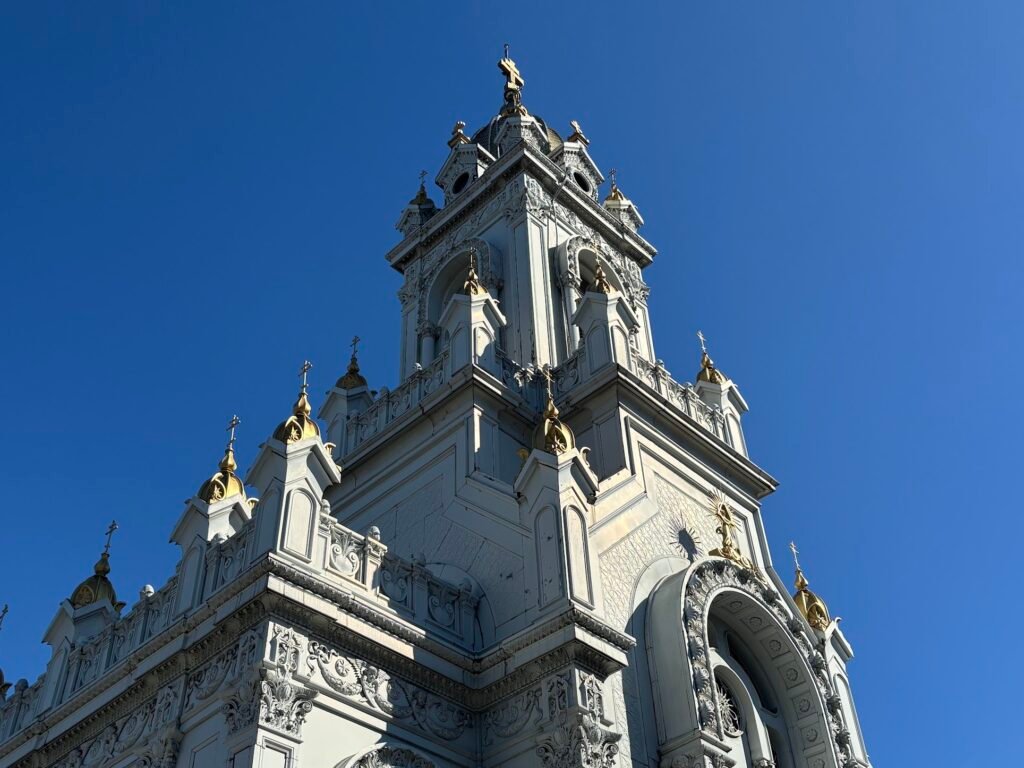
A Church Manufactured Like Machinery
In the 1890s, the Bulgarian Exarchate commissioned an Austrian firm in Vienna to produce a prefabricated iron church.
More than 500 cast-iron elements were manufactured, numbered, and shipped:
Vienna → Danube River → Black Sea → Istanbul.
The church was essentially built twice — first in a factory, then reassembled on the Golden Horn.
Why iron?
- The marshy soil could not support heavy masonry
- Iron was modern, industrial, European
- It symbolized progress and resilience
The result was a rare architectural hybrid: Neo-Baroque curves, Neo-Gothic vertical lines, and industrial-age engineering wrapped into one gleaming structure.
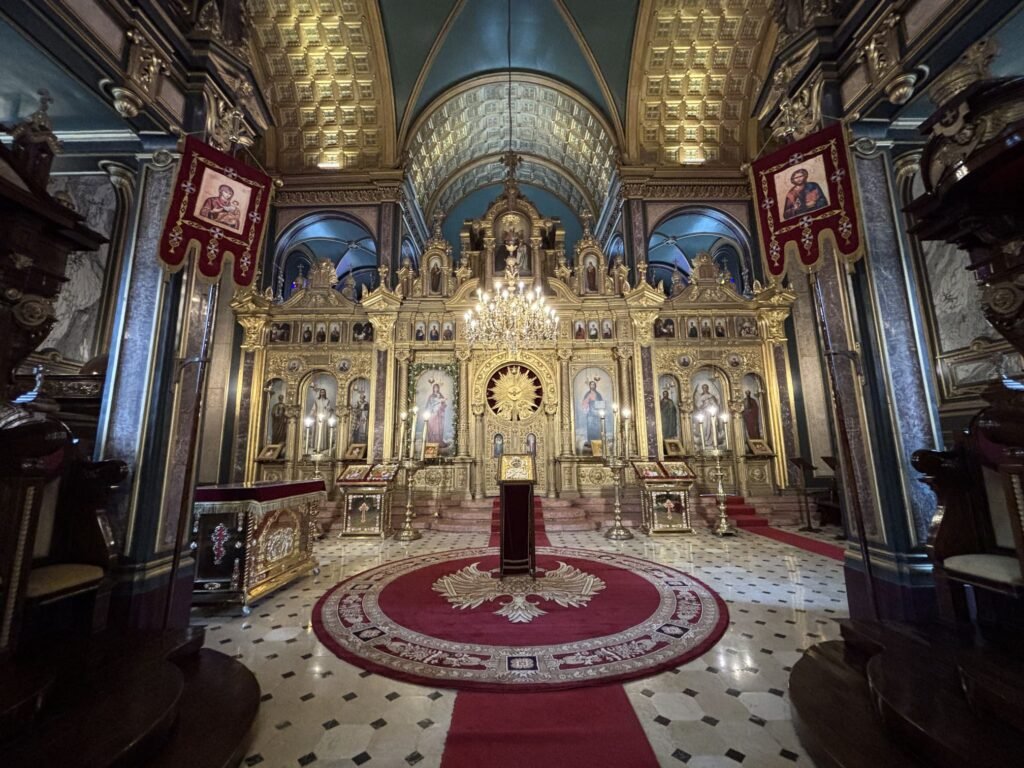
Inside, visitors discover:
- A three-aisled basilica plan
- A central dome
- An iron iconostasis painted to resemble marble
- Stained glass filtering golden light
- Acoustics reminiscent of a ship’s hull
Few churches in the world combine prefabrication, diplomacy, and nationalism quite like this one.
A 21st-Century Resurrection
By the early 2000s, corrosion threatened the entire building. Rust penetrated joints; foundations weakened.
A decade-long restoration project began through cooperation between Türkiye and Bulgaria. Each iron panel was removed, cleaned, reinforced, and reassembled.
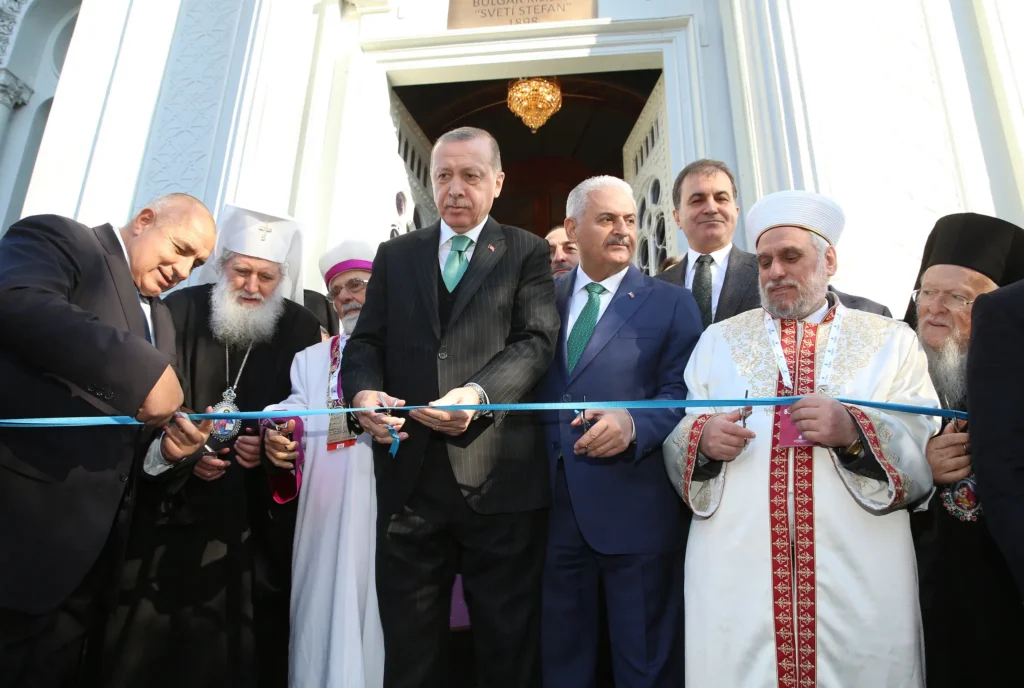
On January 7, 2018, the church reopened — restored but faithful to its original 19th-century character.
Today, it stands not only as a religious monument but as a symbol of cross-cultural dialogue.
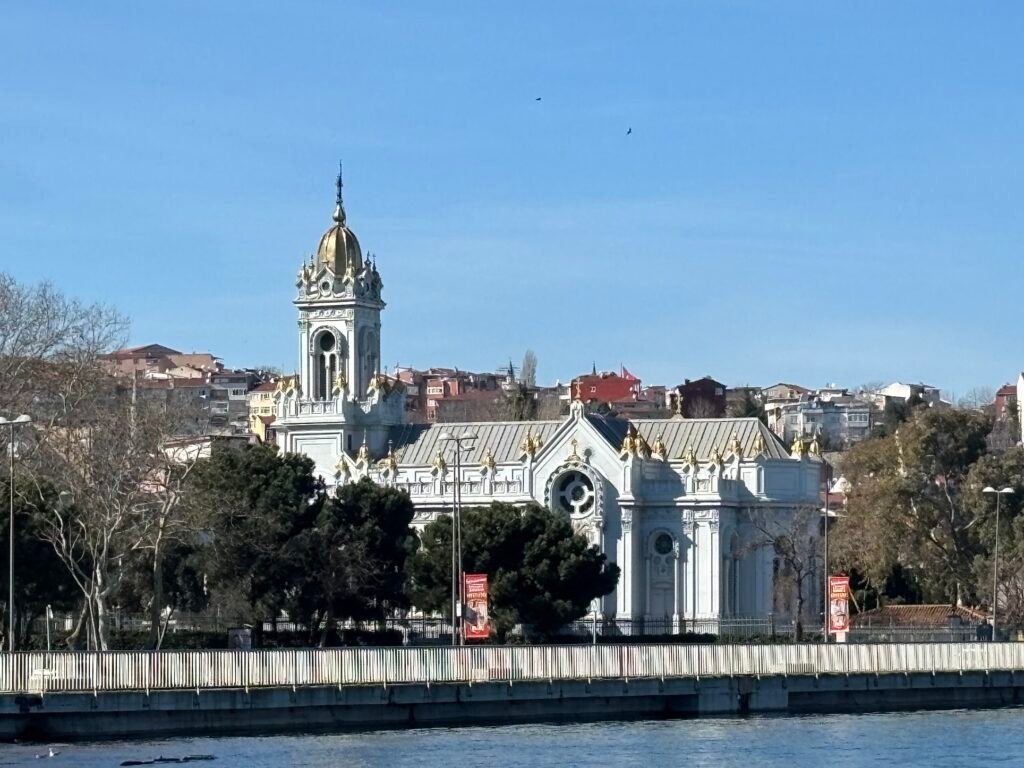
Why Visit the Iron Church?
Istanbul is known for icons such as Hagia Sophia, Blue Mosque, and the Topkapı Palace.
But the Iron Church offers something different:
- A Balkan story inside Ottoman Istanbul
- A monument of diplomacy rather than conquest
- Industrial-era engineering in a sacred setting
- A powerful symbol of minority resilience
It is one of the city’s most photogenic and intellectually fascinating sites.
And it could only exist in Istanbul — a city where empires, identities, and religions intersect.
Discover It With Us
At Gate to Türkiye, we design curated experiences that explore the layered identity of Istanbul — beyond the postcard landmarks.
The Bulgarian Iron Church can be included in many Tours.
Tagged with :