


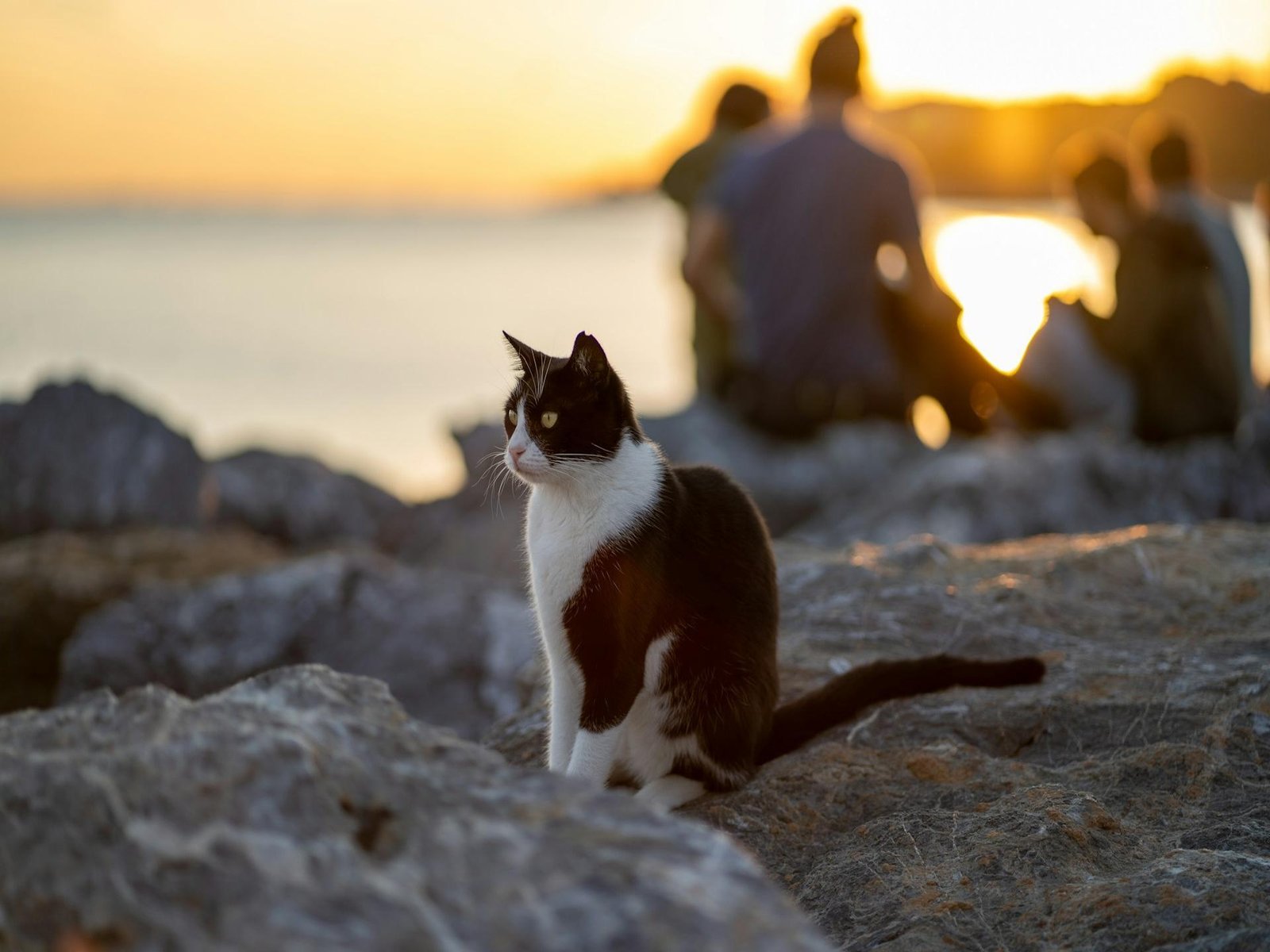
Street cats exist in many cities. In Istanbul, they occupy a distinctive and visible place within everyday urban life.
This tour explores how that presence developed. Rather than presenting cats as a charming detail of the streets, the experience examines the historical, theological, legal, and social frameworks that shaped a long-standing model of human–animal coexistence. Istanbul’s feline culture is not incidental — it is rooted in institutions, beliefs, and neighborhood structures that evolved over centuries.
Itinerary
Fener – Religion, Memory, and Coexistence
We begin by picking you up from your hotel and making our way to Fener and Balat — two of Istanbul’s most historically layered districts.
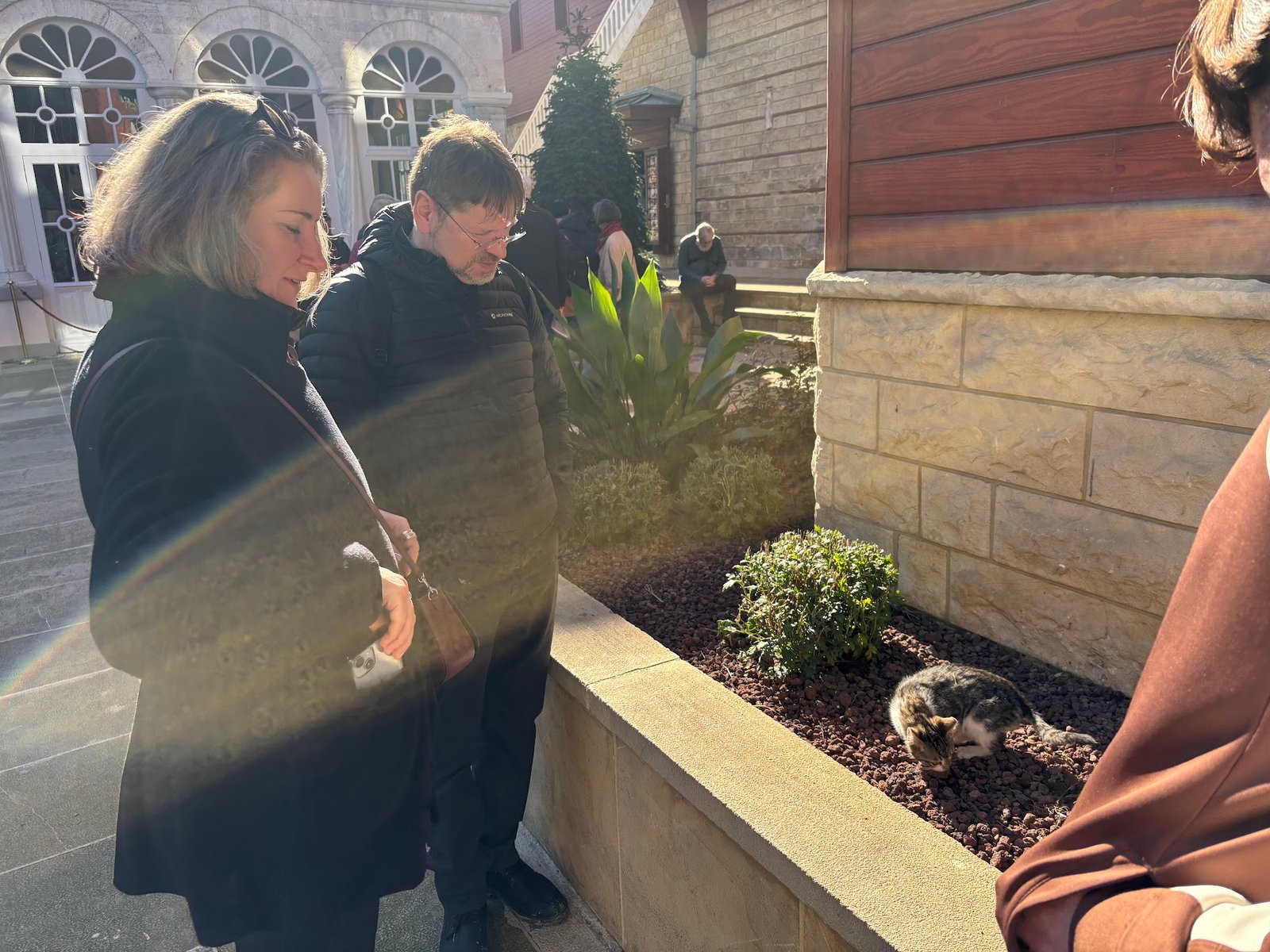
Fener has long been associated with the Greek Orthodox community and offers a strong setting to examine how the Ottoman Empire governed multi-religious neighborhoods. Here, we discuss the vakıf (waqf) foundation system and the institutional frameworks that supported animal welfare. Ottoman endowments were established specifically to feed birds and street animals, and public fountains often included shallow basins designed for animal use. Care for animals was not incidental charity; it was embedded within legal and philanthropic structures.
Walking through Fener’s narrow streets toward Balat, cats resting beside churches and mosques visually reflect a centuries-old culture of shared urban space and layered coexistence.
Naftalin Café – Modern Urban Continuity
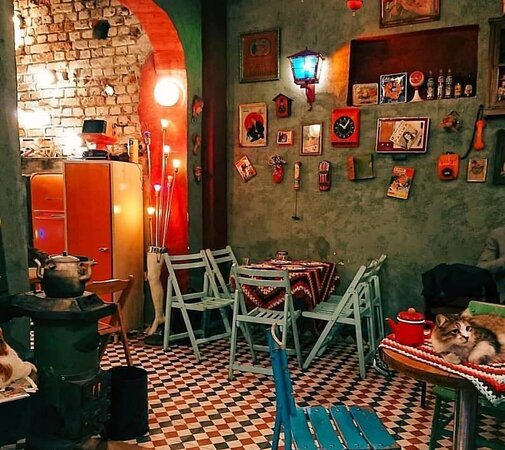
Before moving to Balat, we pause at Naftalin Café.
This cat-friendly café reflects how Istanbul’s historic animal culture continues in contemporary life. Cats move freely within the space rather than being isolated as an attraction.
This stop allows discussion of:
- Modern municipal animal protection laws in Türkiye
- The legal concept of “community animals”
- Volunteer-based feeding and sterilization programs
Naftalin serves as a present-day counterpart to Ottoman charitable systems — a bridge between institutional compassion and grassroots continuity.
Balat – The Mahalle Cat Tradition
Balat represents the traditional Ottoman mahalle system — a neighborhood structure based on collective responsibility.
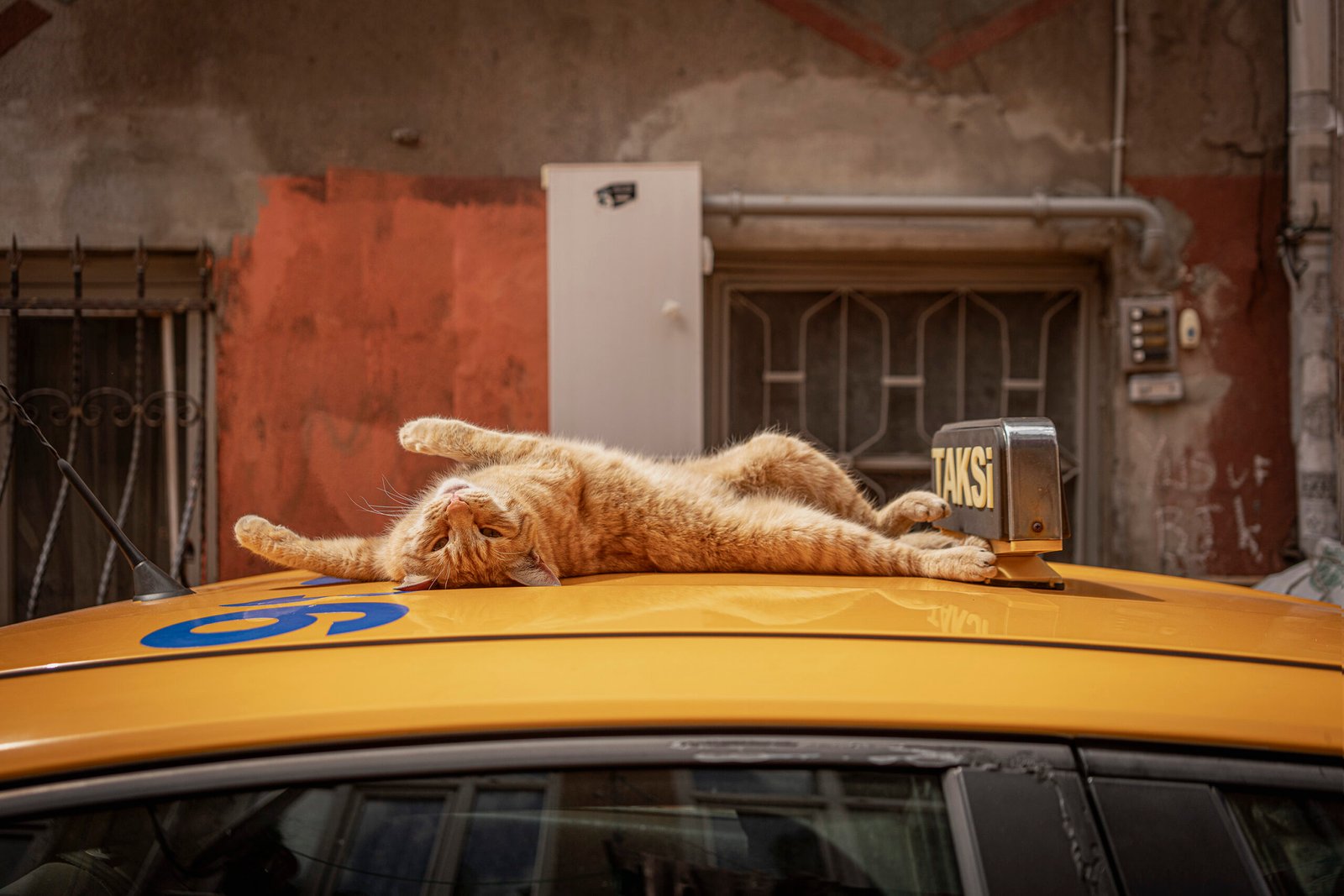
The “mahalle cat” belongs to everyone and no one. Shopkeepers feed them. Residents monitor their health. Children grow up recognizing them as part of the street ecosystem.
This decentralized social model helps explain why Istanbul did not evolve into a city defined by mass animal removal policies, unlike many global urban centers.
Balat offers strong photographic opportunities, but more importantly, it demonstrates how informal social networks sustain animal populations without centralized enforcement.
From Imperial Avenue to Bohemian Quarter
Walking along İstiklal Avenue, we discuss late Ottoman modernization and the transformation of Beyoğlu into a European-influenced district.
Cihangir, by contrast, developed a strong bohemian identity in the late 20th century, attracting writers, filmmakers, and artists.
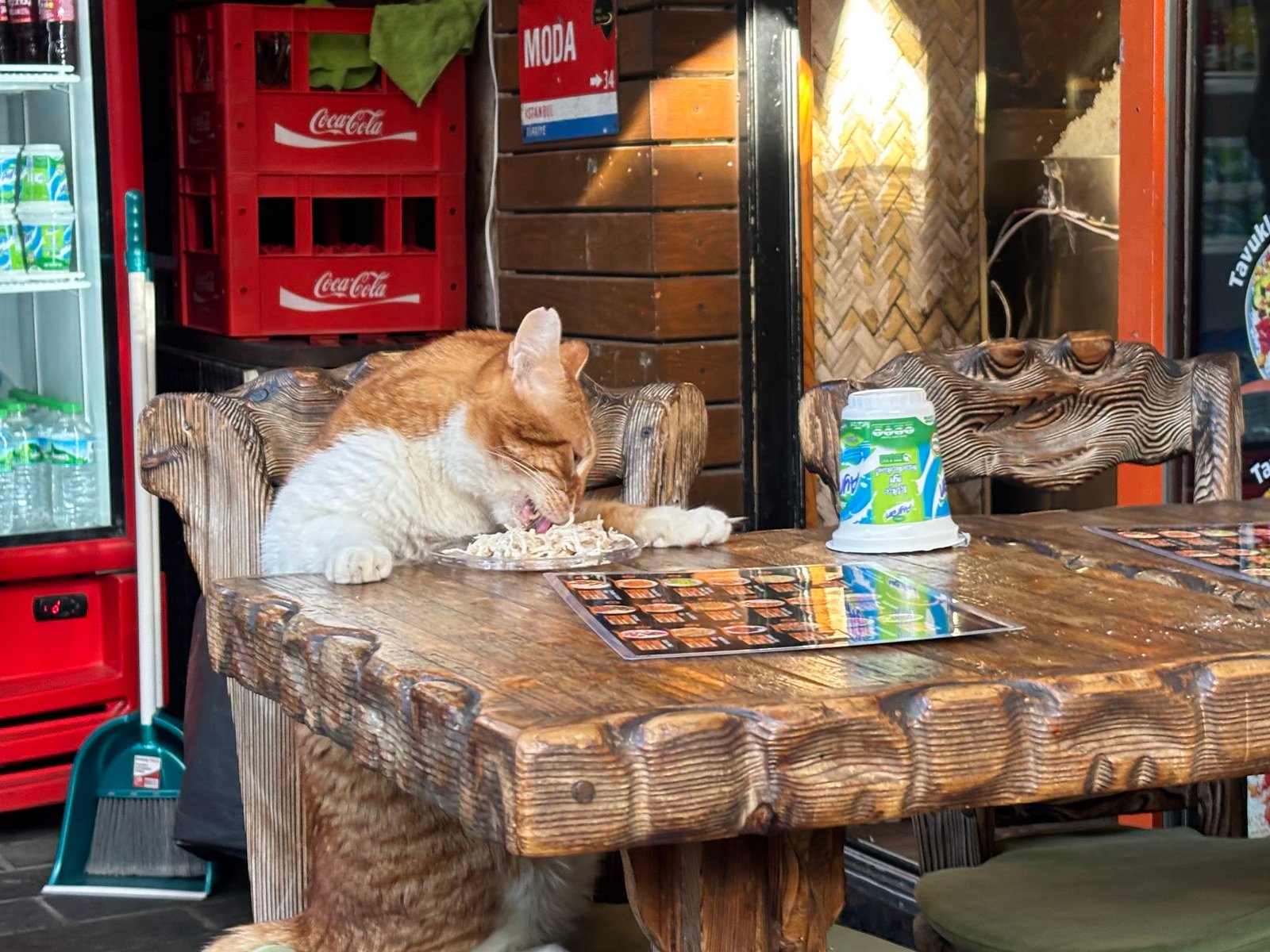
Here, the “Cihangir cat” stereotype emerged — independent, confident, visibly integrated into café culture. The feline presence reflects the neighborhood’s intellectual and creative character.
On Akarsu Yokuşu, a local resident informally supports street cats. Visits are coordinated respectfully to ensure that community care is not turned into spectacle.
Cultural Representation – Beşiktaş
In Beşiktaş, the tour takes on a cultural-historical dimension.
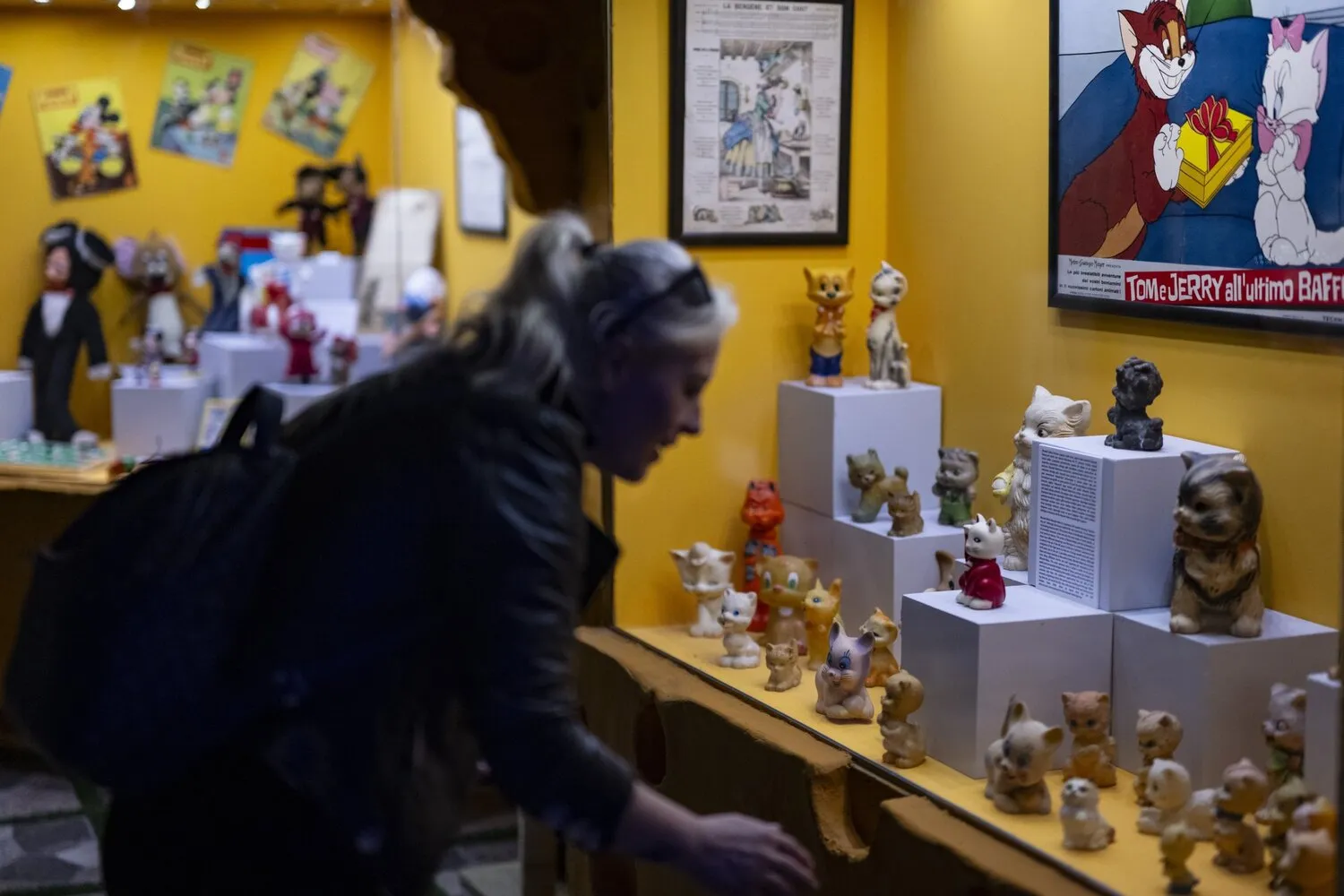
At the Istanbul Cat Museum, guests encounter:
- Cats in Ottoman miniature paintings
- Folk narratives and urban legends
- Contemporary artistic interpretations
This stop reinforces the idea that cats are embedded in Istanbul’s symbolic and visual culture, not merely tolerated as street animals.
Crossing the Bosphorus – Maritime Ecology
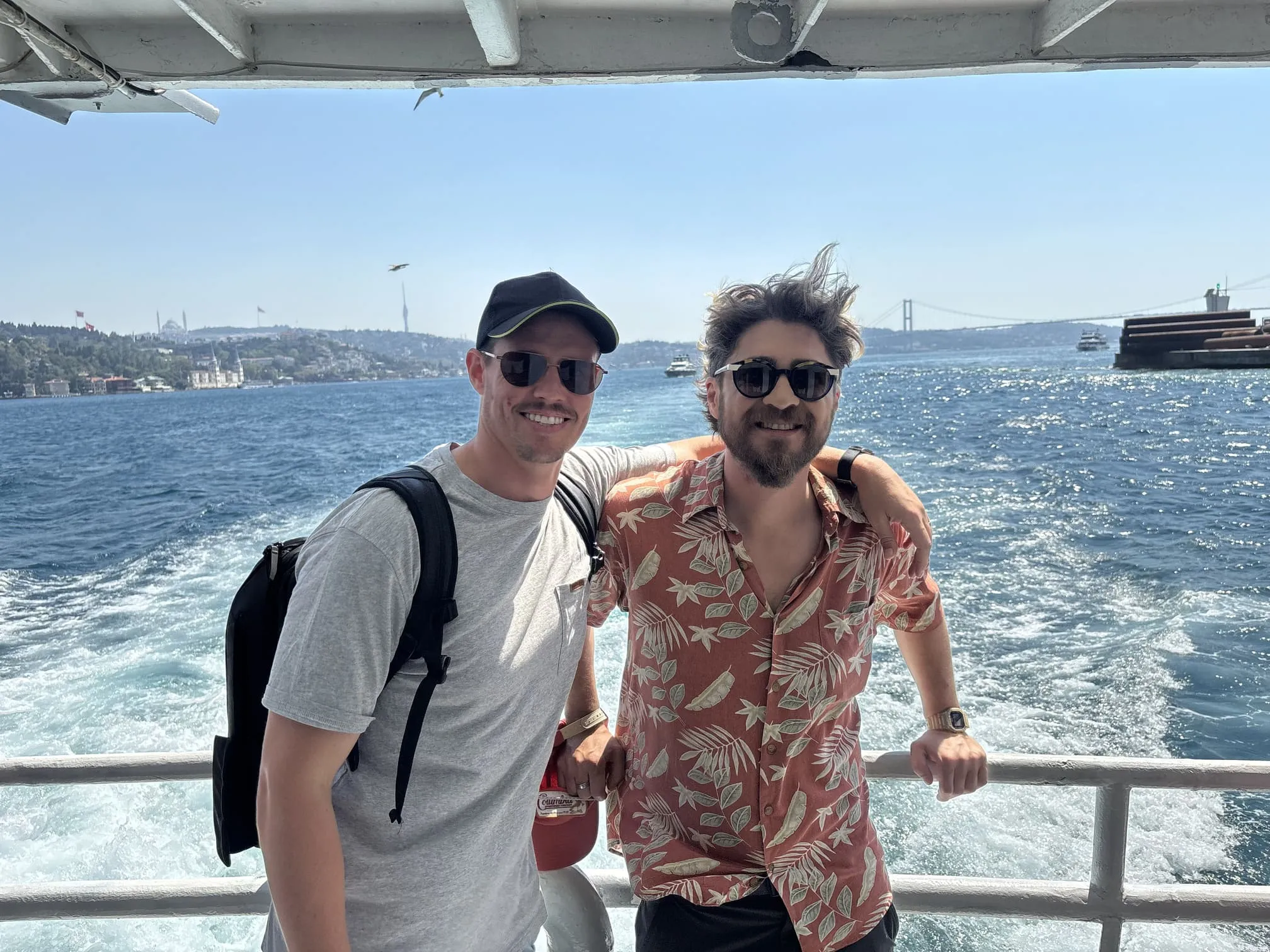
We take the public ferry across the Bosphorus to Kadıköy, experiencing the city from the water before stepping onto its Asian shore.
In Kadıköy, we walk through the market streets and along the waterfront, where cats are a constant presence — near fishermen, shop entrances, and café terraces. The district offers a living example of how everyday commerce and street life coexist with Istanbul’s long-standing feline culture. We pause for a local food stop, allowing time to experience Kadıköy’s culinary scene within its informal, neighborhood atmosphere.
From there, we continue on foot along Moda Street toward Moda Park. Along the way, we encounter numerous community cats integrated into residential corners, storefronts, and green spaces. The walk culminates at Moda Park, where the coastline and open views provide a natural closing point to the Asian-side chapter of the tour.
Moda – Community, Coastline, and Continuity
In Moda Park, we spend time walking through the green spaces and along the coastline, where community cats are part of the park’s daily rhythm. Here, guests can observe — and, when appropriate, participate in — responsible feeding practices that reflect cooperation between local municipalities and volunteer networks.
With the Marmara Sea in front of us and the Historic Peninsula visible across the water, the setting offers a spatial reminder of the city’s layered continuity.
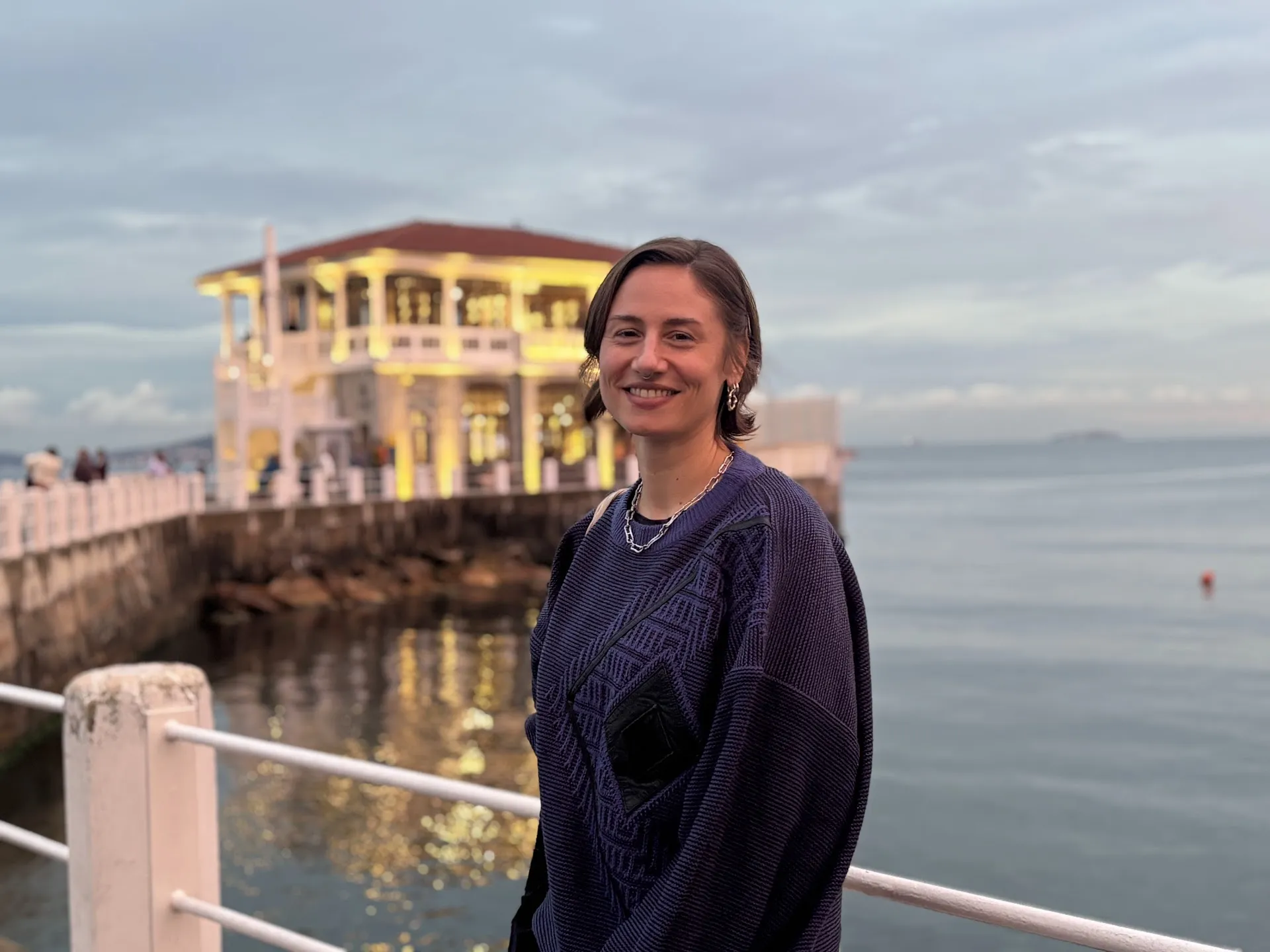
From Moda Pier, we board the ferry back to the European side, completing the cross-continental journey.
Get in Touch
If you are looking for more than a photo walk — if you want structure, context, and a clear narrative — this experience is designed for you.
Each tour is private and intentionally paced. The route, discussion depth, and food stops can be calibrated to your interests, whether you prefer theology, urban history, social systems, or contemporary culture.
For a Cats of Istanbul Tour quote, tell us your preferred dates, group size and interests in the contact form.
Tagged with :