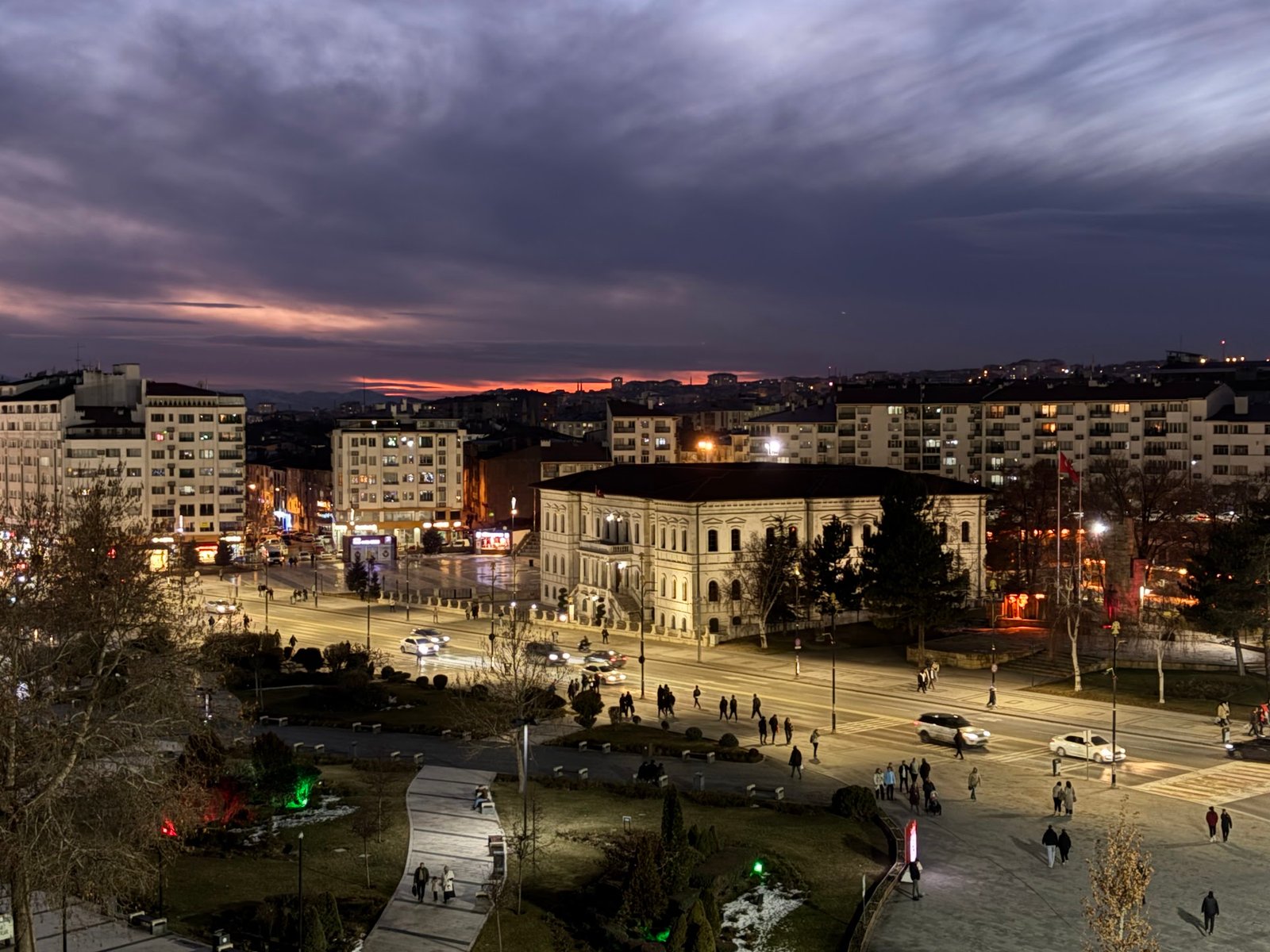
In the heart of Central Anatolia, surrounded by high plateaus and vast steppe landscapes, lies one of the most historically layered cities in Türkiye: Sivas.
For thousands of years, this city stood at the intersection of civilizations. Empires marched through its valleys, merchants crossed its plains, and scholars filled its madrasas. From the sacred cities of the Hittite Empire to the political turning point of the Turkish War of Independence, Sivas has continuously shaped the history of Anatolia.
Today, visitors often admire its Seljuk architecture or remember it as the site of the historic Sivas Congress of 1919, yet the story of this remarkable city stretches back far deeper into antiquity.
Understanding Sivas means understanding the very heart of Anatolia itself.
The Geography That Shaped History
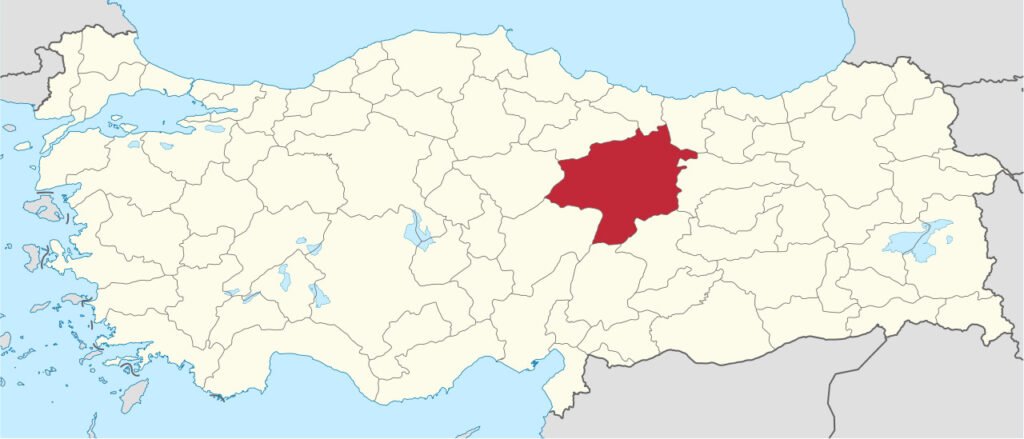
The importance of Sivas begins with geography.
Located near the upper basin of the Kızılırmak River, the longest river entirely within Türkiye, Sivas occupies a strategic plateau that historically connected several major regions:
- Eastern Anatolia and Persia
- Central Anatolia
- The Black Sea region
- Mesopotamia
For centuries, trade caravans, imperial armies, and migrating peoples passed through this natural corridor.
Branches of the ancient Persian Royal Road and later Silk Road routes crossed this region, transforming Sivas into a key logistical and commercial center. Its geography ensured that whoever controlled Sivas held an important gateway across Anatolia.
The Earliest Settlements: Prehistoric Anatolia
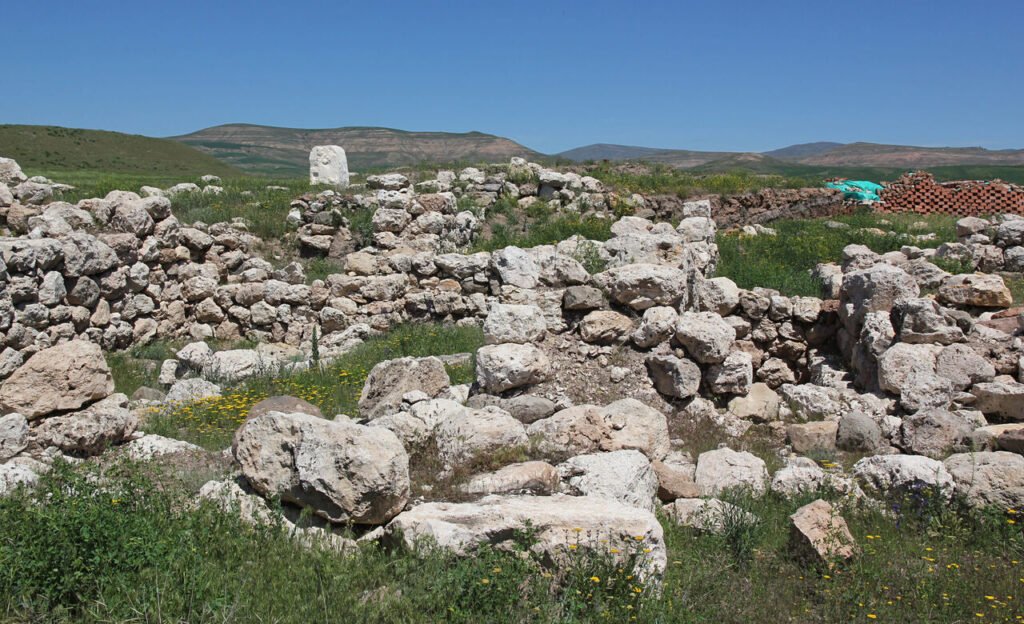
Archaeological evidence shows that the Sivas region has been inhabited since the Neolithic period, when early agricultural communities began settling near fertile plains and water sources.
Some of the most important early settlements include sites such as Kayalıpınar and Kuşaklı, which would later become significant during the Bronze Age.
These early communities laid the foundations for the rise of one of the most powerful civilizations of ancient Anatolia.
Sivas in the Age of the Hittites
During the second millennium BCE, the region became part of the great Hittite Empire, one of the earliest major states in world history.
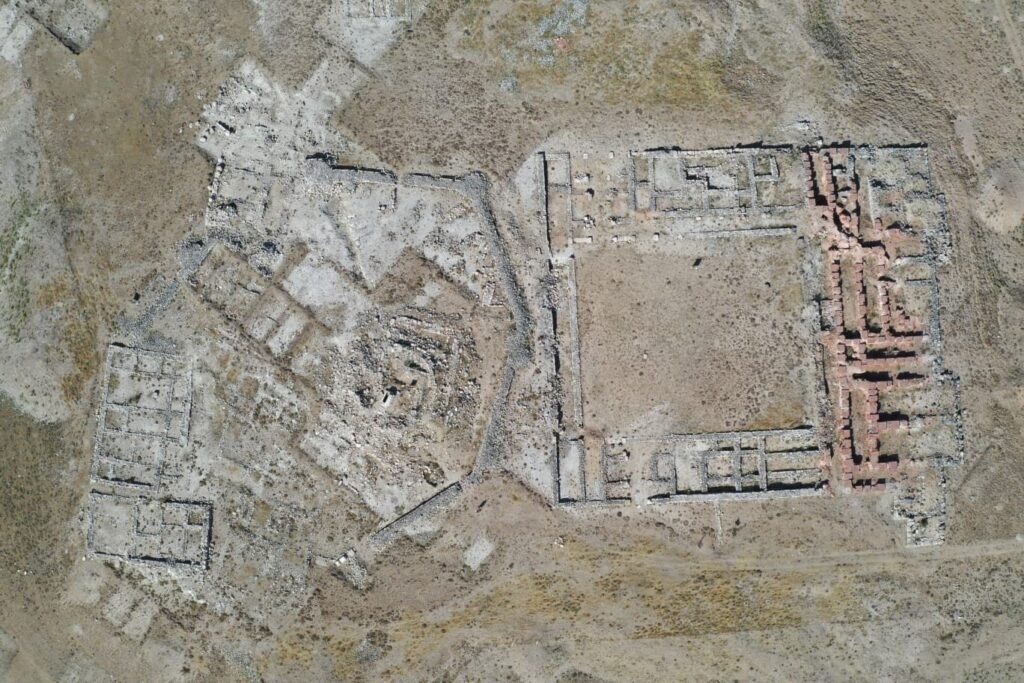
Near modern Sivas stood the important Hittite city of Šamuha, located at present-day Kayalıpınar. This city served as a major religious and administrative center and even functioned as a temporary royal residence during times of military conflict.
Another remarkable site is Sarissa, located at Kuşaklı, which was a planned Hittite city with monumental temples, defensive walls, and carefully designed urban planning.
These cities reveal that the Sivas region was already deeply integrated into the political, religious, and administrative systems of the Hittite state more than 3,500 years ago.
The Turbulent Iron Age
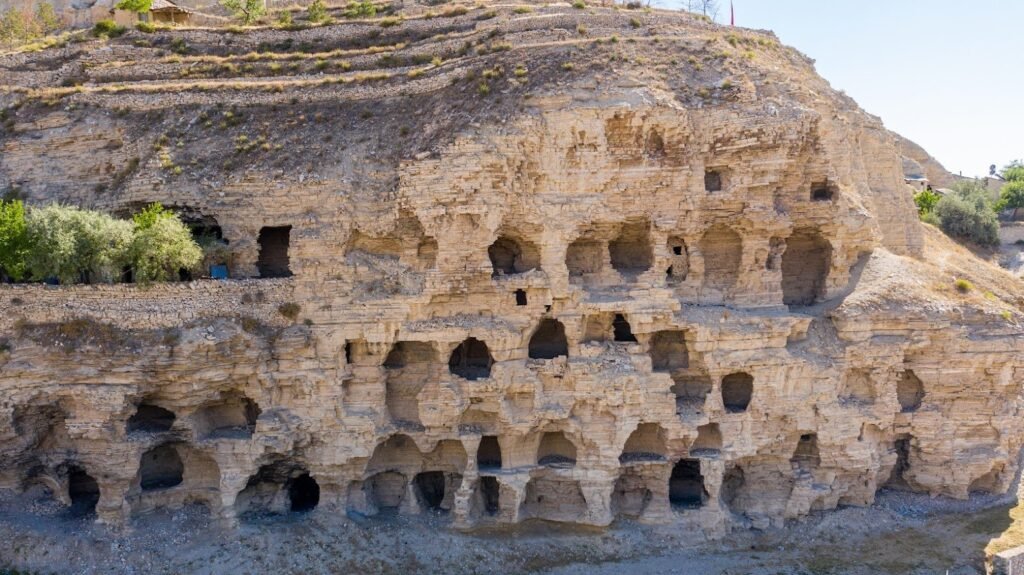
Following the collapse of the Hittite Empire around 1200 BCE, Anatolia entered a period of instability often referred to as the Late Bronze Age collapse.
In the centuries that followed, the region witnessed waves of migration and invasion by groups such as the Cimmerians, Scythians, and Medes.
Political authority shifted frequently, and the region became part of a constantly changing landscape of tribal powers and emerging kingdoms.
Eventually, stability returned when Anatolia fell under the rule of one of the greatest empires of antiquity.
Under the Persian Empire
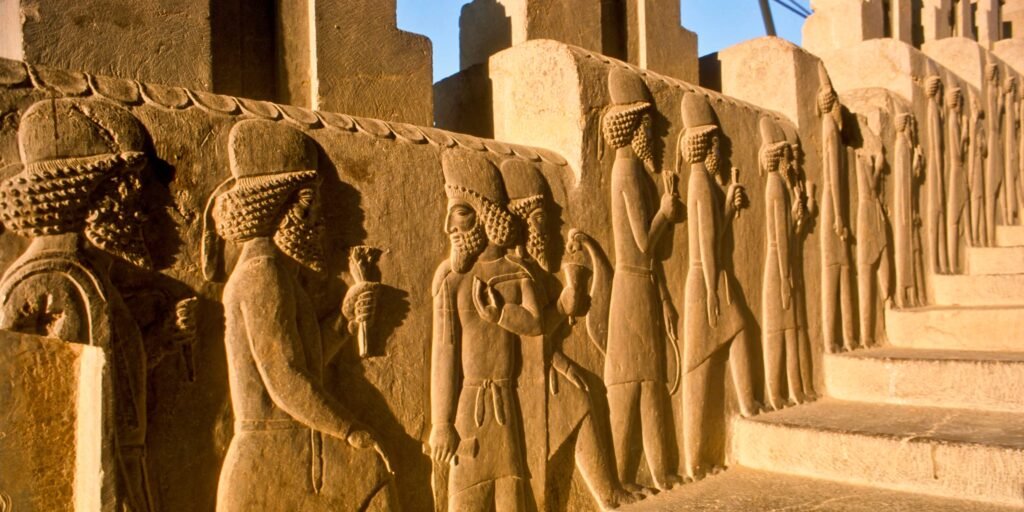
By the 6th century BCE, Sivas became part of the vast Achaemenid Persian Empire, which stretched from the Indus Valley to the Mediterranean Sea.
The region was integrated into the Persian administrative system known as the satrapy structure, and the famous Royal Road network passed through nearby territories, linking Susa in Persia with Sardis in western Anatolia.
This road network transformed the region into an important transit zone for imperial communication, trade, and military movement.
The Arrival of the Romans: Sebasteia
Following the campaigns of Alexander the Great and the fragmentation of his empire, the region eventually came under Roman control.
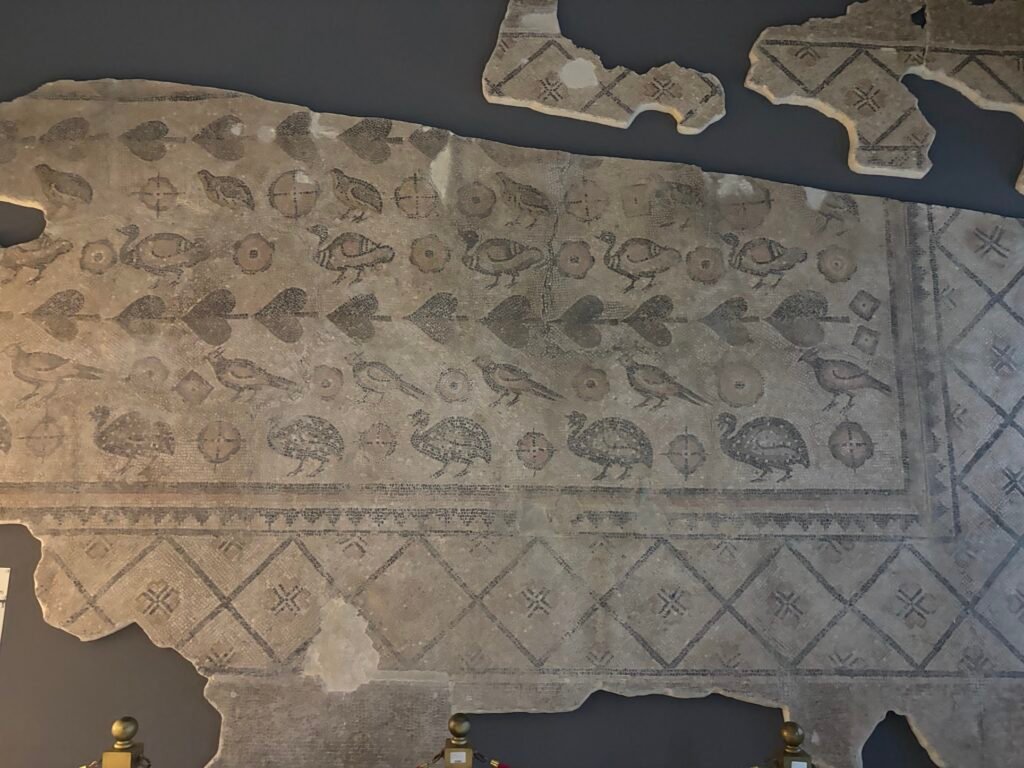
In 64 BCE, the Roman general Pompey the Great reorganized Anatolia and established a new city called Sebasteia, a name honoring Augustus, the first Roman emperor.
Over time, the name evolved linguistically from Sebasteia into the modern name Sivas.
Under Roman rule, the city became an important administrative center in the province known as Armenia Minor. It also developed into a significant early Christian center, producing several influential bishops and religious figures.
The Byzantine Frontier City
During the Byzantine Empire, Sivas maintained its strategic importance as a defensive stronghold against eastern rivals.
Situated near the frontier with Persian and later Islamic powers, the city was incorporated into the Byzantine theme system, a network of military provinces designed to defend the empire.
The region also became home to vibrant Armenian communities and monasteries, including the famous Surb Nshan Monastery, which played an important role in Armenian religious scholarship.
The Arrival of the Turks
The 11th century brought dramatic changes to Anatolia.
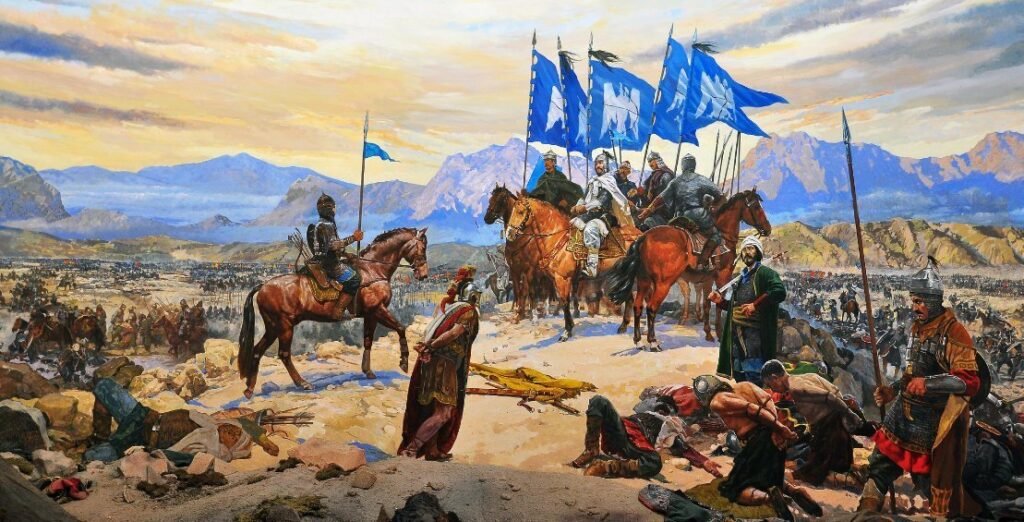
As Turkic groups began migrating westward, the region around Sivas became a contested frontier between the Byzantine Empire and the expanding Seljuk Turks.
After the Byzantine defeat in the Battle of Manzikert in 1071, Turkic control across much of Anatolia expanded rapidly.
Sivas soon became one of the earliest political centers of Turkish rule in the region.
The Danishmend Capital
During the late 11th and 12th centuries, Sivas served as the capital of the Danishmend Dynasty, one of the earliest Turkish principalities in Anatolia.
From this city, the Danishmends ruled large territories across central Anatolia and played a major role in the political transformation of the region following the collapse of Byzantine authority.
Under their rule, Sivas began developing into a significant urban center of Turkish culture and governance.
The Seljuk Golden Age
The true golden age of Sivas arrived during the Seljuk Sultanate of Rum in the 12th and 13th centuries.
At its height, Sivas was among the largest and most prosperous cities in Anatolia. Its strategic position on major trade routes brought wealth, scholars, and merchants from across the Islamic world.
This period produced some of the most remarkable monuments still standing in the city today:
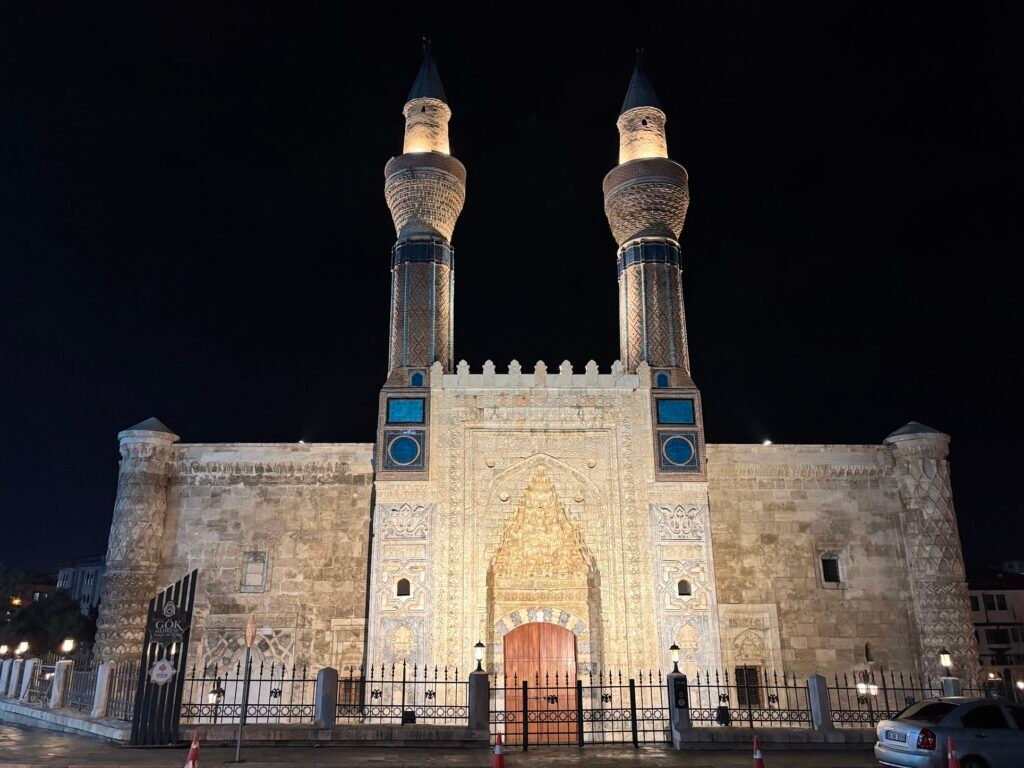
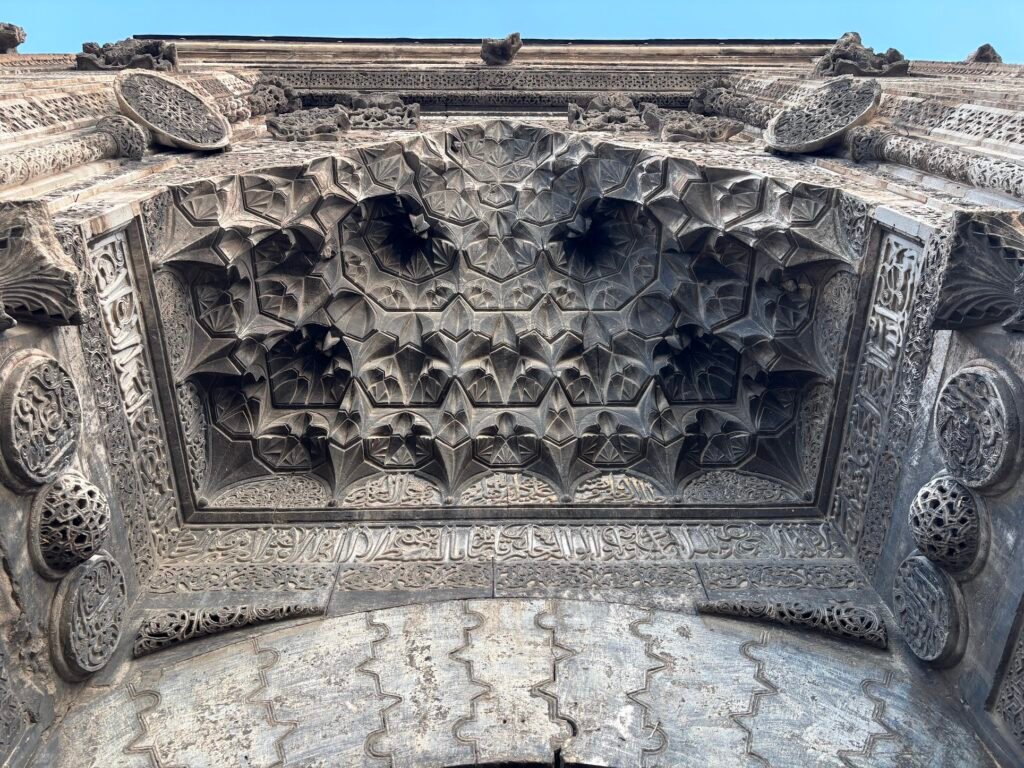
- Gök Medrese (1271), famous for its stunning turquoise tile decoration
- Şifaiye Medrese (1217), a medieval hospital and medical school
- Çifte Minare Medrese, one of the most striking Seljuk monuments in Anatolia
- The Great Mosque of Sivas, one of the oldest surviving mosques in the region
These buildings demonstrate the artistic and architectural sophistication of the Seljuk world and remain among the finest examples of medieval Islamic architecture in Anatolia.
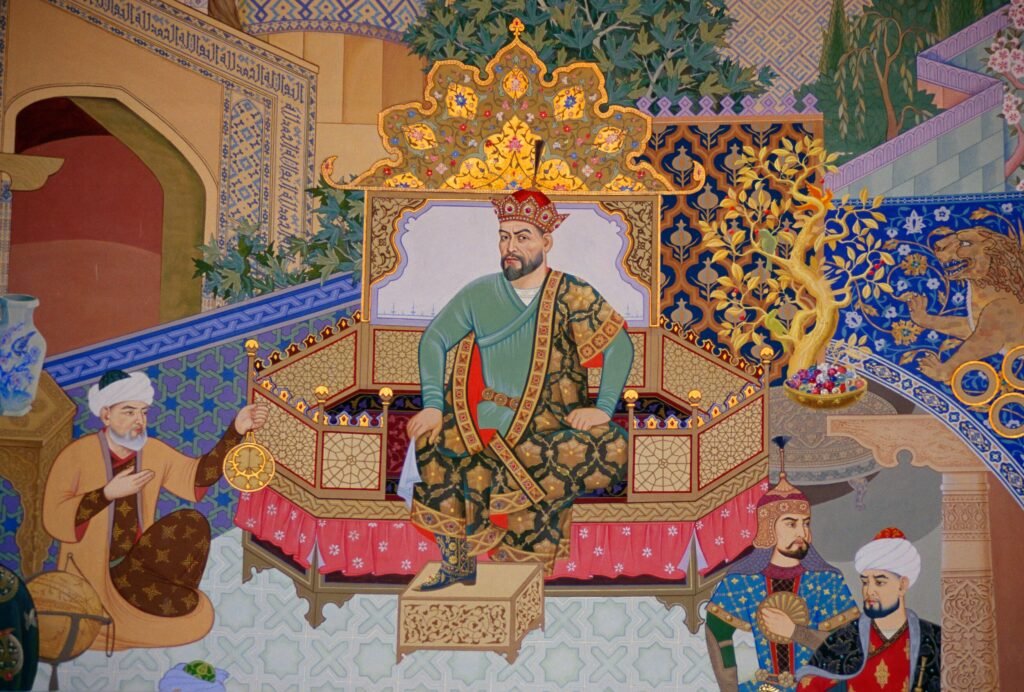
Destruction and Transformation: The Mongols and Timur
The Seljuk golden age ended after the Battle of Köse Dağ in 1243, when the Seljuks were defeated by the Mongol Empire.
Although the city remained inhabited, its political influence gradually declined.
A devastating blow came in 1400, when the Central Asian conqueror Timur captured and destroyed Sivas during his campaigns across Anatolia. The city suffered heavy destruction and mass casualties.
Although Sivas would recover over time, it never again reached the enormous scale it had enjoyed during the Seljuk era.
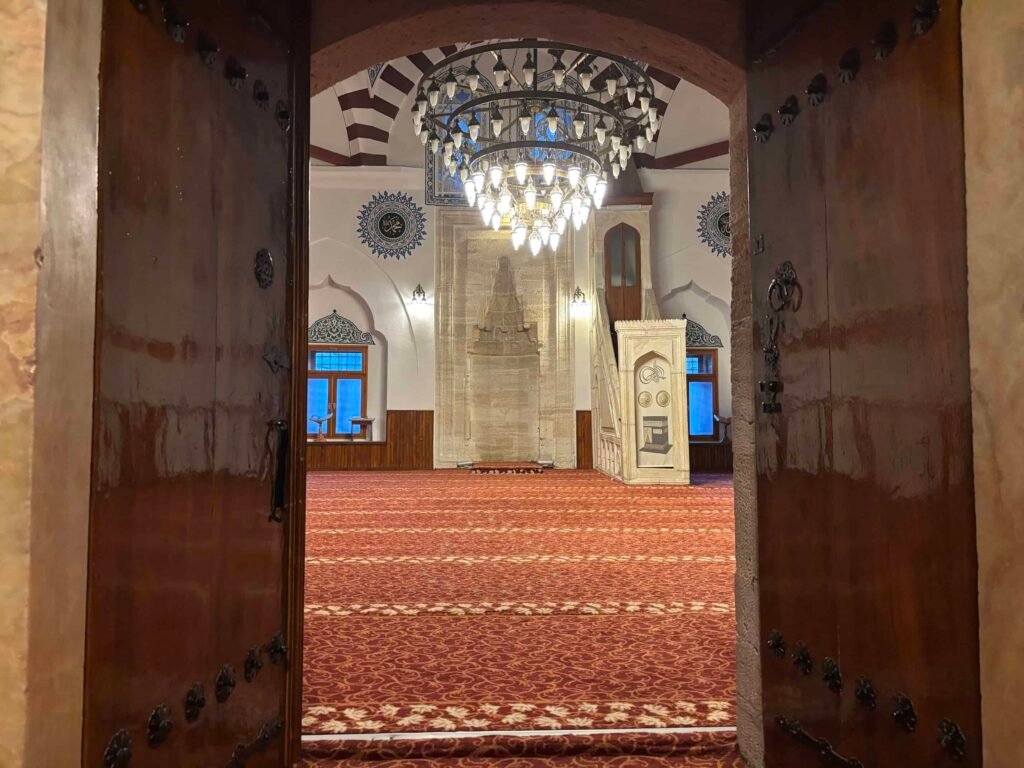
Sivas in the Ottoman Empire
In the centuries that followed, Sivas became an important provincial center of the Ottoman Empire.
The Eyalet of Sivas governed a large region of central and eastern Anatolia. The city served as an administrative hub, military staging point, and commercial center.
During the Ottoman period, Sivas was home to a diverse population including Turks, Armenians, and Greeks, reflecting the multicultural character of Anatolian cities at the time.
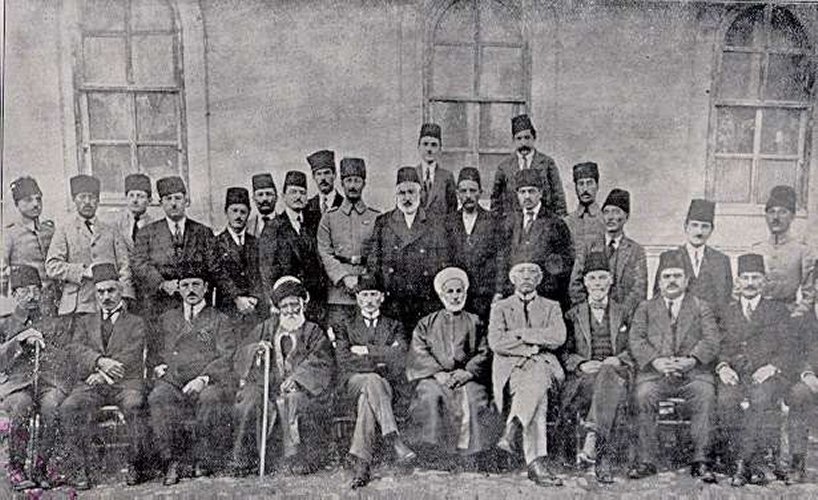
The Sivas Congress and the Birth of Modern Türkiye
One of the most pivotal moments in modern Turkish history took place here.
In September 1919, Mustafa Kemal Atatürk and other national leaders gathered in Sivas for the historic Sivas Congress.
The congress unified regional resistance movements across Anatolia and laid the organizational foundations for the Turkish War of Independence.
For this reason, Sivas occupies a unique place in the story of modern Türkiye. It was here that the struggle for national sovereignty gained decisive momentum.
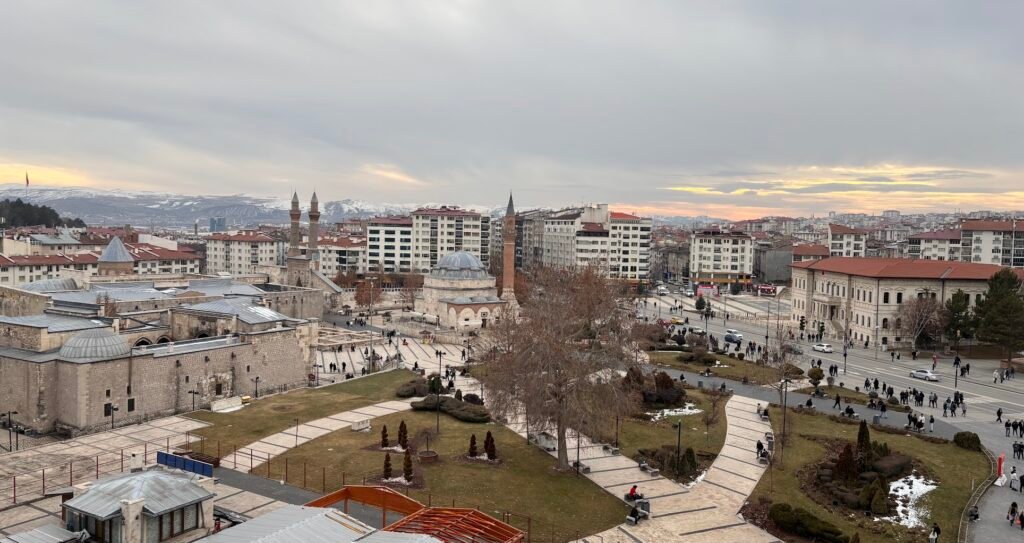
Sivas Today
Modern Sivas preserves layers of history that span thousands of years.
Visitors can explore:
- monumental Seljuk madrasas
- traces of Roman and Byzantine heritage
- archaeological sites connected to the Hittite civilization
- landscapes shaped by ancient trade routes.
Beyond its monuments, the region is also famous for its cultural traditions, including the legendary Kangal shepherd dog and the legacy of the great folk poet Aşık Veysel, whose music continues to shape Anatolian culture.
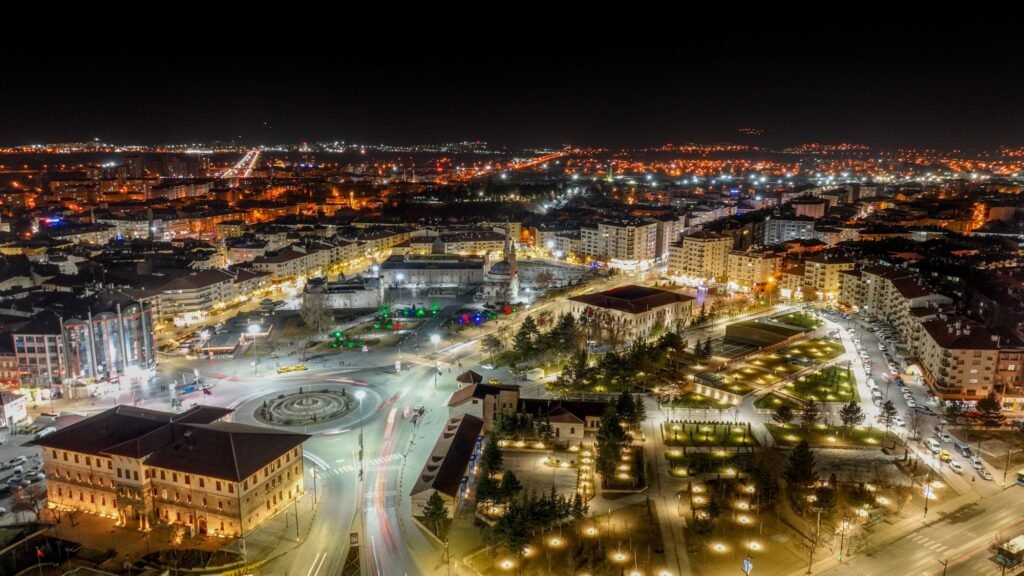
Let’s Explore Together
Sivas is far more than a historic Anatolian city — it is a crossroads of civilizations where the legacies of the Hittites, Persians, Romans, Byzantines, Seljuks, Ottomans, and the founders of modern Türkiye still echo through its streets.
From the monumental Seljuk madrasas in the city center to hidden archaeological sites, historic caravan routes, and the landscapes of the Anatolian plateau, Sivas offers travelers a unique opportunity to experience thousands of years of history in one place.
If you would like to explore Sivas through carefully designed cultural tours and local insights, feel free to get in touch. I would be happy to help you discover one of Anatolia’s most fascinating and underrated destinations.