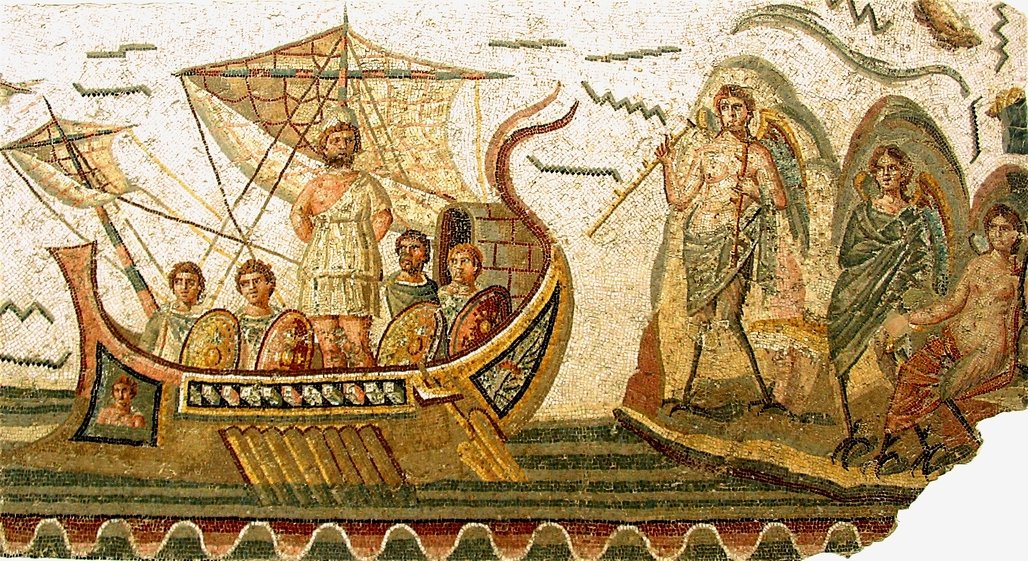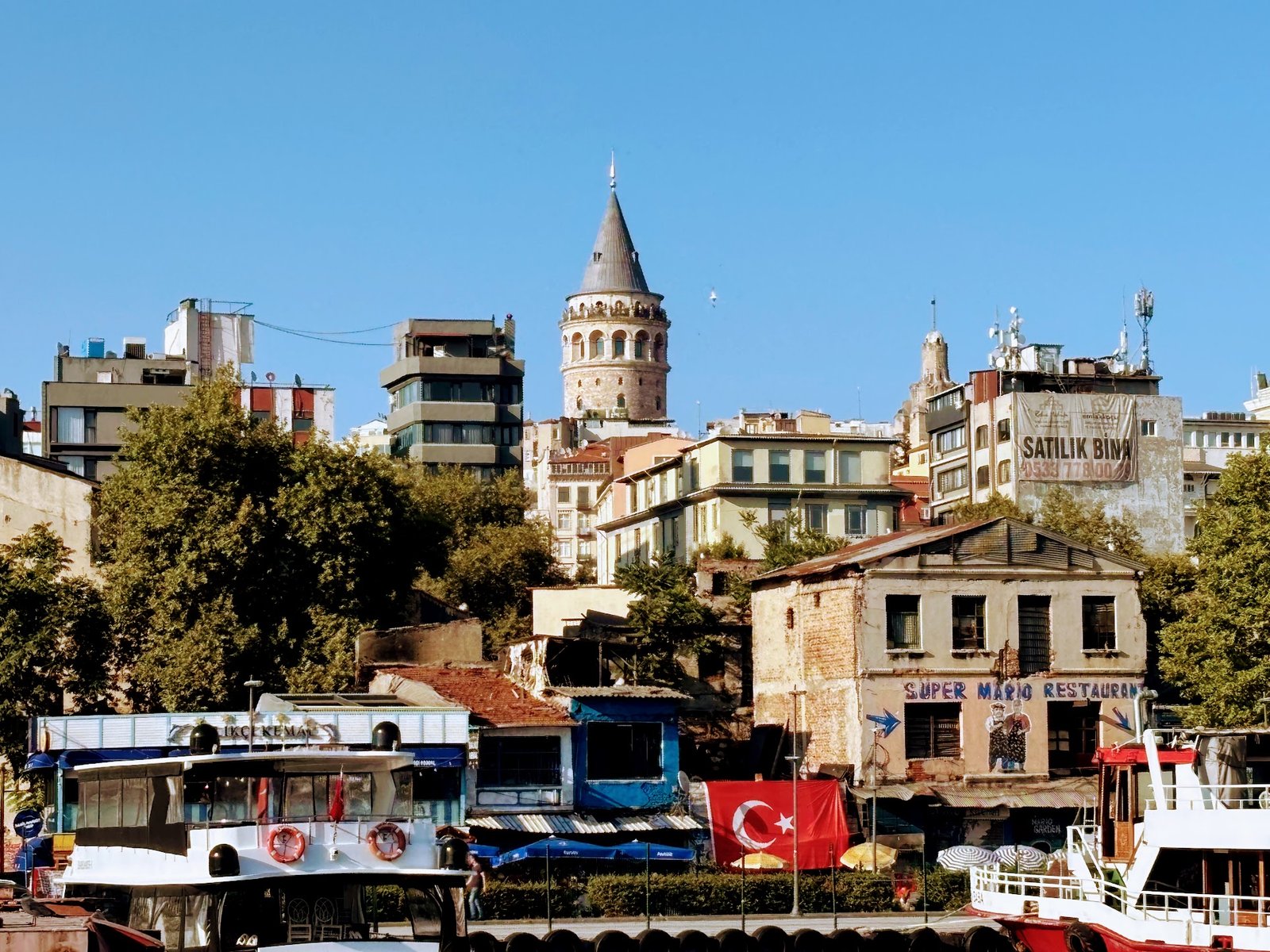
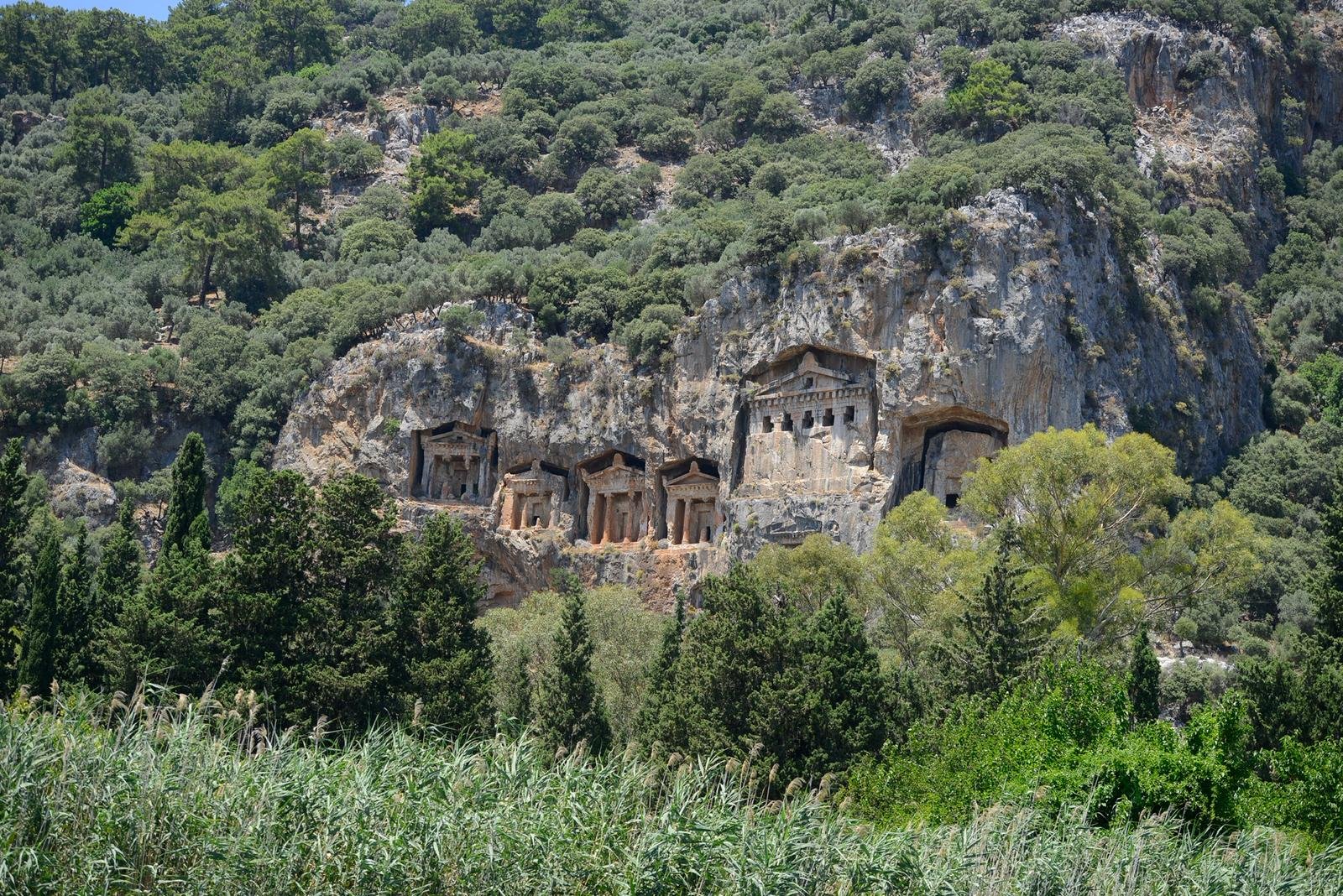
The Aegean Region of Turkey (Ege Bölgesi) is more than a geographic coordinate; it is a 3,000-year-old conversation between the mountains and the sea. For the traveler, it represents a journey through the “Turkaegean”—a landscape where the scents of wild thyme and olive oil mingle with the salty breeze of the Mediterranean.
Whether you are a history enthusiast, a culinary seeker, or a luxury traveler, the Aegean offers layers of discovery that reward the curious mind.
The Rhythm of the Land – Climate & Geography
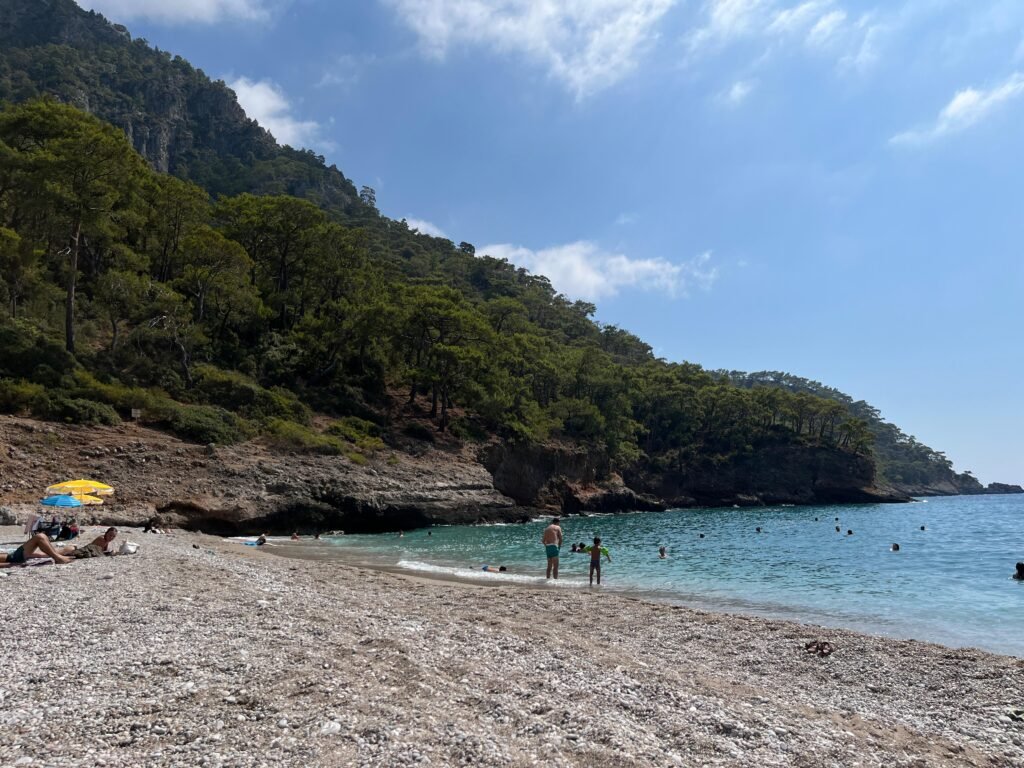
To understand the Aegean, one must understand its “broken” geography. Unlike the Mediterranean coast, where mountains run parallel to the sea, the Aegean mountains run perpendicular. This unique geological structure creates a deeply indented coastline—a labyrinth of thousands of bays, coves, and peninsulas that have provided sanctuary to sailors since the Bronze Age.
The Seasons of the Aegean
The climate here is categorized as a classic Mediterranean system, characterized by high sunshine hours and a refreshing sea breeze known as the “İmbat.”
- The Golden Spring (April–June): This is the “season of the herbs.” The landscape is neon green, and temperatures (20°C–26°C) are perfect for exploring ancient ruins without the summer heat.
- The Aegean Summer (July–September): Life moves to the water. The humidity is lower than in southern Turkey, thanks to the cooling northern winds. It is the peak season for the “Blue Voyage.”
- The Harvest Autumn (October–November): The “Second Spring.” The sea remains warm, and the olive and grape harvests begin. This is the connoisseur’s season.
The Garden of the Gods – Agriculture & Economy
The Aegean is the agricultural heart of Turkey. The “Graben” valleys—fertile plains carved by the Gediz and Menderes rivers—contain some of the most productive soil in the world.
The “Big Five”
The region’s economy is anchored by five primary crops that have been traded here since antiquity:
- Olives (Zeytin): With over 100 million trees, the Aegean is the world’s olive oil boutique.
- Grapes (Üzüm): The Manisa-İzmir axis produces the famous “Sultana” seedless grapes.
- Poppy (Haşhaş): Grown under state control in the Inner Aegean for pharmaceutical use.
- Tobacco (Tütün): High-grade “Oriental” tobacco known for its aromatic quality.
- Figs (İncir): The Aydın fig is a UNESCO-recognized product and the gold standard for global consumption.
Beyond farming, the region is a powerhouse of Geothermal Energy and Textile manufacturing, particularly in the industrial hub of Denizli.
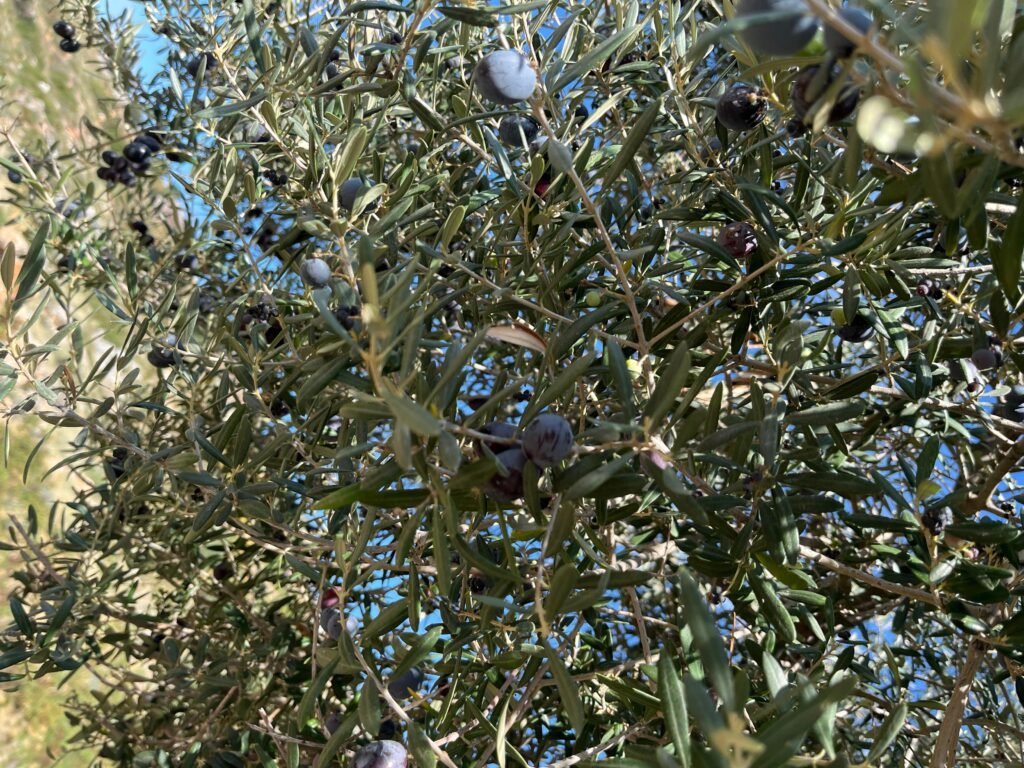
The Aegean Kitchen – A Culinary Philosophy
Aegean cuisine is the healthiest in Turkey, centered on the Zeytinyağlı (Olive Oil) tradition. It is a kitchen defined by “lightness.”
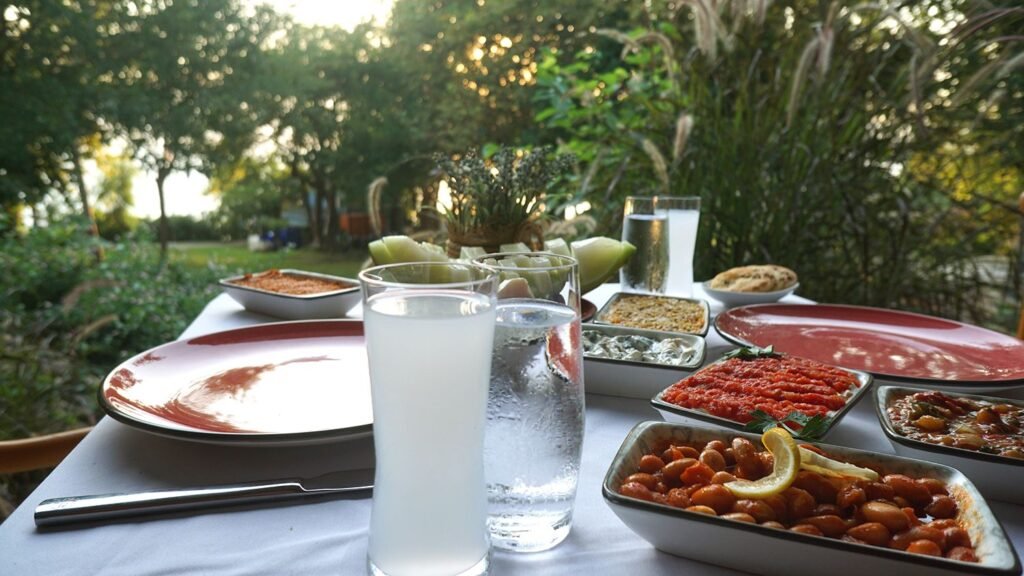
- The Herb Lore: Nowhere else in the world are wild weeds treated with such reverence. From Şevketibostan (Blessed Thistle) to Radika (Dandelion), these greens are hand-foraged and served with simple dressings of lemon and Aegean olive oil.
- Seafood Culture: Coastal dining is a ritual. It starts with a tray of Mezes (octopus salad, grilled calamari, fava bean puree) and ends with the catch of the day, usually sea bass (Levrek) or sea bream (Çipura).
- The Vineyard Heritage: From the ancient wine presses of Knidos to the modern boutique wineries of Urla, the Aegean wine route is a burgeoning destination for enotourism.
Provincial Deep Dives – The Five Pillars
1. İzmir: The Mediterranean Metropolis
İzmir is Turkey’s most progressive city, a place where the clock runs a little slower. It is the gatekeeper of the Aegean soul.
- Why People Visit: For the liberal lifestyle, the high-end boutiques of Çeşme, and the wind-swept stone houses of Alaçatı.
- The Experience: Sip coffee in the 400-year-old Kızlarağası Han, watch the sunset at the Historical Lift (Asansör), and wander the waterfront Kordon.
- History in Brief: Once the Greek city of Smyrna, it has survived fires and earthquakes to remain a vital Mediterranean port for three millennia.
2. Manisa: The Imperial Vineyard
Located just over the Sabuncubeli Pass, Manisa is the transition between the sea and the Anatolian plateau.
- Why People Visit: To escape the city into the Spil Mountain National Park and to explore the surreal volcanic “Moon Landscape” of the Kula-Salihli Geopark.
- The Experience: Witness the annual Mesir Paste Festival (UNESCO Intangible Heritage) and hike among the wild horses of Mount Spil.
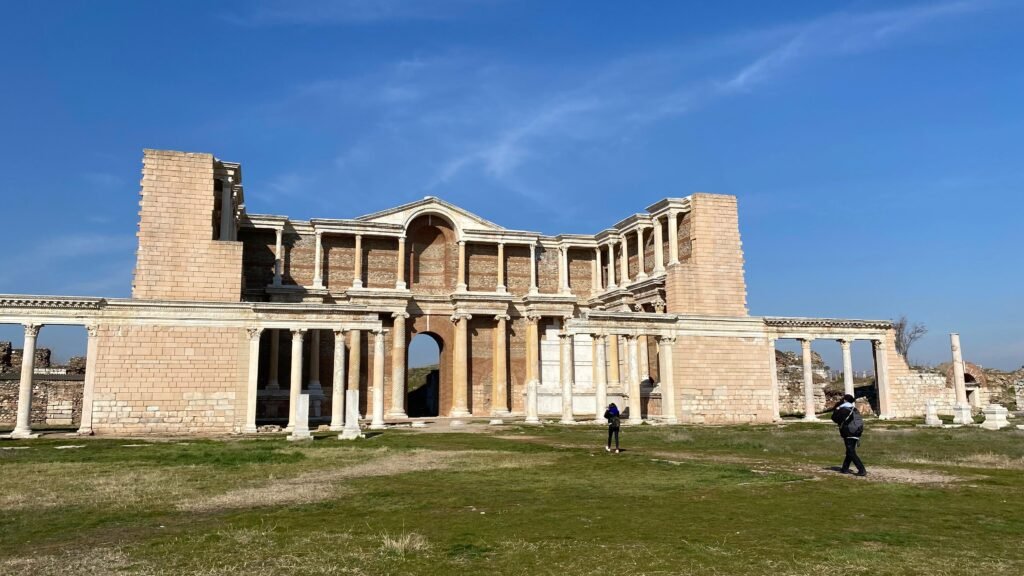
- History in Brief: It was the training ground for Ottoman Princes. It also holds Sardis, the Lydian capital where the world’s first standardized coins were minted.
3. Aydın: The Land of Great Philosophers
Aydın is defined by the Great Meander River and some of the most monumental ruins on earth.
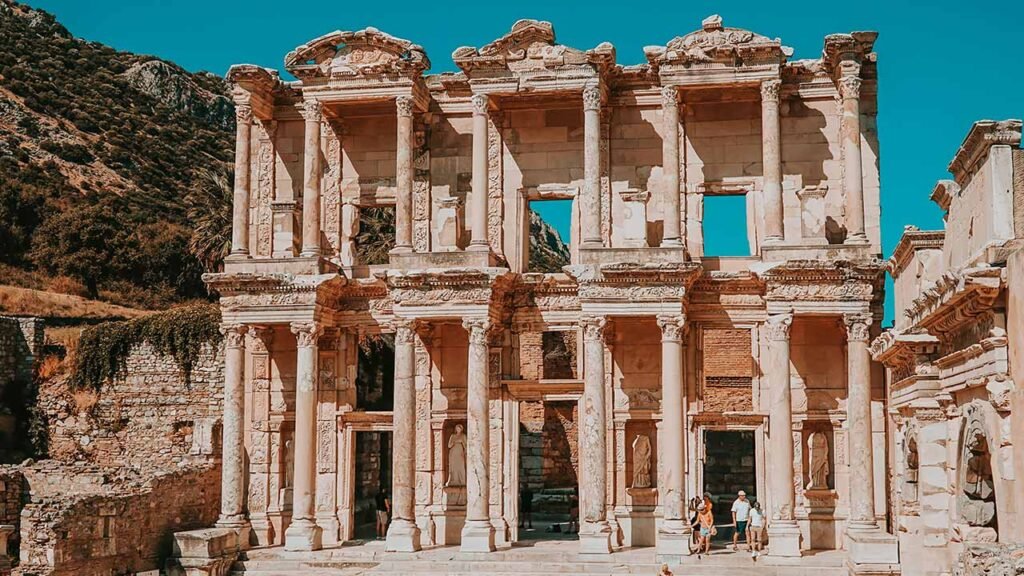
- Why People Visit: To walk the marble streets of Ephesus and to enjoy the blue-flagged beaches of Kuşadası and Didim.
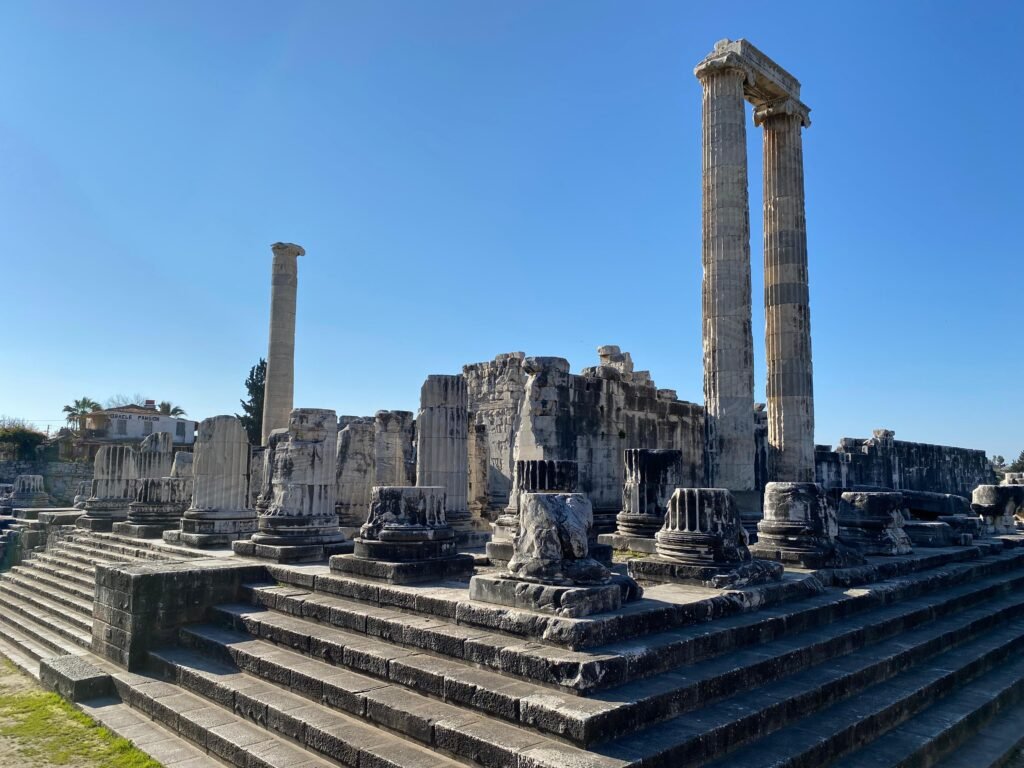
- The Experience: Explore the Temple of Apollo in Didyma (one of the largest in antiquity) and buy local pine honey from the roadside stalls.
- History in Brief: This province was the heart of the Ionian League, where the foundations of Western science and philosophy were laid by thinkers like Thales of Miletus.
4. Muğla: The Turkaegean Riviera
Muğla possesses the longest coastline in Turkey, carved into thousands of turquoise fjords and bays.
- Why People Visit: For Bodrum’s nightlife, Fethiye’s paragliding, and Marmaris’s yachting culture.
- The Experience: Take a Blue Voyage on a traditional wooden Gulet, paraglide over the Blue Lagoon (Ölüdeniz), and explore the ghost village of Kayaköy.
- History in Brief: Home to the Mausoleum at Halicarnassus (one of the Seven Wonders), the rock-cut tombs of the Lycian civilization plus around 150 ancient Lycian cities as well.

5. Denizli: The Gateway to Inner Anatolia
Denizli is where the Aegean meets the rugged interior, famous for its industrial might and geological wonders.
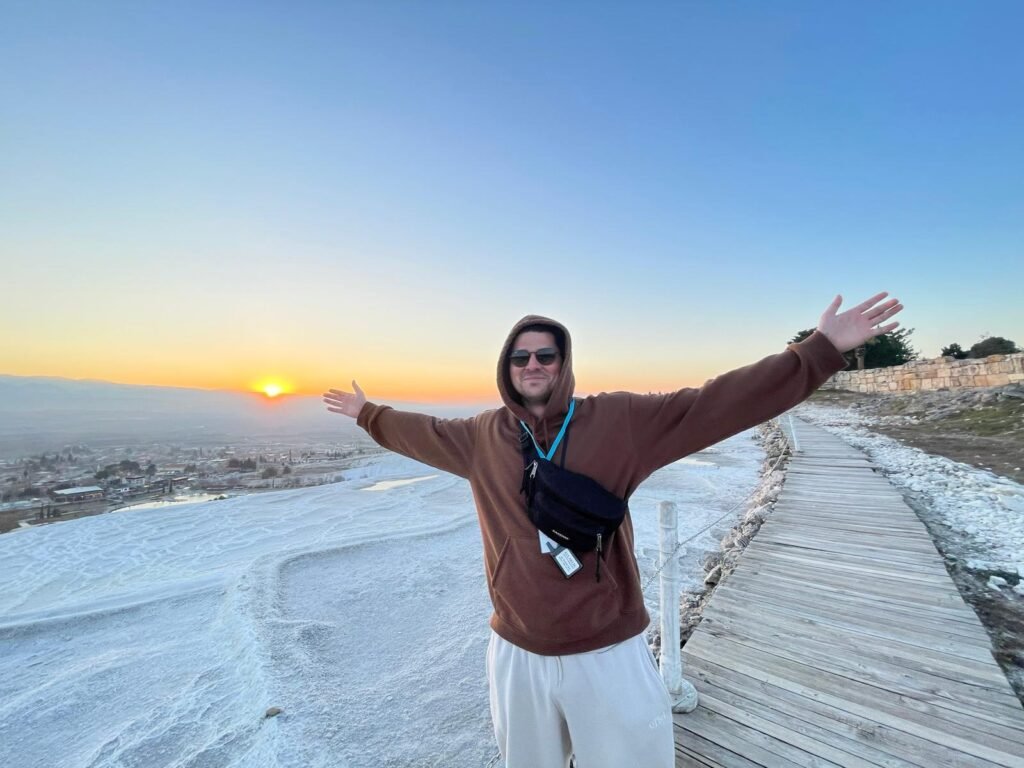
- Why People Visit: To see the “Cotton Castle”—the white calcium terraces of Pamukkale.
- The Experience: Bathe in Cleopatra’s Antique Pool amidst fallen Roman columns and shop for world-famous Denizli towels and textiles.
- History in Brief: Built around the ancient city of Hierapolis, a Roman wellness center, and Laodicea, one of the Seven Churches of Revelation.
Want to dive deeper in to the Aegean?
The Aegean is not a place you visit to “tick boxes.” You visit to adopt a different pace of life. It is a region that teaches you the value of a slow breakfast, the importance of a well-placed olive tree, and the weight of a thousand years of history under your feet.
Contact our travel experts today to curate your bespoke Turkish journey.