


Historical Landmarks
24 Minute
Topkapı Palace: Inside the Power, Secrets & Splendor of the Ottoman Empire

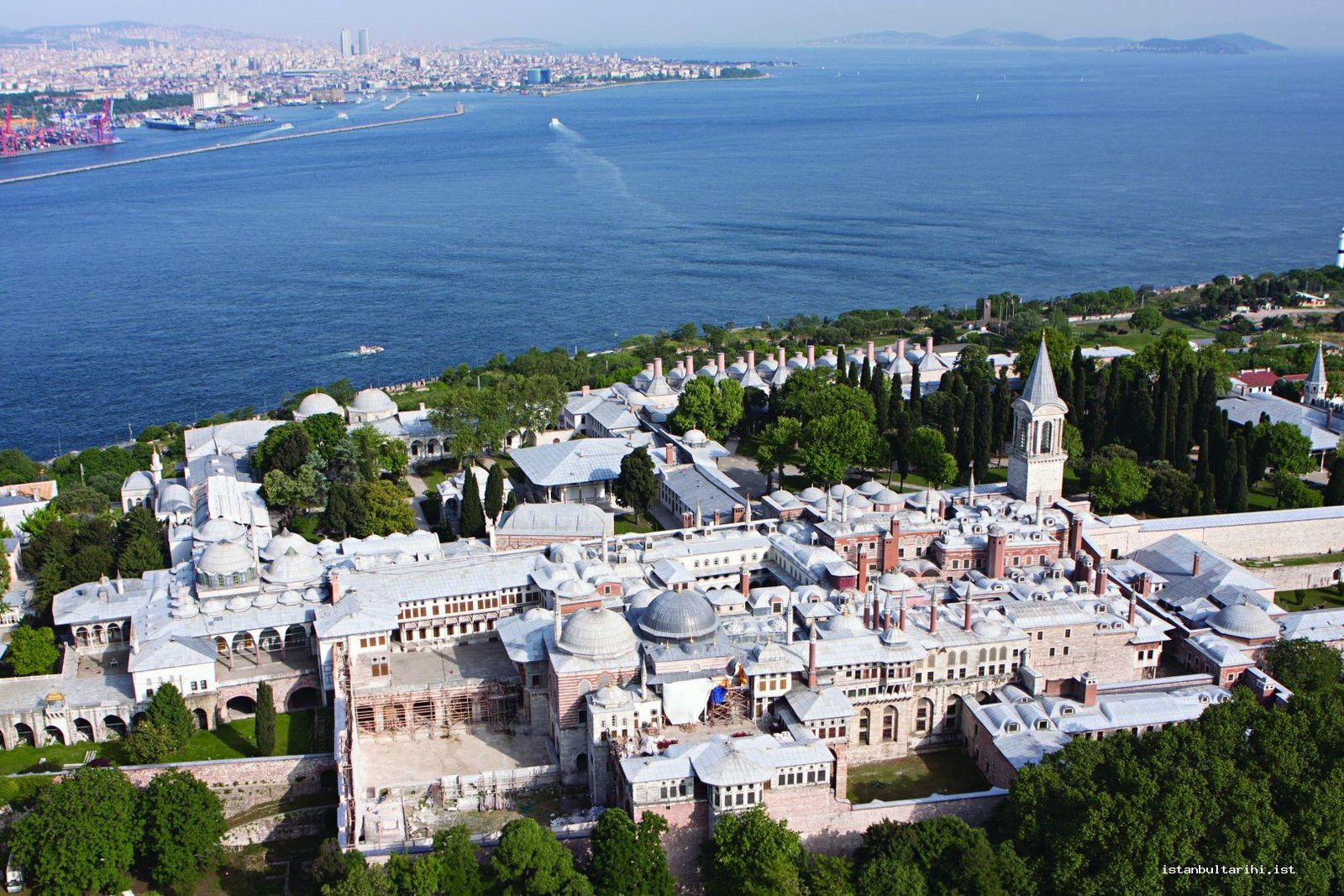
Standing between the Golden Horn, the Bosphorus, and the Sea of Marmara, Topkapı Palace is not just a palace — it is the physical embodiment of the Ottoman Empire.
Commissioned by Mehmed II shortly after the conquest of Constantinople in 1453, construction began around 1460 and continued in phases for centuries. For nearly 400 years, this was the political brain, ceremonial stage, and private world of the Ottoman sultans.
Unlike Versailles or Buckingham Palace, Topkapı is not a single monumental building. It is a self-contained imperial city, organized through courtyards, gates, and layers of access — each one symbolizing a deeper level of authority.
To understand Topkapı is to understand how the Ottoman Empire functioned.
The Ottoman Empire & the Sultan’s Absolute Authority
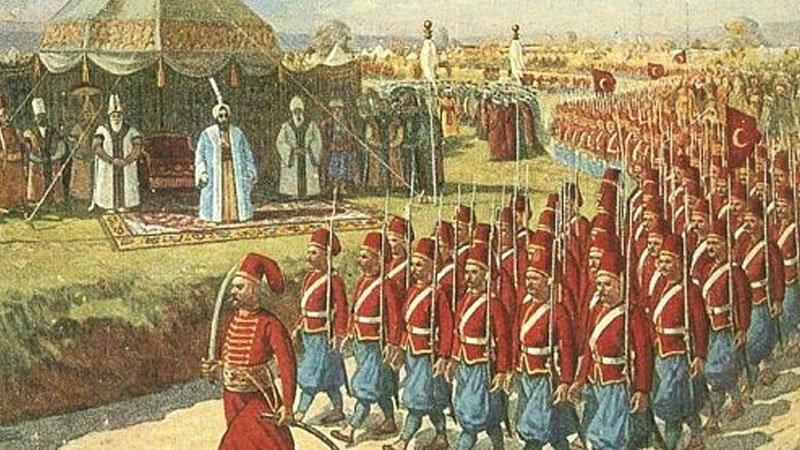
At its height, the Ottoman Empire stretched across Southeast Europe, the Middle East, and North Africa. It controlled key trade routes, sacred cities like Mecca and Medina, and strategic waterways including the Bosphorus.
The Sultan was:
- Absolute ruler
- Commander of the army
- Supreme judge
- Caliph of Islam (from the 16th century onward)
But power in the Ottoman system was carefully structured. It was visible, ritualized, and protected by architecture.
And that structure begins at the gates.
Bab-ı Hümâyûn & The First Courtyard
The Public Face of Imperial Power (Birûn)
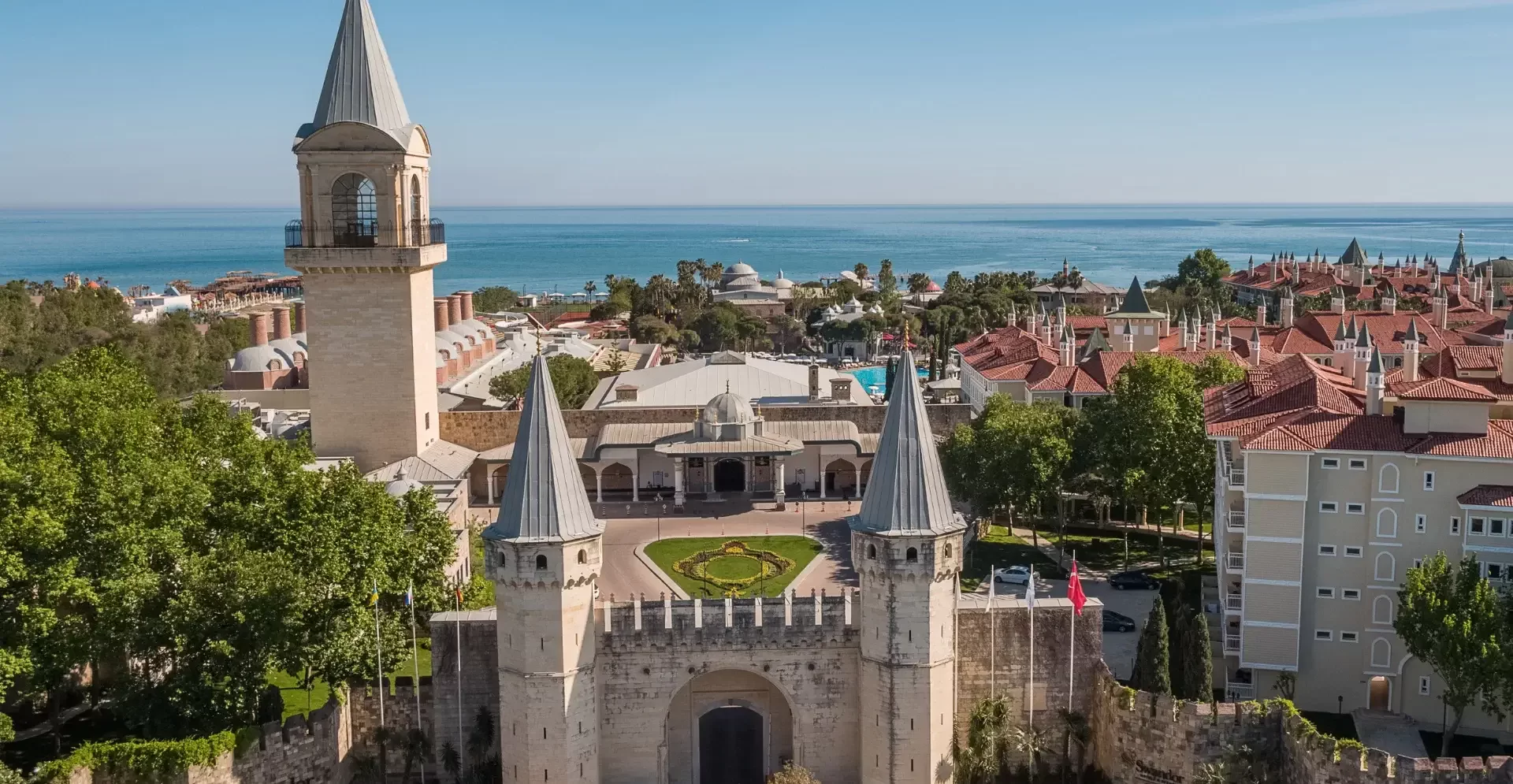
Your journey begins at the Bab-ı Hümâyûn — the Imperial Gate.
This monumental entrance separates the ordinary city from the world of empire. Its inscription panels proclaim the authority of the Sultan, reminding every visitor who holds power inside.
Beyond it lies the First Courtyard, also known as the Court of the Janissaries or Alay Meydanı (Parade Square).
This was the most public section of the palace complex. Here:
- Foreign ambassadors waited before formal audiences
- Janissary soldiers assembled
- State processions formed
- Craftsmen and palace workers operated
Interestingly, this courtyard remained open to the public during Ottoman times. It functioned as a transitional zone — neither fully outside nor truly inside.
Also located here:
- The Byzantine church of Hagia Irene (used as an armory)
- Imperial mint buildings
- Service structures that supported the palace economy
This outer domain was known as the Birûn — the “outer service” of the palace.
But true authority was still ahead.
Babüsselam & The Second Courtyard
The Administrative Heart of the Empir
Passing through the Babüsselam — the Gate of Salutation — you enter the Second Courtyard.
Notice the twin towers of the gate. This is where hierarchy becomes visible. Only the Sultan was allowed to pass this gate on horseback. Everyone else had to dismount. It was a silent but powerful reminder of rank.
The Second Courtyard was the center of Ottoman governance.
Here you’ll find:

The Imperial Council (Divan-ı Hümâyun)
Grand Viziers and ministers met to discuss military campaigns, taxation, diplomacy, and internal affairs. The Sultan often listened secretly from behind a gilded lattice window — unseen, but always present.
The Palace Kitchens
These were not ordinary kitchens. They prepared food for up to 4,000 people daily. The enormous chimneys still dominate the skyline of this courtyard.
The kitchens now house one of the world’s most important collections of Chinese porcelain — highly valued by the Ottomans, who believed certain ceramics could detect poison.
Zülüflü Ağalar (Tressed Halberdiers)
These elite palace guards, recognizable by their distinctive side curls, maintained order and ceremonial security. They were highly trained and deeply loyal to the Sultan.
This courtyard reflects the Ottoman administrative machine — organized, disciplined, and ceremonial.
But power becomes more concentrated beyond the next gate.
Babüssaade & The Third Courtyard
Enderun: The Inner Palace & School of Statesmen
The Babüssaade — Gate of Felicity — is perhaps the most symbolically charged entrance in the palace.
This is where:
- New sultans were enthroned
- Military victories were celebrated
- Religious relics were displayed during ceremonies
Crossing this gate meant entering the Enderun, the inner palace.
Enderun was not simply a residential space — it was a royal academy. Through the devshirme system, talented Christian boys from across the empire were selected, converted to Islam, and educated here.
They studied:
- Languages
- Mathematics
- Military strategy
- Islamic law
- Arts and etiquette
Many rose to become Grand Viziers — including some of the most powerful figures in Ottoman history.
Within this courtyard are:
- The Audience Chamber (Arz Odası)
- The Imperial Treasury
- The Sacred Relics Chamber
The Sacred Relics section contains items believed to belong to the Prophet Muhammad, including a mantle and sword. Since the 16th century, Quran recitation has been performed here continuously.
This courtyard represents controlled access to ultimate authority.
And yet, the most mysterious part of the palace lies adjacent to it.
The Harem
Power Behind Closed Doors
Popular imagination often reduces the Harem to exotic fantasy — but historically, it was a structured, political, and highly regulated world.
The Harem expanded significantly in the 16th century, especially under Suleiman the Magnificent.
It contained over 300 rooms, including:
- The apartments of the Valide Sultan (Queen Mother)
- Quarters of consorts and concubines
- The Sultan’s private chambers
- The quarters of the princes (Şehzades)
The Valide Sultan was often one of the most powerful figures in the empire. During the so-called “Sultanate of Women” in the 16th and 17th centuries, royal women significantly influenced state politics.
The Harem was guarded by eunuchs — especially the powerful Chief Black Eunuch, who acted as intermediary between the Sultan and the outside world.
Architecturally, the Harem is a masterpiece of:
- Iznik tile decoration
- Intricate domes
- Narrow corridors symbolizing hierarchy
- Private courtyards filled with light
It was a place of education, rivalry, motherhood, and succession politics.
The Palace Gardens & Pavilions
Leisure, Reflection & Imperial Taste
Topkapı is surrounded by terraces and gardens overlooking the Bosphorus. The Fourth Courtyard includes elegant pavilions such as:
- The Baghdad Pavilion
- The Revan Pavilion
These were built to commemorate military victories and reflect the refined aesthetic tastes of the court.
From here, the Sultan could gaze over the waters that connected Europe and Asia — a powerful geographical symbol of the empire’s reach.
From Palace to Museum
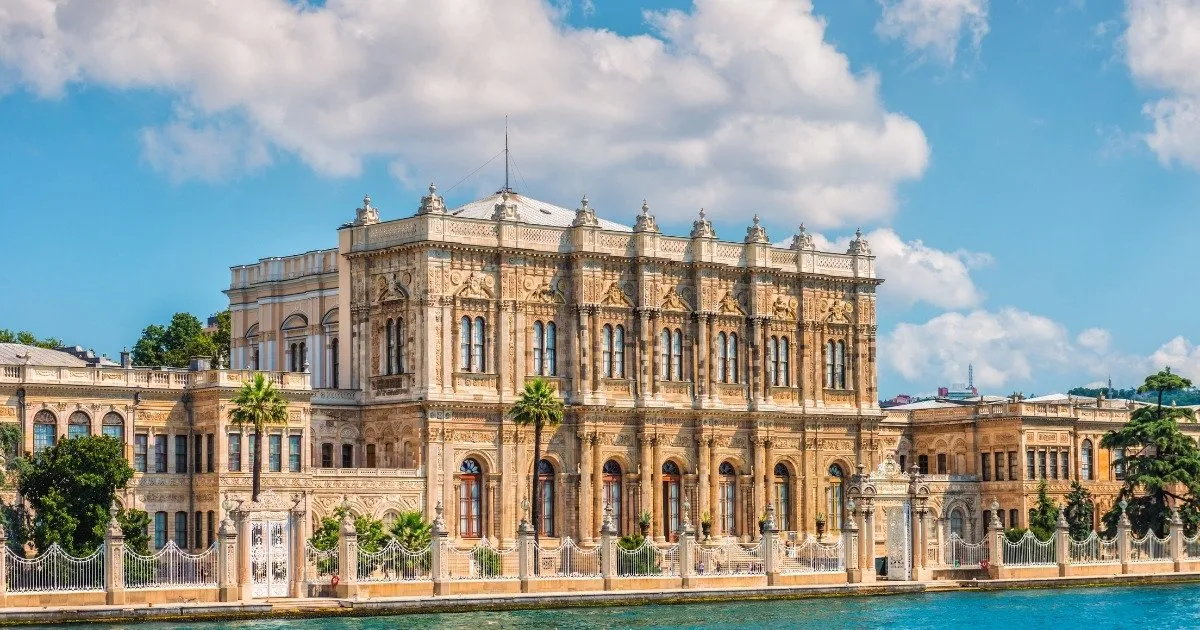
By the 19th century, Ottoman rulers preferred European-style palaces such as Dolmabahçe Palace.
After the establishment of the Turkish Republic, Mustafa Kemal Atatürk ordered Topkapı Palace to be transformed into a museum in 1924.
Today, it houses:
- The Imperial Treasury (including the famous Topkapı Dagger)
- Sacred relics of Islam
- Royal garments
- Manuscripts and miniatures
- Weapons and armor collections
It remains one of the most visited museums in the world.
Why Topkapı Palace Still Matters
Topkapı Palace is not grand in the European sense of symmetrical baroque excess. Instead, it reflects Ottoman principles of privacy, hierarchy, and controlled access to power.
Each gate reduces access.
Each courtyard filters authority.
Each chamber reflects a layer of governance.
It is architecture as political philosophy.
For visitors, it offers:
- A deep understanding of Ottoman governance
- Insight into palace education systems
- A glimpse into royal family life
- Extraordinary decorative arts
- Breathtaking views of Istanbul
Contact Us
Ready to explore Topkapı Palace with depth and clarity?
Our licensed guides offer engaging, research-based private and small-group tours that bring the Ottoman court to life — from the Imperial Council to the Harem.
Contact us today for availability, custom itineraries, and pricing.
Let’s discover the heart of the Ottoman Empire together.
Get In Touch
Tagged with :