


For more than six centuries, the Ottoman Empire shaped the political, cultural, and economic history of three continents. From a small frontier principality in northwestern Anatolia to a global imperial power ruling vast lands across Europe, Asia, and Africa, the Ottomans built one of the longest-lasting empires in world history.
Origins: Who Were the Ottomans?
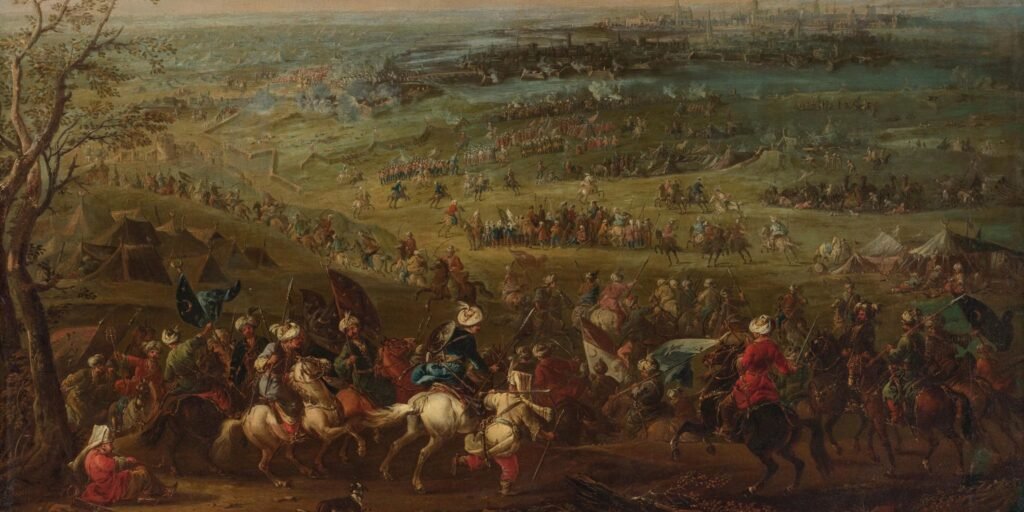
The Ottomans were a Turkic dynasty that emerged in late 13th-century Anatolia during the collapse of the Seljuk Sultanate and the weakening of the Byzantine Empire.
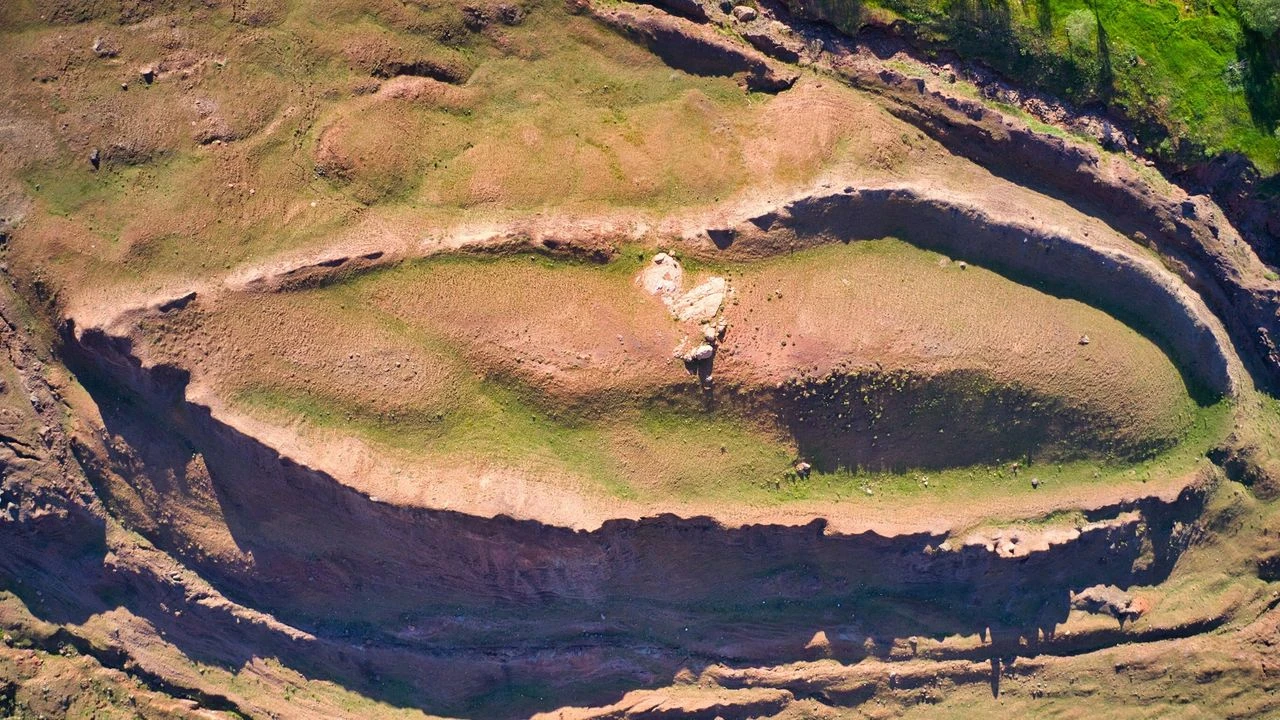
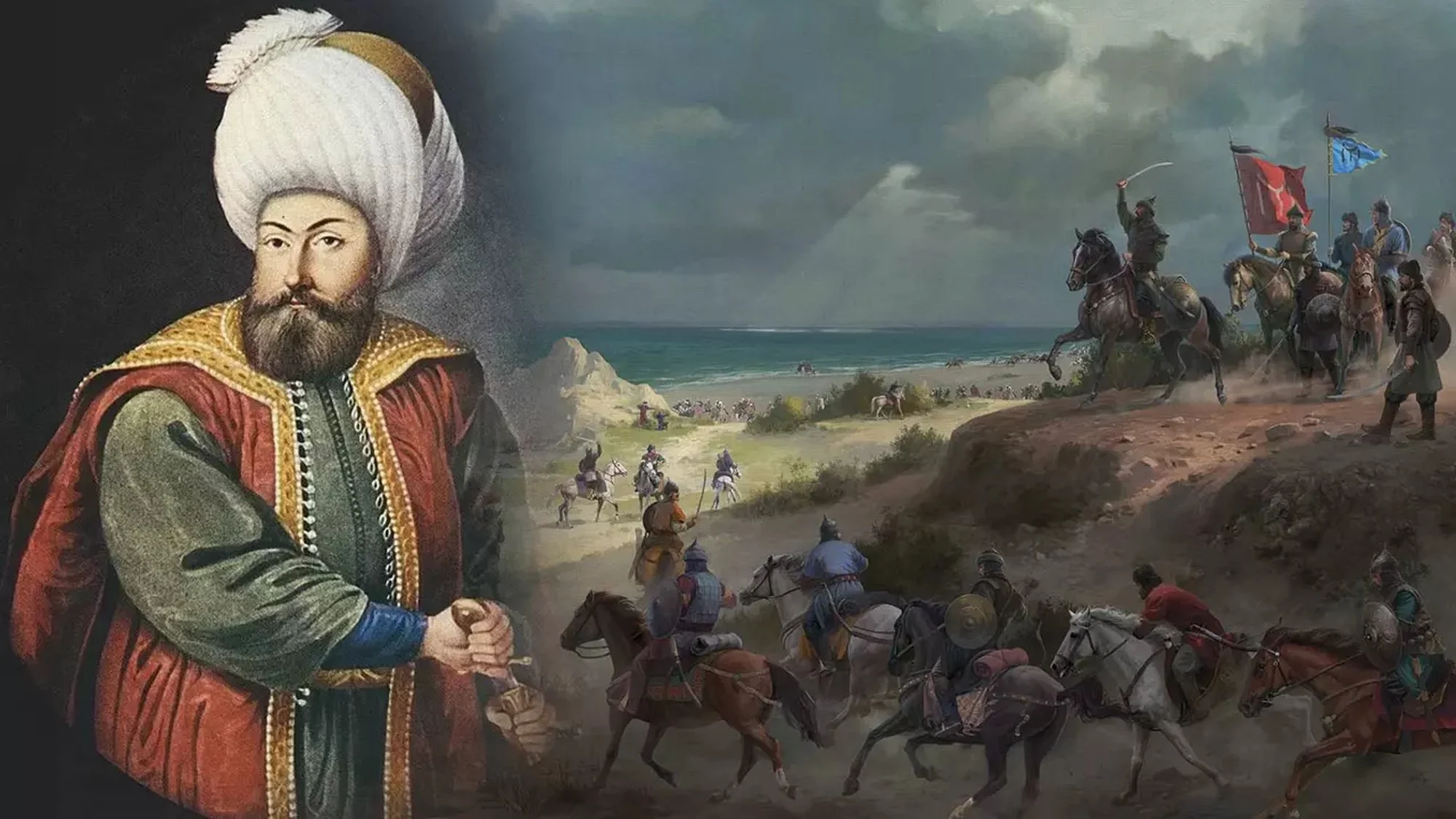
The dynasty wasfounded by Osman I around 1299. His small beylik was located near Söğüt and Bursa, strategically positioned on the Byzantine frontier. This geography allowed early Ottoman rulers to expand westward under the banner of frontier warfare.
What began as a minor frontier state soon became a rising regional power.
Early Expansion: From Bursa to the Balkans
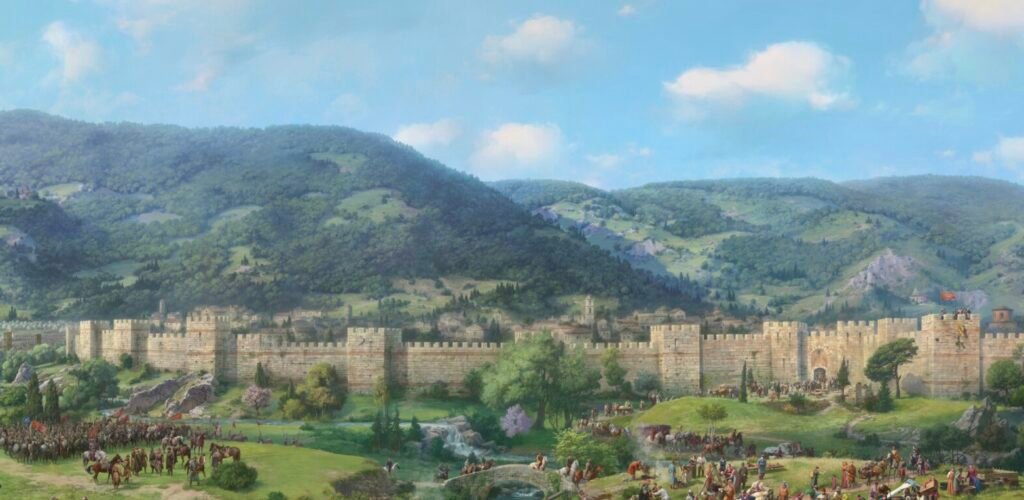
Under Orhan, Bursa was captured in 1326 and became the first Ottoman capital. The conquest marked the transformation from tribal principality to structured state.
The decisive shift came under Murad I, who crossed into Europe and established Edirne as a new capital. Victories in the Balkans made Serbia and Bulgaria Ottoman vassals. The creation of the Janissary corps — an elite infantry recruited through the devşirme system — gave the empire a professional standing army unlike most contemporary European forces.
By the late 14th century, the Ottomans were no longer a frontier state. They were a Balkan power.
The Turning Point: Conquest of Constantinople
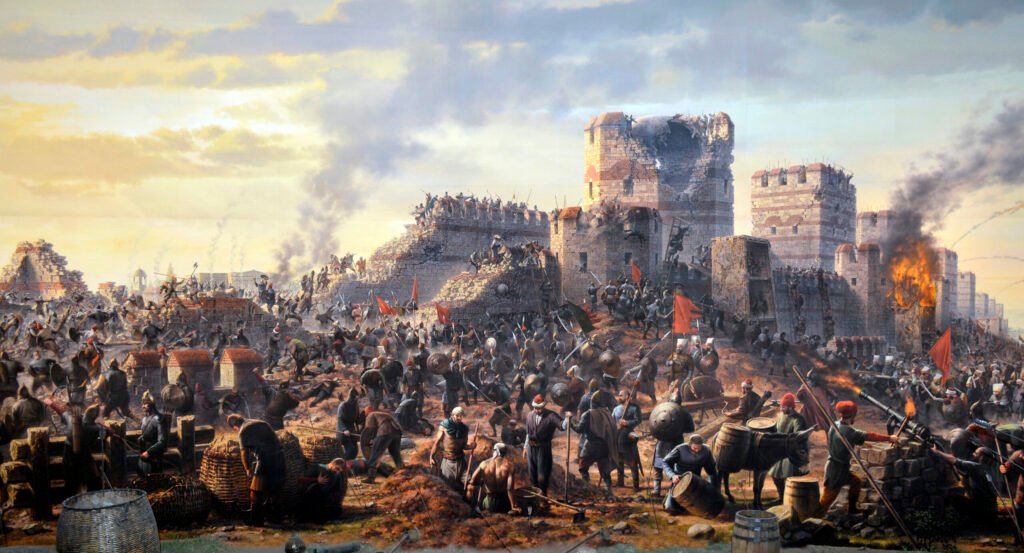
In 1453, Mehmed II changed world history.
The fall of Constantinople ended the Byzantine Empire and transformed the Ottomans into an imperial civilization. The city, later known as Istanbul, became the new capital of a rapidly expanding empire. Mehmed reorganized administration, codified laws, and rebuilt the city into a cosmopolitan metropolis. He positioned himself as both Islamic ruler and Roman successor.
The Ottoman Empire had officially entered the ranks of global powers.
The Golden Age Under Suleiman the Magnificent
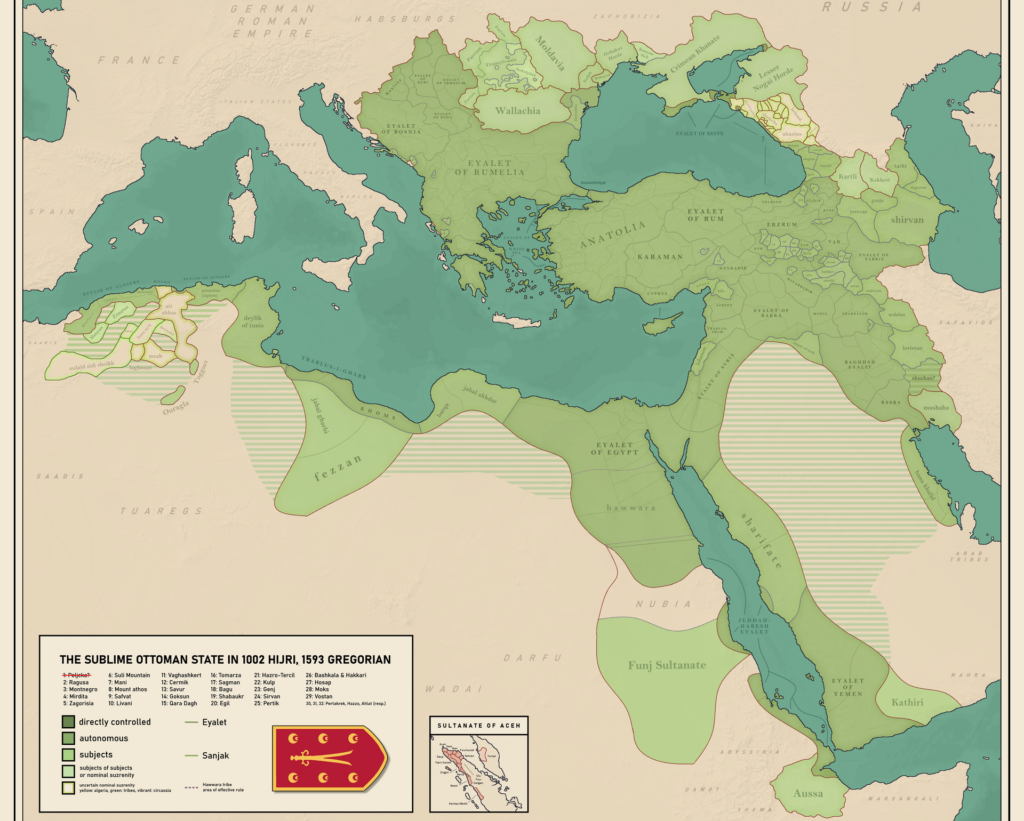
The empire reached its zenith under Suleiman the Magnificent (r. 1520–1566).
Political and Legal Authority
Süleyman systematized imperial law across Anatolia, the Balkans, and the Arab provinces.
Military Power
Ottoman armies expanded into Hungary, reached the gates of Vienna, and secured territories across Iraq, Syria, and North Africa.
Cultural Brilliance
This era saw architectural masterpieces by Mimar Sinan, including the Süleymaniye Mosque in Istanbul — a symbol of imperial grandeur.
Under Süleyman, the empire became not only militarily dominant but culturally refined and economically prosperous.
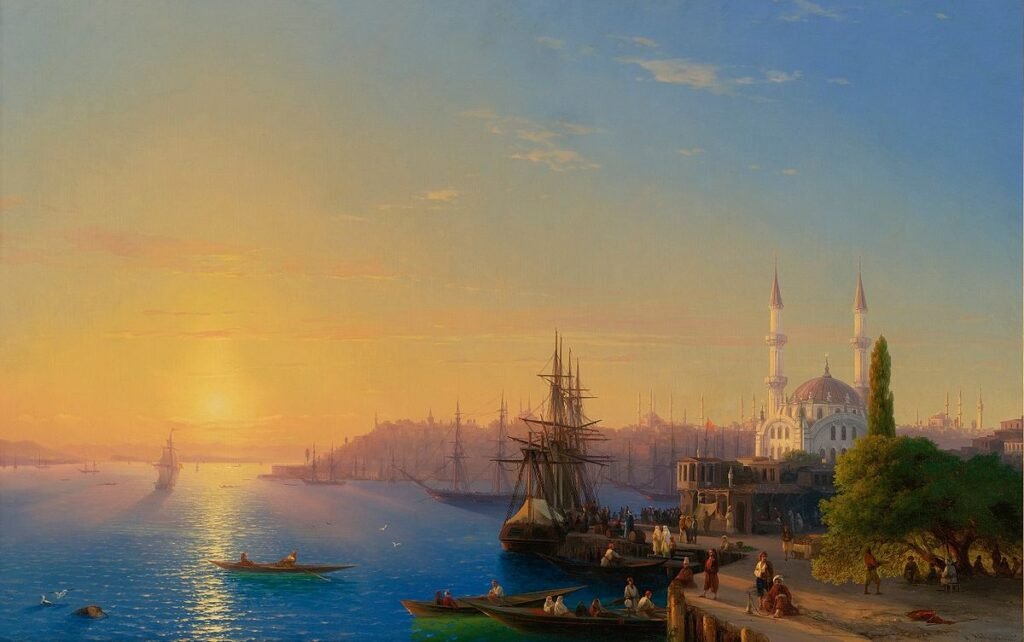
Governance: Managing a Multi-Continental Empire
At its height, the Ottoman Empire stretched across Southeastern Europe, Western Asia, and North Africa.
The political system was centralized but flexible:
- The Sultan ruled from Istanbul.
- Provinces in Egypt, Syria, Greece, Bosnia, and Hungary were governed by appointed officials.
- The millet system allowed religious communities across the empire to retain autonomy.
- The timar land system financed cavalry forces throughout Anatolia and the Balkans.
This administrative flexibility helped maintain stability across diverse regions and populations.
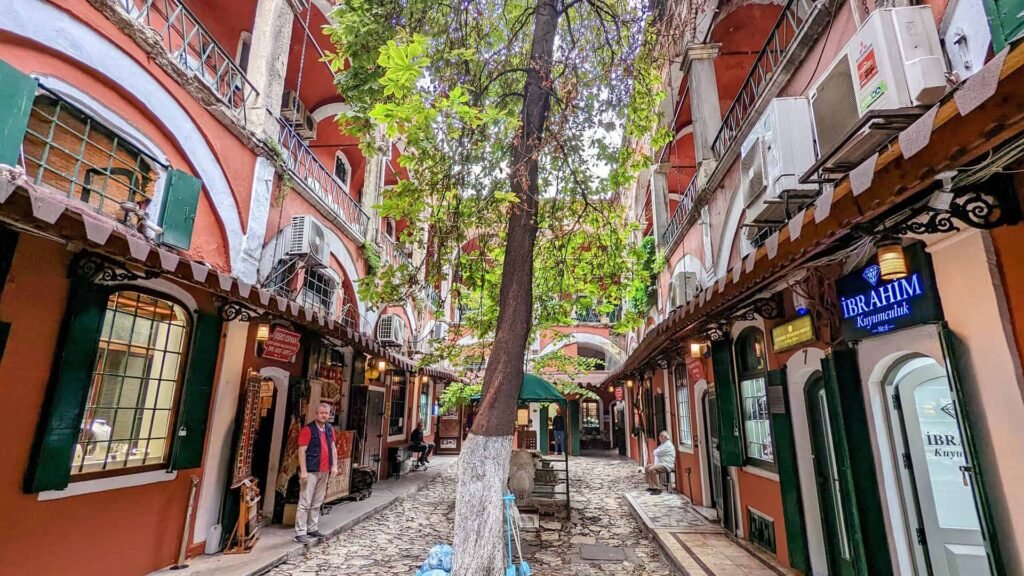
Economic Foundations: A Crossroads of Continents
The empire’s strength was rooted in geography.
Controlling land routes between Europe and Asia, the Ottomans dominated trade corridors linking China, Persia, and the Mediterranean world.
Cities like Istanbul, Cairo, and Damascus flourished as commercial hubs. Ports in Algiers, Tunis, and the eastern Mediterranean connected the empire to global maritime trade.
Markets such as the Grand Bazaar in Istanbul became central to international commerce.
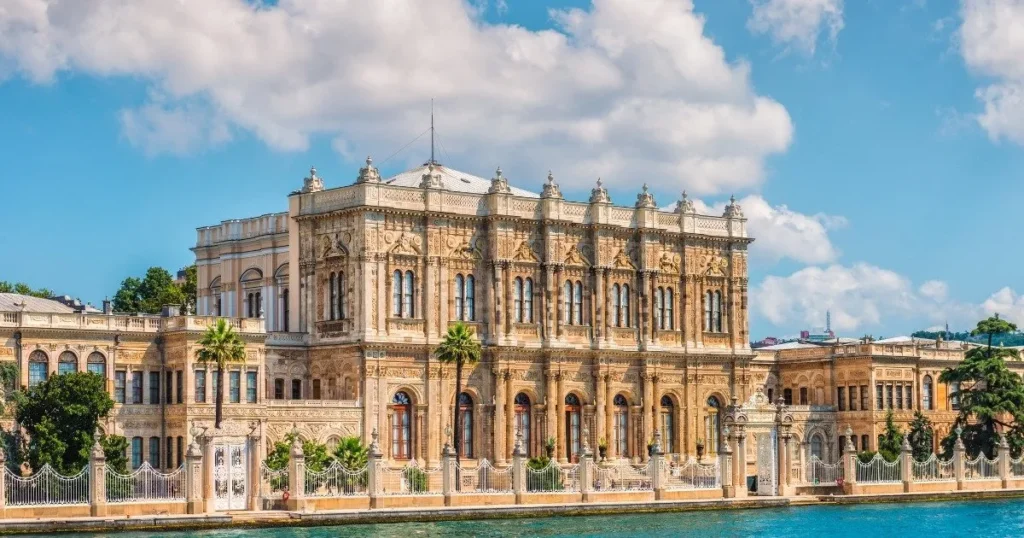
Reform and Modernization
By the 18th century, European industrial and military advancements began surpassing Ottoman systems.
Reformist sultans attempted modernization:
- Selim III introduced Western-style military reforms.
- Mahmud II abolished the Janissaries and centralized authority.
- Abdulhamid II expanded railway networks across Anatolia, Syria, and the Hejaz region.
Despite reforms, nationalist movements in Greece, the Balkans, and parts of Eastern Europe weakened imperial unity.
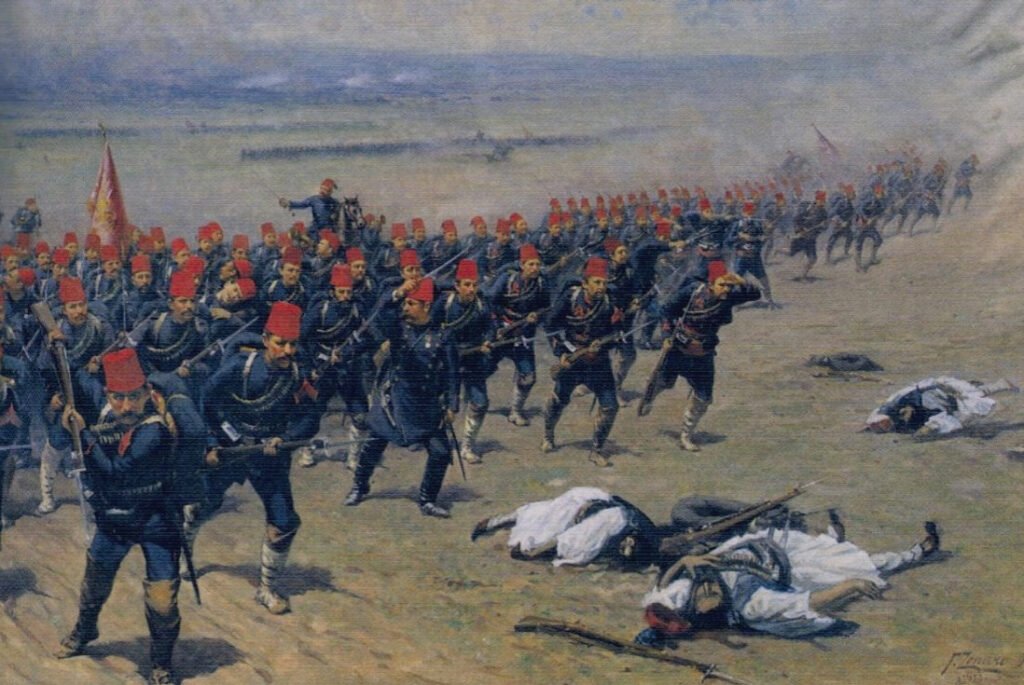
The Final Chapter
After World War I, Ottoman territories in Europe, Arabia, and North Africa were partitioned.
In 1922, the sultanate was abolished. In 1923, the Republic of Turkey was founded in Ankara.
The Ottoman Empire had ended — but its legacy remains embedded in architecture, cuisine, language, and culture across Türkiye, the Balkans, the Middle East, and North Africa.
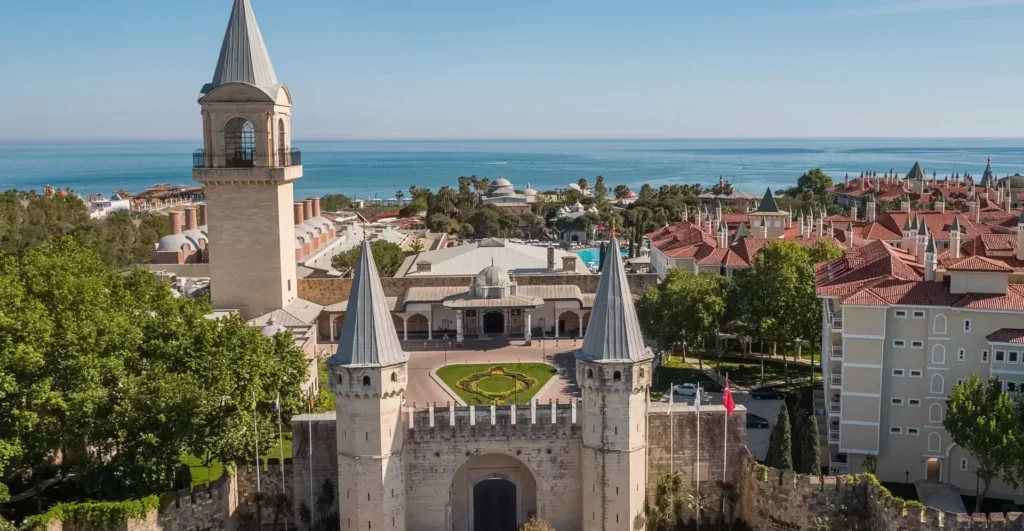
Explore Ottoman History in Istanbul
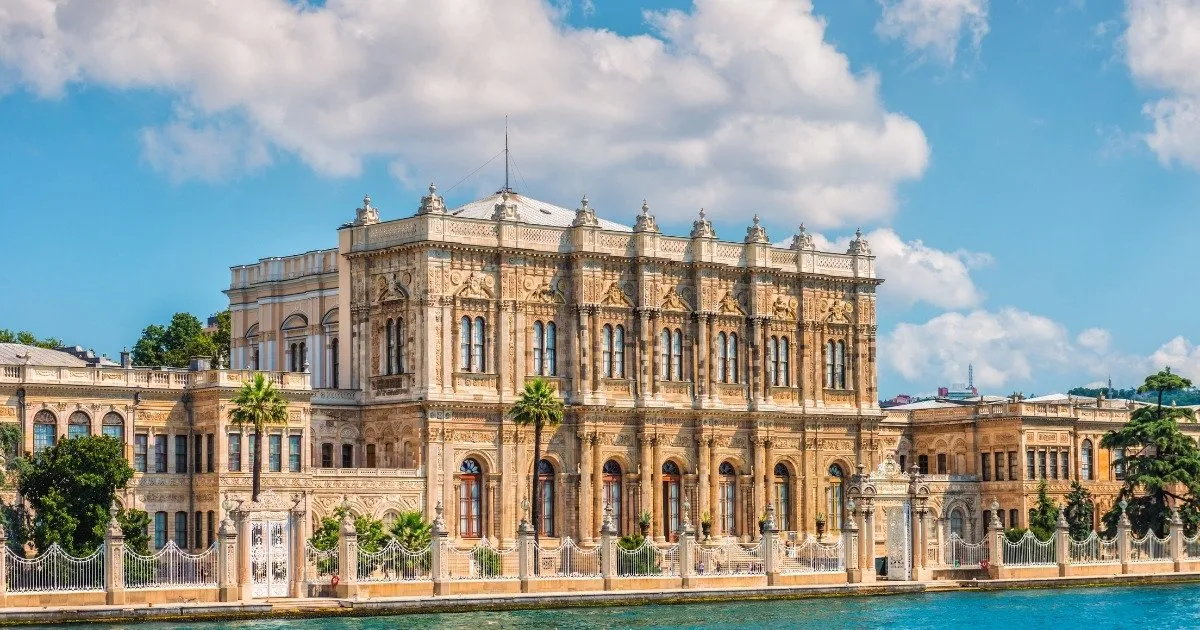
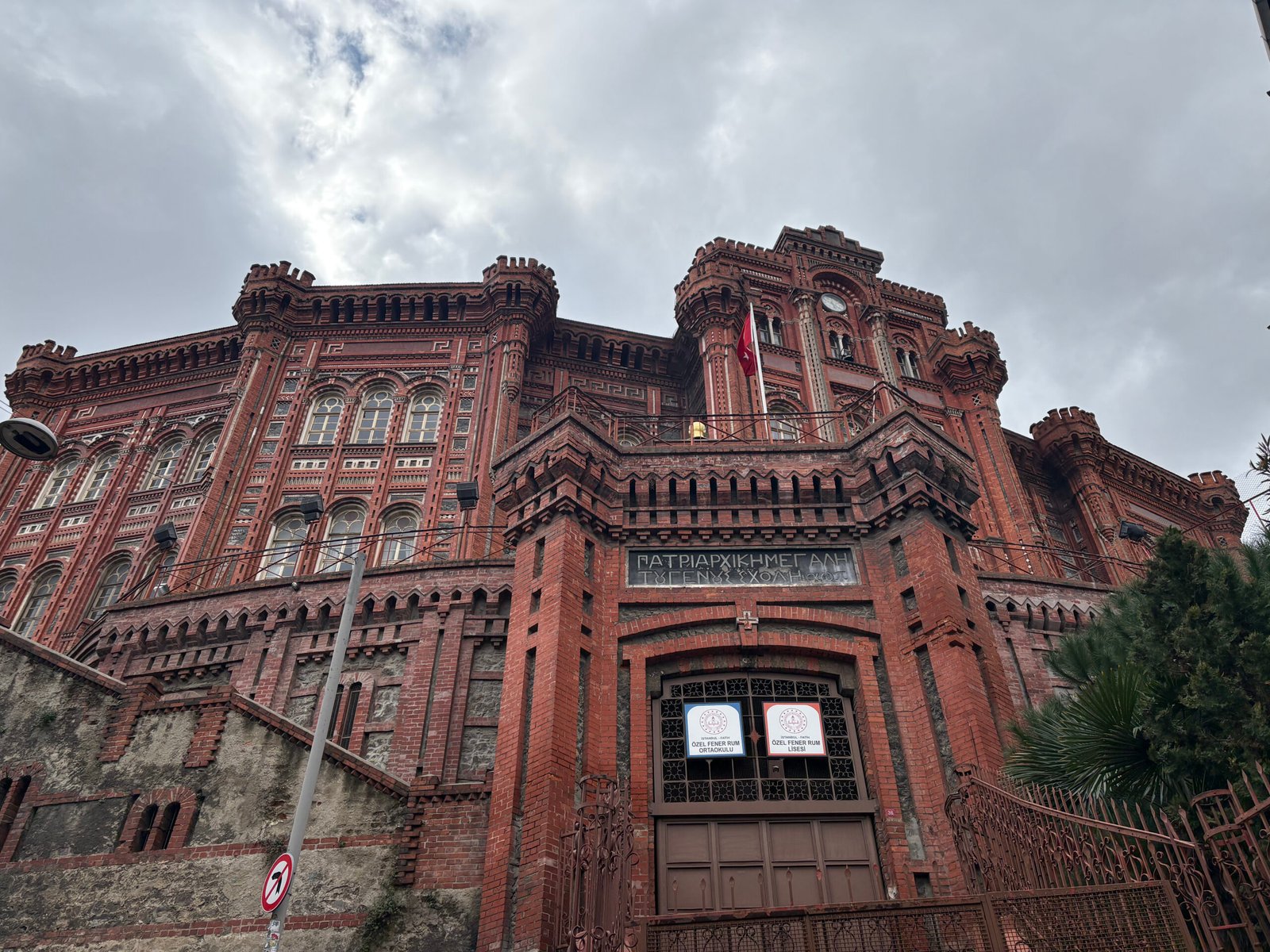
To truly understand the Ottoman world, you must walk through its former capital. From imperial mosques to palace courtyards and bustling bazaars, Istanbul remains a living Ottoman museum.
At Gate to Türkiye, we offer curated historical experiences that connect political history, architecture, and urban life.
👉 Contact us to design your private Ottoman heritage tour in Istanbul.
Tagged with :