


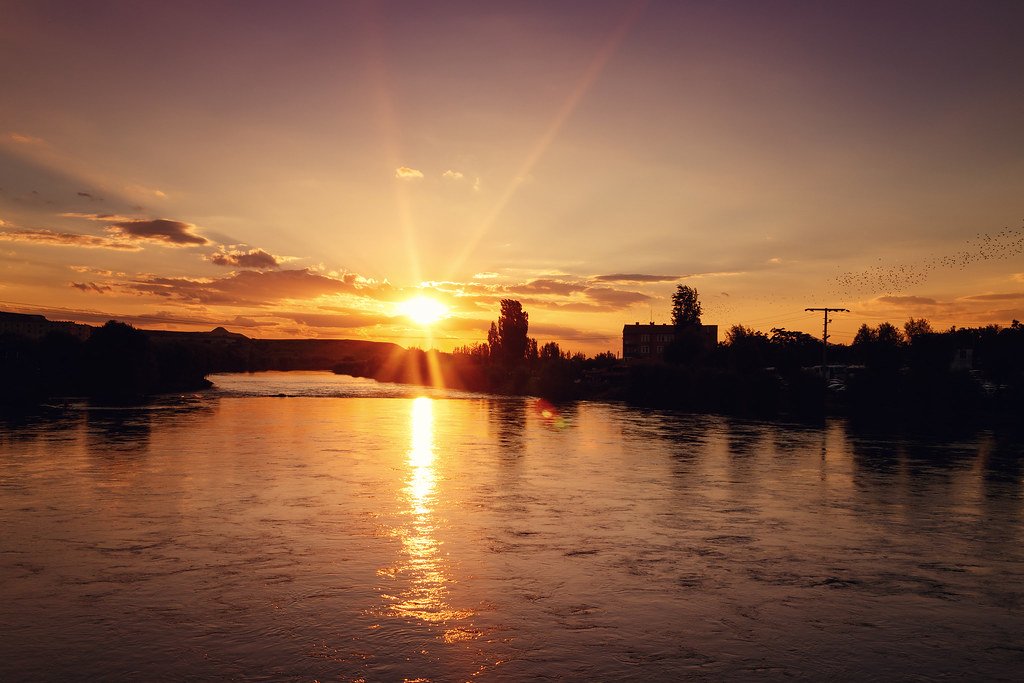
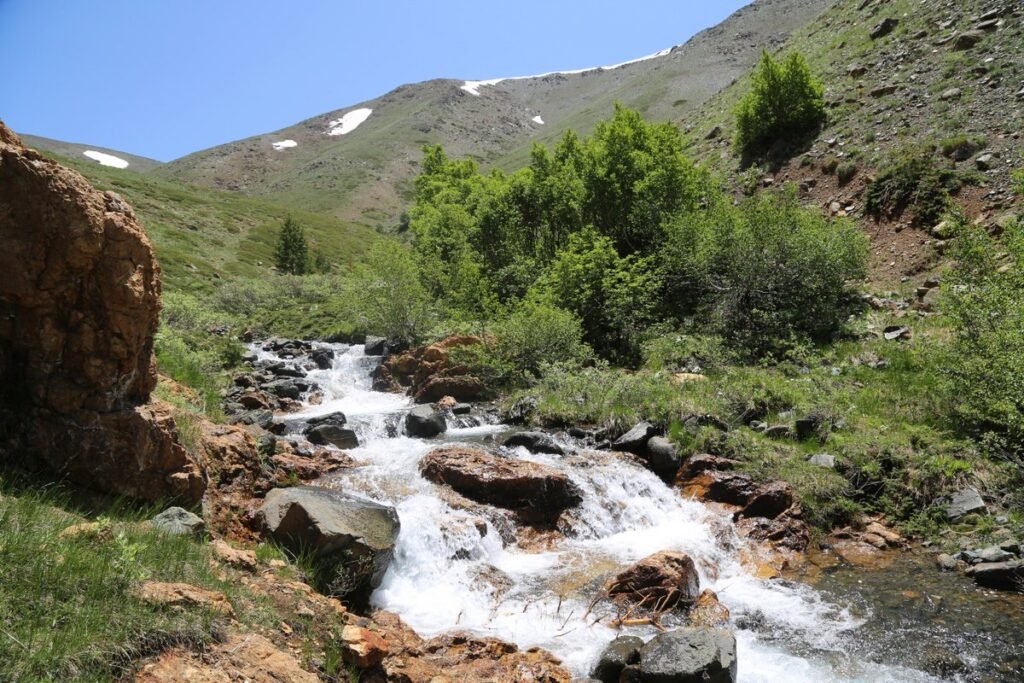
Flowing over 1,355 kilometers, the Kızılırmak River is Turkey’s longest river, carving a path from the eastern highlands of Sivas Province to the Black Sea. Its source lies near Kızıldağ in the İmranlı district, at an altitude of approximately 1,850 meters, where a spring begins its long journey through Anatolia, shaping valleys, nourishing plains, and sustaining countless communities along the way. Known in antiquity as the Halys River, Kızılırmak has been a silent witness to the rise and fall of empires, the shaping of landscapes, and the lives of people across millennia. It is not just a river; it is the lifeblood of Anatolia, connecting history, nature, and culture in a single, winding journey.
A River Shaped by History
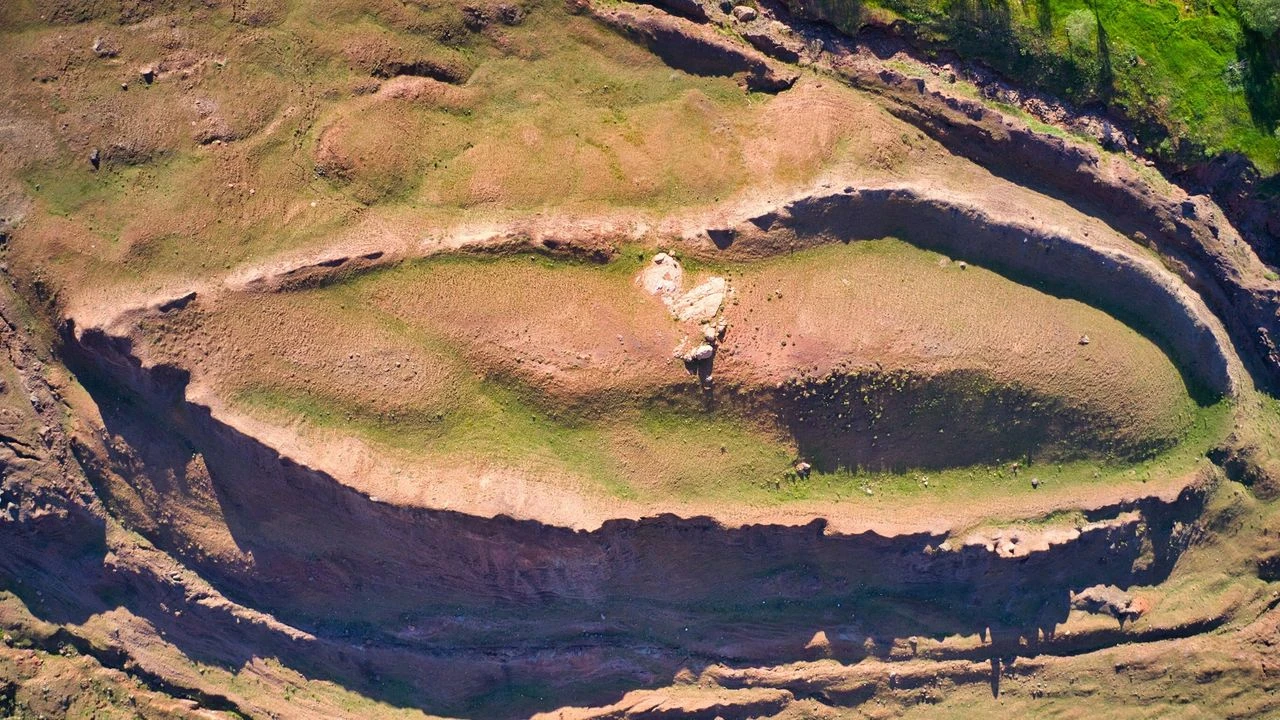
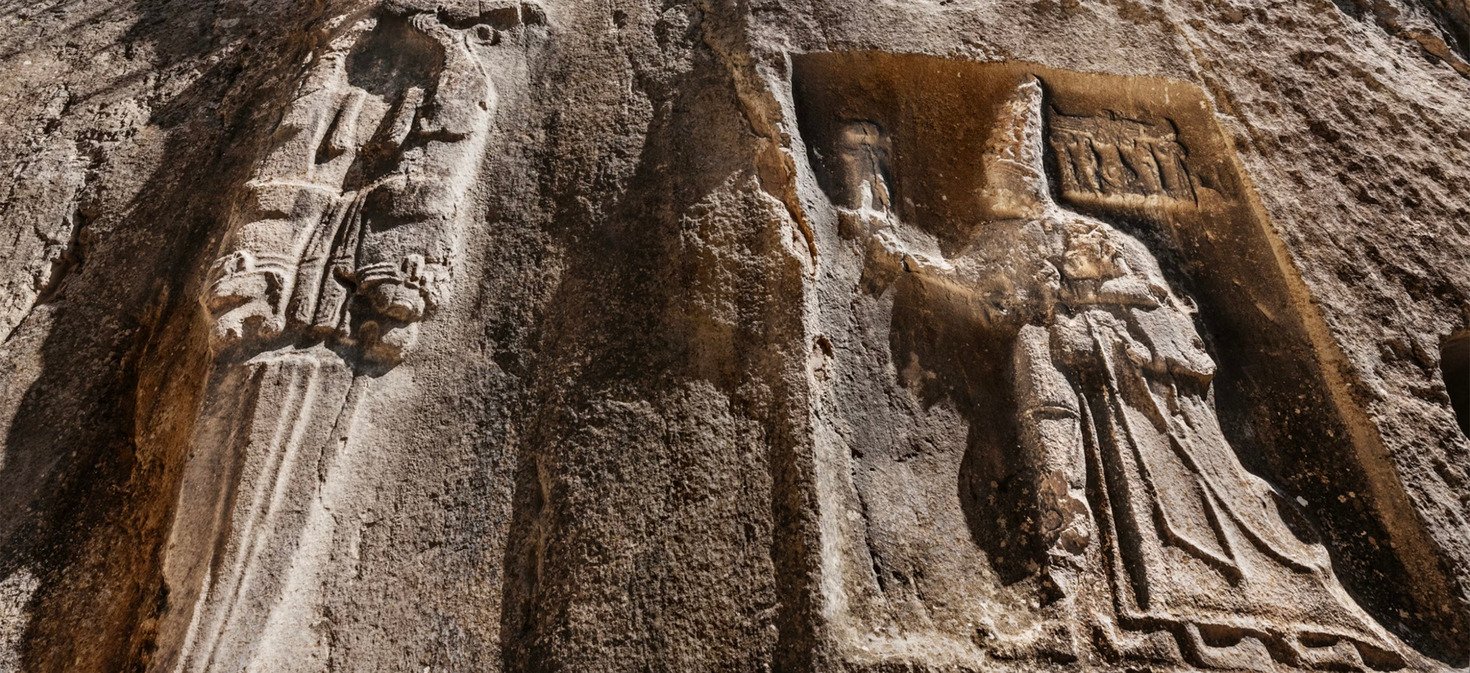
The banks of Kızılırmak have nurtured civilizations for millennia. The Hittites, one of Anatolia’s earliest powers, relied on its waters to irrigate fields and sustain settlements like Samuha and Sarissa. Other important sites along the river or its tributaries included Kalehöyük, Alacahöyük, and Hattusa, the Hittite capital, where monumental architecture and temples testified to the river’s life-giving importance.
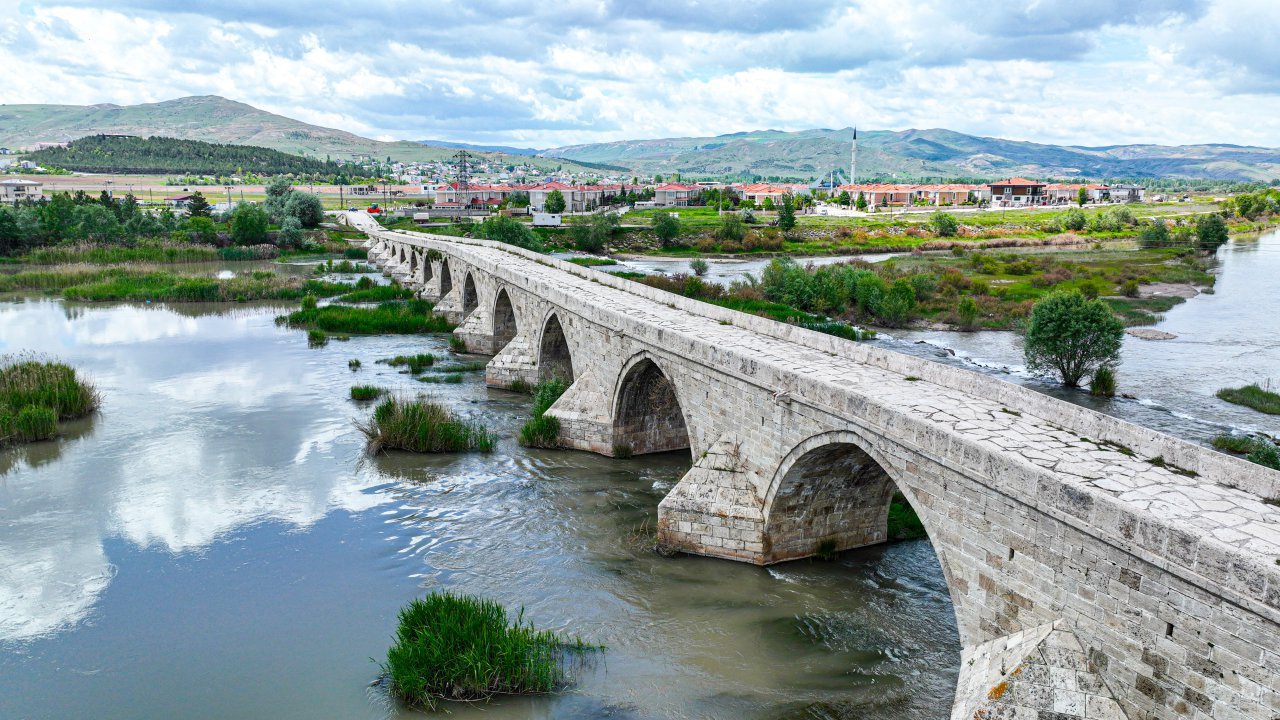
Later, Phrygians, Lydians, and Romans recognized the river’s strategic value, building fortresses, roads, and bridges along its course. Byzantine and Seljuk settlements such as Amasya, Sivas, and Tokat flourished along its banks, using the river not only for irrigation and trade but also as a cultural and political lifeline connecting Anatolia’s heartlands.
Even today, traces of these civilizations remain: ruins of Hittite fortresses, Roman bridges, and Ottoman-era structures speak of a region where history flows as naturally as the river itself.
Nature’s Masterpiece
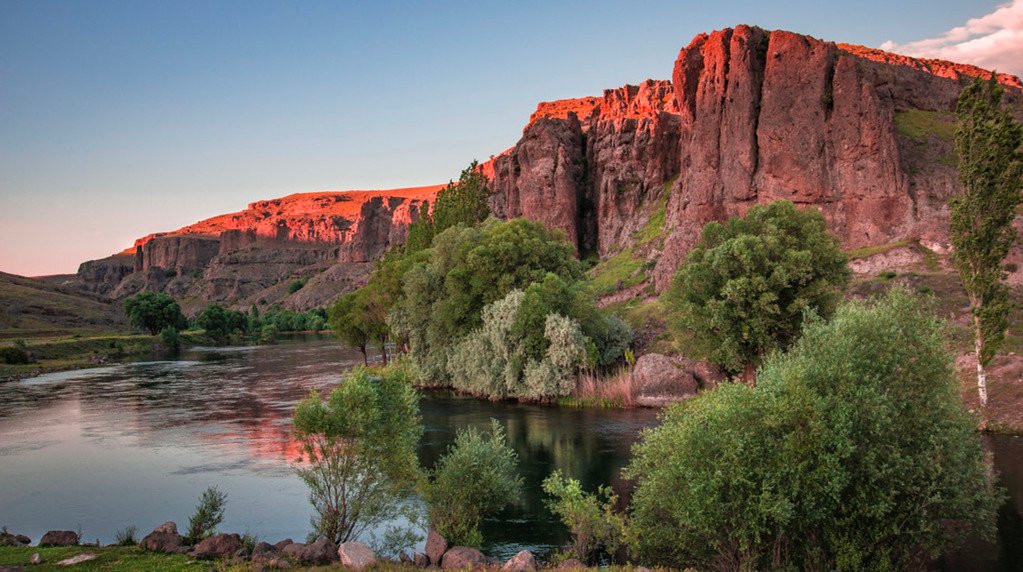
From its highland source to the Black Sea delta, Kızılırmak passes through rocky valleys, fertile plains, and serene bends perfect for reflection or photography. Its wetlands host diverse bird species, making it a hotspot for birdwatchers and ecotourists. Seasonal blooms along the riverbanks paint the plains in bright colors, creating a natural spectacle in spring.
Fish species in the river sustain local communities, while its waters nourish vast fields of wheat, barley, and sunflowers.
Culture and Communities Along the River
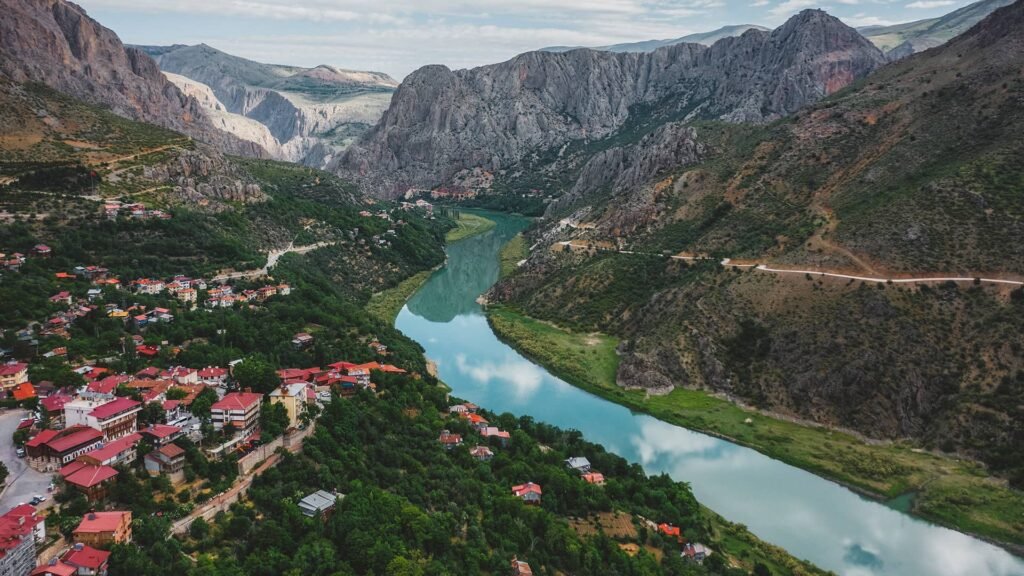
The river has shaped more than landscapes—it has shaped lives. Villages along Kızılırmak preserve traditional Anatolian culture, from folk music and dances to local cuisine centered around fresh river fish. Seasonal festivals celebrate the river’s bounty and historical significance, offering travelers immersive experiences that go beyond sightseeing.
In towns like Amasya, Sivas, and Tokat, the river flows past Ottoman-era houses, ancient bridges, and terraced hills, creating postcard-perfect scenery. Here, the river is not just a backdrop; it is part of daily life, carrying stories, traditions, and memories from generation to generation.
Tourism Highlights Along Kızılırmak
- Samsun Delta – A haven for migratory birds and nature lovers seeking serenity.
- Kızılırmak Bend near Kayseri – Ideal for photographers and breathtaking landscapes.
- Historical Sites in Sivas, Amasya, and Tokat – Walk ancient paths, cross Ottoman bridges, and explore riverside fortresses.
- Local Experiences – Taste river fish delicacies, join local festivals, and witness traditional pottery-making in villages along the river.
The Enduring Significance of Kızılırmak
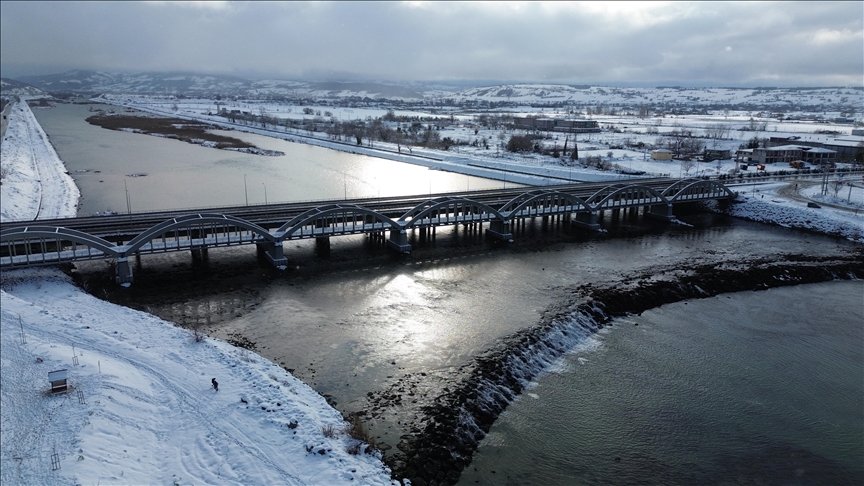
Kızılırmak is more than a river—it is a living witness to Anatolia’s history, culture, and landscapes. From the footprints of ancient civilizations like Hattusa, Kalehöyük, and Alacahöyük to the vibrant life of riverside communities today, it carries stories that span millennia. Its bends and valleys reflect the natural beauty of the region, while its waters sustain life and tradition. Experiencing Kızılırmak is not just about sightseeing—it is about connecting with Anatolia’s enduring heart, where history and nature flow together.
Tagged with :