


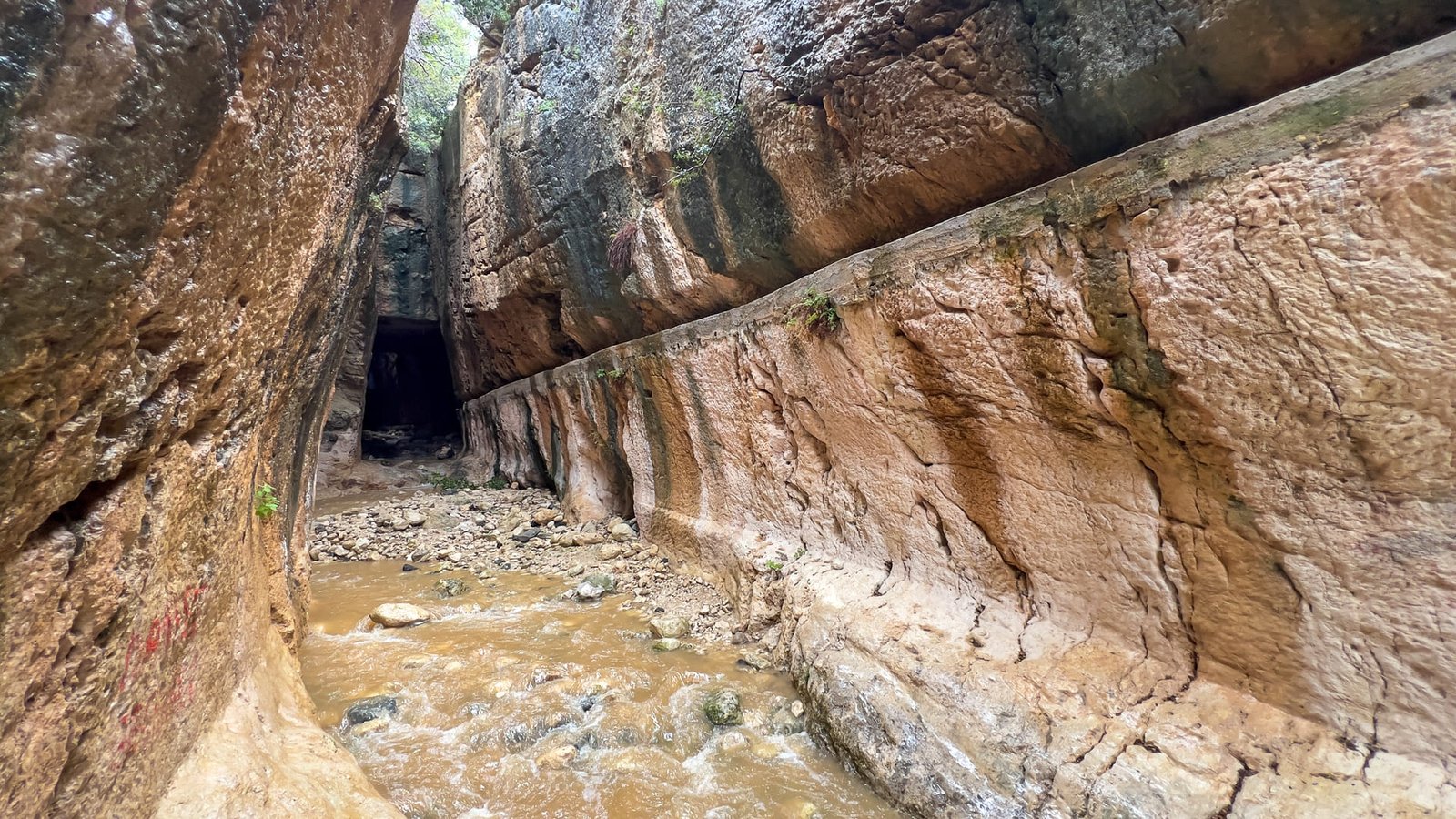
Rome’s Engineering Response to a Strategic Mediterranean Port
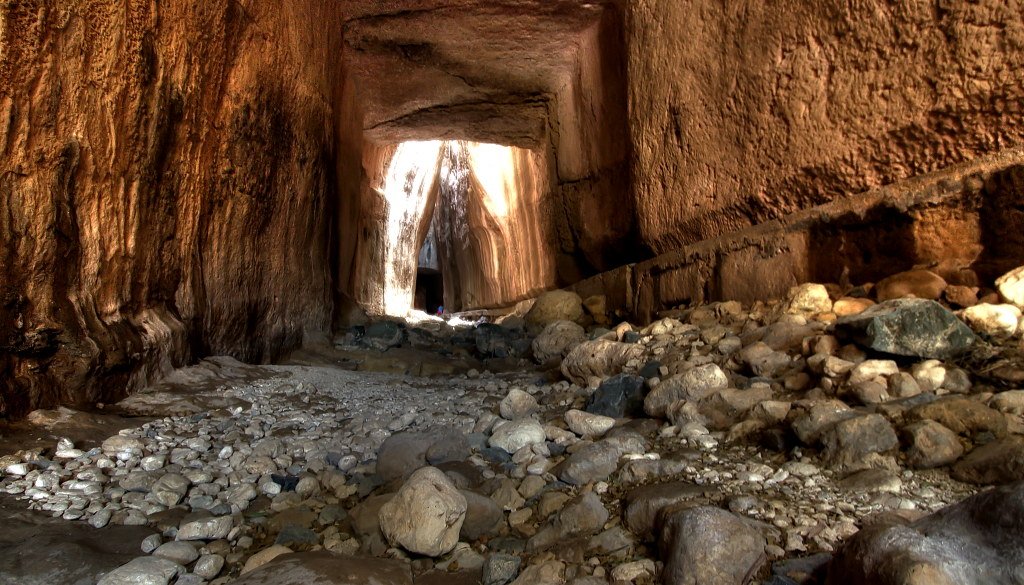
When visitors explore the Titus Tunnel in Samandağ, they are not simply walking through a Roman drainage system. They are stepping into the infrastructure of an ancient port city that once connected Anatolia, Syria, and the wider Mediterraneanworld: Seleukeia Pieria.
Understanding the tunnel requires understanding the city it was built to protect.
What Was Seleukeia Pieria?
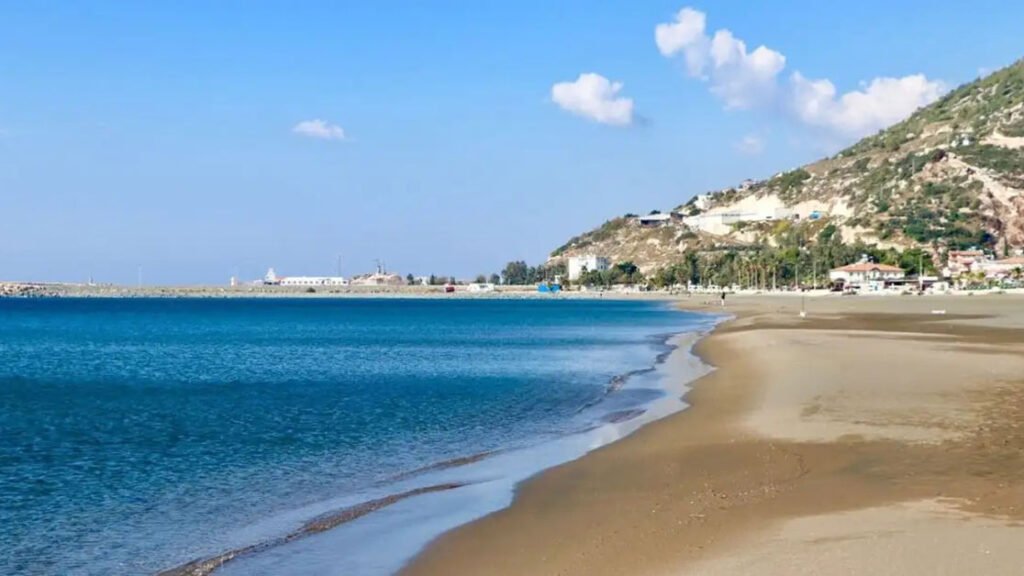
Seleukeia Pieria was founded in the late 4th century BCE by Seleucus I Nicator, one of the generals of Alexander the Great and founder of the Seleucid Empire. The city served as the maritime gateway of Antioch (modern Antakya), which later became one of the largest cities of the Roman East. While Antioch functioned as the administrative and political capital, Seleukeia Pieria operated as its port.
This dual-city system was crucial:
- Antioch = administrative and commercial center
- Seleukeia Pieria = naval and maritime outlet
During the Roman period, the port became part of the province of Syria and played a key role in:
- Mediterranean trade networks
- Grain transport
- Military logistics
- Naval movements in the Eastern Mediterranean
Urban Structure and Archaeological Remains
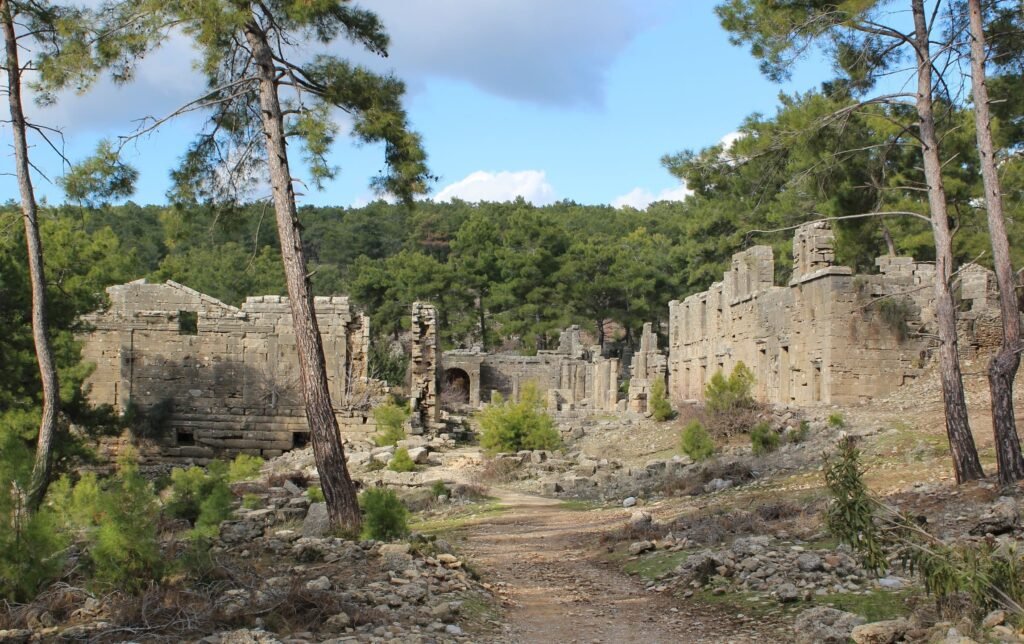
Although much of the harbor basin has silted up, the archaeological remains reveal a well-planned Hellenistic and Roman city.
Excavations have uncovered:
- City walls
- Colonnaded streets
- Public buildings
- Necropolis areas
- Harbor infrastructure
The site reflects typical Hellenistic urban planning with later Roman monumental additions.
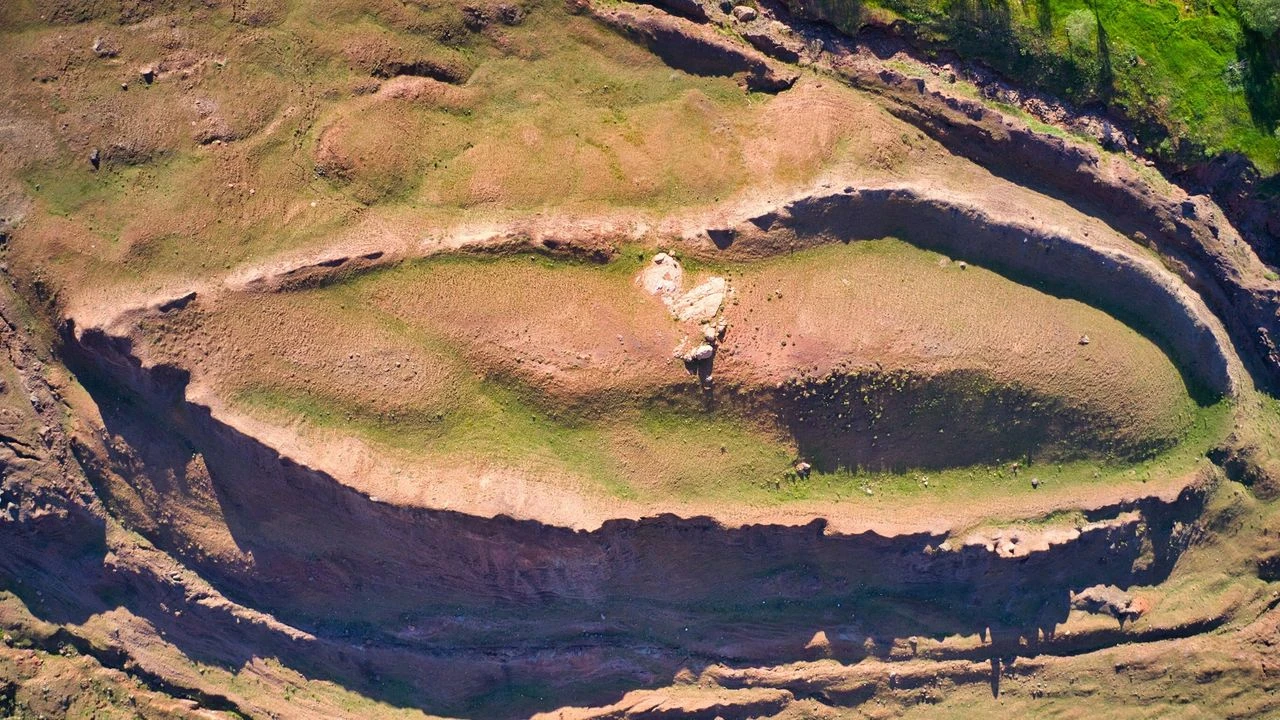
Today, the landscape tells a geological story: the sea that once reached the harbor now lies at a distance due to centuries of sediment accumulation.
Why the Harbor Was Under Threat
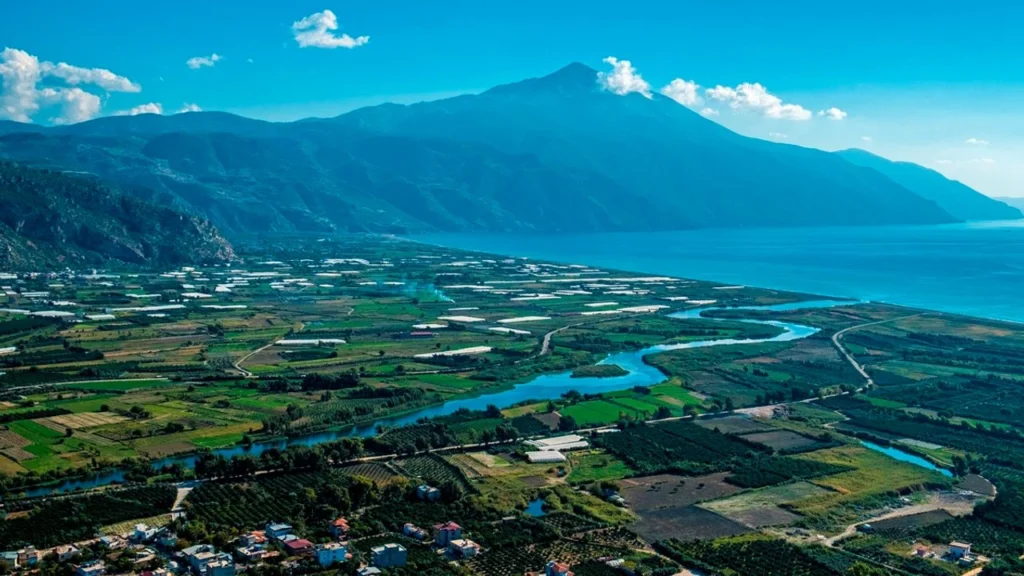
Seleukeia Pieria was built between mountains and sea. While this offered defensive advantages, it created a hydrological problem. Seasonal torrents descending from the Amanus (Nur) Mountains carried enormous quantities of sediment. Over time, this alluvial material began filling the harbor basin. If left unmanaged, the port would have become unusable — threatening Antioch’s access to maritime trade and military supply lines.
The Roman Solution: The Titus Tunnel
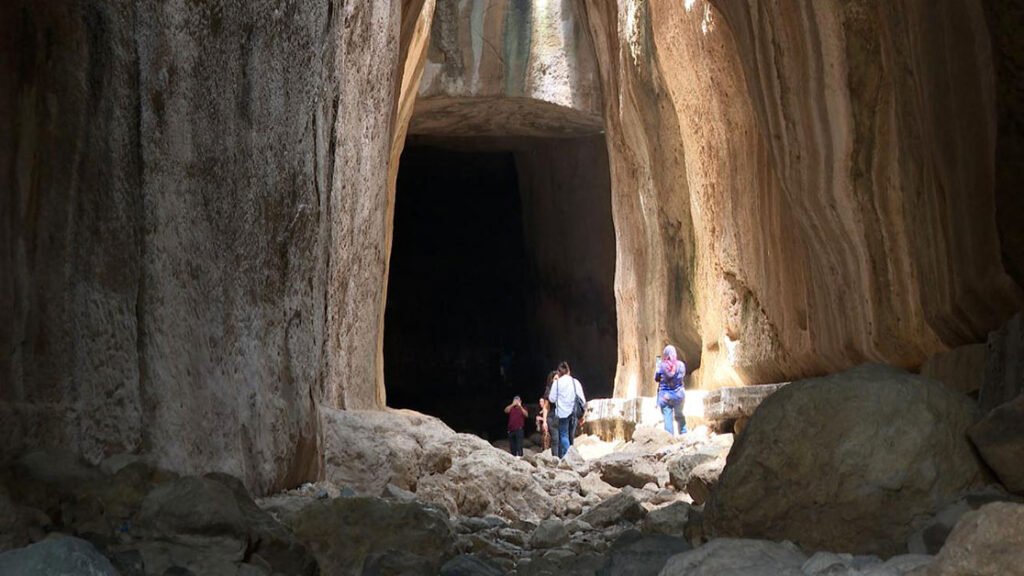
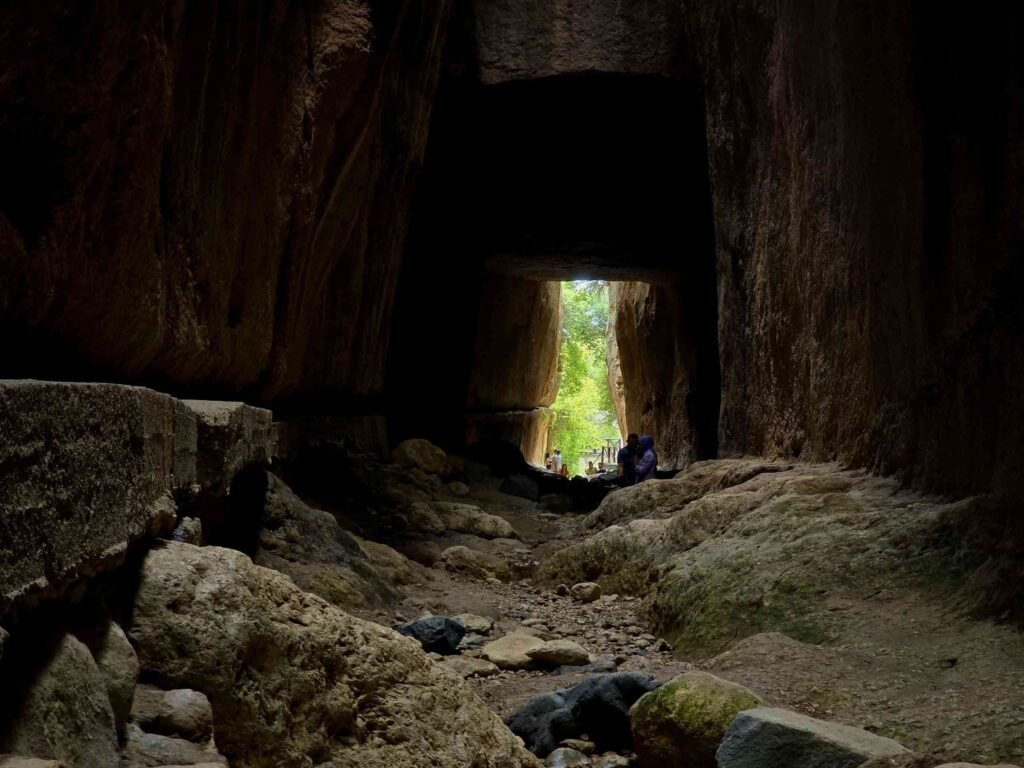
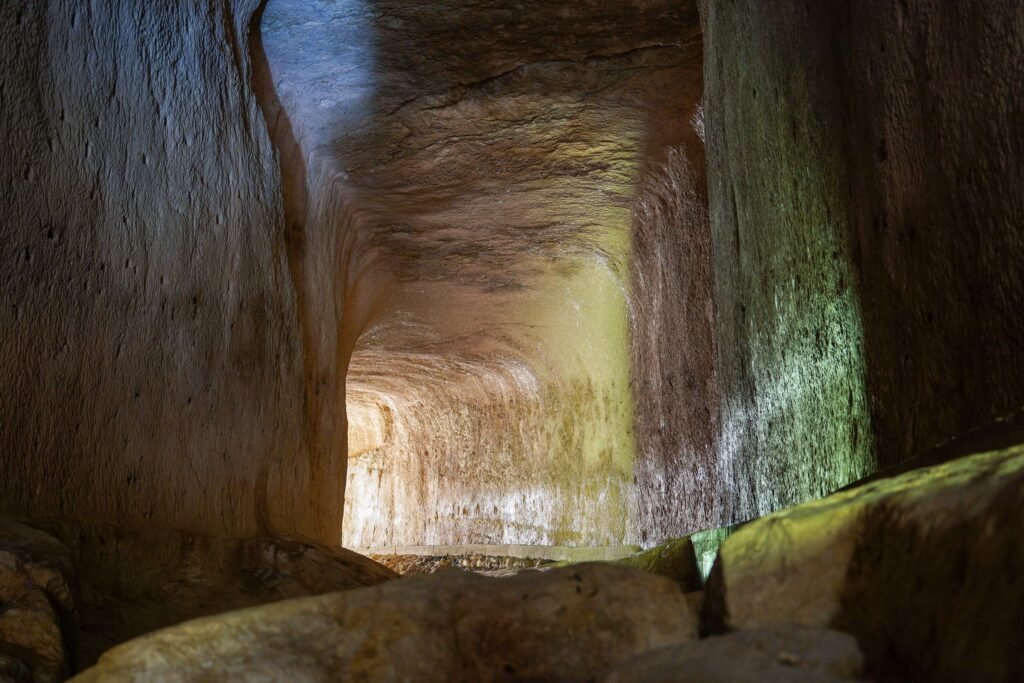
In response, the Roman Empire initiated a large-scale hydraulic project. Construction began under Vespasian in the 1st century CE, continued under Titus, and was later completed during the reign of Antoninus Pius. The resulting Titus Tunnel system measures approximately 1,380 meters in total length, with around 875 meters carved directly into solid rock.
Its purpose was clear:
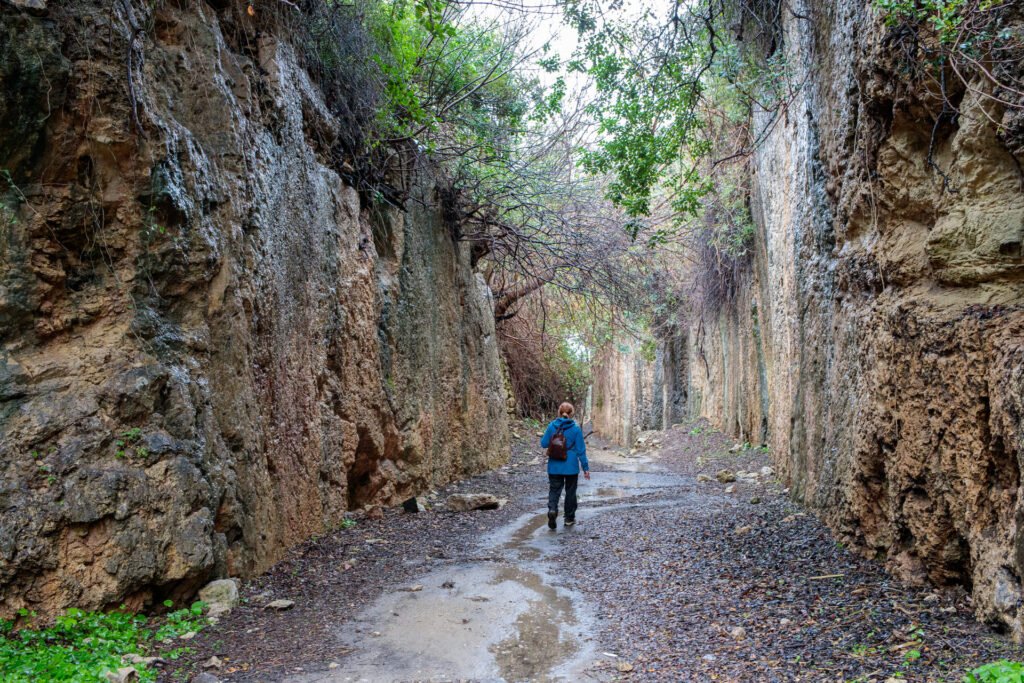
- Divert seasonal floodwaters
- Reduce sediment flow into the harbor
- Prolong the life of the port
In modern engineering terms, it functioned as a sediment diversion and flood control system.
Did It Work?
Yes — for centuries.
The tunnel significantly slowed sedimentation and extended the operational lifespan of Seleukeia Pieria. However, geomorphological processes eventually prevailed. Over time, the harbor gradually lost its depth and importance.
By Late Antiquity, the port’s strategic value had diminished.
Why Seleukeia Pieria Matters Today
For travelers exploring Hatay, Seleukeia Pieria and the Titus Tunnel offer insight into:
- Hellenistic city planning
- Roman imperial infrastructure
- Mediterranean trade networks
- Environmental challenges in antiquity
Unlike more famous Roman ruins in western Türkiye, this site remains relatively uncrowded — making it ideal for travelers seeking historically rich, lesser-known destinations.
Visiting Today
Location: Samandağ, Hatay Province, Türkiye
Distance from Antakya: Approximately 35 km
Visitors can explore:
- The Titus Tunnel
- Rock-cut sections and open channels
- Remains of the ancient city
- Coastal and mountain landscapes
The combination of engineering, archaeology, and natural scenery makes Seleukeia Pieria one of southern Türkiye’s most compelling historical sites.
Plan Your Visit with a Curated Itinerary
Interested in a personalized travel plan to explore the Vespasianus Titus Tunnel and other highlights of southern Türkiye? Get in touch with us for a curated itinerary tailored to your interests, travel style, and schedule.
Contact us today — we’ll design your ideal historical and cultural journey through Hatay and beyond!
Tagged with :