


Armenian Heritage
13 Minute
Armenian Heritage Tour of Istanbul

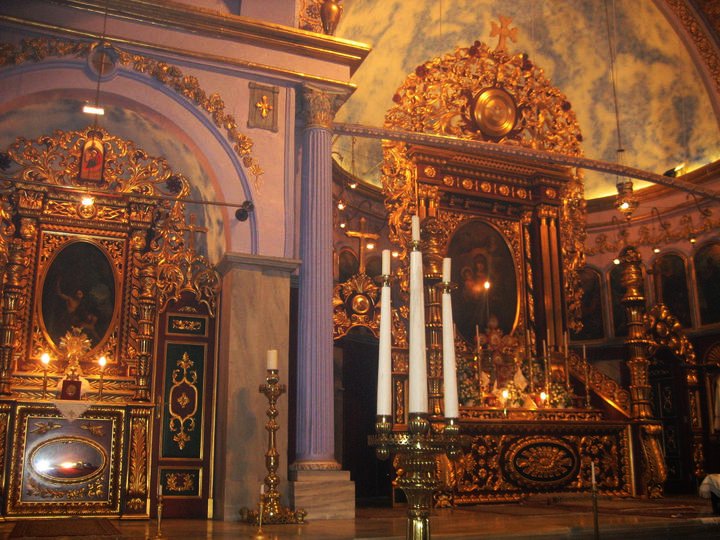
Istanbul cannot be understood through monuments alone. Its identity was shaped by communities who built institutions, directed trade networks, influenced imperial architecture, and contributed to intellectual life.
For over five centuries, Armenians of Constantinople played a defining role in the city’s religious, economic, architectural, and cultural development.
This full-day thematic experience explores that legacy through places, institutions, and urban geography — carefully contextualized and historically grounded.
Tour Itinerary
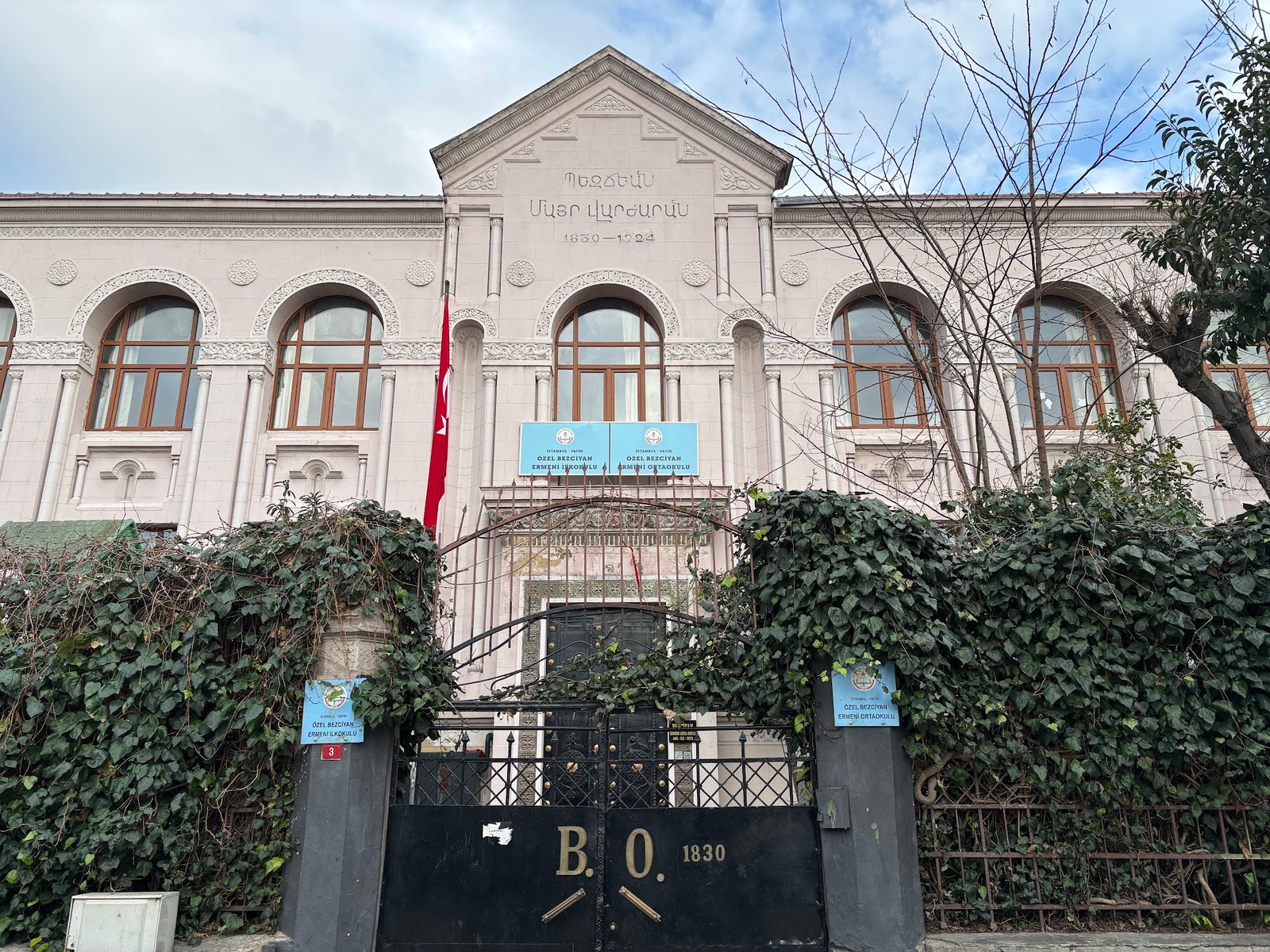
Samatya – Foundations of Armenian Institutional Life
Our journey begins in Samatya, one of the oldest Armenian quarters of the city. At Surp Kevork Church, we examine the early functioning of the Armenian Patriarchate following the Ottoman conquest of Constantinople.
This section focuses on Sultan Mehmed II’s imperial policies, the structure of the millet system, and the dual religious and civil authority of the Patriarchate. The church was not merely a spiritual center; it regulated education, legal matters, taxation coordination, and communal organization.
Here, the institutional framework of Armenian life in the Ottoman capital becomes clear.
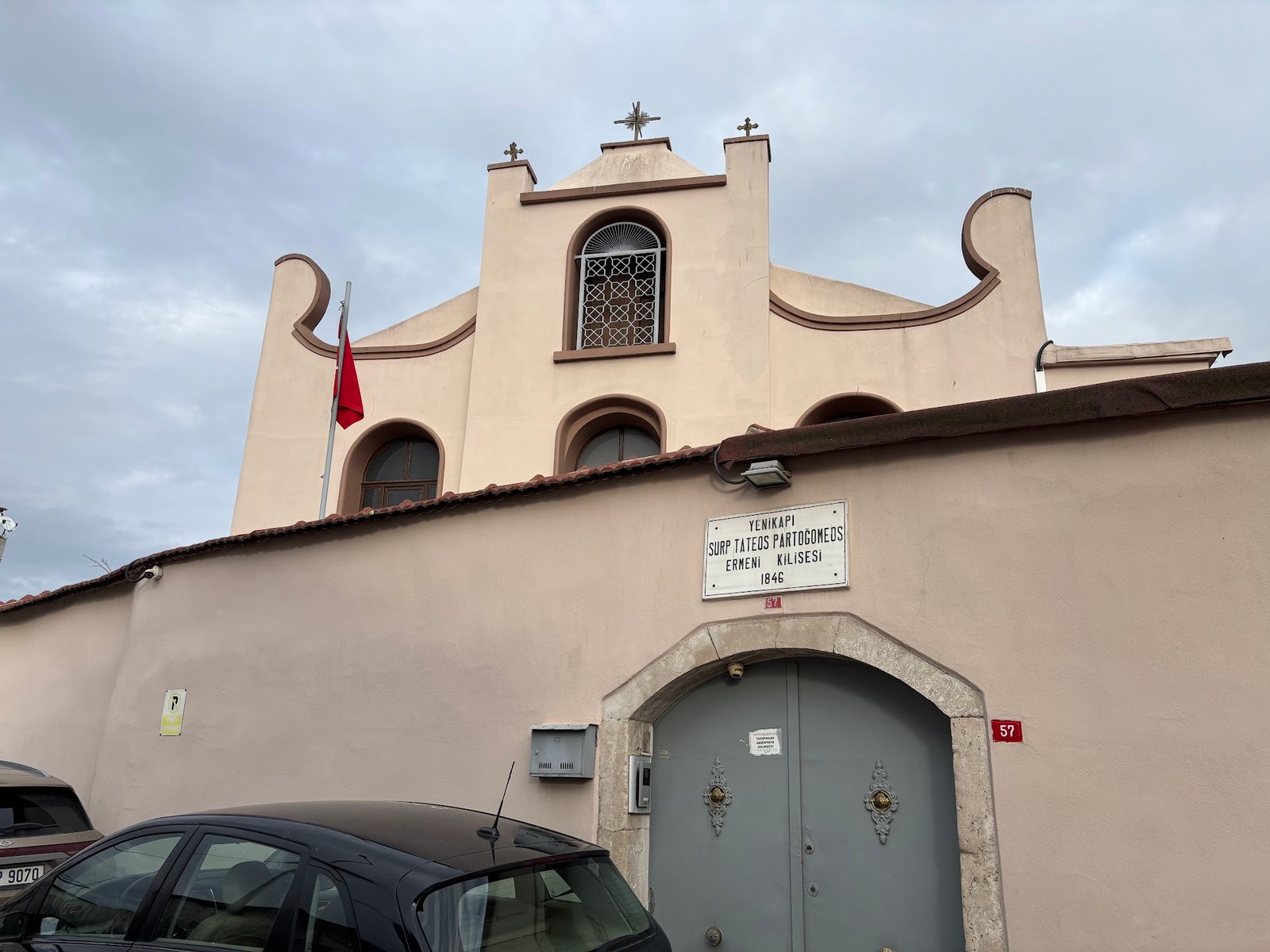
Yenikapı & Langa – Trade Networks and Production
Moving toward Yenikapı and the former Langa district, the narrative shifts from governance to economy. Armenian merchants and artisans were deeply embedded in silk trade networks, textile production, and imperial finance.
We analyze the guild (esnaf) structure, the role of Armenian sarrafs in state finance, and the commercial connections between the Historic Peninsula and Galata. This stop demonstrates how economic influence functioned within imperial systems and how Armenian entrepreneurs operated inside global trade routes linking Istanbul to Europe and the Mediterranean.
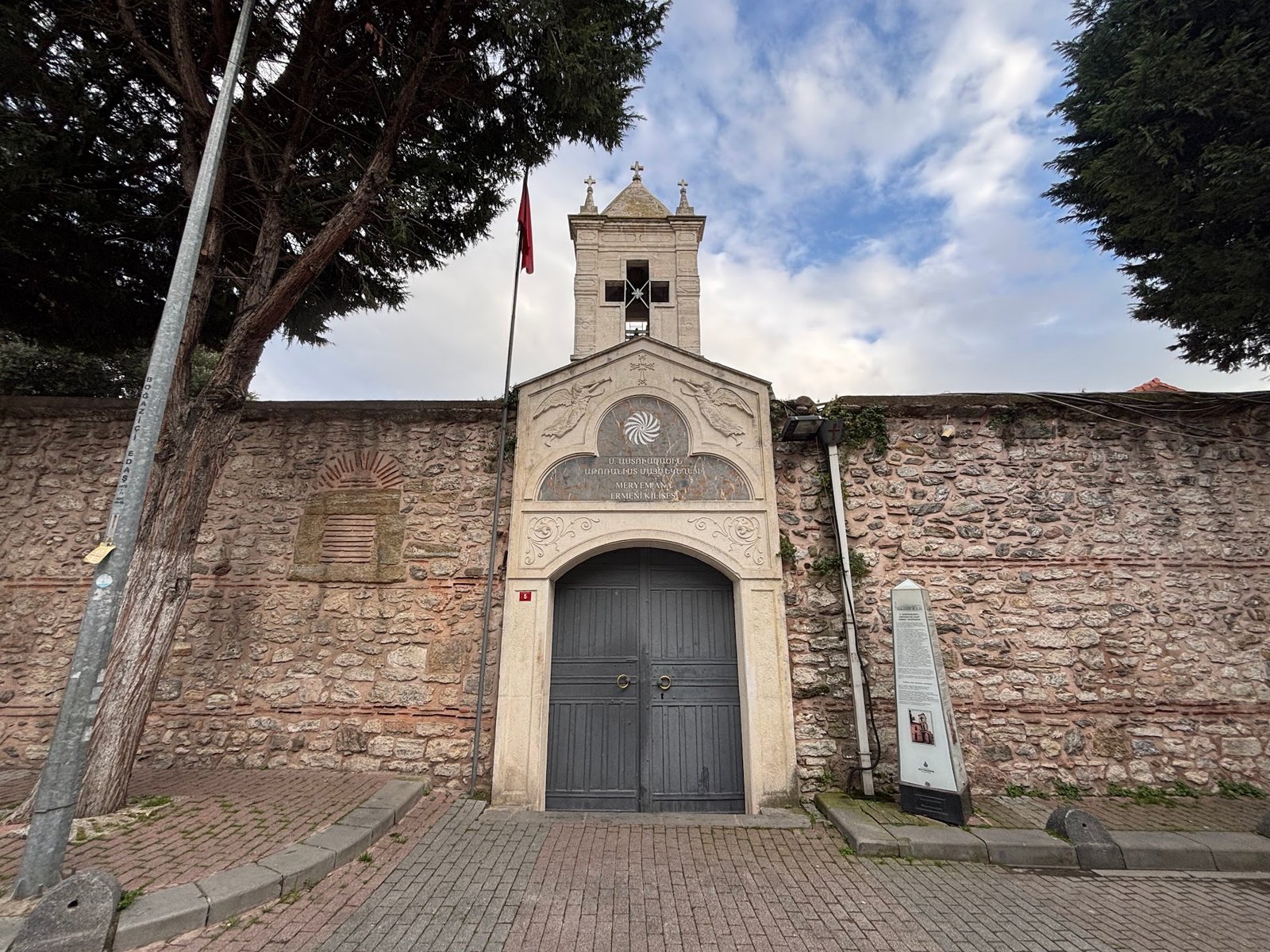
Kumkapı – The Living Patriarchate
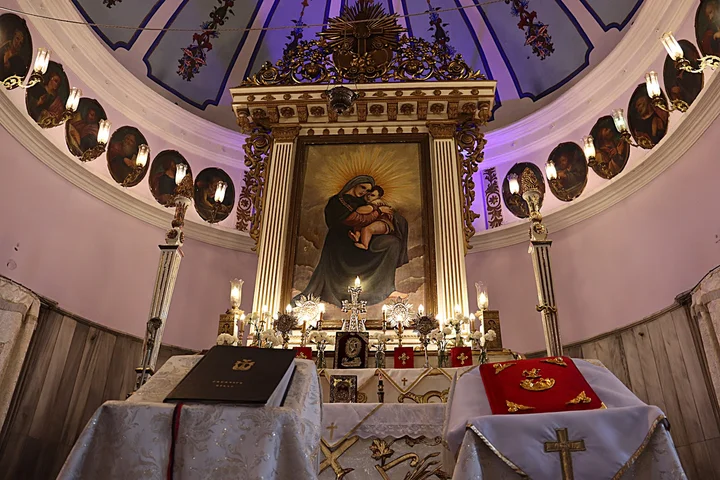
In Kumkapı, we encounter the Armenian Patriarchate as a living institution. The discussion moves into the 19th and 20th centuries, addressing demographic transformations and the restructuring of community life.
We explore contemporary Armenian schools, foundations, and religious institutions, examining continuity rather than rupture. This stop connects historical frameworks with present-day realities in modern Türkiye.
Grand Bazaar – Craftsmanship and Imperial Commerce
The Grand Bazaar district provides insight into Armenian craftsmanship within Ottoman commercial life. Armenian goldsmiths and jewelers were integral to imperial luxury production and mint-related activities.
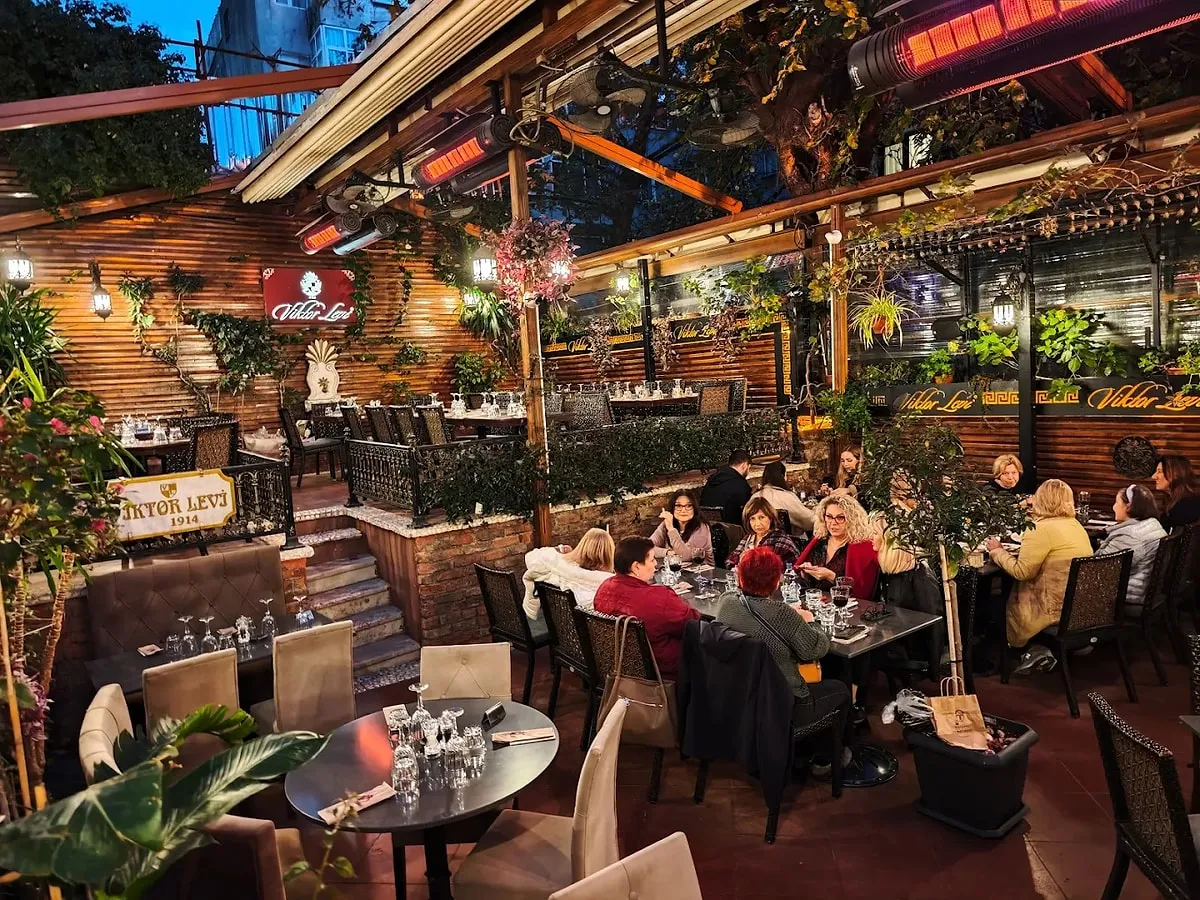
This part of the tour highlights specialization, artisan hierarchies, and the relationship between craftsmanship and imperial demand. A lunch break is scheduled in this area, allowing time to experience the commercial environment historically shaped by such networks.
Balat – Shared Urban Fabric
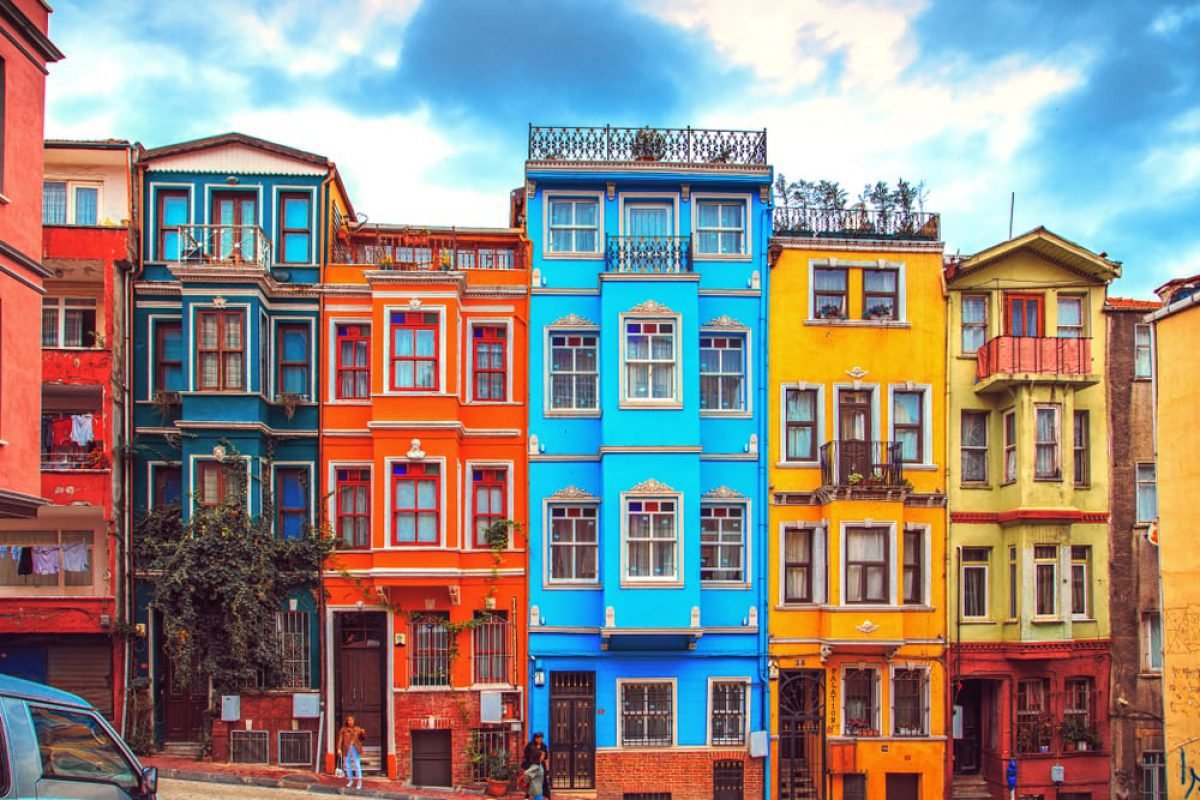
Balat illustrates the multi-religious structure of Ottoman Istanbul. Armenians, Greeks, and Jews inhabited adjacent quarters, each maintaining institutions while functioning within a shared urban system.
We examine the mahalle structure, patterns of coexistence, and the administrative logic that enabled diverse communities to operate within the imperial capital. The emphasis here is on urban sociology and lived coexistence.

Beyoğlu – Cultural and Intellectual Renaissance
In the 19th century, Armenian intellectual life flourished in Pera. Printing houses, journalism, theater, and reformist engagement positioned Armenian thinkers within the broader Tanzimat modernization process.
This section addresses Western architectural influence, literary production, and participation in evolving political discourse. Armenian presence in Beyoğlu reflects active involvement in imperial transformation rather than marginal status.
Ortaköy – Imperial Architecture and the Balyan Legacy
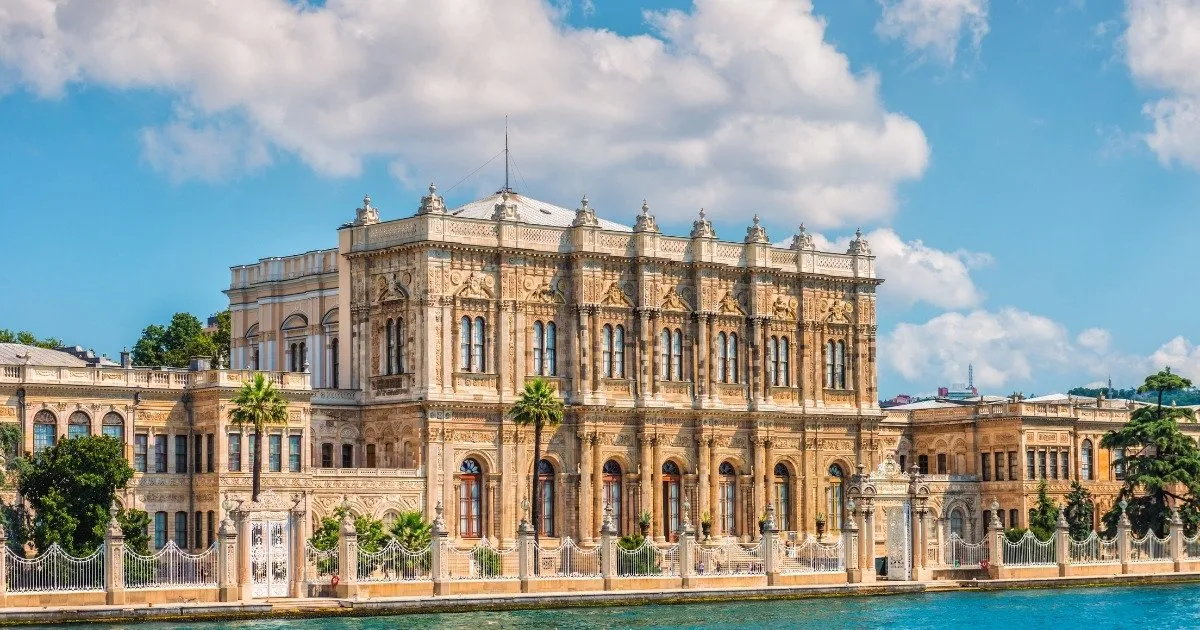
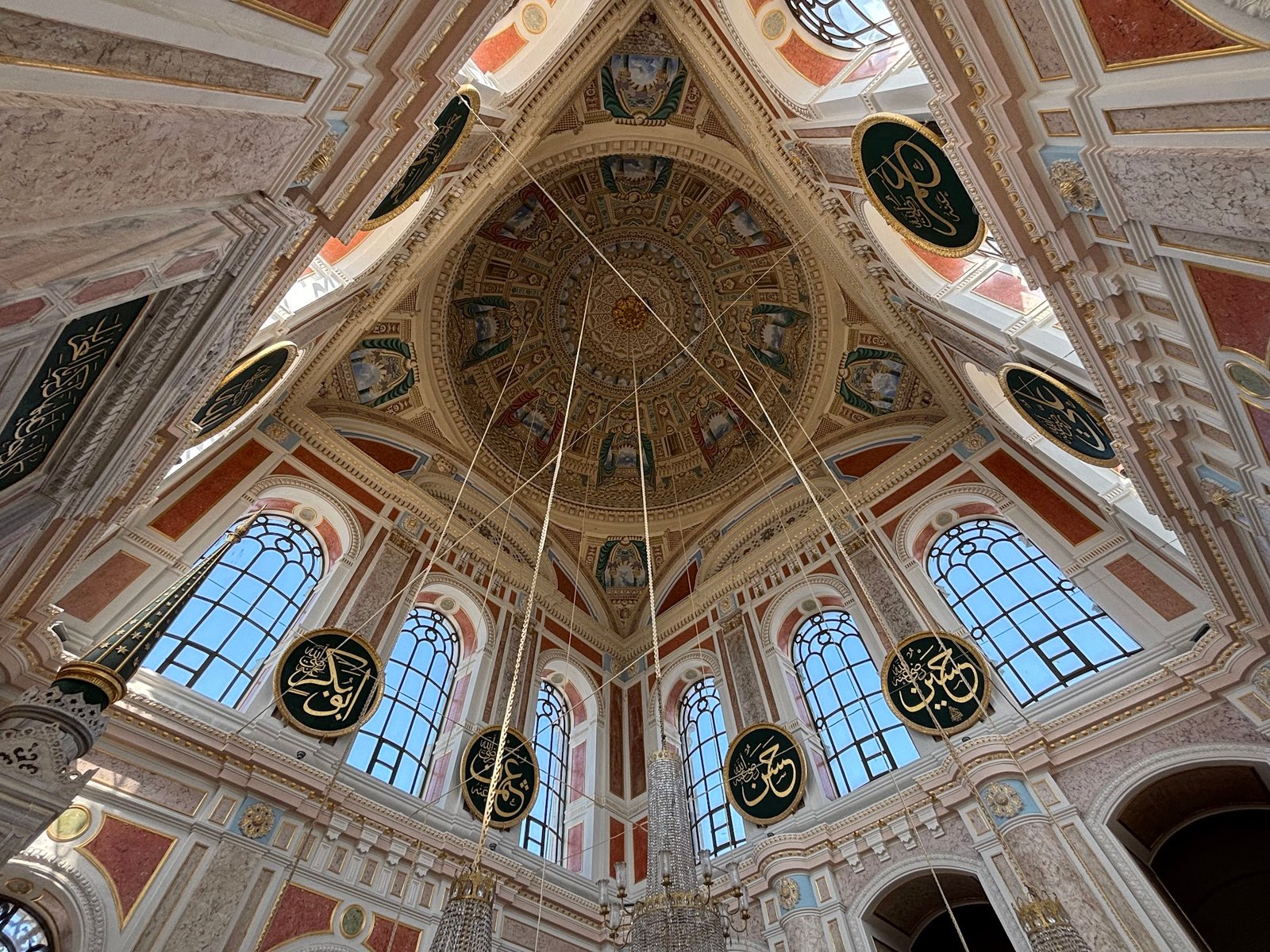
At the Bosphorus waterfront in Ortaköy stands one of the most recognizable 19th-century monuments of Istanbul, designed by the Balyan family, the Armenian court architects of the Ottoman Empire.
Serving directly under the sultans, the Balyans were responsible for major imperial projects, including Dolmabahçe Palace and numerous waterfront structures that reshaped the visual identity of late Ottoman Istanbul. Their work reflects the synthesis of Ottoman tradition with European Baroque and Neoclassical influences, embodying the empire’s architectural modernization.
At this stage of the tour, the Armenian presence within imperial power structures becomes unmistakable. Architecture itself demonstrates that Armenians were not peripheral figures in Ottoman history — they were active participants in shaping the capital’s monumental landscape.
Get in Touch
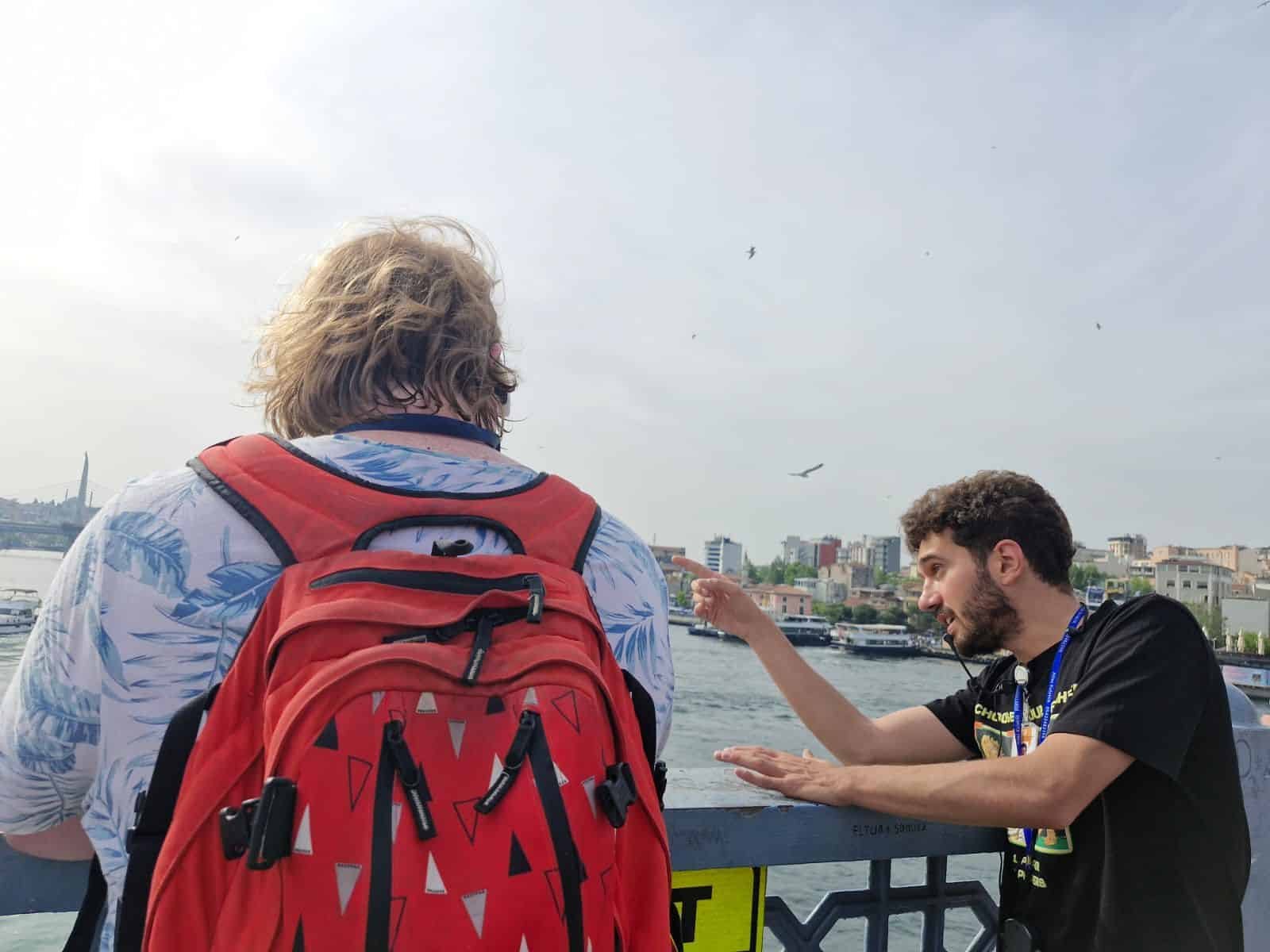
Ready to explore Istanbul’s Armenian heritage with an expert guide? Contact us today to book your full-day thematic experience or to customize your itinerary.
From the Patriarchate shaped under Mehmed II to the monumental skyline designed by the Balyan family, Armenians were integral to the political, financial, and architectural life of Constantinople.