


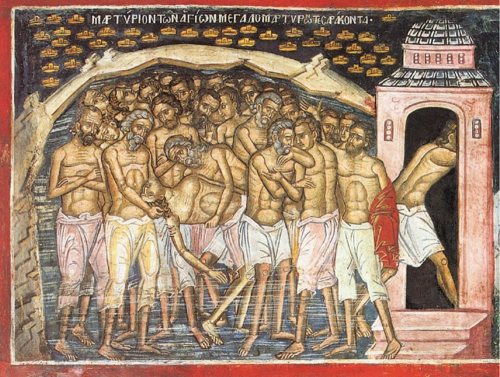
In modern-day Sivas, once known as Sebaste, one of early Christianity’s most striking martyr stories took place. Around 320 AD, during the rivalry between Constantine the Great and Licinius, forty Roman soldiers refused to renounce their faith. Their punishment — exposure on a frozen lake — transformed a local event in Anatolia into a story remembered across centuries of Christian history.
Faith, Power, and Winter on the Frozen Lake of Sivas
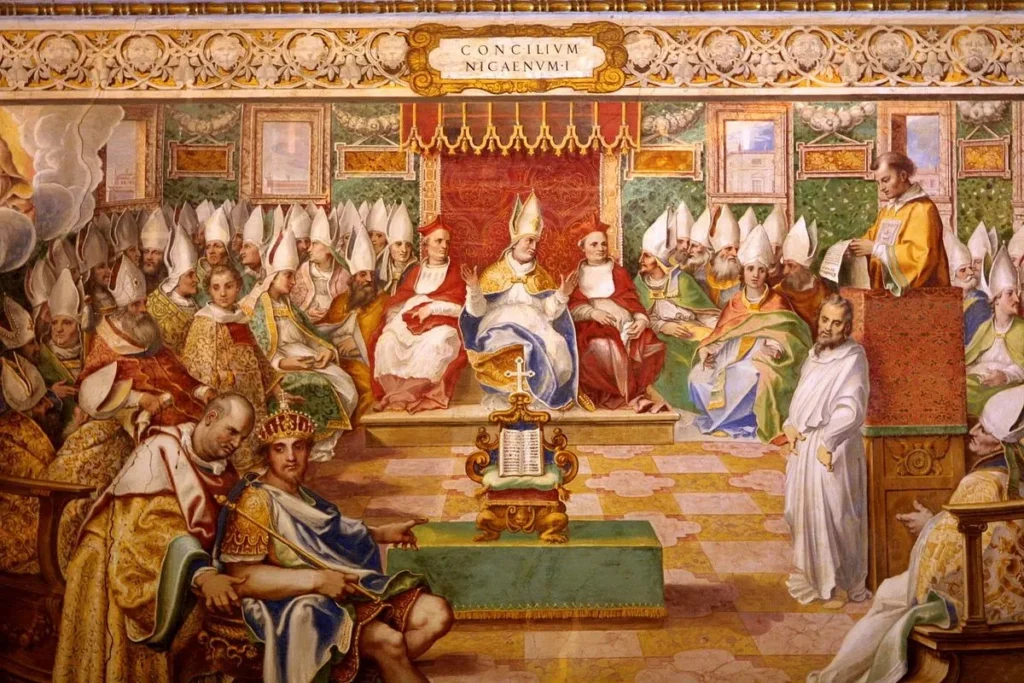
In the early 4th century, the Roman Empire stood at a turning point. Christianity, once persecuted, had just gained legal recognition through the Edict of Milan (313 AD), issued jointly by Emperors Constantine the Great and Licinius.
But political alliances in Rome rarely lasted.
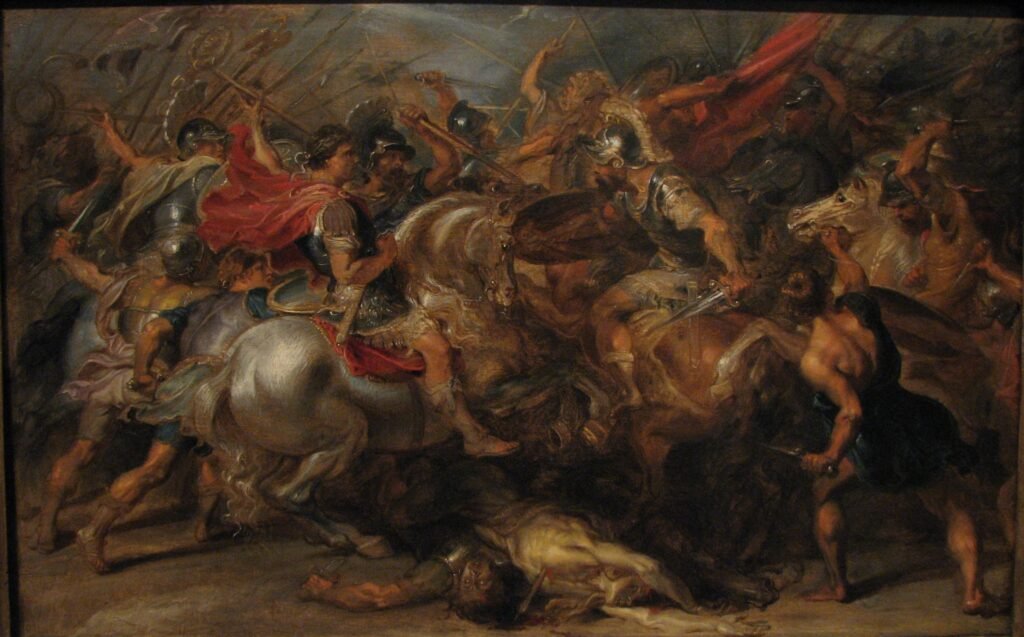
Within a decade, rivalry replaced cooperation. Constantine ruled the western provinces; Licinius controlled the east. As tensions grew between them, religious policy once again became entangled with imperial power.
It was during this unstable period that one of Anatolia’s most powerful martyr stories unfolded — in the ancient city of Sebaste, today’s Sivas.
Christianity and Imperial Politics
Although Licinius had co-signed the Edict of Milan, sources suggest that by around 320 AD he began distancing himself from pro-Christian policies in the eastern provinces. Whether motivated by political suspicion, military loyalty concerns, or religious conservatism, he reportedly ordered that soldiers demonstrate allegiance to traditional Roman gods through public sacrifice.
For Roman military units, sacrifice was not merely religious — it was a political oath of loyalty.
Refusal was seen as defiance.
The Forty Soldiers
In Sebaste, a unit of Roman soldiers belonging to the Legio XII Fulminata — known as the “Thundering Legion” — refused the order. They were Christians.
According to early Christian sources, including homilies by Basil of Caesarea, the forty soldiers stood firm when commanded to offer sacrifice to pagan deities.
The local commander, traditionally identified as Agricolaus, sentenced them to a punishment designed to break both body and spirit.
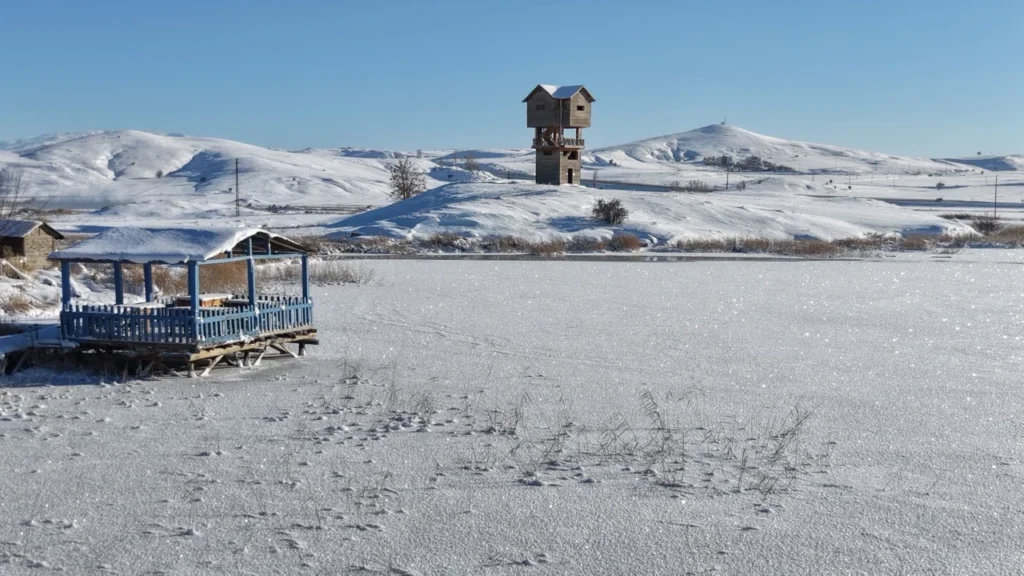
The Frozen Lake
It was winter.
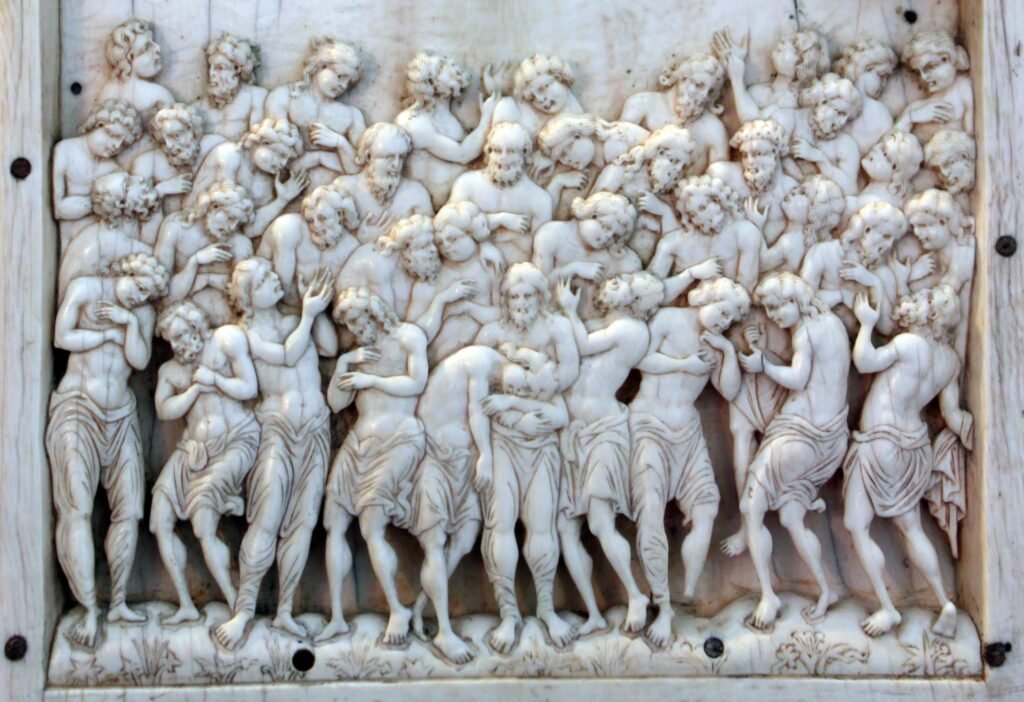
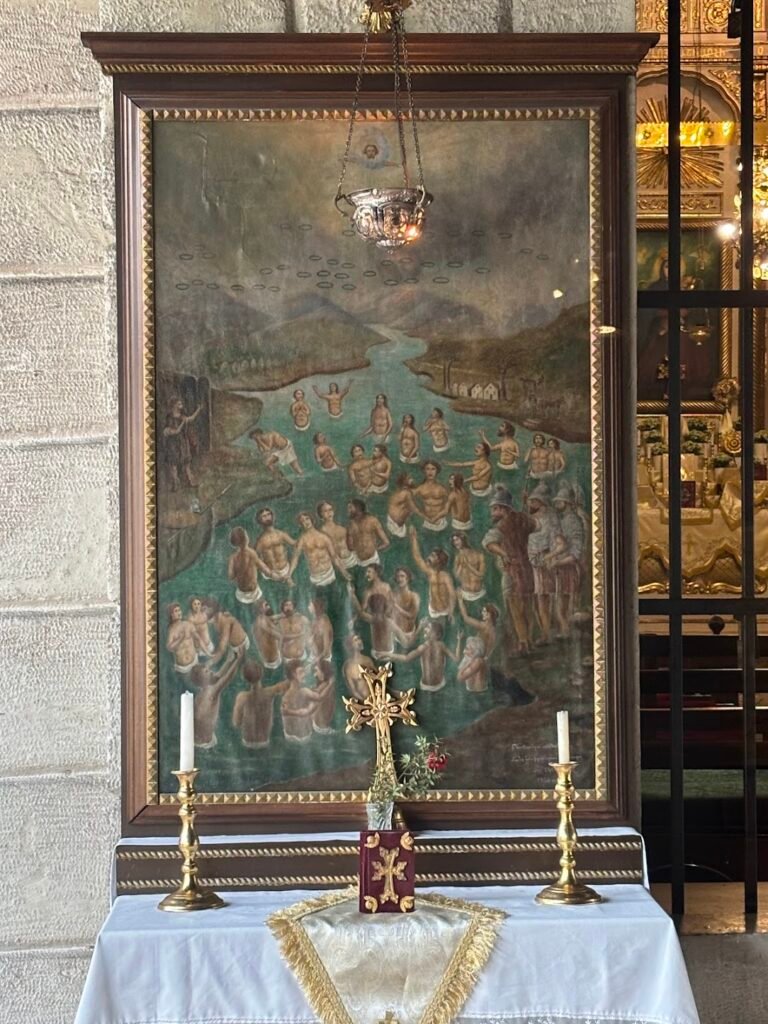
The forty men were stripped of their clothing and forced onto the frozen surface of a lake near Sebaste. Nearby, warm baths were prepared — a final temptation. Any man who renounced his faith could leave the ice and save his life.
The punishment was deliberate: slow exposure, psychological pressure, and public example.
Tradition tells us that one soldier eventually succumbed to the cold and attempted to reach the baths, only to collapse and die. At the same time, a Roman guard, moved by the soldiers’ endurance, declared himself a Christian and joined them on the ice — keeping the number at forty.
By morning, the survivors were executed. Their bodies were burned, and their ashes scattered in water to prevent veneration. Yet local Christians later recovered relics, and the story spread rapidly across the Christian world.
Memory and Legacy
The Forty Martyrs of Sebaste became one of the most revered martyr groups in early Christianity. Their feast day is commemorated on March 9 in the Eastern Orthodox Church and March 10 in Western traditions.
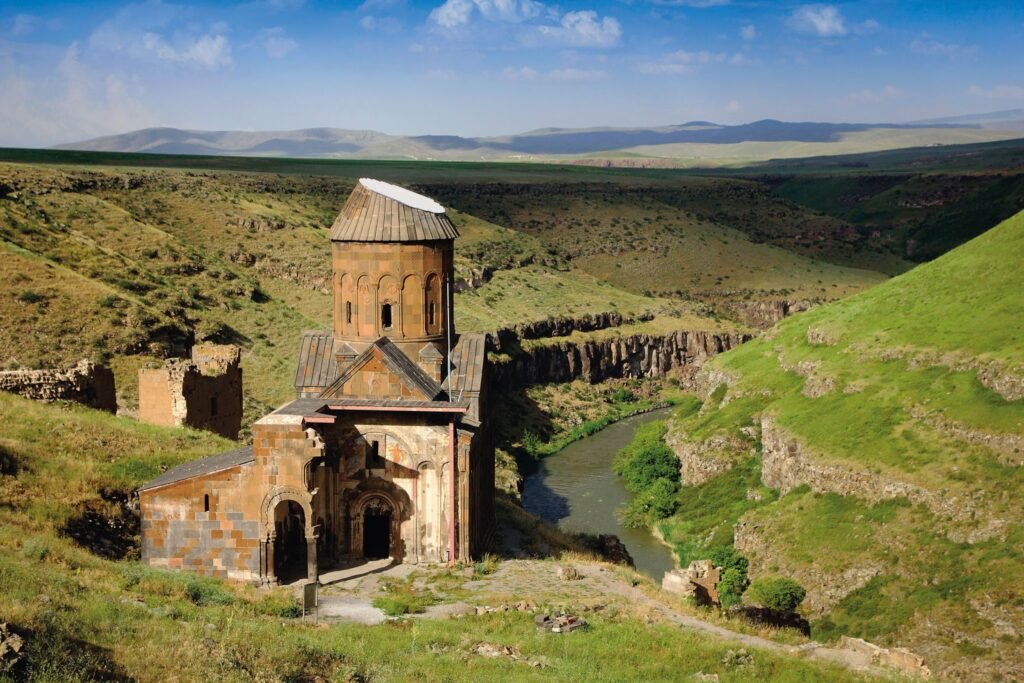
Churches across Anatolia, the Balkans, and the Caucasus were dedicated to them. Their story symbolized not only personal faith but also the collision between imperial authority and religious conviction.
For visitors to Sivas today, this narrative adds a profound historical layer to the landscape. Beneath the modern city lies Sebaste — a Roman military center, a frontier town, and the setting of a story that echoes through seventeen centuries.
Why This Story Matters in Türkiye
Anatolia has always been more than a crossroads of trade routes. It has been a crossroads of belief systems, empires, and ideas.
The story of the Forty Martyrs reminds us that:
- Religious transformation in the Roman Empire was not smooth or immediate.
- Political rivalry shaped spiritual policy.
- Anatolia played a central role in early Christian history.
From Cappadocia to Sivas, from imperial decrees to frozen lakes, this land witnessed events that reshaped the Mediterranean world.
And sometimes, history survives not in palaces — but in the silence of winter.
Tagged with :