
Hello There!
Welcome to Gate to Türkiye.


Welcome to Gate to Türkiye.
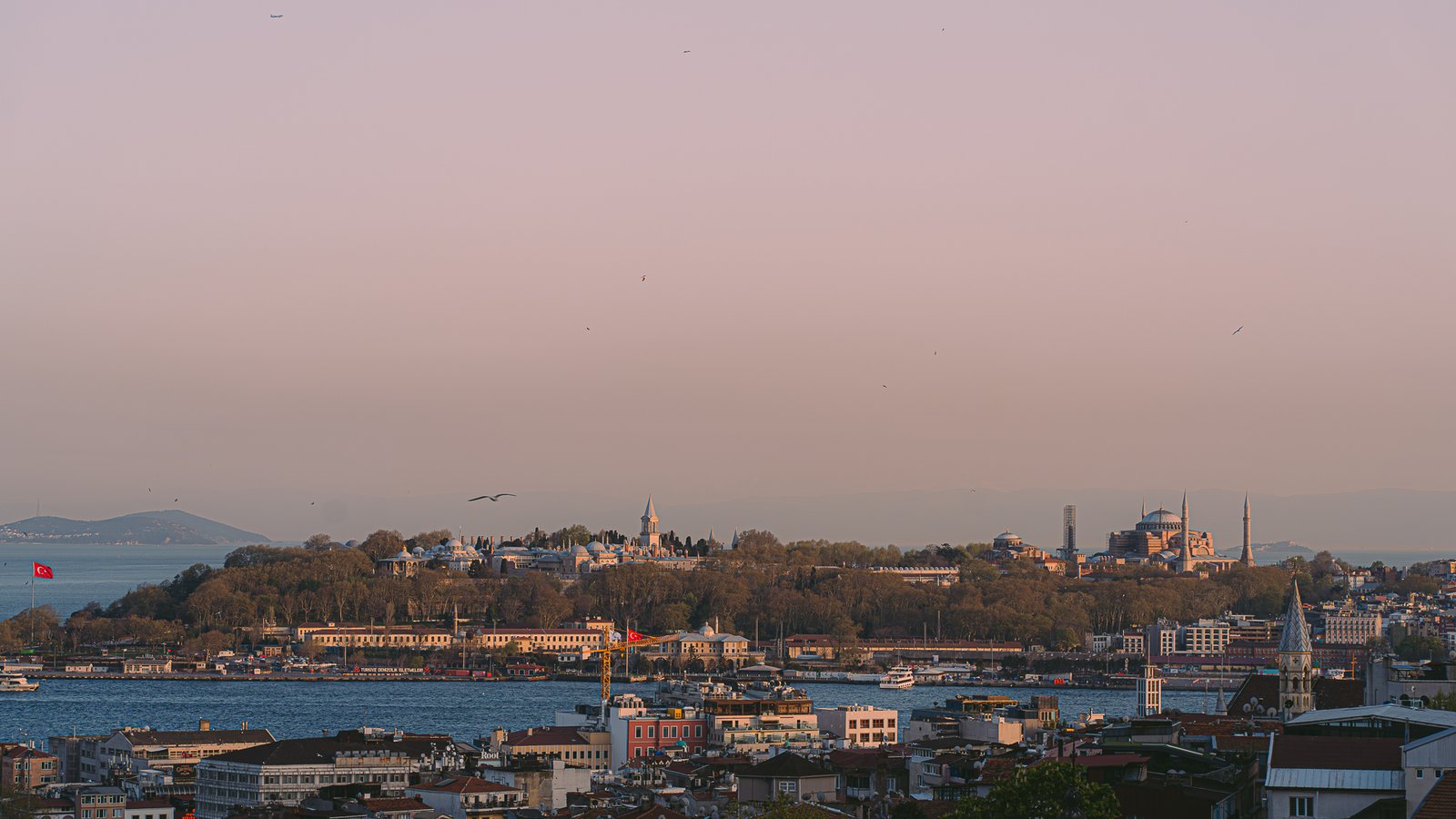
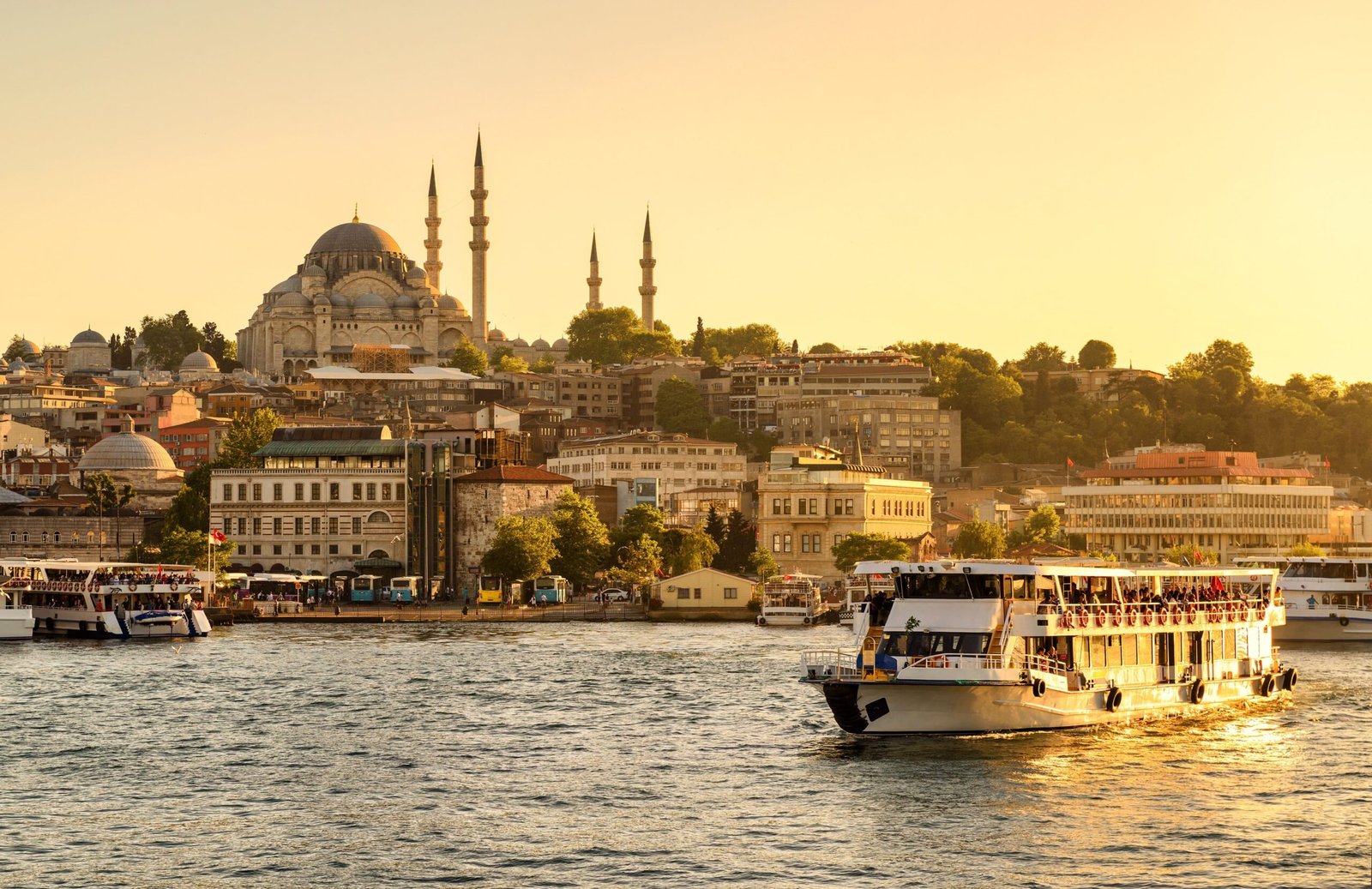
Istanbul is one of the very few cities in the world that has been continuously inhabited for more than 8,500 years. Located at the intersection of Europe and Asia, this extraordinary city has served as a bridge between continents, cultures, religions, and empires.
Its history is not merely the story of a city, but the story of civilizations that shaped the Eastern Mediterranean and Anatolia.
For a long time, the history of Istanbul was believed to begin with Greek colonization. However, archaeological discoveries at Yenikapı in the early 21st century dramatically changed this perception.
Excavations revealed Neolithic settlements dating back to approximately 6500 BCE, uncovering evidence of early farming communities, wooden structures, fishing tools, and burial practices. These findings prove that human life in the Istanbul region predates written history by millennia.
The earliest inhabitants lived along the shores of the ancient Marmara coastline, relying on agriculture, fishing, and basic craftsmanship. Although these communities were small and decentralized, they laid the foundations for continuous habitation in the region.
Around 667 BCE, Greek settlers from Megara founded the city of Byzantion on the European shore of the Bosphorus. According to legend, the settlers chose the site based on an oracle that advised them to build opposite the “land of the blind” — a reference to Chalcedon (modern Kadıköy).
Byzantion’s strategic location allowed control over maritime traffic between the Black Sea and the Aegean. This advantage transformed the city into a vital trade hub, attracting merchants, sailors, and foreign powers.
Although relatively small in size, Byzantion’s geopolitical importance far exceeded its physical boundaries.
In 330 CE, Roman Emperor Constantine the Great refounded the city as Constantinople, declaring it the new capital of the Roman Empire. This decision marked a turning point not only for the city but for world history.
Constantinople was designed as a Christian imperial capital, adorned with forums, palaces, churches, and massive defensive walls. Its position made it easier to govern the eastern provinces and defend the empire against external threats.
Over time, Constantinople became the political, economic, and religious heart of the Byzantine Empire, surviving invasions, sieges, and internal conflicts for over a thousand years.
During the Byzantine era, Constantinople emerged as the center of Orthodox Christianity and imperial administration. The construction of monumental structures such as Hagia Sophia symbolized the fusion of religious authority and imperial power.
The city was protected by the legendary Theodosian Walls, which successfully repelled numerous sieges and contributed to its longevity. Despite challenges such as plagues, Crusader invasions, and economic decline, Constantinople remained a beacon of learning, art, and diplomacy.
In 1204, the Fourth Crusade captured and looted the city, dealing a severe blow to Byzantine strength. Although the Byzantines later reclaimed Constantinople, the empire never fully recovered.
On May 29, 1453, Sultan Mehmed II, later known as Mehmed the Conqueror, captured Constantinople, bringing an end to the Byzantine Empire. This event marked the beginning of a new era.
The Ottomans transformed the city into the capital of a rapidly expanding empire. Constantinople — now increasingly called Istanbul — became a multicultural metropolis where Muslims, Christians, and Jews lived under the millet system, which allowed religious communities a degree of autonomy.
Mosques, külliyes (social complexes), bazaars, and public baths reshaped the city’s skyline, while existing Byzantine structures were adapted rather than erased.
Between the 15th and 17th centuries, Istanbul reached its golden age. Under sultans such as Süleyman the Magnificent, the city became one of the largest and most influential urban centers in the world.
Architect Mimar Sinan left a lasting architectural legacy, designing mosques that combined engineering mastery with aesthetic harmony. Trade routes connecting Europe, Asia, and Africa passed through Istanbul, making it a global commercial hub.
The city’s diversity, tolerance, and intellectual life attracted scholars, artisans, and travelers from across the world.
From the 18th century onward, the Ottoman Empire faced military and economic challenges. Istanbul, however, remained a center of reform and modernization.
The Tanzimat period introduced legal, administrative, and educational reforms inspired by European models. Western-style architecture, printing presses, and new institutions reshaped urban life.
Despite political instability, Istanbul retained its cultural vitality until the final years of the empire.
With the establishment of the Republic of Türkiye in 1923, Ankara became the new capital. Istanbul lost its political status but remained the country’s cultural and economic heart.
Today, Istanbul is a city where layers of history coexist: Neolithic remains beneath metro stations, Byzantine churches beside Ottoman mosques, and modern skyscrapers rising above ancient neighborhoods.
It is not merely a city to be seen, but a city to be understood.
Understanding Istanbul’s history requires more than dates and monuments — it requires walking its streets, listening to its stories, and seeing how past and present intertwine.
If you would like to explore Istanbul’s historical layers on-site with a licensed local guide, Gate to Türkiye offers in-depth historical walks and private tours tailored to your interests.