


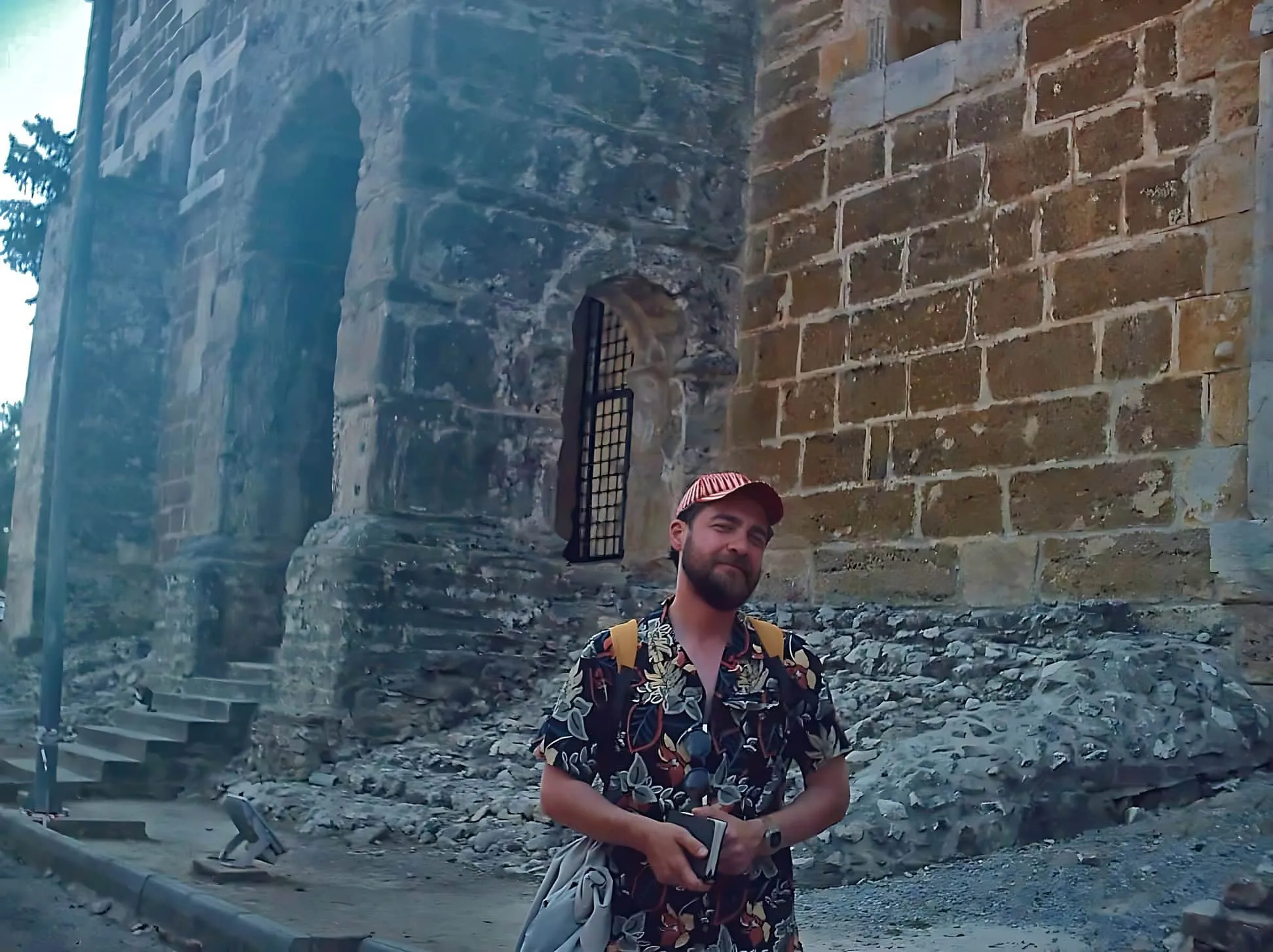
He is thirteen years older than me, founded The Other Tour in 2011, and had already spent more than a decade experimenting with tourism before I entered the story. Since then, he has given me hundreds of tours to guide in Istanbul and occasionally farther afield — Troy, Cappadocia, Bursa, Gordion and elsewhere.
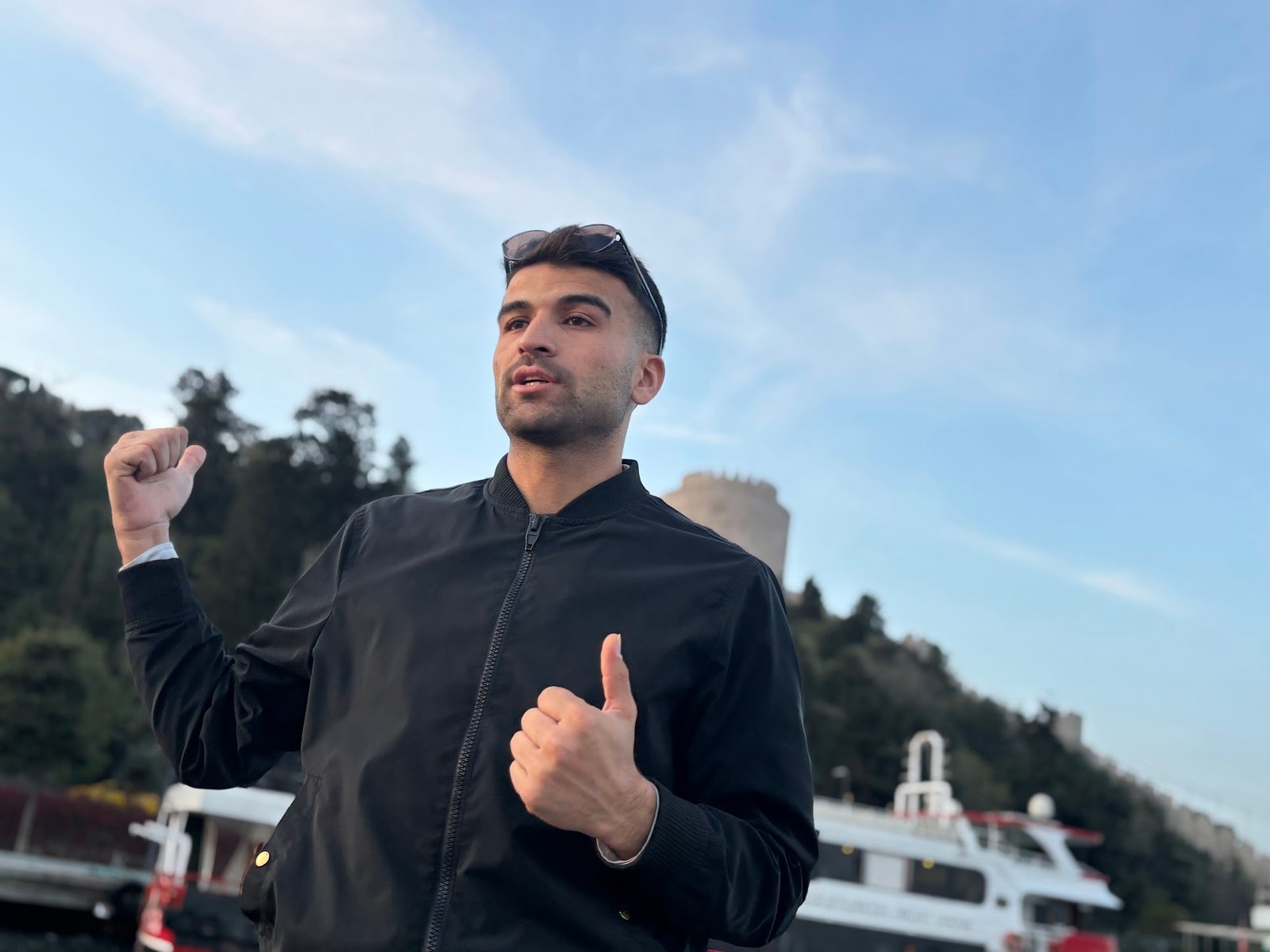
I became The Other Tour’s lead guide in Istanbul in 2025, started helping with operations and brought several important guides into the company myself.
And I have contributed something else of lasting importance: I have improved Fethi’s opinion of Türkiye through my relentless advocacy for Sivas.
We regularly remind each other that Sivas is the true heart of the country. There is at least historical ammunition for the propaganda: the Sivas Congress of September 1919 was where regional resistance organizations were brought together under a national structure.
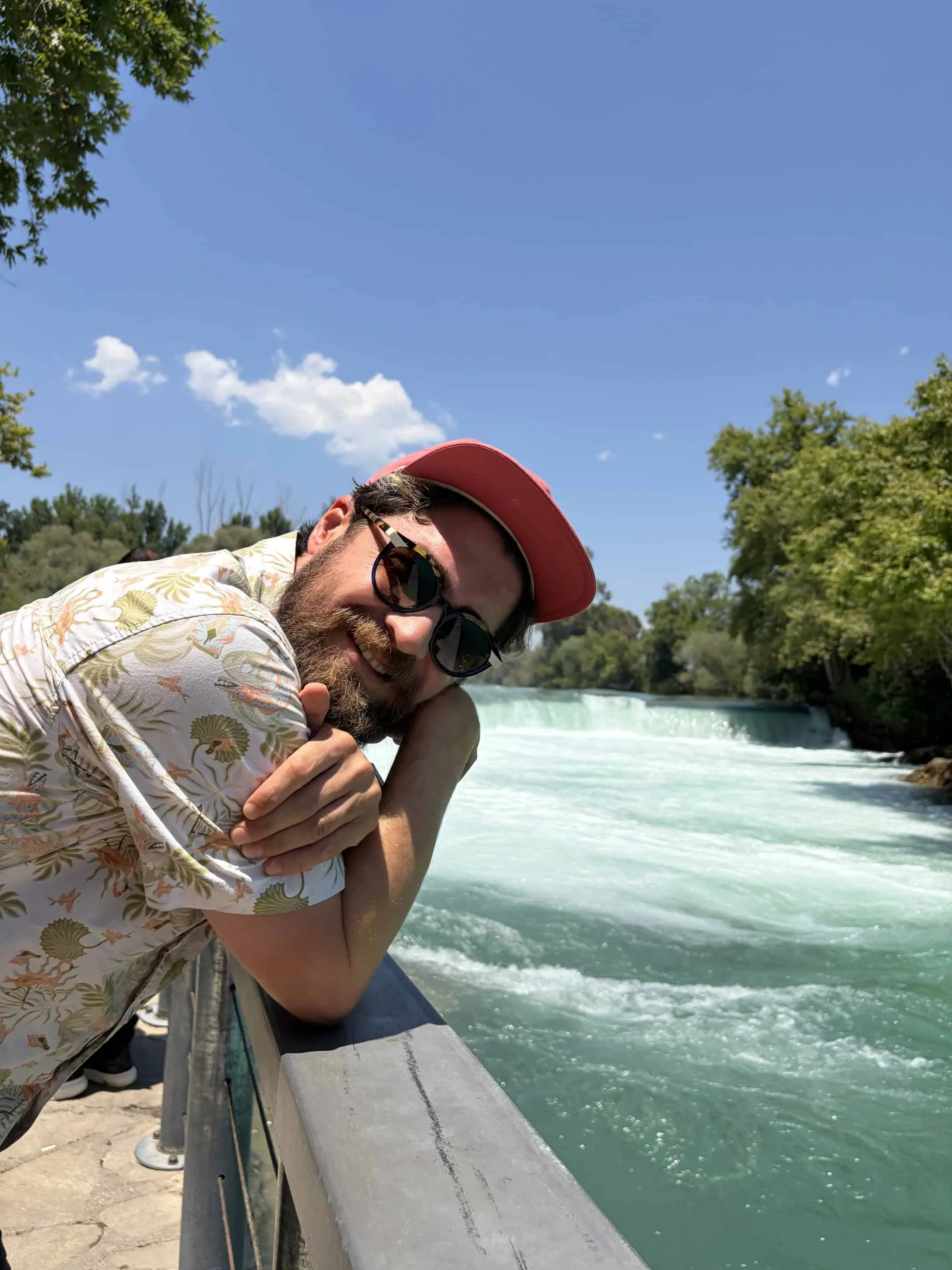
Fethi is gradually accepting the evidence.
Fethi Karataş was born in Istanbul in 1988 and grew up in Esenler, on the outer edge of the historic city. That background shaped the way he learned to understand Istanbul. For him, the city was never simply Hagia Sophia, Topkapı Palace or the monuments inside the old walls. It was also apartment blocks, highways, bus terminals, working-class neighborhoods and the enormous waves of migration that transformed Istanbul during the second half of the twentieth century.
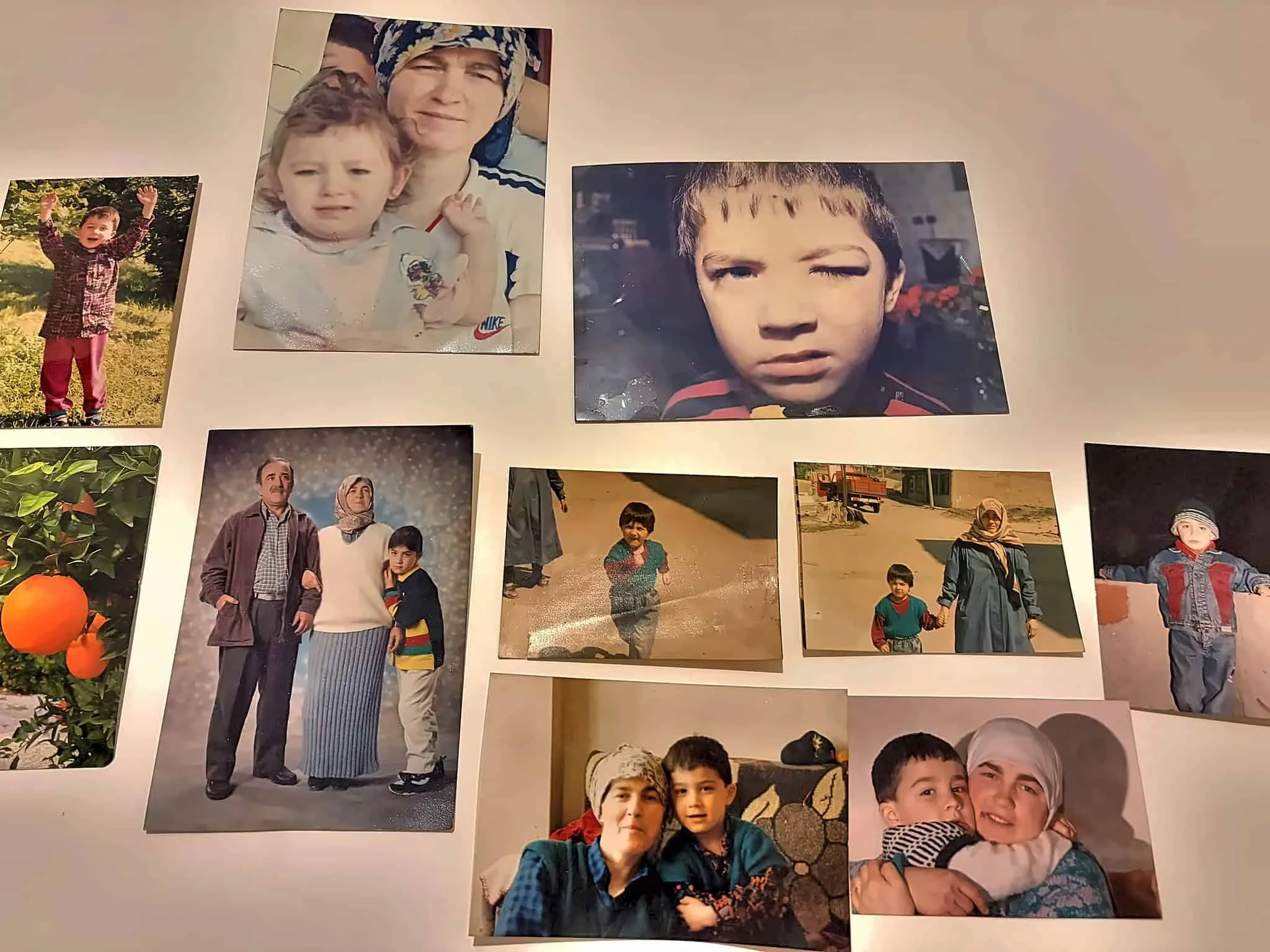
He attended an Anatolian High School, where the first year was devoted heavily to English. That gave him an unusually strong foundation in the language, but what happened next was probably just as important. While still very young, Fethi took a summer job in Sultanahmet and, in a sense, entered tourism for good.
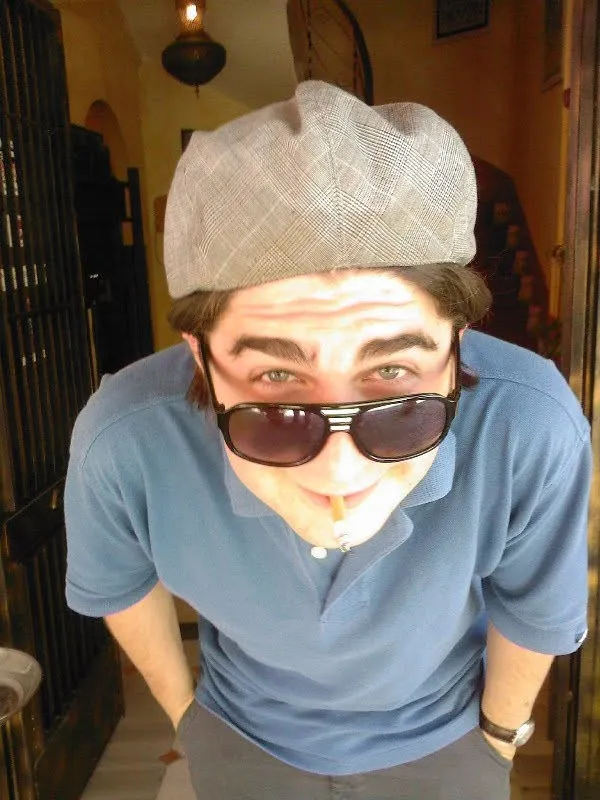
The place was called Istanbul Hostel, right next to the famous Four Seasons Hotel. It had a rooftop bar, a basement bar and interiors designed by an elegant American interior designer. For a teenager from Esenler, it was an extraordinary place to begin working: international travelers coming and going every day, conversations in English, late nights, different accents, different habits and an Istanbul seen through the eyes of people who had just arrived.
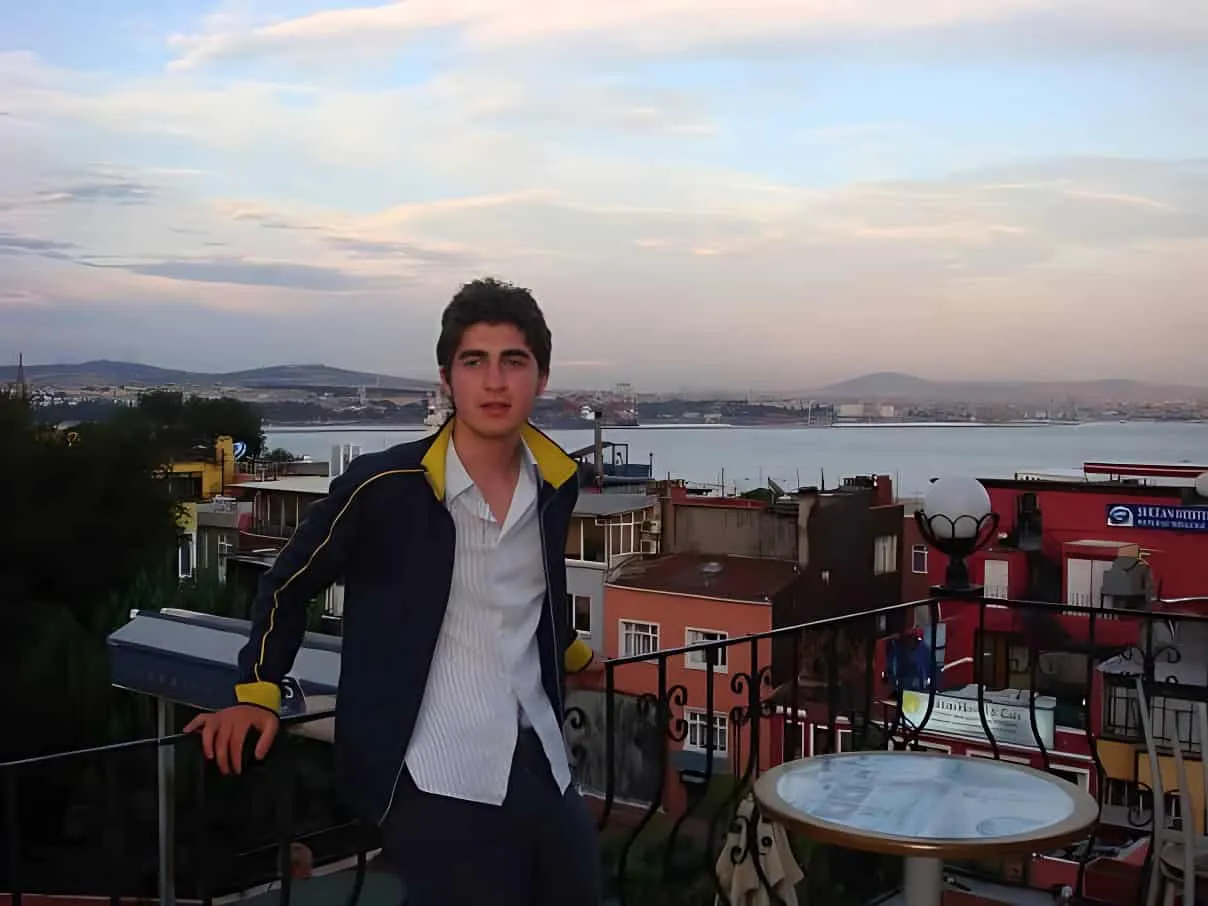
Fethi has his own way of describing that period. He says he was “raised by flip-flop-wearing Aussies.” The Australian backpackers around the hostel took him out to clubs when he was only fifteen, and he still remembers the taste of Red Bull with no alcohol in it. It sounds like a funny teenage memory, but it was also the beginning of his professional life. Tourism did not come later for Fethi. He entered it young, learned it socially and practically, and grew up inside the world of travelers.
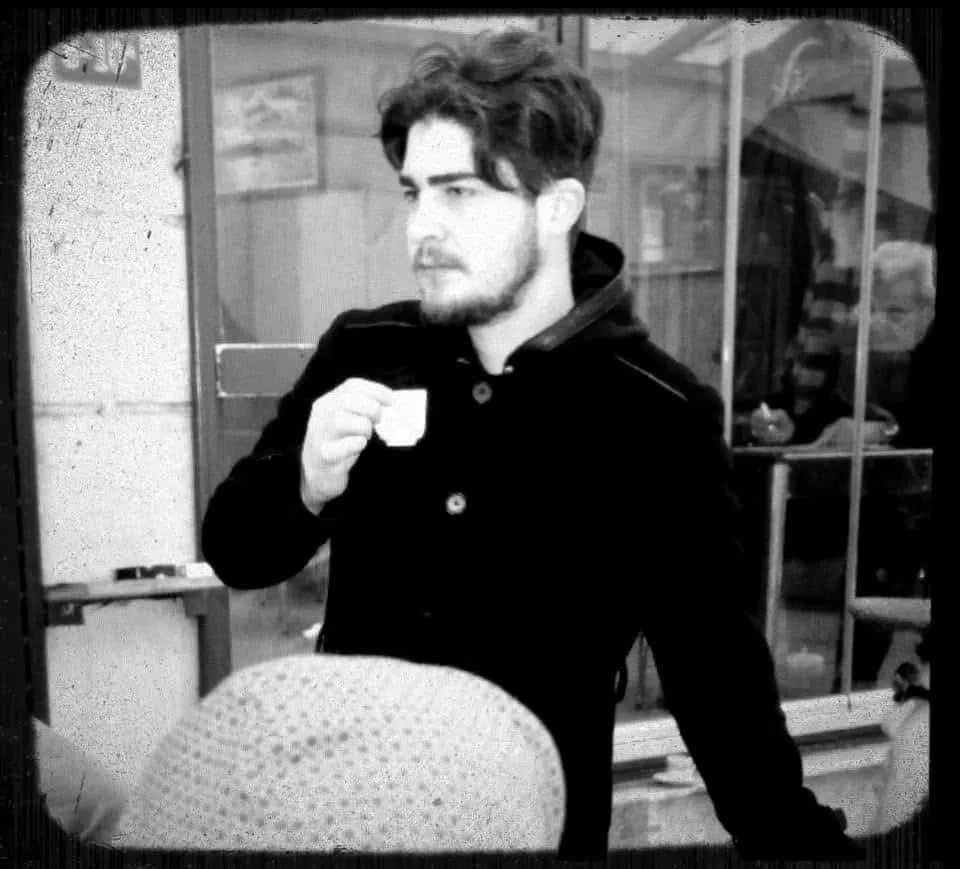
That early combination — a strong English education, direct contact with foreigners and daily life in Sultanahmet — helps explain both his fluency and the kind of tourism he later created. He did not encounter visitors only as customers. He grew up talking to them, listening to them, going out with them and learning how differently outsiders could experience the same city.
That perspective eventually became one of the foundations of The Other Tour, which he founded in 2011. Fethi tends to look at Istanbul as a living urban system, moving easily between Byzantine churches, Ottoman mosques, aqueducts, reservoirs, metro excavations, infrastructure and the everyday lives of the people around them. His fascination with water systems, Mimar Sinan, Byzantine Constantinople and new archaeological discoveries reflects the same habit of mind: he is less interested in isolated monuments than in the connections between landscape, engineering, history and human life.
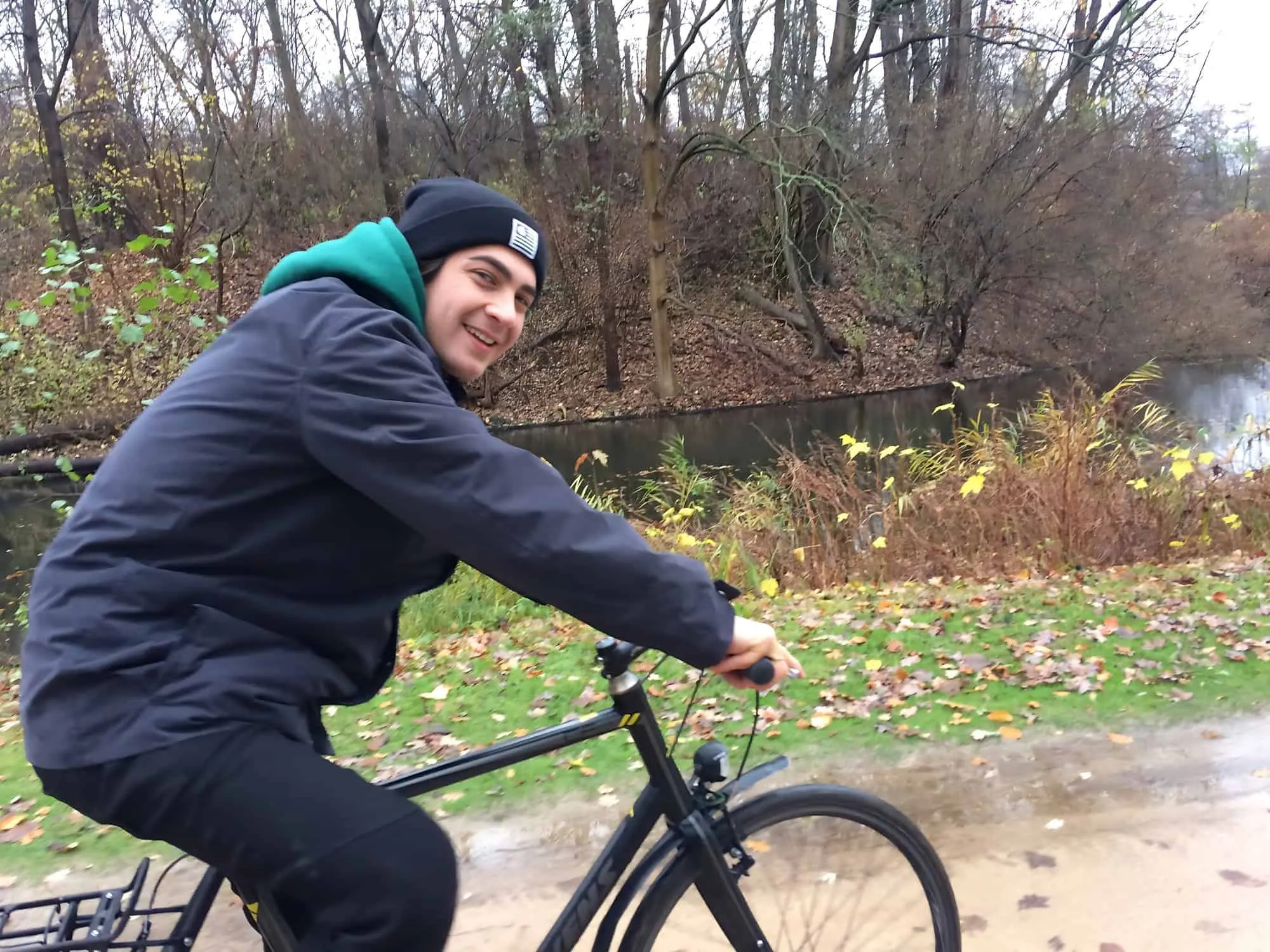
He also lived in Berlin. He was married to a German lady by the name Milena. He jokes that living in a first class civilization does help one see things from an entirely different perspective.
That is also why writing about Fethi is difficult. He is not easily reduced to one professional title. He is a travel entrepreneur, researcher, route-builder, host and obsessive student of the people and places around him – especially the people, both alive and long-gone.
Over the last two years, I have had the unusual opportunity to work beside him closely enough to see how those different sides come together — on tours, on research days, inside The Other Tour, and now while building something of my own.
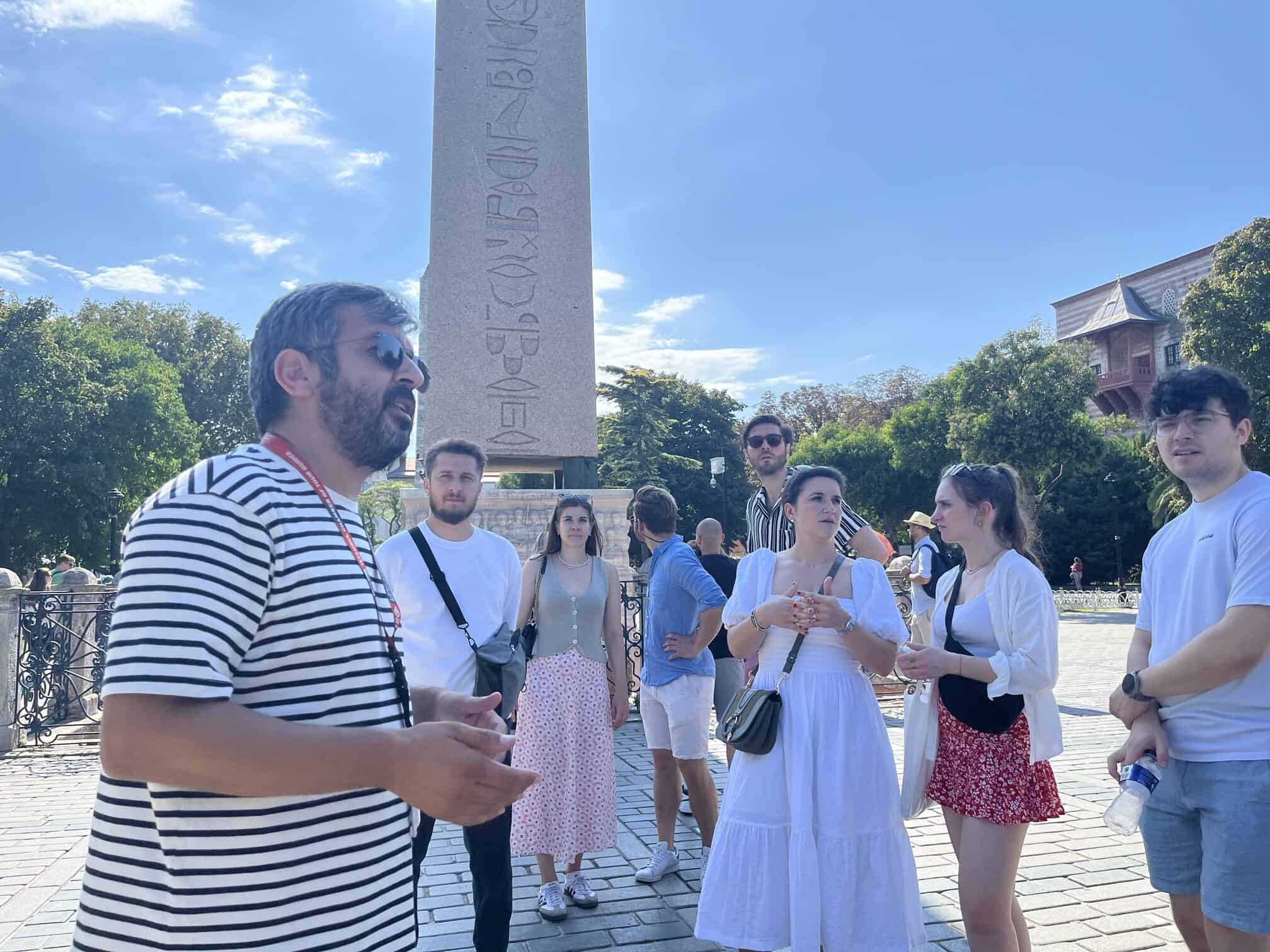
The Other Tour did not begin with me.
Long before I appeared, there was Rubil Gündüz, one of Fethi’s oldest friends. The two had known each other for decades and were already discussing the idea that became The Other Tour back in 2010. Rubil was an experienced professional guide long before the company existed and became one of its earliest intellectual anchors.
He also lived with Trevor Brown. Fethi and Trevor met hundreds of clients in 2012-2013 and they got to the top of the TripAdvisor rankings and stayed there for 2 years. That history matters because it explains something fundamental about Fethi.
He has always built through people.
Friends introduce friends. Guides recommend guides. Someone meets somebody on a rooftop, in a café, at Galataport or halfway up an ancient mountain. A conversation becomes a friendship; the friendship becomes a collaboration.
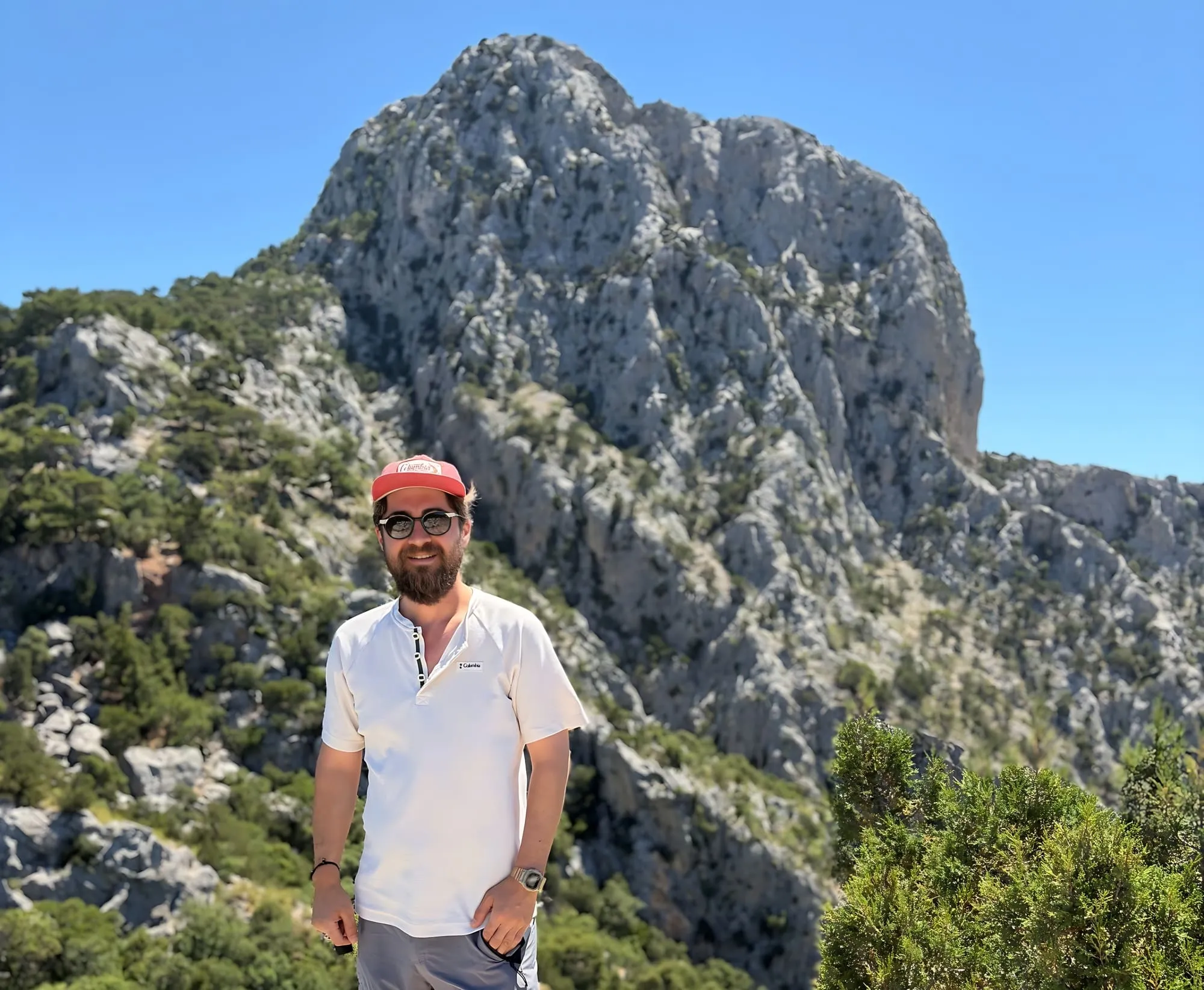
When Fethi decided in late 2024 to start publishing proper profiles of the guides around The Other Tour, there were only two names at first: Rubil and me. By the end of 2025, the roster had grown to around twenty, largely through personal recommendations and guide-to-guide networks.
That network became one of the most important things we built together.
This needs to be clear.
Fethi is not a professional licensed tour guide.
He does not pretend to be one.
In the early years, he personally hosted the wonderfully bizarre experience he had invented: untraveled residential neighborhoods, lunch at his mother’s house, visits to the schools he went to, game-playing sessions at cafes where seniors play card and board games, dinners with live music and dancing at tavernas and whatever else happened during a very long day.
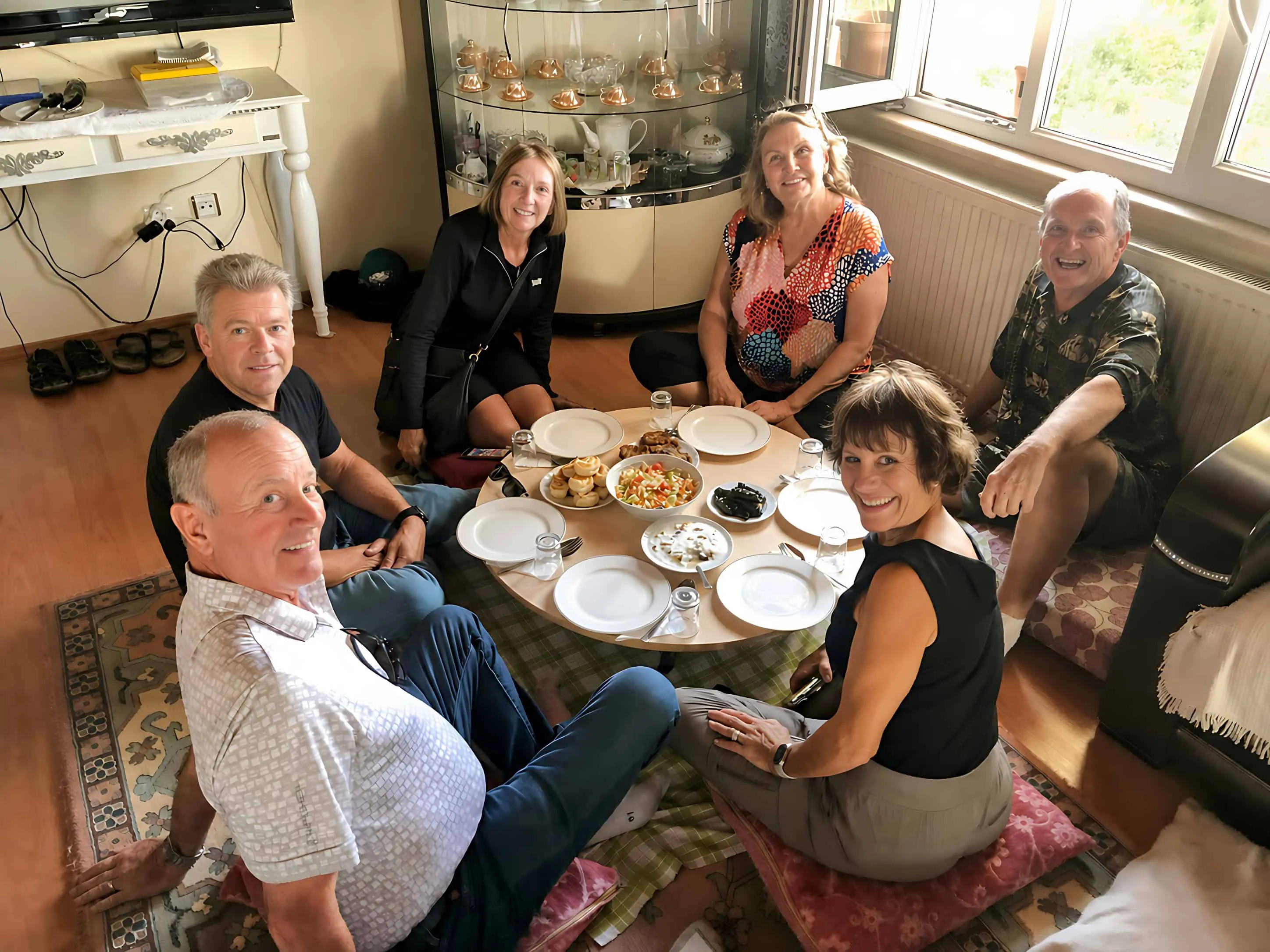
That is why old reviews describe The Other Tour as more of an experience than a traditional tour.
His clients praise traveling through residential neighborhoods on both sides of Istanbul, visiting a university and children’s music school, having lunch with Fethi’s family, going to a hammam and finally returning to the hotel around 11:30 at night. What stayed with them was that it felt less like sightseeing and more like being shown Istanbul by a friend.
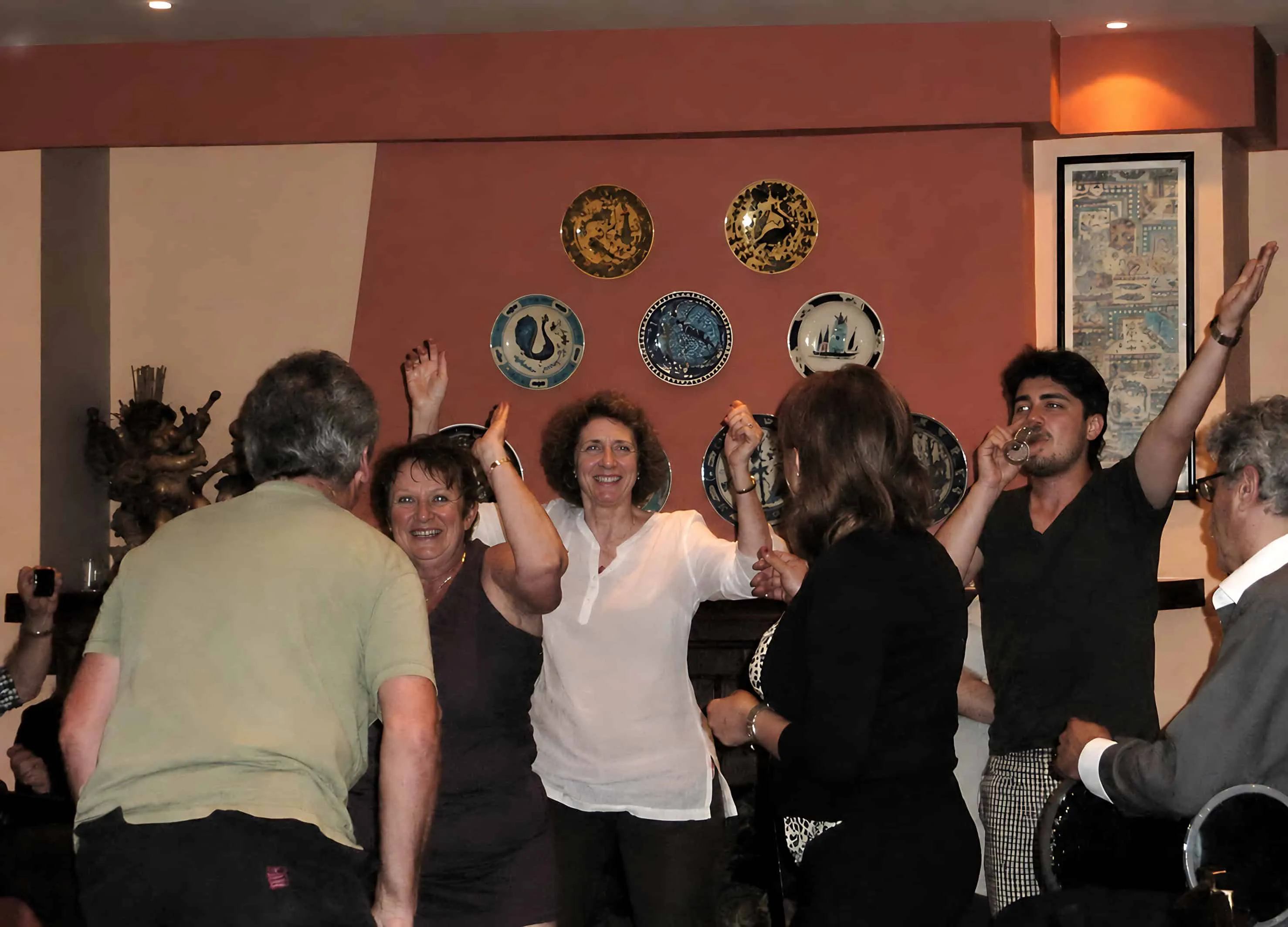
A 2017 reviewer made essentially the same point. They were tired of guides pointing at buildings and reciting dates. They wanted to understand how Istanbul actually lived — its contemporary culture, politics, neighborhoods and people. They wrote that spending the day with Fethi felt so natural that they almost forgot they were paying him.
That was his role: host.
But professionally guiding somebody through Hagia Sophia, Topkapı Palace or Byzantine Constantinople is something different.
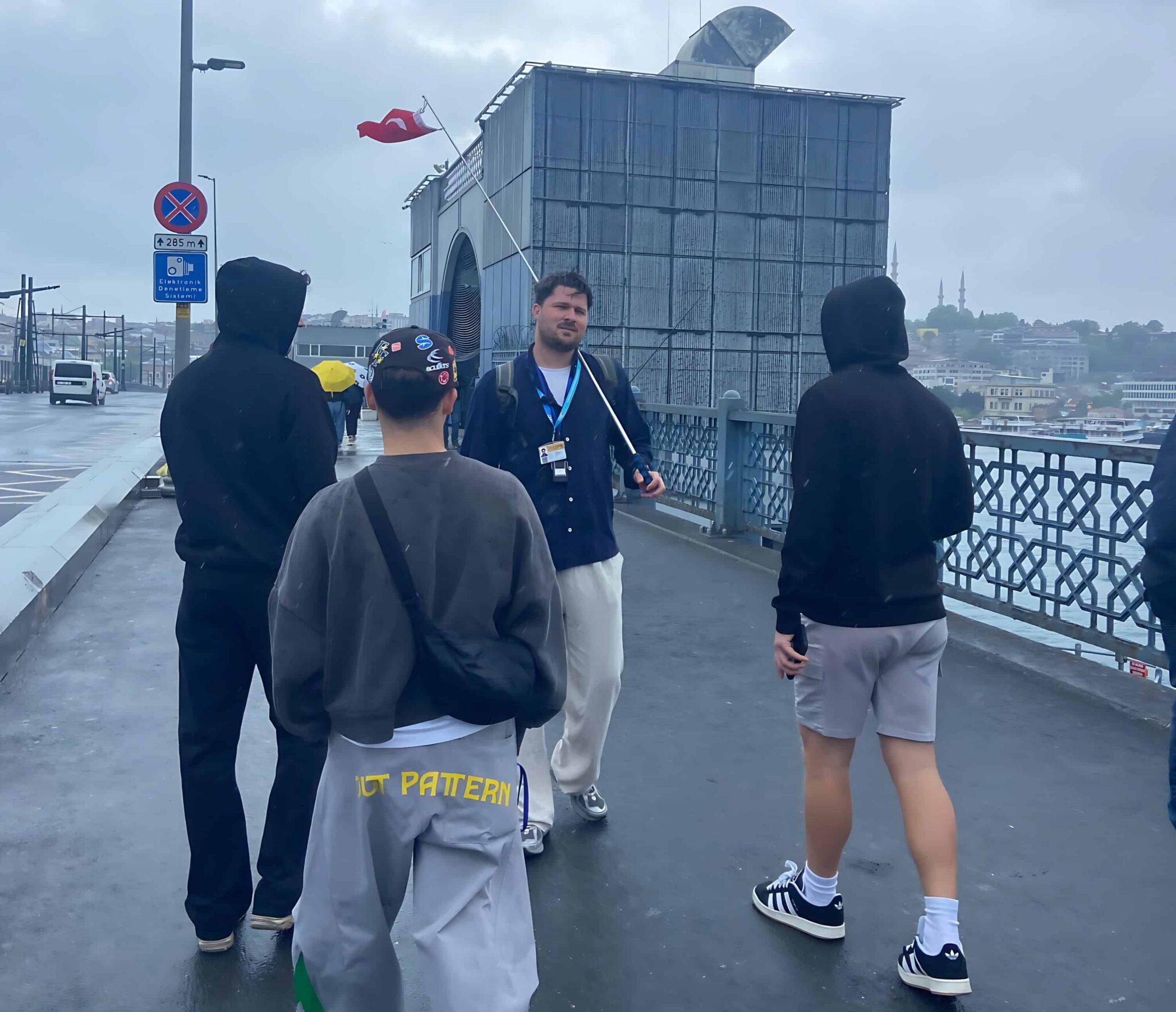
For that, Fethi hires licensed guides.
Always.
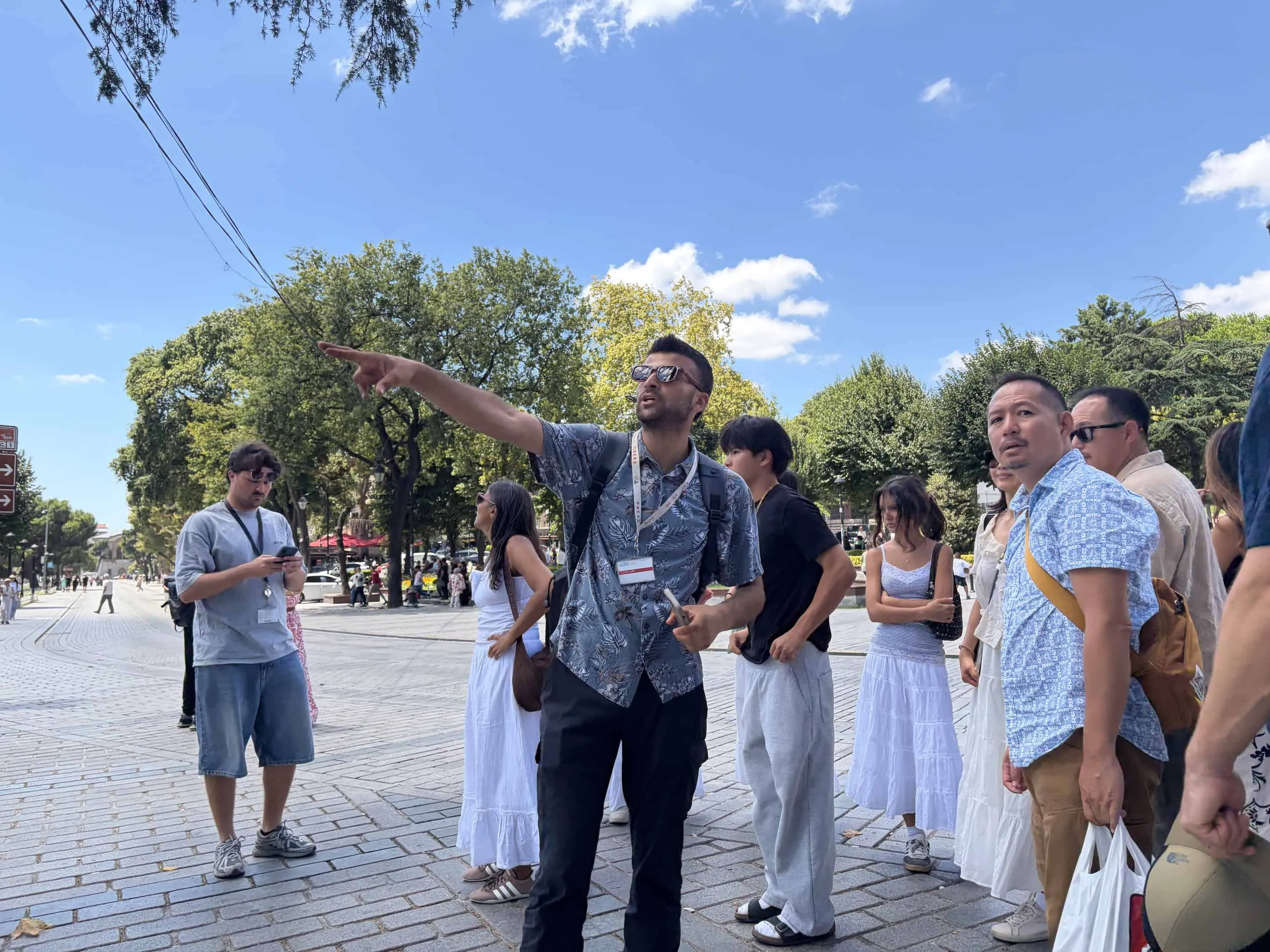
Most of the tours The Other Tour sells today are actually private Old City tours, Bosphorus tours, historical itineraries and specialized cultural excursions conducted by professional guides like us.
Fethi sees that distinction very clearly.
His job is to find the right guide, design the experience around the client and then add whatever else might elevate it.
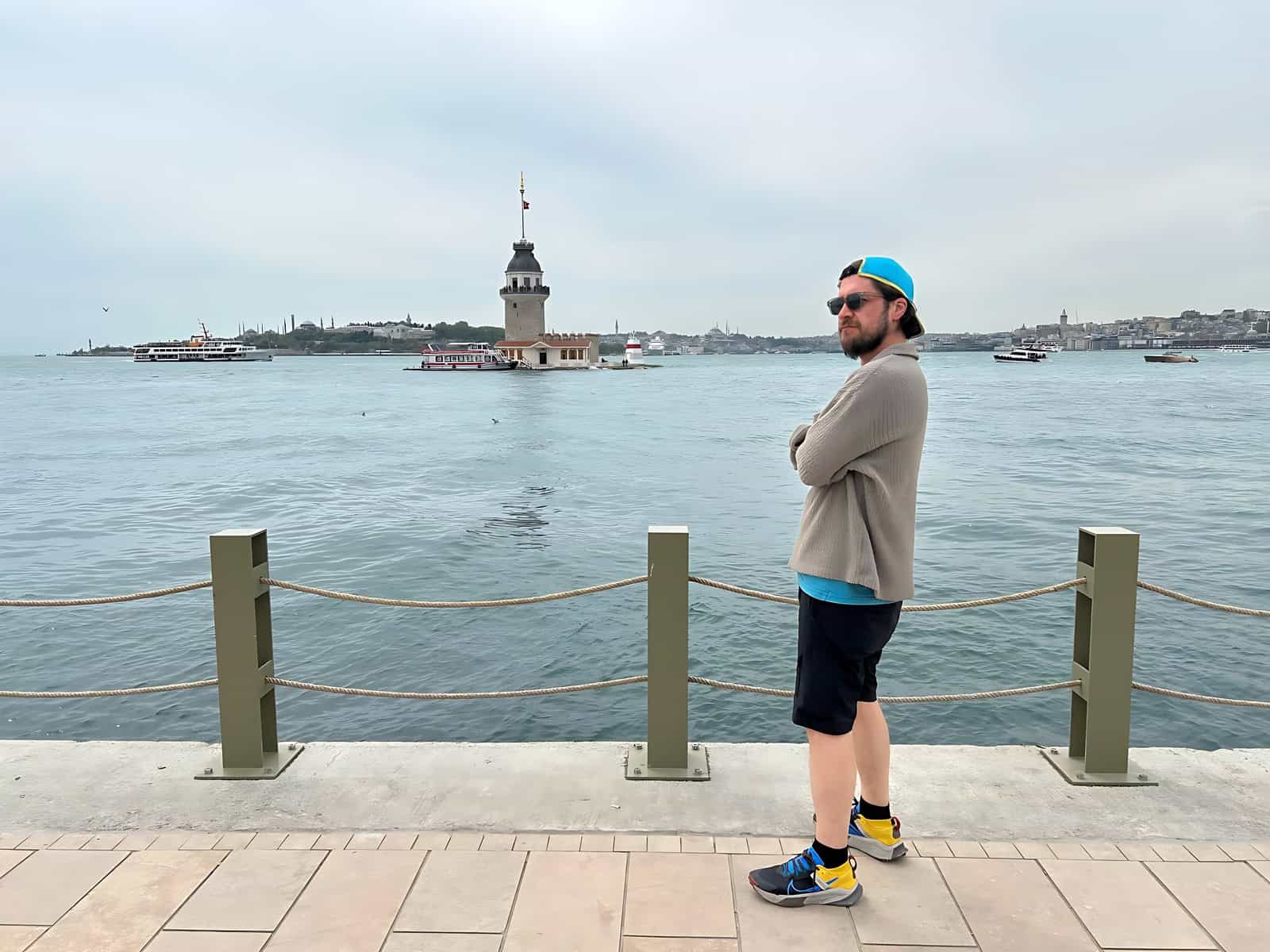
The funny part is that hiring us does not necessarily mean Fethi disappears.
He comes and goes.
On a busy day, The Other Tour might have six different tours running around Istanbul. Fethi wants to meet the guests. He might appear at one group’s lunch, visit another guide somewhere in Sultanahmet, meet a family before their boat trip and then jump aboard somebody else’s sunset cruise.
We actually like having him around.
Most of the time.
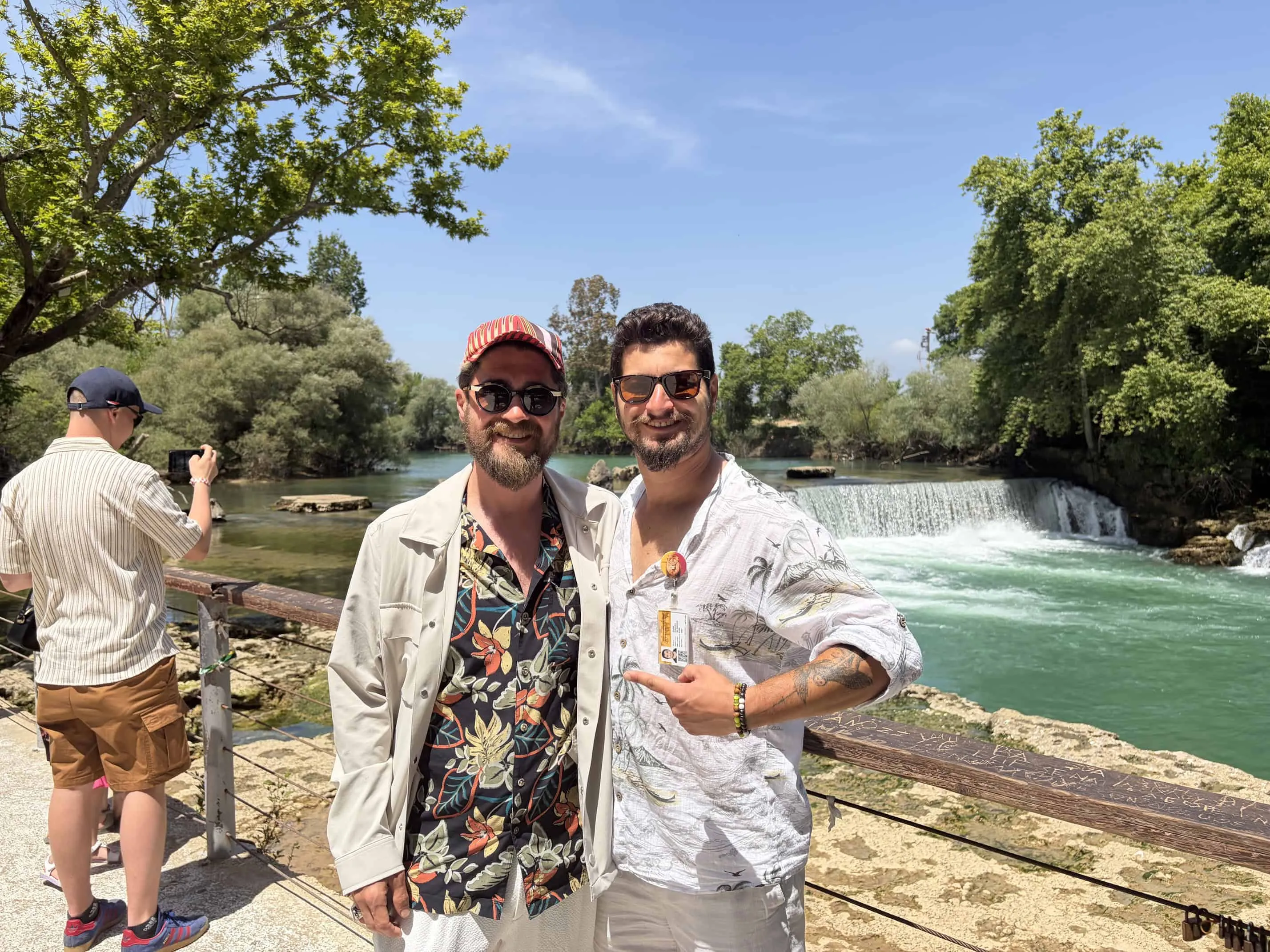
His role is almost like a guest speaker. The licensed guide remains responsible for the professional guiding, while Fethi can add contemporary Istanbul, geopolitics, anthropology, personal stories, restaurant knowledge, somebody he happens to know nearby, or whatever subject he has been obsessing over that week.
The problem begins when there is a microphone.
Put Fethi on a sunset cruise with a microphone and there is a serious risk he will never give it back.
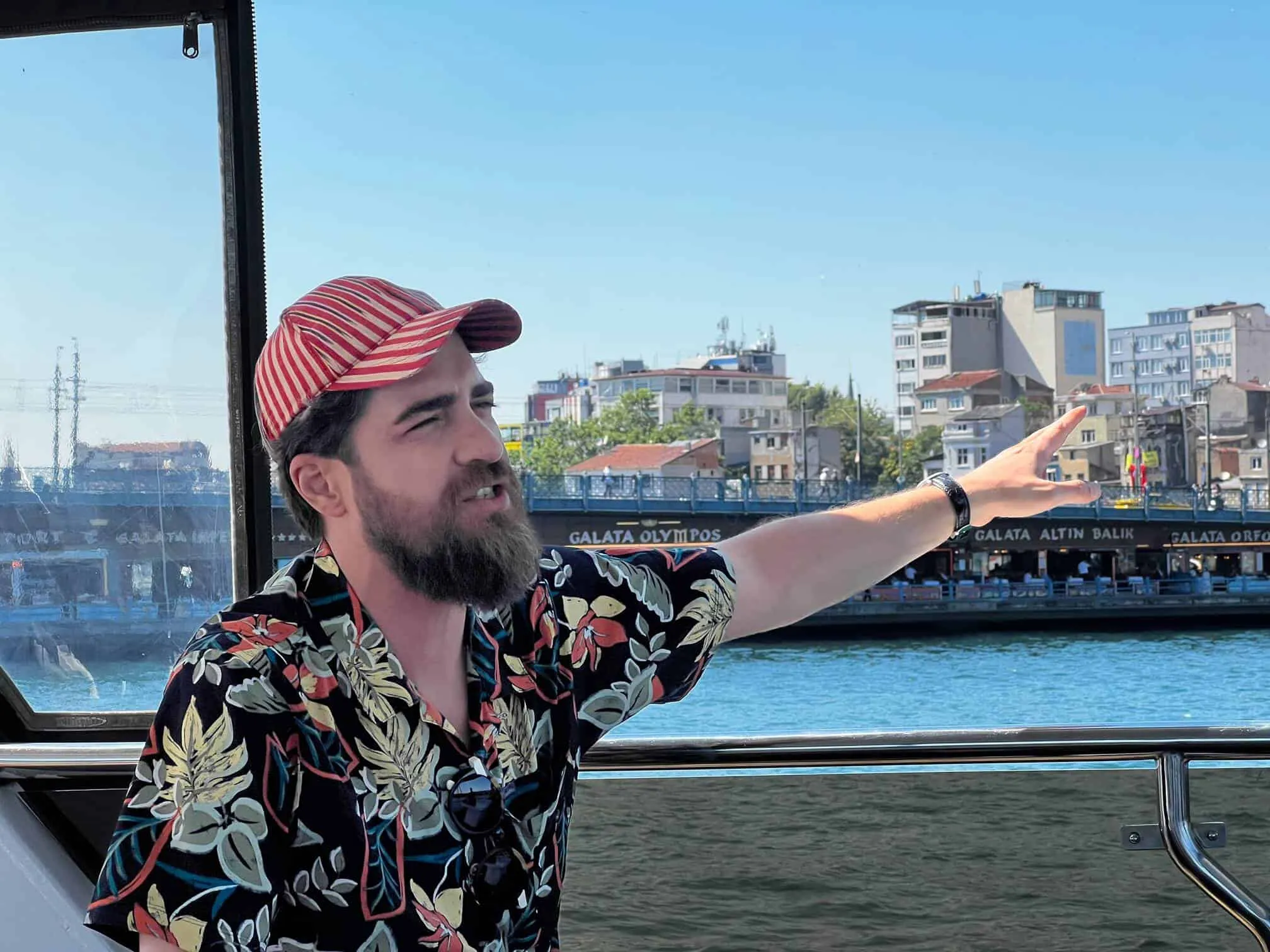
Suddenly we are hearing about the geology of the Bosphorus, Ottoman waterfront culture, minority communities, migration from Anatolia, the restaurant behind that building and possibly the Paleolithic.
Sometimes we guides get annoyed.
But what can you do?
He’s the boss.
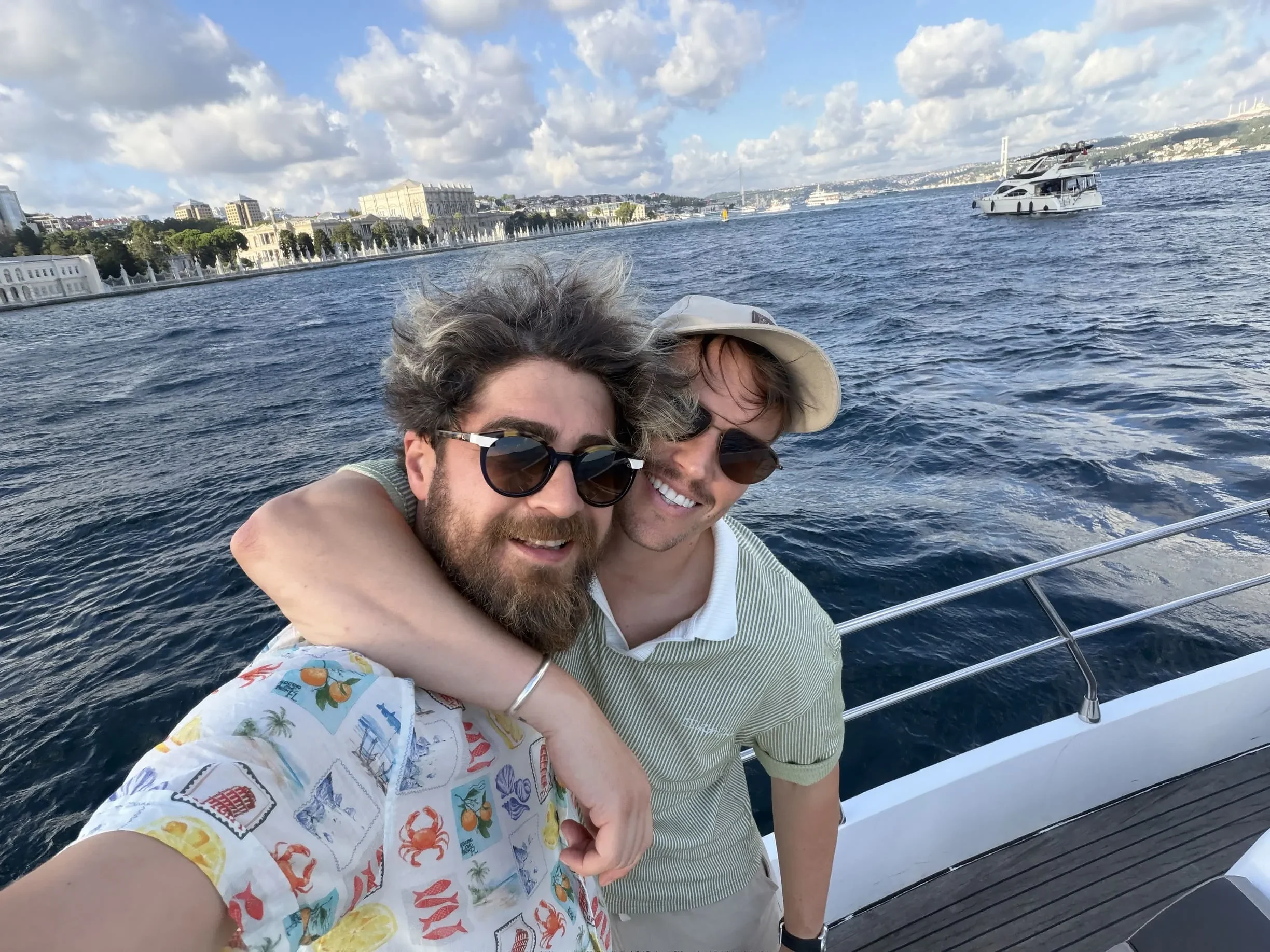
Fethi studied Mechanical Engineering at Yıldız Technical University, and something of that training is still visible in the way he thinks.
He wants systems, connections and causes. He rarely accepts a historical subject as an isolated box.
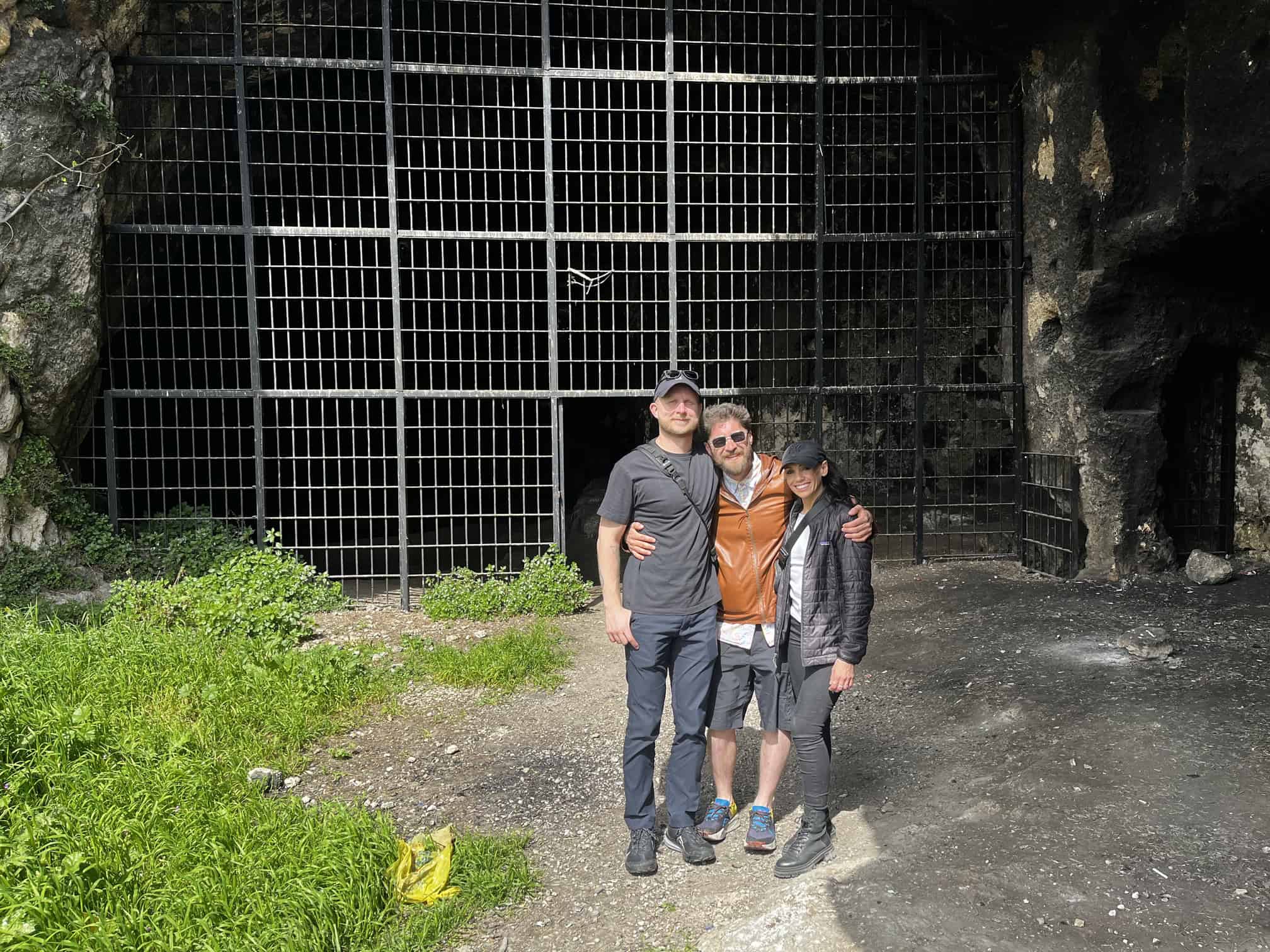
He will mix geology with anthropology. He might talk about Yarımburgaz Cave in Istanbul or Karain Cave near Antalya and pull the conversation back hundreds of thousands of years before Constantinople existed.
Then comes the Neolithic.
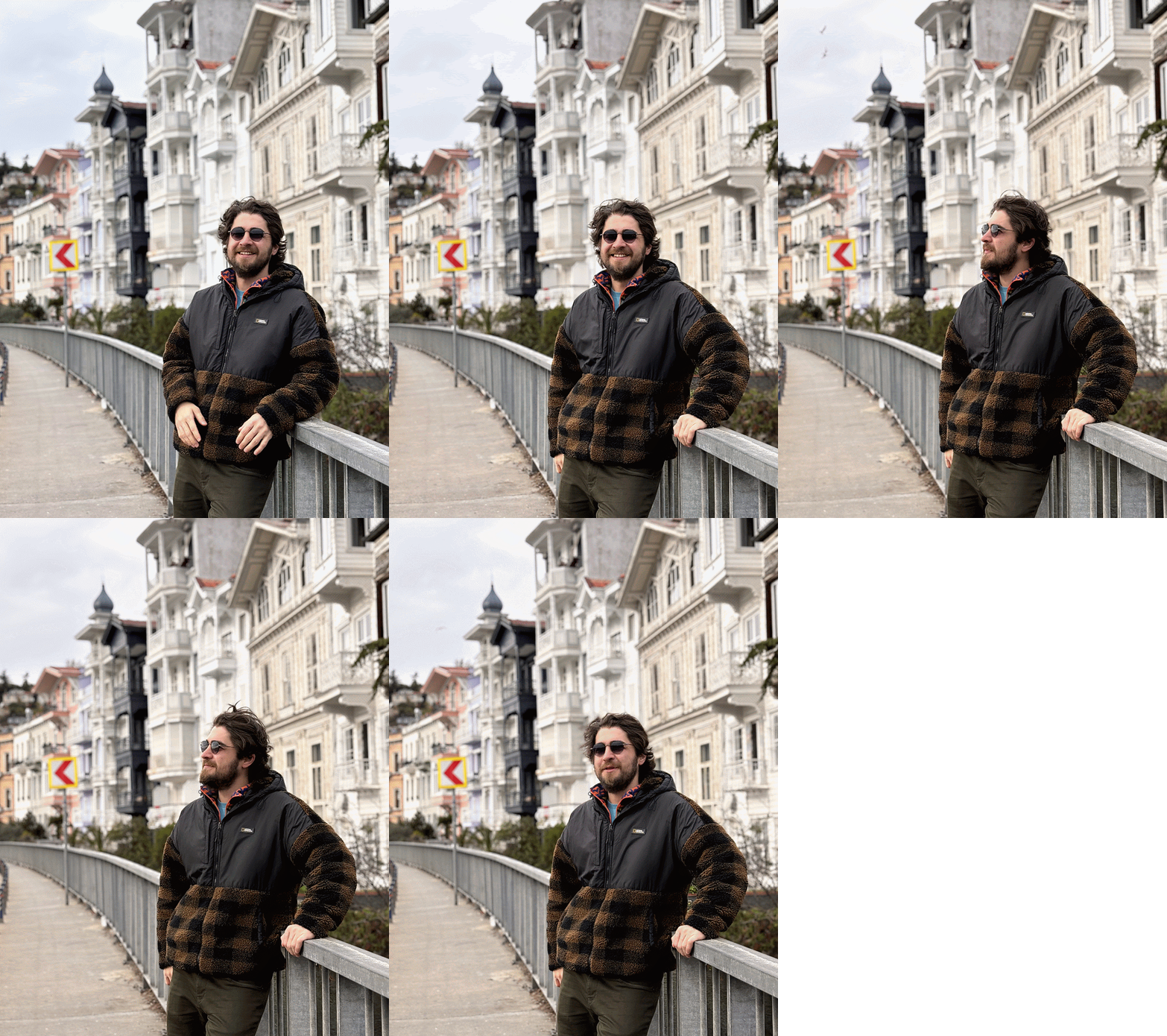
Fethi has spent years immersing himself in Anatolia’s extraordinary 12,000-year story, particularly the world revealed by Taş Tepeler and sites such as Göbeklitepe and Karahan Tepe in southeastern Türkiye.
For him, this is where the foundations of the modern human world began taking recognizable form after the end of the last Ice Age. Communities were becoming increasingly sedentary and moving beyond an exclusively hunter-gatherer existence. They possessed an intimate knowledge of their surroundings: the local flora and fauna, seasonal cycles, animal migration routes, water sources and productive hunting grounds. They were no longer simply adapting to nature; they were learning to organize, cultivate and transform it.
Wild cereals were gathered and increasingly managed, plants were selectively cultivated, and animals were hunted through sophisticated strategies shaped by generations of observation. Permanent settlements, food production, monumental architecture, shared ritual life and more complex forms of social organization began to emerge. Taş Tepeler therefore represents far more than a collection of ancient ruins: it preserves evidence of the profound transformation through which human communities began creating the settled world we still inhabit.
A Travel Agent Who Does It Right
But Fethi’s interest in archaeology does not stop with reading, interpretation or guiding.
Increasingly, he tries to put the right minds in the same place.
When an archaeologist, historian, professor or unusually serious traveller comes to Türkiye, he does not simply assign them a standard guide and send them through a predetermined itinerary. He starts looking for the person who can genuinely meet them at their level: a specialist guide, an excavation team member, an archaeologist, a local researcher or, when possible, another academic working directly on the subject.
The result can become something closer to a field meeting than a tour.
A visiting professor interested in Göbeklitepe and Karahantepe, for example, may be paired with a guide who has spent years studying Taş Tepeler, while Fethi simultaneously reaches out to archaeologists connected with the excavations to see whether a conversation, specialist briefing or closer encounter with current research can be arranged.
That instinct is central to the way he works.
He likes creating situations in which academics meet other academics, experts meet serious travellers, and a day of sightseeing becomes an opportunity for real intellectual exchange. The guide remains essential—not merely as a logistical escort, but as the person capable of translating the landscape, connecting the scholarship and sustaining the conversation in the field.
This is one of the ways Fethi tries to elevate tourism beyond passive consumption. The ambition is not simply to show someone an archaeological site, but to bring them as close as realistically possible to the living process of research, interpretation and discovery.

From there, Fethi begins comparing Anatolia with the classic Gravettian world farther north and west—France, the Danube corridor, Moravia, Poland, Ukraine, Crimea and the Russian steppe—asking where cultural boundaries truly belong and why certain archaeological traditions appear in one region but not another.
Then suddenly we are in the Persian Empire. He’ll talk about the Achaemenid Empire, satrapies and the enormous role Persia once played in Anatolia.
Then he turns the picture around and starts talking about the long succession of Turkic dynasties ruling Persia, and the fascinating relationship between Turkic political power and Persian language, administration and culture.
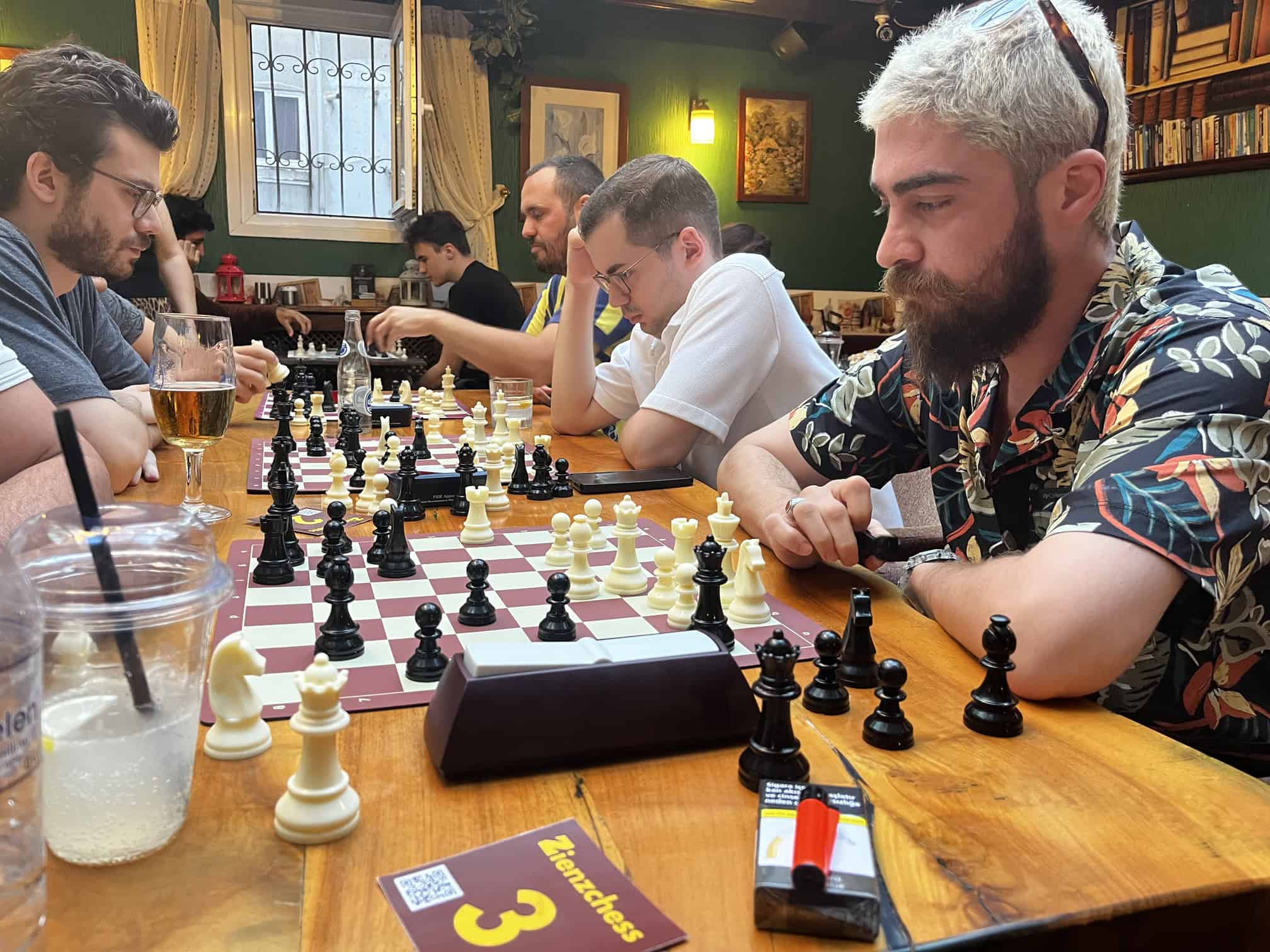
He is equally interested in identities modern terminology tends to flatten. That is why he keeps returning to the Rûm people and the importance of understanding their Roman identity on its own historical terms instead of simply projecting modern nationalism backward. We call him the Subculture Sage.
From there we might move into the Islamic Golden Age in Baghdad, followed by the Timurid Renaissance in Samarkand and Herat, and then somehow end up discussing the Armenian emperors of Byzantium.
This is what talking to Fethi is like.
The subject keeps expanding
He may move from archaeology and imperial history to physics, engineering or cosmology—but the underlying instinct remains the same: to understand how things connect, why systems develop and why, as any system grows larger and more complex, parasitic structures inevitably emerge within it until the system itself becomes their host.
His affinity with Buddhist thought reinforces this long view. He understands that every ideology will eventually dissolve, every empire will collapse and every species will transform—or disappear—across the immense scale of geological time. Nothing is permanent; everything is process.
Yet his scientific outlook is neither cold nor spiritually empty. Fethi is also drawn to Spinoza’s God—Deus sive Natura, God or Nature—and sees the natural world itself as divine, animated by a wisdom far deeper than any single human doctrine. He finds awe in evolution, consciousness and the sheer improbability of existence.
At the centre of his thinking is a profound commitment to the scientific method: not unquestioning loyalty to the scientific community’s current conclusions, but devotion to the method itself—to observation, evidence, testing, revision and the willingness to be proven wrong.
In his own small but fiercely independent intellectual world, this is how Fethi brings science into tourism in Türkiye. He does not regard travel merely as recreation, nor does he turn it into a dry academic lecture. For him, travel is a sacred path towards encountering what life is really about—questioning inherited stories, examining the evidence and experiencing humanity and nature as parts of one vast, living system.
And on and on it goes.
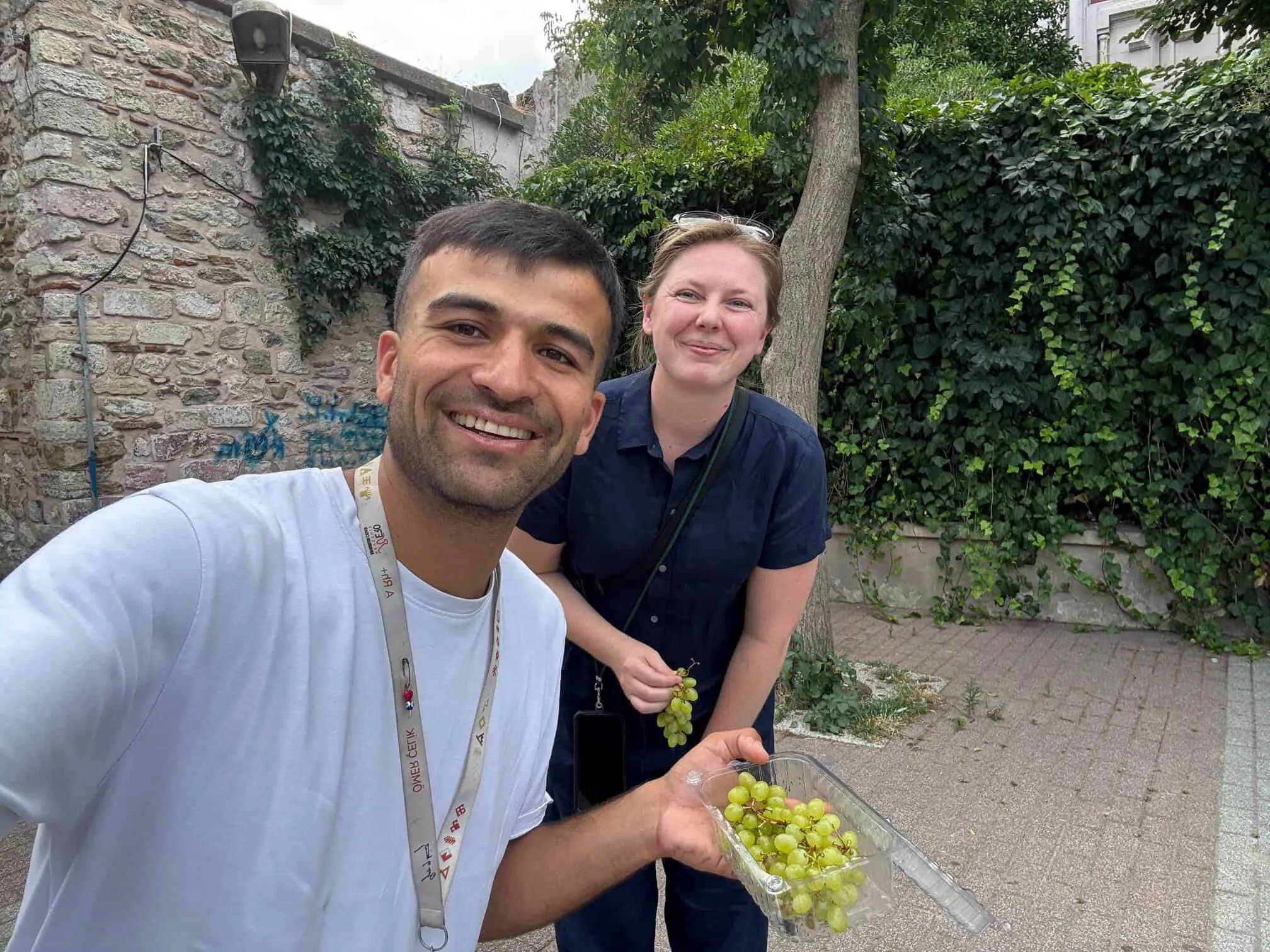
Fethi did not improve me by giving me a script.
He gave me work.
Lots of it.
He developed itineraries such as the Roman Era Istanbul Tour, the Full Extent of the Bosphorus Tour and the Conquest of Constantinople Tour, alongside Armenian, Jewish, Greek and other specialized experiences.
Then he kept putting me in front of demanding clients.
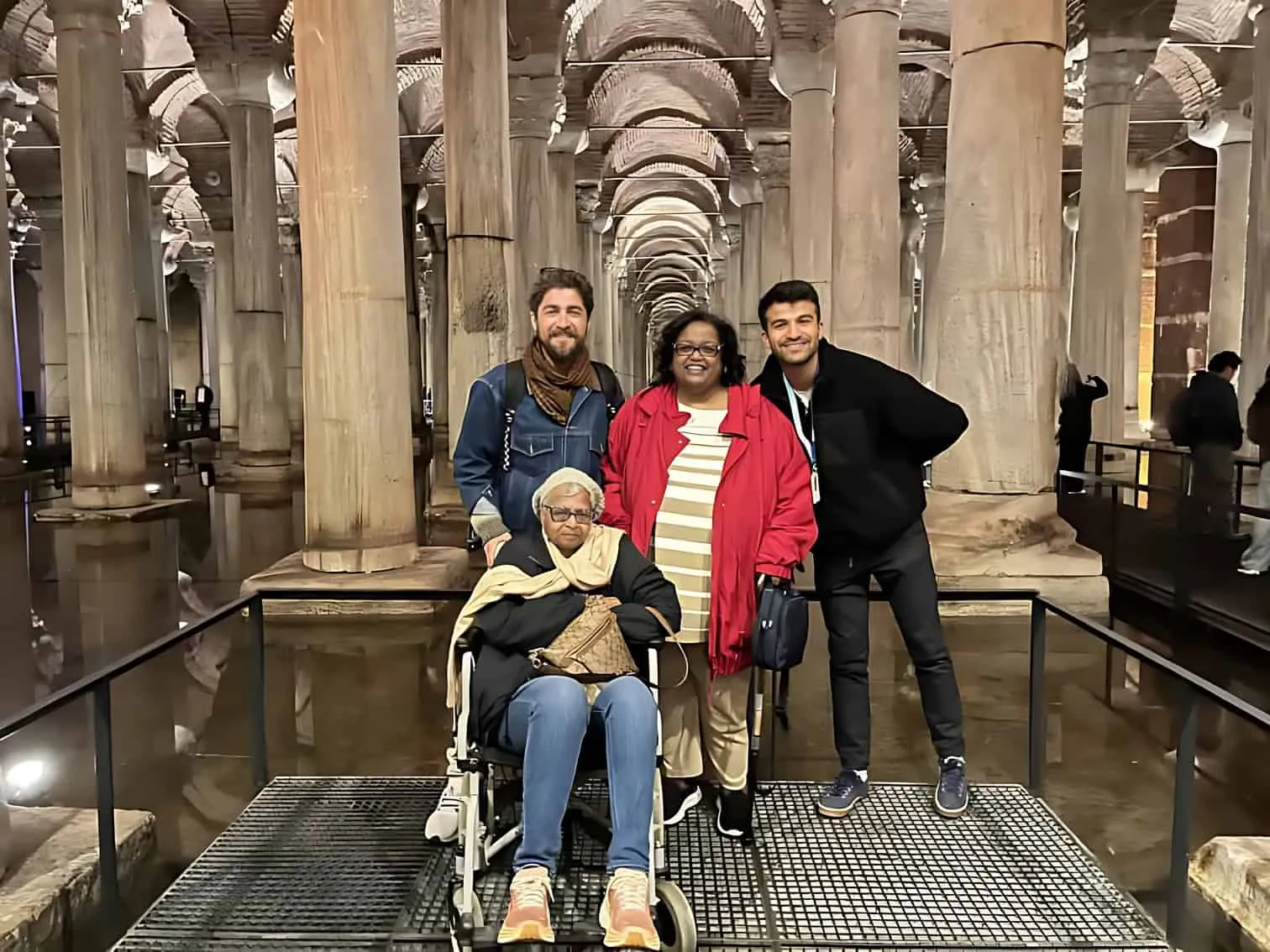
Academics. CEOs. Professors. Families with children. People tracing ancestry. Experienced travelers. Guests requiring wheelchair assistance. People who had spent years reading about a particular period before arriving in Istanbul.
That makes a guide better very quickly.
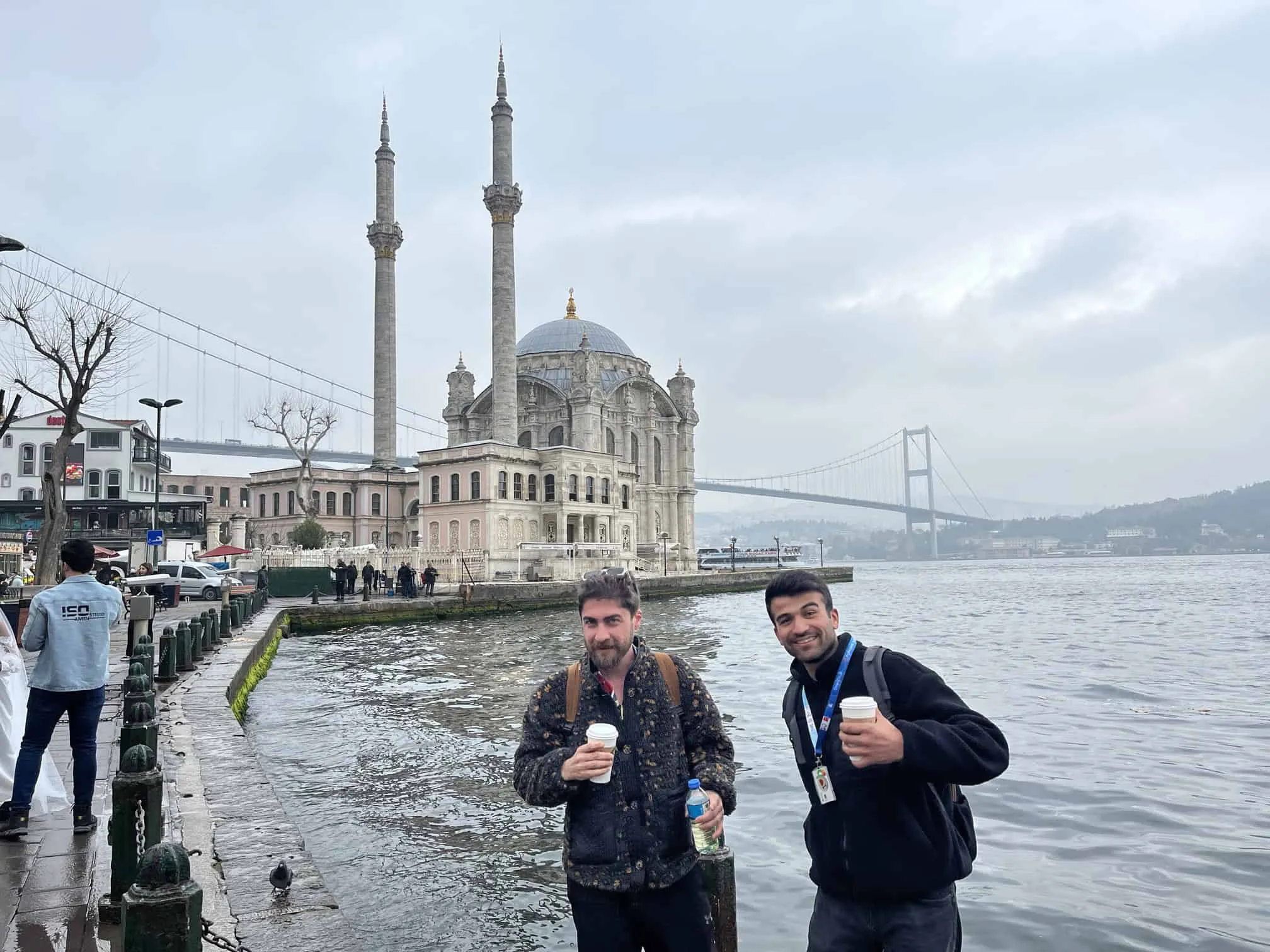
My work with Armenian heritage is a good example. I never formally decided to specialize in Armenian Istanbul. Fethi simply kept giving me Armenian-focused tours. After enough churches, architects, neighborhoods, institutions, family histories and difficult questions, it became one of my strongest fields.
He also keeps sending us books, documentaries and articles.
His central belief is that professional guiding should be treated as an intellectual profession.
A guide should know when a story is secure, when it is disputed and when new archaeology has changed the picture.
Somewhere in this process, I became more than the guy receiving Fethi’s tours.
I started finding guides.
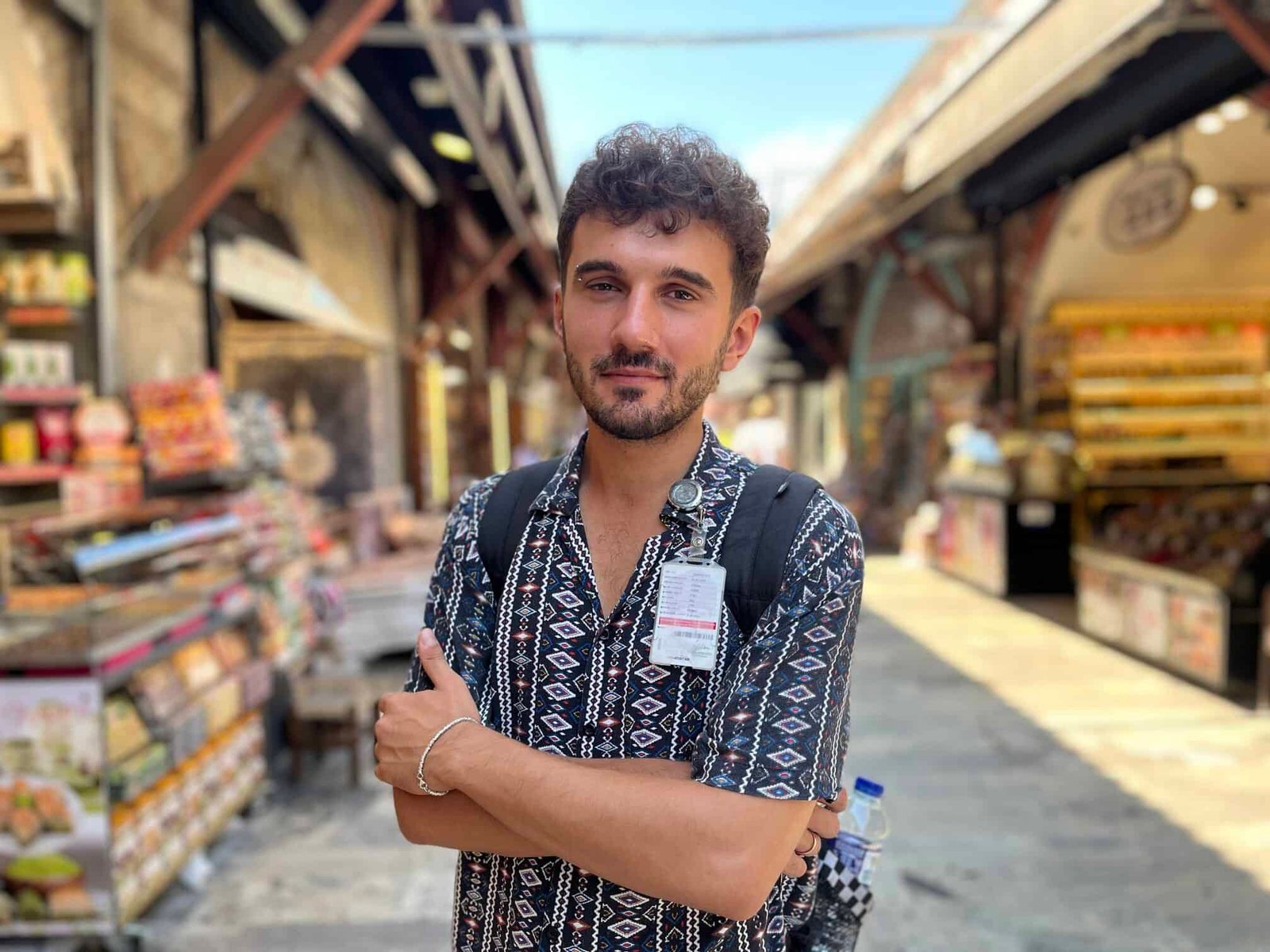
Burak Plakay was one of my introductions. Fethi liked his energy immediately, and Burak quickly became one of the strongest personalities on the team. The internal verdict is simple: he was very good in 2025 and became considerably better in 2026.
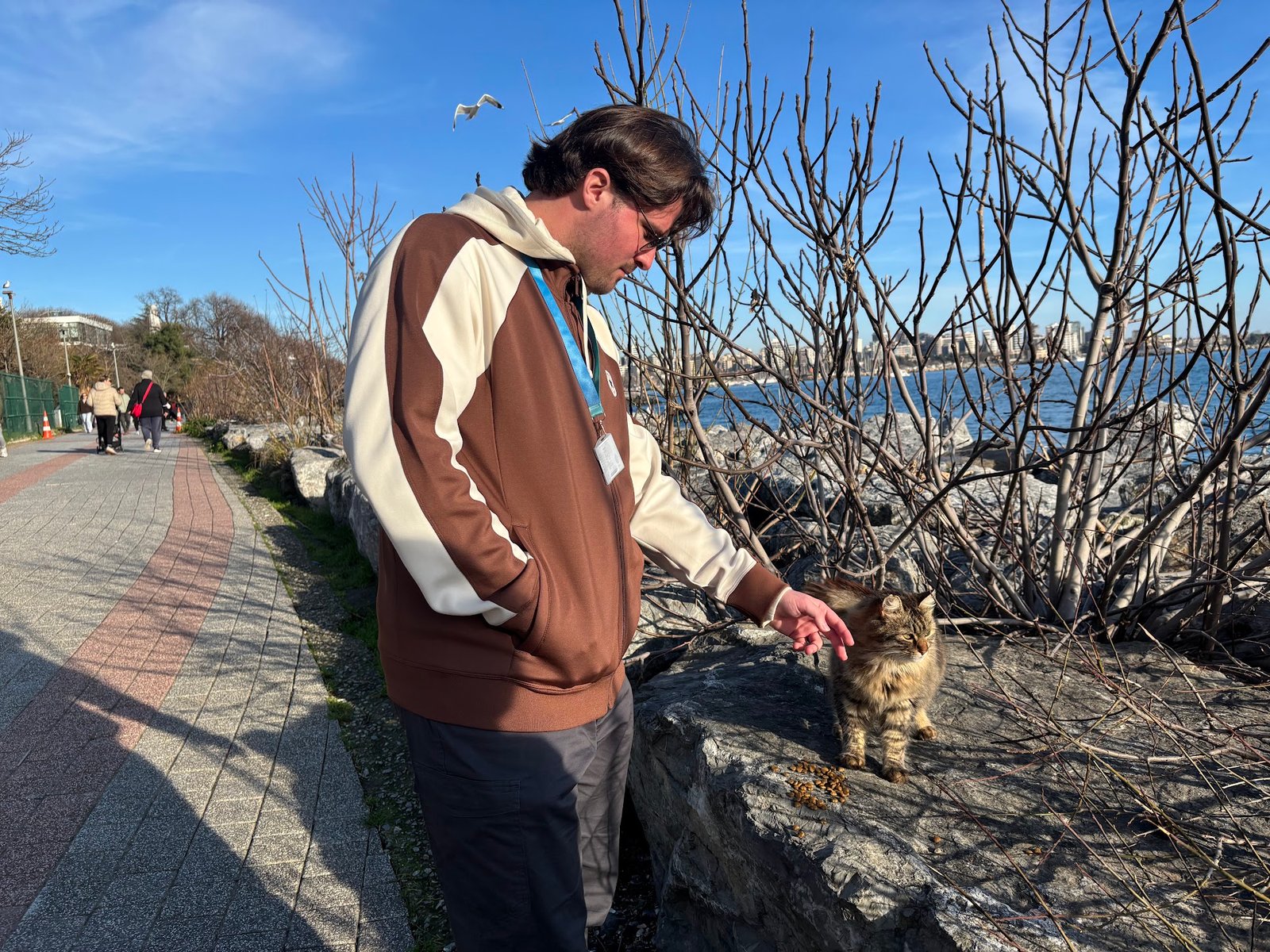
I also brought Deniz Karagözoğlu, one of my closest friends. Deniz originally worked from Fethiye as our Lycian-region expert before moving to Istanbul in early 2026. His native command of both English and Turkish made him an especially valuable addition here.
Then there is Said Balcı. I met Said during a professional training trip for licensed guides. Introducing him to Fethi effectively opened The Other Tour‘s entire Cappadocia operation. Said became our eyes and ears there, and eventually demand became strong enough that he himself brought Selim Özyürek into the company.
I found Uğur Kayhan, another Sivas connection, who went on to handle demanding clients and tours involving wheelchair assistance.
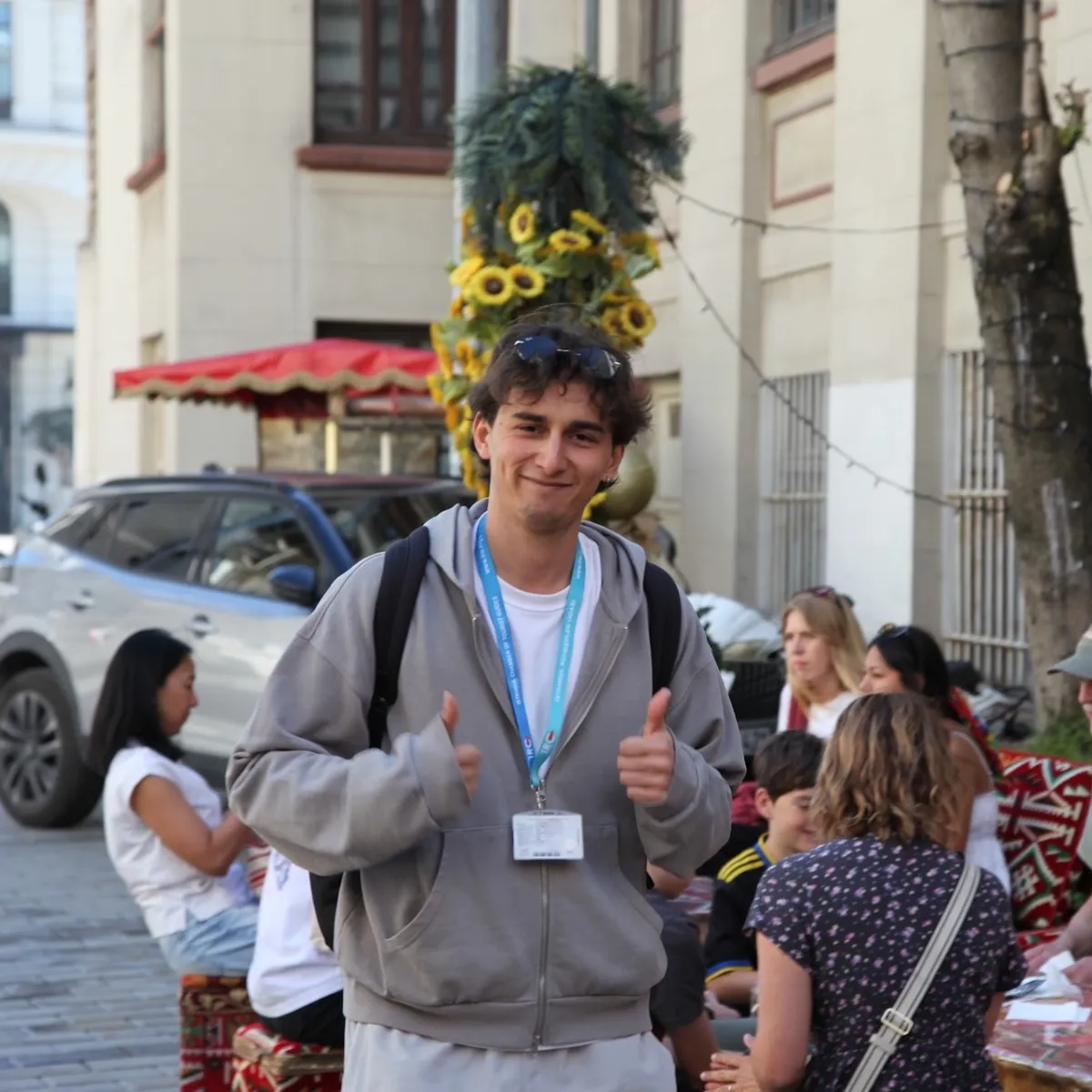
I also helped bring Anıl Yılmaz into the orbit. Fethi later joined an entire Bosphorus day while Anıl guided a family and, in our internal terminology, Anıl passed with golden grades. He has since become particularly good with families and children.
Burak, Deniz, Anıl, Said, Uğur — and others including Buket Kıcır — became part of the larger network that grew around us.
That may be one of the things I am proudest of.
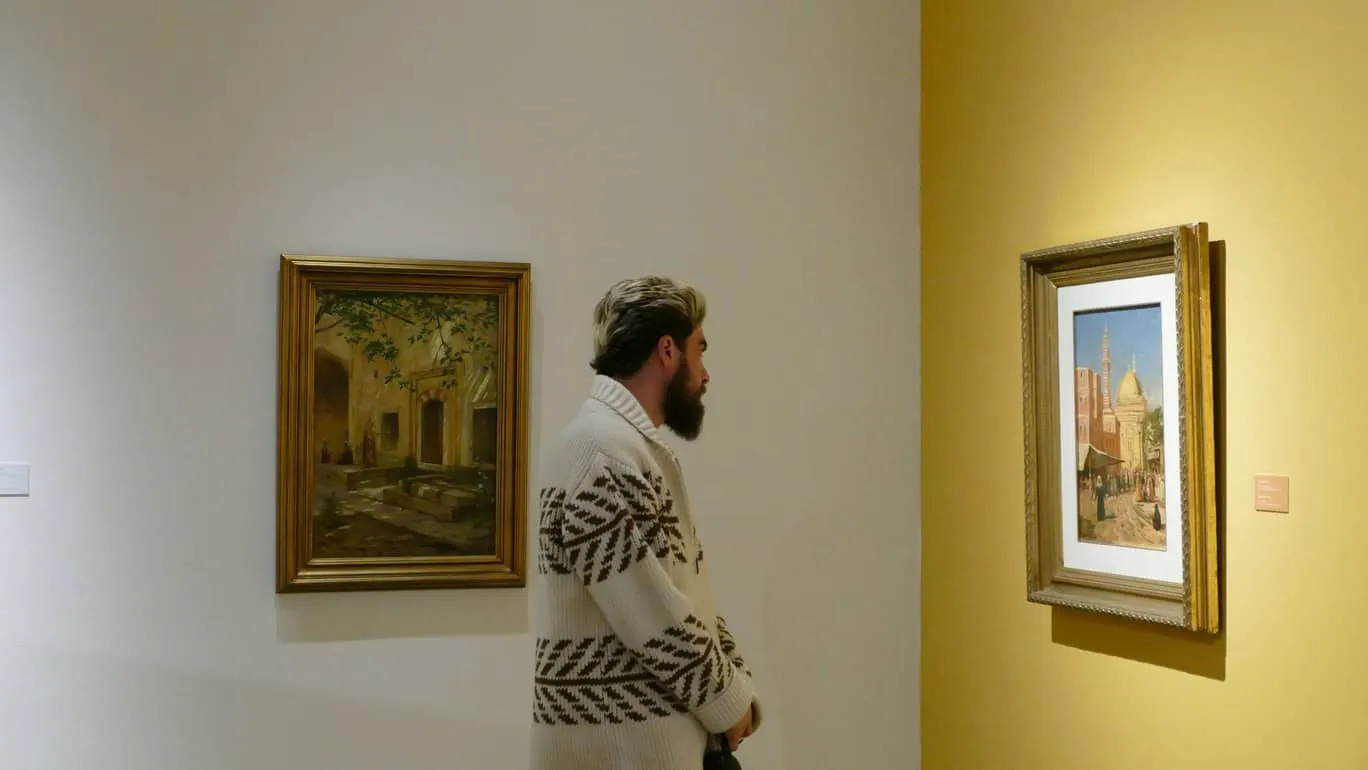
The best part of my friendship with Fethi may be what happens when neither of us has a client.
We go researching. Even after a long day of walking and working, we find ourselves wandering along the Golden Horn. We should probably be tired and heading home—but that’s not really us. We keep going, observing, learning, and experiencing Istanbul whenever we’re out in it. For us, the city is never just a workplace; every street, neighborhood, and unexpected turn is another chance to understand it better.
We have climbed sections of the fifth-century Theodosian Walls, studying towers, gates, terrain and the defenses that protected Christian Constantinople for centuries.
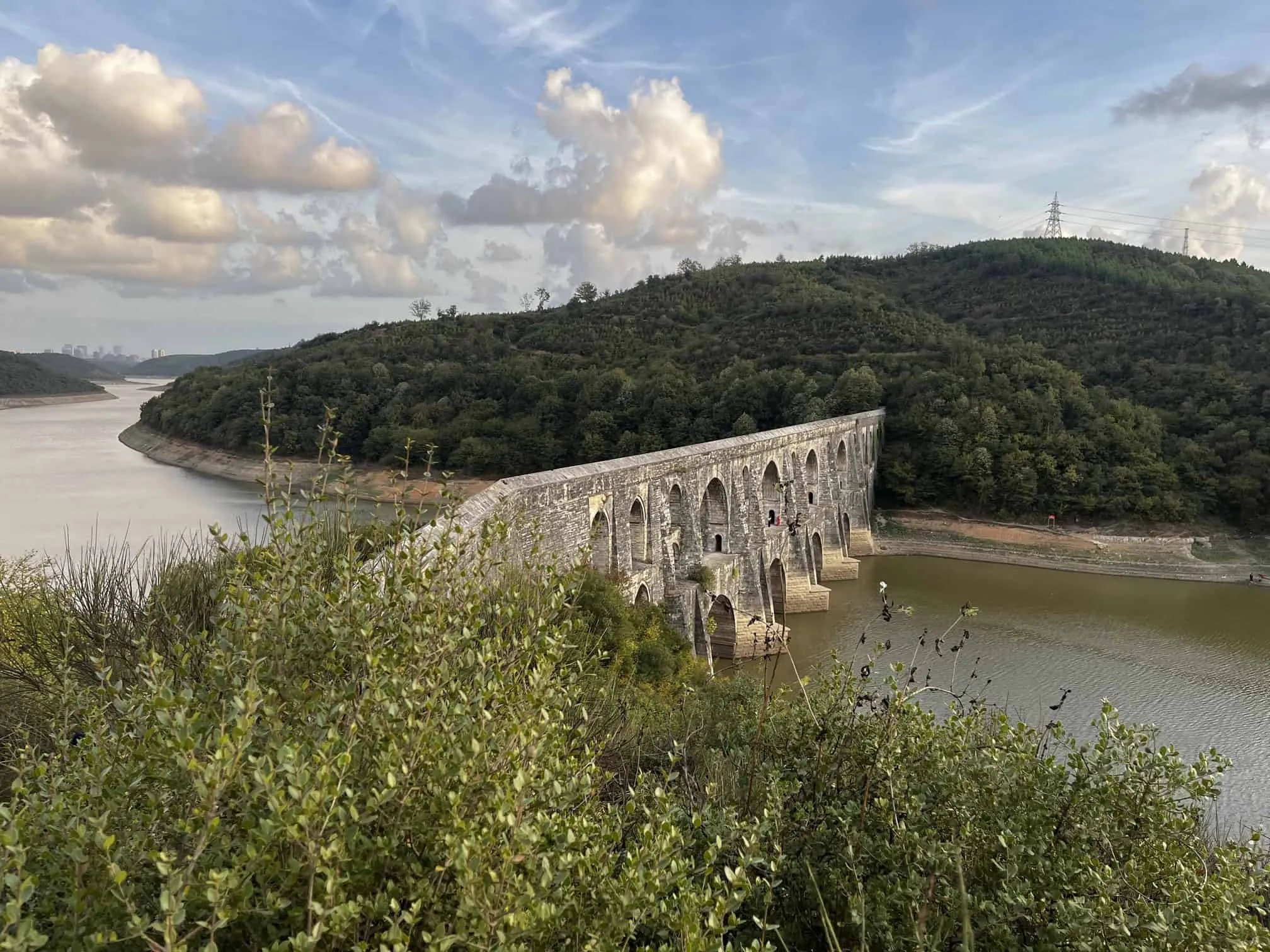
Another free day may send us to Mağlova Aqueduct, following the less obvious works of Mimar Sinan and trying to understand the engineering that supplied Ottoman Istanbul with water.
Sometimes we cross to the Asian side and simply keep going.
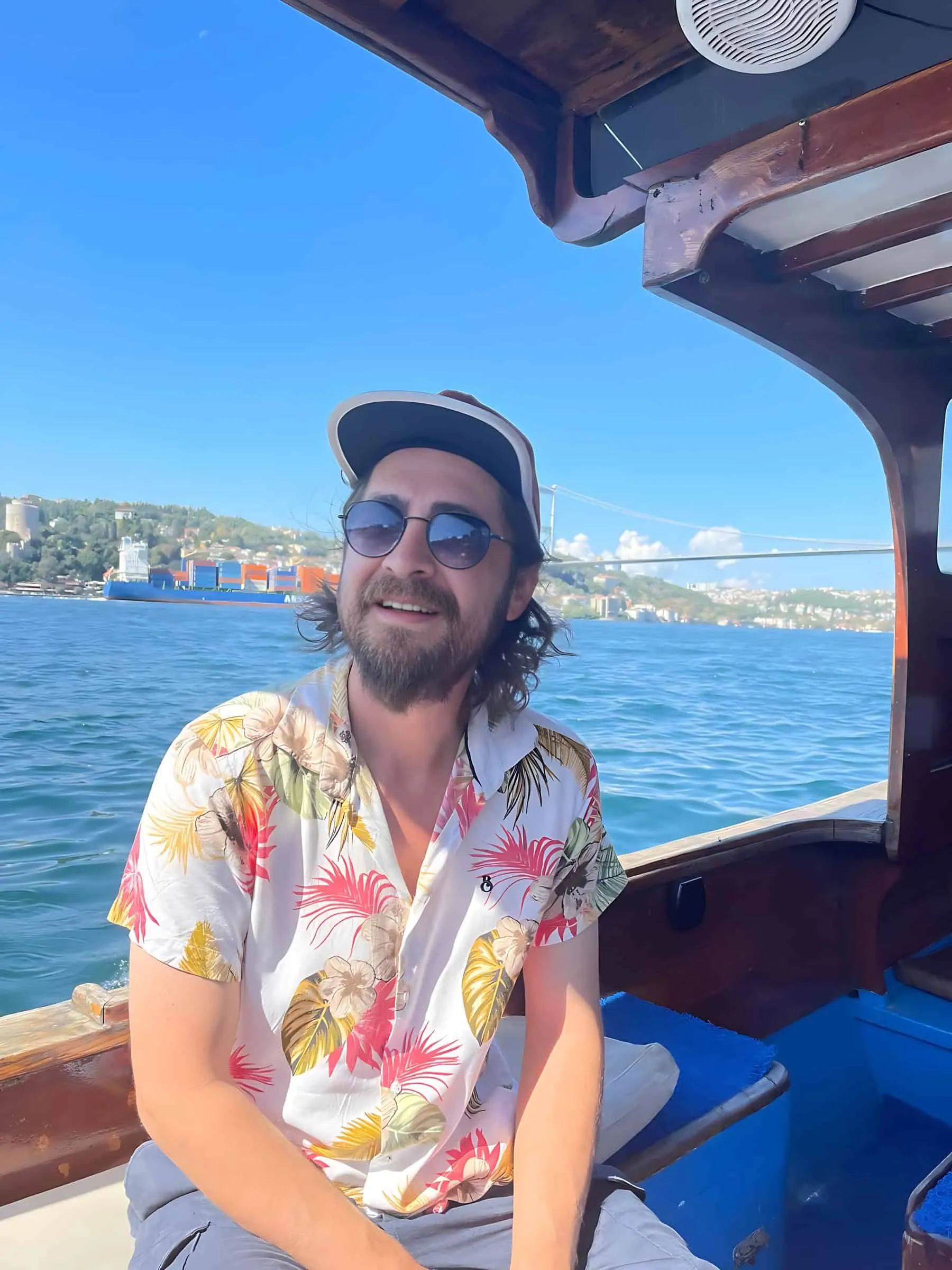
Sometimes we end up near the Black Sea.
Sometimes we investigate Byzantine remains, old cemeteries, strange neighborhoods, distant fortifications or places one of us noticed on a map.
Other research is more practical.
Which restaurant is actually good?
Which meyhane still deserves its reputation?
What has opened in Karaköy?
Which rooftop cocktail bar should we send clients to?
We take these questions seriously too.
Curiosity usually comes first.
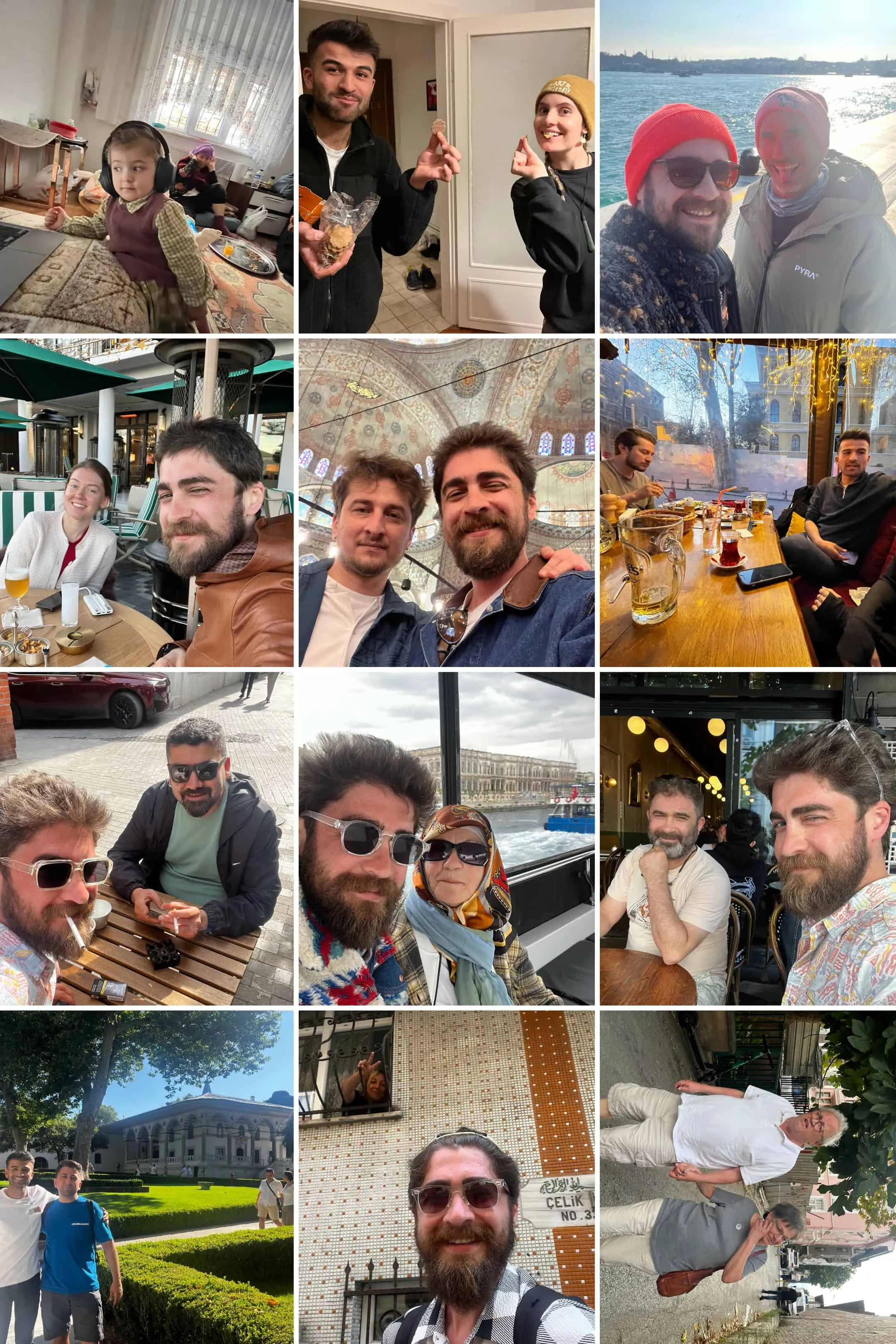
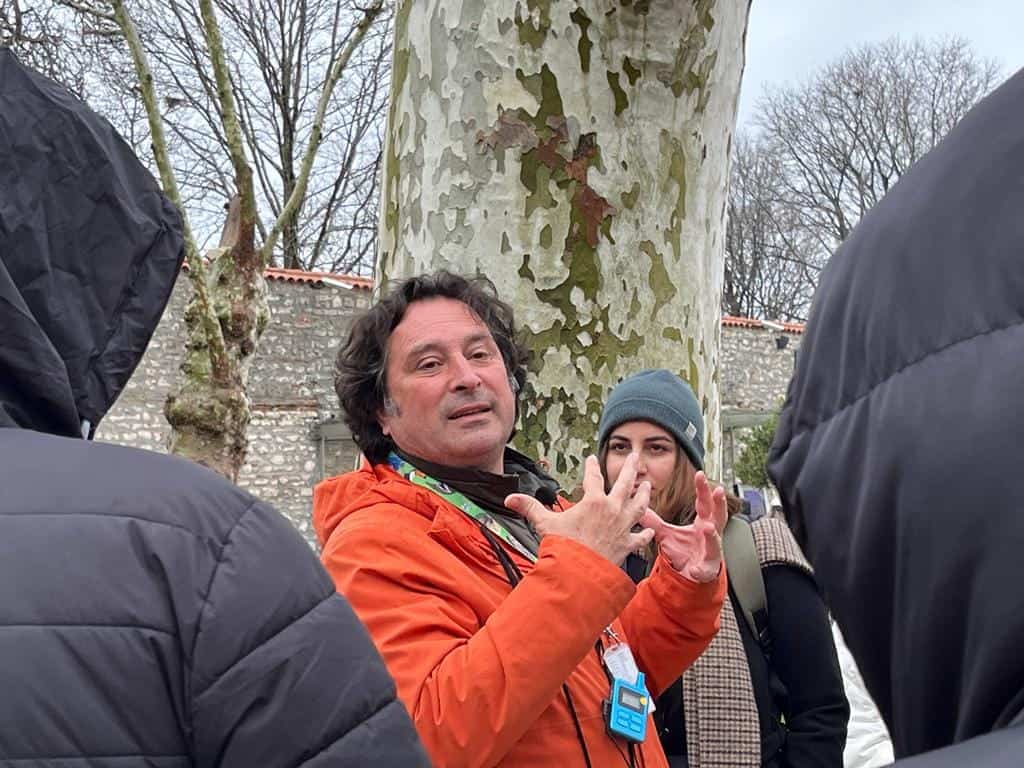
Our next serious research trip is already planned.
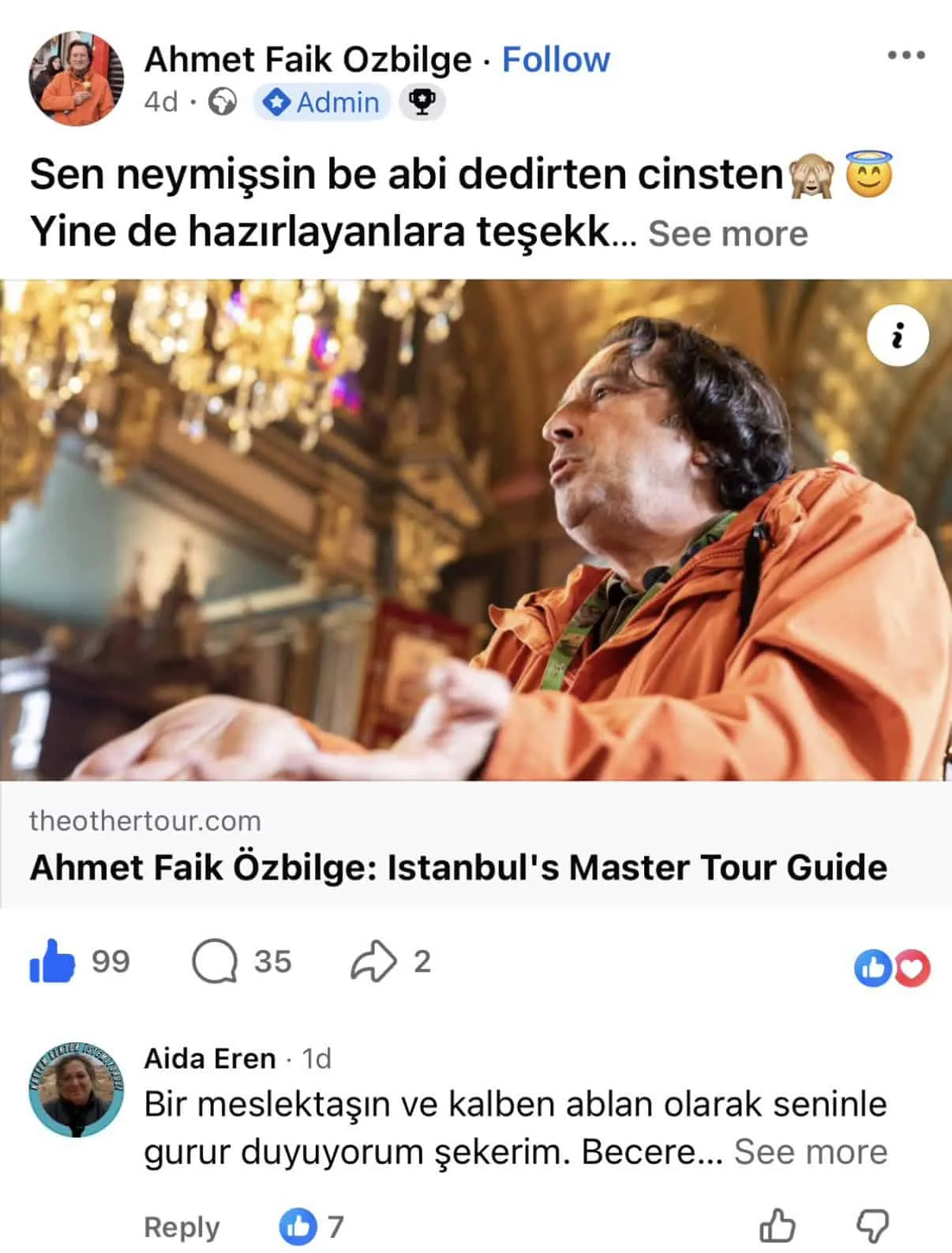
From October 22 to 25, 2026, a group of us will travel through Lycia with Ahmet Faik Özbilge as our professional guide.
Ahmet Faik is exactly the kind of person Fethi wants around us: a guide’s guide, respected across the profession, with more than three decades in the field. Our own guide-team history describes other professional guides still visiting his home for study sessions.
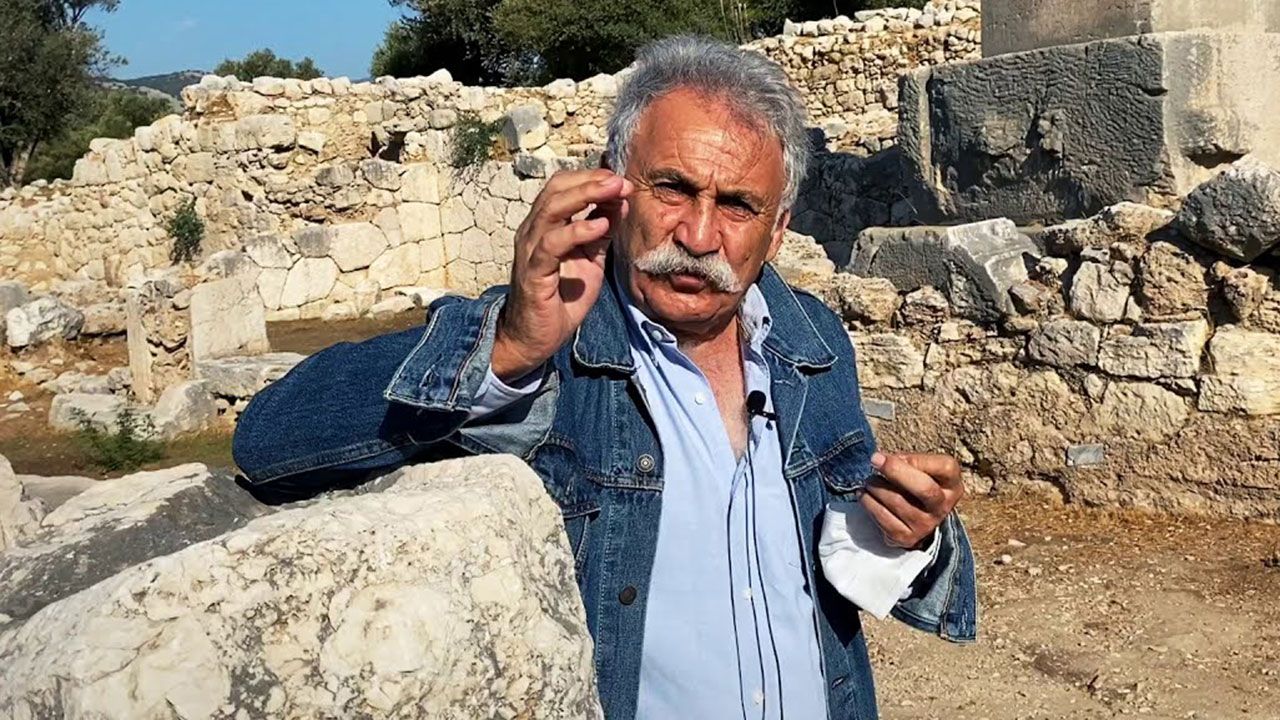
But the person we are particularly excited to hear from is Prof. Dr. Fahri Işık, the famous Turkish archaeologist whose name is inseparable from decades of work at Patara and Lycian archaeology.
That is the real attraction for us. We want to hear directly about recent discoveries, unresolved questions and current scientific interpretations in western Lycia.
Ahmet Faik will guide us. Fahri Işık will teach us. Fethi, Deniz and I will probably ask too many questions.
Then we will come home and do exactly what we always do: compare notes, read more, argue, publish and eventually use what we learned to improve the way we talk about Anatolia with future clients.
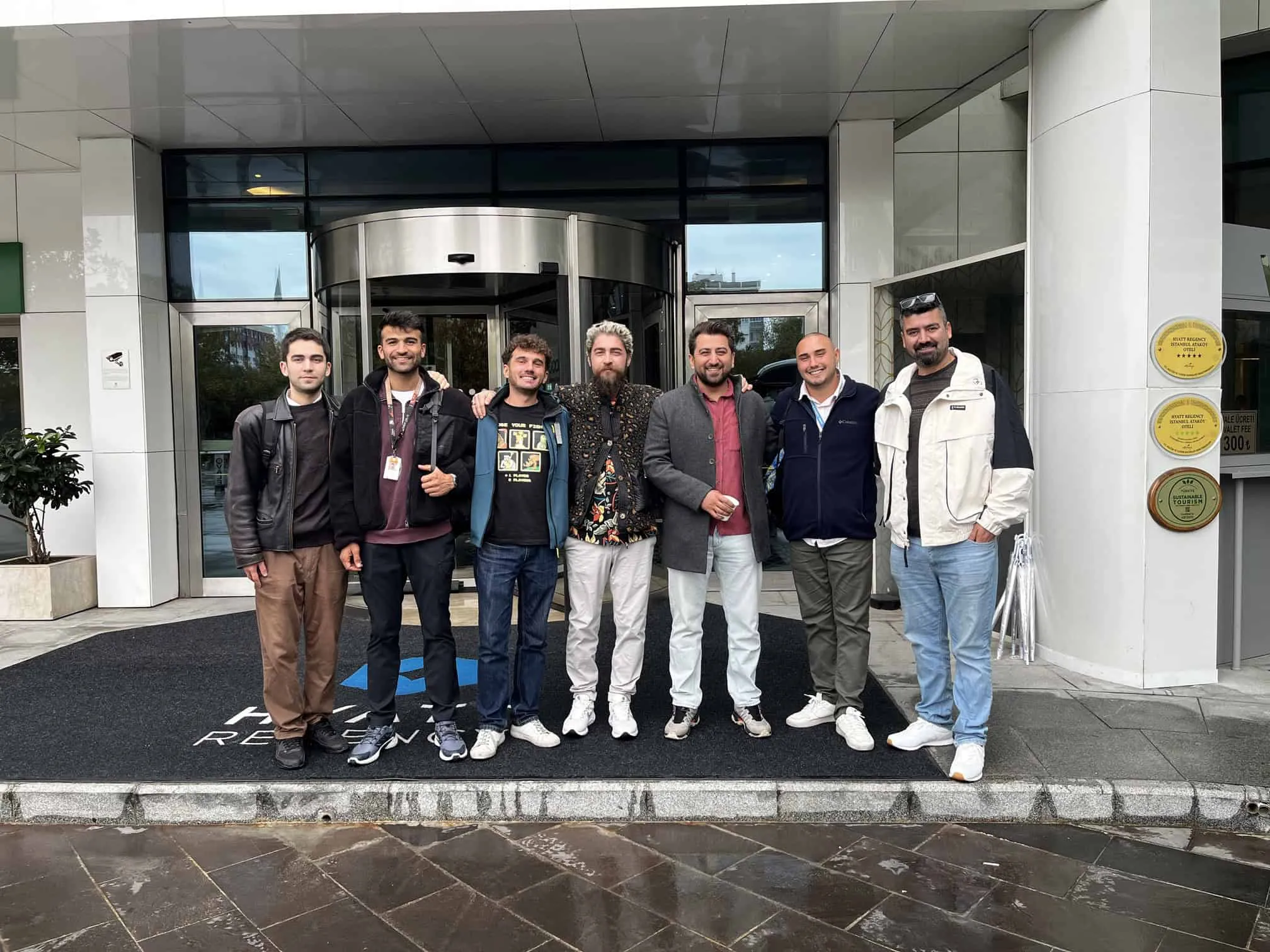
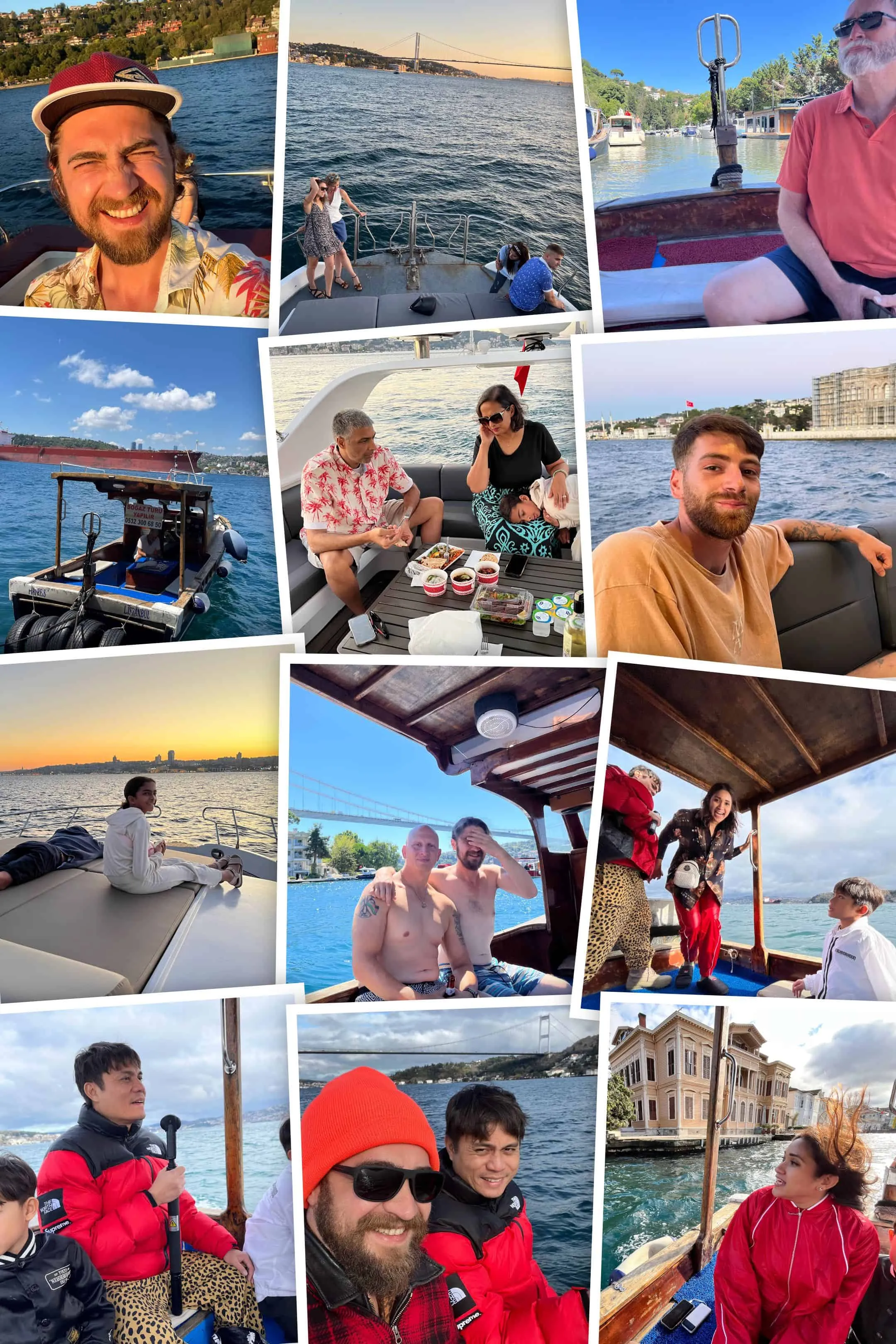
Two years after that first Bosphorus cruise, the numbers tell part of the story.
When the guide-profile project started in late 2024, it began with two people. By the end of 2025, around twenty guides had joined the published roster. By August 2026, the running record had reached 53, spanning Istanbul, Cappadocia, Ephesus, Antalya, Bodrum, Ankara and beyond.
But the more interesting part is how it happened.
Rubil brought people.
I brought people.
Metin, Said, Tolga, Yağız, Selda, Uğur, Özge brought people.
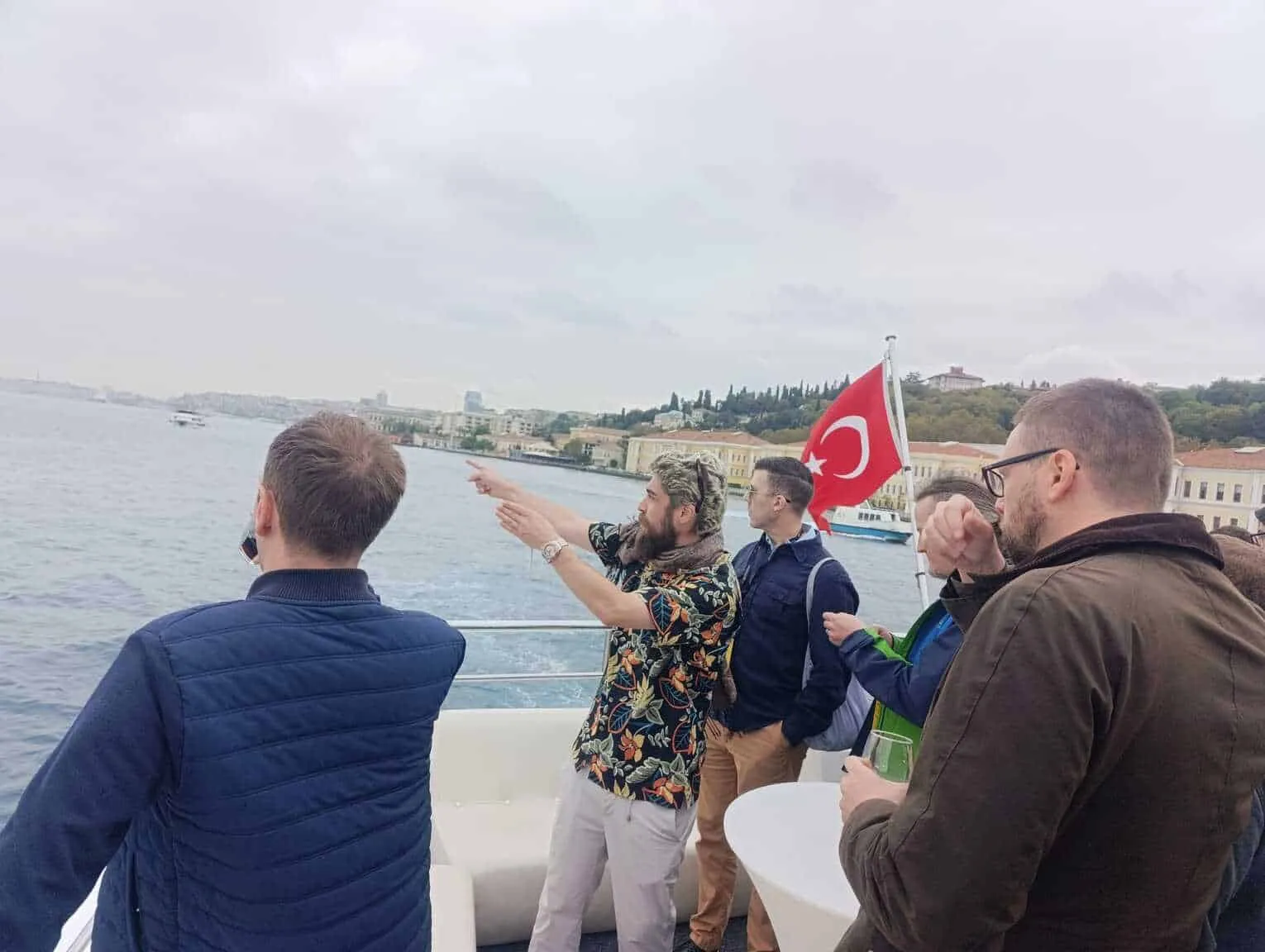
Guides introduced guides. Friends introduced historians, archaeologists, photographers, musicians and specialists. One conversation led to another. A recommendation made over tea became a profile; a profile became a collaboration; a collaboration sometimes became an entirely new tour.
By 2026, The Other Tour was becoming less a company built around Fethi and more a network built around relationships, curiosity and professional respect.
And something else was happening at the same time.
The website was changing.
What had begun in 2011 as the online home of one deliberately unconventional Istanbul tour was gradually becoming an enormous, interconnected body of writing about Istanbul, Anatolia and the civilizations that have passed through them. Tour pages began leading into biographies; biographies into forgotten neighborhoods; neighborhoods into Byzantine churches, Ottoman institutions, Armenian craftsmen, Rum communities, Jewish heritage, Turkish music, archaeology, architecture, food, migration and urban history.
The boundaries between tour company, publishing project, cultural archive and research platform were becoming increasingly difficult to draw.
Perhaps they no longer needed to be.
The tours themselves had always functioned as a kind of fieldwork. Every week brought new encounters: residents, shopkeepers, academics, guides, travelers, artisans, religious communities, restaurateurs, schoolchildren, fishermen and families. The city was not merely something being explained to visitors. It was continuously being observed, questioned and interpreted alongside them.
And the guides were not simply employees delivering a standardized script. Increasingly, they represented a distributed community of knowledge. An archaeologist notices one Istanbul; a Byzantine specialist another; a birdwatcher, photographer, musician or neighborhood guide sees something else entirely. Put those perspectives into conversation with one another and the organization begins producing something more interesting than itineraries.
It begins producing ideas.
That may be where The Other Tour is heading next.
Not toward becoming a conventional academic institution, and certainly not toward pretending to be one. Rather, toward becoming a field-based cultural think tank: an independent platform where tourism, history, anthropology, archaeology, urbanism and everyday life can inform one another.
The ambition is not merely to tell visitors what happened in Istanbul.
It is to use Istanbul—and increasingly Turkey as a whole—as a place from which to think about cities, civilizations, migration, memory, identity, religion, tourism and the strange ways human beings organize themselves.
Tourism remains essential to that project. In fact, it may be its greatest advantage. Instead of separating research from the street, The Other Tour has thousands of encounters with the street built into its existence. Guides walk through neighborhoods. Guests ask unexpected questions. Old assumptions are challenged. New specialists enter the network. Articles are corrected and expanded. New routes emerge from new research, and new research emerges from the routes.
It is a feedback loop between travel and thought.
Fethi is still very much at the center of it.
He founded the thing, remains its chief instigator, and much of its restless curiosity still reflects his own relationship with Istanbul.
He just cannot possibly control all of it anymore.
Fifty-three guides, hundreds of subjects, thousands of encounters and an expanding web of people contributing their own expertise have made that impossible.
I suspect that is a good thing.
Because perhaps the most interesting future for The Other Tour is not becoming bigger in the conventional sense.
It is becoming more intelligent, more collaborative and more curious—a living network of people who explore Turkey, argue about it, research it, write about it, walk through it and continually reconsider what they thought they knew.
A tour company can show you a city.
The Other Tour increasingly wants to think with it.
I still cannot find one professional label that adequately describes Fethi Karataş.
Travel agent is accurate but insufficient.
Entrepreneur is accurate but insufficient.
Researcher, editor, host, curator, publisher and connector all describe pieces of him.
He is generous, curious, difficult, funny, impatient, loyal and intellectually restless. He can turn a free afternoon into an archaeological expedition, dinner into a seminar and a casual idea into another website.
He also reads obsessively.

Archaeological reports, academic papers, PhDs, excavation updates, old chronicles — whatever helps him understand a subject properly. Then he turns that research into articles like Deep Layers of Ephesus or The Varangian Guard, written seriously enough to respect the scholarship but clearly enough to reach thousands of people through Google Discover.
And sometimes those people come to Türkiye because of what they read.
That is the strange loop he has built: research becomes writing, writing creates curiosity, curiosity becomes travel, and travel produces new questions.
His interests have almost no boundaries. Paleolithic caves, Byzantine armies, Persian satrapies, Rûm communities, Islamic scholarship, Turkic dynasties, physics, music, chess, cats, birds, vineyards, forgotten artists and neighborhood cafés can all become serious subjects.
Even Istanbul’s famous cats are not just scenery to him. He wants to know who feeds them, who pays the veterinary bills, who has been caring for the same colony for years, and who the real cat heroes are behind the city’s mythology.
He never seems to run out of curiosity.
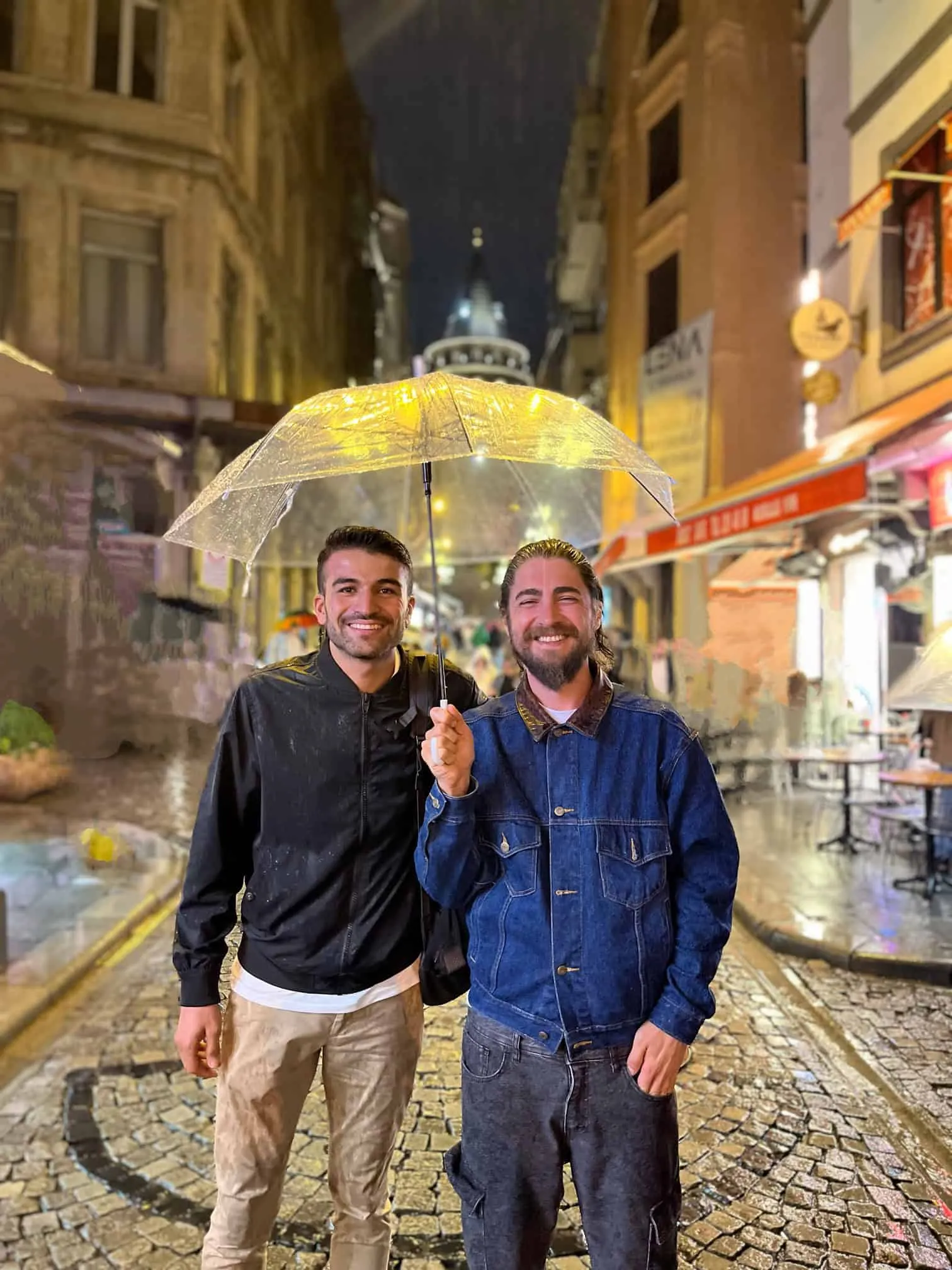
And there is another side of Fethi that I have come to understand better over the last two years: he is deeply Anatolian, but his idea of Türkiye is expansive rather than defensive.
I am from Sivas, so perhaps I recognize something in this instinct.
The more seriously you take Anatolia, the harder it becomes to reduce it to one people, one century or one story. You begin with the Turks and immediately encounter Armenians, Greeks, Persians, Romans, Kurds, Jews, Arabs, Georgians, Circassians, Balkan migrants and dozens of other peoples whose lives overlap across the same mountains, roads, villages and cities.
Fethi is interested in all of them.
For him, loving Anatolia does not mean simplifying its past. It means being curious enough to accept how complicated it really is.
Tagged with :